

P0116 on 2010-2015 Kia Optima 2.4L: Causes and Fixes for Coolant Temp Issues
For a 2010-2015 Kia Optima with a P0116 code, the issue is almost always a faulty thermostat that is stuck open or a bad Engine Coolant Temperature (ECT) sensor. The code indicates the sensor's reading is irrational, often because the engine isn't warming up as quickly as the computer expects. Replacing the thermostat is the most common and effective fix. Expect to pay $25-$75 for the parts, with a DIY difficulty of 2/5.
- P0116 on your Optima most likely means you need a new thermostat because the old one is stuck open.
- Before buying parts, use a scan tool to watch the coolant temperature. If it warms up very slowly, it's the thermostat. If the reading is erratic or nonsensical, it's likely the sensor.
- The ECT sensor and thermostat are located next to each other on the driver's side of the engine.
- This is a manageable DIY repair for someone with basic tools, but you must drain the coolant first and properly bleed the air out of the system afterward to prevent overheating.
What's Unique About the 2010-2015 Kia Optima
On the Kia Optima with the Theta II 2.4L engine, the P0116 code is very frequently caused by a thermostat that has failed in the 'stuck open' position. This prevents the engine from reaching its proper operating temperature (typically 180-183°F) in the time the computer expects, triggering the performance code. While the ECT sensor can also fail, the thermostat is a particularly common point of failure for this specific powertrain and its platform mates like the Hyundai Sonata.
Generation note: The 2010-2015 year range covers two generations of the Kia Optima: the end of the 2nd generation (MG, 2006-2010) and the 3rd generation (TF, 2011-2015). However, both generations in this range used the Theta II 2.4L engine, and the cooling system design, component locations, and common causes for P0116 are consistent across them.
Symptoms You May Notice
- Check Engine Light is on
- Engine temperature gauge is lower than normal or fluctuates erratically
- Reduced fuel economy
- Heater may not blow hot air
- Engine may run rough or hesitate, especially when cold.
- Cooling fans may run constantly or at incorrect times
- Hard starting when the engine is cold
- Replacing the ECT sensor when the thermostat is actually the faulty component. It is crucial to diagnose whether the engine is warming up slowly (thermostat) or if the sensor signal is electrically irrational (sensor/wiring).
- Failing to properly bleed the cooling system after replacing a component, which introduces air pockets and causes erratic temperature readings that can mimic a faulty sensor.
Most Likely Causes
- Faulty Engine Thermostat 🔴 High Probability Thermostats on this platform are known to fail by sticking open, which directly causes the engine to warm up too slowly, triggering a P0116 performance code. This is the most cited cause in owner forums for this specific engine.
How to confirm: Use a scan tool to monitor coolant temperature. If the engine takes an excessively long time (over 15-20 minutes of driving) to reach operating temperature or never reaches the target of ~180-183°F, the thermostat is likely stuck open. You can also feel the upper radiator hose; it should remain cool and not get hot until the engine is near operating temperature.
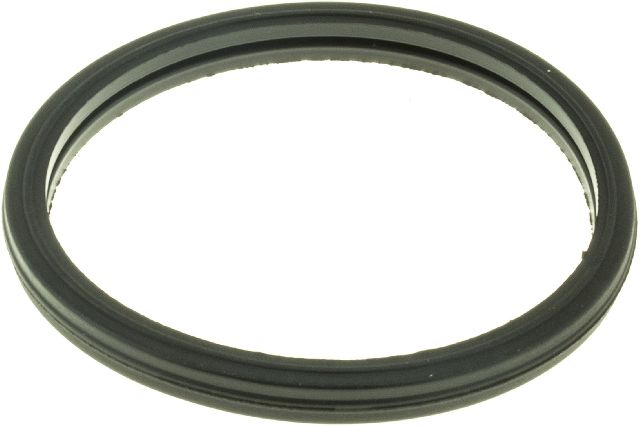
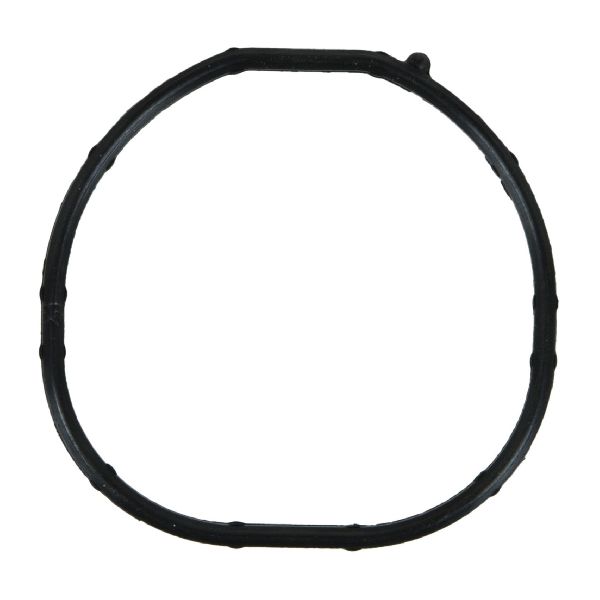
Typical fix: Replace the thermostat and its gasket. On this engine, the thermostat is often part of a larger housing assembly. It is highly recommended to drain and replace the engine coolant at the same time and properly bleed the system of air. 🎬 See how to properly flush and bleed your cooling system.
Est. part cost: $25-$75 - Faulty Engine Coolant Temperature (ECT) Sensor 🟡 Medium Probability The ECT sensor can fail electrically, providing incorrect data. Corrosion within the cooling system or coolant leaking through the sensor's connector are common failure modes.
How to confirm: Use a scan tool to view live data. On a cold engine, the ECT reading should be nearly identical to the Intake Air Temperature (IAT) sensor reading. If the ECT reads an extreme value (e.g., -40°F or 250°F) or jumps erratically as the engine warms up, the sensor is bad. You can also test the sensor's resistance with a multimeter; at 68°F (20°C), it should be between 2,000 and 3,000 ohms.
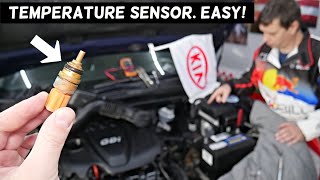
Typical fix: Replace the ECT sensor. The sensor 🎬 Watch: This video shows you how to replace the sensor. is held in by a clip and is located on the thermostat housing. The cooling system will need to be at least partially drained to avoid significant coolant loss.
Est. part cost: $20-$50 - Low Engine Coolant Level ⚪ Low Probability The Theta II engine has been subject to recalls and TSBs for issues that can lead to coolant loss, although this is not the primary cause of P0116.
How to confirm: Visually inspect the coolant reservoir and the radiator (when the engine is cold). If the level is low, the sensor may be exposed to air pockets, causing erratic readings. Air in the system after a coolant service can also cause this.
Typical fix: Top off the coolant with the correct type (typically a green or Asian blue/green P-HOAT coolant) and inspect for leaks that caused the low level. Bleed the cooling system to remove any trapped air.
Est. part cost: $15-$30 - Wiring or Connector Issue ⚪ Low Probability
How to confirm: Visually inspect the ECT sensor's connector and wiring for damage, corrosion, or looseness. Oil from a leaking valve cover gasket can contaminate the connector. Wiggle the connector while watching live data on a scan tool; if the reading jumps, the connection is poor.
Typical fix: Clean the connector with electrical contact cleaner or repair the damaged section of the wiring harness. Ensure the connector is fully seated.
Est. part cost: $5-$50
Rare But Worth Checking
- Faulty Powertrain Control Module (PCM): This is extremely rare. All other possibilities, especially the thermostat and sensor, should be exhaustively ruled out before considering the PCM as the cause.
Diagnosis Steps
- Check for other stored trouble codes. Codes like P0117, P0118, or P0128 can help pinpoint the issue.
- Visually inspect the coolant level in the reservoir and radiator (only when the engine is completely cool).
- Connect an OBD-II scanner and check the live data for the Engine Coolant Temperature (ECT) and Intake Air Temperature (IAT) with the engine cold. The readings should be within a few degrees of each other.
- Start the engine and monitor the ECT reading on the scanner. Watch for a smooth, steady increase in temperature as the engine warms up. The target is typically around 180-183°F (82°C).
- If the temperature rises very slowly, plateaus at a low temperature (e.g., below 170°F), or drops at highway speeds, the thermostat is most likely stuck open.
- If the temperature reading is erratic, jumps to extreme highs or lows (-40°F or 250°F), or doesn't change at all, the ECT sensor or its wiring is the likely culprit.
- If the sensor is suspected, inspect its electrical connector and wiring for any signs of damage, corrosion, or oil contamination. Consider performing a 'wiggle test' on the harness while monitoring live data.
- If all of the above check out, test the thermostat's physical operation by ensuring the upper radiator hose does not get hot until the engine reaches operating temperature (around 180-195°F).
- After any repair involving draining coolant, ensure the system is properly bled to remove air pockets, as they can cause a repeat P0116 code.
Parts You'll Likely Need
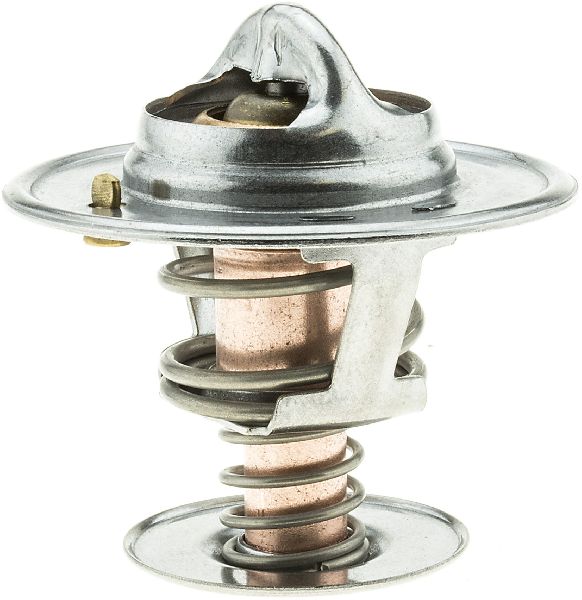
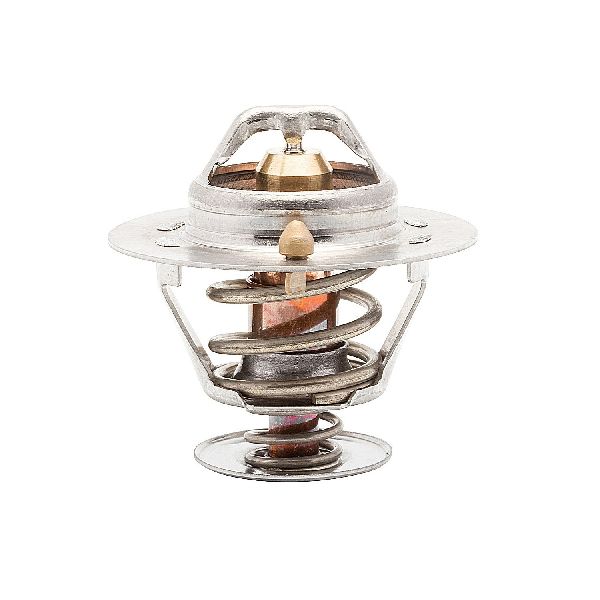
- Engine Coolant Thermostat
(OEM #256002G500)— This is the most common cause of P0116 on this vehicle, as they tend to fail in the open position, preventing the engine from warming up correctly. This part number often refers to the complete thermostat and housing assembly for 2011-2015 models.
Trusted brands: Kia Genuine, Hyundai Genuine, Mahle, Gates, Dorman
OEM price range: $40-$60
Aftermarket price range: $20-$40 - Engine Coolant Temperature (ECT) Sensor
(OEM #3922038030)— The second most likely cause. The sensor can fail electrically, sending erratic or incorrect temperature data to the computer. This part is shared across many Hyundai/Kia models.
Trusted brands: Kia Genuine, NTK, Delphi, Beck/Arnley
OEM price range: $25-$40
Aftermarket price range: $15-$30
Related Codes That Often Appear With This One
- P0128 — P0128 (Coolant Temperature Below Thermostat Regulating Temperature) is very similar and is often caused by the same issue: a thermostat stuck open. P0116 is a range/performance error, while P0128 specifically indicates the engine isn't reaching operating temperature.
- P0117 — P0117 (ECT Circuit Low Input) indicates a short in the sensor circuit. If you have both codes, it points more strongly to an electrical issue with the sensor or wiring rather than a mechanical thermostat problem.
- P0118 — P0118 (ECT Circuit High Input) indicates an open circuit. Like P0117, its presence alongside P0116 suggests an electrical fault that should be diagnosed first.
Technical Service Bulletins (TSBs) & Recalls
- While no TSB directly addresses P0116 for this model, several TSBs relate to the Theta II engine's health and cooling system. TSB SC147 details an engine inspection and replacement campaign due to manufacturing debris, which underscores the importance of engine health. Other TSBs like PI1802Y/Z address the Knock Sensor Detection System (KSDS), which is another critical engine management component on this powertrain.
Platform-Specific Known Issues
- The original plastic thermostat housings on some models can become brittle over time and crack, especially during thermostat replacement. Aftermarket aluminum housings are available and are a common reliability upgrade.
- The Theta II 2.4L GDI engine was subject to a major safety recall (SC147) for potential engine bearing failure. While not directly related to the cooling system, any major engine work or internal issue could potentially impact cooling system performance.
Mechanic-Grade Diagnostic Values
- ECT Sensor Resistance (between sensor terminals) — expected: At 0°C (32°F): 5.0-6.5 kΩ. At 20°C (68°F): 2.0-3.0 kΩ. At 90°C (194°F): 225-300 Ω.. Failure: Readings significantly outside these ranges at a known temperature indicate a faulty sensor.
- ECT Sensor Signal Voltage (signal wire to ground, key on) — expected: Approximately 2.0V - 3.0V on a cold engine (20°C / 68°F), decreasing smoothly to ~0.5V on a fully warmed-up engine.. Failure: Voltage that is stuck high or low, does not change, or jumps erratically as the engine warms up.
Scan Tool Commands That Help
- Kia GDS (Global Diagnostic System): Guided Troubleshooting Procedures / Actuation Test — The GDS provides step-by-step diagnostic flows for specific DTCs. The actuation test function can be used to command components like the cooling fans to verify their operation, helping to isolate the fault. It can also be used to reset engine adaptive values after a repair.
Wiring & Ground Locations
- ECT Sensor Connector — On the thermostat housing, below the air intake duct on the driver's side of the engine.. This connector is a primary failure point. It can become contaminated with oil or coolant, or the terminals can corrode, causing an irrational signal that triggers P0116. Note: There is conflicting information on pin count; some sources list a 3-pin connector, others a 4-pin. Technicians should visually verify before ordering replacement pigtails.
- Engine Ground Strap — There are multiple grounds. A key one connects the engine block/transmission to the vehicle chassis, often near the engine mount on the driver's side.. A poor engine ground can cause floating or incorrect reference voltages for various sensors, including the ECT sensor. This can lead to erratic readings and trigger range/performance codes like P0116, even if the sensor itself is good.
Real Owner Repair Stories
- Synthesized from multiple owner forums (kia-forums.com, optimaforums.com) (2011-2013 Kia Optima 2.4L) — Check engine light on with P0116, sometimes accompanied by P0128. Temperature gauge on the dash reads low, never reaching the middle, and the heater blows lukewarm air.
❌ Tried (didn't work) Clearing the code (it returned within a day or two)., Topping off coolant when it was not significantly low., In some cases, replacing the ECT sensor first, which did not resolve the slow warm-up issue.
✅ What actually fixed it Replacing the engine thermostat and housing assembly (part 25600-2G500). After replacement and properly bleeding the cooling system, the engine would reach normal operating temperature (180-185°F) within 10-15 minutes of driving, and the code did not return.
OEM Part Supersession History
39220-38020→39220-38030— Standard part revision/update by the manufacturer.
Heads up: The new part number (39220-38030) is a direct replacement for the old one and is fully compatible.39230-26700→39220-38030— Part number consolidation across different models.
Heads up: The new part number (39220-38030) is a direct replacement for the old one and is fully compatible.
Model Year Variations Within This Range
- 2010 (MG Generation): The 2010 model year uses a different thermostat housing assembly, OEM part number 25600-2G600.
- 2011-2015 (TF Generation): The 2011-2015 models use thermostat housing assembly OEM part number 25600-2G500, as listed in the Pass 2 data.
Diagnostic Flowchart
Used vs. New Parts: Buying Guide for This Vehicle
When a used part is the smart pick: A used thermostat housing assembly from a low-mileage donor vehicle can be a cost-effective option, especially if you are looking for an OEM part without the OEM price. However, given the low cost of new aftermarket assemblies, it's often not worth the risk. Never install a used thermostat or ECT sensor, as these are wear items with a finite lifespan and low replacement cost.
Donor-vehicle mileage cap: roughly under 60000 miles for the part to have meaningful remaining life.
What to inspect on the donor part:
- Inspect the plastic housing for any hairline cracks, especially around the hose connections and bolt holes.
- Check the gasket mating surfaces for any deep scratches, warping, or signs of pitting from old coolant.
- Ensure the electrical connector on the included ECT sensor (if present) is free of corrosion, and the plastic isn't brittle.
OEM-only on this vehicle (don't cheap out):
- No parts in this repair are strictly OEM-only, but using an OEM or OE-equivalent (e.g., Mahle) thermostat is highly recommended for correct temperature regulation and longevity.
Aftermarket brands forum-validated for this vehicle:
- Dorman (Offers replacement housings, sometimes in upgraded aluminum).
- Gates (Known for quality thermostats).
- Mahle (Often an OE supplier).
- NTK / Delphi (For the ECT sensor).
Brands owners have reported issues with on this vehicle:
- Avoid unbranded, no-name thermostat assemblies from online marketplaces, as they often use poor quality plastic and thermostats that fail to regulate temperature correctly, leading to a repeat of the P0116 or P0128 code.
Real Owner Stories
Aggregated from forums and TSBs cited above. Mileages and costs reflect what owners reported in those sources.
2010-2015 Kia Optima Theta II 2.4L
Symptoms: Check Engine Light with code P0116, low temperature gauge reading, no hot air from the heater, and poor fuel economy.
What fixed it: Replacing the entire thermostat assembly (part 25600-2G500) resolved all symptoms and the code.
Source hint: kia-forums.com & optimaforums.com
2013 Kia Optima 2.4L
Symptoms: The P0116 Check Engine Light returned shortly after replacing the Engine Coolant Temperature (ECT) sensor.
What fixed it: The final fix was replacing the engine thermostat, which was stuck open.
Source hint: Reddit - r/MechanicAdvice & r/kia
2010-2015 Kia Optima Theta II 2.4L
Symptoms: After replacing the thermostat to fix a P0116 code, the code came back on.
What fixed it: The issue was resolved by properly 'burping' or bleeding the cooling system to remove trapped air that was causing incorrect sensor readings.
Source hint: Reddit - r/MechanicAdvice & r/kia
Related OBD-II Codes
Frequently Asked Questions
What is the most common cause of a P0116 code on my 2010-2015 Kia Optima?
I'm replacing the thermostat on my Optima. Is there anything else I should do at the same time?
My mechanic wants to replace the Engine Coolant Temperature (ECT) sensor first. Is this the right approach?
I replaced the thermostat and coolant, but the P0116 code came back. What did I miss?
What part number should I look for when buying a new thermostat assembly?
Does the major engine recall (SC147) for the Theta II engine cause this P0116 code?
How can I check if my ECT sensor is bad without replacing it?
Helpful Videos
We Have This Part in Stock



The information in this article is provided for general reference and educational purposes only. Vehicle specifications, procedures, and part compatibility can vary by production date, trim level, and region. Always consult your vehicle's factory service manual and verify part numbers before purchasing or performing repairs. Safety-critical components such as airbags, seat belts, and braking systems should be installed by a qualified professional.
- Kia Optima:
- 🎬 Helpful Videos
- 🛍️ Shop This Part
- What's Unique About the 2010-2015 Kia Optima
- Symptoms You May Notice
- Most Likely Causes
- Rare But Worth Checking
- Diagnosis Steps
- Parts You'll Likely Need
- Related Codes That Often Appear With This One
- Technical Service Bulletins (TSBs) & Recalls
- Platform-Specific Known Issues
- Mechanic-Grade Diagnostic Values
- Scan Tool Commands That Help
- Wiring & Ground Locations
- Real Owner Repair Stories
- OEM Part Supersession History
- Model Year Variations Within This Range
- Diagnostic Flowchart
- Used vs. New Parts: Buying Guide for This Vehicle
- Real Owner Stories
- 2010-2015 Kia Optima Theta II 2.4L
- 2013 Kia Optima 2.4L
- 2010-2015 Kia Optima Theta II 2.4L
- Related OBD-II Codes
- Frequently Asked Questions
- 🎟️ Get 5% Off