

P0113 on 2012-2018 Jeep Wrangler JK 3.6L: Intake Air Temp Sensor Causes and Fixes
On a 2012-2018 Jeep Wrangler JK, code P0113 is most often caused by a loose or disconnected Intake Air Temperature (IAT) sensor connector on the air intake tube. Before buying any parts, check that the sensor is plugged in securely. This is a very common issue after installing an aftermarket cold air intake or performing other engine service. If the connection is good, the sensor itself has likely failed. A replacement Mopar sensor (part #5149182AB) costs around $40-$55 and is a 5-minute DIY fix
- Before you buy anything, check if the IAT sensor is unplugged. It's located on the large plastic air tube going to the engine, and reconnecting it is the most common fix, especially after recent engine work.
- This code indicates an electrical fault (high voltage/open circuit), not that the air is actually cold.
- On the 2012-2018 Wrangler JK, the IAT sensor is a separate part (Mopar #5149182AB), not integrated with the MAP sensor.
- If the sensor is plugged in, replacement is the next step. It's a very easy and inexpensive DIY job.
What's Unique About the 2012-2018 Jeep Wrangler

On the Jeep Wrangler JK with the 3.6L Pentastar engine, the most common cause for a P0113 code is surprisingly simple: the IAT sensor's electrical connector often comes loose or gets knocked off. This frequently happens during the installation of popular aftermarket cold air intakes or other routine maintenance where the intake tube is moved. Unlike some other Chrysler vehicles that integrate the IAT into the MAP sensor, the Wrangler JK uses a separate, standalone IAT sensor located in the main air intake tube, making it easy to access but also susceptible to being disconnected. Many owners have fixed this code for free simply by finding the unplugged sensor and securely reconnecting it.
Symptoms You May Notice
- Check Engine Light is on
- Reduced fuel economy
- Rough or erratic idle
- Hesitation or sluggish acceleration
- Difficulty starting the engine, especially in cold weather
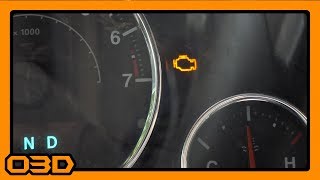
- Scan tool shows IAT reading as -40°F or a value that exactly mirrors the ambient air temperature reading, indicating the PCM is using a default value. 🎬 Watch: Understanding and fixing the P0113 code
- Replacing the MAP (Manifold Absolute Pressure) sensor. On some Chrysler vehicles with the 3.6L engine, the IAT is integrated into the MAP sensor, but on the 2012-2018 Wrangler JK, it is a separate, standalone part in the intake tube.
Most Likely Causes
- Loose or Unplugged IAT Sensor Connector 🔴 High Probability The sensor is located on the main intake tube and its connector can be knocked loose during other engine service (like air filter changes or thermostat replacement) or when installing aftermarket cold air intakes. Engine vibration can also contribute to it coming loose if not fully seated.
How to confirm: Visually inspect the IAT sensor on the air intake tube between the air filter box and the engine. Check if the electrical connector is loose, partially detached, or fully unplugged. Ensure the red locking tab is engaged. 🎬 Watch: How to troubleshoot P0113 on a Jeep JK
Typical fix: Securely plug the connector back onto the sensor until it clicks, then push the red locking tab into place. Clear the code and test drive.
Est. part cost: $0 - Faulty Intake Air Temperature (IAT) Sensor 🟡 Medium Probability The sensor is a simple thermistor that can fail internally from age and heat cycles in the engine bay, causing an open circuit which results in the 'Circuit High' reading.
How to confirm: If the connector is secure and the wiring appears undamaged, the sensor is the next most likely culprit. You can test the sensor with a multimeter for resistance (typically 3,400 ohms at 70°F/21°C), but given its low cost, replacement is a common and effective diagnostic step.
Typical fix: Replace the IAT sensor. It typically twists counter-clockwise to unlock, then pulls out of a rubber grommet in the intake tube.
Est. part cost: $20-$55 - Damaged Wiring or Connector Pins ⚪ Low Probability Engine bay heat and vibration can, over time, cause wires to break near the connector or the female pins inside the connector to become loose or corroded. The plastic locking tab on the connector can also break, preventing a secure connection.
How to confirm: With the connector unplugged, inspect the pins for corrosion or damage. Gently tug on the wires leading to the connector to check for breaks. Use a multimeter to check for a 5V reference signal and a good ground at the connector with the key on.
Typical fix: If the locking tab is broken, the connector may need to be replaced. If a wire is broken or pins are corroded, repair the broken wire or replace the connector pigtail.
Est. part cost: $15-$30
Rare But Worth Checking
- Faulty Powertrain Control Module (PCM): This is extremely rare. The PCM's internal circuit for the IAT sensor can fail, but this should only be considered after a new OEM sensor and verified good wiring do not resolve the code. This would likely be accompanied by other sensor-related trouble codes.
Diagnosis Steps

- Visually inspect the air intake tube that runs from the air filter box to the engine.
- Locate the Intake Air Temperature (IAT) sensor plugged into the tube. It's a small, two-wire sensor that twists into place.
- Check if the electrical connector is securely fastened. This is the most common fix. If it is loose, plug it in firmly until it clicks, push in the red locking tab, clear the codes, and drive the vehicle to see if the light returns.
- If the connector is secure, unplug it and inspect the pins on both the sensor and the connector for corrosion, dirt, or damage.
- If the connection looks good, the most common and cost-effective next step is to replace the IAT sensor. It's a known failure item.
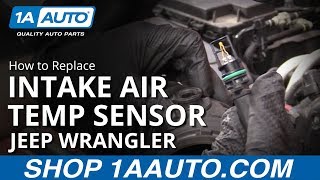
- To replace, disconnect the electrical plug, gently twist the old sensor counter-clockwise and pull it out of the rubber grommet in the intake tube. 🎬 See this step-by-step IAT sensor replacement walkthrough Lubricate the new sensor's O-ring with a small amount of clean engine oil or silicone spray and insert it. Twist clockwise to lock and reconnect the electrical plug.
- If a new sensor does not fix the issue, inspect the wiring harness for breaks or chafing. Use a multimeter to test for ~5 volts on the reference wire and a good ground on the other wire at the connector with the key on.
- If wiring and sensor are confirmed good, the issue may be with the PCM, which is a rare and professional-level diagnosis.
Parts You'll Likely Need

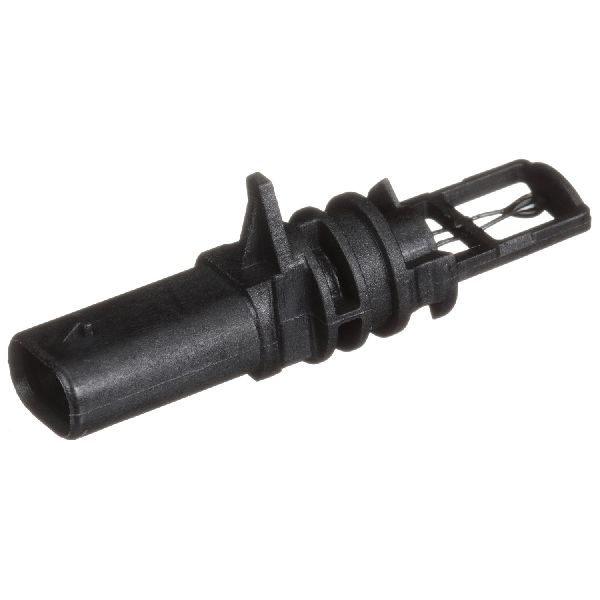
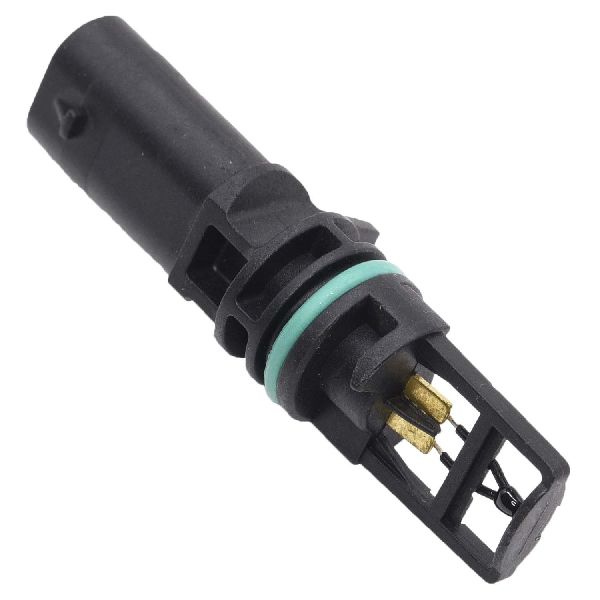
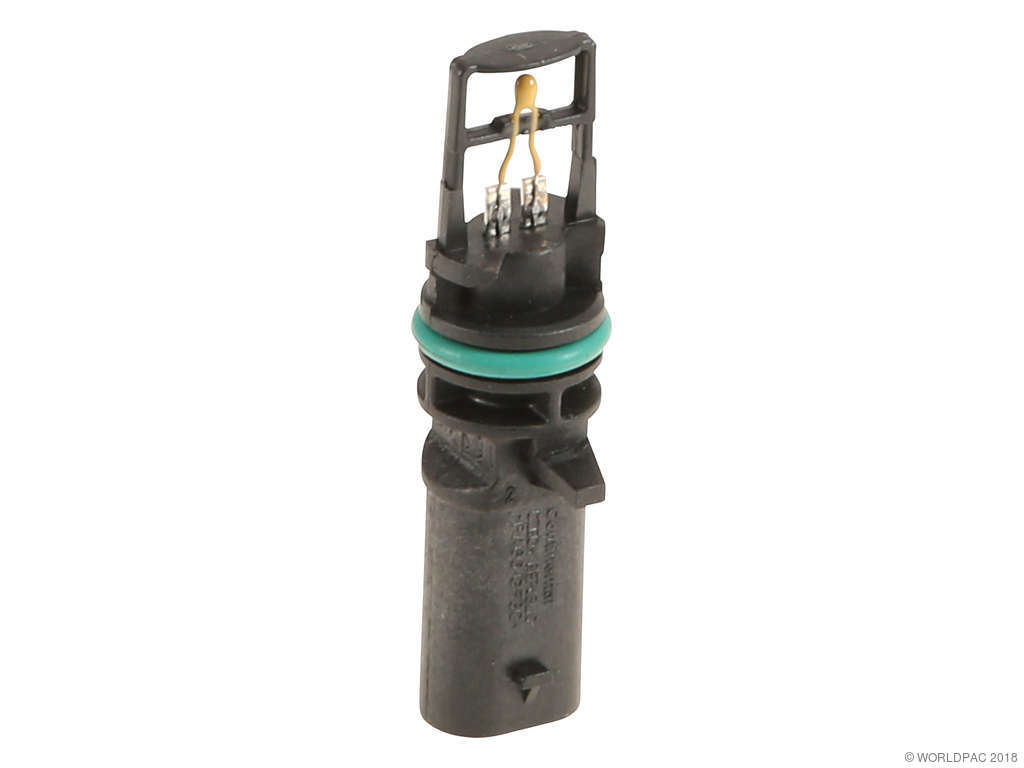
- Intake Air Temperature Sensor
(OEM #5149182AB)— This is the component that fails most often after checking for a loose connection. Its internal thermistor degrades over time, causing the 'Circuit High' fault. The OEM part supersedes part number 5149182AA.
Trusted brands: Mopar, NTK, Standard Motor Products, Delphi
OEM price range: $40-$55
Aftermarket price range: $15-$35
Platform-Specific Known Issues
- Code Appears After Aftermarket Intake Installation: A very common scenario for P0113 is its appearance immediately after installing an aftermarket cold air intake. Owners often forget to transfer the IAT sensor from the stock intake tube to the new one, or fail to plug it in securely, triggering the code.
- Code Appears After Other Engine Service: Owners report this code appearing after unrelated repairs, such as replacing a thermostat or changing spark plugs. This is because the air intake assembly is often moved or removed for access, and the IAT sensor is inadvertently left unplugged during reassembly.
Technical Service Bulletins (TSBs) & Recalls
- TSB Bulletin #08-002-16: While issued for another model in the manufacturer's lineup, this bulletin highlights a relevant issue where the wiring at the connector of the Intake Air Temperature (IAT) sensor may be compromised due to wire strain, causing DTC P0113.
Mechanic-Grade Diagnostic Values
- IAT Sensor Resistance vs. Temperature — expected: Approx. 7,500 Ω at 40°F (4.5°C); 3,400 Ω at 70°F (21°C); 1,600 Ω at 100°F (38°C).. Failure: Infinite resistance (open circuit) or a reading that does not change when the sensor's temperature is changed with a heat gun/hair dryer.
- IAT Sensor Signal Voltage at PCM — expected: Normally 0.5V (hot) to 4.5V (cold).. Failure: Voltage is stuck above 4.98V for more than 2.8 seconds, which triggers the P0113 code.
- Voltage at Harness Connector (KOEO, Sensor Unplugged) — expected: Approximately 4.6V to 5.0V on the signal wire pin.. Failure: Zero volts or significantly low voltage, indicating a break in the signal wire from the PCM or a faulty PCM driver.
- Jumper Wire Test (Scan Tool Voltage) — expected: Approximately 0.0V (±0.1V).. Failure: Voltage does not drop to zero, indicating an open or high resistance in the signal or ground wire between the connector and the PCM.
Scan Tool Commands That Help
- wiTECH or equivalent professional scanner: Live Data / Data Stream Viewer — This is the primary function used to diagnose P0113. Monitor the 'Intake Air Temperature' and 'IAT Sensor Voltage' PIDs. A P0113 fault will typically show a temperature of -40°F and a voltage near 5V. It's also used to verify the success of a jumper wire test.
Wiring & Ground Locations
- (K21) IAT Signal Circuit — One of the two wires in the IAT sensor connector harness, running to the PCM.. This is the signal wire the PCM reads voltage from. An open in this wire will cause the voltage to float high to the 5V reference level, triggering P0113.
- (K900) Sensor Ground Circuit — The second of two wires in the IAT sensor connector harness, providing a ground reference from the PCM.. An open in this ground wire will prevent the sensor from pulling the signal voltage down, causing it to remain high and triggering P0113.
- Main Chassis Ground — The main ground cable from the negative battery terminal connects to a welded stud on the body, near the battery tray.. While not specific to the IAT sensor, a poor main ground can cause widespread, erratic electrical issues and multiple 'circuit high' codes as modules search for a valid ground path.
Real Owner Repair Stories
- JK-Forum.com user (Jeep Wrangler JK (year not specified)) — Check Engine Light after installing an Airaid cold air intake.
❌ Tried (didn't work) Plugging the connector back on.
✅ What actually fixed it The user accidentally broke the plastic locking tab on the IAT sensor connector during the intake installation. The connector would fit onto the sensor but would not lock, allowing it to vibrate loose and trigger the P0113 code. The final fix requires replacing the connector pigtail. - YouTube channel 'o3djeeps' (Jeep Wrangler JK) — Check Engine Light with code P0113. Scan tool showed Intake Air Temp and Ambient Air Temp readings were identical (86°F).
✅ What actually fixed it A visual inspection under the hood revealed the IAT sensor's electrical connector was completely unplugged. The connector was securely plugged back onto the sensor, and the code was cleared, resolving the issue instantly. - NHTSA ODI #11658160: An owner of a related vehicle reported that the engine would not crank and diagnostic code P0113 appeared while the vehicle was stationary.
OEM Part Supersession History
5149182AA→5149182AB— Standard part revision by the manufacturer.
Heads up: None. Part 5149182AB is a direct, backward-compatible replacement for 5149182AA.
Diagnostic Flowchart
Other Known Issues on This Vehicle
Issues unrelated to this code that are worth knowing about as an owner of this generation:
- Cracked Oil Filter / Cooler Housing 🔴 High — Extremely common, typically between 60,000 and 120,000 miles. The plastic housing becomes brittle from heat cycles and cracks, causing significant oil and/or coolant leaks into the engine valley. (Ref: TSB #18-034-14 REV. A was issued for a related oil pressure sensor failure caused by oil saturation from this leak on 2013-2014 models.)
- Rocker Arm / Lifter Failure ('Pentastar Tick') 🔴 High — Common, especially on 2012-2014 models but can occur at any mileage. Needle bearings in the rocker arms fail, creating a distinct ticking/tapping noise. If ignored, it can destroy the camshaft lobes, leading to misfires and costly engine repair. (Ref: Chrysler extended the warranty (X56) on the left cylinder head for some early models for a related valve seat issue, but no universal recall exists for the rocker arms themselves. A class-action lawsuit was filed regarding this issue.)
- Heater Core Clogging from Casting Sand 🟠 Medium — Widespread problem on 2012-2017 models. Sand left over from the engine block casting process circulates in the coolant and clogs the narrow passages of the heater core, resulting in poor or no heat, often on the driver's side first. (Ref: No recall was issued, but the problem was the subject of a class-action lawsuit (Malizia, et. al. v. FCA US LLC).)
- Front Axle 'Death Wobble' 🔴 High — A common issue for solid-front-axle Jeeps, often triggered by hitting a bump at highway speeds (45-65 mph). It is not an engine problem but a violent, uncontrollable oscillation of the front wheels. (Ref: The root cause is almost always a worn or loose front-end component, most frequently the track bar bolt hole ovaling out or a worn track bar bushing. It is not fixed by a steering stabilizer, which only masks the symptom.)
Used vs. New Parts: Buying Guide for This Vehicle
When a used part is the smart pick: For this repair, a used part only makes sense for the connector pigtail. If the plastic connector housing or locking tab is broken, sourcing a used pigtail from a junkyard harness is an excellent, low-cost OEM-quality repair. Buying a used electronic sensor is not recommended due to its low cost new and unknown remaining lifespan.
Donor-vehicle mileage cap: roughly under 200000 miles for the part to have meaningful remaining life.
What to inspect on the donor part:
- For a connector pigtail: ensure the locking tab clicks firmly and is not brittle.
- Inspect the female pins inside the connector; they should be clean and free of green or white corrosion.
- Check that the wires are flexible and the insulation is not cracked or hardened from heat.
OEM-only on this vehicle (don't cheap out):
- No parts for this specific repair are strictly 'OEM-only', but using a Mopar sensor (5149182AB) is a wise step if an aftermarket part doesn't resolve the code, as it eliminates part quality as a variable.
Aftermarket brands forum-validated for this vehicle:
- NTK
- Standard Motor Products (SMP)
- Delphi
Brands owners have reported issues with on this vehicle:
- Unnamed, ultra-low-cost sensors from online marketplaces are often cited on forums as having poor quality control and should be avoided for reliable diagnostics.
Real Owner Stories
Aggregated from forums and TSBs cited above. Mileages and costs reflect what owners reported in those sources.
2012-2018 Jeep Wrangler 3.6L Pentastar V6
Symptoms: The creator shows how the IAT and Ambient Temp readings on his scanner are identical, confirming the fault.
What fixed it: Securely reconnecting the sensor's electrical plug which had come loose.
Source hint: YouTube/o3djeeps: 'Jeep JK Check Engine Light Troubleshooting - P0113'
2012-2018 Jeep Wrangler 3.6L Pentastar V6
Symptoms: Owner reported getting code P0113 immediately after replacing their thermostat.
What fixed it: Plugging the IAT sensor back in after forgetting to do so when moving the intake for access.
Source hint: JK-Forum.com: 'Code p0113 after replacing thermostat'
2012-2018 Jeep Wrangler 3.6L Pentastar V6
Symptoms: A user installed a K&N cold air intake and got a persistent P0113; scan tool showed the IAT reading exactly matching the ambient air temp.
What fixed it: The thread confirms this is a classic sign of an open circuit default, typically requiring the sensor to be properly transferred and plugged in.
Source hint: JK-Forum.com: 'HELP NEEDED IAT P0113 won't turn off'
Related OBD-II Codes
Frequently Asked Questions
Why does my scan tool show -40°F for the Intake Air Temperature on my 2014 Wrangler?
I just installed a cold air intake on my JK Wrangler and now have a P0113 code. What happened?
Does the Pentastar 'ticking' noise relate to the P0113 code?
Where is the IAT sensor located on the 3.6L Pentastar V6?
Can I test the IAT sensor (Part #5149182AB) before buying a new one?
I just replaced my thermostat and now the Check Engine Light is on for P0113. Did I break something?
Helpful Videos

We Have This Part in Stock


The information in this article is provided for general reference and educational purposes only. Vehicle specifications, procedures, and part compatibility can vary by production date, trim level, and region. Always consult your vehicle's factory service manual and verify part numbers before purchasing or performing repairs. Safety-critical components such as airbags, seat belts, and braking systems should be installed by a qualified professional.
- Jeep Wrangler:
- 🎬 Helpful Videos
- 🛍️ Shop This Part
- What's Unique About the 2012-2018 Jeep Wrangler
- Symptoms You May Notice
- Most Likely Causes
- Rare But Worth Checking
- Diagnosis Steps
- Parts You'll Likely Need
- Platform-Specific Known Issues
- Technical Service Bulletins (TSBs) & Recalls
- Mechanic-Grade Diagnostic Values
- Scan Tool Commands That Help
- Wiring & Ground Locations
- Real Owner Repair Stories
- OEM Part Supersession History
- Diagnostic Flowchart
- Other Known Issues on This Vehicle
- Used vs. New Parts: Buying Guide for This Vehicle
- Real Owner Stories
- 2012-2018 Jeep Wrangler 3.6L Pentastar V6
- 2012-2018 Jeep Wrangler 3.6L Pentastar V6
- 2012-2018 Jeep Wrangler 3.6L Pentastar V6
- Related OBD-II Codes
- Frequently Asked Questions
- 🎟️ Get 5% Off