

P0113 on 2011-2014 Hyundai Sonata Hybrid: IAT Circuit High Causes and Fixes
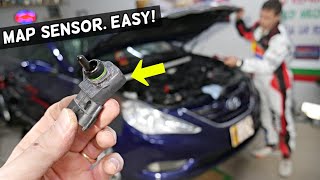
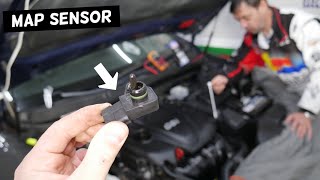
On a 2011-2014 Sonata Hybrid, P0113 is almost always caused by a failed integrated MAP/IAT sensor located on the intake manifold. Replacing this single sensor (OEM Part No. 39300-2B000) typically resolves the issue. The code indicates the computer is seeing an impossibly cold temperature (like -40°F) due to an open electrical circuit. Expect to pay around $130-$195 for the OEM part, with a DIY difficulty of 1/5.
- The P0113 code on your Sonata Hybrid points to an issue with the combined MAP/IAT sensor on the intake manifold, not a separate sensor.
- The most likely fix is replacing this single sensor, which is a simple task requiring basic tools.
- Look for OEM part number 39300-2B000.
- Don't confuse the MAP/IAT sensor with a MAF sensor (which this car doesn't have) or the ambient temp sensor for the dash display.
- If you also have a P0108 code, it further points to this single combined sensor as the culprit.
What's Unique About the 2011-2014 Hyundai Sonata
Unlike many vehicles where the IAT sensor is part of the Mass Airflow (MAF) sensor, the 2.4L Hybrid engine in this Sonata does not use a MAF sensor. Instead, it combines the Intake Air Temperature (IAT) sensor with the Manifold Absolute Pressure (MAP) sensor into a single unit, sometimes called a T-MAP sensor. This means that a P0113 code points directly to this combined sensor or its wiring, simplifying diagnosis as you are dealing with one component for both pressure and temperature readings of the intake air. The failure of this single component often triggers both P0113 (IAT) and P0108 (MAP) codes simultaneously.
Symptoms You May Notice
- Check Engine Light is on
- Decreased fuel efficiency
- Hesitation or poor acceleration
- Rough idling
- Engine may run rich
- Issues with the vehicle switching between EV and gasoline engine modes
- Replacing the MAF (Mass Airflow) sensor. This vehicle does not have one.
- Replacing the ambient air temperature sensor, which is a different sensor located near the radiator used for the outside temperature display on the dashboard.
Most Likely Causes
- Failed MAP/IAT Sensor Assembly 🔴 High Probability The IAT sensor is integrated into the MAP sensor. An internal failure of the thermistor (temperature sensing) part of the sensor will create an open circuit, sending a high voltage signal to the PCM. This is the most common point of failure for this code on this platform.
How to confirm: Using a scan tool, observe the IAT live data. If it shows an extremely low, static value (e.g., -40°F) that doesn't change as the engine warms up, the sensor has almost certainly failed. This is the most common failure point for this code.
Typical fix: Replace the MAP/IAT sensor assembly on the intake manifold. It is held by a single 10mm bolt. 🎬 See how to quickly swap out the sensor yourself.
Est. part cost: $130-$195 - Damaged Wiring or Connector 🟡 Medium Probability Wiring harnesses in the engine bay are subject to heat and vibration, which can lead to brittleness and breaks over time. On some Sonatas, the harness clip near the radiator fan can break, allowing wires to make contact with moving or hot parts.
How to confirm: Visually inspect the wiring harness and connector going to the MAP/IAT sensor for any breaks, corrosion, or loose pins. Use a multimeter to check for the 5V reference voltage and a good ground at the connector with the key on. If voltage and ground are present, the wiring is likely good.
Typical fix: Repair the damaged section of wiring or replace the connector pigtail.
Est. part cost: $10-$30
Rare But Worth Checking
- Faulty Powertrain Control Module (PCM): This is extremely rare and should only be considered after the sensor and wiring have been exhaustively tested and proven to be in good working order. A faulty PCM will typically present with multiple other error codes.
Diagnosis Steps
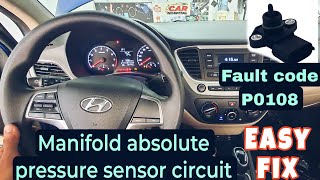
- Connect an OBD-II scanner and confirm the P0113 code is present. Check for other codes like P0108, which would further point to the combined sensor. 🎬 Watch this guide on fixing the P0108 circuit high code.
- View the live data stream for the Intake Air Temperature (IAT). If it reads a static, extremely low temperature (such as -40°F or -40°C), it strongly indicates an open circuit fault.
- Turn the vehicle off and remove the key to ensure the hybrid system is inactive.
- Locate the MAP/IAT sensor on the top of the plastic intake manifold. It is secured with a single 10mm bolt.
- Carefully inspect the sensor's electrical connector and the visible portion of the wiring harness for any obvious damage, corrosion, or loose connections.
- To definitively test the circuit, disconnect the sensor connector. With the key in the 'ON' position (engine off), use a multimeter to check the harness-side connector. You should find a pin with a 5-volt reference signal from the PCM and another pin with a good ground (near 0 ohms to the battery negative terminal).
- If the 5V reference and ground are present at the connector, the wiring from the PCM is good, and the sensor itself has failed. This is the most likely scenario.
- If either the 5V reference or ground is missing, there is a fault in the wiring between the PCM and the sensor that needs to be traced and repaired.
- After replacing the sensor or repairing the wiring, clear the code with the scanner. Start the engine and re-check live data to ensure the IAT is now reading a plausible ambient temperature. Conduct a test drive to confirm the Check Engine Light does not return.
Parts You'll Likely Need
- Manifold Absolute Pressure (MAP) Sensor
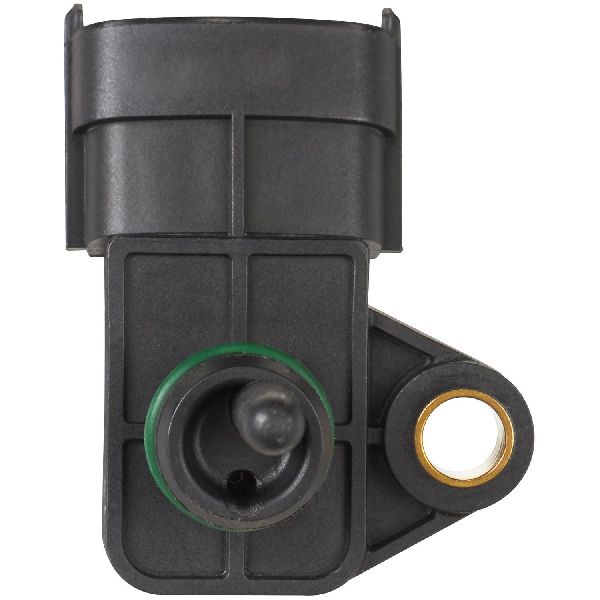
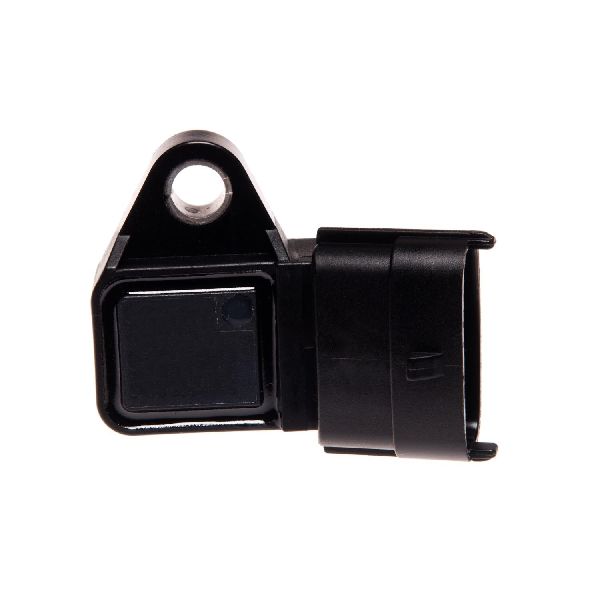
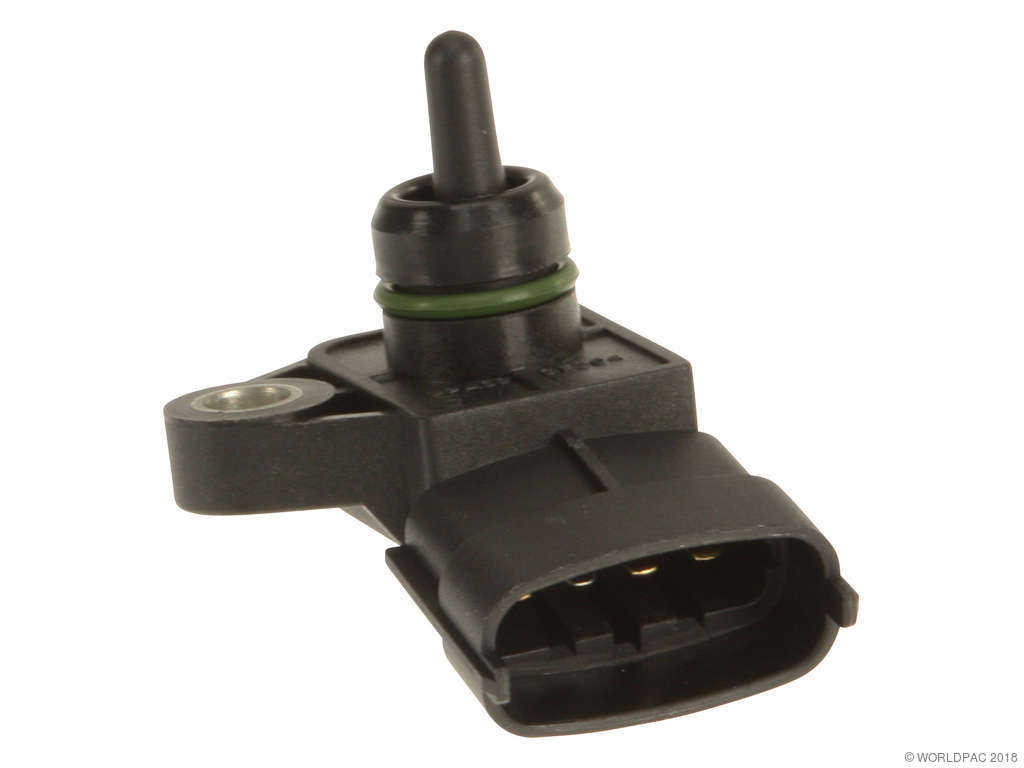
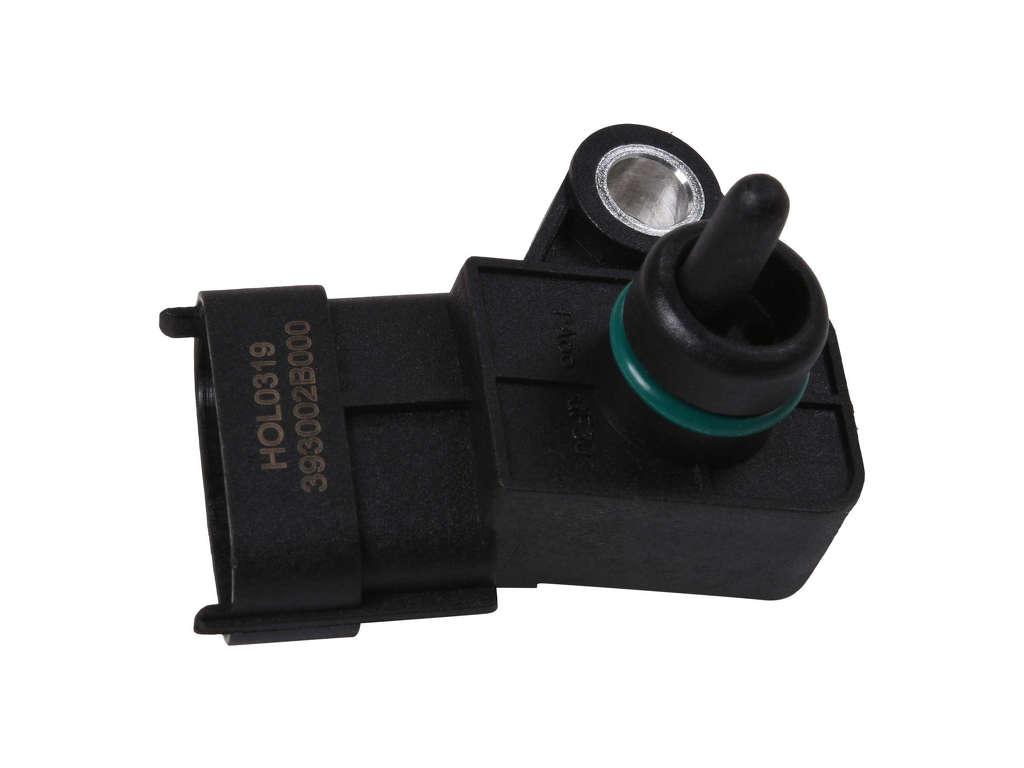
(OEM #39300-2B000)— This is the combined sensor unit that houses the Intake Air Temperature (IAT) sensor. On this specific vehicle, it is the primary cause of code P0113. This part number is widely used across many Hyundai and Kia vehicles.
Trusted brands: Hyundai (Genuine OEM), Bosch, Delphi, NGK, Standard Motor Products
OEM price range: $130-$195
Aftermarket price range: $40-$90
Related Codes That Often Appear With This One
- P0108 — P0108 is 'Manifold Absolute Pressure/Barometric Pressure Circuit High Input'. Since the IAT and MAP sensors are in the same housing for this vehicle, an internal failure of the sensor unit or its connector can trigger both codes simultaneously.
- P0106 — P0106 is 'Manifold Absolute Pressure/Barometric Pressure Circuit Range/Performance'. This is another MAP-related code that can appear alongside P0113 if the combined sensor is failing intermittently or providing erratic readings.
Platform-Specific Known Issues
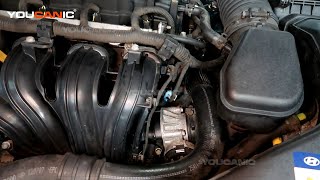
- The YOUCANIC YouTube channel has a detailed video titled '2011-2013 Hyundai Sonata Hybrid Manifold Absolute Pressure (MAP sensor)' that walks through the diagnosis and replacement for both P0113 and P0108 codes, confirming 🎬 Watch this detailed diagnosis and replacement walkthrough for both codes. the combined sensor is the culprit.
- Owners on various forums confirm that replacing the MAP/IAT sensor (part no. 39300-2B000) is the definitive fix for a P0113 code, often appearing with P0108. The repair is considered very simple for a DIYer.
Mechanic-Grade Diagnostic Values
- IAT Sensor Resistance (disconnected) — expected: Resistance should correspond to ambient air temperature. A P0113 code indicates an open circuit (infinite resistance).. Failure: A multimeter reading of 'OL' (Over Limit) or infinite resistance across the IAT sensor pins indicates an internal open circuit, which is the direct cause of P0113.
- IAT Sensor Resistance vs. Temperature — expected: 2.0 - 3.0 kΩ at 20°C (68°F); 0.9 - 1.5 kΩ at 40°C (104°F); 0.23 - 0.42 kΩ at 80°C (176°F).. Failure: Readings that are drastically outside these ranges, or do not change when the sensor is warmed with a heat gun, indicate a failed thermistor.
- MAP/IAT Connector Voltage (Key On, Engine Off) — expected: One pin should show a ~5V reference from the PCM, and another should show a good ground (<0.1V or good continuity to chassis ground).. Failure: Absence of the 5V reference or a bad ground points to a wiring issue between the sensor and the PCM, not a failed sensor.
- MAP Sensor Live Data (Key On, Engine Off) — expected: Should read approximately 4.5V at sea level, corresponding to atmospheric pressure.. Failure: A voltage reading stuck high (near 5V) or low (below 1.0V) with the key on and engine off points to a sensor or circuit fault.
Wiring & Ground Locations
- Sensor Connector Pins — The 4-pin connector on the MAP/IAT sensor (p/n 39300-2B000) located on the intake manifold.. The four pins are typically: 1. 5V Reference (shared by MAP/IAT), 2. Sensor Ground, 3. MAP Signal to PCM, 4. IAT Signal to PCM. A P0113 is caused by an open circuit on the IAT Signal pin or a failure of the sensor's internal thermistor.
- Engine Compartment Grounds — Wiring diagrams point to ground connection points on the intake manifold itself or on the left side of the engine compartment near the manifold.. The sensor requires a solid ground connection to provide an accurate signal. A corroded or loose engine ground can cause floating voltages and trigger various sensor codes, including P0113.
Real Owner Repair Stories
- YOUCANIC YouTube Channel (2012 Hyundai Sonata Hybrid 2.4L) — Check Engine Light with codes P0113 (Intake Air Temperature Sensor Circuit High) and P0108 (Manifold Absolute Pressure Circuit High).
❌ Tried (didn't work) The video proceeds directly to diagnosing the MAP/IAT sensor, as the combination of codes strongly points to it.
✅ What actually fixed it The problem was resolved by replacing the single, combined MAP/IAT sensor (Part No. 39300-2B000) located on the intake manifold. The repair involved removing one 10mm bolt and the electrical connector, swapping the sensor, and clearing the codes.
OEM Part Supersession History
39300-2B000→39300-2B100— Likely a minor revision or update. The 39300-2B100 is listed by many vendors as a direct replacement or interchangeable part for applications specifying the original part number.
Heads up: No known incompatibility issues when using 39300-2B100 in place of 39300-2B000 for this vehicle. Both are considered valid replacements.
Model Year Variations Within This Range
- 2011-2014: The Sonata Hybrid received a powertrain update for 2013 (revised motor/battery) and a cosmetic refresh for 2014. However, there is no evidence that the MAP/IAT sensor (39300-2B000) or its associated wiring was changed for the 2.4L Hybrid engine within this generation.
Diagnostic Flowchart
Other Known Issues on This Vehicle
Issues unrelated to this code that are worth knowing about as an owner of this generation:
- Theta II Engine Failure 🔴 High — Widespread across multiple model years, leading to major recalls and class-action lawsuits. Failures often relate to premature connecting rod bearing wear. (Ref: Multiple recalls (e.g., NHTSA 17V-226) and a class-action settlement extended the engine warranty for many owners.)
- Brake Actuator / Hydraulic Booster Failure 🔴 High — Commonly reported issue on hybrid models, where the electronic/hydraulic brake booster fails, leading to a hard pedal, warning lights, and loss of braking assist. (Ref: No universal recall, but a well-documented problem on owner forums and in NHTSA complaints. Often associated with codes like C1256 or C1800.)
- Seat Belt Detachment 🔴 High — Subject to a recall for front seat belt linkages that could detach from the pretensioner anchor in a crash. (Ref: Hyundai Recall 162. Affected 2011-2014 Sonata and 2011-2015 Sonata Hybrid models.)
- Hybrid System Faults 🟠 Medium — Owners report various issues including high-voltage battery degradation, charging system warnings, and the vehicle entering 'limp mode'.
- Steering System Problems 🟠 Medium — Numerous complaints filed with NHTSA regarding steering issues, including clicking noises or loss of power steering assist.
Used vs. New Parts: Buying Guide for This Vehicle
When a used part is the smart pick: A used OEM sensor from a low-mileage wrecked vehicle is a reasonable budget-friendly option. Since it's a simple electronic component with no moving parts, failure is not typically related to wear, making used parts a viable choice if tested or guaranteed by the seller.
Donor-vehicle mileage cap: roughly under 80000 miles for the part to have meaningful remaining life.
What to inspect on the donor part:
- Check for physical damage to the sensor body or connector.
- Ensure the tip of the sensor is clean and free of heavy oil or carbon buildup.
- Ask the seller for the VIN of the donor car to verify it's from a compatible model and year.
- If possible, test the resistance with a multimeter before purchase to ensure it's not open-circuit.
OEM-only on this vehicle (don't cheap out):
- While not strictly 'OEM-only', using a genuine Hyundai/Kia (Mobis) sensor is the safest bet to avoid compatibility issues. Some owners report that certain cheap aftermarket sensors do not have the correct voltage curve for the Hyundai ECU, leading to persistent issues even with a new part.
Aftermarket brands forum-validated for this vehicle:
- Bosch
- Delphi
- NGK/NTK
- Walker Products
Brands owners have reported issues with on this vehicle:
- Be cautious with unbranded, no-name sensors from online marketplaces. While they may be inexpensive, their quality control and adherence to OEM specifications can be inconsistent.
Real Owner Stories
Aggregated from forums and TSBs cited above. Mileages and costs reflect what owners reported in those sources.
2012 Hyundai Sonata 2.4L Hybrid
Symptoms: Check engine light on, different engine operating sound, 'takes a little bit more to get up to speed', and 'burning a little bit more fuel'.
What fixed it: Replaced the Manifold Absolute Pressure (MAP) sensor, which also contains the Intake Air Temperature (IAT) sensor.
Source hint: YOUCANIC on YouTube: '2011-2013 Hyundai Sonata Hybrid Manifold Absolute Pressure (MAP sensor)'
Related OBD-II Codes
Frequently Asked Questions
Where is the IAT sensor located on my 2011-2014 Sonata Hybrid?
Is there a specific part number I should look for to fix P0113 on my Sonata Hybrid?
Why does my Sonata Hybrid struggle to switch between EV and gasoline modes with this code?
Could a problem with my radiator fan cause the P0113 code?
Does the Kia Optima Hybrid have this same issue?
Is the P0113 code related to the major Hyundai Theta II engine recalls?
Helpful Videos

We Have This Part in Stock


The information in this article is provided for general reference and educational purposes only. Vehicle specifications, procedures, and part compatibility can vary by production date, trim level, and region. Always consult your vehicle's factory service manual and verify part numbers before purchasing or performing repairs. Safety-critical components such as airbags, seat belts, and braking systems should be installed by a qualified professional.
- Hyundai Sonata:
- 🎬 Helpful Videos
- 🛍️ Shop This Part
- What's Unique About the 2011-2014 Hyundai Sonata
- Symptoms You May Notice
- Most Likely Causes
- Rare But Worth Checking
- Diagnosis Steps
- Parts You'll Likely Need
- Related Codes That Often Appear With This One
- Platform-Specific Known Issues
- Mechanic-Grade Diagnostic Values
- Wiring & Ground Locations
- Real Owner Repair Stories
- OEM Part Supersession History
- Model Year Variations Within This Range
- Diagnostic Flowchart
- Other Known Issues on This Vehicle
- Used vs. New Parts: Buying Guide for This Vehicle
- Real Owner Stories
- 2012 Hyundai Sonata 2.4L Hybrid
- Related OBD-II Codes
- Frequently Asked Questions
- 🎟️ Get 5% Off