

P0106 on 2003 Saab 9-5 Aero: MAP Sensor and Vacuum Leak Guide
On a 2003 Saab 9-5 Aero, code P0106 is most often caused by a vacuum leak from a cracked or loose hose, particularly the small hoses for the PCV system or boost control solenoid. If no leaks are found after a thorough smoke test, the MAP sensor itself is the next likely culprit. A thorough inspection for leaks should always be the first step before replacing parts.
- P0106 on a 2003 Saab 9-5 Aero is most likely a vacuum leak.
- Always perform a smoke test to check for leaks before replacing the MAP sensor.
- Pay special attention to the small PCV vacuum hose at the throttle body and the hoses on the boost control valve.
- Check all hose clamps on the turbo intake piping, as a loose clamp can cause this code.
- If no leaks are found, the MAP sensor is the next part to inspect for oil contamination and likely replace.
- Symptoms can include a slow-to-return idle after revving and a disabled cruise control.
What's Unique About the 2003-2003 Saab 9-5
The Saab Trionic 7 engine management system is sophisticated for its era and uses multiple pressure sensors (in the intake, before the throttle body, and atmospheric) to diagnose faults. For P0106, the ECU specifically looks at the *rate of change* in pressure when you lift off the throttle, which is a more precise diagnostic than a simple out-of-range check. Because the 9-5 Aero is turbocharged (B235R engine), the integrity of the entire intake tract, including all the vacuum and boost hoses, is critical. Small leaks that might be minor on a naturally aspirated car can easily trigger this code on a Saab. The ECU will disable functions like boost pressure adaptation, purging, and fuel mixture correction when the code is active.
Symptoms You May Notice
- Check Engine Light illuminated.
- Engine RPM drops slower than usual when the accelerator is released.
- Rough or unsteady idle.
- Poor acceleration, hesitation, or reduced engine power.
- Increased fuel consumption.
- Occasional engine misfires, sometimes before the code is set.
- Cruise control may not function.
- Replacing the MAP sensor without first performing a smoke test. Many owners replace the sensor only to find the code returns because the root cause was a simple, hard-to-see vacuum leak.
Most Likely Causes
- Vacuum or Boost Leak 🔴 High Probability The turbocharged B235R engine has a complex network of vacuum hoses for the PCV system and boost control. Over time, rubber and plastic components can crack, harden, or become disconnected due to constant heat and age, leading to air leaks. Hoses connected to the throttle body and the boost control valve on the firewall are especially common failure points.
How to confirm: Perform a visual inspection of all vacuum lines, especially the small ones connected to the intake manifold, throttle body, and the 3-way boost control valve on the firewall. Check the security of clamps on larger charge pipes. The most definitive method is to have a smoke test performed to pinpoint the exact source of the leak. A DIY method involves spraying brake cleaner or starter fluid sparingly around suspected leak areas with the engine running and listening for a change in idle speed.
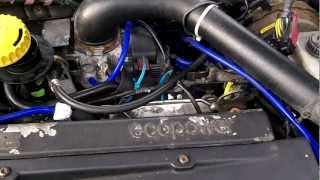
Typical fix: Replace the cracked or broken vacuum hose(s). Ensure all hose clamps are tight and properly seated. A full silicone vacuum line replacement is a common and recommended preventative upgrade. 🎬 See this walkthrough for replacing your vacuum lines with silicone.
Est. part cost: $10-$50 for vacuum lines - Faulty Manifold Absolute Pressure (MAP) Sensor 🟡 Medium Probability The sensor, located on the side of the intake manifold, can become contaminated with oil from the PCV system or simply fail electronically over time. This contamination can insulate the sensing element, causing it to respond slowly to pressure changes, which directly triggers the P0106 fault criteria on this car.
How to confirm: With the engine off, use a capable scan tool to compare the MAP sensor reading to the barometric pressure reading; they should be nearly identical. You can also remove the sensor (held by a 10mm bolt) and inspect it for oil fouling. Cleaning it with electronics or MAF sensor cleaner may be a temporary fix, but replacement is often necessary if cleaning doesn't resolve the issue.
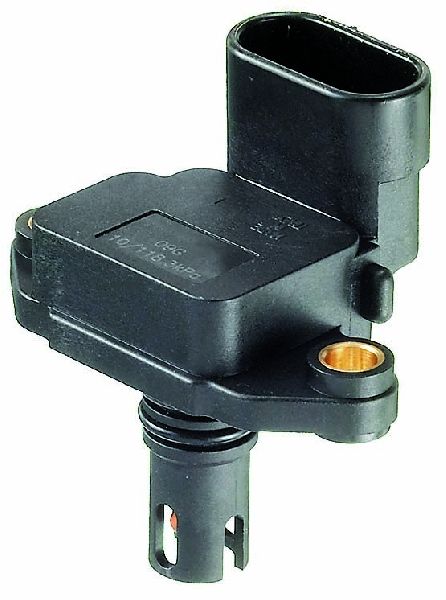
Typical fix: Replace the MAP sensor. It is located on the intake manifold, next to the throttle body.
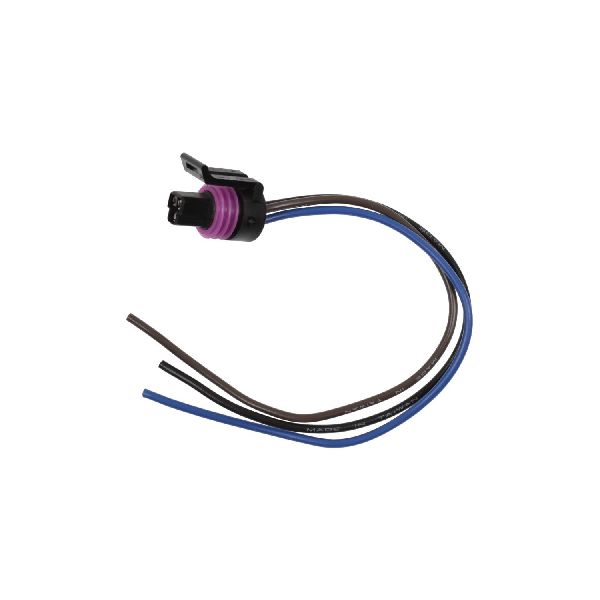
Est. part cost: $40-$110 - Damaged Wiring or Connector ⚪ Low Probability The wiring harness in the engine bay is exposed to heat and vibration, which can lead to chafed insulation or corrosion in the MAP sensor connector pins over many years. The plastic connector itself can become brittle and break.
How to confirm: Visually inspect the wiring leading to the MAP sensor for any signs of damage. Unplug the connector and check for corrosion or bent pins. Use a multimeter to check for a 5V reference voltage and a good ground at the connector with the key on, engine off.
Typical fix: Repair the damaged section of wire or clean/replace the connector pigtail.
Est. part cost: $5-$25
Rare But Worth Checking
- Incorrect Camshaft Timing: The Saab Workshop Information System (WIS) notes that if all other causes are ruled out, incorrect camshaft timing can be the culprit. If intake valves don't close correctly, pressure can be forced back into the intake manifold during the compression stroke, causing the slow pressure drop that triggers the code. This is an advanced diagnosis and typically requires a professional mechanic.
- Loose Charge Pipe Clamp: A specific user experience highlighted a loose hose clamp on the turbo blow-off valve (dump valve) as the root cause after replacing hoses and the sensor did not fix the issue. Even if the clamp feels snug, it may not be tight enough to prevent a leak under boost/vacuum transitions.
Diagnosis Steps
- Read the code with an OBD-II scanner and note any other codes present. Freeze frame data can be helpful to see engine conditions when the code was set.
- Perform a thorough visual inspection of all vacuum hoses connected to the intake manifold, throttle body, and the boost control solenoid on the firewall. Pay close attention to small rubber elbows and the PCV check valves, which are prone to cracking.
- Check all charge pipe clamps for tightness, especially around the throttle body, intercooler, and turbo dump valve.
- For a definitive diagnosis of leaks, perform a smoke test on the intake system. Introduce smoke into a main vacuum line and watch for where it escapes. 🎬 Learn how to use a smoke machine to find leaks.
- If no leaks are found, locate the MAP sensor on the intake manifold. Unplug its electrical connector and inspect for corrosion or damage. Ensure it is plugged in securely.
- With the ignition on (engine off), use a scan tool to compare the MAP sensor reading with the BARO (barometric pressure) reading. They should be within 10 kPa of each other.
- Remove the MAP sensor (typically one 10mm bolt) and inspect the tip for oil or carbon buildup. You can try cleaning it with dedicated MAF/electronics cleaner.
- If cleaning the sensor doesn't work, or if the scan tool readings were skewed, replace the MAP sensor.
- Clear the trouble codes and perform a test drive, including sharp throttle lift-offs from above 1300 RPM, to see if the code returns.
Parts You'll Likely Need
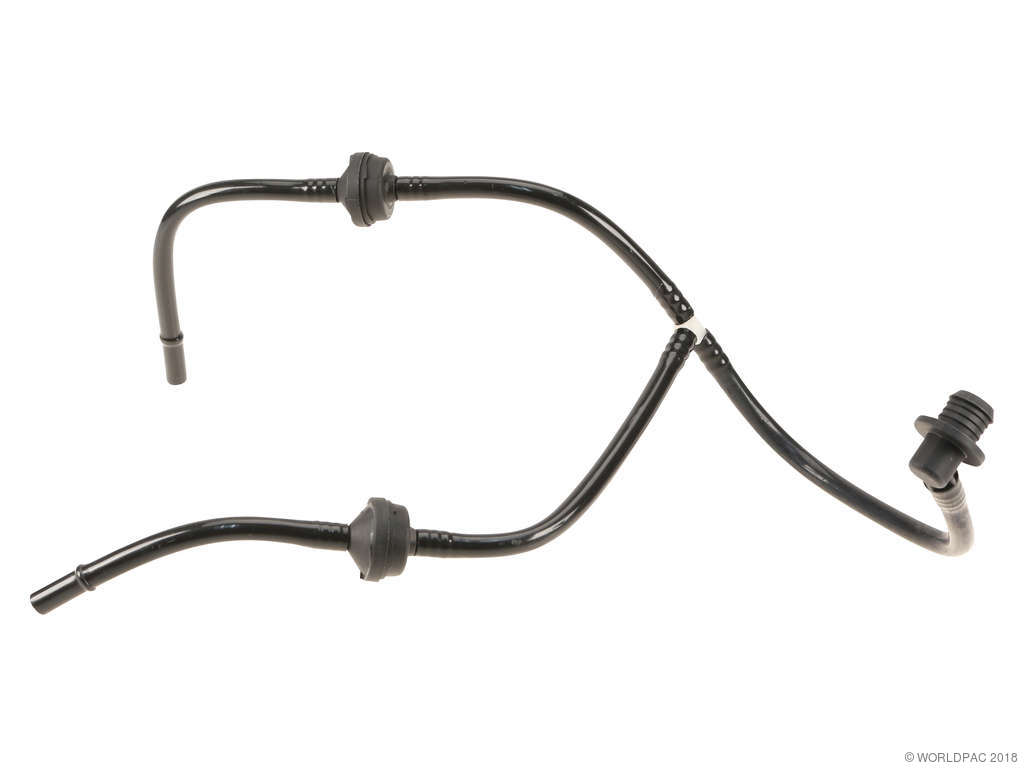
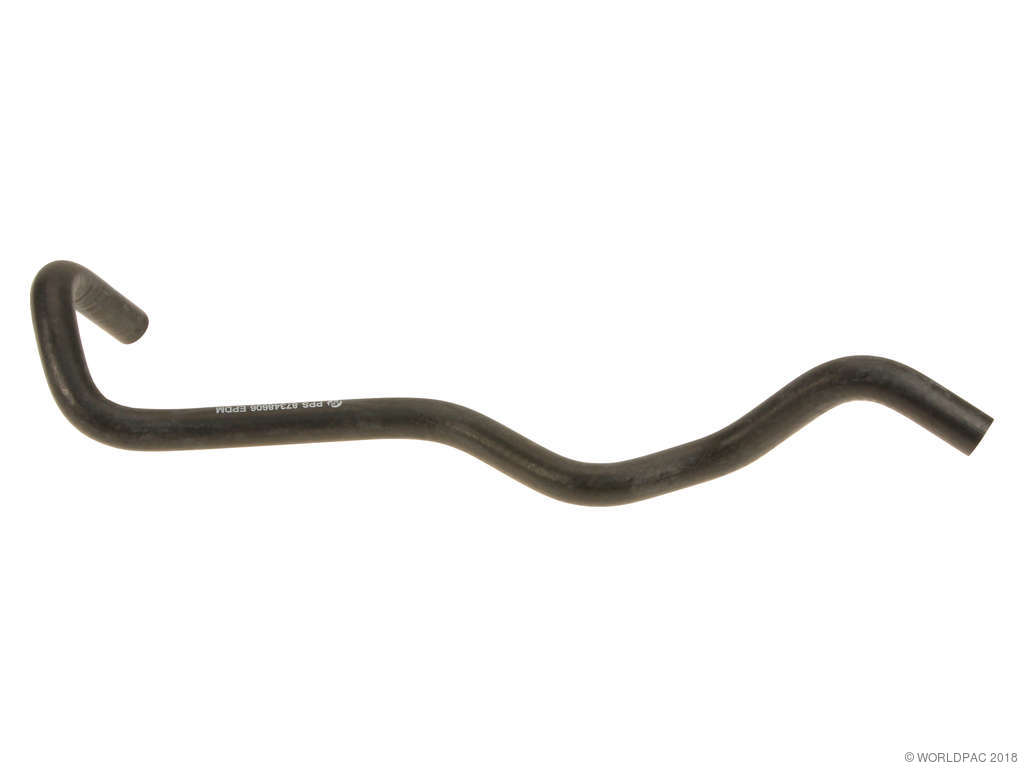
- Vacuum Hose Kit — This is the most common cause. The original rubber hoses become brittle and crack, causing the vacuum leaks that trigger P0106. A silicone hose kit is a popular and durable upgrade.
Trusted brands: Genuine Saab, Proparts Sweden, SiliconeHoses.com 🎬 Watch a DIY guide on installing a silicone hose kit. (bulk)
OEM price range: $40-$80
Aftermarket price range: $20-$50 - Manifold Absolute Pressure (MAP) Sensor
(OEM #55563262)— If vacuum leaks are ruled out, a slow or failed MAP sensor is the next most likely component to have failed. Oil contamination is a common reason for failure.
Trusted brands: Bosch (OEM supplier), Genuine Saab
OEM price range: $70-$110
Aftermarket price range: $40-$80
Related Codes That Often Appear With This One
- P0171 — If the P0106 is caused by a significant vacuum leak, the engine may run lean, triggering a P0171 (System Too Lean) code as the ECU tries to compensate by adding more fuel.
- P0300 — A vacuum leak or faulty MAP sensor can lead to an incorrect air/fuel mixture, causing random misfires (P0300) or misfires on specific cylinders (P0301-P0304).
Platform-Specific Known Issues
- The small vacuum hose that runs from a check valve under the plastic engine cover to a nipple on the throttle body is a very frequent failure point and a direct cause of P0106.
- The set of three vacuum hoses connecting to the boost control solenoid valve (located on the passenger side firewall) are also extremely common to crack and leak.
- Oil contamination of the MAP sensor from the PCV system is common. While cleaning can sometimes work, it often indicates the sensor is near the end of its life.
Mechanic-Grade Diagnostic Values
- MAP Sensor 5V Reference Voltage — expected: 4.8-5.2 V between terminal 1 of the connector and a good ground (Key On, Engine Off).. Failure: A reading outside this range indicates a problem with the ECU or the wiring harness.
- MAP Sensor Ground Circuit Resistance — expected: Less than 5 Ω between terminal 2 of the connector and chassis ground.. Failure: Resistance higher than 5 Ω points to a bad ground connection, which can cause erratic sensor readings.
- MAP Sensor Reading at Idle (Scan Tool) — expected: 40-60 kPa.. Failure: A value significantly outside this range at a stable idle suggests a sensor or vacuum leak issue.
- MAP Sensor vs. BARO Sensor (Scan Tool, KOEO) — expected: The MAP sensor reading should be within 10 kPa of the BARO (atmospheric) pressure sensor reading.. Failure: A difference greater than 10 kPa (or 15 kPa in some tests) with the engine off points to a faulty MAP sensor.
- P0106 Fault Trigger Threshold (Deceleration) — expected: Manifold pressure should drop below 50 kPa during deceleration (engine speed > 1300 rpm, throttle released).. Failure: If the pressure remains above 50 kPa under these conditions, the P0106 code is set. This is the specific performance check that fails.
Scan Tool Commands That Help
- Saab Tech 2: Read Values > Manifold Absolute Pressure — This is the primary function used to diagnose P0106. It allows a technician to view the live data from the MAP sensor and compare it to the other two pressure sensors in the Trionic 7 system (atmospheric and pre-throttle body) with the engine off to check for sensor deviation. It is also used to monitor the pressure drop during a test drive to see if it meets the <50 kPa criteria on deceleration.
- Saab Tech 2: Clear Adaptations — After a repair is performed (like fixing a major vacuum leak or replacing a sensor), the ECU's long-term fuel and boost adaptations should be reset. The P0106 code automatically resets charge air adaptation, but clearing all adaptations ensures the ECU relearns from a clean slate with the new, correct sensor data.
Wiring & Ground Locations
- G7 — On the side of the intake manifold, near cylinder 4 for the 4-cylinder petrol engine (B235R).. This is a critical engine management ground point. A loose or corroded G7 can cause unstable sensor readings, including for the MAP sensor, leading to intermittent and hard-to-diagnose performance codes like P0106.
- G2 — On the left-hand structural member in the engine bay, behind the headlamp, in front of the battery.. This is a primary battery-to-chassis ground. While less likely to cause a single sensor code, poor grounding here can introduce electrical noise and voltage drops across the entire system, affecting ECU and sensor operation.
- G25 — Directly on the gearbox, serving as the main engine/transmission ground connection from the battery.. This is the main ground path for the engine block. If this connection is compromised, the engine may try to ground itself through smaller sensor ground wires, potentially damaging the ECU or causing highly erratic sensor behavior.
Real Owner Repair Stories
- Reddit user ggg7300 and commenter Saabaru_life (2003 Saab 9-5 Aero) — Persistent P0106 code that would not go away. Engine ran well with no rough idle or misfires.
❌ Tried (didn't work) Replaced all vacuum lines, Cleaned the throttle body, Replaced the MAP sensor
✅ What actually fixed it A loose hose clamp on the turbo blow-off (dump) valve. The clamp felt snug but was not tight enough to prevent a leak during boost/vacuum transitions. Tightening the clamp resolved the code.
"I Checked Everything" — The Actual Cause
- In one documented case, a user replaced all vacuum lines, the MAP sensor, and cleaned the throttle body, but the P0106 code persisted. A smoke test showed no leaks. The final solution was discovering and tightening a loose hose clamp on the turbo blow-off valve that was not sealing properly under dynamic conditions (boost-to-vacuum transitions), even though it passed a static smoke test.
OEM Part Supersession History
55560162→55563262— Standard part revision and supplier update. The sensor is functionally identical.
Diagnostic Flowchart
Real Owner Stories
Aggregated from forums and TSBs cited above. Mileages and costs reflect what owners reported in those sources.
2003 Saab 9-5 Aero
Symptoms: Check engine light with code P0106 that won't go away.
What fixed it: Tightened a loose hose clamp on the turbo blow off valve. The owner had an aftermarket DO88 hose and the screw clamp was snug but not tight enough, causing a leak.
Source hint: reddit.com - 2003 9-5 aero p0106 : r/saab
Saab 9-5 Aero
Symptoms: P0106 code triggered by vacuum leaks in the engine bay.
What fixed it: Replaced the leaking vacuum hoses connected to the boost control solenoid located on the passenger side firewall.
Source hint: saabtechtalk.com - Thread 'PO106'
Saab 9-5 Aero
Symptoms: P0106 code accompanied by a broken PCV vacuum hose.
What fixed it: Replaced the broken PCV vacuum hose at the throttle body, which is a classic cause of this code.
Source hint: reddit.com/r/saab - Thread 'Hose from throttle body is broken. Anyone know what hose it is?'
Related OBD-II Codes
Frequently Asked Questions
Why does my 2003 Saab 9-5 Aero have a P0106 code but no obvious vacuum leaks on the small hoses?
Where is the MAP sensor located on the B235R engine, and can I just clean it?
Which specific vacuum hoses are most likely to cause a P0106 on my 9-5 Aero?
How can I test the MAP sensor using a scan tool on my Trionic 7 system?
Are there other Saab models that share this exact P0106 issue?
How should I test drive my 9-5 Aero to verify the P0106 code is fixed?
Helpful Videos
We Have This Part in Stock


The information in this article is provided for general reference and educational purposes only. Vehicle specifications, procedures, and part compatibility can vary by production date, trim level, and region. Always consult your vehicle's factory service manual and verify part numbers before purchasing or performing repairs. Safety-critical components such as airbags, seat belts, and braking systems should be installed by a qualified professional.
- Saab 9-5:
- 🎬 Helpful Videos
- 🛍️ Shop This Part
- What's Unique About the 2003-2003 Saab 9-5
- Symptoms You May Notice
- Most Likely Causes
- Rare But Worth Checking
- Diagnosis Steps
- Parts You'll Likely Need
- Related Codes That Often Appear With This One
- Platform-Specific Known Issues
- Mechanic-Grade Diagnostic Values
- Scan Tool Commands That Help
- Wiring & Ground Locations
- Real Owner Repair Stories
- "I Checked Everything" — The Actual Cause
- OEM Part Supersession History
- Diagnostic Flowchart
- Real Owner Stories
- 2003 Saab 9-5 Aero
- Saab 9-5 Aero
- Saab 9-5 Aero
- Related OBD-II Codes
- Frequently Asked Questions
- 🎟️ Get 5% Off