

P0106 on 2015-2021 GMC Yukon: MAP Sensor, Vacuum Leaks, and Valve Spring Issues
On 2015-2021 GMC Yukons, P0106 often points to more than just a bad MAP sensor. A very common cause is a broken internal engine valve spring, a repair that can cost over $1,000. Always investigate for misfires or engine noise before simply replacing the sensor, as a broken spring can lead to further engine damage.
- For a 2015-2021 GMC Yukon, P0106 is a strong indicator of a possible broken valve spring, especially if accompanied by engine misfires (P0300) or noise.
- Do not automatically replace the MAP sensor. A proper diagnosis must include a check for mechanical engine problems.
- Symptoms like a rough idle, engine shake, and reduced power should be taken seriously as they point towards the more severe valve spring issue.
- Repairing a broken valve spring is a labor-intensive job that is best left to a professional mechanic.
- The correct OEM MAP sensor is part number 12644228, and a common valve spring part number is 12691120.
What's Unique About the 2015-2021 Gmc YUKON

While on many vehicles a P0106 code is a straightforward MAP sensor or vacuum leak issue, on the 2015-2021 GMC Yukon (and related GM trucks/SUVs with L83 and L86 engines), it is frequently a symptom of a more serious mechanical problem: a broken valve spring. Multiple Technical Service Bulletins (TSBs) directly link P0106 to this issue, often accompanied by a P0300 (random misfire) code. [Bulletin #PIP5752M, #PIP5423B] A class-action lawsuit also documents this failure, noting that for some 6.2L engines built between June and October 2020, dealers were instructed to replace all valve springs on both banks if one was found broken. Ignoring this possibility and only replacing the MAP sensor can lead to a misdiagnosis and leave a significant engine problem unresolved.
Diagnostic Flowchart

Tap your situation to follow the diagnostic path that matches what you're seeing on this vehicle.
Symptoms You May Notice

- Check Engine Light illuminated
- Engine misfires, which may feel like a shake or stumble. [Bulletin #PIP5752M]
- Rough or unstable idle.
- Engine noise (e.g., ticking or clanking), which may be more apparent at higher RPM. [Bulletin #PIP5752M, 24]
- Reduced engine power or "limp mode". [Bulletin #PIP5344]
- Poor acceleration or hesitation.
- Increased fuel consumption.
- Black smoke from the exhaust.
- Hard starting or stalling shortly after starting.
- Replacing the MAP sensor without checking for mechanical issues. Many owners and shops replace the sensor first, only for the code to return because the root cause was a broken valve spring. This is a common story on owner forums.
Most Likely Causes

- Broken Engine Valve Spring 🔴 High Probability As documented in multiple manufacturer TSBs (#PIP5752M, #PIP5423B), certain valve springs used in the 5.3L (L83) and 6.2L (L86) engines are prone to failure, causing the valve to not seat properly and creating erratic manifold pressure that triggers P0106.
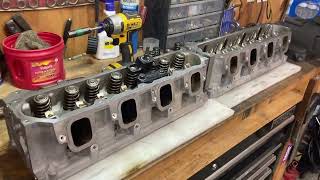
How to confirm: A technician will remove the valve covers to visually inspect the valve springs for breakage. A cylinder compression test or leak-down test can also point to a valve sealing issue. If a broken spring is found, the intake manifold should also be inspected for a melted or collapsed runner, which can happen from exhaust gases being pushed back into the intake.
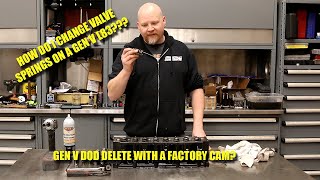
Typical fix: The broken valve spring must be replaced. This is an internal engine repair that involves removing the valve cover and using a special tool to compress the new spring 🎬 See this walkthrough on installing new Gen V valve springs. for installation. Mechanics often recommend replacing all springs on the affected cylinder head (or both heads) as a preventative measure, along with new valve stem seals.
Est. part cost: $5-$15 per spring, plus gaskets - Faulty Manifold Absolute Pressure (MAP) Sensor 🟡 Medium Probability Sensors can fail over time due to heat cycles and contamination. In some 2021 models, a faulty batch of MAP sensors was identified, leading to TSB #PIP5787A which recommends replacing the sensor if P0106, P0108, or P00C7 are present. In cold climates, ice can form on the sensor, causing temporary P0106 codes on 2017-2020 models per TSB 20-NA-043.
How to confirm: Test the sensor's voltage output with a multimeter; it should change smoothly with engine vacuum. A scan tool can also be used to monitor the MAP sensor reading in real-time to check for erratic or out-of-range values.
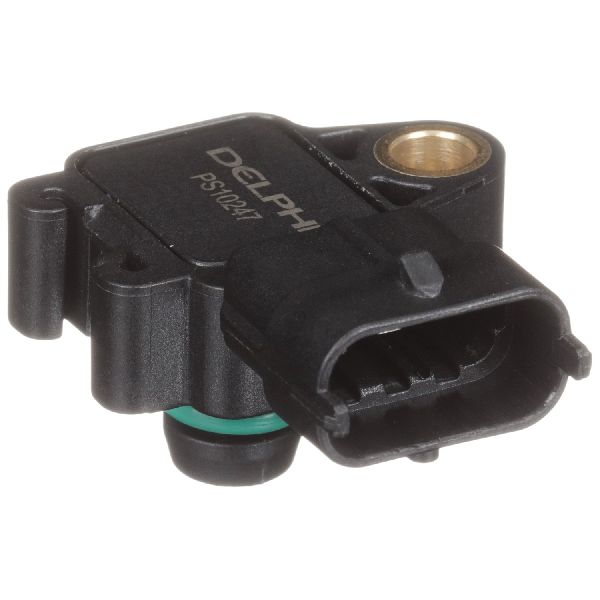
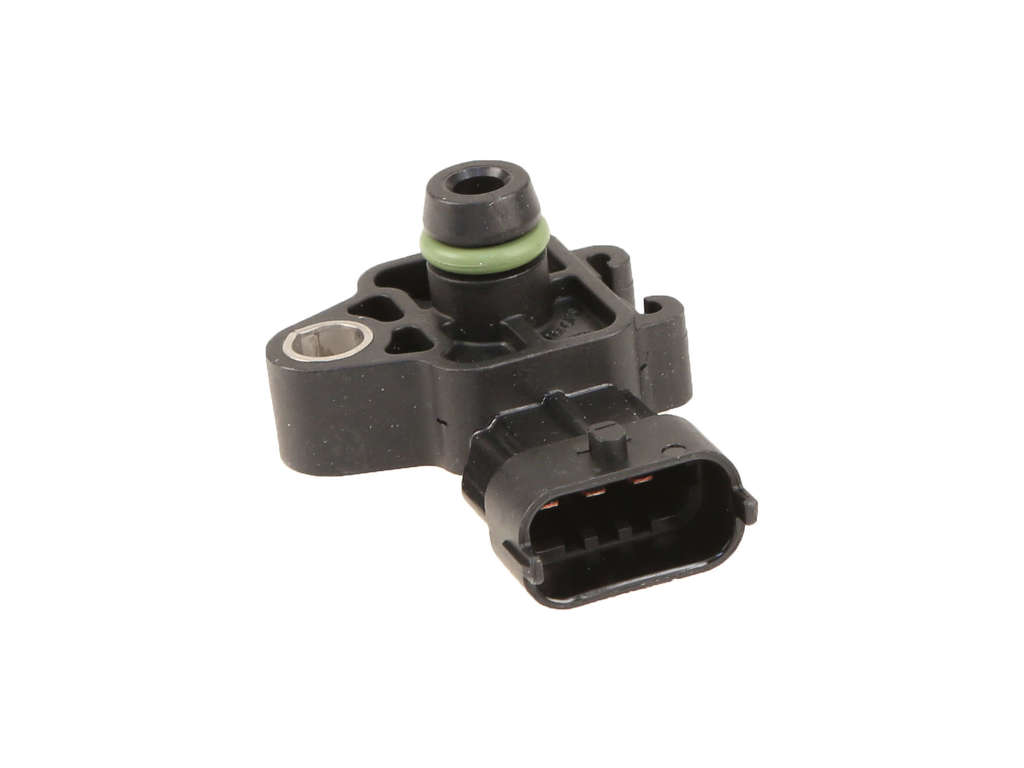
Typical fix: Replace the MAP sensor. It is typically mounted directly to the intake manifold and secured by a single bolt, making it a relatively simple repair.
Est. part cost: $30-$80 - Vacuum Leak ⚪ Low Probability
How to confirm: Visually inspect all vacuum hoses connected to the intake manifold, especially the PCV hoses and brake booster line, for cracks or disconnections. A smoke test is the most effective method to find leaks that are not visually apparent.
Typical fix: Replace the cracked or broken vacuum hose or intake gasket.
Est. part cost: $10-$50 - Dirty or Clogged Throttle Body ⚪ Low Probability
How to confirm: Remove the air intake tube from the throttle body and inspect for heavy carbon buildup around the throttle plate, which can disrupt airflow at idle and low speeds.
Typical fix: Clean the throttle body using a dedicated throttle body cleaner and a soft brush, followed by a throttle relearn procedure if required.
Est. part cost: $5-$10 for cleaner
Rare But Worth Checking
- Wiring or Connector Issue: The wiring harness or connector to the MAP sensor can become damaged, corroded, or loose, causing an intermittent signal. This is mentioned as a possibility in TSB #PIP5787A and is a common point of failure.
- Clogged Catalytic Converters: A severely restricted exhaust can cause abnormal pressure in the intake manifold, potentially triggering a P0106 code. This is usually accompanied by a significant loss of power and possibly other exhaust-related codes.
- Melted Intake Manifold Runner: A direct consequence of a broken exhaust valve spring operating for an extended period. Hot exhaust gases are forced back into the intake manifold, melting the plastic runner for that cylinder. This creates a massive internal vacuum leak. TSB #PIP5423B advises inspecting for this secondary damage.
Diagnosis Steps
- Scan the ECM for all stored trouble codes. Note if P0300, P0506, or P0108 are present with P0106.
- Listen to the engine for any abnormal ticking, popping, or misfire sounds, especially on a cold start and at higher RPMs.
- Using a scan tool, monitor the live data from the MAP sensor. Check if the readings are erratic or do not change logically when you rev the engine.
- Visually inspect the MAP sensor connector and wiring for any signs of damage, corrosion, or looseness.
- Inspect the intake system for obvious vacuum leaks, such as cracked PCV hoses or a loose intake tube. Perform a smoke test for a definitive check.
- If misfires or engine noise are present, remove the valve covers to perform a visual inspection of all valve springs. This is a critical step given the known TSBs.
- If a broken valve spring is found, carefully inspect the corresponding intake manifold runner for signs of melting or collapse before reassembly.
- If no issues are found visually, perform a cylinder compression test and/or a leak-down test to check for internal sealing problems.
- If all mechanical checks pass, test the MAP sensor's voltage signal to confirm it is operating correctly before replacing it.
Parts You'll Likely Need

- Engine Valve Spring
(OEM #12691120)— This is a highly probable cause of P0106 on this vehicle, as documented by multiple GM Technical Service Bulletins. This part number supersedes older numbers like 12678635.
Trusted brands: ACDelco (GM Genuine), Melling
OEM price range: $6-$10 per spring
Aftermarket price range: $5-$8 per spring - Manifold Absolute Pressure (MAP) Sensor
(OEM #12644228)— If mechanical issues are ruled out, a faulty sensor is the next most likely culprit, especially on 2021 models per TSB #PIP5787A.
Trusted brands: ACDelco, Bosch, Delphi
OEM price range: $50-$80
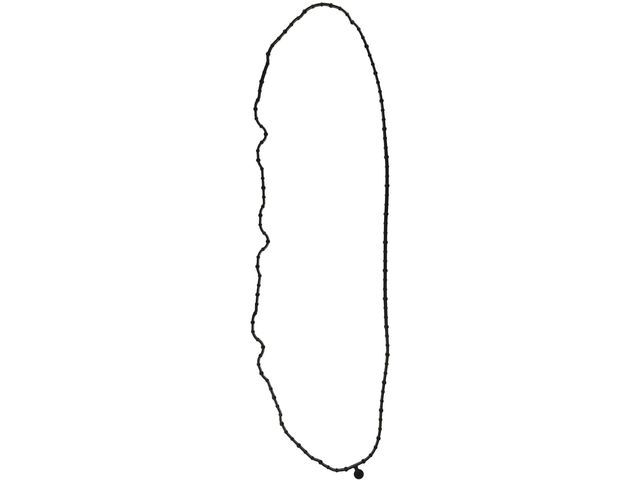
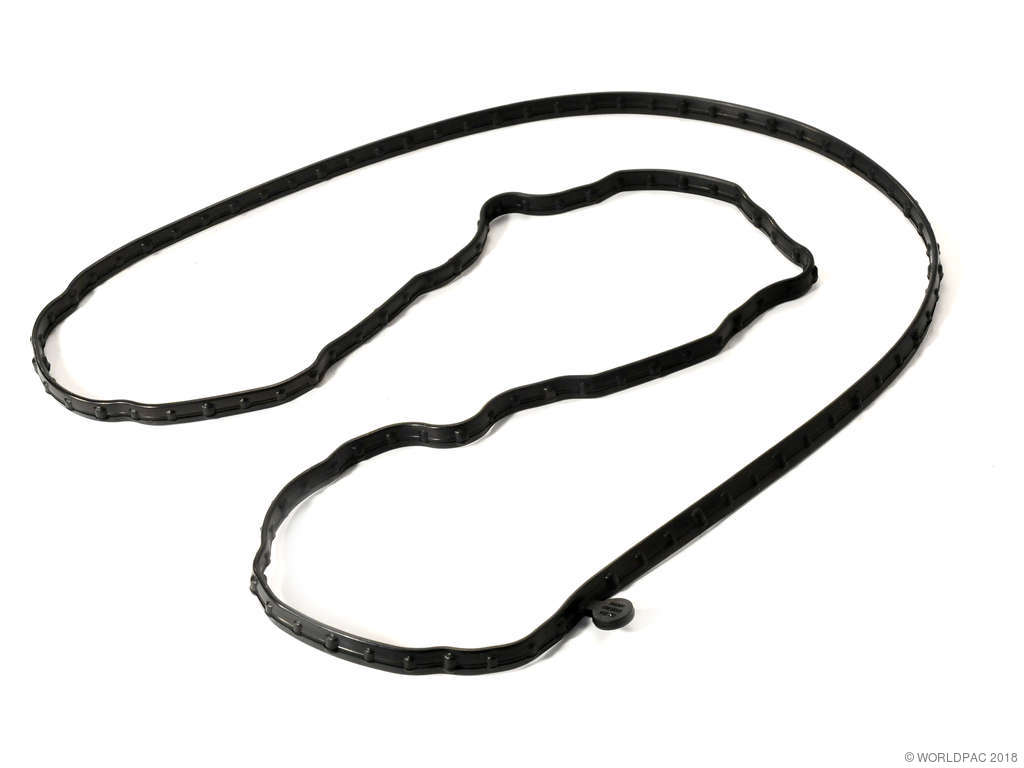
Aftermarket price range: $30-$60 - Valve Cover Gasket Set — Required when removing the valve covers to inspect or replace valve springs. It is not reusable.
Trusted brands: ACDelco, Fel-Pro
OEM price range: $40-$70
Aftermarket price range: $25-$50
Related Codes That Often Appear With This One
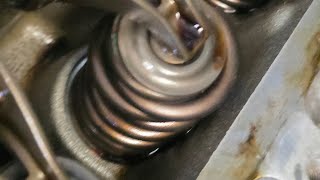
- P0300 — A broken valve spring prevents the cylinder from operating correctly, leading to a Random Misfire code. TSB #PIP5752M explicitly links P0106 and P0300 to a valve spring concern. 🎬 Watch: See how a broken valve spring triggers these codes.
- P0506 — This code for 'Idle Air Control System RPM Lower Than Expected' can be triggered alongside P0106 because a broken valve spring or major vacuum leak disrupts the engine's ability to maintain a stable idle. [Bulletin #PIP5423B, 1]
- P0108 — This code indicates 'Manifold Absolute Pressure Sensor Circuit High Voltage'. It can appear with P0106 if there is an electrical fault or if the mechanical issue (like a valve problem) causes extreme pressure readings. TSB #PIP5787A notes this combination may point to a faulty MAP sensor itself on some 2021 models.
Technical Service Bulletins (TSBs) & Recalls
- PIP5752M: Links P0106, P0300, and P0506 to a possible valve spring concern.
- PIP5423B: Advises technicians to inspect for a broken valve spring when P0106 and P0506 are present, and also to check for a collapsed intake runner. Lists affected vehicles including Yukon, Tahoe, Silverado, Sierra, and Escalade.
- PIP5787A: Notes that P0106 may appear with P0108 and P00C7, and recommends replacing the MAP sensor as a potential fix for certain 2021 models.
- PIP5344: Mentions P0106 in a list of codes that may appear with a reduced power message, advising technicians to follow standard diagnostics.
Platform-Specific Known Issues
- A known issue, documented in TSBs #PIP5752M and #PIP5423B, is the failure of engine valve springs in 5.3L (L83) and 6.2L (L86) engines, leading to codes P0106, P0300, and P0506. This requires internal engine inspection.
Mechanic-Grade Diagnostic Values
- MAP Sensor 5-Volt Reference — expected: 4.5 - 5.0 Volts. Failure: Voltage outside this range indicates a wiring or ECM issue.
- MAP Sensor Signal Voltage (Key On, Engine Off) — expected: 0.5 - 1.5 Volts (for non-turbo engines at sea level). Failure: Voltage significantly outside this range can indicate a faulty sensor.
- MAP Sensor Signal Voltage (Engine at Idle) — expected: 0.5 - 1.5 Volts (for non-turbo engines at sea level). Failure: Voltage should be low at idle (high vacuum) and rise with throttle application. Erratic or stuck readings indicate a problem.
Scan Tool Commands That Help
- N/A - Manual Procedure: Idle Relearn Procedure — Use if code P0106 appears immediately after the vehicle's battery was disconnected or replaced. The ECM may lose its learned idle position. The procedure involves cleaning the throttle body, reconnecting the battery, and allowing the engine to idle undisturbed for approximately 10 minutes to recalibrate.
Wiring & Ground Locations
- MAP Sensor Connector — On top of the intake manifold, either at the front or rear of the engine, under the plastic engine cover. It is a 3-terminal female connector.. The connector itself or its wiring can become loose, corroded, or damaged, causing an intermittent or lost signal from the MAP sensor, directly triggering P0106.
- G103 / G108 — Located on the back side of the cylinder heads. (Note: Specific location confirmed on previous generation trucks, but head grounds are a common trouble spot).. These are critical engine grounds. A poor connection at these points can cause erratic behavior from multiple sensors, including the MAP sensor, leading to incorrect readings and codes like P0106.
Real Owner Repair Stories
- Reddit user on r/MechanicAdvice (Not specified, but behavior is common on drive-by-wire GM vehicles.) — P0106 code appeared after the battery died. The car had a very rough idle and was stalling.
❌ Tried (didn't work) Replacing the MAP sensor., Clearing the code with a scanner (it kept returning).
✅ What actually fixed it A full idle relearn procedure. The user disconnected the battery, thoroughly cleaned the throttle body, reconnected everything, and then started the vehicle, letting it idle for 10 minutes without touching the accelerator. This allowed the ECM to relearn the idle position and resolved the code.
"I Checked Everything" — The Actual Cause
- A standard vacuum leak smoke test may come back clean, leading a technician to believe there are no leaks. However, the root cause for P0106 on these Yukons is often an internal engine issue that a smoke test cannot detect, such as a broken valve spring causing improper valve seating or a melted intake manifold runner creating an internal vacuum leak between cylinders.
OEM Part Supersession History
12678635, 12629515, 12661339→12691120— Updated design for the engine valve spring.12691120→12728729— Latest revision for the engine valve spring.12644228→12711681— Updated MAP sensor assembly.
Model Year Variations Within This Range
- 2015-2020: These years belong to the 4th generation (GMTK2UC/G). A TSB (20-NA-043) notes that in freezing weather, ice can form on the MAP sensor, causing a temporary P0106 code and a 'Reduced Engine Power' message.
- 2021: This is the first year of the 5th generation (GMT1YC). While the V8 engines are similar (now L84/L87), TSB #PIP5787A specifically addresses faulty MAP sensors on some 2021 models that can cause P0106, P0108, and/or P00C7, recommending sensor replacement.
Helpful Videos
Used OEM Parts in Stock

New Aftermarket Parts Available


The information in this article is provided for general reference and educational purposes only. Vehicle specifications, procedures, and part compatibility can vary by production date, trim level, and region. Always consult your vehicle's factory service manual and verify part numbers before purchasing or performing repairs. Safety-critical components such as airbags, seat belts, and braking systems should be installed by a qualified professional.
- Gmc YUKON:
- 🎬 Helpful Videos
- 🛍️ Shop This Part
- What's Unique About the 2015-2021 Gmc YUKON
- Diagnostic Flowchart
- Symptoms You May Notice
- Most Likely Causes
- Rare But Worth Checking
- Diagnosis Steps
- Parts You'll Likely Need
- Related Codes That Often Appear With This One
- Technical Service Bulletins (TSBs) & Recalls
- Platform-Specific Known Issues
- Mechanic-Grade Diagnostic Values
- Scan Tool Commands That Help
- Wiring & Ground Locations
- Real Owner Repair Stories
- "I Checked Everything" — The Actual Cause
- OEM Part Supersession History
- Model Year Variations Within This Range
- 🎟️ Get 5% Off