

P0106 on 2009-2017 GMC Acadia 3.6L: MAP Sensor, PCV, and Throttle Body Fixes
On the 2009-2017 GMC Acadia with the 3.6L V6, code P0106 is most often caused by a dirty throttle body or a failing PCV system, not a bad MAP sensor. Cleaning the throttle body is the most common and effective first step. If that fails, suspect the PCV orifice in the front valve cover.
- Before buying any parts, your first step should be to remove the air intake hose and clean the throttle body.
- P0106 on this Acadia is a 'performance' code, meaning something is causing the MAP sensor to give illogical readings; it's usually not the sensor itself.
- Check for signs of a bad PCV system, such as excessive oil in the intake tube, as this is a common underlying cause.
- A faulty MAP sensor is a possible but less likely cause. Only replace it after ruling out a dirty throttle body and vacuum leaks.
- This is a common DIY repair with a difficulty of 2 out of 5; cleaning the throttle body requires basic tools and about 30-60 minutes.
What's Unique About the 2009-2017 GMC Acadia

The GM 3.6L V6 engines (LLT/LFX) in this Acadia generation are known for issues that directly lead to the P0106 code. Over time, carbon from the PCV system builds up on the throttle body bore and plate. The ECM must then command a higher throttle angle at idle to allow the correct amount of air into the engine. The computer sees this higher throttle angle but also sees a high vacuum reading from the MAP sensor (which is normal for idle). This conflict—a throttle angle suggesting acceleration but a MAP reading suggesting idle—causes the ECM to flag the MAP sensor's performance as irrational and set the P0106 code. Additionally, the positive crankcase ventilation (PCV) system's fixed orifice, especially the one in the front (Bank 2) valve cover, is prone to clogging. This alters crankcase and intake manifold pressure, directly affecting the MAP sensor's readings and often causing oil to be pushed into the intake. Owners often mistakenly replace the MAP sensor when the root cause is the throttle body or PCV system.
Generation note: The 2009-2017 range covers two generations of the GMC Acadia. The first generation (2009-2016, and 2017 'Limited' model) is most associated with these issues. The second generation began in 2017. The LLT engine was used through 2011, and the LFX from 2012-2017. While the causes are similar, part numbers for PCV components and sensors may differ slightly between engine versions.
Symptoms You May Notice
- Rough or unstable idle
- Engine hesitation or stumbling on acceleration
- Reduced engine power message on the dash
- Poor fuel economy
- Stalling, especially when coming to a stop
- Illuminated Check Engine Light
- Service Stabilitrak / Traction Control message on DIC
- Replacing the MAP sensor without first cleaning the throttle body.
- Replacing the MAP sensor when a faulty PCV system is the root cause of oil contamination and pressure issues.
- Replacing the Mass Airflow (MAF) sensor, which is a separate component and not directly related to the P0106 code.
Most Likely Causes

- Dirty or Carbon-Clogged Throttle Body 🔴 High Probability The PCV system on the 3.6L V6 engines routes oil vapors into the intake, which bake onto the throttle body over time, restricting airflow at idle and causing the ECM to open the throttle plate more than expected.
How to confirm: Remove the air intake tube from the throttle body and visually inspect the throttle plate and bore for a thick, black layer of carbon. The computer is compensating for this blockage by opening the throttle plate more at idle (e.g., >20%) which conflicts with the MAP sensor reading.
Typical fix: Clean the throttle body thoroughly with a dedicated throttle body cleaner 🎬 Watch: How a dirty throttle body triggers the P0106 code. and a soft cloth or brush. After cleaning, an idle relearn procedure may be necessary: let the vehicle idle for 10 minutes to allow the ECM to adjust.
Est. part cost: $5-$15 - Faulty or Clogged PCV System 🟡 Medium Probability The fixed PCV orifice, integrated into the Bank 2 (front) valve cover on the LLT/LFX engines, can clog with sludge. This leads to improper crankcase ventilation, skewed intake manifold pressure, and can force oil into the intake tract, contaminating the MAP sensor.
How to confirm: Diagnosis can be complex. Look for excessive oil in the intake tube or inside the MAP sensor port. A complete clog of the front PCV orifice is a common failure. A popular DIY modification is to drill the orifices to a larger size to prevent future clogging.
Typical fix: Replace the affected valve cover which contains the new PCV orifice. The front cover (Bank 2) is the most common culprit.
Est. part cost: $60-$150 - Faulty Manifold Absolute Pressure (MAP) Sensor ⚪ Low Probability While it can fail, the sensor is often misdiagnosed. It can get contaminated by oil from a faulty PCV system or fail from heat and vibration over time.
How to confirm: Use a scan tool to monitor MAP sensor voltage with the Key On, Engine Off (should match BARO reading) and at idle. Compare readings to specifications. Check for oil contamination on the sensor tip.
Typical fix: Replace the MAP sensor. It is typically mounted on the intake manifold with a single screw.
Est. part cost: $30-$80 - Vacuum Leak ⚪ Low Probability Hoses and gaskets can become brittle and crack with age and heat cycles, especially the intake manifold gaskets.
How to confirm: A professional smoke test is the most effective way to find a vacuum leak. Listen for hissing sounds around the intake manifold with the engine running.
Typical fix: Replace the cracked hose or failed gasket.
Est. part cost: $10-$100
Rare But Worth Checking
- Icing on MAP Sensor in Cold Weather: GM has a Technical Service Bulletin (TSB 12-06-04-001, also referenced as PIP5069) for some vehicles where ice can form on the MAP sensor during long drives in freezing temperatures, causing a temporary P0106 code.
- Damaged MAP Sensor Wiring or Connector: The wiring pigtail to the sensor can become brittle or corroded, causing an intermittent signal. Wiggling the connector while monitoring live data can help confirm this.
- Electrical System Interference: Manufacturer TSB Bulletin #PIP5529B notes that P0106 can occur in combination with several other codes like P0068, P0101, and P0171, requiring specific electrical diagnostics and repair to resolve the malfunction indicator lamp illumination.
Diagnosis Steps

- Read all fault codes with an OBD-II scanner. Note any other codes present, such as P0107, P0171, or P1101.
- With the Key On, Engine Off, compare the MAP sensor reading to the Barometric Pressure (BARO) reading on the scan tool. They should be nearly identical.
- Start the engine and observe the throttle position percentage at idle. A reading significantly above 5-10% (e.g., 20% or more) strongly suggests a clogged throttle body.
- Remove the air intake duct from the throttle body. Inspect the throttle plate and bore for heavy carbon buildup.
- If carbon is present, thoroughly clean the throttle body using appropriate cleaner and a rag. Do not spray directly into the intake manifold. Reinstall and perform an idle relearn by letting the engine idle for 5-10 minutes.
- Inspect the MAP sensor and its electrical connector for damage, corrosion, or oil contamination. Oil in the sensor port points towards a PCV system failure.
- Inspect the PCV system. Check for oil in the intake hose and inspect the fixed orifice in the front valve cover for blockage.
- If the above steps do not resolve the issue, a smoke test is recommended to check for hard-to-find vacuum leaks in the intake manifold or PCV system.
- As a final step, if all else is ruled out, test the MAP sensor's circuit and consider replacing the sensor.
Parts You'll Likely Need
- Throttle Body Cleaner
(OEM #ACDelco 19370369 (X66-A))— This is required to clean the carbon buildup that is the most frequent cause of P0106 on this engine.
Trusted brands: CRC, ACDelco
OEM price range: $10-$15
Aftermarket price range: $5-$10 - Engine Valve Cover (Bank 2 / Front, with PCV orifice)
(OEM #12642655)— If the integrated PCV orifice is clogged or has failed, the entire valve cover often needs to be replaced to correct the crankcase pressure issue. Bank 2 (front, by radiator) is the most common failure point.
Trusted brands: ACDelco, GM Genuine
OEM price range: $100-$150
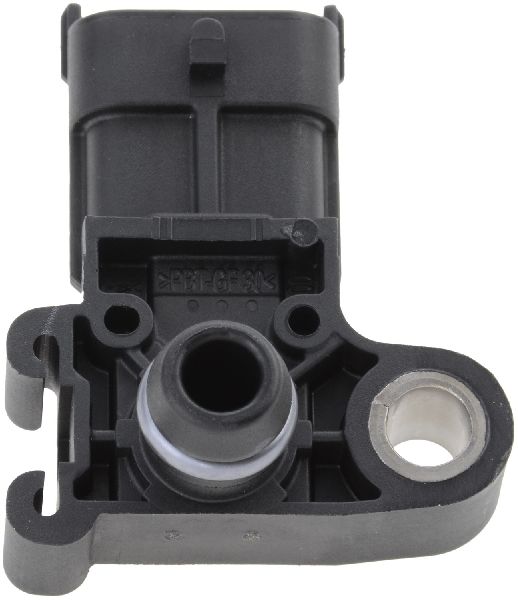
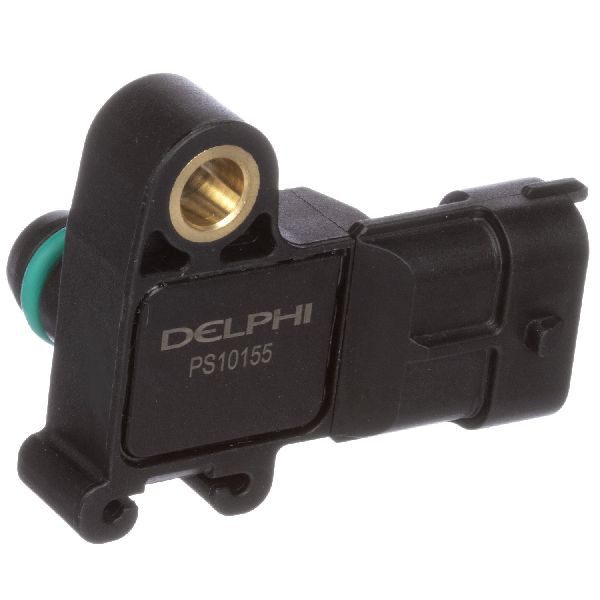
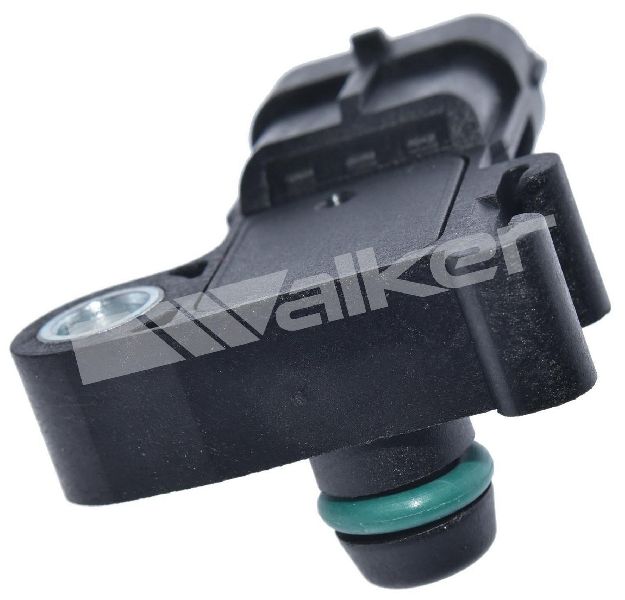
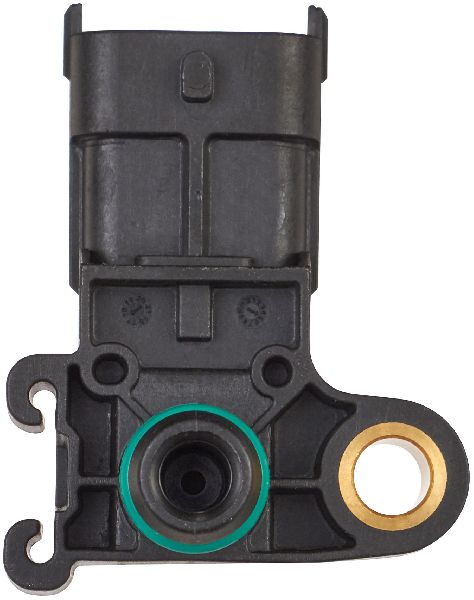
Aftermarket price range: $60-$120 - Manifold Absolute Pressure (MAP) Sensor
(OEM #12644228)— This is replaced if it is confirmed faulty after other causes are ruled out. It is often replaced unnecessarily.
Trusted brands: ACDelco, Bosch, Delphi
OEM price range: $50-$80
Aftermarket price range: $30-$60
Related Codes That Often Appear With This One
- P0107 — This code indicates 'MAP Sensor Circuit Low Voltage'. If the sensor or its wiring fails intermittently, it can trigger both a performance code (P0106) and a circuit code (P0107).
- P0171/P0174 — These are 'System Too Lean' codes. A significant vacuum leak that causes P0106 will also allow unmetered air into the engine, leading to a lean condition.
- P1101 — This code often relates to the MAF sensor performance but can be set in conjunction with P0106 when the ECM detects conflicting airflow calculations between the MAF, MAP, and throttle position sensors, often stemming from the same root causes like a dirty throttle body.
- P0068 / P0131 / P0506 — As noted in TSB Bulletin #PIP5529A, these codes may appear in combination with P0106 during electrical system malfunctions.
Technical Service Bulletins (TSBs) & Recalls
- GM Bulletin 12-06-04-001 / PIP5069: Addresses P0106 and other codes that can be set by low battery voltage or by MAP sensor icing during long drives in freezing weather.
- GM Bulletin 11340C: Special coverage for premature timing chain wear on LLT engines, a major related issue for this platform.
- GM Bulletin 14404B: Special coverage for the fractured 3-5-R wave plate in the 6T70/6T75 transmission.
- TSB Bulletin #PIP5529B: Provides diagnostics and repair assistance for resolving malfunction indicator lamp illumination involving combinations of codes including P0106, P0101, P0171, and P0324.
- TSB Bulletin #PIP5529A: Outlines repair procedures for electrical system issues that trigger P0106 alongside codes such as P0068, P0137, and P0506.
Platform-Specific Known Issues

- Clogged Front PCV Orifice: A known issue on the 3.6L V6 is a clogged PCV orifice in the front (Bank 2) valve cover, which can cause excessive crankcase pressure and lead to oil being forced into the intake, contaminating the MAP sensor and fouling the throttle body.
- Throttle Body Coking: Heavy carbon buildup on the back of the throttle plate is a very common maintenance issue that directly causes P0106 by disrupting idle airflow and forcing the ECM to use conflicting throttle angle and MAP sensor values.
- Real-World Repair Story: On GM-Trucks.com, a user with an '11 Acadia reported P0106 along with stalling. After cleaning the throttle body, the code remained. The final fix was replacing the front (Bank 2) valve cover, which contains the PCV orifice, a common failure point that gets clogged and disrupts manifold pressure.
Mechanic-Grade Diagnostic Values
- Throttle Position vs. MAP Sensor Reading at Idle — expected: At a stable warm idle, throttle position should be low (typically under 10%) and the MAP sensor should indicate high vacuum (low pressure, e.g., 17-21 inHg or ~30-40 kPa).. Failure: The scan tool shows a high throttle position percentage at idle (e.g., >15-20%) while the MAP sensor simultaneously shows a high vacuum reading appropriate for idle. This conflict triggers the P0106 code.
Scan Tool Commands That Help
- Manual Procedure (No Scan Tool): Idle Learn / Throttle Body Relearn — After cleaning or replacing the throttle body, the ECM's stored idle airflow values are incorrect. This procedure forces the ECM to relearn the new correct values. A common method is to start the engine and let it idle in Park for 3 minutes, then turn the ignition off for 60 seconds. Repeat this cycle. Another method is to simply let the vehicle idle for 10-15 minutes.
- GDS2 / Tech2 (or equivalent high-end scanner): Throttle/Idle Learn — This is the dealer-level method to reset throttle body adaptations after replacement or cleaning. It is found in the service functions or module setup menu for the Engine Control Module (ECM).
Wiring & Ground Locations
- G101 — On the left side of the engine compartment, specifically on the engine block near the front.. This is a primary engine ground. A poor connection at G101 can cause erratic sensor readings and intermittent faults for any sensor grounded through the engine block, including the systems that the ECM uses to validate the MAP sensor reading.
- ECM Ground Path — The ECM grounds directly to the engine block.. The engine block serves as the master ground plane for the engine management system. If the main engine-to-chassis or battery-to-engine ground straps are compromised, the ECM and its sensors can have floating ground references, leading to irrational signal codes like P0106.
Real Owner Repair Stories
- Multiple forums and YouTube videos (e.g., ModernCamaro.com, YouTube) (2009-2013 GM vehicles with 3.6L LLT/LFX engines, including Acadia.) — Oil consumption, oil in the intake tube, rough idle, and eventually code P0106.
❌ Tried (didn't work) Replacing the MAP sensor., Repeatedly cleaning the throttle body without addressing the source of the oil., Replacing the PCV valve cover with another of the same (older) design.
✅ What actually fixed it Performing the 'PCV orifice mod'. Owners drill out the small, clog-prone orifices in the front valve cover's PCV baffle to a larger diameter (typically 7/64" for the top hole and 5/64" for the bottom two) to match the updated design from GM on later models. This permanently prevents the orifice from clogging, which stops crankcase pressure from building and forcing oil into the intake.
"I Checked Everything" — The Actual Cause
- The most common causes for P0106 on this platform—a dirty throttle body and a clogged internal PCV orifice—will not be detected by a smoke test. A smoke test checks for unmetered air entering the system from an external leak. These issues, however, are related to incorrect airflow calculations and internal crankcase pressure problems. A technician may perform a smoke test, find no leaks, and incorrectly assume the intake system is sealed, while the root cause remains hidden in the throttle body or valve cover.
When the Usual Fixes Don't Work
- While cleaning a dirty throttle body is the most common fix, it can sometimes be the direct cause of the P0106 code appearing. If the ECM has adapted over thousands of miles to a carboned-up throttle body (by learning to hold the throttle plate open further at idle), suddenly cleaning it will allow a rush of unexpected air. The ECM sees the same learned throttle angle but much different airflow/MAP readings, causing it to set the P0106 code. The fix in this case is not to replace parts, but to perform a throttle body relearn procedure to force the ECM to adapt to the clean throttle body.
OEM Part Supersession History
12644228 (MAP Sensor)→12711681— Standard part evolution, likely for improved materials or manufacturing consistency.12607721, 12637685, 12639758 (Valve Cover)→12642655— This part was updated to address the PCV orifice clogging issue. The newer part number has a revised baffle design.
Heads up: The new part is backward compatible and is the recommended replacement for older models.
Model Year Variations Within This Range
- 2009-2013 (approx.): Engines in this range (both LLT and early LFX) were equipped with a front valve cover that has very small PCV orifices. These are highly prone to clogging with sludge, leading to P0106.
- 2014-2017 (approx.): GM updated the valve cover design to include larger PCV orifices, significantly reducing the likelihood of clogging. While failure is still possible, it is much less common than on earlier models. This is why the 'PCV drill mod' is so popular for pre-2014 engines.
Diagnostic Flowchart
Other Known Issues on This Vehicle
Issues unrelated to this code that are worth knowing about as an owner of this generation:
- Premature Timing Chain Stretch (LLT Engine) 🔴 High — Very common on 2009-2011 models, often appearing between 70,000 and 120,000 miles. Caused by a combination of long oil change intervals and chain design. (Ref: GM Special Coverage 11340C extended the warranty to 10 years/120,000 miles for this issue. TSB 12-06-01-009D provides further details.)
- Cracked 3-5-R Transmission Wave Plate (6T70/6T75) 🔴 High — Common in earlier models (especially 2009), leading to loss of 3rd, 5th, and Reverse gears, often before 100,000 miles. (Ref: GM Special Coverage Adjustment 14404B provided an extended warranty, but it has since expired.)
- Power Steering Pump Failure or Leaks 🟠 Medium — Owners report whining noises, difficulty steering at low speeds, and fluid leaks. Failures can occur at various mileages.
- Water Leaks into Cabin 🟠 Medium — Leaks from the sunroof drains, windshield seal, or rear liftgate seals are commonly reported, potentially causing electrical issues or mold.
Used vs. New Parts: Buying Guide for This Vehicle
When a used part is the smart pick: An OEM valve cover from a junkyard can be a good option, especially if it is from a 2014 or newer donor vehicle, as it will have the updated PCV orifice design. This can be a cost-effective alternative to a new OEM part.
Donor-vehicle mileage cap: roughly under 80000 miles for the part to have meaningful remaining life.
What to inspect on the donor part:
- Check the donor vehicle's year; prioritize 2014+ models for the updated valve cover.
- Inspect the inside of the cover for heavy sludge or varnish, which indicates poor maintenance.
- Ensure there are no cracks, especially around bolt holes.
- Verify it is a genuine GM part by looking for the logo and part number.
OEM-only on this vehicle (don't cheap out):
- Manifold Absolute Pressure (MAP) Sensor. This is a critical electronic sensor. To avoid performance and compatibility issues, it is highly recommended to use a GM Genuine or ACDelco OE part.
Aftermarket brands forum-validated for this vehicle:
- Bosch, Delphi (for MAP Sensor, as they are often OEM suppliers)
- ACDelco (for all parts, as it is the GM OE brand)
Brands owners have reported issues with on this vehicle:
- Unbranded, 'white-box' MAP sensors from online marketplaces are a significant risk and often fail quickly.
- Dorman valve covers have mixed reviews; some users report success while others note quality control issues like casting burrs that need to be cleaned off before installation to prevent engine damage.
Real Owner Stories
Aggregated from forums and TSBs cited above. Mileages and costs reflect what owners reported in those sources.
2011 GMC Acadia 3.6L V6
Symptoms: P0106 code along with engine stalling.
What fixed it: Replacing the front (Bank 2) valve cover to resolve a clogged PCV orifice that was disrupting manifold pressure.
Source hint: GM-Trucks.com thread mentioned in vehicle_specific_issues
2009-2017 GMC Acadia 3.6L V6
Symptoms: P0101 and P0106 codes; owner initially replaced the MAF sensor but found oil inside the MAP sensor port.
What fixed it: Addressing the PCV system root cause rather than just replacing sensors.
Source hint: GM-Trucks.com thread titled 'P0101 And P0106 Help?'
2009-2011 GMC Acadia 3.6L V6 (LLT) — ~95000 miles
Symptoms: Premature timing chain stretch.
What fixed it: Repair under GM Special Coverage 11340C (extended warranty to 10 years/120,000 miles).
Source hint: GM Bulletin 11340C / known_issues
Related OBD-II Codes
Frequently Asked Questions
Is there a GM Bulletin that covers P0106 on my Acadia for cold weather issues?
My 2011 Acadia has P0106 and a Stabilitrak warning; are these related?
I heard the 3.6L LLT engine has timing chain issues; is there a warranty extension?
Can a battery change cause a P0106 code on this vehicle?
Is there a specific TSB for the transmission issues on my 2009 Acadia?
How do I fix the PCV system if it's contaminating my MAP sensor?
Helpful Videos
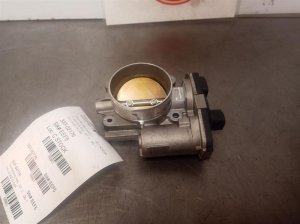
Used OEM Parts in Stock


New Aftermarket Parts Available


The information in this article is provided for general reference and educational purposes only. Vehicle specifications, procedures, and part compatibility can vary by production date, trim level, and region. Always consult your vehicle's factory service manual and verify part numbers before purchasing or performing repairs. Safety-critical components such as airbags, seat belts, and braking systems should be installed by a qualified professional.
- GMC Acadia:
- 🎬 Helpful Videos
- 🛍️ Shop This Part
- What's Unique About the 2009-2017 GMC Acadia
- Symptoms You May Notice
- Most Likely Causes
- Rare But Worth Checking
- Diagnosis Steps
- Parts You'll Likely Need
- Related Codes That Often Appear With This One
- Technical Service Bulletins (TSBs) & Recalls
- Platform-Specific Known Issues
- Mechanic-Grade Diagnostic Values
- Scan Tool Commands That Help
- Wiring & Ground Locations
- Real Owner Repair Stories
- "I Checked Everything" — The Actual Cause
- When the Usual Fixes Don't Work
- OEM Part Supersession History
- Model Year Variations Within This Range
- Diagnostic Flowchart
- Other Known Issues on This Vehicle
- Used vs. New Parts: Buying Guide for This Vehicle
- Real Owner Stories
- 2011 GMC Acadia 3.6L V6
- 2009-2017 GMC Acadia 3.6L V6
- 2009-2011 GMC Acadia 3.6L V6 (LLT) — ~95000 miles
- Related OBD-II Codes
- Frequently Asked Questions
- 🎟️ Get 5% Off