

P0102 on 2014-2020 Nissan Rogue: MAF Sensor Causes and Fixes
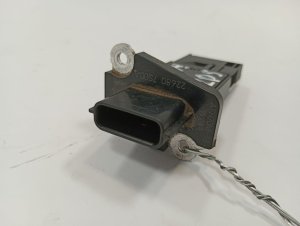
For a 2014-2020 Nissan Rogue, code P0102 most often means the Mass Air Flow (MAF) sensor is dirty. Cleaning it with dedicated MAF cleaner for about $10 is the most common fix. If cleaning doesn't work, inspect the flexible air intake boot for cracks, a very common failure point. If both are fine, replacing the sensor is the next step. Use an OEM Hitachi sensor (Part No. 22680-3VA0A) to avoid compatibility issues; it costs around $120-$180 and is an easy DIY job.
- P0102 on your Rogue almost always points to the Mass Air Flow (MAF) sensor.
- Before buying any parts, spend $10 on a can of MAF sensor cleaner and clean the sensor. This is the most common fix and takes less than 15 minutes.
- If you must replace the sensor, the OEM part number is 22680-3VA0A. Hitachi is the original equipment manufacturer and a reliable aftermarket choice.
- Always inspect the flexible air intake boot for cracks between the air filter and throttle body, as this is a common source of vacuum leaks that can trigger this code.
- This is a very easy DIY repair. The sensor is held on by two screws and one electrical plug, making it accessible to even novice mechanics.
What's Unique About the 2014-2020 Nissan Rogue

On the 2.5L QR25DE engine in the second-generation Rogue, the MAF sensor assembly also includes the Intake Air Temperature (IAT) sensor. Because of this, it's common to see P0102 appear with P0113 (IAT Sensor Circuit High). While cleaning the sensor is a frequent fix, this platform is notoriously sensitive to aftermarket sensor quality; many owners report the code returning until a genuine Hitachi (OEM) sensor is installed. Furthermore, the rubber air intake boot between the air filter and throttle body is a known weak point and frequently develops cracks, causing a vacuum leak that is a primary cause of this code. A smoke test is the best way to confirm a leak.
Symptoms You May Notice
- Check Engine Light is on
- Rough or unstable idle
- Hesitation or stumbling during acceleration
- Engine stalling, especially at idle or after starting
- Noticeable decrease in fuel economy
- Black smoke from the exhaust in some cases
- Engine may not start at all if the sensor has completely failed
- Simultaneous illumination of the Traction Light and Forward Collision warning lights (as reported in NHTSA ODI #11687984)
- Replacing the MAF sensor immediately without first attempting to clean it.
- Replacing the MAF sensor when the actual problem is a simple, inexpensive vacuum leak from a cracked intake boot.
- Using a cheap aftermarket MAF sensor which fails to meet OEM calibration, causing the code to return.
Most Likely Causes


- Dirty or Contaminated MAF Sensor 🔴 High Probability Oil vapors from the PCV system or fine dust that gets past the air filter can coat the sensor's delicate hot wire, insulating it and causing it to misread airflow. Oiled aftermarket air filters are a common source of contamination.
How to confirm: Remove the sensor (held by two screws) and visually inspect the small wires inside the housing. Any film or debris indicates it needs cleaning.
Typical fix: Remove the sensor and clean it thoroughly with a dedicated Mass Air Flow sensor cleaner spray. 🎬 Watch: How to clean your sensor and fix the P0102 code. Do not touch the wires with anything. This is the most common and cost-effective first step.
Est. part cost: $8-$15 for a can of MAF cleaner - Vacuum Leak in the Air Intake System (Cracked Boot) 🔴 High Probability The flexible rubber intake boot between the air filter box and the throttle body is known to develop cracks from heat and age, especially in the accordion-like folds. This allows unmetered air to enter the engine after the MAF sensor, causing the sensor's readings to be lower than the actual airflow entering the cylinders.
How to confirm: Visually inspect the intake boot for cracks or loose clamps, squeezing the folds to reveal hidden tears. A smoke test is the most effective way to find hidden leaks.
Typical fix: Replace the cracked or torn intake air duct. Tighten any loose clamps. The part is often referred to as an Air Cleaner Intake Hose.
Est. part cost: $40-$90 for a new intake boot (e.g., Nissan P/N 16576-4BA1A or 16576-4BA3A) - Faulty Mass Air Flow (MAF) Sensor 🟡 Medium Probability
How to confirm: If cleaning the sensor and checking for leaks does not resolve the code, the sensor itself has likely failed. A scan tool showing a g/s reading of 0 or an erratic value when revving the engine points to a bad sensor. Owners strongly recommend replacing with an OEM Hitachi part to avoid issues with cheaper aftermarket sensors.
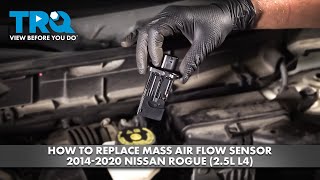
Typical fix: Replace the MAF sensor. It is held in by two screws and an electrical connector. 🎬 See this walkthrough on how to replace the MAF sensor. An 'Idle Air Volume Learning' procedure may be required after replacement.
Est. part cost: $120-$250 - Clogged or Dirty Engine Air Filter ⚪ Low Probability
How to confirm: Remove and inspect the engine air filter. If it is visibly black or clogged with debris, it can restrict airflow enough to trigger the code.
Typical fix: Replace the engine air filter.
Est. part cost: $15-$30 - Damaged Wiring or Electrical Connector ⚪ Low Probability
How to confirm: Inspect the MAF sensor's electrical connector for corrosion, bent pins, or a loose fit. Check the wiring harness for any signs of chafing or breaks. A multimeter can be used to confirm power and ground at the connector.
Typical fix: Repair the damaged section of wire or replace the connector pigtail.
Est. part cost: $15-$40 for a new pigtail connector
Rare But Worth Checking
- Faulty EVAP Purge Valve or PCV Valve: A stuck-open purge or PCV valve can create a vacuum leak that may, in some cases, trigger a MAF-related code. These are worth considering if the primary causes have been ruled out.
- Rodent Damage to Wiring: In some forum discussions, owners have discovered that rodents chewed through the MAF sensor wiring harness, causing a short or open circuit that triggers the P0102 code. This is worth inspecting for if the wiring looks disturbed.
- Faulty Engine Control Module (ECM): This is extremely rare. The ECM should only be considered as the cause after all other possibilities (sensor, wiring, leaks) have been exhaustively tested and eliminated.
Diagnosis Steps
- Read the code with an OBD-II scanner and confirm P0102 is present. Note any other codes, especially P0113 or P0101.
- Perform a thorough visual inspection of the entire air intake system. Pay close attention to the flexible rubber intake boot, squeezing the accordion sections to check for hidden cracks or tears.
- Inspect the engine air filter. If it is excessively dirty or clogged, replace it.
- Inspect the MAF sensor's electrical connector for loose pins, corrosion, or damage. Ensure it is securely plugged in.
- Carefully remove the MAF sensor. Using only dedicated MAF sensor cleaner spray, clean the sensor elements inside the housing. Let it dry completely for at least 30 minutes before reinstalling.
- Clear the codes with the scanner and drive the vehicle to see if the code returns. If it does not, the cleaning was successful.
- If the code returns, use a scan tool with live data capability to monitor the MAF sensor reading in grams per second (g/s). The value should be low at idle (around 2-4 g/s) and increase smoothly as you rev the engine. A value stuck at 0 kg/s or that is erratic indicates a likely wiring or sensor fault.
- If the sensor signal seems plausible but the code persists, perform a smoke test on the intake system to definitively check for vacuum leaks that were not visible.
- If no leaks are found, check for power and ground at the sensor connector with a multimeter to rule out a wiring issue.
- If all other steps fail, the MAF sensor itself is the most likely culprit and should be replaced, preferably with an OEM Hitachi part.
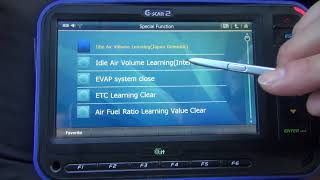
- After replacing the sensor or cleaning the throttle body, an 'Idle Air Volume Learning' procedure may be necessary to stabilize the idle. 🎬 Watch: How to perform the Nissan Idle Air Volume Learning procedure.
Parts You'll Likely Need

- Mass Air Flow (MAF) Sensor
(OEM #22680-3VA0A)— This is the most common part to fail if cleaning the original sensor does not resolve the issue. Hitachi is the OEM manufacturer and is highly recommended to ensure proper calibration and avoid recurring codes.
Trusted brands: Hitachi (OEM), Nissan (OEM), Denso
OEM price range: $230-$350
Aftermarket price range: $120-$180 - Air Cleaner Intake Hose
(OEM #16576-4BA1A / 16576-4BA3A)— This rubber boot is a very common failure point, developing cracks that cause vacuum leaks and trigger MAF codes.
Trusted brands: Nissan OEM, Various Aftermarket
OEM price range: $60-$90
Aftermarket price range: $30-$50 - Mass Air Flow Sensor Cleaner — This is the first and most cost-effective repair attempt, as a dirty sensor is the most common cause of P0102.
Trusted brands: CRC, WD-40 Specialist
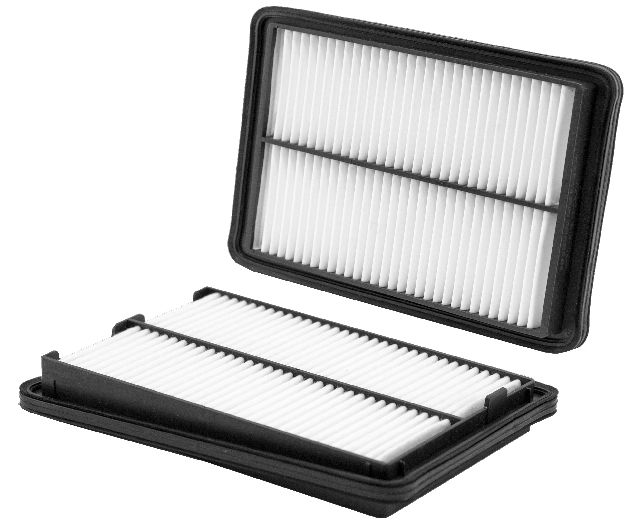
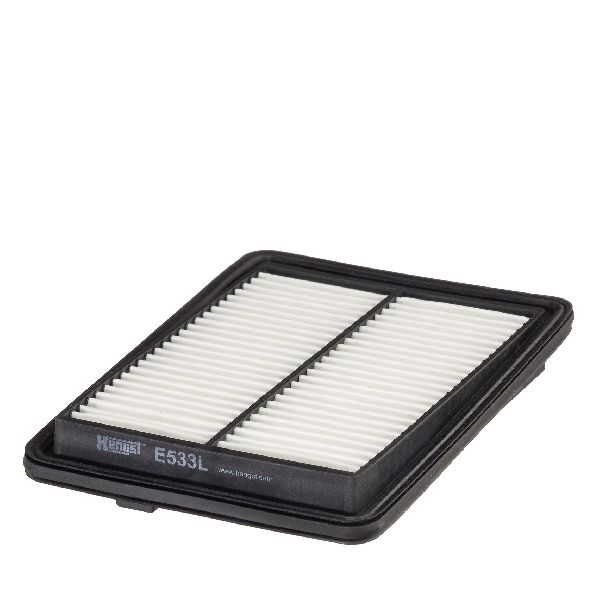
Aftermarket price range: $8-$15 - Engine Air Filter
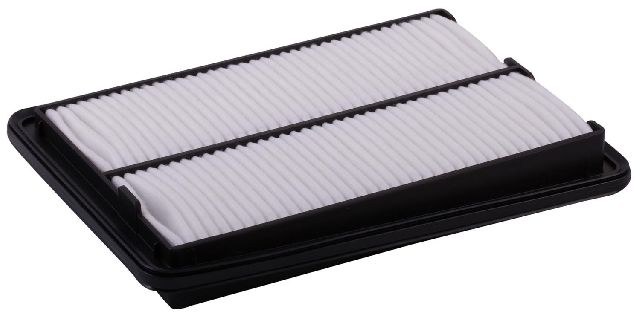
(OEM #16546-4BA1A)— A clogged air filter can restrict airflow and contribute to the code. It is a routine maintenance item that should be checked first.
Trusted brands: Nissan OEM, Wix, Purolator
OEM price range: $25
Aftermarket price range: $15
Related Codes That Often Appear With This One
- P0113 — The Intake Air Temperature (IAT) sensor is integrated into the MAF sensor assembly on the QR25DE engine. A fault in the shared component, connector, or wiring can trigger both codes simultaneously.
- P0101 — This code indicates the MAF sensor signal is out of the expected range (performance issue), which is closely related to the P0102 'low input' fault. They often point to the same root causes, like a vacuum leak or a dirty sensor.
Technical Service Bulletins (TSBs) & Recalls
- NTB16-114: While not directly for P0102, this TSB addresses reprogramming the ECM for P0101 on some QR25DE-equipped vehicles, showing that software logic can be a factor in MAF-related codes.
Platform-Specific Known Issues
- On r/NissanRogue, a user with a 2017 Rogue reported a P0102 code and live data showing 0 kg/s airflow. After replacing the sensor with an OEM part, the issue persisted, leading them to suspect a wiring fault or a defective new sensor. This highlights the importance of testing the circuit even after replacing parts.
- Multiple owners across different forums have confirmed that using cheaper, non-OEM MAF sensors on Nissan vehicles often leads to the P0101 or P0102 code returning. The fix is consistently to install a genuine Nissan or Hitachi-branded sensor.
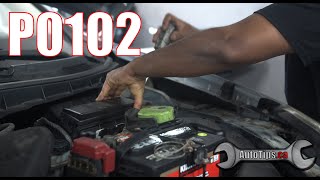
- A YouTube video by 'Auto.tips.ca' diagnosing a P0102 on a Nissan Rogue found the cause to be a large tear in the air intake boot, demonstrating how a visual and physical inspection of the boot is critical before spending money on sensors.
Mechanic-Grade Diagnostic Values
- MAF Sensor Live Data (g/s) at warm idle — expected: 2.0 - 4.0 g/s. Failure: A reading of 0 or 1 g/s, or a value that does not increase smoothly with engine RPM.
- MAF Sensor Signal Wire Voltage at warm idle — expected: ~0.9V - 1.5V. Failure: Voltage is stuck near 0V or does not increase when the throttle is applied.
- MAF Connector Pin 3 (Power Supply) Voltage — expected: ~12V (Battery Voltage) with Key On, Engine Off. Failure: No voltage or significantly low voltage indicates a problem with the power supply circuit or fuse.
- MAF Connector Pin 2 (Ground) — expected: Near 0V (Good ground connection). Failure: Any significant voltage reading indicates a poor ground connection, which can cause a low signal fault.
Scan Tool Commands That Help
- Nissan CONSULT or capable aftermarket scan tool: Idle Air Volume Learning — This procedure is critical after replacing the MAF sensor, cleaning or replacing the throttle body, or disconnecting the battery. It resets the ECM's learned idle values. Failure to perform it can result in a high or unstable idle and may cause MAF codes to return even after a successful repair.
- Manual Procedure (No Scan Tool): Idle Air Volume Learning (Pedal Dance) — Can be used if a capable scan tool is not available. Requires a precise sequence of turning the ignition on/off and depressing the accelerator pedal within specific time windows to force the ECM into learning mode.
Wiring & Ground Locations
- MAF Sensor Connector (5-pin) — On the MAF sensor itself, which is mounted on the air filter housing outlet.. This is the primary point for testing power, ground, and signal integrity. The pins are for MAF power, MAF ground, MAF signal, IAT signal, and IAT ground. A poor connection or damaged wire here is a direct cause of P0102.
- Engine Block / Transmission Housing Grounds — Bolted to the transmission housing and the engine block, typically near the starter.. The ECM and its sensors rely on clean ground paths. A corroded or loose main engine ground can introduce electrical noise and voltage drops, potentially causing the MAF sensor signal to read artificially low.
Real Owner Repair Stories
- Reddit user in r/NissanRogue (2017 Nissan Rogue S) — Check engine light, RPMs fluctuating, initially had a P0171 (System Too Lean) code.
❌ Tried (didn't work) Replacing the MAF sensor with a Duralast (aftermarket) part from AutoZone., Performing a throttle body service and relearn.
✅ What actually fixed it The aftermarket Duralast MAF sensor was incompatible and caused further issues. Replacing it with a stock Hitachi (OEM) sensor resolved all codes and drivability problems. - Reddit user in r/MechanicAdvice (2017 Nissan Rogue) — No crank/no start initially, then rough start and idle, engine dies when warm. P0102 code present, scan tool shows 0 kg/s airflow.
❌ Tried (didn't work) Cleaning corroded battery terminal., Replacing carbon-fouled spark plugs., Replacing a very dirty air filter.
✅ What actually fixed it The user replaced the MAF sensor with an OEM part, but the problem persisted with the new sensor also showing a short. The story highlights that even a new part can be faulty out of the box, or an underlying wiring issue can damage a new sensor immediately. The final fix was implied to be a wiring repair or warranty replacement of the faulty new sensor. - NHTSA ODI #11633951 — An owner reported retrieved DTC codes P0420, P0113, P0101, and P0102. An independent mechanic replaced the intake air temperature sensor and the MAF sensors to address the faults.
- NHTSA ODI #11462817 — An owner reported that their car kept dying out while reading codes P0101 and P0102 for the mass air flow sensor and low circuit current, requiring a $400 repair.
- NHTSA ODI #11721516 — A driver reported receiving P0101 and P0102 error codes specifically related to the mass or volume air flow sensor.
"I Checked Everything" — The Actual Cause
- In one documented case, a technician performed a smoke test which revealed no leaks, cleaned the MAF sensor, and tested wiring, but the P0102 code persisted. The final cause was a faulty, brand-new MAF sensor that was defective from the factory. The issue was only confirmed by swapping in a known-good sensor from another vehicle.
OEM Part Supersession History
16576-4BA1A→16576-4BA3A— Part revision, likely for improved durability or slight fitment change related to the 2017 model year refresh.
Heads up: While they may be interchangeable, it is best to use the part number specified for your vehicle's year (pre- or post-facelift) to ensure perfect fitment of the air box and resonator connections.
Model Year Variations Within This Range
- 2014-2016 vs 2017-2020: The air cleaner intake hose (boot) has different part numbers for the pre-facelift (2014-2016, P/N 16576-4BA1A) and post-facelift (2017-2020, P/N 16576-4BA3A) models. While physically similar, using the correct part for your year range is recommended to ensure proper fit.
Diagnostic Flowchart
Other Known Issues on This Vehicle
Issues unrelated to this code that are worth knowing about as an owner of this generation:
- CVT Transmission Failure/Malfunction 🔴 High — Very common. Symptoms like shuddering, jerking, hesitation, and overheating can appear at various mileages, sometimes as early as 80,000 km. Failures are frequent enough to have prompted class-action lawsuits. (Ref: Multiple warranty extensions were issued, but no single mass recall for the core issue. Regular fluid changes (every 30k miles) are highly recommended by owners to prolong life.) In some cases, transmission fault codes like P1754 or P1759 have been noted alongside P0102 (NHTSA ODI #10469505).
- Front Suspension Squeak/Creak Over Bumps 🟡 Low — Common, especially in colder weather. The noise is caused by the front suspension's jounce bumper rubbing. (Ref: Nissan TSB NTB18-083 addresses this by recommending the replacement of the jounce bumper with an updated part.)
- Leaking Sunroof Drains 🟠 Medium — A very common issue where clogged front sunroof drain tubes cause water to back up and leak into the cabin, often staining the A-pillar trim and headliner. (Ref: No TSB, but well-documented in owner forums. The fix involves clearing the drain tubes, which exit behind the front cowl, and sometimes requires removing a small stopper at the end of the drain hose.)
- Automatic Emergency Braking (AEB) System Malfunctions 🔴 High — A significant number of complaints for 2017-2018 models involve the forward collision avoidance system braking unexpectedly without an obstacle present. (Ref: Subject of numerous NHTSA complaints and a class-action lawsuit.)
- Engine Bay Rattle at Idle 🟡 Low — Common on 2015-2020 models, a buzzing or rattling noise is heard from the engine bay while idling in gear. It is caused by a missing or loose clip on the air intake duct. (Ref: Nissan TSB NTB20-043 provides the diagnosis and fix, which involves installing an updated clip or replacing the air duct assembly.)
Used vs. New Parts: Buying Guide for This Vehicle
When a used part is the smart pick: A used Air Cleaner Intake Hose from a low-mileage donor vehicle can be a cost-effective option. It is a simple rubber/plastic part that does not have complex electronics. A used wiring connector pigtail is also a good option if the original is damaged.
Donor-vehicle mileage cap: roughly under 50000 miles for the part to have meaningful remaining life.
What to inspect on the donor part:
- For an intake hose, inspect it off the vehicle in good light. Squeeze and bend the accordion sections, checking for any small cracks or hardening of the rubber.
- Ensure all mounting tabs and connection points are intact.
- For a wiring pigtail, ensure there is at least 4-6 inches of wire past the connector and that the connector's locking tab is not broken.
OEM-only on this vehicle (don't cheap out):
- Mass Air Flow (MAF) Sensor: The vehicle's ECU is highly sensitive to the signal from this sensor. Forum and mechanic reports strongly indicate that aftermarket sensors, even from reputable brands, frequently cause the code to return or introduce new drivability issues. Using a genuine Nissan or OEM Hitachi sensor is critical for a lasting repair.
Aftermarket brands forum-validated for this vehicle:
- Hitachi (for the MAF sensor, as they are the Original Equipment Manufacturer)
Brands owners have reported issues with on this vehicle:
- Generic/unbranded MAF sensors from online marketplaces.
- Store-brand sensors (like Duralast) have been reported by owners to be incompatible with the Rogue's ECU, leading to repeat failures.
Real Owner Stories
Aggregated from forums and TSBs cited above. Mileages and costs reflect what owners reported in those sources.
2017 Nissan Rogue 2.5L
Symptoms: Check engine light on with code P0102 and live data showing 0 kg/s airflow. The owner attempted to clean corrosion and replace plugs and filters, but the issue persisted even after installing a new OEM sensor.
What fixed it: The issue persisted after sensor replacement, pointing toward a complex wiring harness fault or a defective new sensor, highlighting the need for circuit testing.
Source hint: Reddit - r/NissanRogue - 2017 Nissan Rogue P0102
2012 Nissan Rogue 2.5L
Symptoms: Rough running and a P0102 engine code.
What fixed it: Replacing a completely torn air intake boot that was allowing unmetered air to flood the engine.
Source hint: YouTube - 'Fixing P0102 engine code - Nissan Rogue 2012' by Auto.tips.ca
Nissan Rogue 2.5L
Symptoms: High and rough idle accompanied by code P0102 and other electrical issues.
What fixed it: Inspection of the wiring harness for physical damage (suspected rodent damage).
Source hint: NICOclub Forums - high /rough idle p0102
Related OBD-II Codes
Frequently Asked Questions
Which specific MAF sensor should I buy for my 2014-2020 Nissan Rogue to ensure the P0102 code stays away?
Is there a specific part number for the intake boot if mine is cracked?
Does TSB NTB16-114 apply to my P0102 code?
Do I need to do anything special after replacing the MAF sensor on my Rogue?
Can I just clean the sensor instead of replacing it?
Could a vacuum leak cause P0102 even if the sensor is fine?
Helpful Videos
Used OEM Parts in Stock


New Aftermarket Parts Available


The information in this article is provided for general reference and educational purposes only. Vehicle specifications, procedures, and part compatibility can vary by production date, trim level, and region. Always consult your vehicle's factory service manual and verify part numbers before purchasing or performing repairs. Safety-critical components such as airbags, seat belts, and braking systems should be installed by a qualified professional.
- Nissan Rogue:
- 🎬 Helpful Videos
- 🛍️ Shop This Part
- What's Unique About the 2014-2020 Nissan Rogue
- Symptoms You May Notice
- Most Likely Causes
- Rare But Worth Checking
- Diagnosis Steps
- Parts You'll Likely Need
- Related Codes That Often Appear With This One
- Technical Service Bulletins (TSBs) & Recalls
- Platform-Specific Known Issues
- Mechanic-Grade Diagnostic Values
- Scan Tool Commands That Help
- Wiring & Ground Locations
- Real Owner Repair Stories
- "I Checked Everything" — The Actual Cause
- OEM Part Supersession History
- Model Year Variations Within This Range
- Diagnostic Flowchart
- Other Known Issues on This Vehicle
- Used vs. New Parts: Buying Guide for This Vehicle
- Real Owner Stories
- 2017 Nissan Rogue 2.5L
- 2012 Nissan Rogue 2.5L
- Nissan Rogue 2.5L
- Related OBD-II Codes
- Frequently Asked Questions
- 🎟️ Get 5% Off