

P0101 on 2005-2009 Subaru Outback: MAF Sensor Causes and Fixes
For a 2005-2009 Subaru Outback, code P0101 is most often caused by a dirty Mass Airflow (MAF) sensor. The fix is usually as simple as cleaning the sensor with a dedicated spray cleaner, which costs about $15. If cleaning doesn't work, a cracked rubber intake boot or a faulty sensor are the next likely culprits. Always check for vacuum leaks before replacing parts.
- Start by spending $15 on a can of MAF sensor cleaner; this is the most likely fix and is very easy to do yourself.
- Do not touch the MAF sensor's internal wires with your fingers or any tools. Only use the spray cleaner.
- If cleaning doesn't work, carefully inspect the intake hose between the air filter box and the engine for any cracks or loose connections, as a vacuum leak is the next most common cause.
- When replacing the sensor, consider trusted aftermarket brands like Denso (often the OEM supplier) or Delphi to save money over the dealer part.
What's Unique About the 2005-2009 Subaru Outback
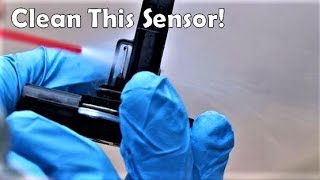
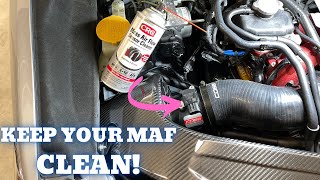
On the third-generation (BP) Subaru Outback, the P0101 code is a very common and typically straightforward issue. Both the 2.5L and 3.0L engines have the MAF sensor in a very accessible location on top of the air filter housing 🎬 Watch: How to clean the MAF sensor on your Outback. on the passenger side of the engine bay. Because of this easy access, cleaning the MAF sensor is a popular and highly effective first diagnostic step for owners, often resolving the code without the need for replacement parts or professional service. However, a very common secondary cause on these vehicles is a cracked accordion-style intake boot, which creates a vacuum leak that is often missed.
Symptoms You May Notice
- Check Engine Light is on
- Rough or unstable idle
- Engine hesitation or stumbling during acceleration
- Reduced engine power
- Poor fuel economy
- Black smoke from the exhaust
- Difficulty starting or stalling shortly after starting
- A hissing noise from the engine bay at idle, indicating a vacuum leak.
- Traction control light may illuminate, as the ECU uses MAF data to calculate engine load for the stability system.
- Replacing the oxygen (O2) sensors. While O2 sensors are part of the fuel control system, they measure exhaust gases, and a P0101 code points specifically to an issue with measuring incoming air. A P0171 (System Too Lean) code caused by a vacuum leak might incorrectly lead someone to suspect the O2 sensor first.
Most Likely Causes
- Dirty Mass Airflow (MAF) Sensor 🔴 High Probability The MAF sensor's hot wire is sensitive and can become contaminated with dirt, oil, or other debris over time, especially if using an aftermarket oiled air filter. This contamination insulates the wire, causing it to misreport the amount of air flowing past it.
How to confirm: Visually inspect the sensor's wire elements. If they appear dirty or coated, cleaning is warranted. This is the easiest and cheapest first step.
Typical fix: Remove the sensor (two Phillips screws) and clean it thoroughly with a dedicated MAF sensor cleaner spray. Do not use brake or carburetor cleaner, as they can damage the sensor. Do not touch the sensor wires and allow it to dry completely before reinstalling.
Est. part cost: $10-$20 for a can of MAF cleaner. - Cracked/Torn Intake Air Boot 🔴 High Probability The flexible, accordion-style rubber boot that connects the MAF sensor housing to the throttle body is a very common failure point. With age and heat cycles, it becomes brittle and develops cracks, especially in the folds. This allows unmetered air to enter the engine after the MAF sensor, causing a lean condition and a P0101 code.
How to confirm: With the engine off, carefully remove the intake boot and flex it while closely inspecting the crevices of the accordion section for cracks or splits. Even a small crack can cause a significant leak. A smoke test is the definitive method to find such leaks. 🎬 See this quick trick for finding hidden vacuum leaks.
Typical fix: Replace the torn intake boot. This is a common DIY repair.
Est. part cost: $40-$70 for an OEM replacement part. - Vacuum Leak (Other) 🟡 Medium Probability Beyond the main intake boot, other rubber and plastic components of the intake system can become brittle and crack with age, allowing unmetered air to enter the engine.
How to confirm: Visually inspect all vacuum lines connected to the intake manifold. Check that the MAF sensor O-ring is sealing properly. A professional can perform a smoke test to pinpoint hard-to-see leaks.
Typical fix: Replace the cracked intake hose or any leaking vacuum lines. Replace the MAF sensor O-ring if it is damaged.
Est. part cost: $20-$80 for an intake hose or vacuum line kit. - Dirty or Clogged Engine Air Filter ⚪ Low Probability
How to confirm: Remove and inspect the engine air filter. If it is visibly dirty, clogged with debris, or has not been changed per the maintenance schedule, it can restrict airflow and cause the MAF sensor readings to be out of range.
Typical fix: Replace the engine air filter.
Est. part cost: $15-$40 - Faulty Mass Airflow (MAF) Sensor ⚪ Low Probability While durable, the sensor can fail electronically. It is highly recommended by the owner community to use an OEM (Denso) replacement. Aftermarket sensors are notoriously problematic and can cause new, hard-to-diagnose issues or fail quickly.
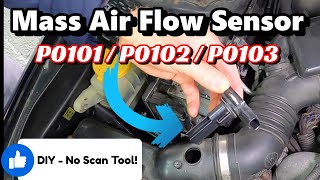
How to confirm: If cleaning the sensor and confirming there are no vacuum leaks does not resolve the code, the sensor itself may have failed. This can be confirmed by monitoring live sensor data with a scan tool or by swapping with a known-good OEM sensor. 🎬 Watch: How to test and replace a faulty MAF sensor.
Typical fix: Replace the MAF sensor with a genuine OEM or Denso part.
Est. part cost: $150-$240 for an OEM sensor, $40-$120 for an aftermarket sensor.
Rare But Worth Checking
- Damaged MAF Sensor Wiring or Connector: Check for frayed wires or corrosion on the connector pins, especially if work has recently been done in the engine bay. A poor connection can interrupt the signal.
- Clogged Catalytic Converter: A severely restricted exhaust can alter air-fuel calculations and trigger a P0101 code, though it is usually accompanied by other codes (like P0420) and a more significant loss of power.
Diagnosis Steps
- Read the code with an OBD-II scanner and note any other codes present, especially P0171 or P0174.
- Inspect the engine air filter. Replace if it is dirty or clogged.
- Carefully remove the MAF sensor. It is located on the air filter housing and held by two Phillips screws.
- Thoroughly clean the MAF sensor elements using a dedicated MAF sensor cleaner spray. Do not use brake cleaner or touch the delicate wires. Let it dry completely.
- While the sensor is out, inspect its O-ring for cracks or damage and replace if necessary.
- Reinstall the sensor, clear the codes, and perform a test drive to see if the code returns.
- If the code reappears, remove and meticulously inspect the accordion-style rubber intake boot between the airbox and throttle body. Flex it and check every crevice for cracks. This is a very common failure point.
- If no cracks are found in the main boot, visually inspect all other vacuum lines and the PCV system for leaks.
- If no visible leaks are found, a smoke test is the most effective way to find hidden vacuum leaks.
- Inspect the MAF sensor wiring and connector for damage or corrosion.
- If all other steps fail, the MAF sensor itself has likely failed. Replace it with an OEM/Denso part to avoid issues.
Parts You'll Likely Need
- Mass Airflow Sensor Cleaner — This is the most common and cheapest fix, as the sensor is often just dirty.
Trusted brands: CRC, Liqui Moly
Aftermarket price range: $10-$20 - Intake Air Boot / Duct
(OEM #46012AG00A (for 2.5L EJ253), 46012AG01A (for 3.0L EZ30))— This flexible rubber part is a very common failure point, developing cracks that cause vacuum leaks and trigger P0101.
Trusted brands: Genuine Subaru
OEM price range: $40-$70
Aftermarket price range: $25-$50 - Mass Airflow (MAF) Sensor
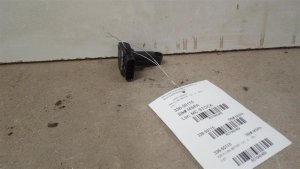
(OEM #22680AA31A)— If cleaning and checking for vacuum leaks fails, the sensor itself is the next logical part to replace. This part number fits both the 2.5L and 3.0L engines for this year range. Community consensus strongly advises against aftermarket sensors.
Trusted brands: Denso (OEM), Genuine Subaru
OEM price range: $155-$235
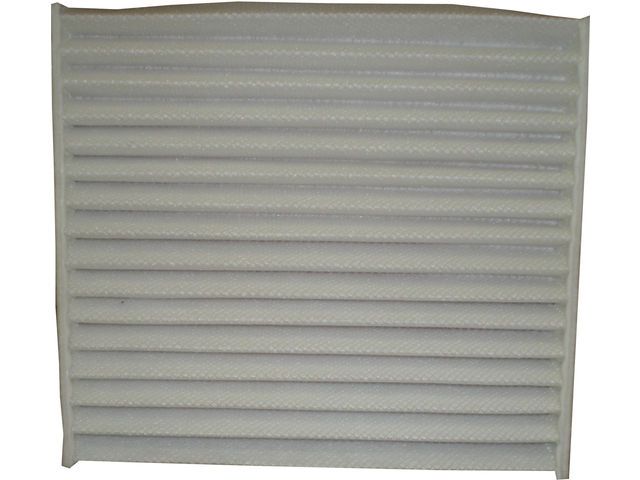
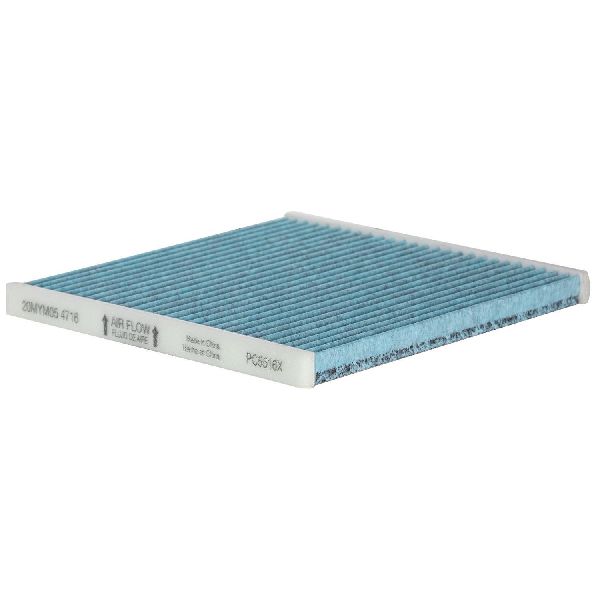
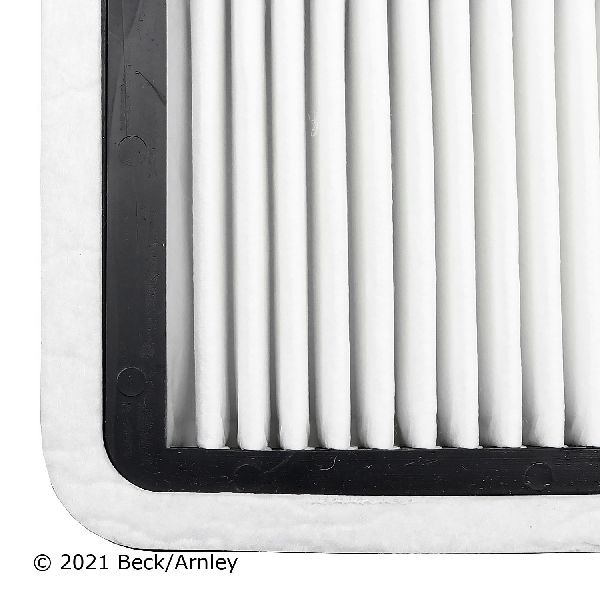
Aftermarket price range: $40-$120 - Engine Air Filter
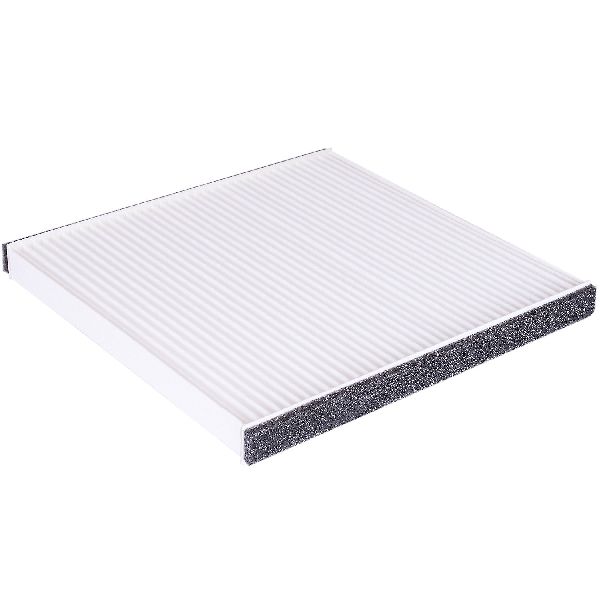
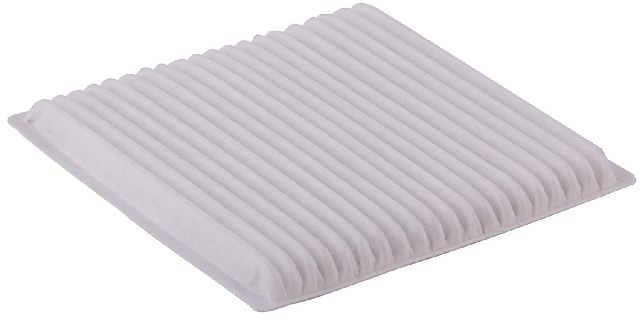
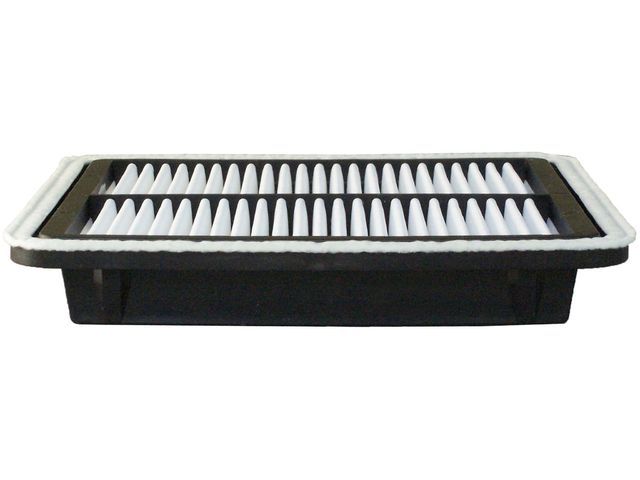
(OEM #16546AA090 or 16546AA12A)— A clogged air filter restricts airflow and can contribute to a P0101 code. It's a basic maintenance item that should be checked first.
Trusted brands: Denso, Wix, Purolator
OEM price range: $25-$40
Aftermarket price range: $15-$30
Related Codes That Often Appear With This One
- P0171 — System Too Lean (Bank 1). A vacuum leak (like a torn intake boot) allows unmetered air into the engine after the MAF sensor. The MAF under-reports airflow, so the computer provides too little fuel. The front O2 sensor detects the excess oxygen in the exhaust and sets the P0171 code.
- P0174 — System Too Lean (Bank 2). Same reason as P0171, but for the second bank of cylinders on the 3.0L H6 engine.
Platform-Specific Known Issues
- Cracked Accordion Intake Boot: The most common issue on this platform after a dirty MAF sensor is the large, flexible intake boot developing cracks in its accordion-like folds. This allows unmetered air to enter the system, which the MAF sensor cannot account for, leading directly to a P0101 code, often paired with a P0171 lean code.
Mechanic-Grade Diagnostic Values
- Mass Air Flow Sensor Voltage at Idle (warmed up) — expected: 1.0V - 1.7V. Failure: A reading over 2.2V at idle, or a reading that is erratic or unresponsive to throttle changes.
- Fuel Injector Pulse Width at Idle (warmed up) — expected: 1.2 - 2.2 ms. Failure: Significantly higher or lower values may indicate the ECM is trying to compensate for an unmetered air leak or incorrect MAF reading.
Scan Tool Commands That Help
- Subaru Select Monitor (SSM): Current Data Display & Save — This function is used to view live data from the MAF sensor (voltage and g/s), fuel trims, and other engine parameters to diagnose if the sensor's readings are rational. The path is typically {Each System Check} -> {Engine Control System} -> {Current Data Display & Save}.
Wiring & Ground Locations
- Engine Harness Grounds — On top of the engine block, underneath the intake manifold. Often a stack of several ring terminals held by one or two 12mm bolts.. These ground points are critical for the engine's sensor network, including the MAF sensor. A poor ground here can cause erratic sensor readings, leading to a P0101 code even if the sensor and wiring are otherwise intact.
- Main Engine Ground Strap — Typically a 'dog bone' style strap connecting the engine block to the chassis, often located on the right (passenger) side of the engine bay near the firewall.. A corroded or loose main engine ground can cause a variety of electrical issues and fault codes. While less specific to the MAF sensor itself, it's a foundational check for any electrical diagnosis.
Real Owner Repair Stories
- BobIsTheOilGuy forum user 'possum328' (Suburban (Note: Not a Subaru, but the diagnostic principle for P0101 is identical and illustrative)) — Intermittent Check Engine Light with code P0101.
❌ Tried (didn't work) Initial inspection showed the MAF sensor appeared visually clean.
✅ What actually fixed it The user cleaned the MAF sensor with dedicated cleaner despite it looking clean. After re-installing, live data from a scanner showed the MAF readings stabilized to a consistent 0.69-0.72 (units not specified, likely lb/min) at idle and the Check Engine Light did not immediately return.
"I Checked Everything" — The Actual Cause
- A stuck-open PCV (Positive Crankcase Ventilation) valve can cause a P0101 code. This is effectively a vacuum leak, but it may not be detected by a standard intake smoke test if smoke is only introduced at the throttle body. Because the PCV system draws air from the crankcase, a valve stuck open allows unmetered air to enter the intake manifold, leading to a lean condition and an irrational MAF reading.
Model Year Variations Within This Range
- 2007-2009 (3.0L and 2.5L Turbo models): For the 2007 model year facelift, Subaru introduced 'SI-DRIVE' (Subaru Intelligent Drive) on 3.0L and turbo models. This system offers different throttle maps ('Intelligent,' 'Sport,' 'Sport Sharp'). While not a direct cause, a fault could theoretically be more pronounced in one mode versus another, as the ECU's expected airflow calculations may differ based on the selected mode. This can be a minor diagnostic clue.
Diagnostic Flowchart
Real Owner Stories
Aggregated from forums and TSBs cited above. Mileages and costs reflect what owners reported in those sources.
2005-2009 Subaru Outback
Symptoms: P0101 code returned shortly after cleaning the MAF sensor.
What fixed it: Replacing the accordion-style intake hose, which had developed hidden cracks in the folds.
Source hint: subaruoutback.org
1995 Subaru Legacy
Symptoms: Vehicle triggered both P0100 and P0101 codes and would not start, even after swapping in a replacement MAF sensor.
What fixed it: Diagnosing and repairing a significant vacuum leak, proving that MAF codes do not always mean the sensor itself is the primary failure point.
Source hint: NASIOC / legacycentral BBS
Subaru Outback / General Subaru
Symptoms: Persistent drivability problems and MAF-related issues after installing a cheap replacement sensor.
What fixed it: Replacing the aftermarket sensor with a genuine Denso OEM unit.
Source hint: Reddit r/subaru
Related OBD-II Codes
Frequently Asked Questions
Why did my traction control light come on at the same time as the P0101 code on my 2005-2009 Outback?
Can I use an aftermarket MAF sensor to fix the P0101 code on my EJ253 or EZ30 engine?
I cleaned the MAF sensor on my Outback, but the P0101 code came back. What is the next most likely cause?
Is it safe to use brake cleaner to clean the MAF sensor on my Subaru?
Can my aftermarket oiled air filter cause a P0101 code?
Helpful Videos

Used OEM Parts in Stock

New Aftermarket Parts Available

The information in this article is provided for general reference and educational purposes only. Vehicle specifications, procedures, and part compatibility can vary by production date, trim level, and region. Always consult your vehicle's factory service manual and verify part numbers before purchasing or performing repairs. Safety-critical components such as airbags, seat belts, and braking systems should be installed by a qualified professional.
- Subaru Outback:
- 🎬 Helpful Videos
- 🛍️ Shop This Part
- What's Unique About the 2005-2009 Subaru Outback
- Symptoms You May Notice
- Most Likely Causes
- Rare But Worth Checking
- Diagnosis Steps
- Parts You'll Likely Need
- Related Codes That Often Appear With This One
- Platform-Specific Known Issues
- Mechanic-Grade Diagnostic Values
- Scan Tool Commands That Help
- Wiring & Ground Locations
- Real Owner Repair Stories
- "I Checked Everything" — The Actual Cause
- Model Year Variations Within This Range
- Diagnostic Flowchart
- Real Owner Stories
- 2005-2009 Subaru Outback
- 1995 Subaru Legacy
- Subaru Outback / General Subaru
- Related OBD-II Codes
- Frequently Asked Questions
- 🎟️ Get 5% Off