

P0101 on 2018-2023 Nissan Kicks: MAF Sensor Causes and Fixes
P0101 on a Nissan Kicks most often means the Mass Airflow (MAF) sensor is dirty. Cleaning it with a dedicated spray is a common, inexpensive first step. However, the issue is frequently linked to Nissan Technical Service Bulletins (TSBs) that point to a weak battery (TSB NTB21-049), an unseated oil dipstick due to PCV icing in cold weather (TSB NTB20-013), or the need for an ECM software update to correct permanent DTC logic after a repair (TSB NTB19-045a). Owners report that simply replacing th
- Before replacing any parts for P0101, always perform the simple, inexpensive checks first: ensure the oil dipstick is fully seated, check the air filter, and clean the MAF sensor with dedicated cleaner.
- A weak 12V battery is a known cause of P0101 on the Nissan Kicks. Have the battery professionally tested early in your diagnosis.
- This code is frequently linked to Nissan TSBs. A trip to the dealer for a battery test or an ECM software check might be necessary for a permanent fix.
- If the MAF sensor must be replaced, using a genuine Nissan OEM part or an OEM-supplier part (like Hitachi) is strongly recommended to prevent the code from returning.
What's Unique About the 2018-2023 Nissan Kicks

On the 2018-2023 Nissan Kicks, the P0101 code is uniquely tied to several issues documented in Technical Service Bulletins (TSBs). Unlike many vehicles where a dirty MAF is the sole culprit, the Kicks is sensitive to battery voltage, with a weak battery being a primary diagnostic step per TSB NTB21-049. Additionally, TSB NTB20-013 notes that in cold weather (below 14°F / -10°C), PCV system icing can increase crankcase pressure, pushing the oil dipstick out and creating a vacuum leak that triggers the code. Finally, TSB NTB19-045a addresses an ECM logic update for 2019 models that doesn't fix the cause but corrects how a permanent DTC is cleared after a repair is made. Manufacturer TSB Bulletin #P9328_P9343_P934 further notes that calibration errors on certain vehicles may cause the ECM to improperly store a permanent P0101 code, requiring a reprogram. These platform-specific issues mean that simply cleaning or replacing the MAF sensor may not provide a permanent fix.
Symptoms You May Notice
- Check Engine Light is on
- Hesitation or lack of power during acceleration
- Rough or unstable idle
- Engine stalling, sometimes when coming to a stop
- Traction control and forward collision warning lights may illuminate simultaneously
- Difficulty starting the engine
- Reduced fuel economy
- Engine revs high but vehicle does not accelerate properly
- Immediately replacing the MAF sensor without first cleaning it, checking for vacuum leaks (especially the dipstick), or professionally testing the battery.
- Using a cheap aftermarket MAF sensor, which owners report often leads to the code returning quickly.
- Replacing parts without performing the required Idle Air Volume Learn (IAVL) procedure, leading to new idling problems.
Most Likely Causes

- Dirty or Contaminated MAF Sensor 🔴 High Probability Oil vapor from the PCV system and fine dust that gets past the air filter can coat the sensor's delicate elements over time, insulating them and causing inaccurate readings. Some owners report that cleaning provides only a temporary fix, with the code returning after a few weeks or months.
How to confirm: Visually inspect the MAF sensor's wire or filament. If it appears dirty, oily, or has debris on it, it requires cleaning.
Typical fix: Remove the sensor and clean it carefully with a dedicated Mass Airflow Sensor cleaner spray. Do not touch the sensor elements or use other chemicals like brake cleaner. Allow it to air dry completely before reinstalling.
Est. part cost: $10-$20 for MAF cleaner spray. - Weak or Failing 12V Battery 🔴 High Probability Nissan issued TSB NTB21-049 specifically instructing technicians to test the battery as a first step for a P0101 code on the Kicks and Versa, indicating the platform's electrical system is highly sensitive to low voltage. A battery with a low state of health, even if it can start the car, can cause electrical gremlins and trigger this fault code.
How to confirm: Have the 12V battery professionally tested with a diagnostic tool like the Midtronics DSS-5000, as recommended by Nissan. A simple voltage check is often insufficient; the battery's state of health (SOH) and internal resistance are key metrics.
Typical fix: If the battery fails the test, it must be replaced. After replacement, the code should be cleared and an Idle Air Volume Learning (IAVL) procedure is required.
Est. part cost: $150-$300 - Air Intake System Leak 🟡 Medium Probability TSB NTB20-013 identifies a specific issue on 2018 models where PCV system icing in very cold weather (below 14°F / -10°C) can push the oil dipstick out, creating a significant unmetered air leak. More generally, cracks in the flexible intake boot or loose clamps can also allow unmetered air to enter the engine post-MAF sensor.
How to confirm: Visually inspect the oil dipstick to ensure it is fully seated. Check the entire air intake tract for cracks, loose clamps, or disconnections. A smoke test is the most effective way to find hidden vacuum leaks.
Typical fix: If the dipstick was loose, secure it. For the cold climate issue, TSB NTB20-013 specifies installing a new PCV hose, PCV valve, and a wind guard bracket. For other leaks, replace the cracked intake boot or tighten loose clamps.
Est. part cost: $50-$150 for an intake boot or TSB parts. - Faulty MAF Sensor 🟡 Medium Probability
How to confirm: If cleaning the sensor, verifying the battery is good, and checking for vacuum leaks does not resolve the code, the sensor itself may have failed electronically. This can be confirmed by monitoring live data on a scan tool; the sensor's readings may be erratic, non-responsive, or not correlate with throttle position and RPM changes. NHTSA ODI #11678621 describes a scenario where the vehicle limps very slowly and triggers a P0101 because the MAF sensor is out of range.
Typical fix: Replace the Mass Airflow Sensor. It is highly recommended to use a genuine OEM Nissan part or the original supplier, Hitachi, to avoid persistent issues. Many owner forums stress that aftermarket sensors often do not work correctly or fail quickly.
Est. part cost: $180-$250 for OEM - Clogged Engine Air Filter ⚪ Low Probability
How to confirm: Remove and inspect the engine air filter. If it is visibly dirty, clogged with debris, or deformed, it needs to be replaced. A severely clogged filter can restrict airflow enough to cause the MAF sensor to read outside its expected range.
Typical fix: Replace the engine air filter. This is a simple and inexpensive maintenance item that should be checked first.
Est. part cost: $15-$40
Rare But Worth Checking
- Dirty Throttle Body: A throttle body caked with carbon can disrupt airflow characteristics, contributing to a P0101 code, especially on higher-mileage vehicles. If cleaning is performed, an Idle Air Volume Learn (IAVL) procedure is mandatory afterward to prevent high or unstable idle issues.
- ECM Software Update Needed: TSB NTB19-045a addresses an ECM logic update for 2019 Kicks. This reprogram does not fix the root cause but updates how a permanent DTC is stored and cleared after a repair has been successfully completed. The repair for the physical fault must be performed *before* the reprogram.
Diagnosis Steps

- Check for Technical Service Bulletins (TSBs): Specifically look for NTB21-049 (Battery Test), NTB20-013 (Dipstick/PCV), NTB19-045a (ECM Reprogram), and Bulletin #P9328_P9343_P934 (ECM Calibration).
- Test the 12V Battery: Following TSB NTB21-049, the first step is to have the battery professionally tested with a Midtronics DSS-5000 or equivalent. A weak battery is a known primary cause for P0101 on this vehicle.
- Inspect the Air Intake System: Check that the engine oil dipstick is fully seated. Inspect the engine air filter and replace if dirty. Carefully examine the intake boot between the air filter box and throttle body for any cracks or loose clamps.
- Clean the MAF Sensor: Remove the sensor (held by two small screws) and spray the internal elements with dedicated MAF sensor cleaner. Let it air dry completely before reinstalling. Do not touch the sensor elements.
- Clear Codes and Test Drive: After performing the initial checks and cleaning, clear the DTC with a scan tool and drive the vehicle to see if the code returns.
- Perform Idle Air Volume Learning (IAVL): If the battery was replaced, the throttle body was cleaned, or the ECM was reprogrammed, an IAVL procedure is mandatory. This can be done with a capable scan tool (like Nissan's CONSULT) or a specific manual procedure.
- Check for ECM Updates: If the code persists on a 2019 model, have a Nissan dealership check if the ECM software update from TSB NTB19-045a is needed *after* confirming a physical repair has been made.
- Perform a Smoke Test: If a vacuum leak is suspected but not visible, a smoke test is the most reliable method to find small cracks or leaks in the intake system.
- Replace the MAF Sensor: If all other steps fail to resolve the issue, the MAF sensor itself is likely faulty and should be replaced with a genuine Nissan or Hitachi OEM part.
Parts You'll Likely Need

- Mass Air Flow (MAF) Sensor
(OEM #22680-5RF0A)— This is the primary component associated with P0101. It may be dirty and require cleaning, or it may fail electronically and require replacement. Owner experiences strongly suggest using only OEM (Nissan) or the original manufacturer (Hitachi) for a lasting repair.
Trusted brands: Nissan (OEM), Hitachi
OEM price range: $200-$250
Aftermarket price range: $80-$150 - Engine Air Filter
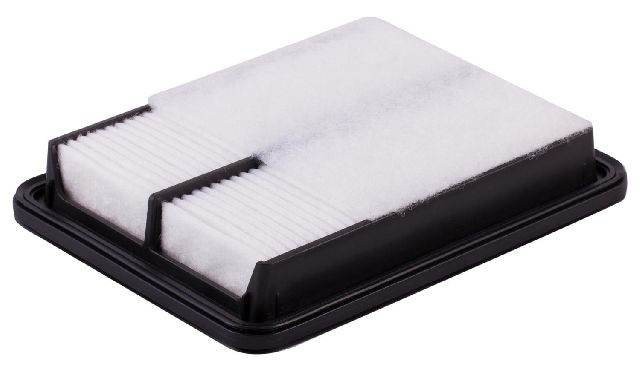
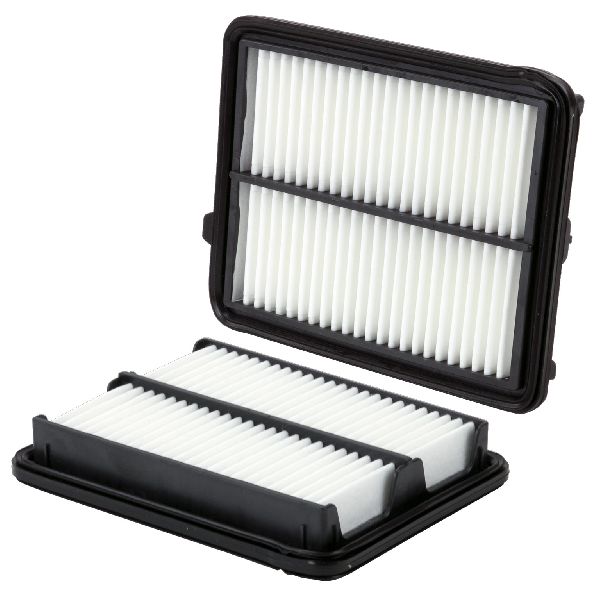
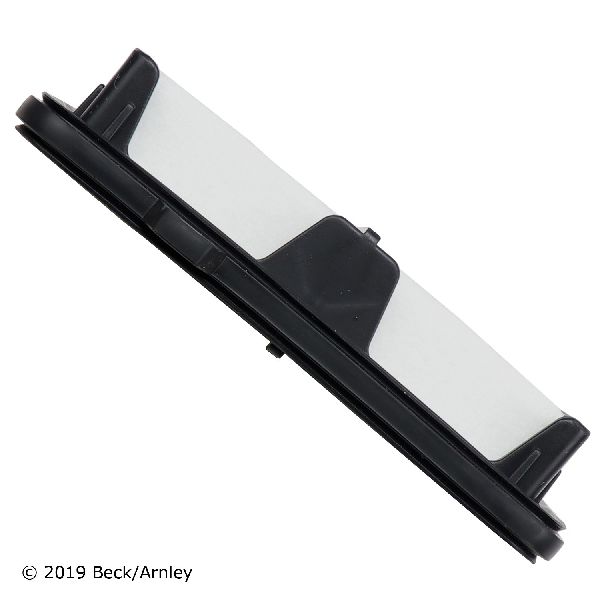
(OEM #16546-5RA0A)— A clogged air filter can restrict airflow and cause the MAF sensor to read incorrectly, triggering a P0101 code.
Trusted brands: Nissan (OEM), WIX, Fram
OEM price range: $25-$40
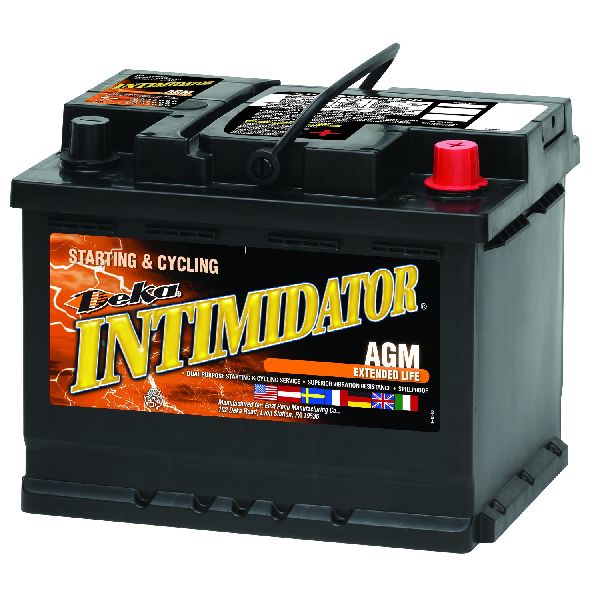
Aftermarket price range: $15-$30 - 12V Battery — A weak or failing battery is a documented primary cause of P0101 on the Kicks, as per TSB NTB21-049.
Trusted brands: Interstate, DieHard, Duralast
OEM price range: $200-$300
Aftermarket price range: $150-$250
Related Codes That Often Appear With This One
- P0507 — TSB NTB21-049 lists P0507 (Idle Air Control System RPM Higher Than Expected) as a code that can appear with P0101. This combination strongly points towards a vacuum leak or an issue requiring an Idle Air Volume Learn procedure after a battery replacement or throttle body service.
- P2004 — TSB NTB20-013 lists P2004 (Tumble Generator Valve Stuck Open) as a code that can appear with P0101, pointing to the specific cold-weather PCV icing issue that can unseat the oil dipstick and cause a vacuum leak.
Technical Service Bulletins (TSBs) & Recalls
- NTB21-049: Instructs technicians to test the 12V battery as the first step for a P0101 and/or P0507 code.
- NTB20-013: Addresses PCV system icing in extreme cold, which can push the oil dipstick out, causing a vacuum leak and codes P0101/P2004.
- NTB19-045a: Details an ECM software update for 2019 models to correct the logic for storing and clearing permanent DTCs after a repair has been made.
- Bulletin #P9328_P9343_P934: Notes that calibration errors may cause the ECM to improperly store a permanent P0101 code, requiring an ECM reprogram.
Platform-Specific Known Issues
- TSB NTB21-049: Instructs technicians to test the 12V battery as a primary step for a P0101 code, highlighting the platform's electrical sensitivity.
- TSB NTB20-013: For 2018 Kicks, this TSB links P0101 to an unseated oil dipstick caused by PCV system icing in extreme cold, which creates a vacuum leak.
- TSB NTB19-045a: For 2019 Kicks, this bulletin advises an ECM reprogram after a P0101 repair to update the logic for how permanent DTCs are stored and cleared.
Mechanic-Grade Diagnostic Values
- MAF Sensor Airflow Reading at Idle (~800 RPM) — expected: 2.1 ± 0.3 g/s. Failure: Readings that fluctuate wildly or are significantly outside the expected range.
- MAF Sensor Signal Voltage at Idle — expected: 0.6V - 0.9V. Failure: Values that are erratic, jumpy, or outside this range.
- MAF Sensor Signal Voltage at 2,000 RPM — expected: 1.5V - 2.5V. Failure: Values that do not increase smoothly with RPM or are outside this range.
- MAF Sensor Power Supply Wire Voltage (Key On, Engine Off) — expected: ~12V (Battery Voltage). Failure: No voltage or significantly lower voltage, indicating a wiring or fuse issue.
Scan Tool Commands That Help
- Nissan CONSULT or compatible advanced scan tool: Idle Air Volume Learn — This function is mandatory after replacing the battery, cleaning/replacing the throttle body, or replacing the MAF sensor. Failure to perform the relearn can result in a high or unstable idle and may cause the P0101 code to persist or return.
- Manual Procedure (No Scan Tool): Idle Air Volume Learn (Manual Method) — Can be used if a compatible scan tool is not available. Requires a specific sequence of ignition cycles and accelerator pedal depressions. The steps are: 1. Warm engine to normal temp (>158°F), turn off all accessories. 2. Perform Accelerator Pedal Released Position Learn and Throttle Valve Closed Position Learn. 3. Turn ignition ON (engine off) for 3 seconds. 4. Fully press and release the accelerator pedal 5 times in 5 seconds. 5. Wait 7 seconds. 6. Press and hold the accelerator pedal for ~20 seconds until the check engine light stops blinking and stays on. 7. Release the pedal within 3 seconds and start the engine. Let it idle for 20 seconds.
- Nissan NERS (Nissan ECM Reprogramming Software): ECM Reprogramming — Used by dealers to apply ECM software updates as specified in TSBs like NTB19-045a for 2019 models. This is performed *after* a physical repair to update the logic for how permanent DTCs are stored and cleared.
Wiring & Ground Locations
- MAF Sensor Connector — On the air intake duct, between the air filter box and the throttle body. It is a small rectangular module with an electrical connector, held by two screws.. This is the primary component for the P0101 code. The connector and its wiring are common failure points due to engine vibration and heat. Check for damaged wires, corrosion on pins, or a loose connection.
Real Owner Repair Stories
- Reddit user Budget_Recover3365 (2019 Nissan Kicks) — P0101 code, car would idle very high then drop to 0 and not be drivable. The issue started with intermittent codes that could be cleared by cleaning the MAF sensor.
❌ Tried (didn't work) Repeatedly cleaning the MAF sensor, Replacing the MAF sensor with an aftermarket part from AutoZone, Replacing the throttle body with a used part from a donor car
✅ What actually fixed it The user did not post a final, definitive fix, but other users in the thread strongly advised that the aftermarket MAF sensor and used throttle body were likely the problem, emphasizing that only genuine OEM parts work reliably on the Kicks for this issue. - Reddit user in r/Nissan (2019 Nissan Kicks, 28,000 miles) — P0101 with accompanying traction control and forward collision warning lights. Difficulty accelerating. Restarting the car temporarily clears the secondary warnings.
❌ Tried (didn't work) Dealer could not find an issue initially., Replacing the MAF sensor with a Hitachi (OEM supplier) part worked for about 5 months before the code returned.
✅ What actually fixed it The owner's final attempt, which they were hopeful would work, was to have the Nissan dealer clean the throttle body, perform an ECM update, and do an idle relearn procedure, addressing multiple potential causes at once. This aligns with the known TSBs and common failure patterns. - NHTSA ODI #11705079 — An owner reported that after experiencing a parking brake-like sensation, the forward collision avoidance and check engine lights illuminated. The dealership diagnosed a P0101 error and recommended replacing both the Mass Airflow sensor and the battery.
- NHTSA ODI #11725369 — A driver reported the engine began running rough and then stalled. This was accompanied by the engine light, collision warning light, and traction control light, with the vehicle scanning for a P0101 code.
OEM Part Supersession History
22680-BV80B→22680-5RB0A— Part update/revision by Nissan.
Heads up: The new part number 22680-5RB0A is the correct replacement for the original. Using aftermarket equivalents is highly discouraged by owners as they often fail or do not perform to spec.
Model Year Variations Within This Range
- 2018: TSB NTB20-013 specifically calls out 2018 models for the PCV icing issue that can push the oil dipstick out in extreme cold, causing a vacuum leak and a P0101.
- 2019: TSB NTB19-045a applies an ECM software update specifically to 2019 models to correct the logic for clearing a permanent P0101 after a repair is completed.
- 2021: A minor facelift occurred for the 2021 model year, but the HR16DE engine and its core components, including the MAF sensor, remained the same.
Diagnostic Flowchart
Other Known Issues on This Vehicle
Issues unrelated to this code that are worth knowing about as an owner of this generation:
- CVT Transmission Hesitation or Failure 🔴 High — Commonly reported, with some owners experiencing issues from low mileage (under 60k miles). Can manifest as hesitation, jerking, or complete failure. (Ref: No specific recall for Kicks, but part of a wider, well-documented issue with Nissan CVTs.)
- AC Compressor Failure 🟠 Medium — A significant number of owners report the AC stops blowing cold air, often requiring compressor replacement. A service campaign was initiated in some markets for the e-POWER model due to a faulty compressor component. (Ref: Service campaign in some regions for e-POWER models.)
- Forward Collision Warning / AEB System Malfunction 🟠 Medium — Owners report frequent, random illumination of the Automatic Emergency Braking (AEB) warning light, sometimes causing the vehicle to brake unexpectedly or enter a limp mode. Often linked to P0101 but can occur independently. (Ref: TSB NTB19-042C provides a diagnostic flow chart for a blinking AEB light.)
- Engine Stalling 🔴 High — Reports of the engine stalling randomly while idling or coming to a stop. TSB PM945 suggests an ECM reprogram may be a solution for stalling when stopping. (Ref: TSB PM945)
- Weak Engine Performance and Noise 🟡 Low — A common complaint is that the 1.6L engine feels underpowered, especially for highway merging. Cabin insulation is minimal, leading to noticeable road and wind noise at higher speeds.
Used vs. New Parts: Buying Guide for This Vehicle
When a used part is the smart pick: For this specific P0101 repair, using used parts is generally not recommended for the electronic components. However, a used OEM air intake boot or air filter housing from a low-mileage donor vehicle is a reasonable choice if the original is cracked or damaged.
Donor-vehicle mileage cap: roughly under 50000 miles for the part to have meaningful remaining life.
What to inspect on the donor part:
- For an intake boot, inspect thoroughly for any hairline cracks, especially in the flexible accordion sections.
- Ensure all mounting points and hose connections are intact.
- Verify the donor vehicle was not in a front-end collision that could have stressed the plastic/rubber components.
OEM-only on this vehicle (don't cheap out):
- Mass Airflow (MAF) Sensor: Owner forums and mechanic reports consistently state that aftermarket MAF sensors fail to resolve the P0101 code long-term on the Nissan Kicks. Use a genuine Nissan part (22680-5RB0A) or a sensor from the OEM supplier, Hitachi.
- Throttle Body: While not a primary cause, if the throttle body needs replacement, a new OEM part followed by an Idle Air Volume Learn procedure is the recommended path to avoid further issues.
Aftermarket brands forum-validated for this vehicle:
- Hitachi: As the original equipment supplier for the MAF sensor, Hitachi is a trusted alternative to buying the part directly from a Nissan dealer.
Brands owners have reported issues with on this vehicle:
- Generic/Store Brands: Owners have reported that MAF sensors from general auto parts stores (e.g., AutoZone) often do not work correctly or fail quickly, causing the P0101 code to return.
Real Owner Stories
Aggregated from forums and TSBs cited above. Mileages and costs reflect what owners reported in those sources.
2018 Nissan Kicks HR16DE
Symptoms: The oil dipstick was pushed out in extremely cold weather, causing a vacuum leak and the P0101 code.
What fixed it: Installed a new PCV hose, PCV valve, and a wind guard bracket as specified in TSB NTB20-013.
Source hint: TSB NTB20-013
2019 Nissan Kicks HR16DE
Symptoms: Rough idling and the check engine light remained on even after repairs were attempted.
What fixed it: ECM reprogram to update the logic for storing and clearing permanent DTCs.
Source hint: TSB NTB19-045a
2021 Nissan Kicks HR16DE
Symptoms: Check engine light for P0101; the car was otherwise starting fine but the electrical system was sensitive.
What fixed it: The 12V battery was tested with a Midtronics DSS-5000 and replaced after failing the state of health (SOH) check.
Source hint: TSB NTB21-049
2019 Nissan Kicks HR16DE
Symptoms: P0101 code along with other warning lights appearing on the dashboard.
What fixed it: Cleaning the MAF sensor provided a temporary fix, but the code returned, eventually requiring a sensor replacement.
Source hint: https://www.reddit.com/r/NissanKicks/comments/1ahp41p/p0101_code_other_warning_lights_warranty_question/
Related OBD-II Codes
Frequently Asked Questions
Why are my traction control and forward collision warning lights on along with the P0101 code?
Does TSB NTB21-049 apply to my Nissan Kicks if I have a P0101 code?
I have a 2018 Kicks and live in a very cold climate; could my oil dipstick be causing this code?
Is there a software update for the 2019 Nissan Kicks to fix a persistent P0101?
Can I use any aftermarket MAF sensor to fix this issue?
What is the 'Idle Air Volume Learning' procedure mentioned in the TSBs?
Helpful Videos


Used OEM Parts in Stock


New Aftermarket Parts Available


The information in this article is provided for general reference and educational purposes only. Vehicle specifications, procedures, and part compatibility can vary by production date, trim level, and region. Always consult your vehicle's factory service manual and verify part numbers before purchasing or performing repairs. Safety-critical components such as airbags, seat belts, and braking systems should be installed by a qualified professional.
- Nissan Kicks:
- 🎬 Helpful Videos
- 🛍️ Shop This Part
- What's Unique About the 2018-2023 Nissan Kicks
- Symptoms You May Notice
- Most Likely Causes
- Rare But Worth Checking
- Diagnosis Steps
- Parts You'll Likely Need
- Related Codes That Often Appear With This One
- Technical Service Bulletins (TSBs) & Recalls
- Platform-Specific Known Issues
- Mechanic-Grade Diagnostic Values
- Scan Tool Commands That Help
- Wiring & Ground Locations
- Real Owner Repair Stories
- OEM Part Supersession History
- Model Year Variations Within This Range
- Diagnostic Flowchart
- Other Known Issues on This Vehicle
- Used vs. New Parts: Buying Guide for This Vehicle
- Real Owner Stories
- 2018 Nissan Kicks HR16DE
- 2019 Nissan Kicks HR16DE
- 2021 Nissan Kicks HR16DE
- 2019 Nissan Kicks HR16DE
- Related OBD-II Codes
- Frequently Asked Questions
- 🎟️ Get 5% Off