

P0101 on 2011-2018 Nissan Altima 2.5L: MAF Sensor Causes and Fixes
For a 2011-2018 Nissan Altima, P0101 is most often caused by a dirty MAF sensor, a cracked air intake boot, or a software glitch. Start by cleaning the sensor and inspecting the boot. If there are no drivability issues, the fix may be a dealer ECM reprogram per a Nissan TSB. Using cheap aftermarket MAF sensors is a common cause for the code to return.
- Always check for drivability symptoms first. If there are none, the problem is likely a software glitch that requires a dealer to reprogram the ECM.
- The two most common physical causes are a dirty MAF sensor and a cracked air intake boot. Always try cleaning the sensor and inspecting the boot before buying a new sensor.
- Only use dedicated MAF Sensor Cleaner spray. Using other chemicals like brake cleaner can destroy the delicate sensor.
- The flexible, accordion-style section of the air intake hose is a frequent failure point for cracks. Inspect it carefully.
What's Unique About the 2011-2018 Nissan Altima

On this specific Altima platform, P0101 has a dual personality. While it can be caused by common physical faults like a dirty sensor or vacuum leak, it is also frequently triggered by a software glitch. Nissan issued Technical Service Bulletins (TSBs) for both generations, NTB12-051k for 2011-2012 models and NTB16-030a for 2013-2016 models, advising that if P0101 appears *without* any drivability problems, the ECM likely needs a software update. This makes it crucial for owners to check for symptoms before replacing parts, as the fix might be a dealer-level reprogram instead of a new sensor. Manufacturer Bulletin #NTB16030 specifically confirms that if the MIL is on with P0101 stored but there are no drivability issues, technicians should follow the software update procedure. Many owners report that using non-OEM (especially cheap aftermarket) MAF sensors causes the code to return persistently.
Generation note: The 2011-2018 range covers two Altima generations: the fourth generation (L32, 2011-2012) and the fifth generation (L33, 2013-2018). While the causes are similar, there are different TSBs and intake boot part numbers for each generation. The L32 generation uses intake boot 16576-JA000, while the L33 uses 16576-3TA0A / 3TA0B / 3TA0C.
Symptoms You May Notice
- Check Engine Light is on
- Engine stalling or hesitation, especially under load or when accelerating
- Rough or unstable idle
- Reduced engine power and sluggish acceleration
- Poor fuel economy
- In some cases, the 'Slippery Road' and 'Collision' warning lights may also illuminate along with the Check Engine Light.
- Immediately replacing the MAF sensor without first cleaning it and checking for intake leaks.
- Replacing the MAF sensor when the actual problem is a cracked intake boot (vacuum leak).
- Replacing the MAF sensor when the vehicle has no drivability symptoms and actually needs an ECM reprogram per the TSB.
- Using a cheap, aftermarket MAF sensor which fails to meet OEM calibration standards, causing the code to return.
Most Likely Causes


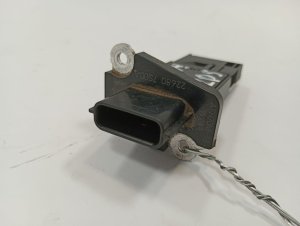
- Dirty or Contaminated Mass Air Flow (MAF) Sensor 🔴 High Probability The MAF sensor's delicate hot wire can become contaminated by dirt, oil, or debris from the air filter over time, skewing its readings. This is the most common first-check item.
How to confirm: Remove the sensor (located on the air intake tube after the air filter box) and visually inspect the small wires inside. If they appear dirty or coated, they need cleaning.
Typical fix: Clean the sensor using only dedicated MAF sensor cleaner spray. Do not touch the wires. Allow it to dry completely before reinstalling.
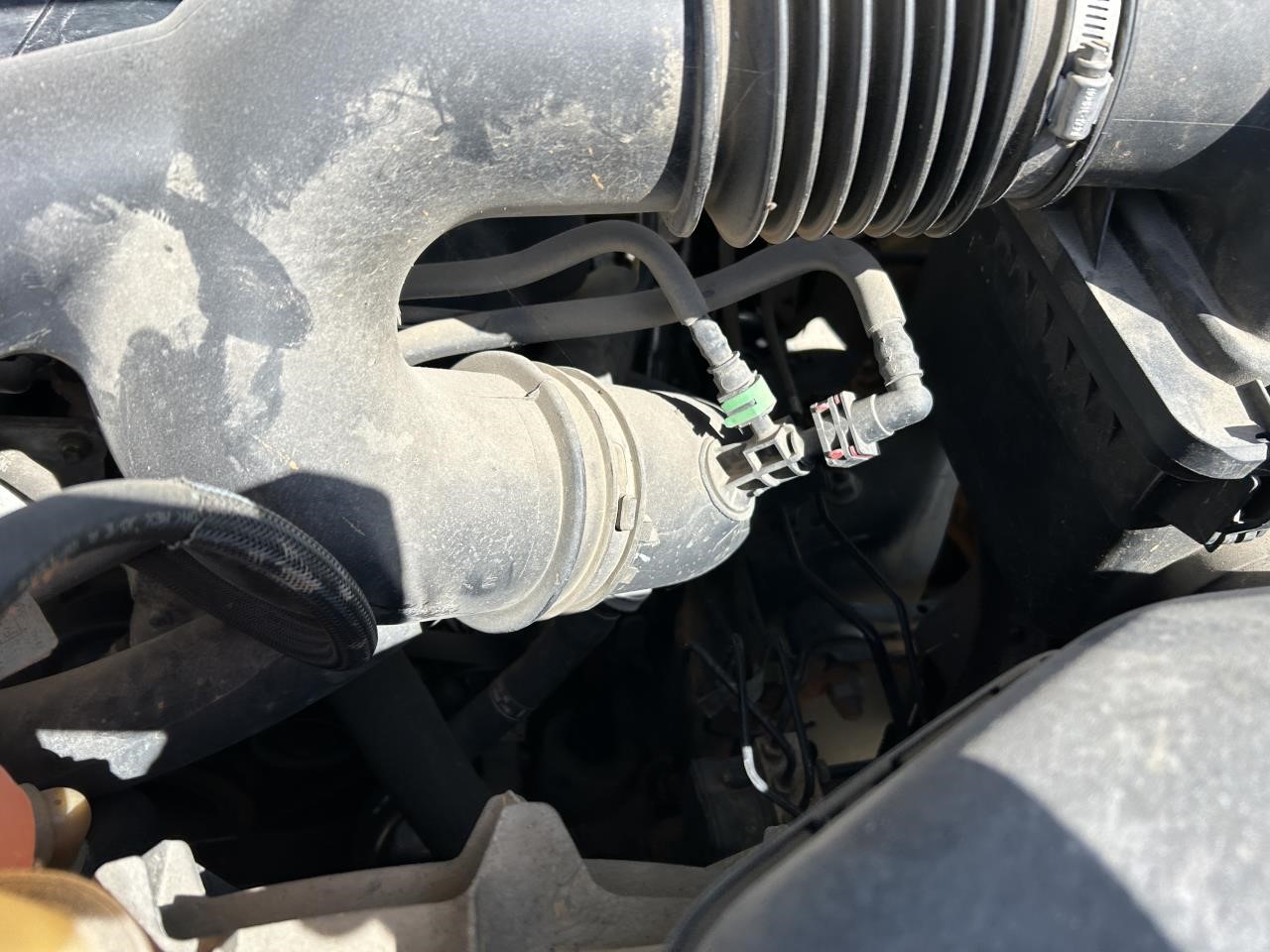
Est. part cost: $8-$15 for a can of MAF cleaner. - Cracked or Torn Air Intake Boot 🔴 High Probability The flexible rubber intake boot between the air filter housing and the throttle body becomes brittle with age and heat cycles, leading to cracks, especially in the accordion sections. This allows unmetered air to enter the engine, a primary trigger for P0101.
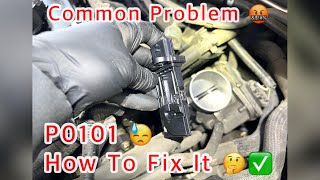
How to confirm: With the engine off, carefully inspect the entire intake boot. Squeeze the accordion sections to reveal hidden cracks. 🎬 Watch: Step-by-step guide to fixing this common Nissan problem. A smoke test is the most definitive way to find a leak.
Typical fix: Replace the cracked intake boot. This is a common and relatively inexpensive part to replace. Aftermarket versions like Dorman 696-085 are available for the L32 generation.
Est. part cost: $40-$90 - ECM Software Requires Update (No Drivability Issues) 🟡 Medium Probability Nissan released TSBs NTB12-051k and NTB16-030a because the original ECM logic was too sensitive and could set a false P0101 code even when no physical fault existed. This is a well-documented issue across many Nissan models from this era. NHTSA ODI #11671150 describes a malfunctioning ECM triggering persistent P0101 codes, noting the issue is addressed in Nissan Technical Service Bulletins.
How to confirm: If the P0101 code is present BUT there are absolutely no symptoms like stalling, hesitation, or rough idle, this is the likely cause. A Nissan dealer or a qualified shop with a J2534 pass-thru device can confirm if the ECM software is outdated by checking the current ECM part number against the TSB. 🎬 See how a professional technician performs the ECM software update.
Typical fix: The ECM must be reprogrammed with the updated software. This is typically a dealer or professional-level repair, often costing one hour of labor.
Est. part cost: $0 (parts), but labor for reprogramming will apply, typically $150-$250. - Dirty or Clogged Engine Air Filter ⚪ Low Probability A severely clogged air filter can restrict airflow enough to cause the MAF sensor readings to be out of the expected range.
How to confirm: Visually inspect the engine air filter. If it is visibly clogged with dirt and debris, it needs to be replaced.
Typical fix: Replace the engine air filter.
Est. part cost: $15-$30
Rare But Worth Checking
- Faulty PCV Valve: TSB NTB16-030a for the 2013-2016 models specifically mentions checking the PCV valve. If the valve is an older orange-colored version, it should be replaced with the updated black version (Part No. 11810-6N202) as part of the P0101 diagnostic procedure. NHTSA ODI #11138950 notes a diagnosis involving a P0101 code specifically linked to the Mass Air Flow sensor and the orange PCV valve.
- Faulty or Low-Quality Aftermarket MAF Sensor: While a dirty sensor is more common, the sensor itself can fail electronically. More frequently, owners report that installing a cheap, non-OEM/Hitachi MAF sensor causes the P0101 code to persist or return quickly. It is highly recommended to use an OEM or OE-supplier (Hitachi) part if replacement is necessary.
- Weak or Failing Battery: A dying battery can cause inconsistent voltage to be supplied to various modules and sensors, including the MAF, potentially triggering a false P0101 code. A weak battery can also cause slow starting, which can be a related symptom.
- Dirty Throttle Body: A dirty throttle body can disrupt airflow characteristics and contribute to idle issues, sometimes in conjunction with a P0101 code. Cleaning the throttle body and performing an idle air volume relearn procedure is often recommended as part of a comprehensive fix.
Diagnosis Steps
- Read the code with an OBD-II scanner and note if any other codes are present. NHTSA ODI #11450693 reports P0101 appearing alongside codes C119A and C1155, with the recommended solution being a PCM reprogram.
- Assess drivability. Are there symptoms like stalling, hesitation, or a rough idle? If NO symptoms are present, investigate TSBs NTB12-051k or NTB16-030a regarding an ECM reprogram.
- If symptoms ARE present, start by inspecting the engine air filter. Replace if it is dirty.
- Thoroughly inspect the large rubber air intake boot between the air filter box and the throttle body. Squeeze the accordion pleats to check for hidden cracks, tears, or loose clamps. This is a very common failure point.
- Unplug and remove the MAF sensor. It is held in by two screws.
- Spray the sensor's internal wires generously with dedicated MAF sensor cleaner. DO NOT use other cleaners and DO NOT touch the wires. Let it air dry completely.
- For 2013-2016 models, inspect the PCV valve. If it is orange, replace it with the updated black part (11810-6N202) as per TSB NTB16-030a.
- Reinstall the sensor, clear the code, and perform a test drive to see if the code returns.
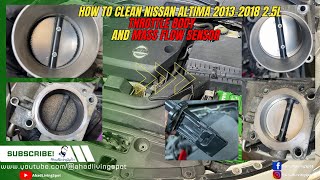
- If the code returns with drivability issues, consider cleaning the throttle body and performing an idle air volume relearn procedure. 🎬 Watch: How to clean the throttle body and MAF sensor.
- If all other steps fail, the MAF sensor itself may have failed. It is strongly recommended to replace it with an OEM or Hitachi-branded sensor to avoid issues with aftermarket parts.
- If the code persists after all these steps, check for other vacuum leaks (e.g., PCV system hoses) or test the MAF sensor's wiring and connector for damage or corrosion.
Parts You'll Likely Need

- Mass Air Flow (MAF) Sensor Cleaner — This is the first and most common fix, as a dirty sensor is the leading cause of P0101 with drivability issues.
Trusted brands: CRC, Liqui Moly
Aftermarket price range: $8-$15 - Engine Air Intake Hose (Boot)
(OEM #16576-JA000 (2011-2012 L32) or 16576-3TA0A / 3TA0B / 3TA0C (2013-2018 L33))— This rubber hose is a very common failure point, cracking with age and causing unmetered air to enter the engine, triggering the code.
Trusted brands: Nissan OE, Dorman (696-085 for L32)
OEM price range: $60-$90
Aftermarket price range: $30-$50 - Mass Air Flow (MAF) Sensor
(OEM #22680-1MG0A (2013-2015) or 22680-5RB0A (2016-2018). Note: 22680-5RB0A supersedes 22680-BV80B.)— If cleaning the sensor and fixing all vacuum leaks does not resolve the issue, the sensor itself may have failed electronically. Using a quality OEM or Hitachi replacement is critical.
Trusted brands: Nissan OE, Hitachi
OEM price range: $180-$250
Aftermarket price range: $50-$150
Related Codes That Often Appear With This One
- P0507 —
Technical Service Bulletins (TSBs) & Recalls

- NTB12-051k: For 2011-2012 Altima models (and other Nissans), advises reprogramming the ECM if P0101 is present without any drivability concerns.
- NTB16-030a: For 2013-2016 Altima models with the QR25DE engine, advises inspecting the PCV valve (and replacing if orange) and reprogramming the ECM if P0101 is present without drivability issues.
- Bulletin #NTB16030: Confirms that if the MIL is ON with DTC P0101 stored and there are no drivability issues, the technician should proceed with the bulletin's service procedure.
Platform-Specific Known Issues
- A known issue requires an ECM reprogram for P0101 codes that appear without any drivability symptoms, as documented in TSBs NTB12-051k (for 2011-2012 models) and NTB16-030a (for 2013-2016 models).
- TSB NTB16-030a also instructs technicians to inspect the PCV valve on 2013-2016 models and replace it with an updated part (11810-6N202) if it is the older orange-colored version.
- Owners frequently report that using inexpensive, non-OEM MAF sensors leads to the P0101 code returning, indicating the vehicle's computer is sensitive to sensor calibration.
Mechanic-Grade Diagnostic Values
- MAF Sensor Voltage at Idle (Scan Tool) — expected: 0.6V - 0.9V. Failure: Voltage is stuck, erratic, or significantly outside this range when the engine is fully warmed up with no load.
- MAF Sensor Voltage at 2000 RPM (Scan Tool) — expected: 1.5V - 2.5V. Failure: Voltage does not increase smoothly with RPM or falls outside this range.
- MAF Sensor Air Flow Rate at Idle (Scan Tool) — expected: 2.0 - 4.0 g/s (grams per second). Failure: A rule of thumb for Nissan is the g/s reading at hot idle should be close to the engine displacement in liters (2.5L). Readings significantly higher or lower can indicate a fault. For example, a reading of 16 g/s at 1200 RPM was reported as abnormally high by one user.
- MAF Sensor Air Flow Rate at 2500 RPM (Scan Tool) — expected: 9.0 - 10.0 g/s (grams per second). Failure: Readings should increase linearly with RPM. A failure to increase or erratic jumps indicate a problem.
Scan Tool Commands That Help
- Nissan CONSULT or compatible J2534 device: ECM Reprogramming — Used to apply the software update specified in TSBs NTB12-051k and NTB16-030a when P0101 is present without any drivability symptoms. The tool checks the current ECM part number and flashes the updated software.
- Nissan CONSULT or advanced aftermarket scan tool: Idle Air Volume Learning — This function is critical after cleaning or replacing the throttle body, or after an ECM reprogram. It learns the base idle air volume. Failure to perform this can result in an unstable or high idle. The TSB for ECM reprogramming explicitly states this relearn procedure must be performed after the flash.
- Manual Procedure (No Scan Tool): Idle Air Volume Learning (Manual) — Can be attempted if a scan tool is not available. It involves a precise sequence of turning the ignition on/off and pressing the accelerator pedal within specific time windows to force the ECU into learning mode. The steps must be followed exactly and may take several attempts to initiate successfully.
Real Owner Repair Stories
- NHTSA ODI #11415531 — An owner reported receiving the P0101 code indicating a Mass Air Flow issue. While driving, the car would cut off, stall, and sputter.
- Reddit user in r/Nissan (Nissan Altima (year not specified, but within platform range)) — Persistent P0101 code.
❌ Tried (didn't work) Cleaning the MAF sensor, Replacing the MAF sensor, Cleaning the throttle body, Inspecting the intake boot for tears
✅ What actually fixed it Replacing a 3-year-old, weak battery. The user noted that after replacing the battery for preventative reasons, the P0101 code cleared and did not return, concluding that low/unstable voltage was causing the MAF to report incorrectly. - YouTube video by 'The Flat Rate Mechanic' (Nissan Altima (year not specified)) — P0101 code and stalling/low idle issues.
❌ Tried (didn't work) Replacing the MAF sensor with a cheap aftermarket part ($25 from RockAuto). The code returned.
✅ What actually fixed it The final fix involved three steps: 1) Replacing the cheap aftermarket MAF with a quality Delphi brand sensor (~$200). 2) Reprogramming the PCM per the Nissan TSB to update the parameters for the sensor. 3) Performing an idle relearn procedure. This combination resolved both the code and the drivability issues.
OEM Part Supersession History
22680-BV80B→22680-5RB0A— Standard part update/revision by Nissan.
Heads up: 22680-5RB0A is the correct service part for many 2016-2018 models that may have originally been equipped with 22680-BV80B. They are interchangeable.
Model Year Variations Within This Range
- 2011-2012 (L32 Generation): Subject to TSB NTB12-051k for the ECM reprogram fix. Uses MAF sensor and intake boot specific to this generation.
- 2013-2016 (L33 Generation, Pre-facelift): Subject to TSB NTB16-030a, which includes both the ECM reprogram and a check/replacement of the PCV valve (orange vs. black) as part of the P0101 diagnostic procedure.
- 2016-2018 (L33 Generation, Facelift): Uses a different MAF sensor part number (22680-5RB0A or its predecessor 22680-BV80B) compared to earlier L33 models.
Diagnostic Flowchart
Real Owner Stories
Aggregated from forums and TSBs cited above. Mileages and costs reflect what owners reported in those sources.
2012 Nissan Altima 2.5L 4-cylinder
Symptoms: Vehicle threw both P0101 and P0507 codes.
What fixed it: Replaced the MAF sensor, PCV valve, and cleaned the throttle body. Another user correctly suggested checking the intake boot for cracks, which is a common cause.
Source hint: Reddit r/MechanicAdvice thread titled 'P0101 P0507 2012 Nissan Altima 4 cylinder'
2012 Nissan Altima
Symptoms: Replaced the MAF sensor with an aftermarket unit, but the P0101 code returned.
What fixed it: Advised to get the ECM reprogrammed per TSB NTB12-051k and to clean the throttle body.
Source hint: Reddit r/Nissan thread titled 'MAF replaced, still getting P0101'
2012 Nissan Altima 2.5 S
Symptoms: Cleaned the MAF sensor, which didn't work. Replaced the MAF sensor, but the code still returned.
What fixed it: Advised to use a Nissan OEM sensor and have the dealer update the ECU software for the new sensor to be accepted properly.
Source hint: Reddit r/MechanicAdvice thread titled '2012 Nissan Altima 2.5 S Mass Air Flow Issues'
Nissan Altima
Symptoms: Cleaning the MAF sensor worked temporarily, but the check engine light eventually returned.
What fixed it: A mechanic and dealer both recommended installing a new factory MAF sensor along with a PCM reprogram.
Cost: $500-$500
Source hint: Nissan Forum thread titled 'MAF sensor and need for PCM reprogramming'
Documented NHTSA Reports
NHTSA ODI #11138950
Symptoms: The check engine light came on while driving. The diagnosis was a P0101 code related to the Mass Air Flow sensor and the orange PCV valve.
Related OBD-II Codes
Frequently Asked Questions
Does TSB NTB12-051k apply to my 2015 Nissan Altima?
I have a P0101 code but my Altima is driving perfectly fine. What should I check?
Why did my P0101 code come back after I replaced the MAF sensor with a cheap aftermarket part?
What is the updated PCV valve part number for the 2013-2016 Altima 2.5L?
Where is the most common place for the air intake boot to crack on the QR25DE engine?
Will the dealer perform the ECM reprogram for free under a recall?
Helpful Videos
We Have This Part in Stock



The information in this article is provided for general reference and educational purposes only. Vehicle specifications, procedures, and part compatibility can vary by production date, trim level, and region. Always consult your vehicle's factory service manual and verify part numbers before purchasing or performing repairs. Safety-critical components such as airbags, seat belts, and braking systems should be installed by a qualified professional.
- Nissan Altima:
- 🎬 Helpful Videos
- 🛍️ Shop This Part
- What's Unique About the 2011-2018 Nissan Altima
- Symptoms You May Notice
- Most Likely Causes
- Rare But Worth Checking
- Diagnosis Steps
- Parts You'll Likely Need
- Related Codes That Often Appear With This One
- Technical Service Bulletins (TSBs) & Recalls
- Platform-Specific Known Issues
- Mechanic-Grade Diagnostic Values
- Scan Tool Commands That Help
- Real Owner Repair Stories
- OEM Part Supersession History
- Model Year Variations Within This Range
- Diagnostic Flowchart
- Real Owner Stories
- 2012 Nissan Altima 2.5L 4-cylinder
- 2012 Nissan Altima
- 2012 Nissan Altima 2.5 S
- Nissan Altima
- Documented NHTSA Reports
- NHTSA ODI #11138950
- Related OBD-II Codes
- Frequently Asked Questions
- 🎟️ Get 5% Off