

P0101 on 2015-2020 Chevrolet Suburban: MAF Sensor, Causes, and Fixes
On a 2015-2020 Suburban, code P0101 is most often caused by a dirty Mass Air Flow (MAF) sensor or a specific manufacturing defect in the air intake tube. Before replacing the sensor, clean it with dedicated cleaner and inspect the intake tube for a plastic ridge ('casting flash') near the sensor, which can be carefully removed. This issue is well-documented in TSB PIP5446A and confirmed by many owners.
- P0101 on a 2015-2020 Suburban indicates a problem with the MAF sensor's reading, not necessarily a bad sensor.
- A top cause specific to this vehicle is 'casting flash' (excess plastic) in the air intake tube, as noted in TSB PIP5446A. Inspect for this before buying parts.
- The second most likely cause is a dirty MAF sensor. Cleaning it with a dedicated spray is a cheap and effective diagnostic step.
- Check for vacuum leaks (cracked hoses, bad intake gaskets) if cleaning the sensor and clearing the intake path doesn't resolve the issue.
- Only replace the MAF sensor after ruling out these other, more common and less expensive causes.
What's Unique About the 2015-2020 Chevrolet SUBURBAN
For the 2015-2020 Suburban and its K2XX platform mates (Tahoe, Silverado, etc.), a unique and widely documented issue can trigger the P0101 code. A Technical Service Bulletin (TSB PIP5446A) points to the potential for excess plastic material, known as 'casting flash,' inside the air intake tube right where the MAF sensor is mounted. This manufacturing imperfection, often a small plastic ridge, disrupts the smooth flow of air, causing erratic sensor readings that lead to rough idling, hesitation, and harsh 1-2 and 2-3 shifts. This is a crucial first check before assuming the sensor itself has failed, as many owners in forums have resolved the code by simply sanding down this flash.
Diagnostic Flowchart
Tap your situation to follow the diagnostic path that matches what you're seeing on this vehicle.
Symptoms You May Notice
- Check Engine Light is on
- Rough or unstable idle
- Hesitation, sputtering, or jerking during acceleration
- Harsh shifting between gears (specifically 1-2 and 2-3 shifts)
- Reduced engine power or 'limp mode'
- Poor fuel economy
- Strong smell of gasoline or black smoke from exhaust if running rich
- Replacing the MAF sensor without first cleaning it or inspecting the intake tube for casting flash or other obstructions.
- Replacing the throttle body when the issue is unmetered air from a vacuum leak or a faulty MAF reading.
- Replacing transmission components due to harsh shifting, when the root cause is an incorrect MAF signal affecting shift calculations.
Most Likely Causes
- Casting Flash in Air Intake Tube 🔴 High Probability A known manufacturing issue documented in TSB #PIP5446A where excess plastic molding material (a small ridge) disrupts airflow across the MAF sensor. This is widely reported by owners of K2XX trucks.
How to confirm: Remove the air intake tube and visually and physically inspect the inside diameter near where the MAF sensor mounts. Feel for a distinct plastic ridge or rough surface that could cause turbulence.
Typical fix: Carefully remove the excess plastic 'casting flash' with a file, Dremel tool, or sandpaper, then smooth the surface. Ensure no plastic debris falls into the intake. GM's official fix is to replace the air cleaner housing lid.
Est. part cost: $0 if deburring, $50-$150 for a new air filter housing lid. - Dirty Mass Air Flow (MAF) Sensor 🔴 High Probability Over time, oil vapor from the PCV system and fine dust can coat the sensor's delicate hot wire, insulating it and causing inaccurate readings. The use of over-oiled aftermarket air filters (e.g., K&N) is a very common reason for contamination.
How to confirm: Remove the sensor and visually inspect the small wires inside. If they appear coated, oily, or dirty, cleaning is necessary.
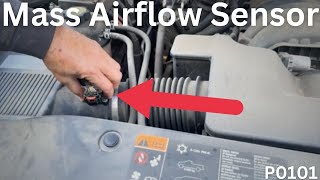
Typical fix: Spray the sensor wires and elements thoroughly with a dedicated Mass Air Flow sensor cleaner only. 🎬 Watch: Step-by-step guide to cleaning your MAF sensor and fixing harsh shifts. Do not touch the wires. Allow it to air dry completely before reinstalling.
Est. part cost: $10-$15 for cleaner - Vacuum Leak 🟡 Medium Probability Cracked or disconnected hoses allow unmetered air to enter the engine after the MAF sensor, causing a discrepancy in airflow readings. A common failure point on these GM trucks is the PCV tube that connects to the driver's side of the intake manifold; it can crack or become dislodged.
How to confirm: Perform a visual inspection of all intake and vacuum hoses, paying close attention to the PCV system. A smoke test is the most effective way to pinpoint the location of a leak.
Typical fix: Replace the cracked hose or faulty gasket that is causing the leak.
Est. part cost: $10-$200 depending on the source of the leak - Clogged Engine Air Filter ⚪ Low Probability
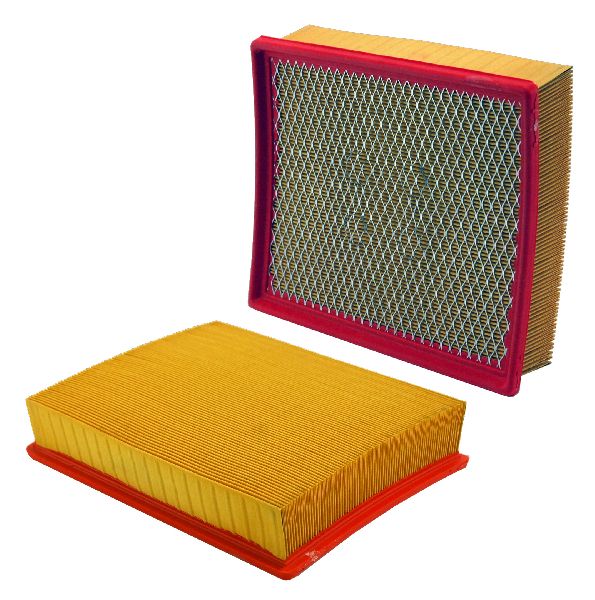
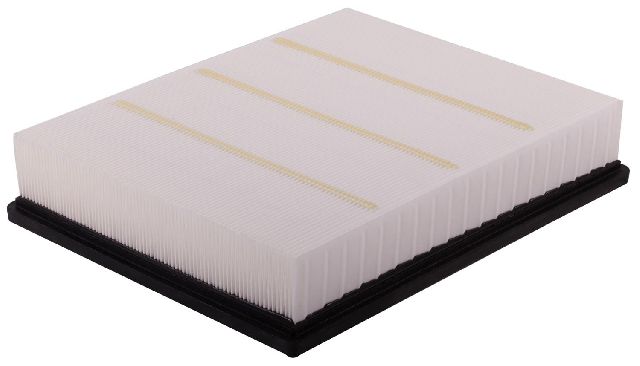
How to confirm: Visually inspect the air filter. If it is visibly dirty and clogged with debris, it needs to be replaced. In rare cases, a defective filter can disintegrate and send debris into the MAF sensor.
Typical fix: Replace the engine air filter.
Est. part cost: $20-$50 - Faulty Mass Air Flow (MAF) Sensor ⚪ Low Probability
How to confirm: After confirming all other causes are not present, monitor the MAF sensor's output in grams per second (g/s) with a scan tool. At a warm, stable idle, the reading should be approximately equal to the engine's displacement (e.g., a 5.3L engine should read around 4.5-6.0 g/s). If the reading is erratic, stuck, or does not increase smoothly with engine RPM, the sensor is likely faulty.
Typical fix: Replace the MAF sensor. It is highly recommended to use an OEM ACDelco/GM Genuine part, as some aftermarket sensors are known to cause issues.
Est. part cost: $80-$180
Rare But Worth Checking
- Wiring or Electrical Connection Issue: As mentioned in TSB #PIP5729, P0101 can appear with other electrical DTCs. This may be caused by a faulty ignition relay or a terminal issue in the underhood fuse block, even if the MAF was already replaced. Always check the MAF sensor connector and wiring harness for damage, corrosion, or loose connections.
- Clogged Catalytic Converter: A severely restricted exhaust can limit the engine's ability to draw in air, causing the MAF reading to be lower than expected. This usually appears with other codes like P0420 or P0430 and significant loss of power.
Diagnosis Steps
- Read the code with an OBD-II scanner and document any other codes present, especially P0171/P0174 or electrical codes.
- Visually inspect the entire air intake system from the air filter box to the throttle body for loose clamps, cracked hoses, or disconnected components.
- Remove and inspect the engine air filter. Replace if dirty.
- Remove the MAF sensor. Inspect its sensing elements for dirt, oil, or debris.
- While the sensor is out, thoroughly inspect the inside of the air intake tube/airbox lid for the 'casting flash' ridge mentioned in TSB #PIP5446A. Carefully remove any obstructions.
- Clean the MAF sensor using only dedicated MAF sensor cleaner. Do not touch the internal wires. Let it dry completely.
- Reinstall the MAF sensor and air intake assembly. Ensure the sensor is oriented correctly (arrow pointing toward the engine). Clear the codes and perform a test drive to see if the code returns.
- If the code returns, check for vacuum leaks, especially around the PCV hoses. A smoke machine is the most reliable method.
- If no leaks are found, use a scan tool to monitor the MAF sensor reading in grams per second (g/s) at warm idle. For a 5.3L V8, the value should be stable around 4.5-6.0 g/s. Rev the engine; the value should rise smoothly and rapidly.
- If sensor readings are erratic or incorrect, inspect the sensor's wiring and connector for damage before replacing the sensor itself. If electrical codes like P1682 are present, investigate the ignition relay and fuse block per TSB #PIP5729.
Parts You'll Likely Need
- Mass Air Flow Sensor Cleaner — This is the first and most cost-effective step. A dirty sensor from oil vapor or use of an oiled filter is a very common cause of P0101.
Trusted brands: CRC, Liqui Moly, WD-40 Specialist
Aftermarket price range: $10-$15 - Mass Air Flow (MAF) Sensor
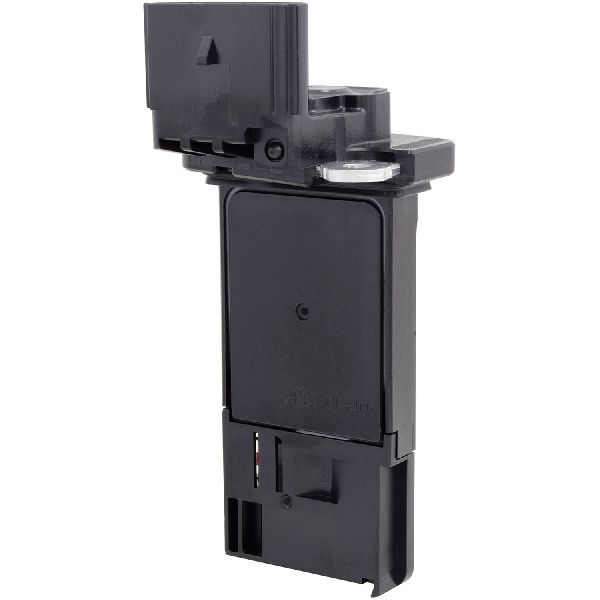
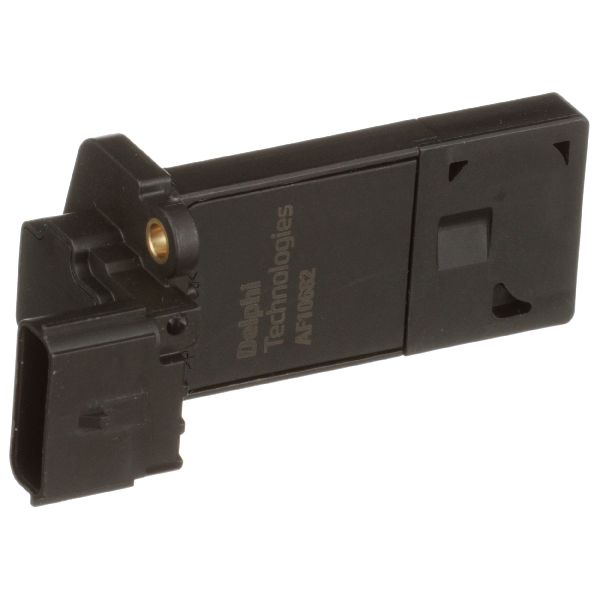
(OEM #23262343 (Superseded by 84967831))— If cleaning the sensor and checking for intake obstructions or leaks doesn't solve the problem, the sensor itself may have failed. Using a genuine OEM part is strongly recommended.
Trusted brands: ACDelco (GM Genuine), Delphi, Hitachi
OEM price range: $120-$180
Aftermarket price range: $80-$120 - Engine Air Filter
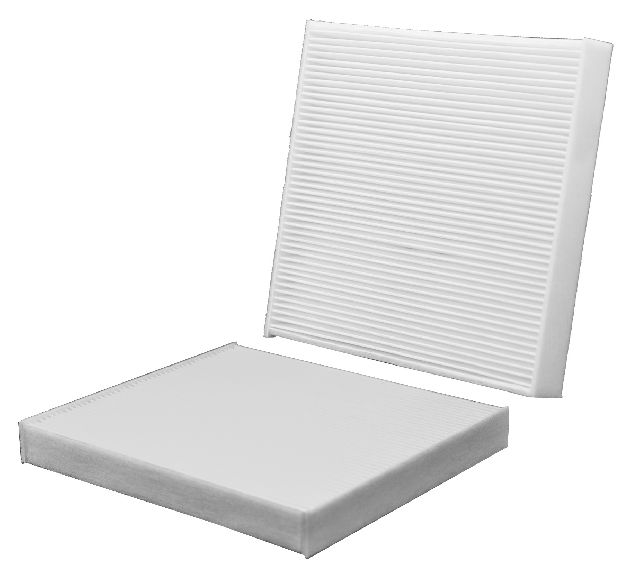
(OEM #84127535)— A severely clogged or improperly installed air filter can restrict airflow and trigger a P0101 code. It should be inspected as part of the diagnosis.
Related Codes That Often Appear With This One
- P0171 / P0174 — These 'System Too Lean' codes are explicitly mentioned in TSB #PIP5446A alongside P0101. They can be triggered by a dirty MAF under-reporting airflow, or by a vacuum leak introducing unmetered air.
- P0172 / P0175 — These 'System Too Rich' codes are also mentioned in TSB #PIP5446A. They can be triggered if the MAF sensor is over-reporting airflow (or airflow is turbulent from casting flash), causing the ECM to inject too much fuel.
- P1682 / P0689 — These codes, mentioned in TSB #PIP5729, point to a potential underlying electrical system issue (like a bad ignition relay) that may also be causing the P0101 code.
Technical Service Bulletins (TSBs) & Recalls
- PIP5446A
- PIP5729
Platform-Specific Known Issues
- TSB #PIP5446A: Casting Flash in Air Intake: Some vehicles may experience a rough idle, hesitation, and harsh shifts along with code P0101 (and potentially lean/rich codes P0171/P0172/P0174/P0175). The cause may be casting flash (excess plastic) inside the air intake tube near the MAF sensor, which disrupts airflow. The fix is to inspect and deburr the intake tube or replace the air cleaner lid.
- TSB #PIP5729: Underlying Electrical Fault: Code P0101 may be stored in history along with several electrical system DTCs like P1682. This may indicate the root cause is not the MAF sensor itself, but a faulty ignition relay or underhood fuse block terminal. This should be investigated before replacing the MAF sensor, especially if it has been replaced before without success.
Mechanic-Grade Diagnostic Values
- MAF Sensor Reading (g/s) at warm idle — expected: Approximately equal to the engine displacement in liters (e.g., a 5.3L engine should read ~5.3 g/s).. Failure: A reading significantly lower than displacement (e.g., 3-4 g/s on a 5.3L) paired with high positive fuel trims suggests unmetered air (vacuum leak). A reading that is stuck or doesn't increase with RPM suggests a failed sensor.
- MAF Sensor Signal Voltage at idle (warm engine) — expected: ~0.5V to 1.5V. Failure: Voltage is outside this range, or does not increase smoothly and quickly as the engine is revved.
- MAF Sensor Signal Voltage at 3000 RPM (no load) — expected: ~2.0V to 2.5V. Failure: Voltage fails to reach this range or is erratic, indicating poor sensor performance under load.
- Long-Term Fuel Trims (LTFT) at idle — expected: Close to 0% (+/- 10%). Failure: High positive values (e.g., +15% or higher) suggest the ECM is adding fuel to compensate for unmetered air, a common partner to P0101 caused by vacuum leaks.
Hidden / Shadow Codes Worth Checking
- P1101: MAF Sensor Out of Self-Test Range. This code indicates the MAF sensor's signal was not within the expected range during the PCM's internal diagnostic self-test. (see via Standard OBD-II Scanner)
Scan Tool Commands That Help
- GDS2 / Professional Scan Tool: MAF Sensor Relearn / Reset — After replacing the MAF sensor, especially if the P0101 code appears immediately after replacement. Some new sensors require the PCM to clear old learned values and adapt to the new sensor's specific output. TSB #21NA032 notes this possibility.
- GDS2 / Professional Scan Tool: Idle Air Volume Relearn — This procedure should be performed after cleaning or replacing the throttle body, which is often done during P0101 diagnosis. An incorrect idle airflow value can contribute to MAF correlation issues.
Wiring & Ground Locations
- G101 / G106 — On the frame cross rail under the crank pulley. G101 provides a primary ground path for the Engine Control Module (ECM) and Transmission Control Module (TCM).. A poor ground at this location can cause erratic ECM behavior and incorrect sensor readings, including the MAF sensor.
- G103 — Located at the left rear of the engine compartment on the cowl, often above the brake booster.. This grounds the Body Control Module (BCM) and the Data Link Connector (DLC). A fault here can cause communication issues when trying to diagnose the P0101 code.
- G104 — Located on the left rear corner of the engine, attached to the left cylinder head.. This is a primary engine-to-chassis ground strap. Corrosion or looseness here can cause a host of sensor data issues due to an unstable ground reference for the entire engine sensor network.
- MAF Sensor Connector — The 5-pin connector on the MAF sensor itself.. The pins for 12V power (Pink wire), Ground (Black/White wire), and Signal (Yellow wire) should be checked for voltage, continuity, and corrosion. A fault in any of these will directly cause a P0101.
Real Owner Repair Stories
- Reddit user on r/MechanicAdvice (Vehicle unspecified, but symptoms and fixes align with GM trucks) — Persistent P0101 code.
❌ Tried (didn't work) Replaced PCV valve & hose, Replaced MAF sensor, Cleaned throttle body, Replaced valve cover gaskets
✅ What actually fixed it The vehicle was taken to a shop where diagnostic testing revealed a clogged catalytic converter was causing enough exhaust backpressure to restrict airflow into the engine, triggering the P0101 code. - Camaro6 Forums (Chevrolet Camaro (shares engine architecture)) — P0101 code and poor running condition.
❌ Tried (didn't work) Clearing the code with a scanner (it would return).
✅ What actually fixed it A smoke test revealed a vacuum leak. After fixing the leak, the code did not clear immediately. The permanent code cleared on its own after 3-4 drive cycles of 10-15 minutes each, as the ECU verified the repair.
"I Checked Everything" — The Actual Cause
- A clogged catalytic converter can cause a P0101 code by creating exhaust backpressure that limits the engine's ability to draw in air. This makes the MAF sensor reading appear too low for the given RPM, but it is not an intake leak and will not be found with a smoke test.
- A cracked or improperly seated air filter housing/lid can allow unmetered air to enter the system. This may not show up in a typical smoke test if the leak only appears when the weight of the intake snorkel is applied or under specific engine vibrations.
When the Usual Fixes Don't Work
- While the most common causes for P0101 are a dirty MAF sensor, the casting flash defect, or a vacuum leak, there are confirmed cases where none of these were the culprit. One owner replaced the MAF sensor, PCV components, and cleaned the throttle body without success. The final repair was replacing a clogged catalytic converter, which was restricting airflow and causing the MAF to read lower than expected. This highlights the importance of not ruling out exhaust restrictions when diagnosing an airflow code, especially if the common intake-side fixes do not resolve the issue.
OEM Part Supersession History
20787043, 23118170→23262343— Part consolidation and potential design updates by the manufacturer.23262343→84967831— This is the most current part number recommended by GM for service replacement.
Helpful Videos

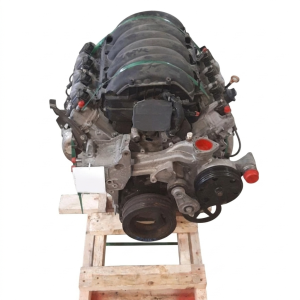
Used OEM Parts in Stock


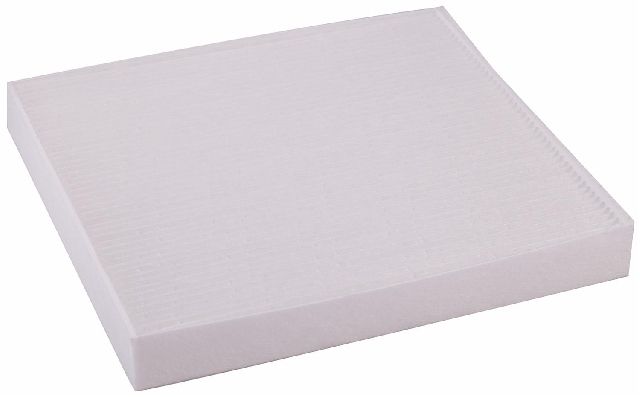
New Aftermarket Parts Available

The information in this article is provided for general reference and educational purposes only. Vehicle specifications, procedures, and part compatibility can vary by production date, trim level, and region. Always consult your vehicle's factory service manual and verify part numbers before purchasing or performing repairs. Safety-critical components such as airbags, seat belts, and braking systems should be installed by a qualified professional.
- Chevrolet SUBURBAN:
- 🎬 Helpful Videos
- 🛍️ Shop This Part
- What's Unique About the 2015-2020 Chevrolet SUBURBAN
- Diagnostic Flowchart
- Symptoms You May Notice
- Most Likely Causes
- Rare But Worth Checking
- Diagnosis Steps
- Parts You'll Likely Need
- Related Codes That Often Appear With This One
- Technical Service Bulletins (TSBs) & Recalls
- Platform-Specific Known Issues
- Mechanic-Grade Diagnostic Values
- Hidden / Shadow Codes Worth Checking
- Scan Tool Commands That Help
- Wiring & Ground Locations
- Real Owner Repair Stories
- "I Checked Everything" — The Actual Cause
- When the Usual Fixes Don't Work
- OEM Part Supersession History
- 🎟️ Get 5% Off