

P0101 on 2011-2015 Chevrolet Cruze 1.4L Turbo: Causes, Fixes, and PCV System Issues
On a 2011-2015 Cruze 1.4L Turbo, code P0101 is almost never a bad Mass Airflow (MAF) sensor. It is almost always caused by a failed PCV system, creating a massive vacuum leak. The fix requires replacing the valve cover assembly (which contains a ruptured diaphragm) and inspecting the intake manifold for a missing check valve. If the check valve is gone, the manifold must be replaced or an external check valve kit installed to prevent repeat failure.
- On a 1.4L Turbo Cruze, P0101 almost always means you have a major vacuum leak from the PCV system, not a bad MAF sensor.
- The most common failure is a ruptured diaphragm inside the valve cover, which requires replacing the entire valve cover assembly.
- CRITICAL: Before replacing the valve cover, you must check if the check valve inside the intake manifold is missing. If it is, the manifold must also be replaced to prevent immediate repeat failure.
- Check with a Chevy dealer for potential 'Special Coverage' on this repair, as it may be fixed for free if your vehicle is within the 10-year/120,000-mile window.
- Do not waste money on a new MAF sensor until you have thoroughly inspected the entire PCV system for leaks.
What's Unique About the 2011-2015 Chevrolet Cruze

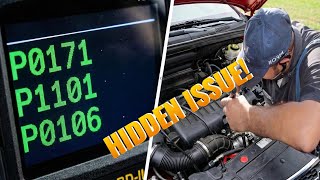
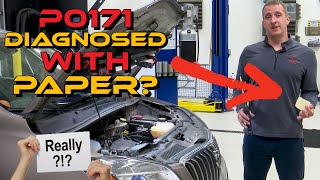
While P0101 is a generic code, on the 2011-2015 Cruze with the 1.4L turbo engine, it has a very specific and notorious cause. The code is 🎬 Watch: A mechanic explains exactly what's wrong with these codes. rarely due to a faulty MAF sensor itself. Instead, it is a symptom of a major unmetered vacuum leak originating from a complex, two-part failure within the engine's Positive Crankcase Ventilation (PCV) system. This platform is known for a small, orange check valve in the intake manifold failing and getting ingested by the engine. This allows turbo boost pressure into the crankcase, which then ruptures a rubber PCV regulator diaphragm built into the valve cover. This specific issue frequently triggers P0101 along with codes P1101, P0171, and P0106.
Symptoms You May Notice
- Check Engine Light is on
- Rough, unstable, or surging idle
- Engine stalling when coming to a stop
- Loud hissing or whistling sound from the top of the engine, near the oil cap.
- Noticeable loss of power and sluggish acceleration
- Poor fuel economy
- High-pitched squeal or chirp from the engine bay (especially near the serpentine belt) that may stop when the oil dipstick is pulled, indicating a failed crankshaft seal due to high crankcase pressure.
- Strong vacuum making it difficult to remove the oil fill cap while the engine is running.
- A smell of exhaust inside the cabin, as noted in manufacturer diagnostic tips for this code.
- Replacing the MAF sensor without first diagnosing the PCV system. On this engine, the P0101 code is most often a symptom of a vacuum leak, not a primary sensor failure.
- Replacing only the valve cover without checking for the missing intake manifold check valve. This will cause the new valve cover diaphragm to rupture again quickly, often within a few weeks or months.
Most Likely Causes

- Failed PCV Valve Cover Diaphragm and/or Intake Manifold Check Valve 🔴 High Probability The 1.4L Turbo engine has a known design flaw detailed in GM TSB PIP5197G. A non-return check valve in the intake manifold can fail, allowing boost pressure into the crankcase. This pressure then ruptures a rubber PCV regulator diaphragm built into the valve cover. This creates a massive vacuum leak that the ECM cannot compensate for, triggering P0101 and other lean/airflow codes.
How to confirm: With the engine running, listen for a loud hissing/sucking sound from the round PCV regulator on the valve cover. Another test is to remove the oil fill cap; if there is very strong suction holding it down, the PCV system has failed. Critically, you must also visually inspect the intake manifold port (where the PCV tube connects) to see if the small orange check valve is missing. A flashlight is necessary, and a cotton swab can be used to clean oil away to get a better view.
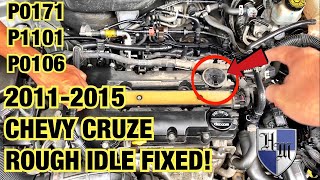
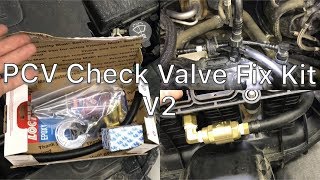
Typical fix: This requires a two-part fix. First, replace the entire valve cover assembly, as the diaphragm is not sold separately. 🎬 See this walkthrough on replacing the valve cover and diaphragm. Second, if the intake manifold check valve is missing, the intake manifold must also be replaced to prevent the new valve cover from failing immediately. An alternative for DIYers is to install an external check valve kit (e.g., from CruzeKits.com) which bypasses the need to replace the entire intake manifold.
Est. part cost: $70-$150 for the valve cover, $150-$250 for the intake manifold, or ~$75 for an external PCV fix kit. - Cracked or Leaking PCV Pipes/Hoses 🟡 Medium Probability The plastic and rubber hoses in the PCV system, especially the corrugated pipe from the intake manifold to the turbo inlet, become brittle over time with exposure to heat and oil vapor, leading to cracks and vacuum leaks.
How to confirm: Visually inspect all PCV hoses and the main PCV pipe that runs from the intake manifold to the turbocharger inlet for obvious cracks or damage. The corrugated hose is notoriously brittle. A smoke test is the most effective way to find small leaks in the system.
Typical fix: Replace the cracked hose or pipe. The GM part number for the PCV pipe is often cited as 55568267. Aftermarket kits often replace this brittle hose with more durable rubber.
Est. part cost: $20-$60 - Dirty or Faulty Mass Air Flow (MAF) Sensor ⚪ Low Probability While this is a common cause on many vehicles, it is a low-probability cause on the 1.4L Cruze for this specific code. Oil vapor from a failing PCV system can contaminate the sensor, but the PCV failure itself is the root cause, not the sensor. Replacing the sensor without fixing the PCV system will not solve the problem.
How to confirm: Remove the MAF sensor and visually inspect the delicate wires for oil, dirt, or debris. You can try cleaning it with a dedicated MAF sensor cleaner. If cleaning doesn't work and all vacuum leaks have been ruled out, the sensor may be faulty.
Typical fix: Clean the sensor with MAF sensor cleaner. If cleaning fails, replace the sensor. Using an OEM/ACDelco part is highly recommended to avoid compatibility issues.
Est. part cost: $10 for cleaner, $65-$130 for a new sensor.
Rare But Worth Checking
- Leaking Intake Air Hoses: A crack or loose clamp on the large intake boot between the air filter box and the turbocharger can let in unmetered air, triggering a P0101 code.
- Clogged Catalytic Converter: In some GM vehicles, a clogged catalytic converter can create excessive backpressure, affecting airflow and potentially triggering a P0101 code. This is less common than the PCV issues but possible on higher-mileage vehicles.
- Stuck Open Purge Valve Solenoid: A faulty EVAP purge valve stuck in the open position can create a constant vacuum leak, pulling unmetered fuel vapors into the intake manifold, which can lead to lean codes and sometimes P0101.
Diagnosis Steps

- Read all stored fault codes with an OBD-II scanner. Note if P0101 is present with P1101, P0171, or P0106, as this combination strongly points to the common PCV failure.
- With the engine running at idle, listen for a distinct hissing or whistling sound coming from the top of the engine valve cover, specifically the round diaphragm cap.
- Carefully try to remove the oil fill cap with the engine running. If it is held on by strong vacuum, this confirms a failed PCV diaphragm in the valve cover.
- If a PCV failure is confirmed, the next step is critical: remove the PCV tube from the intake manifold and look inside the port. Use a flashlight to check for the presence of the small, orange, non-return check valve. If it is missing, the intake manifold must be replaced or an external PCV fix kit must be installed along with the new valve cover.
- If no obvious PCV failure is found, perform a visual inspection of all intake and vacuum hoses between the air filter and the engine for cracks, loose clamps, or disconnections. Pay close attention to the brittle corrugated PCV hose.
- If no leaks are found, remove and inspect the MAF sensor for contamination. Clean it with dedicated MAF sensor cleaner as a first step.
- A professional smoke test can be used to definitively locate any hard-to-see vacuum leaks. Smoke seen exiting the oil fill cap area indicates an internal leak related to the PCV system.
Parts You'll Likely Need

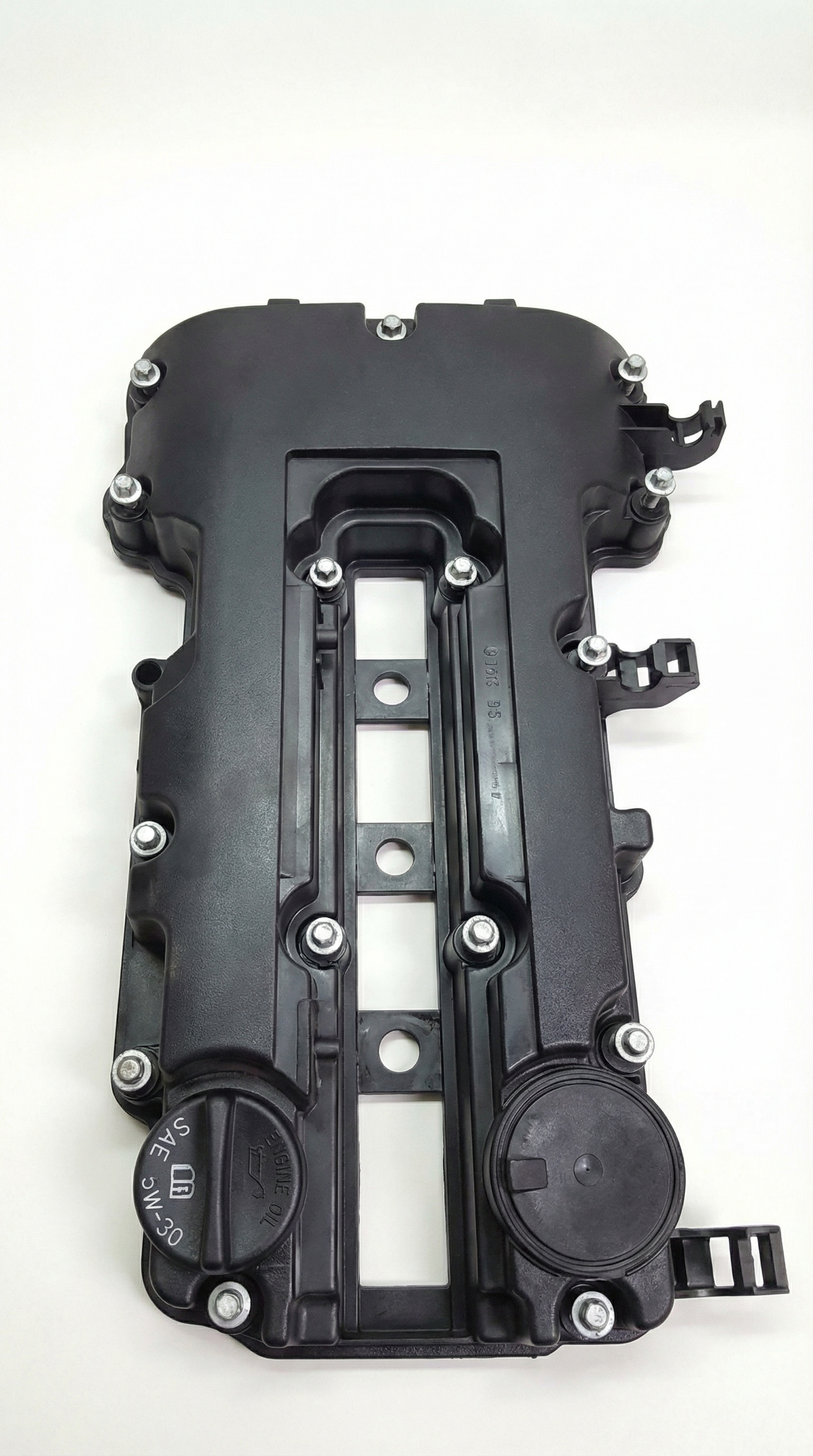
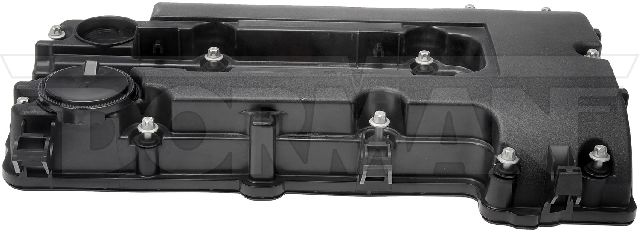
- Engine Valve Cover Assembly
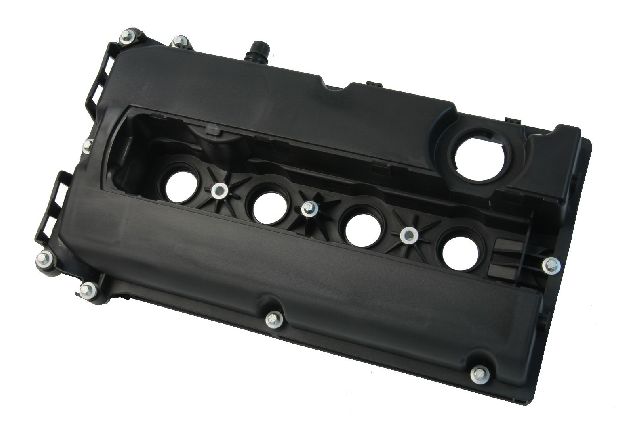
(OEM #25198874 (Superseded by 25204481))— This is the most common failure. The internal PCV regulator diaphragm ruptures, and it is not serviceable separately, requiring replacement of the entire cover.
Trusted brands: ACDelco (OEM), Dorman
OEM price range: $100-$160
Aftermarket price range: $60-$100 - Intake Manifold
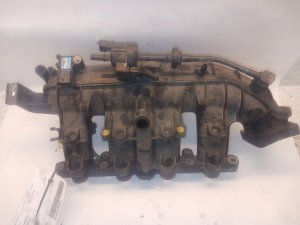
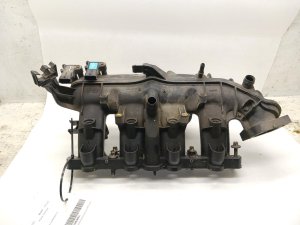
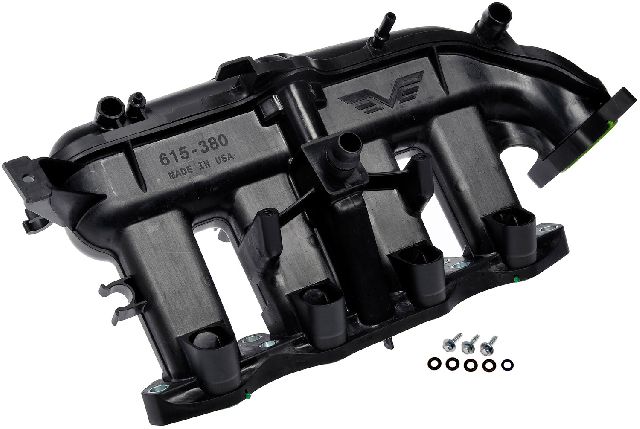
(OEM #55573836)— Required if the internal non-return check valve has failed and been ingested by the engine. Replacing it is necessary to prevent immediate failure of the new valve cover.
Trusted brands: ACDelco (OEM), Dorman
OEM price range: $150-$250
Aftermarket price range: $100-$180 - External PCV Check Valve Kit — A popular and cost-effective alternative to replacing the entire intake manifold. This kit adds a new, serviceable check valve externally, bypassing the failed internal one.
Trusted brands: CruzeKits.com
Aftermarket price range: $70-$85
Related Codes That Often Appear With This One
- P1101 — Stands for 'Intake Air Flow System Performance'. This code is set by the same condition: the ECM sees a mismatch between the MAF reading and its calculated airflow model, which is a direct result of the large PCV vacuum leak.
- P0171 — Stands for 'System Too Lean (Bank 1)'. The massive, unmetered vacuum leak from the failed PCV system allows a large amount of air into the engine that the MAF sensor doesn't measure, creating a lean air-fuel mixture.
- P0106 — Stands for 'Manifold Absolute Pressure (MAP) Sensor Performance'. The large vacuum leak drastically alters the pressure inside the intake manifold, causing the MAP sensor's readings to be outside of their expected range.
- P0299 — Stands for 'Turbocharger Underboost'. A significant vacuum leak anywhere in the intake system can prevent the turbocharger from building the correct amount of boost pressure. This code is mentioned in TSB PIP5197G as a possible related DTC.
Technical Service Bulletins (TSBs) & Recalls
- PIP5197G: This is the key GM document that describes the entire failure chain. It instructs technicians to check for a missing intake manifold non-return valve when diagnosing oil consumption, smoke, or fuel trim codes (like P0171). It confirms that a missing valve can damage the PCV diaphragm in the camshaft cover, linking the two primary components of the P0101 issue on this engine. It covers the Cruze, Sonic, Encore, and Trax.
- TSB Bulletin #15-NA-084: Provides diagnostic tips for instances where the engine is running rough or suffering from poor acceleration. It notes that a smell of exhaust inside the cabin may be present when P0101 is set alongside other codes like P0299.
Platform-Specific Known Issues
- GM Special Coverage Adjustment: General Motors issued warranty extensions (not a recall) for the PCV valve cover failure on some model years, extending coverage to 10 years or 120,000 miles. Owners should check with a Chevrolet dealer to see if their VIN is covered before paying for repairs.
Mechanic-Grade Diagnostic Values
- Short Term Fuel Trim (STFT) at idle with PCV failure — expected: Normal is +/- 10%. With a massive vacuum leak from the PCV system, STFT will be very high, often exceeding +25% or even +30% as the ECM tries to add fuel to compensate for the unmetered air.. Failure: Sustained STFT readings above +20% at idle strongly indicate a large vacuum leak.
- Crankcase Pressure (Vacuum) at hot idle — expected: Normal range is between -11 and -18 inches of H2O (water column).. Failure: A ruptured valve cover diaphragm will cause excessively high vacuum, potentially below -30 inches of H2O. If the intake check valve is missing but the diaphragm is intact, the crankcase may become pressurized under boost.
- MAF Sensor Signal (Scan Tool) — expected: On a healthy engine, the 'Calculated Air Flow' and 'Mass Air Flow Sensor' readings should be very close to each other at stable RPM.. Failure: A significant deviation between the calculated and actual MAF readings will trigger P1101/P0101. For example, if the actual reading is consistently higher or lower than calculated, it points to an unmetered air leak or a sensor inaccuracy.
Scan Tool Commands That Help
- GDS2 (GM Global Diagnostic System 2): Intake Air Flow System Performance Test — This is the specific diagnostic routine the ECM runs to check for discrepancies between the MAF sensor reading and the calculated airflow model based on throttle, MAP, and engine speed. A failure of this internal test is what sets the P1101 code. A technician can monitor the parameters of this test to confirm the fault condition.
- OBD-II Scan Tool with Live Data: Monitor Short-Term and Long-Term Fuel Trims — This is the primary method to confirm a vacuum leak. When the P0101 code is present due to the PCV failure, fuel trims will be highly positive (e.g., >20%) at idle and will decrease significantly as RPMs increase, because the vacuum leak becomes less significant relative to total engine airflow.
Wiring & Ground Locations
- MAF Sensor Connector — On the air intake tube, immediately after the air filter housing.. This is an 8-pin connector. A poor connection, corrosion on the pins, or damaged wires in the pigtail can cause erratic MAF sensor readings, directly leading to P0101. The wires to check for 5V reference, signal, and ground are located here.
- G105 / Main Engine Ground — A ground wire running from the main engine wiring harness (near the ignition coil) to a bolt on the top of the engine/valve cover.. This is a major ground point for the Engine Control Module (ECM) and its sensors. A loose or corroded connection at this point can cause erratic sensor readings, including the MAF sensor, leading to false P0101 codes.
Real Owner Repair Stories
- Reddit user comment in r/cruze (2012 Chevy Cruze LTZ) — Car started jumping and threw codes P1101, P0101, and P2271.
❌ Tried (didn't work) Initial thought was a bad MAF sensor or air filter issue.
✅ What actually fixed it The problem was identified as the classic PCV system failure. The fix requires replacing the valve cover (due to the ruptured internal diaphragm) AND either replacing the intake manifold if the internal check valve is missing or installing an external check valve kit (like from cruzekits.com) to bypass the failed internal valve. - YouTube video by 'G Auto Repair' (2015 Chevy Cruze 1.4L) — Check engine light with codes P0106, P0171, and P1101. Hissing sound from the engine bay.
❌ Tried (didn't work) The video warns against simply replacing the valve cover without checking the intake manifold.
✅ What actually fixed it The diagnosis confirmed a hissing sound from the PCV diaphragm on the valve cover and high positive fuel trims. The fix involved replacing the valve cover assembly AND replacing the intake manifold because the internal orange check valve was missing. After replacement, fuel trims returned to normal instantly.
OEM Part Supersession History
25198874→25204481— This is the OEM part number for the valve cover assembly. GM often supersedes parts with newer revisions to address design flaws or manufacturing changes. While the exact reason isn't publicly documented, it's common for revisions to improve the durability of failure-prone components like the PCV diaphragm.
Model Year Variations Within This Range
- 2011-2016: The 1.4L turbo engine came in two main variants, LUJ and LUV. They are mechanically very similar, and for the purposes of the P0101 code and the associated PCV system failure, the diagnosis and repair procedures are identical. Both engines share the same flawed valve cover and intake manifold design.
Diagnostic Flowchart
Real Owner Stories
Aggregated from forums and TSBs cited above. Mileages and costs reflect what owners reported in those sources.
Chevrolet Cruze 1.4L Turbo
Symptoms: Check Engine Light on with codes P1101, P0101, and P2271.
What fixed it: Replacing the intake manifold (or using a CruzeKits external valve) and replacing the valve cover due to a ruptured diaphragm caused by the PCV check valve failure.
Source hint: Reddit /r/cruze - Thread on P1101, P0101, P2271
Chevrolet Cruze 1.4L Turbo
Symptoms: Experiencing codes P0106, P1101, and P0172. Replaced the intake manifold and valve cover but still having issues, including a chirping noise indicating a failed crankshaft seal from high crankcase pressure.
What fixed it: Diagnosing and addressing secondary failures (like the crankshaft seal) caused by the initial high crankcase pressure from the PCV failure.
Source hint: Reddit /r/cruze - Thread on replacing all parts and still having issues
Chevrolet Cruze 1.4L Turbo
Symptoms: Oil consumption, oil leaks, blue smoke from the exhaust, and MIL on with fuel trim/airflow codes.
What fixed it: Checking for a missing intake manifold non-return valve and replacing the damaged PCV diaphragm in the camshaft cover.
Source hint: GM TSB PIP5197G
Related OBD-II Codes
Frequently Asked Questions
Is there a recall or extended warranty for the PCV failure causing P0101 on my 1.4L Cruze?
I have code P0101 and hear a loud hissing from the valve cover. What does this mean?
Can I just replace the PCV valve cover diaphragm on my 1.4L Turbo?
What is the CruzeKits PCV fix kit mentioned for this issue?
Why is my engine making a high-pitched chirping noise along with the P0101 code?
Should I replace the MAF sensor first for a P0101 on my 2011-2015 Cruze?
Helpful Videos
Used OEM Parts in Stock
New Aftermarket Parts Available



The information in this article is provided for general reference and educational purposes only. Vehicle specifications, procedures, and part compatibility can vary by production date, trim level, and region. Always consult your vehicle's factory service manual and verify part numbers before purchasing or performing repairs. Safety-critical components such as airbags, seat belts, and braking systems should be installed by a qualified professional.
- Chevrolet Cruze:
- 🎬 Helpful Videos
- 🛍️ Shop This Part
- What's Unique About the 2011-2015 Chevrolet Cruze
- Symptoms You May Notice
- Most Likely Causes
- Rare But Worth Checking
- Diagnosis Steps
- Parts You'll Likely Need
- Related Codes That Often Appear With This One
- Technical Service Bulletins (TSBs) & Recalls
- Platform-Specific Known Issues
- Mechanic-Grade Diagnostic Values
- Scan Tool Commands That Help
- Wiring & Ground Locations
- Real Owner Repair Stories
- OEM Part Supersession History
- Model Year Variations Within This Range
- Diagnostic Flowchart
- Real Owner Stories
- Chevrolet Cruze 1.4L Turbo
- Chevrolet Cruze 1.4L Turbo
- Chevrolet Cruze 1.4L Turbo
- Related OBD-II Codes
- Frequently Asked Questions
- 🎟️ Get 5% Off