

P0089 on 2006-2012 Hyundai Santa Fe 2.2L CRDi: Fuel Pressure Regulator Performance Causes and Fixes
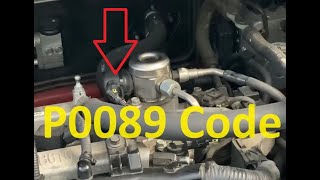
On a 2006-2012 Hyundai Santa Fe with the 2.2L CRDi diesel engine, code P0089 is most often caused by a faulty Suction Control Valve (SCV) on the high-pressure fuel pump. Replacing the SCV is the most common fix, with parts costing between $70 and $200. Verifying the correct part number is crucial, as the OEM part is made by Bosch.
- P0089 on your Santa Fe 2.2L CRDi points to a mismatch between desired and actual fuel pressure.
- The most likely cause is a failing Suction Control Valve (SCV) located on the high-pressure fuel pump.
- Before replacing expensive parts, always start with the basics: check and replace the diesel fuel filter if it's old.
- A scan tool that can read live data is essential for diagnosing whether the pressure is too high or too low and under what conditions.
- Driving with this code can be unsafe due to the risk of stalling and loss of power.
What's Unique About the 2005-2012 Hyundai Santa Fe

The 'fuel pressure regulator' on the 2.2L D4EB CRDi engine is not a traditional regulator. Instead, it's a component called a Suction Control Valve (SCV) or Fuel Metering Control Valve, which is mounted on the Bosch high-pressure fuel pump. This valve's job is to control the volume of fuel entering the pump, which in turn regulates the pressure. The ECM sends a current to the SCV; a higher current reduces the amount of fuel entering the pump, thus lowering rail pressure, while a lower current allows more fuel in to increase pressure. This design is common to many modern diesel engines, and the SCV is a frequent failure point that leads directly to code P0089 and significant drivability issues.
🎬 Watch: Understanding P0089 causes and common fixesGeneration note: The 2005-2012 year range covers the end of the first generation (SM, 2001-2006) and the full second generation (CM, 2007-2012) Santa Fe. The 2.2L D4EB CRDi engine specified is found in the second-generation (CM) models, starting from the 2006 model year. This guide is specific to the 2006-2012 Hyundai Santa Fe (CM).
Symptoms You May Notice
- Check Engine Light is on
- Engine hesitates or has sluggish acceleration
- Sudden loss of engine power, sometimes putting the car into 'limp mode'
- Rough or unstable idle
- Engine stalling, especially when coming to a stop or under load
- Difficulty starting the engine or extended cranking time
- Engine requires starter fluid (e.g., brake cleaner) to start, but stalls immediately after.
- Decreased fuel economy
- Replacing the fuel rail pressure sensor when the Suction Control Valve (SCV) is the actual problem.
- Replacing the entire high-pressure fuel pump when only the serviceable SCV has failed.
- Assuming the high-pressure pump has failed when the issue is a simple, inexpensive air leak in the low-pressure lines or a clogged fuel filter.
Most Likely Causes

- Faulty Suction Control Valve (SCV) 🔴 High Probability The SCV is a known failure point on many common rail diesel systems, including the Bosch system on the D4EB engine. It can become clogged with contaminants, wear internally, or fail electronically, leading to incorrect fuel metering.
How to confirm: Using a scan tool, monitor desired vs. actual fuel rail pressure. A large, erratic difference, especially under load, points to the SCV. The valve can sometimes be removed and inspected for debris or tested for resistance (typically around 3-4 ohms). A failing SCV may also cause an audible buzzing from the high-pressure pump.
Typical fix: Replace the Suction Control Valve on the high-pressure fuel pump. After replacement, some systems may require a 'fuel pump relearn' or 'initialization' procedure with a capable scan tool to clear the code and ensure proper operation.
Est. part cost: $70-$200 - Clogged Fuel Filter 🟡 Medium Probability Diesel fuel systems are sensitive to contamination. A clogged filter restricts fuel flow to the high-pressure pump, starving it and preventing it from building the required pressure, especially under acceleration.
How to confirm: If the fuel filter hasn't been replaced according to the service schedule (typically every 20,000-40,000 miles), it should be suspected. Symptoms often worsen under load. Replacing the filter is a low-cost diagnostic step that should be performed before more expensive parts.
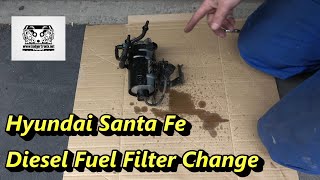
Typical fix: Replace the fuel filter cartridge. 🎬 See this walkthrough on changing the diesel fuel filter Be sure to prime the system correctly after replacement to avoid introducing air, which can cause similar symptoms and codes.
Est. part cost: $20-$50 - Air in the Fuel System ⚪ Low Probability Air can enter the low-pressure side from loose hose clamps, a poorly sealed fuel filter housing, or cracked lines. Because air is compressible, its presence causes wild fluctuations in rail pressure that the ECM interprets as a regulator performance issue.
How to confirm: Visually inspect the clear fuel lines (if present) between the filter and the pump for air bubbles while the engine is running. Check all low-pressure fuel line connections for tightness, especially the spring clamps and the O-ring on the fuel filter housing's water drain.
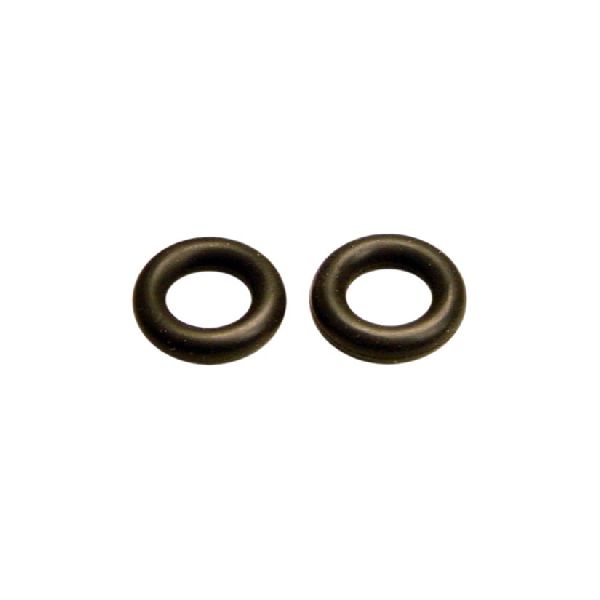
Typical fix: Locate and tighten the loose connection or replace the faulty seal. A common culprit mentioned in forums is a hardened O-ring on a sensor or the filter housing. Bleed the fuel system to remove all air.
Est. part cost: $5-$20 - Failing High-Pressure Fuel Pump (HPFP) ⚪ Low Probability While less common than SCV failure, internal wear can cause the pump to fail to generate sufficient pressure. This is a more severe and expensive failure, sometimes preceded by SCV failure.
How to confirm: This is typically diagnosed after ruling out the SCV, filter, and injectors. A mechanic can perform a fuel pump volume and pressure test. Inspecting the old SCV for metal shavings can also indicate a failing pump, which is a sign of imminent and catastrophic failure.
Typical fix: Replace the high-pressure fuel pump. This is a complex and costly repair.
Est. part cost: $500-$1500
Rare But Worth Checking
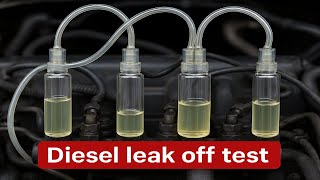
- Leaking Fuel Injector(s): An injector with a worn internal valve can leak excessive fuel back to the fuel tank via its return line (leak-off). This prevents the system from building enough pressure, especially during cranking or under load. A 'leak-off test' measures the return flow from each injector; excessive flow from one injector identifies it as the culprit. 🎬 Watch: How to perform a diesel injector leak-off test
- Faulty Fuel Rail Pressure Sensor: If the sensor provides incorrect readings to the ECM, it can trigger P0089 even if the mechanical parts are working correctly. This is less common than the regulator (SCV) itself failing.
- Wiring or Connector Issues: A damaged wire or corroded connector for the SCV or rail pressure sensor can cause intermittent or incorrect signals, leading to the code. Wiggle-testing the harness while monitoring live data can sometimes reveal a bad connection.
Diagnosis Steps
- Connect an OBD-II scanner and verify P0089 is the primary code. Check for other codes like P0087 or P0088.
- Monitor live data. Compare 'Desired Fuel Rail Pressure' with 'Actual Fuel Rail Pressure' at idle and while driving under load. A significant and consistent deviation points to a problem. Note the pressure while cranking; it should build steadily.
- Inspect the fuel filter's service history. If unknown or overdue, replace it. This is an inexpensive and common cause.
- Inspect all low-pressure fuel lines for signs of air ingress. Look for bubbles in clear lines and check the security of all clamps and seals, particularly around the fuel filter housing.
- Inspect all wiring and connectors to the Suction Control Valve (on the HPFP) and the fuel rail pressure sensor for any signs of corrosion, damage, or looseness.
- If the problem persists, perform a fuel injector leak-off test. This involves connecting collection bottles to the return lines of each injector. While the engine is running or cranking, compare the amount of fuel returning from each injector. A significantly higher amount from one injector indicates it is faulty and bleeding off rail pressure.
- If the filter is new, there are no air leaks, and injectors test good, the Suction Control Valve (SCV) is the next most likely culprit. It can be replaced as a standalone part.
- As a final step, if all other components test good, the high-pressure fuel pump itself may be failing. This should be confirmed by a professional.
Parts You'll Likely Need

- Fuel Pressure Regulator (Suction Control Valve)
(OEM #Bosch 0 281 002 625 (Verify for specific pump))— This is the most common failure point for code P0089 on this CRDi engine. It is a serviceable part on the Bosch high-pressure pump.
Trusted brands: Bosch (OEM), Blue Print, Meat & Doria
OEM price range: $150-$250
Aftermarket price range: $70-$150 - Diesel Fuel Filter
(OEM #31922-2B900 (superseded by 31922-2W000, 31922-A9000))— A clogged filter is a frequent cause of low fuel pressure and is a critical maintenance item that is often overlooked.
Trusted brands: Hyundai (OEM), Bosch, Mahle, Mann-Filter
OEM price range: $30-$60
Aftermarket price range: $20-$40
Related Codes That Often Appear With This One
- P0087 — This code means 'Fuel Rail/System Pressure - Too Low' and often appears with P0089 when the primary issue is a lack of fuel delivery (e.g., clogged filter, failing SCV, or failing pump).
- P0088 — This code means 'Fuel Rail/System Pressure - Too High'. It can appear if the SCV fails in a closed position, causing the pump to generate excessive pressure. This was noted in a diagnostic case on a 2011 Santa Fe.
Platform-Specific Known Issues
- A common and frustrating failure pattern reported by owners involves the engine cranking but not starting unless starter fluid is used. The engine then runs briefly before stalling as the fuel pressure cannot be maintained. This often leads to a sequence of parts replacement (SCV, sensors, filter) before the root cause is found, which can range from the SCV itself to air leaks or a failing high-pressure pump.
Mechanic-Grade Diagnostic Values
- Suction Control Valve (SCV) / Rail Pressure Regulator Valve Resistance — expected: 3.42 - 3.78 Ω at 20°C (68°F). Failure: A reading outside this range indicates an internal electrical fault in the valve's solenoid.
- Fuel Rail Pressure Sensor Signal Voltage (Key On, Engine Off) — expected: Approx. 0.5V (Bosch/Delphi systems) or 1.0V (Denso systems). Failure: A reading close to 5V or 0V suggests a short or open in the sensor or wiring.
- Fuel Rail Pressure Sensor Supply Voltage — expected: 5V DC from the ECM to the sensor.. Failure: No voltage or significantly lower voltage points to a wiring issue or a problem within the ECM's 5V reference circuit.
- High-Pressure Fuel Rail Pressure (Cranking) — expected: Should build steadily towards 25-30 MPa (3600-4350 PSI).. Failure: Failure to build pressure, or erratic pressure readings, can indicate a faulty SCV, air in the system, a weak high-pressure pump, or leaking injectors.
- High-Pressure Fuel Rail Pressure (Idle) — expected: Approximately 29.00 MPa (4200 PSI).. Failure: Significant deviation from this value, or wild fluctuations, point towards a fuel pressure regulation issue.
Scan Tool Commands That Help

- Hyundai GDS (Global Diagnostic System): Vehicle S/W Management — This function is used for ECU reprogramming or setting options. It may be required after replacing a major component like the high-pressure pump or injectors to initialize the new parts to the ECM.
- Hyundai GDS (Global Diagnostic System): Actuation Test — Allows the technician to command specific components, like the Suction Control Valve, to operate. This can help verify if the valve is responding to ECM commands, separating a component failure from a wiring or ECM driver issue.
- Hyundai GDS (Global Diagnostic System): Flight Record — This powerful function records data for up to ten minutes *before* the trigger is activated. It is extremely useful for capturing data from intermittent power loss or stalling events that are difficult to reproduce in the shop.
Wiring & Ground Locations
- GE01 / GE03 — Located on the left side of the engine compartment.. These are primary engine bay ground points. A corroded or loose connection here can cause erratic behavior in sensors and actuators, including the fuel rail pressure sensor and SCV, leading to incorrect readings and fault codes.
- ECM (Engine Control Module) — Typically located in the left rear of the engine compartment on the CM Santa Fe.. All sensor signals (Fuel Rail Pressure) and actuator commands (SCV) originate or terminate here. The main harness connector to the ECM is a critical point of inspection for corrosion or pin damage.
- SCV Connector — On the back of the high-pressure fuel pump.. This 2-pin connector provides power and control to the Suction Control Valve. It is a frequent point of failure due to engine vibration and heat. Check for corrosion, damaged pins, and wire integrity.
- Fuel Rail Pressure Sensor Connector — Located on the end of the common fuel rail.. This 3-pin connector carries the 5V supply, ground, and signal return for the pressure sensor. A poor connection here will directly cause P0089 or related pressure codes.
Real Owner Repair Stories
- Hyundai-Forums.com user report (2010 Hyundai Santa Fe with D4HB engine (similar 2.2L CRDi architecture)) — Initially, long crank times. Progressed to RPM/power restriction without a CEL. Then, stalling under load. Finally, a crank-no-start condition unless starter fluid was used, after which it would run for a moment and then stall.
❌ Tried (didn't work) The owner confirmed good flow from the low-pressure pump and that the pressure regulator on the rail was receiving voltage. The owner was investigating potential low voltage issues to various components.
✅ What actually fixed it The user did not post a final resolution, but the detailed symptoms (cranking pressure rising to 1500 kPa then dropping to 470 kPa and stalling) strongly point to a classic SCV failure or a high-pressure pump unable to sustain pressure after the initial prime. The low voltage readings (8.5V-9.5V) during cranking also suggest a potential underlying electrical issue, such as a weak battery or bad ground, exacerbating the fuel pressure problem. - SimplyDiag Network forum user report (2011 Hyundai Santa Fe 2.2 TCI Diesel) — Crank-no-start. With brake cleaner, it would start and run all day but in limp mode with code P0088 (Fuel Rail Pressure Too High) appearing intermittently.
❌ Tried (didn't work) Replaced with a used high-pressure fuel pump, new fuel metering valve (SCV), new rail pressure regulator, new rail pressure sensor, new engine ECU, and a new fuel filter.
✅ What actually fixed it The final diagnosis was not posted, but the technician suspected a faulty ECU that was incorrectly shutting off the injectors during cranking despite having replaced it. The core issue was the ECU perceiving high pressure during cranking (55.00 MPa) even when the sensor readings were normal, preventing it from commanding the injectors to fire. This highlights a rare but complex failure mode where the ECU's internal logic, not the external components, is the root cause.
OEM Part Supersession History
Bosch 0 281 002 625 (Suction Control Valve)→Bosch 0 281 002 507— Part consolidation and revision by Bosch. The new part number is listed as a direct replacement.
Heads up: While listed as compatible, it is critical to verify the part number on the high-pressure pump itself, as different pump versions may have been used. These valves may look similar but can be internally different both mechanically and electrically.Hyundai 31922-2B900 (Fuel Filter)→Hyundai 31922-2W000, 31922-A9000— Standard part number updates and supplier changes over the vehicle's production life.
Heads up: The superseding part numbers are direct replacements and should be fully compatible.
Model Year Variations Within This Range
- 2006-2009 vs 2010-2012: While both use the 2.2L CRDi engine, minor revisions to the engine and fuel system may exist. For example, the D4EB engine was used until around 2009, after which the 'R-series' D4HB engine was introduced in some models, which may use different Denso components instead of Bosch. It is crucial to confirm the engine code (D4EB) and inspect the high-pressure pump for manufacturer markings (Bosch/Denso) before ordering parts like the SCV.
Diagnostic Flowchart
Used vs. New Parts: Buying Guide for This Vehicle
When a used part is the smart pick: For high-cost items like the complete High-Pressure Fuel Pump (HPFP) assembly, a used part from a low-mileage, reputable donor vehicle can be a cost-effective option, especially if the failure is mechanical wear rather than an electronic issue. However, this is a high-risk part.
Donor-vehicle mileage cap: roughly under 80000 miles for the part to have meaningful remaining life.
What to inspect on the donor part:
- Verify the donor vehicle was running without fuel-related codes before being dismantled.
- Inspect the inlet/outlet ports for any signs of metal shavings or debris, which indicates internal pump failure.
- Ensure all electrical connectors are intact and free of corrosion.
- Obtain the VIN of the donor car to cross-reference its service history if possible.
OEM-only on this vehicle (don't cheap out):
- Suction Control Valve (SCV): While aftermarket options exist, the precise calibration of this part is critical. Many forum users and specialists recommend sticking with the OEM (Bosch) part to avoid persistent drivability issues, even if the aftermarket part clears the code initially.
- Fuel Rail Pressure Sensor: This is a critical sensor for engine management. Using a low-quality aftermarket sensor can lead to incorrect readings, poor performance, and difficult-to-diagnose problems. OEM (Bosch) is strongly recommended.
Aftermarket brands forum-validated for this vehicle:
- Bosch (OEM supplier for the SCV and filter)
- Mahle / Mann-Filter (Well-regarded OEM-quality for fuel filters)
Brands owners have reported issues with on this vehicle:
- Unbranded, no-name SCVs from online marketplaces. These often have poor internal tolerances and electronics, leading to premature failure or incorrect fuel pressure regulation right out of the box.
Real Owner Stories
Aggregated from forums and TSBs cited above. Mileages and costs reflect what owners reported in those sources.
2011 Hyundai Santa Fe 2.2L diesel
Symptoms: The vehicle would not start without using brake cleaner and was showing a P0088 code (pressure too high).
What fixed it: The problem persisted even after the owner replaced the high-pressure fuel pump, SCV, regulator, and sensor, highlighting the diagnostic complexity of the issue.
Source hint: SimplyDiag Network - 'Santa Fe non starter'
2010 Hyundai Santa Fe
Symptoms: The owner experienced the classic symptom of the engine needing starter fluid to start, after which it would stall.
What fixed it: The source documents the owner's troubleshooting process, including checking voltages and fuel flow, but does not state the final repair.
Source hint: Hyundai Forums - 'CM11 Santa Fe Fuel Issue'
Hyundai with similar CRDi engine
Symptoms: The owner went through a long and expensive process of replacing many parts to fix a no-start condition.
What fixed it: A response to the owner's post highlighted a separate case where the ultimate fix was a single, inexpensive O-ring that was causing an air leak in the fuel system.
Source hint: Hyundai Forums - 'Starting problems'
2005-2012 Hyundai Santa Fe 2.2L D4EB CRDi
Symptoms: A common failure pattern where the engine cranks but will not start unless starter fluid is used, then it runs briefly before stalling.
What fixed it: The root cause for this symptom can vary widely, ranging from a faulty Suction Control Valve (SCV) to air leaks or a failing high-pressure pump, often requiring a sequence of part replacements to diagnose.
Source hint: vehicle_specific_issues
Related OBD-II Codes
Frequently Asked Questions
My Santa Fe won't start without starter fluid and then stalls immediately. Is this a common P0089 symptom?
Should I replace the expensive high-pressure fuel pump first for a P0089 code?
What is the Suction Control Valve (SCV) and why does it fail so often on this engine?
Could something as simple as an air leak cause the P0089 code on my Santa Fe?
After replacing the Suction Control Valve (SCV), is there any special procedure I need to do?
Are other Hyundai or Kia models with the 2.2L diesel engine also prone to this P0089 issue?
Helpful Videos

We Have This Part in Stock


The information in this article is provided for general reference and educational purposes only. Vehicle specifications, procedures, and part compatibility can vary by production date, trim level, and region. Always consult your vehicle's factory service manual and verify part numbers before purchasing or performing repairs. Safety-critical components such as airbags, seat belts, and braking systems should be installed by a qualified professional.
- Hyundai Santa Fe:
- 🎬 Helpful Videos
- 🛍️ Shop This Part
- What's Unique About the 2005-2012 Hyundai Santa Fe
- Symptoms You May Notice
- Most Likely Causes
- Rare But Worth Checking
- Diagnosis Steps
- Parts You'll Likely Need
- Related Codes That Often Appear With This One
- Platform-Specific Known Issues
- Mechanic-Grade Diagnostic Values
- Scan Tool Commands That Help
- Wiring & Ground Locations
- Real Owner Repair Stories
- OEM Part Supersession History
- Model Year Variations Within This Range
- Diagnostic Flowchart
- Used vs. New Parts: Buying Guide for This Vehicle
- Real Owner Stories
- 2011 Hyundai Santa Fe 2.2L diesel
- 2010 Hyundai Santa Fe
- Hyundai with similar CRDi engine
- 2005-2012 Hyundai Santa Fe 2.2L D4EB CRDi
- Related OBD-II Codes
- Frequently Asked Questions
- 🎟️ Get 5% Off