

OBD-II Code P0253: Injection Pump Fuel Metering Control 'A' Low
What P0253 means, why it triggers, and how to fix it
- P0253 indicates a low voltage condition (typically under 0.3V) in the high-pressure fuel pump's control circuit, starving the engine of fuel.
- Do not drive with an active P0253 code; the vehicle will experience sudden stalls and a 15-25% power loss, creating a severe accident risk in traffic.
- Inspect the fuel pump wiring harness for chafing and test the 15A fuel system fuse before authorizing a $2,000+ high-pressure pump replacement.
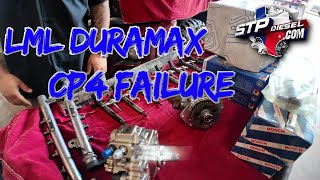
- On 2011-2016 GM Duramax engines, immediately check the fuel filter for metal shavings; glitter indicates a catastrophic CP4 pump failure requiring an $8,000+ fuel system overhaul.
What Does P0253 Mean?

The Powertrain Control Module (PCM) detected a low voltage signal in the electrical circuit controlling the high-pressure fuel injection pump. This pump and its integrated Fuel Control Actuator deliver the precise fuel volume the engine requires. When the voltage feedback signal drops below the expected range (typically under 0.3 volts) for a set period, the PCM triggers the Check Engine Light and stores P0253.
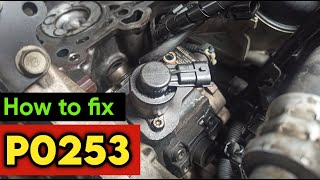
🎬 Watch: A quick breakdown of P0253 causes and symptoms.Technical definition: The SAE/OBD-II definition is "Injection Pump Fuel Metering Control 'A' Low (Cam/Rotor/Injector)". This indicates the voltage signal from the electronic fuel control actuator is below the specified range, confirming a low-voltage condition like an open circuit or a short-to-ground in the control circuit.
Can I Drive With P0253?
No — Do Not Drive. Do not drive with this code. The issue causes sudden engine stalling, significant power loss, and leaves you stranded. An unexpected stall in traffic or at highway speeds poses a serious accident risk.
Common Causes

- Wiring or Connector Issues (Very Common) — The wiring harness leading to the injection pump is the primary culprit. Vibrations, heat, and exposure cause wires to fray, rub against the engine block, or break internally. Corroded connector pins create high resistance and cause a voltage drop.
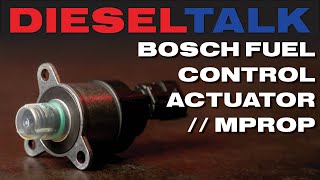
- Faulty High-Pressure Fuel Injection Pump / Fuel Control Actuator (Common) — The internal Fuel Control Actuator (solenoid) within the high-pressure pump fails mechanically or electrically (internal short or open), 🎬 See how the Bosch fuel control actuator works and fails. drawing incorrect current and triggering the low voltage code.
- Clogged Fuel Filter or Contaminated Fuel (Less Common) — A severely clogged fuel filter restricts fuel flow, forcing the injection pump to work harder. This strain manifests as an electrical fault. Water or contaminants in the fuel also damage the sensitive electronic controls of the injection pump.
- Faulty Lift Pump (Less Common) — On many diesel trucks, a low-pressure lift pump supplies fuel to the main high-pressure pump. A weak or failed lift pump starves the high-pressure pump, leading to erratic control signals and triggering P0253.
- Faulty Fuel Pressure Sensor (Less Common) — A failing fuel pressure sensor sends incorrect data to the PCM. The PCM commands the pump incorrectly based on this bad data, resulting in a P0253 code as a secondary fault.
- Blown Fuse for Fuel Control Circuit (Rare) — The fuel metering device or its control circuit is protected by a dedicated fuse. A short in the circuit blows this fuse, resulting in a complete loss of voltage and triggering P0253.
- Low System Voltage / Weak Battery (Rare) — The fuel control system requires a stable voltage supply. A weak battery or charging system issue drops overall system voltage, triggering P0253 in sensitive control modules. Ensure the battery is fully charged (12.4V+ resting) before diagnosing other components.
- Software or Calibration Issues (Rare) — The PCM's software occasionally contains glitches that incorrectly set a P0253 code. Checking for Technical Service Bulletins (TSBs) is crucial, as a PCM reflash with updated software resolves the issue.
- Faulty Powertrain Control Module (PCM) (Very Rare) — The driver circuit within the PCM that controls the injection pump fails in rare cases. Consider this the root cause only after exhaustively ruling out wiring, connectors, and the pump itself.
Symptoms

- Engine Stalls or Will Not Start — The engine stalls unexpectedly while driving, especially at low speeds, or is impossible to start.
- Significant Loss of Engine Power — The vehicle feels sluggish and has poor acceleration, particularly under load or going uphill. The engine enters a reduced-power 'limp mode'.
- Rough Running or Misfiring — The engine idles unevenly, shakes, or misfires because it is not receiving a consistent fuel volume.
- Check Engine Light is On — The Malfunction Indicator Lamp (MIL) illuminates, indicating a stored trouble code.
- Black Smoke from Exhaust (Diesel Engines) — An incorrect fuel-to-air mixture causes visible black smoke from the tailpipe, especially during acceleration.
- Decreased Fuel Economy — Inefficient fuel delivery causes the vehicle to consume significantly more fuel than usual.
Diagnostic Flowchart
Tap your situation to follow the diagnostic path that matches what you're seeing on this code.
Common Fixes & Costs
- Repairing Wiring or Connectors — Parts: $10-$50, Labor: $150-$400, ~1.5 hr book time (Intermediate)
- Replacing the Fuel Filter — Parts: $30-$100, Labor: $50-$150, ~0.8 hr book time (DIY)
- Replacing the High-Pressure Fuel Pump
— Parts: $800-$2500, Labor: $800-$2000, ~6.5 hr book time
(Professional)
Chevrolet/GMC Duramax (2011-2016 LML): OEM 12661059 (Alt: Bosch (New): 0445010817, Bosch (Reman): 0986437421)
Ram Cummins (2007.5-2018 6.7L): OEM 68027022AC (Alt: Bosch (New): 0445020146, Bosch (Reman): 0986437334)
Ford Power Stroke (2015-2019 6.7L): OEM FC3Z-9A543-A (Alt: Bosch (Reman): 0986437441) - Replacing the Lift Pump
— Parts: $200-$600, Labor: $150-$400, ~2.5 hr book time
(Intermediate)
Chevrolet/GMC Duramax (N/A, uses engine-driven pump): OEM N/A
Ram Cummins (2011-2018 In-Tank): OEM 5145571AA (Alt: Fleece Performance: FPE-34562)
Ford Power Stroke (N/A, uses engine-driven pump): OEM N/A - Replacing the Fuel Pressure Sensor
— Parts: $50-$200, Labor: $100-$250, ~1.5 hr book time
(Intermediate)
Chevrolet/GMC Duramax (2011-2016 LML): OEM 12651990 (Alt: Bosch: 0281006313)
Ram Cummins (Varies by year): OEM 5179222AB (example) (Alt: Bosch: 0281006425 (example))
Ford Power Stroke (Varies by year): OEM BC3Z-9G756-A (example) (Alt: Motorcraft: FPS-20 (example))
DIY vs Professional
- Repairing Wiring or Connectors — Beginner:
- Replacing the Fuel Filter — Beginner:
- Replacing the Lift Pump — Beginner:
- Replacing the Fuel Pressure Sensor — Beginner:
- Replacing the High-Pressure Fuel Pump — Beginner:
Used vs. New Parts: Buying Guide
When a used part is worth it: A used HPFP is never recommended. The risk of installing a part with unknown history that causes catastrophic, multi-thousand-dollar damage to the entire fuel system is too high. Used parts are only acceptable for external components like wiring connectors.
Donor-vehicle mileage cap: roughly under 20000 miles for the part to have meaningful remaining life.
Donor quality checklist:
- For remanufactured pumps, choose a reputable brand that details its testing process and replaces all common wear items.
- Ensure the part number is an exact match for your vehicle's year, make, model, and engine.
- Avoid 'rebuilt' parts, which only replace the failed component, versus 'remanufactured' parts which are fully disassembled, cleaned, and updated.
Decision logic:
- If The faulty part is the high-pressure fuel pump itself. → Buy a new OEM or a high-quality remanufactured unit from a trusted supplier. The cost savings of a used pump do not justify the immense financial risk.
- If The vehicle is high-mileage (>150k miles) and the budget is extremely tight. → A reputable remanufactured pump offers a good balance of cost and reliability. Avoid the cheapest options.
- If The pump is a CP4 model, known for a specific failure mode. → Favor a new or remanufactured unit updated to address the original design flaws, or install a CP3 conversion kit.
Warranty tradeoff: Used parts offer a 30-90 day warranty at best. A quality remanufactured pump includes a 1-year or longer warranty. A new OEM part carries a 1-2 year warranty.
Worst-case if a used part fails: $8000+ if a used or poorly rebuilt pump fails and contaminates the fuel system. This includes repeat labor plus the cost of a new pump, all injectors, rails, and lines.
What Happens If You Wait — Timeline
- 0-4 weeks: Code P0253 is stored, Check Engine Light is on. Symptoms are subtle, like a slight hesitation or a minor drop in fuel economy. (MPG impact: 0-5%% · Added cost: $0-$50 in wasted fuel.)
- 1-3 months: Symptoms become noticeable. The engine runs rough, stalls intermittently at idle, or shows a significant loss of power when accelerating. The pump works inefficiently, straining the fuel system. (MPG impact: 5-15%% · Added cost: $50-$250 in wasted fuel and increased stress on DPF.)
- 3-6 months: If the cause is a failing CP4 pump, internal wear accelerates. The engine is hard to start, stalls frequently, and has severe power loss. The pump sheds small amounts of metal debris into the fuel. (MPG impact: 15-25%% · Added cost: $1,500-$4,000 (impending pump failure, potential DPF damage).)
- 6+ months: Catastrophic failure of the high-pressure fuel pump. The pump disintegrates, sending metal fragments throughout the fuel system. This destroys the fuel injectors, rails, and lines. The engine will not run. (MPG impact: 100% (vehicle is inoperable)% · Added cost: $8,000-$15,000+ for a complete fuel system replacement.)
Cost of Not Fixing It
- Immediate to 1 Month: The engine stalls unexpectedly, creating a serious safety risk. You experience significant power loss, rough running, and a 5-15% drop in fuel economy. (Added cost: $50-$200 in wasted fuel.)
- 1 to 6 Months: Continued operation puts extreme stress on the fuel system. In diesel engines, improper combustion causes premature clogging of the Diesel Particulate Filter (DPF), requiring a forced regeneration or replacement. (Added cost: $300-$1000 for DPF servicing or cleaning.)
- 6+ Months: Catastrophic failure of the high-pressure fuel pump (especially CP4 models). The pump disintegrates internally, sending metal fragments throughout the fuel system. This destroys the injectors, rails, and lines, and contaminates the tank. (Added cost: $8,000-$15,000+ for a full fuel system replacement and potential engine damage.)
Diagnosis Steps

- Scan for Codes and Review Freeze Frame Data
Use an OBD-II scanner to read all stored trouble codes. Related fuel system codes (e.g., P0251, P0254, P0087) provide valuable clues. Review the freeze frame data to identify the engine's condition (RPM, load) when the fault triggered.
Tools: OBD-II Scanner (Beginner) - Perform a Thorough Visual Inspection
Inspect the wiring harness leading to the high-pressure fuel pump's electronic fuel control actuator. Look for chafed insulation, frayed wires, or corrosion on connector pins. Wiggle the harness while the engine runs to check for intermittent connections.
Tools: Flashlight, Inspection Mirror (Beginner) - Check Fuses and Fuel Quality
Inspect the fuse box for blown fuses related to the fuel pump, injectors, or PCM. Evaluate fuel quality and filter history. If the fuel filter is overdue, replace it, as a clogged filter is a simple but frequent cause.
Tools: Fuse Puller, Basic Hand Tools (Beginner) - Test the Control Circuit Voltage and Ground
Disconnect the fuel control actuator connector. With the key on, engine off (KOEO), use a multimeter to check for the correct reference voltage (typically 5V or 12V) on the supply wire and a solid ground (<0.1V) on the ground wire. A 0V reading on the supply wire confirms an open circuit or blown fuse.
Tools: Digital Multimeter, Vehicle Service Manual (Intermediate) - Test the Fuel Control Actuator Resistance
With the connector unplugged, measure the internal resistance of the fuel control actuator's solenoid across its two pins. Compare this to the manufacturer's specification (e.g., 2.5 ~ 5.0 Ω for many Bosch actuators). A significantly higher reading (open circuit) or near zero (short circuit) confirms the actuator has failed.
Tools: Digital Multimeter, Vehicle Service Manual (Intermediate) - [ADVANCED] Analyze Scan Tool Live Data
Monitor key PIDs like 'Fuel Metering Control Valve Duty Cycle'. The value must change actively with engine RPM and load. A value stuck at 0% or 100% confirms an electrical fault or PCM driver issue. Monitor 'Fuel Temperature' and 'Barometric Pressure' to ensure other sensors provide plausible data.
Tools: Advanced OBD-II Scanner (Advanced) - Test Fuel Pressure and Volume
If electrical tests pass, check mechanical pressure. Verify lift pump pressure (e.g., 10 PSI at idle for Cummins). Use a scan tool to compare 'Commanded Fuel Rail Pressure' with 'Actual Fuel Rail Pressure'. If actual pressure fails to meet commanded pressure under load despite a working actuator, the pump is mechanically weak.
Tools: Fuel Pressure Gauge, Advanced OBD-II Scanner (Advanced) - [PRO TIP] Perform a Voltage Drop Test
Identify excessive circuit resistance that a continuity check misses. Back-probe the voltage supply pin at the actuator connector (KOEO). Connect the positive multimeter lead to the battery positive and negative to the pin. A reading above 0.5V confirms problematic resistance in the power circuit. Repeat for the ground side; >0.2V indicates a poor ground.
Tools: Digital Multimeter with Back-Probing Pins (Advanced) - [PRO TIP] Analyze the Control Signal with an Oscilloscope
View the signal on the control wire while the engine runs. The PCM controls the actuator using a Pulse-Width Modulated (PWM) signal. You must see a clean square wave pattern. A missing, distorted, or flat-lined waveform confirms a wiring or PCM driver circuit failure.
Tools: Digital Oscilloscope, Vehicle Service Manual (Professional)
When This Code Triggers (Freeze-Frame Conditions)
- Engine Coolant Temp: 180-205°F (82-96°C) (The engine is fully warmed up and has reached operating temperature.)
- RPM: 1500-2500 RPM (The fault occurs during steady-state cruising or light acceleration, rarely at idle.)
- Engine Load: 30-70% (The code sets when the engine is under moderate load, such as climbing a grade or merging.)
- Vehicle Speed: 45-65 mph (72-105 km/h) (Triggered during highway driving where fuel demand is consistent.)
Related Codes
- P0251 — P0251 is a general malfunction code for the 'Injection Pump Fuel Metering Control A' circuit. P0253 is specific, pinpointing a low voltage condition. P0253 confirms an electrical problem, whereas P0251 is electrical, mechanical, or performance-related.
- P0254 — The direct opposite of P0253, indicating a 'high' voltage condition in the same circuit. P0253 points to a short to ground or open circuit, while P0254 suggests a short to power. Seeing both intermittently indicates a frayed wire making inconsistent contact.
- P0087 — Means 'Fuel Rail/System Pressure - Too Low'. A common companion code to P0253. The P0253 electrical fault prevents the fuel control actuator from working, preventing the pump from building pressure. Diagnosing P0253 first resolves P0087.
- P0093 — Indicates a 'Fuel System Leak Detected - Large Leak'. A significant leak causes rapid loss of fuel pressure. The PCM compensates by commanding the fuel pump to maximum, stressing the control circuit and triggering P0253 as a secondary effect.
Climate & Environmental Factors
- Cold Weather: Extreme cold causes diesel fuel to 'gel' or wax, increasing viscosity. This strains the entire fuel system, exposing weaknesses and triggering P0253 as the pump struggles to meter thickened fuel.
- High Humidity: Humid environments accelerate corrosion on electrical connectors, pins, and wiring. P0253 is frequently caused by high resistance or short-to-ground in the fuel metering control circuit due to this corrosion.
- High Altitude: At higher altitudes, lower air density forces the engine management system to adjust fuel trims and pump commands. This compensation exposes underlying or intermittent issues in the fuel control system.
How to Talk to a Mechanic About This Code
Say this: "I have a check engine light and my scanner shows a P0253 code. I'd like to schedule a diagnostic appointment. Based on my research, this is often a wiring issue, so please start with a thorough inspection of the harness and connectors to the injection pump before quoting a new pump."
This signals to the shop that you are an informed customer. It directs them to start with the most common and least expensive potential cause (wiring) rather than immediately jumping to the most expensive one (pump replacement).
Avoid saying:
- 'My truck is acting funny, can you fix it?'
- 'The check engine light is on, just do whatever it takes.'
- 'I think I need a new injection pump.' (Don't diagnose for them)
Questions to ask before authorizing the repair:
- What specific diagnostic steps did you take to confirm the failed part?
- Did you perform a voltage and ground test at the fuel control actuator connector? What were the readings?
- Did you inspect the wiring harness for chafing or corrosion?
- If you are recommending a pump replacement, did you check for metal shavings in the fuel filter to see if the rest of the system is contaminated?
- What is the warranty on the recommended parts and labor?
Where to Take It: Dealer vs Independent vs Chain
- Dealer:
Good option if the vehicle is under warranty or if you suspect a complex software issue. Be prepared for a higher repair bill.
Best for: Vehicles still under powertrain or emissions warranty., Complex, brand-specific software or communication issues., When a known Technical Service Bulletin (TSB) exists that requires proprietary tools.
Downsides: Highest labor rates., Defaults to replacing the entire high-pressure pump assembly rather than repairing wiring or a connector. (Typical cost: +50% vs. baseline) - Independent Shop:
Best fit for most owners. A good independent diesel specialist diagnoses wiring faults versus actual pump failures, potentially saving you thousands.
Best for: Out-of-warranty diesel trucks and vehicles., Shops specializing in diesel repair., Getting a second opinion after a dealership diagnosis.
Downsides: Quality and expertise vary widely. Look for ASE certifications and good reviews specifically mentioning diesel work. (Typical cost: +0% vs. baseline) - Chain Shop:
AVOID for P0253 diagnosis and repair. This is a complex code requiring specialized diesel expertise not found at general repair chains.
Best for: Simple, unrelated maintenance like oil changes or tire rotations.
Downsides: Technicians lack the specialized training and tools for high-pressure diesel fuel system diagnosis., High likelihood of misdiagnosis, leading to unnecessary, expensive repairs. (Typical cost: -10% vs. baseline)
When to Walk Away From the Repair
If the estimated repair cost exceeds 40-50% of the vehicle's current private-party market value, seriously consider whether to repair it or replace it.
- Car worth $30000, fix is $2500: Fix it. This is a reasonable cost for a high-value vehicle and is well below the threshold.
- Car worth $15000, fix is $8000: Walk away. The repair cost is over 50% of the truck's value. This is especially true for a catastrophic CP4 failure requiring a full fuel system replacement.
- Car worth $8000, fix is $3500: Borderline. The cost approaches 45% of the vehicle's value. Get a second opinion and carefully consider the vehicle's overall condition and mileage before proceeding.
What Scan Tool You Need for This Code

Minimum: A scanner that reads and clears codes, and displays live data streams, including 'Commanded Fuel Rail Pressure' and 'Actual Fuel Rail Pressure'.
A basic $20 code reader only gives you the P0253 code. To properly diagnose, you must see what the PCM tells the pump to do versus what the pump actually does in real-time. This requires live data viewing.
Budget: BlueDriver Bluetooth Pro (~$100) — Connects to your smartphone and provides access to live data PIDs for fuel pressure and freeze-frame data, confirming if the issue is electrical or mechanical.
Mid-range: Innova 5610 or Foxwell NT510 Elite (~$150-350) — Offers bi-directional control, allowing you to command the fuel pump or actuator to operate and see if it responds. This isolates whether the fault is in the component itself or the wiring/PCM.
Professional: Autel MaxiCOM MK808 / Foxwell HD500 (~$450-600) — Offers full bi-directional control, advanced functions like injector cutoff tests, and access to manufacturer-specific PIDs. The Foxwell HD500 is designed for heavy-duty diesel trucks and performs functions like DPF regeneration.
Rent vs buy: Auto parts stores scan codes for free, but cannot perform the live data or bi-directional tests needed for a full diagnosis. For a complex code like P0253, investing in at least a budget scanner with live data is highly recommended.
How to Clear the Code After You Fix It
- Use a compatible OBD-II scan tool to erase the diagnostic trouble codes.
- Ensure the fuel tank is between 30% and 70% full for the EVAP monitor to run.
- Perform a complete drive cycle to allow all readiness monitors to run their self-tests.
Drive cycle (~30 minutes): A general drive cycle includes: a cold start (after sitting 8+ hours), idling for 2-3 minutes, 15 minutes of mixed city/highway driving (including accelerations and decelerations), followed by 5-10 minutes of steady-state driving at 55-60 mph.
Readiness monitors affected: Catalyst Monitor, Fuel System Monitor, Oxygen Sensor Monitor
Before emissions retest: drive at least 100 miles to fully set monitors.
Watch out for:
- Clearing the code resets all readiness monitors to 'Not Ready'; you cannot immediately pass an emissions test.
- Disconnecting the battery does not clear the code from all modules and still resets readiness monitors.
- The code returns immediately if the underlying electrical or mechanical fault remains unaddressed.
Will This Fail Emissions / State Inspection?
Yes — this code typically fails an OBD-II emissions inspection.
- California: Automatic failure. CARB standards require the Check Engine Light to be off and all OBD-II readiness monitors to be 'Ready'. After repair, a comprehensive drive cycle of 100-200 miles is required to reset the monitors before a retest.
- New York: Automatic failure. The NYS DMV inspection includes a mandatory OBD-II scan. An illuminated MIL prevents the vehicle from passing.
- Texas: Automatic failure in the 17 counties requiring emissions testing. While Texas allows one or two 'Not Ready' monitors depending on vehicle age, an active trouble code and illuminated Check Engine Light is an instant fail.
Most Commonly Affected Vehicles
- Chevrolet/GMC Silverado/Sierra with Duramax Diesel (2007-2024) — Often related to the CP4 high-pressure fuel pump, known for failures that send metal debris through the fuel system. For 2011-2016 LML Duramax models, this is a primary indicator of CP4 failure.
- Ram 2500/3500 with Cummins Diesel (2007-2024) — Points to issues with the CP3 or CP4 high-pressure fuel pump or its wiring harness. On 2007.5-2018 6.7L models, the wiring harness near the pump is a known chafe point.
- Ford F-Series with Power Stroke Diesel, Transit (2018-2024) — On the 3.0L and other Power Stroke engines, this code indicates a failure of the high-pressure fuel pump (HPFP) or its electrical connector. Common on Transit models due to wiring issues.
- Hyundai/Kia Santa Fe, Starex, H1, Sorento with CRDi Engines (2007-2015) — Common on CRDi engines; the code sets when the PCM detects zero amps in the fuel metering unit control circuit due to an open circuit or short to ground.
- BMW 3-Series, 5-Series, X3, X5 with Diesel Engines (e.g., N47, N57) (2005-2016) — Frequently occurs in BMW diesel models, pointing to issues with the high-pressure pump's quantity control valve or the associated wiring.
- Mercedes-Benz Sprinter, E-Class, C-Class with Diesel Engines (e.g., OM642, OM651) (2000-2015) — Frequently seen in diesel models from this era, pointing to injection pump or wiring issues.
- Volkswagen Golf, Passat, Jetta with TDI Engines (2003-2014) — Commonly occurs in TDI models, caused by a faulty injection pump, wiring problems, or a clogged fuel filter.
- Jeep Grand Cherokee with 3.0L EcoDiesel (2014-2019) — The EcoDiesel engine experiences this code due to failures in the high-pressure fuel pump (HPFP) or chafing of the engine wiring harness.
Manufacturer-Specific Notes
- GM (Duramax): On Duramax engines with a CP4 pump (2011-2016), P0253 is a strong indicator of impending or current pump failure. Inspect the fuel system for metal shavings immediately; a failed pump contaminates the entire system, requiring a repair that includes all injectors, rails, and lines.
- Ford (Power Stroke): Contaminated fuel quickly leads to high-pressure fuel pump (HPFP) failure, triggering P0253. The wiring connector to the pump is a known weak point. Check for Customer Satisfaction Programs like 21B10, indicating Ford's willingness to address fuel system-related software.
- Ram (Cummins): Triggered by either the high-pressure pump or issues with the supporting lift pump. A failing lift pump starves the main injection pump, causing this code. Verify lift pump pressure (target 10-15 PSI at idle) before condemning the high-pressure pump.
- Hyundai/Kia (CRDi): The PCM sets P0253 when it detects a current of '0' amps in the fuel metering unit's control circuit for a short duration (e.g., 0.22 seconds). This makes an open circuit in the wiring or actuator highly probable. Check actuator resistance against the OEM value (often 2.9 ~ 3.15 Ω).
Real Owner Stories
2012 Ram 2500 6.7L Cummins with 155K miles
Truck suddenly started running rough, stalling at low speeds, and threw code P0253. Owner was concerned it was the expensive CP3 injection pump.
What they tried:
- Owner replaced the fuel filter, with no change in symptoms.
- Took it to a diesel shop that immediately quoted a $4,000+ injection pump replacement.
Outcome: Owner sought a second opinion. The new mechanic performed a thorough wiring inspection and found the main engine harness had rubbed through against a bracket near the back of the engine, shorting the fuel control actuator wire. A simple wiring repair costing $350 fixed the issue completely.
Lesson: Always insist on a full electrical diagnosis before approving a high-cost part replacement. Wiring harness chafing is a frequent cause for this code on Cummins engines.
2015 GMC Sierra 2500 LML Duramax with 110K miles
Check engine light came on with P0253 and P0087 (Low Fuel Rail Pressure). Truck had intermittent loss of power, especially when towing.
What they tried:
- The owner cleared the codes, but they returned within a day.
- Checked the fuel filter housing for metal shavings by draining a sample and running a magnet through it.
Outcome: Fine, glitter-like metal shavings were found in the fuel filter. This confirmed a catastrophic failure of the CP4 injection pump. The owner opted for a full fuel system replacement, including a CP3 conversion kit to prevent future issues, at a cost of nearly $9,000.
Lesson: On a Duramax with a CP4 pump, P0253 is a major red flag for pump failure. Immediately check the fuel filter for metal. Catching it early saves you from being stranded, but the repair remains extensive.
2014 Ford Transit 2.2L Diesel
Van would not start after sitting for a weekend. Cranked over but would not fire. P0253 was the only code stored.
What they tried:
- Checked battery voltage, which was good.
- Inspected wiring harness around the pump and found no visible damage.
- Tested for voltage at the fuel control actuator connector with key-on, engine-off and got 0 volts.
Outcome: After finding no voltage, the owner checked the fuse box and discovered a blown 15A fuse for the fuel pump circuit. Replacing the fuse allowed the van to start immediately. The code did not return, suggesting a one-time surge rather than a persistent short.
Lesson: A no-start condition with P0253 is often as simple as a blown fuse. This must be one of the very first checks before moving to complex diagnostics.
How to Prevent This Code From Triggering
- Use a high-quality diesel fuel additive with added lubricity. (Every fill-up.) — Ultra-Low Sulfur Diesel (ULSD) has poor lubricating properties. Additives restore lubricity, reducing wear on the tight-tolerance metal components inside the high-pressure pump.
- Replace fuel filters on or before the recommended interval. (Every 10,000-15,000 miles, or per manufacturer recommendation.) — A clogged filter restricts fuel flow, forcing the lift pump and injection pump to work harder. This strain causes overheating and premature failure of pump motors and electronics.
- Regularly inspect the engine wiring harness for chafing. (During every oil change.) — Vibrations cause the plastic loom of the harness to rub against engine brackets, eventually wearing through to the wires and causing a short. Securing the harness with zip ties prevents this.
- Avoid running the fuel tank below 1/4 full. (Daily habit.) — Fuel in the tank cools the in-tank lift pump. Running it low causes the pump to overheat and increases the risk of sucking up debris or water from the bottom of the tank.
- Purchase fuel from high-volume, reputable stations. (Every fill-up.) — High-turnover stations are less likely to have old, stale fuel or water contamination in their underground tanks. Contaminated fuel is a primary cause of injection system damage.
Frequently Asked Questions
What are the most common misdiagnosis mistakes for P0253?
The most common mistake is immediately replacing the expensive high-pressure injection pump without performing proper electrical diagnostics. Technicians often find the root cause was a cheaper fix, such as a clogged fuel filter, corroded connector, or frayed wire shorting to ground. Always rule out wiring and fuel supply issues before condemning the pump.
What is the 'Fuel Metering Control Actuator'?
It is a proportional solenoid valve, also known as a Suction Control Valve (SCV), mounted on the high-pressure fuel pump. The PCM sends a PWM signal to this valve to precisely regulate the fuel entering the pump's high-pressure chambers, controlling overall system pressure.
Can a bad battery cause a P0253 code?
Yes. The fuel pump control module requires a stable voltage to operate correctly. A weak battery (below 12.4V resting) or a faulty alternator causes low system voltage, which the PCM interprets as a fault within the fuel control circuit.
What does the 'A' mean in 'Injection Pump Fuel Metering Control A'?
The letter 'A' refers to the primary fuel pressure control system or circuit. Some complex vehicle systems have redundant or secondary systems labeled 'B' or 'C'. For most vehicles, 'A' designates the main and only circuit for fuel metering control.
Will P0253 cause my car to fail an emissions test?
Yes, a vehicle with an active P0253 code automatically fails an emissions or smog test. The illuminated Check Engine Light is an immediate failure, and the underlying fuel control issue directly increases the engine's emissions output.
Can P0253 cause a no-start condition?
Yes. If the fuel metering control circuit fails in a way that prevents the injection pump from building pressure, the engine will not receive the fuel it needs to start.
How much does it cost to diagnose a P0253 code?
Most repair shops charge a diagnostic fee ranging from $100 to $165 to identify the specific cause of the code. This fee covers the initial labor to trace the fault and is often credited toward the total repair cost if you have the shop perform the work.
Key Takeaways
- P0253 indicates a low voltage condition (typically under 0.3V) in the high-pressure fuel pump's control circuit, starving the engine of fuel.
- Do not drive with an active P0253 code; the vehicle will experience sudden stalls and a 15-25% power loss, creating a severe accident risk in traffic.
- Inspect the fuel pump wiring harness for chafing and test the 15A fuel system fuse before authorizing a $2,000+ high-pressure pump replacement.
- On 2011-2016 GM Duramax engines, immediately check the fuel filter for metal shavings; glitter indicates a catastrophic CP4 pump failure requiring an $8,000+ fuel system overhaul.
Helpful Videos

The information in this article is provided for general reference and educational purposes only. Vehicle specifications, procedures, and part compatibility can vary by production date, trim level, and region. Always consult your vehicle's factory service manual and verify part numbers before purchasing or performing repairs. Safety-critical components such as airbags, seat belts, and braking systems should be installed by a qualified professional.
- 🎬 Helpful Videos
- What Does P0253 Mean?
- Can I Drive With P0253?
- Common Causes
- Symptoms
- Diagnostic Flowchart
- Common Fixes & Costs
- DIY vs Professional
- Used vs. New Parts: Buying Guide
- What Happens If You Wait — Timeline
- Cost of Not Fixing It
- Diagnosis Steps
- When This Code Triggers (Freeze-Frame Conditions)
- Related Codes
- Climate & Environmental Factors
- How to Talk to a Mechanic About This Code
- Where to Take It: Dealer vs Independent vs Chain
- When to Walk Away From the Repair
- What Scan Tool You Need for This Code
- How to Clear the Code After You Fix It
- Will This Fail Emissions / State Inspection?
- Most Commonly Affected Vehicles
- Manufacturer-Specific Notes
- Real Owner Stories
- 2012 Ram 2500 6.7L Cummins with 155K miles
- 2015 GMC Sierra 2500 LML Duramax with 110K miles
- 2014 Ford Transit 2.2L Diesel
- How to Prevent This Code From Triggering
- Frequently Asked Questions
- What are the most common misdiagnosis mistakes for P0253?
- What is the 'Fuel Metering Control Actuator'?
- Can a bad battery cause a P0253 code?
- What does the 'A' mean in 'Injection Pump Fuel Metering Control A'?
- Will P0253 cause my car to fail an emissions test?
- Can P0253 cause a no-start condition?
- How much does it cost to diagnose a P0253 code?
- Key Takeaways
- 🎟️ Get 5% Off