

P0089 on 2009-2017 Audi Q5 3.2L: Fuel Pressure Regulator Performance Causes and Fixes
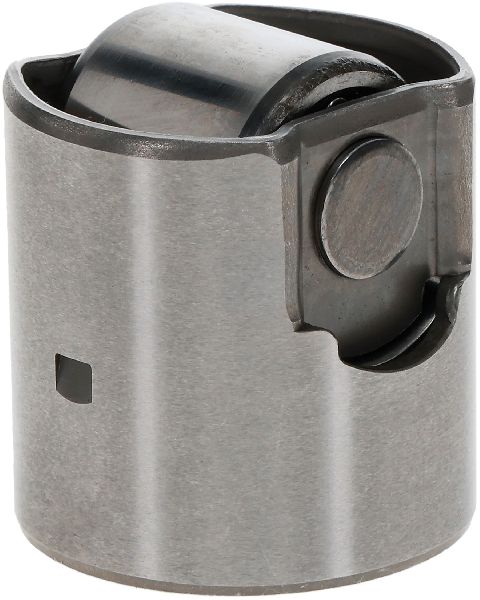
P0089 on the Audi Q5 3.2L FSI almost always points to a problem with the high-pressure fuel system. The most common causes are a worn high-pressure fuel pump (HPFP) cam follower or the HPFP itself. Inspecting the cam follower (a ~$50 part) is a critical first step to prevent damage to the much more expensive HPFP and camshaft. This should be considered a mandatory inspection item, especially on engines with over 50,000 miles.
- P0089 on the Q5 3.2L indicates a serious problem with the high-pressure fuel system that should be addressed immediately to avoid stalling and further engine damage.
- The first and most important diagnostic step is to physically inspect the HPFP cam follower for wear. This is a known weak point on this engine.
- Never replace the High-Pressure Fuel Pump (HPFP) without also replacing the cam follower.
- Using a scan tool that can read live Audi-specific data to compare requested versus actual fuel pressure is essential for accurate diagnosis and avoiding unnecessary part replacement.
What's Unique About the 2009-2017 Audi Q5
The Audi 3.2L FSI engine (engine code CALB in the Q5), like many VW/Audi direct-injection engines of its era, has a known critical weak point: the cam follower for the high-pressure fuel pump (HPFP). This small, inexpensive part acts as a sacrificial barrier between the camshaft lobe and the HPFP's piston. If this follower wears out and fails, it can cause the P0089 code and quickly lead to the destruction of the HPFP and the intake camshaft, turning a minor maintenance item into a multi-thousand dollar repair. This failure pattern is well-documented in forums for vehicles with the same engine, such as the Audi A6.
Symptoms You May Notice
- Check Engine Light is on
- Engine hesitation or stumbling, especially under acceleration
- Loss of power or engine running in 'limp mode'
- Rough idle
- Engine stalling
- Hard starting or long crank times
- Audible rattling or ticking noise from the engine bay if the cam follower has failed
- Strong smell of fuel in the engine oil
- Replacing only the fuel pressure sensor without inspecting the cam follower.
- Replacing the low-pressure fuel pump in the tank before diagnosing the high-pressure system.
- Replacing the HPFP without also replacing the cam follower, leading to a repeat failure of the new pump.
- Attributing the issue to carbon buildup, which causes similar symptoms like hard starting and misfires, but is a separate issue.
Most Likely Causes
- Worn High-Pressure Fuel Pump (HPFP) Cam Follower 🔴 High Probability The flat tappet cam follower design on this engine is a known wear item. The protective coating wears off, leading to rapid wear of the follower itself. Neglecting its inspection and replacement is a primary cause of HPFP and camshaft failure. Many owners recommend preventative replacement every 55,000 miles.
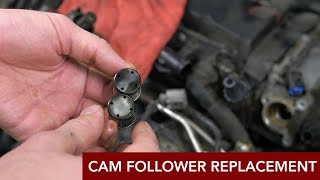
How to confirm: Remove the HPFP from the cylinder head and visually inspect the cam follower. Look for a worn-through black coating, a concave surface, or a complete hole in the follower. A DIY guide on AudiWorld for the similar A6 3.2L shows this process in detail.
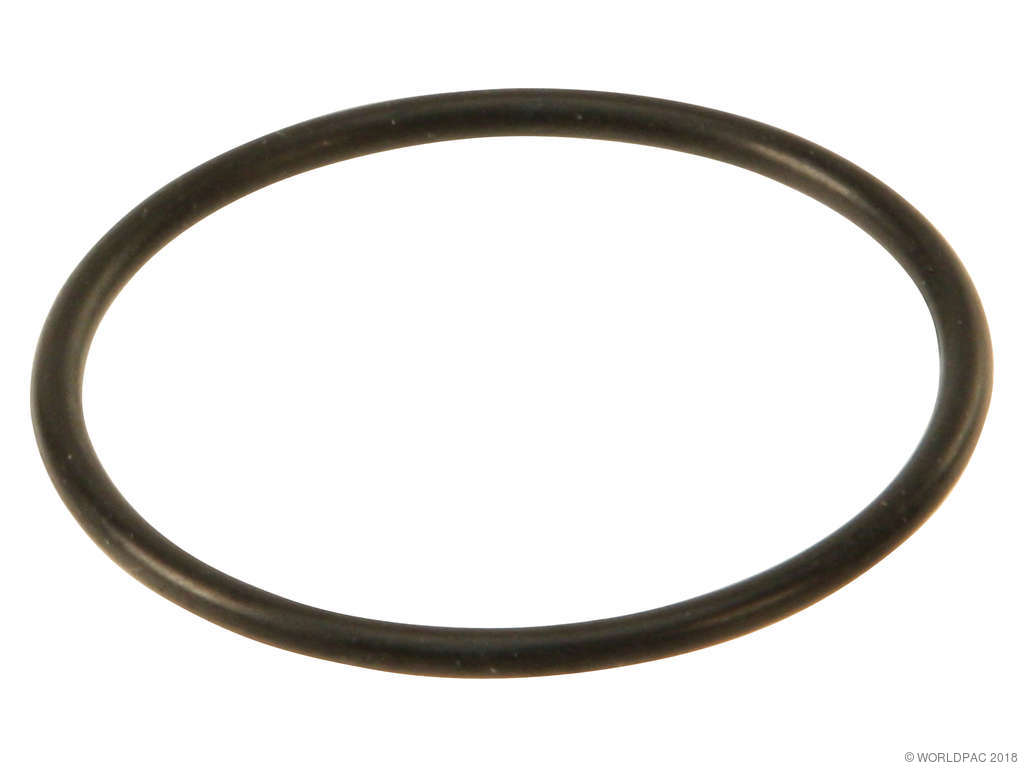
Typical fix: Replace the cam follower and the O-ring for the HPFP. This is considered a critical preventative maintenance item and should always be replaced when servicing the HPFP.
Est. part cost: $40-$80 - Failing High-Pressure Fuel Pump (HPFP) 🔴 High Probability The HPFP can fail internally due to wear, or as a direct result of a failed cam follower damaging the pump's plunger. A leaking seal on the pump's piston can also cause fuel to contaminate the engine oil, which can be detected by smell.
How to confirm: Use a diagnostic tool (like VCDS) to log requested vs. actual fuel rail pressure (Group 106 or similar). A significant and consistent deviation under load points to a failing pump. Also, check the engine oil for a strong smell of gasoline, which indicates a leaking HPFP seal.
Typical fix: Replace the High-Pressure Fuel Pump and the cam follower simultaneously. It is critical to replace the follower to protect the new pump.
Est. part cost: $300-$800 - Faulty Fuel Pressure Sensor (G247) 🟡 Medium Probability The sensor that reads the pressure on the high-pressure fuel rail can fail, sending incorrect data to the ECM. This can mimic the symptoms of a mechanical pump failure.
How to confirm: Monitor the fuel pressure readings with a scan tool. If the readings are erratic, jump around, or are clearly incorrect at idle (e.g., reading zero), the sensor is likely faulty. One owner on Reddit fixed their P0089 code by replacing this sensor after a shop noted the readings were 'all over the place'.
Typical fix: Replace the high-pressure fuel rail sensor (G247).
Est. part cost: $50-$150 - Worn Intake Camshaft Lobe ⚪ Low Probability This is a direct consequence of a completely failed cam follower. The HPFP piston rides directly on the camshaft lobe, destroying it. This is the most severe outcome of neglecting a worn follower.
How to confirm: When the HPFP and cam follower are removed, visually and physically inspect the camshaft lobe that drives the pump for scoring, grooves, or a flattened profile.
Typical fix: Replace the intake camshaft, cam follower, and HPFP. This is a very labor-intensive and expensive repair.
Est. part cost: $400-$1000+ for parts
Rare But Worth Checking
- Failing Low-Pressure Fuel Pump or Control Module (J538): If the HPFP is starved of fuel from the in-tank pump, it cannot generate the required high pressure. This can be due to a weak in-tank pump, a clogged fuel filter, or a faulty control module. This should be investigated if all high-pressure components check out.
- Wiring or Connector Issues: Damaged wiring or corrosion on the connectors for the HPFP or the G247 pressure sensor can cause intermittent signals and trigger the code.
Diagnosis Steps
- Connect an Audi-specific scan tool (like VCDS or OBDeleven) to read fault codes and access live data.
- In the engine measuring blocks, monitor 'Fuel Pressure' (actual high pressure) and 'High Fuel Pressure: Specified Value'. At idle, pressure should be around 40 bar (580 PSI), rising significantly under load. A large, persistent difference between actual and specified values confirms a performance issue.
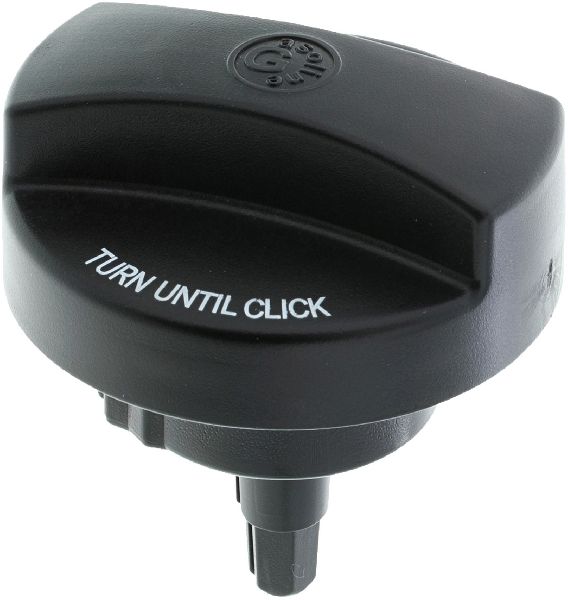
- Check the engine oil by removing the oil cap and smelling for a strong gasoline odor. A fuel smell strongly indicates the internal seal of the HPFP has failed.
- Carefully relieve fuel system pressure by following the manufacturer's procedure, which may involve disconnecting the HPFP electrical connector and running the engine briefly. Disconnect the battery.
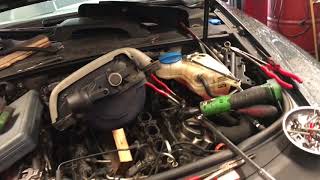
- Remove the High-Pressure Fuel Pump (HPFP) from the engine. On the 3.2L FSI, this is more involved than on 2.0T engines and may require moving a coolant crossover pipe, which necessitates draining the coolant.
- CRITICAL STEP: Remove and inspect the cam follower. If it is worn, concave, or has a hole, it must be replaced. This is the most likely cause.
- With the follower removed, inspect the lobe on the intake camshaft that drives the pump. It should be smooth and convex. Any scoring, grooving, or visible wear means the camshaft is damaged and requires replacement.
- If the cam follower and camshaft lobe are in good condition, the issue is likely the HPFP itself or the G247 pressure sensor.
- If high-pressure components seem okay, test the low-pressure fuel system. The in-tank pump should deliver a steady supply pressure (typically 4-6 bar) to the HPFP.
Parts You'll Likely Need
- High-Pressure Fuel Pump Cam Follower
(OEM #06E109309A)— This is a critical wear item and the most common failure point leading to P0089 on the 3.2L FSI engine. It is considered a mandatory replacement part when servicing the HPFP.
Trusted brands: INA, Genuine VW/Audi
OEM price range: $50-$70
Aftermarket price range: $40-$60 - High-Pressure Fuel Pump (HPFP)
(OEM #06E127025G, 06E127025AB)— This pump fails from internal wear or damage from a failed cam follower. It's the second most common cause.
Trusted brands: Bosch, Hitachi, Genuine VW/Audi
OEM price range: $450-$800
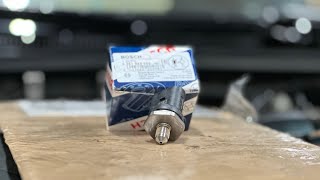
Aftermarket price range: $250-$500 - High Pressure Fuel Sensor (G247)
(OEM #06J906051D (verify by VIN))— Can fail and send erratic readings, causing a P0089 code even with a healthy fuel pump.
Trusted brands: Bosch, Genuine VW/Audi
OEM price range: $100-$180
Aftermarket price range: $50-$120
Related Codes That Often Appear With This One
- P2293 — This code for 'Fuel Pressure Regulator 2 Performance' is very common with P0089. They both point to the same set of issues within the high-pressure fuel system, often a failing HPFP or worn cam follower.
- P0087 — This code means 'Fuel Rail/System Pressure - Too Low' and often appears with P0089 when the primary issue is a failure to build enough pressure, such as from a worn cam follower or failing HPFP.
- P0300-P0306 — Misfire codes for single or multiple cylinders can occur when incorrect fuel pressure leads to a lean air/fuel mixture, causing drivability issues.
Technical Service Bulletins (TSBs) & Recalls
- While no specific TSB for P0089 on this exact model was found, TSBs for related codes and engines exist. For example, TSB 2015153/07 for VW 2.0T engines discusses cam follower wear, and TPI 2031245 for Audi addresses general fuel pressure faults. These documents confirm the manufacturer's awareness of issues within the high-pressure fuel system.
Platform-Specific Known Issues
- The 3.2L V6 FSI engine (engine code CALB) is well-known for premature wear of the HPFP cam follower, which is the primary trigger for P0089 investigations. Unlike the 2.0T engine where the HPFP is easily accessible, on the 3.2L V6, it is located at the rear of the cylinder head and may require removal of a coolant pipe for access, increasing labor time.
Mechanic-Grade Diagnostic Values
- Low-Pressure Fuel System (LPFP) output — expected: 4.0 to 6.0 bar (approx. 58 to 87 PSI).. Failure: Pressure is significantly below 4.0 bar, indicating a weak in-tank pump, clogged filter, or faulty J538 control module.
- High-Pressure Fuel System (HPFP) at idle — expected: 30 to 50 bar (approx. 435 to 725 PSI).. Failure: Pressure is significantly below or above the specified value, or is unstable at idle.
- High-Pressure Fuel System (HPFP) under load — expected: Can rise up to 120 bar (approx. 1740 PSI).. Failure: Actual pressure fails to meet specified pressure requested by the ECM during acceleration.
- G247 Sensor Harness Resistance — expected: Maximum of 1.5 Ohms.. Failure: Resistance is higher than 1.5 Ohms, indicating an open or high-resistance circuit between the sensor and the ECM.
- VCDS 'Heat Soak' Test — expected: After shutting off a fully warmed engine, fuel rail pressure should rise to over 60 bar within a few minutes due to thermal expansion.. Failure: Pressure does not rise, or it drops, indicating a leak in the high-pressure system (injector, HPFP check valve, etc.).
Hidden / Shadow Codes Worth Checking
- P310B: Low Pressure Fuel Regulation: Fuel Pressure Outside Specification. This is a more specific VAG code that points directly to an issue with the low-pressure side of the fuel system failing to supply the HPFP correctly. (see via VAG-specific scan tools like VCDS or ODIS. A generic OBD-II reader may only show P0089.)
Scan Tool Commands That Help
- VCDS (Ross-Tech): Advanced Measuring Values - 'Fuel high pressure: actual value' — Use this to perform a 'Heat Soak' test. Log the pressure at warm idle (~40-50 bar). Shut the engine off, keep ignition on. Watch the pressure reading for 5-10 minutes. A healthy, sealed system will show pressure rising above 60 bar due to fuel expansion. If pressure drops, it indicates a leak in an injector, the HPFP, or the pressure relief valve.
- VCDS (Ross-Tech): Measuring Value Blocks (MVB) Group 106 (CAN) or 140/230 (UDS) — To log 'Requested' vs 'Actual' high fuel pressure during a test drive. A large deviation where the actual pressure cannot keep up with the requested pressure under load points towards a weak HPFP or a fuel supply issue (worn cam follower, failing LPFP).
Wiring & Ground Locations
- J538 - Fuel Pump Control Module — Under the rear seat bench, on the passenger side for left-hand drive vehicles. It is housed beneath a black metal cover plate.. A failing J538 module can cause the low-pressure in-tank pump to perform incorrectly, starving the HPFP of fuel and triggering P0089 or the more specific P310B code.
- J538 Fuse — In the fuse carrier located in the dash panel on the driver's side.. A blown fuse will cut power to the control module and the in-tank fuel pump, leading to a no-start or stall condition and setting fuel pressure codes.
Real Owner Repair Stories
- AudiWorld Forums, user 'BossLadyK' (2009 Audi Q5 3.2L with 200k+ miles) — Car acts like it's running out of gas after about 30 minutes of driving. Codes P0089 and P0087 present.
❌ Tried (didn't work) Replaced in-tank fuel pump with an aftermarket unit., Replaced the aftermarket in-tank pump with another one., Replaced the HPFP with a second-hand unit from a 70k mile vehicle., Replaced the fuel pressure sensor (G247) on the rail., Replaced the fuel pump control module (J538).
✅ What actually fixed it The problem was finally solved by replacing the aftermarket in-tank fuel pump with a genuine OEM Audi in-tank fuel pump. The aftermarket pumps were unable to supply the correct pressure/volume consistently. - AudiWorld Forums, user 'Itsjdmyo' (Audi A6 (similar FSI fuel system)) — Random stalling. VCDS showed G247 sensor randomly reporting 0 bar, causing the engine to shut down. Code for G247 short to ground was present.
❌ Tried (didn't work) Replaced HPFP., Replaced electric low-pressure transfer pump., Checked wiring, fuses, and relays.
✅ What actually fixed it Found a disconnected vacuum line on the back of the intake manifold. After reconnecting it, the random stalling and fuel pressure drop issue was resolved.
"I Checked Everything" — The Actual Cause
- A confirmed repair for P0089-related symptoms involved finding a disconnected vacuum line at the rear of the intake manifold. While not a fuel system component, the unmetered air (vacuum leak) caused instability in engine operation that manifested as a fuel pressure fault and random stalling. This is a case where all fuel system components could test perfectly, but the root cause is elsewhere.
When the Usual Fixes Don't Work
- In at least one well-documented case for a high-mileage 2009 Q5 3.2L, the P0089 and P0087 codes were not caused by the usual high-pressure system suspects (HPFP, cam follower, G247 sensor). After replacing all of these components, the owner discovered the root cause was a new, but aftermarket, in-tank low-pressure fuel pump that could not provide adequate supply. The issue was only resolved by installing a genuine OEM low-pressure pump, highlighting that for this system, deviating from OEM parts on the low-pressure side can create symptoms that mimic a high-pressure side failure.
OEM Part Supersession History
Varies (e.g., 06D 906 051 A)→Varies (e.g., 06J 906 051 B)— Part revision by manufacturer.
Heads up: CRITICAL: Different G247 fuel pressure sensors are NOT interchangeable, even if they physically fit. The sensor must match the vehicle's specific ECU part number. Installing the wrong sensor can cause persistent lean running faults and other issues. Always verify the correct part number by VIN with an Audi parts department.8K0906093D, 8K0906093F→8K0906093H— Part revision for the J538 Fuel Pump Control Module.
Heads up: While later part numbers often supersede earlier ones, it is always best to confirm compatibility with the vehicle's VIN.
Diagnostic Flowchart
Other Known Issues on This Vehicle
Issues unrelated to this code that are worth knowing about as an owner of this generation:
- Intake Valve Carbon Buildup 🔴 High — Very common on all FSI engines. Becomes problematic after 50,000-80,000 miles, causing rough idle, hard starting, and misfires.
- Timing Chain Tensioner Failure 🔴 High — The upper timing chain tensioners' plastic guides can fail, causing chain rattle on startup or, in worst cases, jumped timing and engine damage. This is often addressed after 100,000 miles.
- Water Pump Failure 🟠 Medium — The water pump, often with a plastic impeller, is a known failure point. Leaks or overheating are symptoms. Some early models were part of a service campaign. (Ref: A service campaign/recall was issued for some 2009-2010 models to replace the pump.)
- Secondary Air Injection System Faults 🟡 Low — The secondary air pump can fail, or the ports in the cylinder heads can become clogged with carbon, leading to fault codes (like P0491/P0492). This is more of an emissions-related annoyance.
Used vs. New Parts: Buying Guide for This Vehicle
When a used part is the smart pick: For this specific repair, using used parts is highly discouraged for the core fuel system components. The only potential exception might be a major mechanical component like a camshaft from a verified low-mileage, non-damaged engine if the original is scored.
Donor-vehicle mileage cap: roughly under 50000 miles for the part to have meaningful remaining life.
What to inspect on the donor part:
- For a camshaft, inspect the lobes for any scoring, pitting, or discoloration.
- Verify the donor vehicle did not suffer from a catastrophic engine failure.
- Obtain the VIN of the donor car to cross-reference part compatibility.
OEM-only on this vehicle (don't cheap out):
- Low-Pressure Fuel Pump (LPFP): Aftermarket units have been proven to cause P0089 by failing to meet OEM specifications, even when new.
- High-Pressure Fuel Pump (HPFP): Due to the high stress and precision required, a new OEM or OEM-supplier (e.g., Bosch, Hitachi) pump is the only reliable option.
- HPFP Cam Follower: This is an inexpensive, high-wear sacrificial part. It must always be replaced with a new, high-quality (INA or OEM) part.
- Fuel Pressure Sensor (G247): Due to the critical incompatibility between different revisions, a new sensor verified by VIN is the only way to guarantee correct function.
Aftermarket brands forum-validated for this vehicle:
- INA: Widely regarded as the OEM supplier for the cam follower and a trusted choice.
- Bosch / Hitachi: Often the OEM suppliers for the HPFP and sensors. A part from these brands is typically equivalent to the Genuine Audi part.
Brands owners have reported issues with on this vehicle:
- Unbranded or generic 'white-box' low-pressure fuel pumps and electronic sensors should be avoided, as they are a common source of persistent, difficult-to-diagnose problems.
Real Owner Stories
Aggregated from forums and TSBs cited above. Mileages and costs reflect what owners reported in those sources.
2010 Audi Q5 3.2L FSI — ~65000 miles
Symptoms: Rough idle, hard starting, and misfires.
What fixed it: Dealer repair for intake valve carbon buildup.
Source hint: AudiWorld: Q5 FSI Carbon Build-up
2009 Audi Q5 3.2L V6 FSI
Symptoms: P0089 code with fuel pressure readings that were 'all over the place' according to the shop.
What fixed it: Replacement of the high-pressure fuel rail sensor (G247).
Source hint: Reddit r/MechanicAdvice (referenced in Faulty Fuel Pressure Sensor G247 section)
2011 Audi A6 (C6) 3.2L V6 FSI
Symptoms: P0089 code; inspection required removing the HPFP to check the flat tappet cam follower.
What fixed it: Replacement of the cam follower and the HPFP O-ring.
Source hint: AudiWorld: 3.2L FSI, How to inspect and replace HPFP Cam follower
Related OBD-II Codes
Frequently Asked Questions
How often should I replace the cam follower on my 2009-2017 Audi Q5 3.2L to prevent a P0089 code?
Is there a TSB for the cam follower wear issue on the Audi 3.2L FSI engine?
Why is the labor for P0089 diagnosis higher on my Q5 3.2L V6 compared to a 2.0T model?
Can a bad fuel pressure sensor cause a P0089 code even if my pump is fine?
What should I look for when inspecting the cam follower on my Audi Q5?
My engine oil smells like gasoline; is this related to the P0089 code?
Helpful Videos

Used OEM Parts in Stock


New Aftermarket Parts Available


The information in this article is provided for general reference and educational purposes only. Vehicle specifications, procedures, and part compatibility can vary by production date, trim level, and region. Always consult your vehicle's factory service manual and verify part numbers before purchasing or performing repairs. Safety-critical components such as airbags, seat belts, and braking systems should be installed by a qualified professional.
- Audi Q5:
- 🎬 Helpful Videos
- 🛍️ Shop This Part
- What's Unique About the 2009-2017 Audi Q5
- Symptoms You May Notice
- Most Likely Causes
- Rare But Worth Checking
- Diagnosis Steps
- Parts You'll Likely Need
- Related Codes That Often Appear With This One
- Technical Service Bulletins (TSBs) & Recalls
- Platform-Specific Known Issues
- Mechanic-Grade Diagnostic Values
- Hidden / Shadow Codes Worth Checking
- Scan Tool Commands That Help
- Wiring & Ground Locations
- Real Owner Repair Stories
- "I Checked Everything" — The Actual Cause
- When the Usual Fixes Don't Work
- OEM Part Supersession History
- Diagnostic Flowchart
- Other Known Issues on This Vehicle
- Used vs. New Parts: Buying Guide for This Vehicle
- Real Owner Stories
- 2010 Audi Q5 3.2L FSI — ~65000 miles
- 2009 Audi Q5 3.2L V6 FSI
- 2011 Audi A6 (C6) 3.2L V6 FSI
- Related OBD-II Codes
- Frequently Asked Questions
- 🎟️ Get 5% Off