

P0088 on 2013-2015 Jaguar XF 2.2L Diesel: Causes and Fixes for High Fuel Pressure
For a 2013-2015 Jaguar XF 2.2L Diesel, code P0088 is most often caused by a faulty fuel pressure regulator, also known as a suction control valve (SCV), located on the high-pressure fuel pump. Expect to pay around $50-$100 for the part, with DIY difficulty at 3/5 due to tight access at the rear of the engine. A faulty fuel rail pressure sensor is the second most likely cause.
- P0088 on your Jaguar XF 2.2L Diesel indicates fuel pressure is too high, which will likely trigger the 'Restricted Performance' limp mode.
- The most probable cause is a faulty Fuel Pressure Regulator (also called a Suction Control Valve) on the high-pressure pump.
- Before replacing expensive parts, have a mechanic check live data to see if the Fuel Rail Pressure Sensor is reporting incorrectly.
- Do not ignore this code; while you can drive in limp mode, it's unsafe and risks further damage to the fuel system.
- The repair is manageable for an experienced DIYer, but access to the components at the back of the engine is tight.
What's Unique About the 2013-2015 Jaguar XF
The 2.2L diesel engine (224DT) in the Jaguar XF (X250 generation) is a common rail system that is part of the Ford Duratorq / PSA HDi engine family. This specific engine is shared with other Jaguar Land Rover products, like the Land Rover Freelander 2 and Range Rover Evoque. This means parts and knowledge can often be cross-referenced with these models, as well as some Ford and Peugeot vehicles. For this P0088 code, owner experiences frequently point towards the fuel pressure regulator (often called a suction control valve or fuel metering valve) on the high-pressure pump, rather than the pump itself. Access to these components at the rear of the engine can be challenging.
Symptoms You May Notice
- Check Engine Light is on
- "Restricted Performance" or "Limp Mode" activation, especially under acceleration.
- Significant loss of engine power, inability to rev past ~2500-3000 RPM.
- Engine stalling or cutting out, sometimes intermittently.
- Rough or unstable idling.
- Hard starting or failure to start.
- Black smoke from the exhaust.
- Reduced fuel economy.
- Engine surging or hesitation.
- Replacing the entire high-pressure fuel pump when only the much cheaper and more accessible fuel pressure regulator (suction control valve) has failed.
- Replacing fuel injectors, which are highly unlikely to cause an over-pressure condition. They are more likely to cause low pressure if they leak.
- Replacing the in-tank low-pressure fuel pump, which is also more likely to cause low pressure (P0087) than high pressure.
Most Likely Causes
- Faulty Fuel Pressure Regulator (Suction Control Valve / Fuel Metering Valve) 🔴 High Probability This valve is a common failure point in modern Denso common rail systems. It's a small electronic solenoid that physically moves to regulate the volume of fuel entering the high-pressure pump and is subject to wear and contamination over time.
How to confirm: Diagnosis involves monitoring desired vs. actual fuel rail pressure with a diagnostic scanner. If the actual pressure is much higher than desired and doesn't respond correctly to engine load changes, the regulator is suspect. The valve itself can also be removed and inspected for debris or tested for resistance. A failure of this valve often causes the pressure to default to its maximum, triggering P0088.
Typical fix: Replacement of the fuel pressure regulator/suction control valve, which is typically mounted on the Denso high-pressure fuel pump with two bolts.
Est. part cost: $50-$150 - Faulty Fuel Rail Pressure Sensor 🟡 Medium Probability The sensor can fail electronically, sending an incorrect high-voltage signal to the ECM, which is interpreted as high pressure even if the mechanical pressure is normal.
How to confirm: With the engine off (but ignition on), check the fuel pressure reading on a scan tool. It should be near zero or atmospheric pressure. If it shows significant pressure, the sensor is likely bad. The definitive test is to compare the scan tool's live data with a reading from a mechanical pressure gauge; if they don't match, the sensor is faulty.
Typical fix: Replacement of the fuel rail pressure sensor, which is mounted on the fuel rail, often at one end.
Est. part cost: $40-$100 - Blocked or Restricted Fuel Return Line ⚪ Low Probability While not common, a kink or blockage in the return line that sends excess fuel back to the tank can prevent pressure from being relieved, causing it to build up in the rail.
How to confirm: Visually inspect the fuel return lines from the rail and pump back towards the tank for any kinks or damage. A flow test can be performed on the return line to ensure fuel is flowing back to the tank without obstruction.
Typical fix: Clear the obstruction or replace the damaged section of the fuel line.
Est. part cost: $20-$200
Rare But Worth Checking
- Failing High-Pressure Fuel Pump (HPFP): While HPFP failure more commonly causes low pressure (P0087), an internal mechanical failure of its own regulating components could theoretically cause an over-pressure situation. This is an expensive part, so it should be the last item to suspect after ruling out the regulator and sensor.
- Wiring Harness Issue: A short circuit to voltage in the wiring to the fuel rail pressure sensor can cause a false high reading. One Jaguar forum member noted that burnt electrical connectors at the in-tank fuel pump can cause various fuel system faults on the XF. A load test using a headlight bulb can help identify a wire that is damaged or internally corroded.
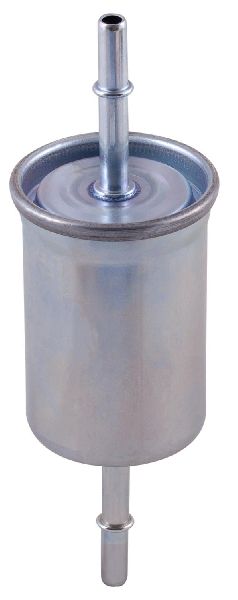
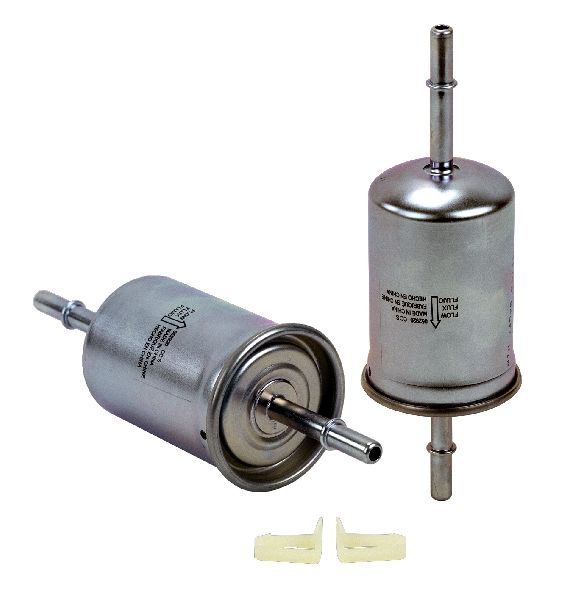
- Clogged Fuel Filter: While a clogged filter typically causes low pressure (P0087), some owners of the same 2.2L engine in Land Rover platform-mates have reported erratic pressure codes, including P0088, that were resolved by changing a severely clogged fuel filter. This could be due to the high-pressure pump overcompensating for an initial restriction.
- Faulty Powertrain Control Module (PCM/ECM): In very rare cases, after all mechanical and wiring possibilities have been exhausted, the ECM itself can be the source of the problem. One user on JaguarForums reported replacing nearly every fuel system component for a persistent P0088, with the final resolution being a replacement ECU.
Diagnosis Steps
- Connect an OBD-II scanner and confirm P0088 is the primary code. Note any other codes present, especially P0087 or any sensor circuit codes.
- Using the scanner's live data function, monitor 'Desired Fuel Rail Pressure' and 'Actual Fuel Rail Pressure'.
- With the ignition on but the engine off, check the actual fuel rail pressure. It should be very low (near 0 PSI / 0 Bar). If it reads high, the Fuel Rail Pressure Sensor is likely faulty.
- Start the engine and observe the pressure readings at idle and while carefully revving the engine. If the actual pressure is significantly higher than the desired pressure and is slow to respond or erratic, the Fuel Pressure Regulator (Suction Control Valve) is the primary suspect.
- If the sensor and regulator seem plausible, inspect the wiring and connectors for the fuel rail pressure sensor and the fuel pressure regulator for any signs of corrosion, damage, or looseness. Pay special attention to the harness where it might chafe.
- Visually inspect the fuel return lines for any obvious kinks, damage, or blockages.
- Consider replacing the fuel filter if it hasn't been changed in a long time, as it's a low-cost maintenance item that has been anecdotally linked to pressure issues.
- If all other components check out, the High-Pressure Fuel Pump may be at fault, but this should be considered the last resort due to its cost and difficulty of replacement.
Parts You'll Likely Need
- Fuel Pressure Regulator / Suction Control Valve
(OEM #Denso DCRS301380 (Verify against VIN))— This is the most frequently failing component for this code on Denso common rail diesel engines. It directly controls the pressure generated by the high-pressure pump.
Trusted brands: Denso, Bosch
OEM price range: $100-$200
Aftermarket price range: $50-$120 - Fuel Rail Pressure Sensor — This sensor provides the pressure reading to the ECM. A failure can cause a false high-pressure code, leading to unnecessary replacement of mechanical parts.
Trusted brands: Bosch, Denso
OEM price range: $80-$150
Aftermarket price range: $40-$100
Related Codes That Often Appear With This One
- P0087 — P0087 (Fuel Rail/System Pressure - Too Low) can sometimes appear alongside P0088 if the fuel pressure is fluctuating wildly due to a failing regulator or sensor, causing the pressure to go both above and below the specified range.
Technical Service Bulletins (TSBs) & Recalls
- SSM 74635: While not for P0088 specifically, this Special Service Message addresses issues where aftermarket devices in the OBD port can prevent modules from going to sleep, causing battery drain. It highlights the sensitivity of the vehicle's electrical system and the importance of proper diagnostic procedures.
- SSM 75712: This JLR SSM addresses non-start issues after an Eco Stop-Start event, with the fix being a PCM software update. This indicates that soft
Platform-Specific Known Issues
- Burnt In-Tank Fuel Pump Connector: Some Jaguar XF models have experienced issues where the electrical connector on the top of the in-tank fuel pump assembly (petrol flange) overheats and burns. While this often causes intermittent starting or low-pressure issues, the erratic electrical signal could potentially contribute to other fuel system faults. A visual inspection under the rear seat is recommended if other causes are not found.
Mechanic-Grade Diagnostic Values
- Suction Control Valve (SCV) resistance — expected: 1.9 - 3.2 Ohms at 20°C (68°F). Failure: A reading outside this range (open circuit or short) indicates a faulty valve coil.
- Low-pressure fuel system pressure at idle — expected: Approx. 70-80 PSI. Failure: Significantly higher or lower pressure indicates a problem with the in-tank lift pump or its control module, which can affect the high-pressure pump's operation.
- Fuel Rail Pressure Sensor signal voltage — expected: Operates on a 0.5V (low pressure) to 4.5V (high pressure) scale.. Failure: A signal stuck at 5V indicates a short to power or a bad ground in the sensor circuit. A signal that doesn't change with engine load suggests a faulty sensor.
Hidden / Shadow Codes Worth Checking
- P0088-XX: JLR diagnostic tools (like SDD or Pathfinder) may show a two-digit suffix (e.g., P0088-00). This suffix provides more specific details about the fault type. For example, it can differentiate between a circuit high fault, a signal above allowable range, or other sub-types. The absence of a specific suffix (-00) often points to a general or intermittent rationality failure. (see via Jaguar Land Rover dealer-level diagnostic tools (SDD, Pathfinder).)
Scan Tool Commands That Help
- JLR SDD / Pathfinder or advanced aftermarket scanner: Reset Fuel System Adaptations / Fuel Pressure Regulator Reset — This function should be performed after replacing a fuel rail pressure sensor or suction control valve. The ECM learns the characteristics of these components over time. Failing to reset these learned values can result in continued poor performance or fault codes even with new, perfectly good parts.
- Manual Procedure: Low-Pressure Fuel System Bleed — After replacing the fuel filter, the low-pressure system must be bled to prime the filter and lines. This is done by cycling the ignition to the 'ON' position (without starting the engine) for 10-15 seconds, then turning it 'OFF'. Repeating this procedure 4 times purges air from the system before the engine is started.
Real Owner Repair Stories
- JustAnswer expert response to a user (2013 Jaguar XF 2.2 diesel 200bhp) — Excessive fuel pressure physically blowing the top off the fuel filter canister. Car goes into limp mode and logs fault code P0087 (Fuel Rail/System Pressure - Too Low).
❌ Tried (didn't work) Replacing the fuel filter three times., Replacing the in-tank low-pressure fuel pump with an aftermarket unit.
✅ What actually fixed it The expert diagnosed that the root cause was likely a blockage in the fuel return line or an incompatibility with the aftermarket in-tank fuel pump. This created a massive pressure spike between the pump and the filter, causing the filter housing to fail. Paradoxically, this blockage starved the high-pressure rail, leading the rail pressure sensor to correctly report low pressure (P0087). The fix is to verify the return line is clear and, if so, replace the incompatible aftermarket pump with a genuine OEM unit.
When the Usual Fixes Don't Work
- In one documented case involving a 2013 XF 2.2d, the primary symptom was extreme over-pressurization causing the fuel filter housing to rupture. However, the diagnostic code logged by the ECU was P0087 (Fuel Rail Pressure Too Low). This contradicts the expectation that a high-pressure event would always log P0088. The actual cause was a restriction in the fuel return system, which created a physical blockage and pressure spike before the rail, while simultaneously starving the rail itself of fuel. This highlights that the location of the fault in the fuel path determines the code, and physical evidence can sometimes be more telling than the DTC alone.
OEM Part Supersession History
Denso DCRS301380 (Commonly mis-referenced)→Varies (e.g., 9671002980, LR024223)— The part number DCRS301380 is frequently listed by online catalogs for Denso common rail systems but is specified for Toyota applications.
Heads up: Using a generic or incorrectly cross-referenced Suction Control Valve can lead to persistent P0088/P0087 codes or other performance issues. It is critical to verify the correct Jaguar or Land Rover part number against the vehicle's VIN before ordering.
Diagnostic Flowchart
Real Owner Stories
Aggregated from forums and TSBs cited above. Mileages and costs reflect what owners reported in those sources.
Jaguar XF (X250)
Symptoms: Experienced a P0088 High Fuel Rail Pressure code leading to an extensive and costly diagnostic journey.
What fixed it: Owner replaced both high-pressure fuel pumps (HPFPs), sensors, and injectors without success, ultimately suspecting the ECU itself was the final culprit.
Source hint: jaguarforums.com thread titled 'P0088 High Fuel Rail Pressure'
2014 Jaguar XF 2.2L
Symptoms: Triggered a P0088 code and the vehicle immediately went into limp mode specifically under acceleration.
What fixed it: Not specified in the initial report (owner was seeking diagnostic help for the classic limp-mode symptom scenario).
Source hint: reddit.com (r/Jaguar) thread 'P0088 fuel rail/system pressure too high 2014 2.2'
Land Rover Freelander 2 2.2L (Platform Mate)
Symptoms: Experienced reduced engine performance and pulled both P0087 (low pressure) and P0088 (high pressure) codes simultaneously.
What fixed it: Resolved entirely by replacing a clogged fuel filter.
Source hint: landyzone.co.uk thread 'Reduced engine performance'
Related OBD-II Codes
Frequently Asked Questions
Does the burnt in-tank fuel pump connector issue apply to my 2013-2015 Jaguar XF 2.2L Diesel?
My XF won't start after an Eco Stop-Start event and I have a P0088 code. Is there a known fix?
My 2014 Jaguar XF 2.2L goes into 'Restricted Performance' mode under acceleration. What is the most likely cause of the P0088 code?
Can a clogged fuel filter cause a P0088 high-pressure code on the 2.2L diesel engine?
How can I test if the Fuel Rail Pressure Sensor is causing the P0088 code on my XF?
Could an aftermarket OBD-II device be causing electrical issues related to my P0088 code?
We Have This Part in Stock

The information in this article is provided for general reference and educational purposes only. Vehicle specifications, procedures, and part compatibility can vary by production date, trim level, and region. Always consult your vehicle's factory service manual and verify part numbers before purchasing or performing repairs. Safety-critical components such as airbags, seat belts, and braking systems should be installed by a qualified professional.
- Jaguar XF:
- 🛍️ Shop This Part
- What's Unique About the 2013-2015 Jaguar XF
- Symptoms You May Notice
- Most Likely Causes
- Rare But Worth Checking
- Diagnosis Steps
- Parts You'll Likely Need
- Related Codes That Often Appear With This One
- Technical Service Bulletins (TSBs) & Recalls
- Platform-Specific Known Issues
- Mechanic-Grade Diagnostic Values
- Hidden / Shadow Codes Worth Checking
- Scan Tool Commands That Help
- Real Owner Repair Stories
- When the Usual Fixes Don't Work
- OEM Part Supersession History
- Diagnostic Flowchart
- Real Owner Stories
- Jaguar XF (X250)
- 2014 Jaguar XF 2.2L
- Land Rover Freelander 2 2.2L (Platform Mate)
- Related OBD-II Codes
- Frequently Asked Questions
- 🎟️ Get 5% Off