

P0037 on 2010-2014 Hyundai Genesis Coupe 2.0T: Causes and Fixes for O2 Sensor Heater Circuit
This code points to a problem with the heater circuit in the downstream oxygen sensor (Bank 1, Sensor 2). The most common fix is replacing the sensor itself. Expect to pay between $60-$120 for an aftermarket sensor and around $150 for an OEM part. This is a DIY-friendly repair with a difficulty of 2/5.
- P0037 on your Genesis Coupe 2.0T means the heater in your downstream (post-catalytic converter) O2 sensor has failed.
- The most likely solution is to replace the downstream O2 sensor. CRITICALLY, use Part No. 39210-2C200 for 2010-2012 (BK1) models and 39210-2C210 for 2013-2014 (BK2) models; they are not interchangeable.
- Before buying a new sensor, perform a quick visual inspection of the wiring for any melting or damage and check the related fuse.
- This is a DIY-friendly job that requires basic hand tools and an O2 sensor socket. You can continue to drive the car, but you will fail an emissions test until it is fixed.
What's Unique About the 2010-2014 Hyundai Genesis Coupe
For the Genesis Coupe 2.0T, the P0037 code is a very common and straightforward issue that almost always points directly to a failed downstream O2 sensor. Unlike some vehicles where this code might suggest complex wiring or ECU problems, Genesis Coupe owners consistently report that a simple sensor replacement resolves the issue. The failure is common to both the BK1 (2010-2012) and BK2 (2013-2014) generations of the 2.0T model, which share the same Theta II engine architecture. However, it is critical to note that the part numbers for the sensor are different between these generations and are not interchangeable.
Generation note: The 2010-2014 year range covers two generations of the Genesis Coupe: the BK1 (2010-2012) and the BK2 (2013-2014). While the BK2 2.0T engine received a significant power increase and a new twin-scroll turbo, the basic engine block and emissions components like the O2 sensors remain largely the same. Part numbers for the sensor differ and are not interchangeable, but the cause, symptoms, and repair process for code P0037 are identical for both generations.
🎬 Watch: A quick overview of P0037 causes and fixes.Symptoms You May Notice
- Check Engine Light is on
- Vehicle will fail an emissions test
- Potentially a slight decrease in fuel economy
- Rough idle in some rare cases
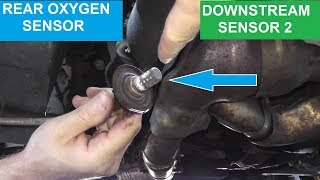
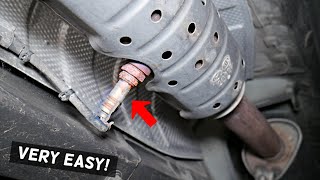
- Replacing the upstream (Bank 1, Sensor 1) O2 sensor. P0037 specifically refers to the downstream sensor (Sensor 2), which is located after the catalytic converter. 🎬 Watch: How to locate the downstream O2 sensor.
- Using the incorrect part number for the vehicle's generation. A BK1 (2010-2012) sensor will not work correctly on a BK2 (2013-2014) vehicle, and vice-versa.
Most Likely Causes
- Failed Downstream O2 Sensor 🔴 High Probability The internal heating element of the sensor is a common failure point due to age and constant, extreme heat cycles from the exhaust. This is the most reported failure for this code on Genesis Coupe forums.
How to confirm: Disconnect the sensor and test the resistance of the heater circuit with a multimeter. For this Hyundai, the resistance should be between 8.1 and 11.1 Ω at room temperature (around 21°C/70°F). An infinite reading (open circuit) or zero resistance (short) confirms a bad sensor. 🎬 See how to test and replace the rear sensor. The heater circuit pins are typically the two wires of the same color on the sensor's 4-pin square connector.
Typical fix: Replace the Bank 1, Sensor 2 (downstream) oxygen sensor. An O2 sensor socket is highly recommended for removal without damaging the wires. Ensure you use the correct part number for your vehicle's generation (BK1 vs. BK2).
Est. part cost: $60-$150 - Damaged Wiring or Connector 🟡 Medium Probability The wiring harness is located under the vehicle near the hot exhaust, making it susceptible to melting, corrosion, or physical damage from road debris. On similar Hyundai platforms, the harness has been known to come loose from retaining clips and make contact with the exhaust pipe, melting the wires.
How to confirm: Visually inspect the wiring harness and connector leading to the downstream O2 sensor for any signs of melting, chafing, corrosion, or broken wires. With the key on and engine off, use a multimeter to check for 12V power at the harness connector on the power supply wire.
Typical fix: Repair the damaged section of the wiring harness or clean/replace the connector.
Est. part cost: $5-$50 - Blown Fuse ⚪ Low Probability
How to confirm: Check the fuse box in the engine compartment for a blown fuse related to the emissions system or sensors. It may be labeled 'SENSOR' or 'A/F HEATER'. A common rating is 15 amps.
Typical fix: Replace the blown fuse. If the fuse blows again immediately, it indicates a short circuit in the wiring or the sensor itself that must be diagnosed.
Est. part cost: $1-$5
Rare But Worth Checking
- Faulty Engine Control Module (ECM): This is extremely rare. The ECM should only be considered after all other possibilities, including the sensor, wiring, and fuses, have been thoroughly tested and ruled out.
Diagnosis Steps
- Scan for any other stored trouble codes. Address other codes first if present.
- Visually inspect the downstream O2 sensor's wiring harness and connector for any obvious signs of damage, such as melting, corrosion, or breaks. Pay close attention to where the harness is routed near the exhaust.
- Check the fuse for the O2 sensor heater circuit, typically a 15A fuse located in the engine bay fuse box and often labeled 'A/F HEATER' or similar.
- Disconnect the O2 sensor. With the ignition on (engine off), test the vehicle-side harness connector for battery voltage (around 12V) on the heater power wire.
- Using a multimeter set to Ohms, test the resistance across the two heater pins (usually same-colored wires) on the sensor itself. A normal reading for this vehicle is between 8.1 and 11.1 Ω. An open circuit (infinite resistance) or a dead short (near zero resistance) indicates the sensor has failed.
- If using a professional scan tool like Hyundai GDS, use the 'Active Test' function to command the heater circuit on and off to verify the ECM's control and the circuit's response.
- If wiring and the sensor test good, the issue may be in the ground control circuit leading back to the ECM, though this is less common.
Parts You'll Likely Need
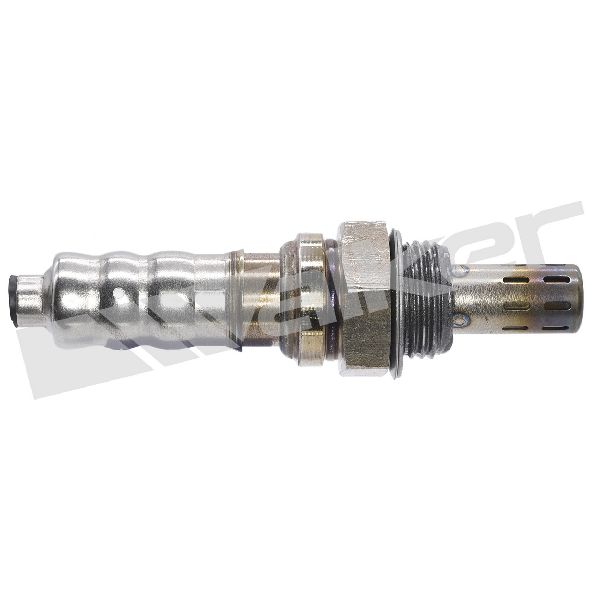
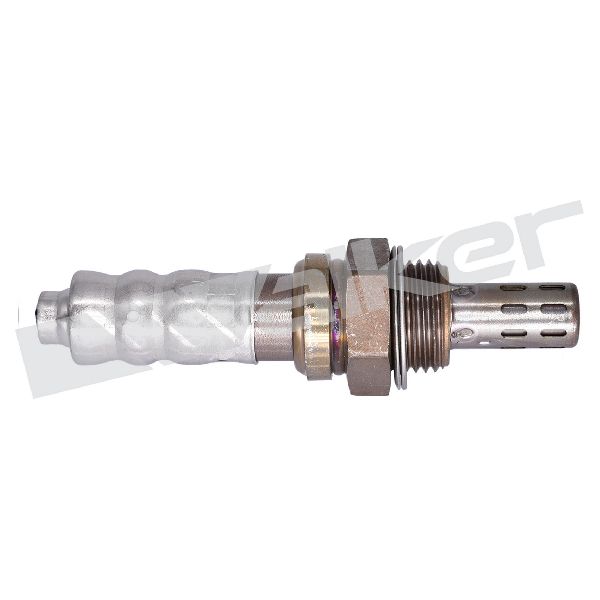
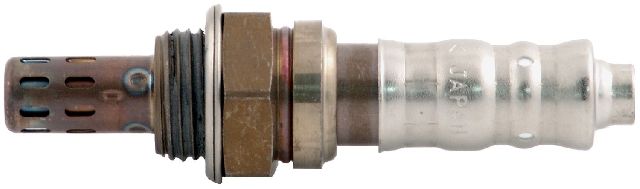
- Downstream Oxygen Sensor (Bank 1, Sensor 2)
(OEM #39210-2C210)— This is the most common failure for code P0037, as the internal heater element burns out over time. The BK1 (2010-2012) uses part number 39210-2C200, while the BK2 (2013-2014) uses 39210-2C210. It is critical to verify with VIN as these parts are not interchangeable.
Trusted brands: Denso, Bosch, NGK/NTK, Genuine Hyundai
OEM price range: $140-$180
Aftermarket price range: $60-$120
Platform-Specific Known Issues
- Owner Experience: Straightforward Replacement: Multiple owners on gencoupe.com forums confirm that for P0037, a direct replacement of the downstream O2 sensor almost always resolves the issue without further diagnosis. The job is considered simple, requiring the car to be raised and an O2 sensor socket for easy removal.
- Known Poor Factory Grounds: The Genesis Coupe platform is known in enthusiast communities for having suboptimal factory grounding points. While not a direct documented cause for P0037, poor engine-to-chassis grounds can cause a variety of electrical issues. When diagnosing any electrical fault, it is a worthwhile 'while you're in there' step to inspect and clean the main ground straps, particularly those on the engine block, intake manifold, and chassis near the battery.
Mechanic-Grade Diagnostic Values
- Downstream O2 Sensor Heater Circuit Resistance — expected: 8.1 - 11.1 Ω at 21°C (70°F). Failure: Infinite resistance (open) or near-zero resistance (short).
- Heater Circuit Power Supply (at harness connector) — expected: ~12V (Battery Voltage) with Key On, Engine Off. Failure: Low or no voltage indicates a problem with the fuse, relay, or wiring from the power source.
- Heater Circuit Control — expected: The ECM provides a pulse-width modulated ground to control the heater.. Failure: A constant ground or no ground when commanded by a scan tool may indicate an ECM or wiring fault.
Scan Tool Commands That Help
- Hyundai GDS (Global Diagnostic System): Active Test for HO2S Heater — To manually command the O2 sensor heater circuit on and off. This is used to verify that the ECM driver, wiring, and sensor heater are all functioning correctly. If the heater can be activated with the scan tool but the code persists, it points towards an intermittent issue or a problem with the ECM's monitoring logic.
Wiring & Ground Locations
- Downstream O2 Sensor Connector — On the wiring harness leading from the downstream O2 sensor, located under the vehicle after the catalytic converter.. This is a 4-pin square connector. The two same-colored wires are for the heater circuit. This is the primary point for testing voltage from the harness and resistance of the sensor.
- Engine/Chassis Grounds — Key ground points are typically on the intake manifold, from the engine block to the chassis, and near the battery tray.. The Genesis Coupe platform is known for having poor factory grounds, which can cause difficult-to-diagnose electrical issues. While the O2 sensor heater has its own ground control through the ECM, a poor main engine ground can affect the stability of the entire electrical system. Cleaning and securing these grounds is a good preventative measure.
Real Owner Repair Stories
- Aggregated from gencoupe.com and Go-Parts forum analysis (2010-2014 Genesis Coupe 2.0T (BK1 & BK2)) — Check Engine Light with heater circuit or inactivity codes (P0037, P0140).
❌ Tried (didn't work) Clearing the code without repair (code returns quickly)., Replacing the wrong sensor (upstream instead of downstream).
✅ What actually fixed it Replacing the downstream (Bank 1, Sensor 2) oxygen sensor with the correct part number for the vehicle's specific model year range (BK1 vs BK2) resolved the code in the vast majority of reported cases.
OEM Part Supersession History
39210-2C200→N/A— This is the specific part for the BK1 generation.
Heads up: This is the downstream (Sensor 2) for the BK1 Genesis Coupe 2.0T (2010-2012). It is NOT interchangeable with the BK2 part.39210-2C210→N/A— This is the specific part for the BK2 generation.
Heads up: This is the downstream (Sensor 2) for the BK2 Genesis Coupe 2.0T (2013-2014). It is NOT interchangeable with the BK1 part.
Model Year Variations Within This Range
- 2010-2012 (BK1) vs 2013-2014 (BK2): The downstream oxygen sensor part number is different. BK1 uses 39210-2C200, while BK2 uses 39210-2C210. The parts are physically different and electronically incompatible. Using the wrong part will not fix the code.
Diagnostic Flowchart
Other Known Issues on This Vehicle
Issues unrelated to this code that are worth knowing about as an owner of this generation:
- Timing Chain Wear/Noise 🟠 Medium — More common on earlier BK1 models or higher mileage vehicles (approaching 100k miles). Can manifest as a rattling noise on startup.
- Manual Transmission Grind / Lockout 🟠 Medium — A very common complaint, especially on BK1 models, but present in both. Shifting can be notchy, particularly into 2nd and 5th gear. Often improved with better transmission fluid (e.g., Redline MT-85) and upgraded shifter/transmission mounts.
- Turbo Wastegate Rattle (BK2) 🟡 Low — A widespread and annoying issue on the 2013-2014 2.0T models, causing a metallic rattle sound during light acceleration or deceleration. Hyundai often considers this a normal characteristic and not a functional failure.
- Potential for Oil Starvation 🔴 High — The Theta II engine family can be prone to oil consumption and, in severe cases, oil starvation leading to bearing failure, particularly if oil change intervals are extended. Frequent oil level checks and adhering to a 3,000-5,000 mile oil change interval is highly recommended by independent specialists. (Ref: While recalls existed for other Theta II applications (e.g., Sonata), the Genesis Coupe was not typically included.)
Used vs. New Parts: Buying Guide for This Vehicle
When a used part is the smart pick: Almost never. Oxygen sensors are a wear item with a finite lifespan. Installing a used sensor is a significant gamble as its remaining life is unknown and it may fail shortly after installation, forcing you to do the job twice.
Donor-vehicle mileage cap: roughly under 15000 miles for the part to have meaningful remaining life.
What to inspect on the donor part:
- Not applicable, as buying used O2 sensors is strongly discouraged.
OEM-only on this vehicle (don't cheap out):
- While not strictly 'OEM-only', it is critical to use a high-quality sensor from a known OEM supplier to avoid compatibility issues.
Aftermarket brands forum-validated for this vehicle:
- Denso (often the original equipment manufacturer for Hyundai).
- NGK/NTK (another primary OEM supplier with a strong reputation).
Brands owners have reported issues with on this vehicle:
- Bosch: While a major brand, forum discussions suggest their aftermarket sensors can be 'hit-or-miss' in Korean applications, sometimes leading to premature failure or incorrect readings compared to Denso or NTK.
Real Owner Stories
Aggregated from forums and TSBs cited above. Mileages and costs reflect what owners reported in those sources.
2010-2014 Hyundai Genesis Coupe 2.0L Turbo
Symptoms: Check Engine Light on; owners report the code is a common occurrence on forums.
What fixed it: Direct replacement of the downstream O2 sensor using an O2 sensor socket.
Source hint: gencoupe.com - Various threads corroborate that replacing the downstream O2 sensor is the standard and effective fix for heater circuit codes like P0037.
2010-2014 Hyundai Genesis Coupe 2.0L Turbo
Symptoms: P0037 code triggered; common DIY repair discussion.
What fixed it: Replacement of the failed O2 sensor.
Source hint: Reddit r/genesiscoupe - Discussions confirm the high probability of sensor failure being the root cause for O2 heater codes and that it's a common DIY repair.
Related OBD-II Codes
Frequently Asked Questions
Is there a specific resistance range I should look for when testing the O2 sensor on my Genesis Coupe?
Which fuse should I check for a P0037 code on the 2.0L Turbo model?
Does the BK1 vs. BK2 generation matter when buying a replacement sensor?
Can I use a used O2 sensor from a donor Genesis Coupe to save money?
Are there any other electrical maintenance steps I should take while fixing this code?
Where is the Bank 1, Sensor 2 O2 sensor located on my 2.0T?
Helpful Videos
Used OEM Parts in Stock
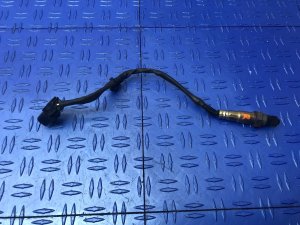
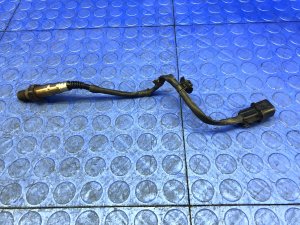
New Aftermarket Parts Available
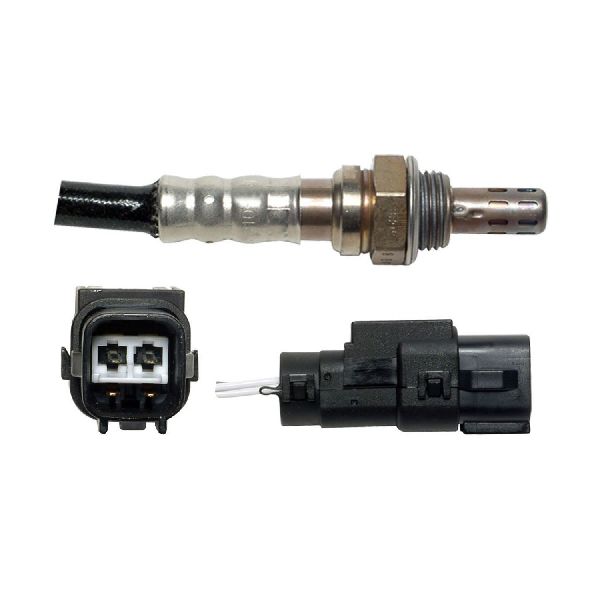
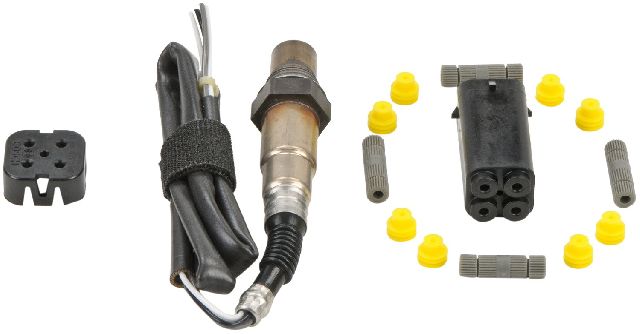


The information in this article is provided for general reference and educational purposes only. Vehicle specifications, procedures, and part compatibility can vary by production date, trim level, and region. Always consult your vehicle's factory service manual and verify part numbers before purchasing or performing repairs. Safety-critical components such as airbags, seat belts, and braking systems should be installed by a qualified professional.
- Hyundai Genesis Coupe:
- 🎬 Helpful Videos
- 🛍️ Shop This Part
- What's Unique About the 2010-2014 Hyundai Genesis Coupe
- Symptoms You May Notice
- Most Likely Causes
- Rare But Worth Checking
- Diagnosis Steps
- Parts You'll Likely Need
- Platform-Specific Known Issues
- Mechanic-Grade Diagnostic Values
- Scan Tool Commands That Help
- Wiring & Ground Locations
- Real Owner Repair Stories
- OEM Part Supersession History
- Model Year Variations Within This Range
- Diagnostic Flowchart
- Other Known Issues on This Vehicle
- Used vs. New Parts: Buying Guide for This Vehicle
- Real Owner Stories
- 2010-2014 Hyundai Genesis Coupe 2.0L Turbo
- 2010-2014 Hyundai Genesis Coupe 2.0L Turbo
- Related OBD-II Codes
- Frequently Asked Questions
- 🎟️ Get 5% Off