

P0036 on 2011-2012 Ram 3500 6.7L Cummins: O2 Heater Circuit Causes and Fixes
On a 2011-2012 Ram 3500 with the 6.7L Cummins, code P0036 is most often caused by a faulty oxygen sensor wiring connector, not the sensor itself. A Chrysler/Ram Technical Service Bulletin (TSB) advises replacing the connector pigtails or, in a later revision, installing a complete overlay harness. Always inspect the wiring before spending money on a new sensor.
- For a 2011-2012 Ram 3500 6.7L, P0036 almost always points to a bad wiring connector, not a bad sensor.
- Always inspect the wiring and connector for the downstream O2 sensor before buying parts. Look for corrosion or damage.
- Reference Chrysler TSB #25-004-12, which details this exact problem and repair.
- If the sensor itself is bad, you will need to replace the Bank 1, Sensor 2 unit, which is located after the catalytic converter/DPF.
- Driving with this code is not dangerous, but it will cause an immediate failure of any emissions inspection.
What's Unique About the 2011-2012 Ram 3500
For this specific Ram 3500 with the 6.7L Cummins engine, the cause of P0036 is very frequently a faulty wiring harness connector rather than the O2 sensor itself. Chrysler issued several Technical Service Bulletins (TSBs) for 2010-2012 models addressing this known issue, which forum users attribute to poorly crimped factory connectors. The initial fix was to replace the pigtails, but the recommendation was later updated to installing a complete overlay harness for a more robust repair. Owners who replace the sensor without addressing the underlying wiring problem often find the code returns quickly.
Symptoms You May Notice
- Check Engine Light (Malfunction Indicator Lamp) is on.
- Vehicle will fail an emissions test.
- Replacing the oxygen sensor without first inspecting the wiring connector. On this specific truck, the connector and harness are a more frequent failure point than the sensor itself, as documented by multiple TSBs.
Most Likely Causes
- Faulty O2 Sensor Wiring Harness/Connectors 🔴 High Probability This is a well-documented issue addressed by TSBs #25-004-12, #25-003-13, and #25-002-14. The connectors and wiring are susceptible to corrosion and poor contact from the factory, leading to heater circuit faults.
How to confirm: Visually inspect the Bank 1 Sensor 2 (downstream) O2 sensor connector for corrosion, pushed-out pins, or damage. Check for 12V power and good ground at the connector with the key on. The TSB essentially directs technicians to perform the repair if any O2 codes are present, without extensive diagnosis, as the wiring is the presumed cause.
Typical fix: Install the Mopar Oxygen Sensor Overlay Harness (part number 68250763AA) as instructed by the revised TSB 25-002-14. This replaces the problematic wiring for both O2 sensors. The earlier, less robust fix was to cut out the old connectors and splice in new pigtails.
Est. part cost: $70-$120 for the overlay harness - Failed Oxygen Sensor (Bank 1, Sensor 2) 🟡 Medium Probability
How to confirm: Disconnect the sensor and measure the resistance across the two heater circuit pins (usually the two same-colored wires). An open circuit (infinite resistance) or a value far outside the typical 4-30 ohm range indicates a failed internal heater.
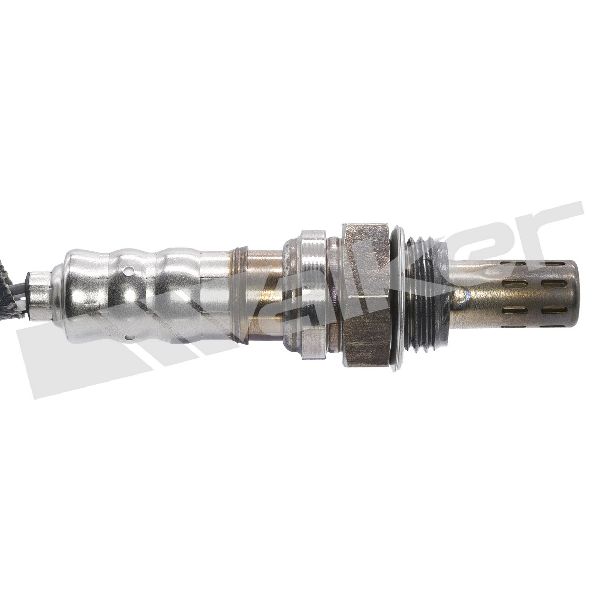
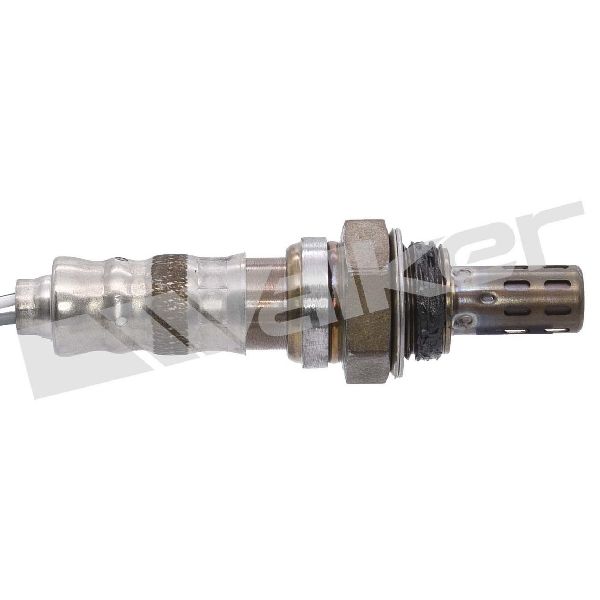
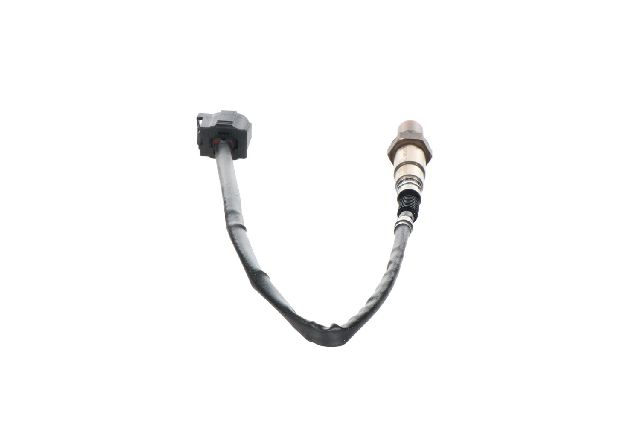
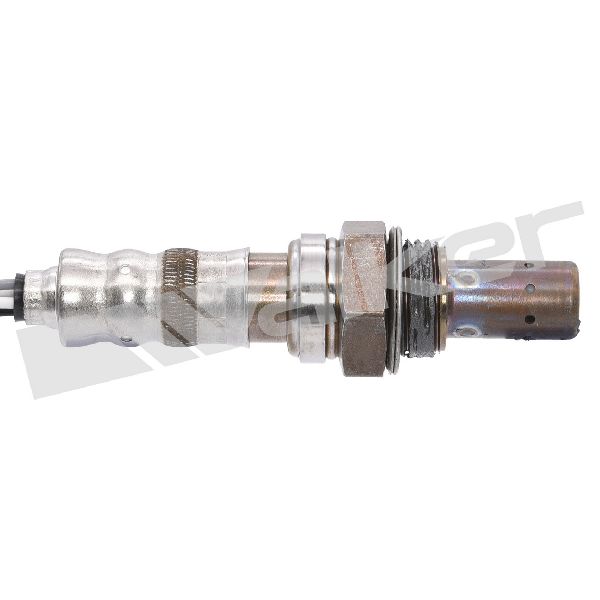
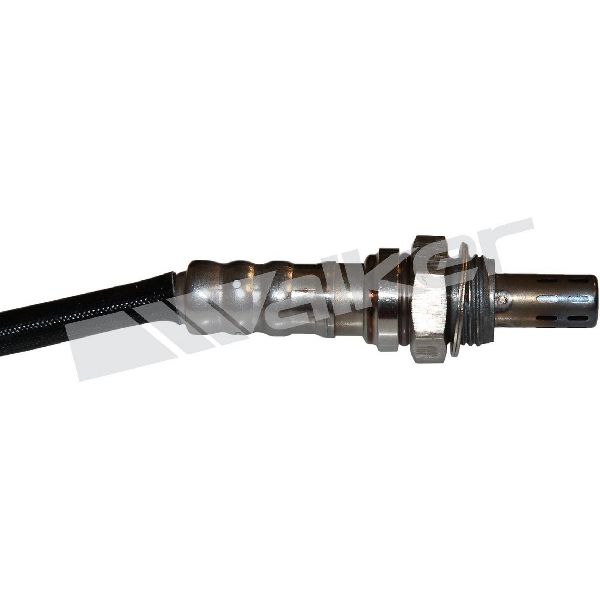
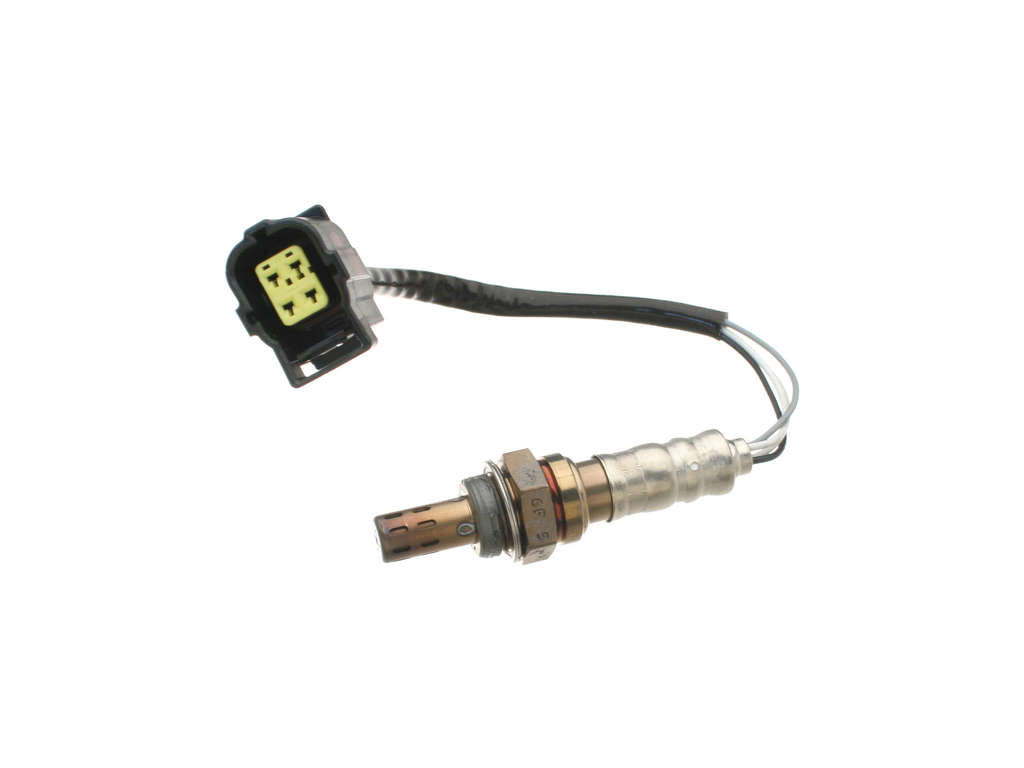
Typical fix: Replace the downstream oxygen sensor (Bank 1, Sensor 2). The OEM Mopar part number is 5149263aa.
Est. part cost: $80-$160 - Blown Fuse for O2 Sensor Heater Circuit ⚪ Low Probability
How to confirm: Locate the fuse box in the engine bay (Totally Integrated Power Module or TIPM) and check the fuse(s) related to the O2 sensor heaters. A wiring diagram may be necessary to identify the specific fuse.
Typical fix: Replace the blown fuse. If the fuse blows again, it indicates a short circuit in the wiring or the sensor itself that must be diagnosed.
Est. part cost: $1-$5
Rare But Worth Checking
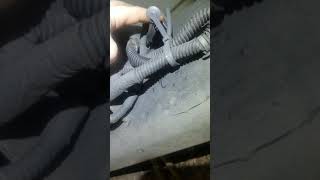
- Damaged Wiring Harness: The harness runs under the truck and is exposed to road debris and exhaust heat. A visual inspection for melted, chafed, or broken wires is always a good idea, especially if the connector looks fine.
- Faulty Powertrain Control Module (PCM): This is extremely rare. The PCM should only be considered after all other possibilities (sensor, wiring, connectors, fuses) have been definitively ruled out.
Diagnosis Steps
- Read the code with an OBD-II scanner to confirm P0036 is present.
- Acknowledge TSBs 25-004-12, 25-003-13, and 25-002-14. These state that for any O2 sensor related DTC on this vehicle, the wiring is the primary suspect and should be repaired before replacing parts.
- Visually inspect the entire wiring harness leading to the Bank 1 Sensor 2 (downstream) oxygen sensor. Look for any signs of melting, chafing, or physical damage.
- Carefully inspect the electrical connector for the sensor. Check for green or white corrosion, bent or pushed-out pins, and a secure connection.
- Check the fuse for the O2 sensor heater circuit in the under-hood fuse box (TIPM).
- If you wish to test the sensor itself, disconnect it. Use a multimeter set to Ohms to measure the resistance between the two heater pins on the sensor side of the connector (these are typically the two wires of the same color). A reading of infinite resistance (OL) means the heater is burned out and the sensor needs replacement.
- With the sensor still disconnected and the ignition key in the 'On' position (engine off), use a multimeter to check for 12-volt power on one of the pins in the harness-side connector and for a good ground on another. Lack of power or ground points to a wiring issue upstream of the connector.
- Given the known issues, if the sensor tests good but power/ground is intermittent or absent, the most effective repair is to install the overlay harness as recommended by Chrysler.
Parts You'll Likely Need
- Oxygen Sensor Overlay Harness
(OEM #68250763AA)— This is the most common and manufacturer-recommended failure point for this code on this vehicle, as documented by Chrysler/Ram TSB 25-002-14.
Trusted brands: Mopar
OEM price range: $70-$120 - Oxygen Sensor (Bank 1, Sensor 2)
(OEM #5149263aa)— If the sensor's internal heater circuit has failed the resistance test, the entire sensor must be replaced.
Trusted brands: Mopar, Bosch, Denso, NGK
OEM price range: $120-$180
Aftermarket price range: $60-$110
Related Codes That Often Appear With This One
- P0037 — This code indicates 'O2 Sensor Heater Circuit Low', which is a more specific fault within the same heater circuit. It is also listed in the same TSB.
- P0038 — This code indicates 'O2 Sensor Heater Circuit High', which is a more specific fault within the same heater circuit. It is also listed in the same TSB.
- P0054 — This code indicates 'O2 Sensor Heater Resistance (Bank 1, Sensor 2)', pointing directly to a resistance problem in the same component. It is also listed in the same TSB.
Technical Service Bulletins (TSBs) & Recalls
- 25-004-12: Malfunction Indicator Lamp Illumination Due To Oxygen Sensor. This TSB, which applies to 2010-2012 models, lists P0036 and instructs technicians to replace the O2 sensor connectors before replacing any other parts.
- 25-002-14: Malfunction Indicator Lamp Illumination Due To Oxygen Sensor. This later TSB supersedes the earlier ones and provides an updated repair procedure: installing a complete O2 sensor overlay harness (P/N 68250763AA) to permanently fix the wiring issue.
Platform-Specific Known Issues
- Technical Service Bulletin 25-004-12 and its successors specifically call out faulty oxygen sensor connectors as the cause for P0036. The final, most robust factory-recommended repair is detailed in TSB 25-002-14, which instructs technicians to install a complete overlay harness (P/N 68250763AA) rather than just splicing new pigtails.
Mechanic-Grade Diagnostic Values
- O2 Sensor Heater Element Resistance — expected: 4-10 Ohms at ambient temperature. Some sources cite a wider acceptable range of 3-30 Ohms.. Failure: An infinite resistance reading (OL on a multimeter) indicates an open circuit (burned out heater). A reading of zero indicates a short circuit.
- O2 Sensor Heater Circuit Voltage (Harness Side) — expected: With the key on, engine off, one pin should have battery voltage (approx. 12V) and another should have a good ground (near 0V). The ground is often controlled (pulsed) by the PCM when the engine is running.. Failure: Absence of 12V power points to a fuse or supply wiring issue. Absence of ground points to a control-side wiring or PCM issue.
Scan Tool Commands That Help
- wiTECH: Aftertreatment Validation Test — TSB 25-004-12 recommends performing this test if soot-related codes (like P013A) are present alongside heater codes. It helps verify if excessive soot is the root cause. It also includes a verification step to monitor O2 sensor percentage variance after a repair to ensure the sensors are responding correctly.
Wiring & Ground Locations
- Totally Integrated Power Module (TIPM) — Engine compartment, near the battery.. The fuse for the O2 sensor heater circuit is located here. For 2011-2012 models, fuse F08 (20 Amp, Blue) is listed for 'Emissions Diesel/Cummins Diesel'.
- PCM Ground Circuits — At the Powertrain Control Module (PCM) C2 harness connector, pins 4 and 6 are ground circuits.. In rare cases of chasing an electrical fault, verifying the PCM has a solid ground is a necessary step. A poor PCM ground can cause a wide range of sensor circuit issues.
- O2 Sensor 1/2 Connector — On the exhaust pipe, downstream of the diesel particulate filter assembly.. This is the primary failure point. The connector has 4 pins. Two (usually the same color) are for the heater circuit. One receives 12V power, and the other is the ground controlled by the PCM.
Real Owner Repair Stories
- Cummins Forum user report (2007-2012 Ram 2500/3500 with 6.7L Cummins) — Recurring Check Engine Light with various O2 sensor codes, including those related to P0036.
❌ Tried (didn't work) Replacing the O2 sensors multiple times, Replacing sections of the wiring harness
✅ What actually fixed it The root cause was corrosion on the connector pins of the O2 Sensor Module located on the frame rail. The fix was to disconnect the module, and clean the pins on both the module and the harness connector. - YouTube video '6.7l Cummins RAM Wiring Weak Point' (2012 Ram 2500 6.7L Cummins) — Not a specific code, but a preventative measure for known wiring issues.
✅ What actually fixed it The large wiring connector that connects the engine harness to the main chassis harness was poorly secured from the factory, causing excessive vibration. The owner secured the connector firmly to a body mount using zip ties to prevent wires from shaking and breaking over time, a potential cause of intermittent circuit faults like P0036.
OEM Part Supersession History
68203454AA→68250763AA— Updated design for the O2 Sensor Overlay Harness to provide a more robust and permanent repair for the known connector issue.68067170AA→5149263AA— Standard part number update/revision for the downstream oxygen sensor.
Heads up: Both part numbers refer to the correct sensor for this application.
Diagnostic Flowchart
Other Known Issues on This Vehicle
Issues unrelated to this code that are worth knowing about as an owner of this generation:
- 68RFE Transmission Failures 🔴 High — Common in trucks used for heavy towing or with performance tunes. Issues include torque converter shudder/failure, overheating, and burnt clutch packs.
- EGR System Failures (Cooler & Valve) 🔴 High — Very common issue. The EGR cooler is prone to cracking internally, causing coolant loss (white smoke from exhaust) and potential engine overheating. The EGR valve can clog with soot, causing rough running and power loss.
- Front Suspension 'Death Wobble' 🔴 High — A violent, uncontrolled shaking of the front wheels, typically triggered by hitting a bump at highway speeds. It is a well-known issue on solid-front-axle Ram trucks caused by worn track bar bushings, ball joints, or other steering components. (Ref: Multiple steering-related recalls (e.g., N49) were issued, but the problem can persist or reappear if components wear.)
- TIPM (Totally Integrated Power Module) Failure 🟠 Medium — The main fuse box/computer is a known high-failure item for 2011-2012 models. Failure causes a wide range of bizarre electrical issues, including problems with the fuel pump, wipers, horn, and lights.
Used vs. New Parts: Buying Guide for This Vehicle
When a used part is the smart pick: For this specific repair, using used parts is generally not recommended. The primary failure is wiring-related, and a used harness from a donor vehicle of the same vintage is likely to have the same factory defect or be suffering from age and heat exposure.
OEM-only on this vehicle (don't cheap out):
- Oxygen Sensor Overlay Harness - The Mopar harness (68250763AA) is the specific, engineered fix for a known factory defect. An aftermarket or used harness may not solve the problem permanently.
Aftermarket brands forum-validated for this vehicle:
- For the Oxygen Sensor itself (if it is confirmed bad), brands like Bosch, Denso, and NGK/NTK are widely considered reliable OEM-quality alternatives to Mopar.
Brands owners have reported issues with on this vehicle:
- Avoid unbranded, 'white-box' oxygen sensors from online marketplaces. They often have poor quality control and may fail prematurely or not meet the PCM's specific performance parameters, causing the code to return.
Real Owner Stories
Aggregated from forums and TSBs cited above. Mileages and costs reflect what owners reported in those sources.
2011-2012 Ram 3500 6.7L Cummins
Symptoms: A technician noted that 2011 and 2012 models had issues where the O2 sensor harness connectors were not crimped properly from the factory.
What fixed it: Installation of the overlay harness to correct the improper factory crimps.
Source hint: Diesel Truck Resource Forums - Thread: '6.7 issues.'
2011-2012 Ram 3500 6.7L Cummins
Symptoms: Owners reported the Check Engine Light for P0036 persisting even after they mistakenly replaced the oxygen sensor first.
What fixed it: Repairing the wiring and connector issues as detailed in the factory TSBs.
Source hint: cumminsforum.com / hdrams.com
Related OBD-II Codes
Frequently Asked Questions
Which TSB specifically addresses the O2 sensor wiring issues on my 2011 Ram 3500?
Can I just replace the O2 sensor (Bank 1, Sensor 2) to fix P0036?
What is the specific part number for the recommended wiring fix?
Is the Ram 2500 with the 6.7L Cummins also affected by this P0036 wiring issue?
Where is the fuse for the O2 sensor heater circuit located on a 2012 Ram 3500?
What should the resistance be if I test the Bank 1 Sensor 2 heater circuit?
Helpful Videos
We Have This Part in Stock

The information in this article is provided for general reference and educational purposes only. Vehicle specifications, procedures, and part compatibility can vary by production date, trim level, and region. Always consult your vehicle's factory service manual and verify part numbers before purchasing or performing repairs. Safety-critical components such as airbags, seat belts, and braking systems should be installed by a qualified professional.
- Ram 3500:
- 🎬 Helpful Videos
- 🛍️ Shop This Part
- What's Unique About the 2011-2012 Ram 3500
- Symptoms You May Notice
- Most Likely Causes
- Rare But Worth Checking
- Diagnosis Steps
- Parts You'll Likely Need
- Related Codes That Often Appear With This One
- Technical Service Bulletins (TSBs) & Recalls
- Platform-Specific Known Issues
- Mechanic-Grade Diagnostic Values
- Scan Tool Commands That Help
- Wiring & Ground Locations
- Real Owner Repair Stories
- OEM Part Supersession History
- Diagnostic Flowchart
- Other Known Issues on This Vehicle
- Used vs. New Parts: Buying Guide for This Vehicle
- Real Owner Stories
- 2011-2012 Ram 3500 6.7L Cummins
- 2011-2012 Ram 3500 6.7L Cummins
- Related OBD-II Codes
- Frequently Asked Questions
- 🎟️ Get 5% Off