

P0030 on 2010-2015 Hyundai Tucson 2.4L: Heater Circuit Causes and Fixes
This code almost always points to a failed upstream oxygen sensor (Bank 1, Sensor 1). The internal heater element burns out, triggering the fault. Replacing the sensor is the most common fix. Before replacing, check the 'SENSOR 4' 15A fuse in the engine bay fuse box. Expect to pay $60-$120 for an aftermarket part or $150-$250 for an OEM sensor. It's a straightforward DIY job for many.
- P0030 means the heater in your upstream (pre-catalytic converter) oxygen sensor has a problem.
- The most likely fix is to replace the upstream oxygen sensor itself after checking for a blown fuse.
- Before buying parts, always check the 15A 'SENSOR 4' fuse for the O2 sensor heater circuit in the engine bay fuse box.
- Thoroughly inspect the sensor's wiring for any signs of melting or damage, as it is routed near the hot exhaust.
- An oxygen sensor socket (a special socket with a slot for the wire) will make the replacement job much easier.
What's Unique About the 2010-2015 Hyundai Tucson
On the 2010-2015 Tucson with the 2.4L engine, the upstream O2 sensor is located on the rear of the engine, on the exhaust manifold. Its wiring is routed near the hot exhaust, making it somewhat susceptible to melting if the retaining clips fail or if it's not re-secured properly after service. Multiple owner and mechanic reports emphasize checking for melted wiring near the exhaust manifold as a key diagnostic step for this specific vehicle and its platform mates.
Symptoms You May Notice
- Check Engine Light is on
- Decreased fuel economy
- Rough idle, especially when the engine is cold
- Failing a vehicle emissions test
- Vehicle may take longer to enter closed-loop operation
- Replacing the downstream (Sensor 2) oxygen sensor instead of the upstream (Sensor 1) sensor.
- Replacing the catalytic converter.
- Overlooking a simple blown fuse before buying parts.
Most Likely Causes
- Failed Upstream Oxygen Sensor 🔴 High Probability The internal heater element within the sensor is a common failure point due to constant, rapid heat cycles. The element is essentially a resistor that burns out over time.
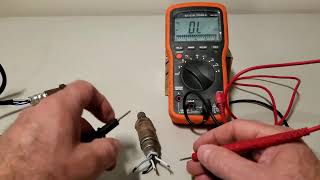
How to confirm: After confirming the fuse and wiring are intact, test the resistance of the heater circuit within the sensor using a multimeter. Disconnect the sensor and measure between the two same-colored wires (usually black). A good heater should have a resistance of approximately 9.0 Ω at 20°C (68°F). If it shows an open circuit (infinite resistance) or is far out of spec, the sensor is bad.
Typical fix: Replace the Bank 1, Sensor 1 (upstream) oxygen sensor. An oxygen sensor socket is highly recommended for removal.
Est. part cost: $60-$250 - Damaged Wiring or Connector 🟡 Medium Probability The sensor's wiring is located near the hot exhaust manifold and can melt if it comes loose from its retaining clips. This is a frequently cited issue in repair videos for this platform.
How to confirm: Visually inspect the entire length of the oxygen sensor's wiring harness from the sensor to the main engine harness. Look for melted sections, chafing, or breaks. Check the connector, located on the back of the engine, for corrosion, backed-out pins, or damage.
Typical fix: Repair the damaged section of wire or replace the connector pigtail. If damage is extensive, replacing the sensor (which includes the harness) is often the easiest solution.
Est. part cost: $10-$50 - Blown Fuse ⚪ Low Probability
How to confirm: Locate the fuse box in the engine compartment. Check the fuse box diagram on the cover for a fuse labeled 'SENSOR 4'. On the 2010-2013 Tucson, this is a 15A fuse that protects the Oxygen Sensor (UP, DOWN) circuit. Visually inspect the fuse to see if it is blown. A blown fuse often indicates a short circuit in the wiring or the sensor itself.
Typical fix: Replace the blown fuse. If the fuse blows again immediately, it indicates a short circuit in the wiring or the sensor itself that must be found and fixed.
Est. part cost: $1-$5
Rare But Worth Checking
- Faulty Powertrain Control Module (PCM): This is very rare. The PCM's internal driver for the heater circuit can fail, but this should be the last resort. All other possibilities, including the sensor, wiring, and fuses, should be exhaustively ruled out before considering a PCM failure.
Diagnosis Steps
- Read the code with an OBD-II scanner to confirm P0030 is present.
- Locate the engine compartment fuse box, found near the battery. Inspect the 15A fuse labeled 'SENSOR 4', which powers the O2 sensor heater circuit. If it's blown, replace it and see if the code returns. If it blows again, suspect a short.
- If the fuse is good, locate the upstream oxygen sensor (Bank 1, Sensor 1). It is on the exhaust manifold on the back side of the engine.
- Carefully inspect the sensor's wiring harness for any signs of melting, chafing, or damage from contact with the exhaust. Ensure the connector is securely plugged in and free of corrosion.
- If the wiring appears intact, disconnect the sensor and test the resistance of the heater circuit pins on the sensor side using a multimeter. The heater pins are the two wires of the same color. A reading should be around 9.0 Ω. A reading of infinite resistance (open) or a value far outside this specification confirms a bad sensor.
- If the sensor's resistance is good, check for 12V power at the heater circuit pins on the vehicle's harness connector (with the key on, engine off).
- If power and ground are present and the wiring is good, the oxygen sensor itself has most likely failed internally.
Parts You'll Likely Need
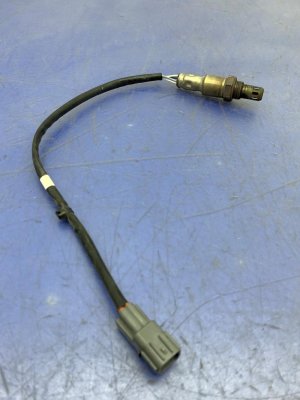
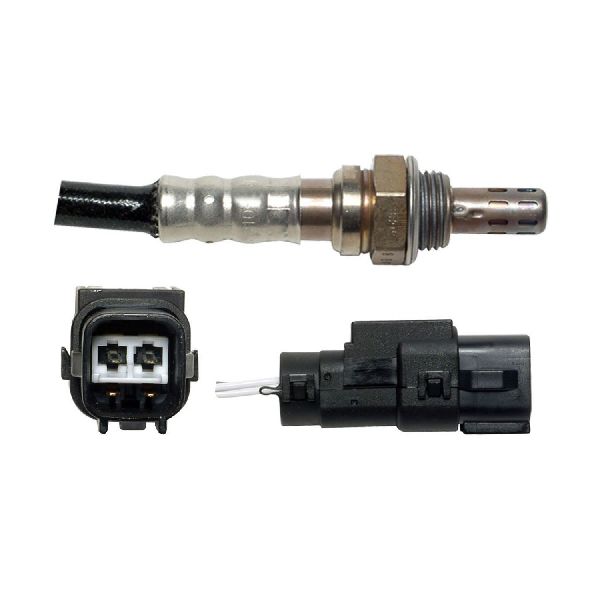
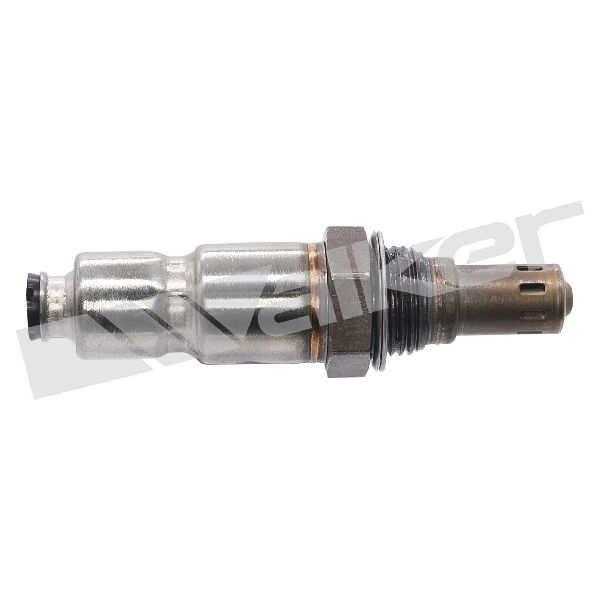
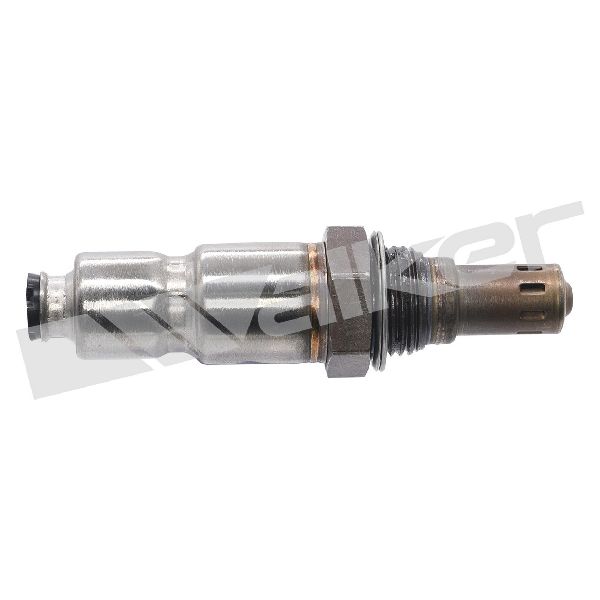
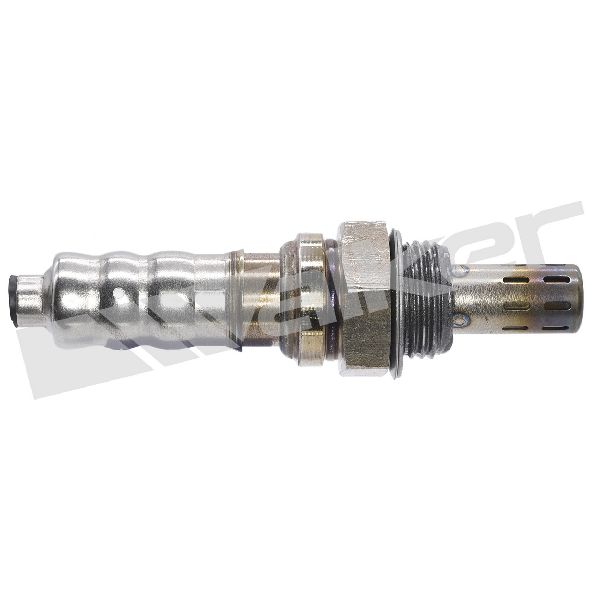
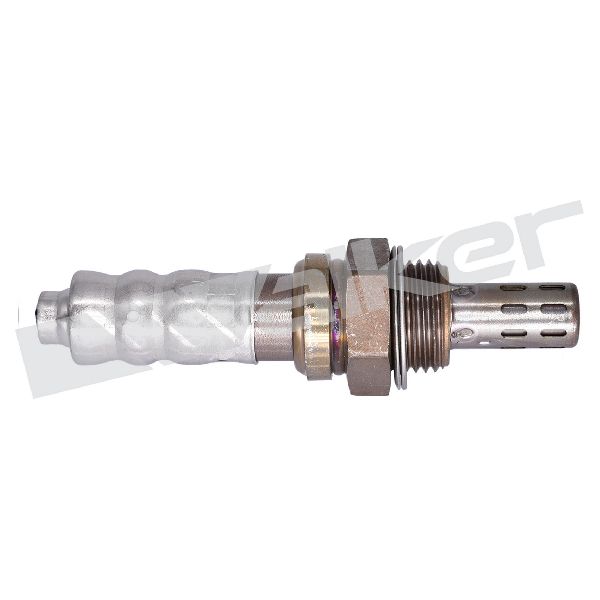
- Upstream Oxygen Sensor (Bank 1, Sensor 1)
(OEM #39210-2G100)— The internal heater element fails, which is the most frequent cause of code P0030. Part number 39210-2G200 is often listed as a compatible or superseding part for the rear/downstream sensor but sometimes cross-referenced incorrectly; always verify with your vehicle's VIN. 39210-2G100 is the correct upstream sensor for many 2.4L applications in this year range.
Trusted brands: Hyundai (OEM), Denso, Bosch, NGK/NTK
OEM price range: $150-$250
Aftermarket price range: $60-$120
Related Codes That Often Appear With This One
- P0031 — This code indicates the heater circuit has low voltage (short to ground), which is a more specific version of the general P0030 fault.
- P0032 — This code indicates the heater circuit has high voltage (open circuit), another specific fault related to the same circuit as P0030.
- P0135 — This is the generic SAE equivalent of P0030 and may appear on some scan tools, indicating the same heater circuit malfunction.
Platform-Specific Known Issues
- A complaint was filed with the NHTSA for a Hyundai vehicle where code P0030, defined as H02S Heater Control Circuit (Bank 1, Sensor 1), appeared along with other engine codes. [ODI #11675752]
- On the Hyundai Forums, a user with a 2011 Tucson 2.4L reported getting code P0030 and confirmed the fix was replacing the upstream O2 sensor. (hyundai-forums.com/threads/p0030-code.678114/)
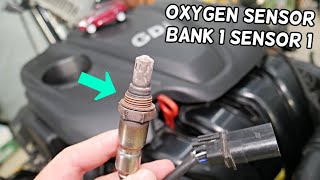
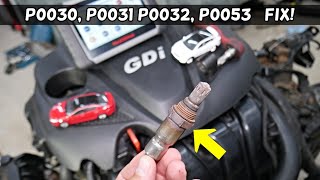
- A YouTube video by 'Electrical Car Repair LIVE' specifically addresses P0030 on the Tucson, highlighting the bad sensor and melted wires as the top two causes.
Mechanic-Grade Diagnostic Values
- O2 Sensor Heater Element Resistance — expected: Approx. 9.0 to 9.5 Ω at room temperature.. Failure: An open circuit (infinite resistance) or a value significantly outside the expected range indicates a failed heater element.
- Voltage supply to heater circuit at harness connector — expected: Battery voltage (approx. 12V) with Key On, Engine Off.. Failure: No voltage indicates a blown fuse (SENSOR 4, 15A) or an open in the power supply wire.
- Heater control circuit activity — expected: The PCM grounds this circuit using a Pulse Width Modulated (PWM) signal to control heat. On a multimeter, this may appear as a fluctuating voltage; on an oscilloscope, it will be a square wave.. Failure: A constant ground or no ground signal from the PCM (when power is present and the sensor/wiring are good) points to a potential PCM driver failure.
Scan Tool Commands That Help
- Hyundai GDS (Global Diagnostic System): Live Data / Data Analysis — Use this to monitor the 'O2 Sensor Heater Duty Cycle' PID. This value shows if the PCM is attempting to command the heater on. A high duty cycle (e.g., >90%) with no change in sensor warmup speed can confirm the PCM is trying to work, but the circuit or sensor is failing.
- Hyundai GDS (Global Diagnostic System): Actuation Test — The GDS tool's actuation test menu can be used to command various circuits on and off. While a specific 'Heater Test' was not named, this function would be used to manually command the heater circuit to verify the integrity of the wiring and the PCM's driver.
Wiring & Ground Locations
- Upstream O2 Sensor Heater Control Wire — This wire runs from the upstream O2 sensor connector to the PCM. In a 2012 Tucson wiring diagram, it is labeled 'SENS HTR UP STREAM'.. This is the specific wire the PCM uses to ground and control the heater element. Checking for continuity and for a short-to-ground on this wire is a critical diagnostic step if the sensor and fuse are good.
- Upstream O2 Sensor Power Supply Wire — This wire runs from the 'SENSOR 4' 15A fuse in the engine room fuse box to the O2 sensor connector.. This wire provides the 12V power for the heater element. A break or short in this wire will cause P0030.
OEM Part Supersession History
39210-2G100→N/A— This part number is widely referenced for the upstream sensor on 2.4L models from 2010-2013/2014.
Heads up: Part vendor sites can be confusing, sometimes listing this single part number for upstream, downstream, 2.0L, and 2.4L applications across a wide year range. Always verify the correct part number for your specific vehicle's VIN and engine type (MPI vs. GDI) before purchasing.
Model Year Variations Within This Range
- 2010-2013: These model years primarily used the 2.4L Theta II MPI (Multi-Point Injection) engine, designated G4KE.
- 2014-2015: For the 2014 model year, Hyundai upgraded the Tucson's 2.4L engine to the Theta II GDI (Gasoline Direct Injection), designated G4KJ. While the function of the O2 sensor heater is the same, GDI engines have different engine management software and components. This change is critical to note when sourcing parts or consulting repair information.
Diagnostic Flowchart
Other Known Issues on This Vehicle
Issues unrelated to this code that are worth knowing about as an owner of this generation:
- Theta II Engine Seizure/Failure 🔴 High — Widespread across multiple model years and vehicles with the 2.4L GDI/MPI engine. Can occur at various mileages. (Ref: Subject of multiple recalls, a lifetime warranty extension, and a major class-action settlement (Flaherty v. Hyundai Motor Company, et al.). The issue stems from manufacturing debris restricting oil flow, leading to connecting rod bearing failure.)
- Excessive Oil Consumption 🟠 Medium — Common complaint for the 2.4L Theta II engine, often preceding more catastrophic engine failure. (Ref: Related to the broader engine defect settlement.)
- ABS Module Fire Risk 🔴 High — Affects a range of Hyundai models, including the 2014-2015 Tucson. Can occur while parked or driving. (Ref: NHTSA Recall 20V520000. The ABS module can leak brake fluid internally, causing an electrical short and potential fire.)
- Timing Chain Tensioner Failure 🟠 Medium — The timing chain tensioner can fail, leading to rattling noises and potential for the chain to jump time, causing severe engine damage.
Used vs. New Parts: Buying Guide for This Vehicle
When a used part is the smart pick: It is strongly recommended to avoid used oxygen sensors. They are a wear-and-tear component with a finite lifespan. The cost savings from a junkyard part are minimal compared to the labor of replacing it again and the risk of receiving a part that is already failing or near the end of its service life.
OEM-only on this vehicle (don't cheap out):
- While not strictly OEM-only, it is critical to use a high-quality sensor. Cheap, unbranded 'white-box' sensors are notorious for failing prematurely or not performing to OE specifications, leading to the code returning.
Aftermarket brands forum-validated for this vehicle:
- Denso
- NTK (a brand of NGK)
- Bosch
Brands owners have reported issues with on this vehicle:
- Unbranded, no-name sensors from online marketplaces should be avoided due to high reports of premature failure and incorrect readings.
Real Owner Stories
Aggregated from forums and TSBs cited above. Mileages and costs reflect what owners reported in those sources.
2011 Hyundai Tucson 2.4L
Symptoms: Check engine light on with code P0030.
What fixed it: Replacing the upstream O2 sensor (Bank 1, Sensor 1).
Source hint: hyundai-forums.com/threads/p0030-code.678114/
2011 Hyundai Tucson Limited AWD 2.4L
Symptoms: Owner reported diagnostic codes and sought specific part numbers and tool advice for replacement.
What fixed it: Replacing the Bank 1 Sensor 1 oxygen sensor using an oxygen sensor socket.
Source hint: www.hyundai-forums.com/threads/2011-tucson-limited-awd-2-4l-o2-sensor-replacement-b1s1.673890/
2012 Hyundai Tucson
Symptoms: Experienced codes P0030 and P0133 simultaneously.
What fixed it: Community advised checking the 'SENSOR 4' fuse first as it is a common failure point before replacing the sensor.
Source hint: www.tucson-forum.com/threads/p0030-and-p0133-on-2012-tucson.1377/
Related OBD-II Codes
Frequently Asked Questions
Where is the fuse for the O2 sensor heater located on my 2010-2013 Tucson?
Which oxygen sensor do I need to replace for code P0030 on my 2.4L Theta II engine?
What is the correct resistance specification for the heater circuit on a 2010-2015 Tucson upstream O2 sensor?
Could my P0030 code be caused by the common Theta II engine issues like oil consumption?
Is there a recall for my 2014-2015 Tucson that I should be aware of while fixing this code?
What aftermarket brands are recommended for replacing the O2 sensor on this vehicle?
Helpful Videos

Used OEM Parts in Stock
New Aftermarket Parts Available


The information in this article is provided for general reference and educational purposes only. Vehicle specifications, procedures, and part compatibility can vary by production date, trim level, and region. Always consult your vehicle's factory service manual and verify part numbers before purchasing or performing repairs. Safety-critical components such as airbags, seat belts, and braking systems should be installed by a qualified professional.
- Hyundai Tucson:
- 🎬 Helpful Videos
- 🛍️ Shop This Part
- What's Unique About the 2010-2015 Hyundai Tucson
- Symptoms You May Notice
- Most Likely Causes
- Rare But Worth Checking
- Diagnosis Steps
- Parts You'll Likely Need
- Related Codes That Often Appear With This One
- Platform-Specific Known Issues
- Mechanic-Grade Diagnostic Values
- Scan Tool Commands That Help
- Wiring & Ground Locations
- OEM Part Supersession History
- Model Year Variations Within This Range
- Diagnostic Flowchart
- Other Known Issues on This Vehicle
- Used vs. New Parts: Buying Guide for This Vehicle
- Real Owner Stories
- 2011 Hyundai Tucson 2.4L
- 2011 Hyundai Tucson Limited AWD 2.4L
- 2012 Hyundai Tucson
- Related OBD-II Codes
- Frequently Asked Questions
- 🎟️ Get 5% Off