

P0030 on 2006-2010 Hummer H3: HO2S Heater Circuit Causes and Fixes
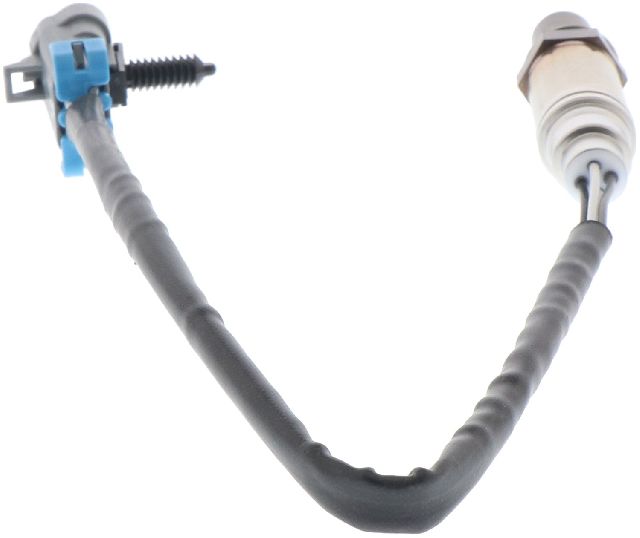
On a 2006-2010 Hummer H3, code P0030 almost always means the heater element inside the upstream oxygen sensor (Bank 1, Sensor 1) has failed. The most common fix is to replace the sensor, which costs about $30-$70 for a quality aftermarket part (like Denso or NTK) and is a 2/5 DIY difficulty. Before replacing, check the O2 sensor fuse in the underhood fuse box.
- P0030 on your H3 points to a fault in the upstream O2 sensor's heater circuit.
- The most likely culprit is the O2 sensor itself, which needs to be replaced. Denso and NGK/NTK are highly recommended aftermarket brands.
- Before buying a new sensor, check the 'O2 HTR' or similar fuse in the underhood fuse box and inspect the wiring for obvious damage.
- The sensor is located on the driver's side exhaust manifold; use penetrating oil before attempting removal as it is often stuck.
- This is a DIY-friendly repair with a special O2 sensor socket, typically taking less than an hour.
What's Unique About the 2006-2010 Hummer H3
The Hummer H3's inline-five (I5) engine has only one cylinder bank, simplifying diagnosis. 'Bank 1' is the only bank, and 'Sensor 1' is the upstream O2 sensor located on the exhaust manifold. Owners frequently report that the original sensor can be difficult to remove due to rust and heat cycling, often requiring penetrating oil and a special 22mm (7/8") O2 sensor socket for successful replacement. The most common failure point is the internal heater element of the sensor itself. A less common but noted issue on these GM platforms is a loose connection at the Underhood Bussed Electrical Center (UBEC) or main fuse box, which can cause multiple, seemingly unrelated codes including P0030.
Symptoms You May Notice
- Check Engine Light is on
- Reduced fuel economy
- Rough or unstable idle, especially when the engine is cold
- Failure to pass an emissions test
- Slight hesitation on acceleration from a stop
- Replacing the downstream (Sensor 2) oxygen sensor instead of the upstream (Sensor 1) sensor.
- Replacing the catalytic converter when other codes like P0420 are present, without first addressing the P0030 fault.
- Assuming a cheap, no-name sensor will perform as well as an OEM or quality aftermarket part. Some owners report issues returning after using low-quality sensors.
Most Likely Causes
- Failed Oxygen Sensor Heater Element 🔴 High Probability The heater element is a delicate resistor that is subject to constant, extreme heat cycles, which eventually leads to burnout. This is a common failure item on most vehicles and the primary cause for P0030.
How to confirm: Disconnect the sensor and measure the resistance between the two heater circuit pins (usually the two same-colored wires, e.g., two blacks or two whites). 🎬 Watch: How to test the heater circuit with a multimeter. A reading of 'OL' or infinite resistance means the heater is open and has failed. A normal reading is typically between 2 and 20 ohms.
Typical fix: Replace the upstream (Bank 1, Sensor 1) oxygen sensor. Applying anti-seize compound to the threads of the new sensor is highly recommended to ease future replacement.
Est. part cost: $30-$80 - Damaged Wiring or Connector 🟡 Medium Probability The sensor wiring is located near the hot exhaust manifold, making it susceptible to melting or becoming brittle and cracking over time. The connector itself can also become contaminated or corroded.
How to confirm: Visually inspect the wiring harness leading to the O2 sensor for any signs of melting, chafing, or corrosion at the connector pins. Check for 12V power at the heater supply wire with the key on, engine off. Check for continuity to ground on the heater control wire.
Typical fix: Repair the damaged section of the wiring harness or clean/replace the connector.
Est. part cost: $5-$25 - Blown Fuse ⚪ Low Probability A short circuit in the heater wiring or the sensor itself can cause the associated fuse to blow. On the H3, this fuse is often shared with other components.
How to confirm: Locate the fuse for the O2 sensor heater circuit in the underhood fuse box. It is often labeled 'O2 HTR', 'ENG SENS', or similar. On some GM trucks, it may be part of a multi-function fuse. Check if it is blown.
Typical fix: Replace the blown fuse. If it blows again immediately, a short circuit is present that must be diagnosed and repaired before replacing the fuse again.
Est. part cost: $1-$5
Rare But Worth Checking
- Faulty Powertrain Control Module (PCM): This is very rare. Before condemning the PCM, all other possibilities, including the sensor, wiring, and fuses, must be exhaustively checked. A failure in the PCM's driver circuit for the heater can cause this code.
- Loose Underhood Fuse Box (UBEC) Connector: A known issue on early H3s where a loose main connector to the fuse box can cause a variety of codes, including P0030 and P0036, along with 'Reduced Power' messages. The fix is to reseat the main connectors to the UBEC.
Diagnosis Steps
- Verify the code with an OBD-II scanner.
- Check the fuse for the O2 sensor heater circuit in the underhood fuse box. It may be labeled 'O2 HTR' or similar.
- If the fuse is good, perform a visual inspection of the upstream O2 sensor's wiring and connector. Look for any signs of melting, corrosion, or physical damage.
- With the key on and engine off, use a multimeter to verify 12V power is present at the heater circuit supply wire on the harness side of the connector.
- Disconnect the sensor and measure the resistance of the heater element across the two heater pins on the sensor itself (typically the two wires of the same color). An open circuit (infinite resistance) or very high resistance confirms the sensor has failed. A good sensor should have low resistance, typically 2-20 ohms.
- If power is present and the sensor's resistance is within spec, check for continuity on the ground control wire between the sensor connector and the PCM.
- If all wiring and the sensor check out, the issue may be with the PCM, but this is highly unlikely.
Parts You'll Likely Need
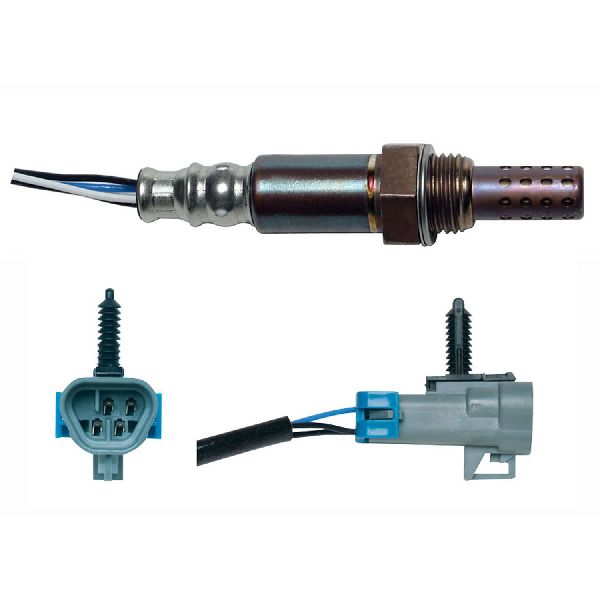
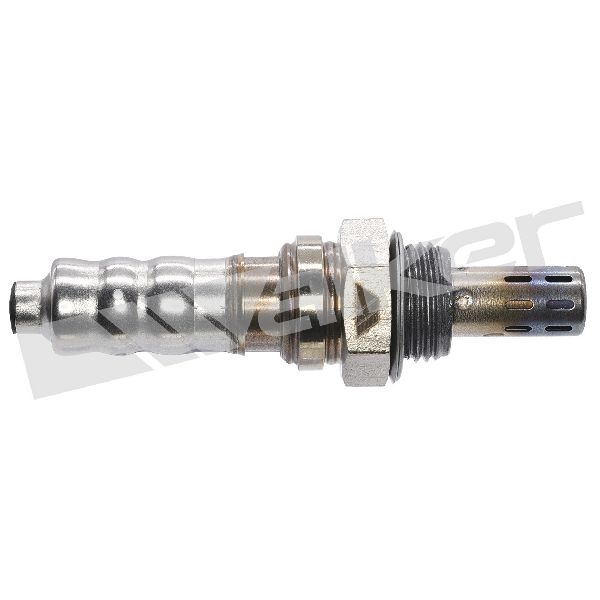
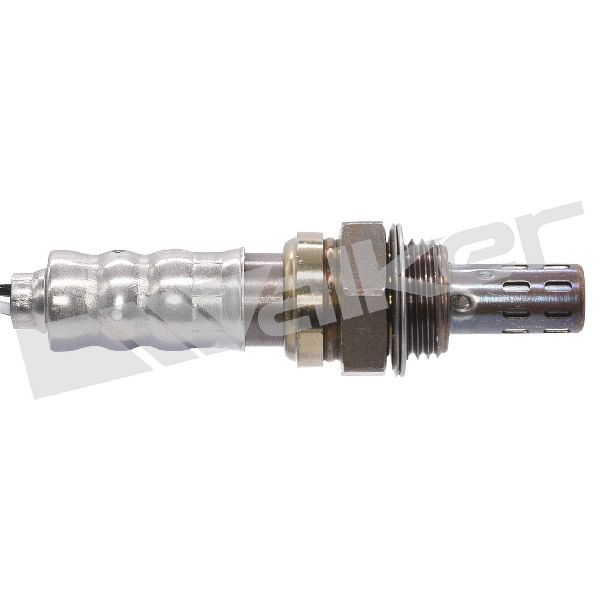
- Upstream Oxygen Sensor (Bank 1, Sensor 1)
(OEM #GM 12592592 (superseded by ACDelco 213-4229))— This is the most common cause of code P0030, as the internal heater element fails over time.
Trusted brands: ACDelco (GM Original Equipment), Denso (Often the OE manufacturer), NGK/NTK
OEM price range: $70-$120
Aftermarket price range: $30-$80
Related Codes That Often Appear With This One
- P0135 — P0135 is 'O2 Sensor Heater Performance (Bank 1 Sensor 1)'. It is a very similar code and often appears alongside P0030, as both point to a problem with the same heater circuit.
- P0036 — This is the same heater circuit fault but for the downstream sensor (Bank 1, Sensor 2). Seeing P0030 and P0036 together could point to a shared power or ground issue, like a blown fuse or a loose UBEC connector.
Technical Service Bulletins (TSBs) & Recalls
- Bulletin #PIP3508C: While not public, forum discussions mention this TSB in relation to multiple electrical codes (including P0030/P0036) caused by a loose connector at the underhood fuse block (UBEC) on early H3s. The fix involves removing and reinstalling the UBEC 🎬 See how to diagnose P0030 and P0135 on an H3. to ensure a solid connection.
Platform-Specific Known Issues
- Early 2006 Model Year Head Issues: While not directly related to P0030, early 2006 H3s (VINs below 287591) were susceptible to valve seat issues which can cause misfires and other engine problems. If P0030 is accompanied by misfire codes (P0300-P0305), be aware of this potential underlying problem.
- Seized Sensor Removal: The upstream O2 sensor is notorious for seizing in the exhaust manifold. Owners recommend soaking it with a high-quality penetrating oil (like PB Blaster) for several hours or overnight before attempting removal. Using a 22mm or 7/8" flare nut crow's foot or a dedicated O2 sensor socket is essential to avoid rounding off the hex.
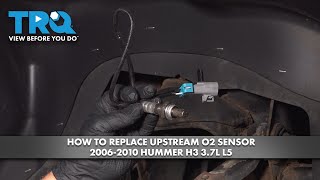
- Access for Replacement: To make accessing the sensor easier, some owners temporarily remove the air filter connection hose and the transmission dipstick tube bracket. 🎬 Watch: Step-by-step guide to replacing the upstream O2 sensor.
Mechanic-Grade Diagnostic Values
- O2 Sensor Heater Element Resistance — expected: 4-8 ohms is a common range for a good sensor. Some sources state a broader 2-20 ohm range is acceptable.. Failure: Infinite resistance ('OL' on a multimeter) indicates a burned-out, open heater element.
- Heater Circuit Power Supply Voltage — expected: 12V+ (battery voltage) at the power supply pin on the harness-side connector with Key On, Engine Off.. Failure: Less than 12V indicates a problem with the fuse or the power supply wire from the fuse box.
- PCM Ground Control — expected: The PCM provides a ground path to activate the heater. A scan tool may show the duty cycle of this command.. Failure: If 12V power is present but the heater does not work and the sensor resistance is good, the PCM driver or the ground wire to the PCM may be faulty.
Scan Tool Commands That Help
- Tech2 / GDS2: GEN-L Terminal Command — While primarily for the alternator, observing electrical system behavior while commanding the alternator ON/OFF can help identify system-wide voltage instability that might affect sensor heater circuits.
- Tech2 / GDS2: HO2S Heater Active Test — This bidirectional control allows a technician to command the O2 sensor heater ON and OFF directly from the scan tool. This is the definitive test to confirm if the PCM driver and the wiring are capable of activating the heater. If the command is sent but the heater doesn't activate (and the sensor/fuse are good), it points to a wiring or PCM issue.
Wiring & Ground Locations
- G103 — On the lower left side of the engine block, forward of G102.. This is a primary engine block ground. While not directly for the O2 sensor, a poor connection here can cause a variety of sensor and module communication issues due to electrical noise and improper grounding.
- G100 / G105 — In the engine compartment, on the left front inner fender/wheel well, behind the battery.. These are major chassis and battery ground points. The PCM and other modules rely on these grounds. A loose or corroded connection here can cause widespread, intermittent electrical faults, including sensor codes.
- B1S1 O2 Sensor Connector — Attached to the upstream oxygen sensor, accessible from the top of the engine bay on the passenger side.. This 4-pin connector is where all electrical tests are performed. The wires are typically: Pin A (PNK/BLK) - 12V Ignition Power, Pin B (PPL) - HO2S Signal, Pin C (TAN) - Low Reference (Ground), Pin D (TAN/WHT) - Heater Low Control (PCM Ground). Wire colors can vary.
Real Owner Repair Stories
- Hummer4x4Offroad.com forum post (2006 Hummer H3) — Check Engine Light with codes P0030, P0135, and P0128.
❌ Tried (didn't work) Clearing the codes (they would return)., Replacing the thermostat for the P0128 code.
✅ What actually fixed it The user confirmed the issue was the Bank 1 Sensor 1 oxygen sensor. After getting the part number (GM 12592592), the implication is that replacing this sensor resolved the P0030 and P0135 codes.
OEM Part Supersession History
GM 12592592→ACDelco 213-4229— Standard part number update and consolidation over time.
Heads up: The ACDelco 213-4229 is the correct GM Original Equipment service part. Note that some GM Genuine Parts boxes may contain an NTK sensor, as NTK is often the original equipment manufacturer.
Model Year Variations Within This Range
- 2006 vs 2007+: The 2006 model used the 3.5L L52 engine, while 2007-2010 used the 3.7L LLR. While the P0030 diagnosis is largely the same, swapping engines between these years is complex. A 2007 3.7L is a relatively direct swap for a 3.5L, but a 2008+ 3.7L requires significant modifications to wiring, sensors (crankshaft position sensor changes), and potentially the PCM, as they are not plug-and-play.
Diagnostic Flowchart
Used vs. New Parts: Buying Guide for This Vehicle
When a used part is the smart pick: For this specific repair, a used part is almost never recommended. The primary failure is the O2 sensor itself, which is a wear item. A used PCM or Underhood Fuse Box (UBEC) could be a cost-effective option if those rare failure modes are definitively diagnosed.
Donor-vehicle mileage cap: roughly under 80000 miles for the part to have meaningful remaining life.
What to inspect on the donor part:
- For a used PCM or UBEC, ensure the donor vehicle was not in a flood or fire.
- Check for any signs of corrosion on the pins or casing.
- Verify the part number exactly matches the original part from your vehicle, especially for the PCM.
OEM-only on this vehicle (don't cheap out):
- Powertrain Control Module (PCM) - While a used one can work, it will require programming by a dealer or specialist with a Tech2/GDS2 scanner to match your vehicle's VIN and options. Aftermarket PCMs are generally not recommended.
Aftermarket brands forum-validated for this vehicle:
- NTK/NGK (Often the OEM supplier)
- Denso (Often the OEM supplier)
- ACDelco (GM's own brand, may be a re-boxed NTK or Denso)
Brands owners have reported issues with on this vehicle:
- Unnamed, 'white box', or ultra-low-cost sensors from online marketplaces. Forum users have reported codes returning or new driveability issues after installing cheap, no-name sensors.
Real Owner Stories
Aggregated from forums and TSBs cited above. Mileages and costs reflect what owners reported in those sources.
2006 Hummer H3
Symptoms: Check Engine Light with codes P0030, P0135, and P0128. The P0128 appeared first, with the other two showing up later.
What fixed it: The owner was advised by others that the fix for P0030 was to replace the Bank 1 Sensor 1 O2 sensor, but did not post a follow-up confirming the repair.
Source hint: Hummer4x4Offroad forum thread titled 'Engine Code P0030 | Hummer4x4Offroad'
2006 Hummer H3
Symptoms: Check engine light with codes P0030 and P0135.
What fixed it: Replaced the upstream (Bank 1, Sensor 1) oxygen sensor.
Source hint: YouTube comment on a video titled '2006 Hummer H3 Check engine light Code P0030/P0135'
2006 Hummer H3
Symptoms: Check engine light with P0030 and P0036, along with other electrical faults.
What fixed it: A dealer traced the issue back to a loose connector at the main fuse box (UBEC), as described in Bulletin #PIP3508C.
Source hint: hummerforums.com thread titled 'Good Lord....my h3 is fallin apart'
Hummer H3
Symptoms: After replacing the O2 sensor to fix P0030/P0135, the owner experienced new driveability issues.
What fixed it: This story highlights a problem rather than a fix; the issue was attributed to the potential use of a low-quality aftermarket sensor.
Source hint: hummerforums.com thread titled 'Oxygen Sensor...maybe'
Related OBD-II Codes
Frequently Asked Questions
Where is the Bank 1, Sensor 1 oxygen sensor located on my Hummer H3?
My H3's upstream O2 sensor is seized in the exhaust manifold. How can I get it out?
I have P0030 and other strange electrical codes on my 2006 H3. What could be the problem?
How can I test the O2 sensor heater myself to confirm it's the cause of P0030?
I have misfire codes (P0300-P0305) along with P0030 on my 2006 H3. Are these related?
I replaced the O2 sensor for P0030, but now the truck runs rough. What happened?
Helpful Videos


We Have This Part in Stock

The information in this article is provided for general reference and educational purposes only. Vehicle specifications, procedures, and part compatibility can vary by production date, trim level, and region. Always consult your vehicle's factory service manual and verify part numbers before purchasing or performing repairs. Safety-critical components such as airbags, seat belts, and braking systems should be installed by a qualified professional.
- Hummer H3:
- 🎬 Helpful Videos
- 🛍️ Shop This Part
- What's Unique About the 2006-2010 Hummer H3
- Symptoms You May Notice
- Most Likely Causes
- Rare But Worth Checking
- Diagnosis Steps
- Parts You'll Likely Need
- Related Codes That Often Appear With This One
- Technical Service Bulletins (TSBs) & Recalls
- Platform-Specific Known Issues
- Mechanic-Grade Diagnostic Values
- Scan Tool Commands That Help
- Wiring & Ground Locations
- Real Owner Repair Stories
- OEM Part Supersession History
- Model Year Variations Within This Range
- Diagnostic Flowchart
- Used vs. New Parts: Buying Guide for This Vehicle
- Real Owner Stories
- 2006 Hummer H3
- 2006 Hummer H3
- 2006 Hummer H3
- Hummer H3
- Related OBD-II Codes
- Frequently Asked Questions
- 🎟️ Get 5% Off