

P0030 on 2006-2011 Chevrolet Impala 3.5L: O2 Sensor Heater Fault Causes and Fixes
On a 2006-2011 Impala with the 3.5L engine, code P0030 almost always points to a failed heater element inside the upstream oxygen sensor on Bank 1. Replacing the sensor is the most common fix. Before buying parts, check the 15A 'EMISS1' fuse in the under-hood fuse box, as a blown fuse from a short in the O2 sensor or EVAP purge valve wiring will also trigger this code.
- P0030 means the heater in your upstream oxygen sensor (Bank 1, firewall side) has an electrical fault.
- Before buying any parts, check the 15A 'EMISS1' fuse in the fuse box under the hood. This is a common and cheap fix.
- If the fuse is good, the oxygen sensor itself has most likely failed and needs to be replaced.
- This is a DIY-friendly repair with a difficulty of 2 out of 5. An O2 sensor socket will make the job much easier.
- Ignoring this code will cause you to fail an emissions test and may lead to slightly worse gas mileage.
What's Unique About the 2006-2011 Chevrolet Impala

On this generation of Impala with the 3.5L V6, the P0030 code is a straightforward electrical fault. Unlike some vehicles with complex emissions systems, the diagnosis here is typically simple. A notable issue on these GM vehicles is that the heater circuits for the oxygen sensors, as well as the EVAP purge solenoid, are often powered by the same 15A fuse, labeled 'EMISS1' in the under-hood fuse block. A short circuit in any of these components or their wiring can blow the fuse and cause multiple codes, including P0030, P0036 (Bank 1 Sensor 2 heater), and P0443 (EVAP Purge Solenoid), to appear simultaneously.
Symptoms You May Notice
- Check Engine Light is on
- Failed emissions inspection
- Slightly reduced fuel economy
- Rough idle or hesitation for the first few minutes after a cold start
- In some cases, no noticeable performance issues other than the Check Engine Light
- Replacing the O2 sensor without checking the 'EMISS1' fuse first. If the fuse is blown, a new sensor will not fix the P0030 code.
- Replacing the wrong oxygen sensor. Bank 1 is near the firewall, and Sensor 1 is the upstream sensor in the exhaust manifold.
Most Likely Causes

- Failed O2 Sensor Heater Element 🔴 High Probability The internal heating element is a resistor that cycles with every engine start. Over many years and heat cycles, it simply burns out like a light bulb filament.
How to confirm: Disconnect the sensor and measure the resistance between the two heater circuit pins (usually the two wires of the same color, often black). A reading of 'OL' (over-limit/infinite resistance) on a multimeter confirms an open circuit. The expected resistance is typically between 2 and 30 ohms.
Typical fix: Replace the Bank 1, Sensor 1 oxygen sensor.
Est. part cost: $40-$120 - Blown 'EMISS1' Fuse 🟡 Medium Probability The heater circuits for both O2 sensors and the EVAP purge valve are on the same 15A fuse in the under-hood fuse box. A short in any of these components or their wiring will blow the fuse.
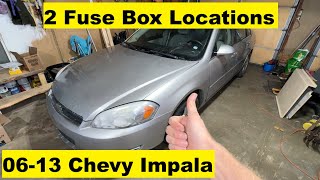
How to confirm: Visually inspect the 15A 'EMISS1' fuse in the under-hood fuse block. If it's blown, 🎬 Watch: How to find the under-hood fuse box location it confirms a power supply issue.
Typical fix: Replace the fuse. If it blows again immediately, you must find the short circuit in the wiring of the O2 sensors or EVAP purge solenoid before proceeding. A common chafing point is the O2 sensor harness rubbing against the engine block or heat shields.
Est. part cost: $1-$5 - Damaged Wiring or Connector ⚪ Low Probability The wiring harness for Bank 1 runs in a tight space near the firewall and close to the hot exhaust manifold, making it susceptible to melting, chafing, or corrosion over time.
How to confirm: Visually inspect the wiring harness leading to the Bank 1 upstream O2 sensor. Look for melted plastic, frayed wires, or corrosion inside the connector. Pay close attention to where the harness may contact the engine or other components.
Typical fix: Repair the damaged section of the harness or clean/replace the connector.
Est. part cost: $10-$50
Rare But Worth Checking
- Faulty Engine Control Module (ECM): This is very rare. The ECM contains driver circuits that control the O2 sensor heaters. While a driver can fail, you should exhaust all other possibilities (sensor, fuse, wiring) before suspecting the ECM.
Diagnosis Steps

- Read the code with an OBD-II scanner to confirm P0030 is present. Note any other codes, especially P0443, P0036, or P0050.
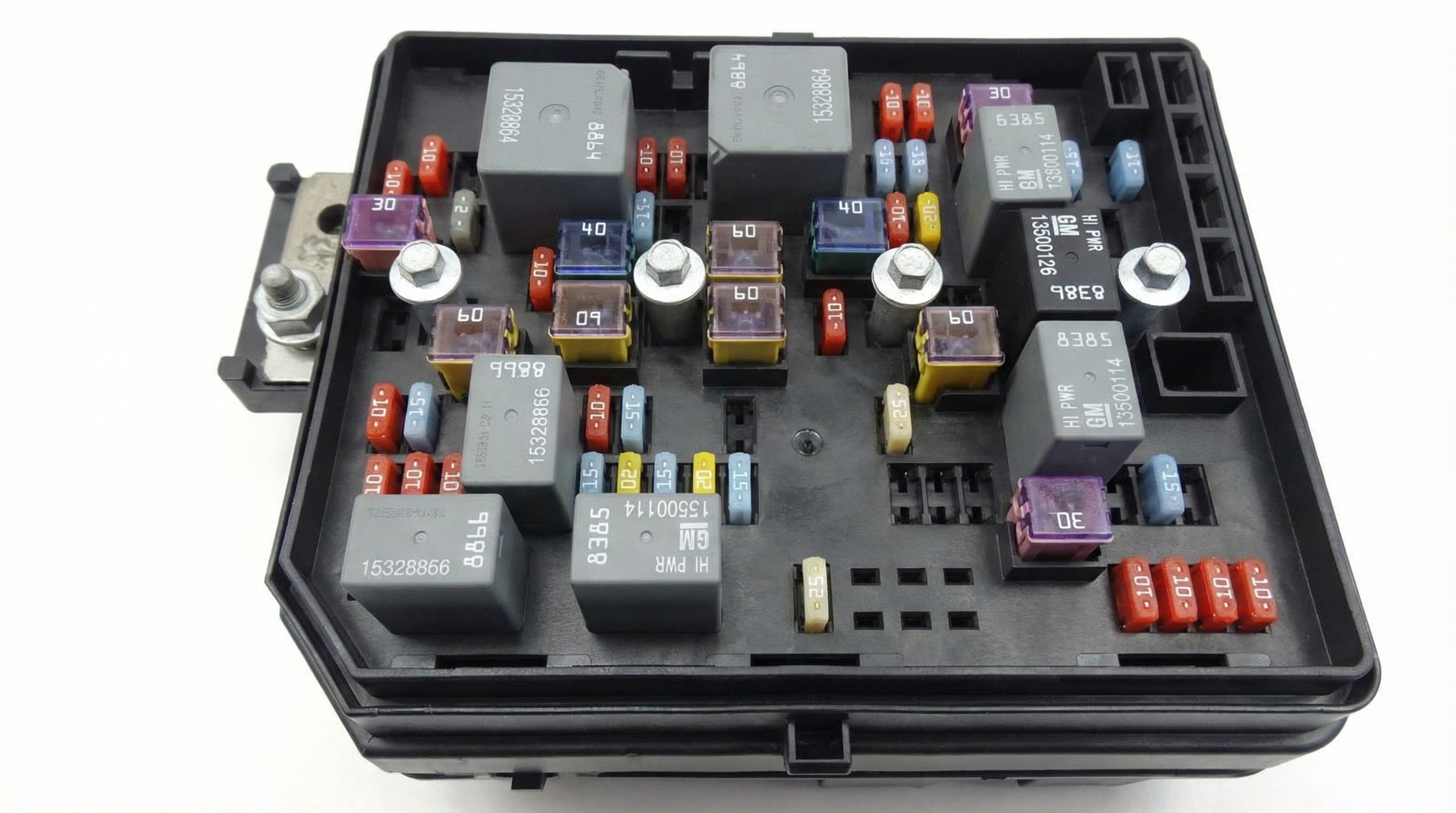
- Open the under-hood fuse box and locate the 15-amp fuse labeled 'EMISS1'. Visually inspect it. If it is blown, replace it and see if the code clears.
- If the fuse blows again, disconnect the Bank 1 Sensor 1 O2 sensor, the Bank 1 Sensor 2 O2 sensor, and the EVAP purge solenoid. Replace the fuse and reconnect them one by one until the fuse blows again to identify the component with the short circuit. If the fuse blows with everything disconnected, there is a short in the wiring harness itself.
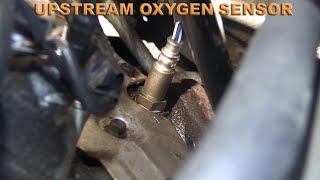
- If the fuse is good, locate the Bank 1, Sensor 1 oxygen sensor. It is the upstream sensor (before the catalytic converter) on the cylinder bank closer to the firewall. Access is tight and may be best from below the vehicle.
- Inspect the sensor's wiring harness and connector for any signs of melting, chafing, or corrosion.
- Disconnect the sensor. With the ignition on (engine off), use a multimeter to check for 12V power on the pink wire in the harness-side connector.
- Test the sensor itself. Set your multimeter to measure resistance (Ohms) and probe the two heater circuit pins on the sensor side of the connector (typically the two wires of the same color). A good sensor will read between 2 and 30 Ohms. A reading of infinity (OL) means the heater is broken, and the sensor must be replaced.
- If the fuse, wiring, and sensor resistance all check out, the problem may be in the ground circuit or, in very rare cases, the ECM itself.
Parts You'll Likely Need
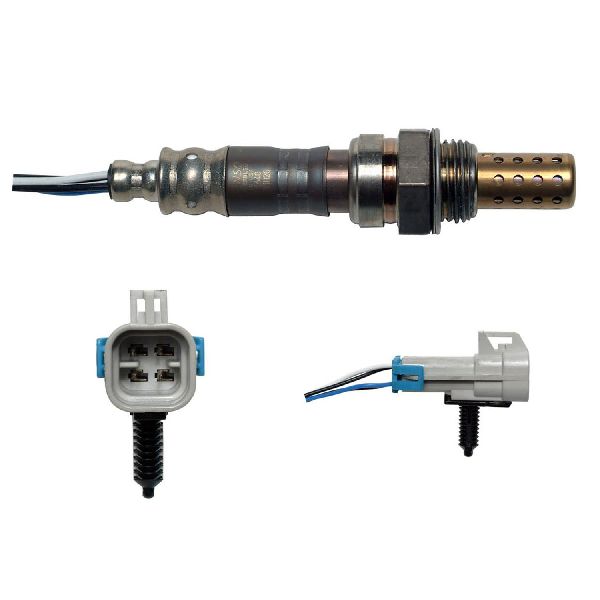
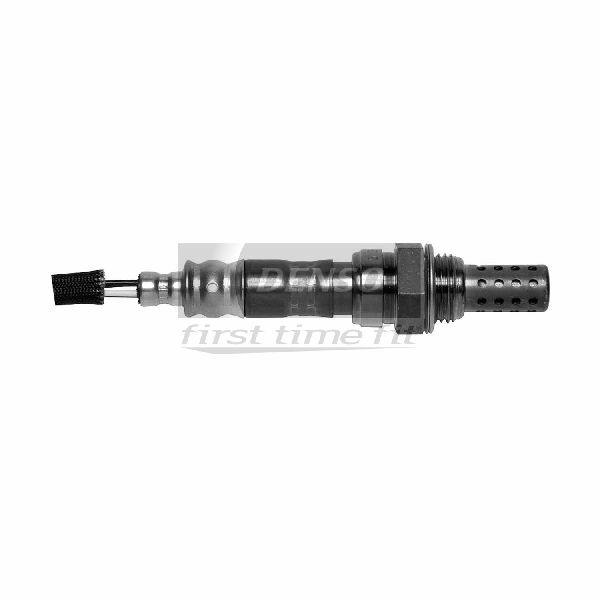
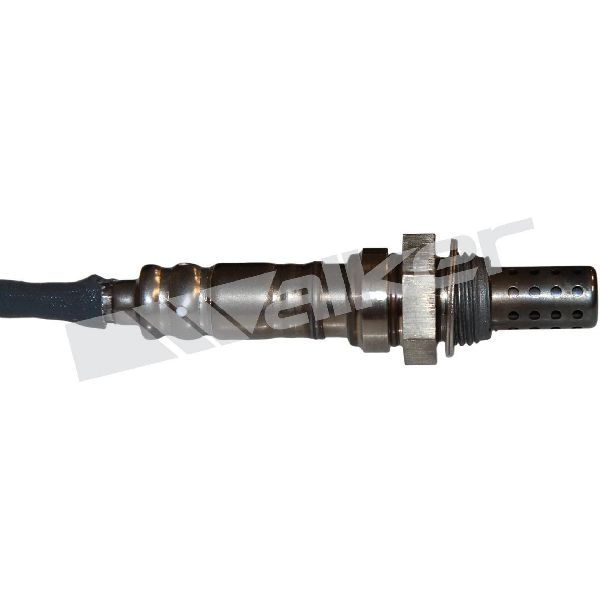
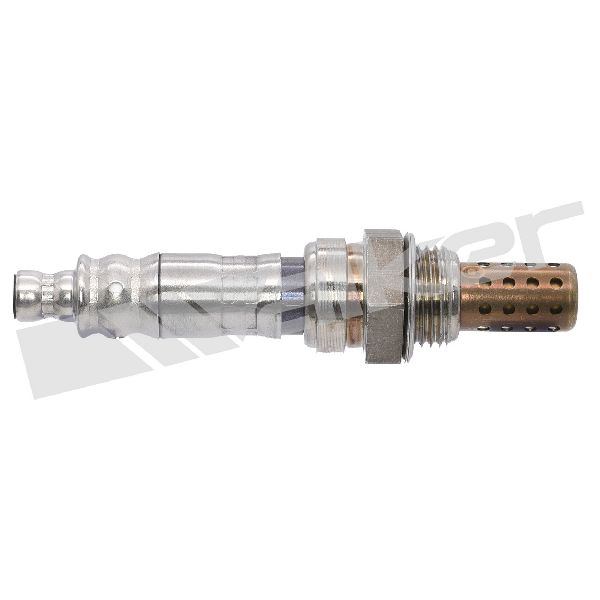
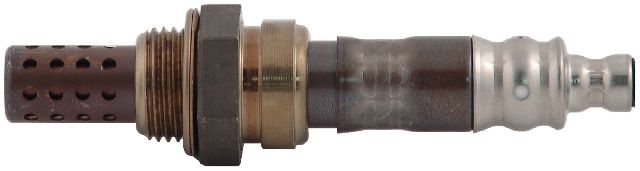
- Upstream Oxygen Sensor (Bank 1, Sensor 1)
(OEM #ACDelco 213-3533 (GM 12589321))— The internal heater element fails from age and heat cycles, which is the most frequent cause of a P0030 code when the fuse is intact.
Trusted brands: ACDelco (OEM), Denso (234-4668), Bosch, NTK
OEM price range: $60-$100
Aftermarket price range: $40-$80 - 15A Mini Fuse — The 'EMISS1' fuse powers the heater circuit and can blow due to a short in the O2 sensor or EVAP solenoid wiring, causing the code.
Trusted brands: Bussmann, Littlefuse
OEM price range: $1-$5
Aftermarket price range: $1-$5
Related Codes That Often Appear With This One
- P0443 — This code is for the EVAP Purge Solenoid Circuit. On this Impala, the purge solenoid is powered by the same 'EMISS1' fuse as the O2 sensor heaters. A blown fuse will almost always cause both P0030 and P0443 to appear together.
- P0036 — This code is for the Bank 1, Sensor 2 (downstream) heater circuit. If the 'EMISS1' fuse is blown, it will cut power to both sensors on Bank 1, causing both codes.
- P0050 — This is the heater circuit code for Bank 2, Sensor 1 (radiator side). While on a different bank, its heater circuit may also be powered by a shared emissions fuse ('EMISS2'), and a wiring short could potentially cause multiple heater codes.
Platform-Specific Known Issues
- A real-world example from a YouTube diagnostic video on a 2008 Impala 3.5L showed multiple heater codes (P0030, P0036, P0053, P0054) and an EVAP code (P0443) were all caused by a single blown 'EMISS1' fuse. The root cause was not a failed component, but a section of the wiring harness that had chafed through on a metal bracket, causing a short to ground. 🎬 Watch: Real-world diagnosis of multiple codes and a blown fuse This highlights the importance of checking the fuse first and inspecting the harness carefully if the fuse repeatedly blows.
- Manufacturer Bulletin #PIT5336 notes that technicians may find P0030 along with a long list of other heater and sensor codes (including P0031, P0036, P0050, and P0054) on various GM vehicles, indicating a widespread pattern of shared circuit faults across the manufacturer's platforms.
Mechanic-Grade Diagnostic Values
- O2 Sensor Heater Element Resistance — expected: 2 - 30 Ohms at room temperature. Many sources cite a tighter range of 2-5 Ohms as typical for a good sensor.. Failure: A reading of OL (Open Loop/infinite resistance) or near 0 Ohms (short circuit).
- O2 Sensor Heater Circuit Current (via Scan Tool) — expected: 0.3125 to 1.5 amps when the heater is commanded on by the ECM.. Failure: Current reading below 0.3125A or above 1.5A will trigger the fault code.
- Heater Power Supply Voltage — expected: Battery Voltage (approx. 12.6V with key on, engine off) at the Pink wire of the harness-side connector.. Failure: 0 volts indicates a blown fuse (EMISS1) or an open in the power feed wire.
Hidden / Shadow Codes Worth Checking
- Mode $06, OBDMID $21: This is the On-Board Diagnostic Monitor ID for the Bank 1, Sensor 1 Oxygen Sensor Heater. A professional scan tool can query this monitor to see test results that the ECM runs internally. It can show pass/fail status before a code fully matures. (see via A professional scan tool (like a GM Tech 2 or equivalent) that can display Mode $06 data. The vehicle uses the GMLAN protocol.)
Scan Tool Commands That Help
- GM Tech 2 / GDS2: O2S Heater Driver 1 Output Control — This bidirectional command allows a technician to manually turn the O2 sensor heater on and off to verify the ECM driver, wiring, and sensor heater are all functioning. The path is typically: Powertrain > Special Functions > Engine Output Controls > O2S Heater Driver 1.
Wiring & Ground Locations

- G105 / G107 — On a transmission case stud, located under the throttle body in the engine bay.. This is a critical shared ground point for the Engine Control Module (ECM) and multiple sensors. A loose or corroded connection here can cause erratic sensor behavior and false codes, even if the sensor and its direct wiring are good.
- EMISS1 Fuse — In the under-hood fuse block. It is a 15A mini fuse.. This fuse provides the 12V power for the heater circuits of the O2 sensors (Bank 1 Sensor 1 & 2) and the EVAP Purge Solenoid. A short in any of these components or their shared power wire will blow this fuse and trigger P0030, often with P0036 and P0443.
- B1S1 Connector Pin (Power) — The harness-side connector for the Bank 1 Upstream O2 sensor.. The Pink wire (sometimes Pink/Black) is the 12V ignition power feed for the heater. Verifying battery voltage here is a key step to rule out a blown fuse or wiring issue before the sensor.
Real Owner Repair Stories
- YouTube: 'GQ Auto Diagnostics' (2008 Chevrolet Impala 3.5L) — Check Engine Light with multiple codes: P0030, P0036, P0053, P0054, P0443.
❌ Tried (didn't work) Replacing the 15A 'EMISS1' fuse, which blew again immediately., Disconnecting individual components (O2 sensors, EVAP purge valve) one by one; the fuse still blew, indicating the short was in the harness itself.
✅ What actually fixed it A section of the wiring harness containing the shared pink/black power wire had rubbed through on a metal bracket near the firewall, causing a direct short to ground. The fix was to repair and insulate the damaged wire. - TroubleCodes.net forum user experience (Generic GM vehicle, symptoms consistent with Impala) — Check Engine Light with P0030.
❌ Tried (didn't work) Initially replaced the original O2 sensor with a new Denso sensor, but the P0030 code returned, indicating the new part was faulty out of the box.
✅ What actually fixed it After confirming the new sensor was defective, the user re-installed the old sensor temporarily (which cleared the code, proving its heater circuit was still functional). The final fix was to obtain another, non-defective new O2 sensor. This highlights that even new parts can sometimes be the problem.
Documented NHTSA Reports
- An owner reported in NHTSA ODI #11560268 that their vehicle registered multiple faults including P0030, P0031, P0054, and P0443. The dealership found a blown 15 AMP fuse and referenced TSB 21-NA-116.
- NHTSA ODI #11632222 describes a "Reduced Propulsion" message on the dash alongside codes P0030, P0031, P0054, P0135, and P0443, where a technician found a blown fuse [F03] related to the EGR valve.
- In another instance, NHTSA ODI #11448862 notes a vehicle that would eventually stop with an "engine offline" message, showing a cluster of codes including P0030, P0031, P0054, and P0443.
- NHTSA ODI #11681144 reports P0030 appearing as part of a large group of codes (including P0443 and P0135) resulting from an EGR failure to circulate coolant properly.
OEM Part Supersession History
GM 12589321→N/A, still current— This is the correct original equipment part number for the upstream (Bank 1, Sensor 1) oxygen sensor.
Heads up: Be cautious, as many parts catalogs incorrectly list downstream sensors or sensors for other engines/vehicles for this position. The ACDelco service part is 213-3533. The incorrect part 213-4768 is often for downstream applications.
Diagnostic Flowchart
Other Known Issues on This Vehicle
Issues unrelated to this code that are worth knowing about as an owner of this generation:
- 4T65-E Transmission Shift Solenoid Failure or Harsh Shifting 🟠 Medium — Common issue, especially over 75,000 miles. May present as harsh shifts, delayed engagement, or slipping between gears. (Ref: Multiple TSBs exist, including #08-07-30-002 and #070730012, addressing valve body reconditioning and various shift quality issues.)
- Power Steering Line Leaks 🔴 High — Very common. Lines, particularly the cooler lines, are prone to rusting and leaking, especially in cold climates. A special coverage program (09132E) was issued for 2006 models. (Ref: TSB #PIC5119C addresses power steering whine, and Special Coverage program #09132E was issued for leaking cooler lines on 2006 models.)
- Blend Door Actuator Failure 🟡 Low — Extremely common failure. Presents as a repetitive clicking or ticking sound from the dashboard when the car is started or climate controls are adjusted.
- EVAP Purge Solenoid Failure 🟡 Low — A frequent cause for the Check Engine Light with codes like P0443. The part is inexpensive and relatively easy to replace.
- Lower Intake Manifold (LIM) Gasket Leaks 🟠 Medium — While the LZE engine uses an improved metal gasket design compared to older GM V6s, oil and coolant leaks in the engine valley can still occur, often from valve covers leaking onto other seals.
Used vs. New Parts: Buying Guide for This Vehicle
When a used part is the smart pick: For this repair, a used part only makes sense for a replacement wiring harness connector (pigtail) or the underhood fuse block, if those are found to be the cause. A used O2 sensor is never recommended.
Donor-vehicle mileage cap: roughly under 80000 miles for the part to have meaningful remaining life.
What to inspect on the donor part:
- For a wiring pigtail, ensure the wires are flexible, not brittle, and the connector lock tab is intact.
- For a fuse block, inspect for any signs of water damage, corrosion (green or white powder), or melted plastic around fuse terminals.
OEM-only on this vehicle (don't cheap out):
- While not strictly required, using an OEM ACDelco or a high-quality OE-supplier brand (Denso, NTK) for the oxygen sensor is strongly recommended. Cheaper, no-name sensors have a higher rate of failure and can have incorrect heater resistance values, causing the code to return.
Aftermarket brands forum-validated for this vehicle:
- ACDelco (OEM)
- Denso
- NTK / NGK
- Bosch
Brands owners have reported issues with on this vehicle:
- Generic, unbranded 'white box' parts from online marketplaces should be avoided as their heater resistance and sensor response time may not meet GM specifications.
Real Owner Stories
Aggregated from forums and TSBs cited above. Mileages and costs reflect what owners reported in those sources.
2008 Chevrolet Impala 3.5L
Symptoms: Multiple heater codes (P0030, P0036, P0053, P0054) and an EVAP code (P0443).
What fixed it: Found a section of the wiring harness that had chafed through on a metal bracket, causing a short to ground and blowing the 'EMISS1' fuse. Repaired the harness and replaced the fuse.
Source hint: YouTube: '2008 Chevy Impala 3.5L Codes P0030, P0036, P0053, P0054, P0443 Problem Solved (EASY)' by GQ Auto Diagnostics
2007 Chevrolet Impala 3.5L
Symptoms: Experienced three codes simultaneously: P0030, P0050, and P0443.
What fixed it: Replacing a blown 15A fuse in the underhood fuse box.
Source hint: ImpalaForums.com: Thread titled 'P0030, P0050, P0443'
Related OBD-II Codes
Frequently Asked Questions
Where is the Bank 1, Sensor 1 oxygen sensor located on my 3.5L Impala?
My Impala has P0030 along with P0443. Could these be related?
What should the resistance be for a new O2 sensor on the 3.5L LZE engine?
Is the intake manifold gasket a common cause for P0030 on the 2006-2011 3.5L models?
Why does my Impala hesitate only for the first few minutes after a cold start?
Does Special Coverage 09132E apply to my P0030 code?
Helpful Videos


Used OEM Parts in Stock


New Aftermarket Parts Available


The information in this article is provided for general reference and educational purposes only. Vehicle specifications, procedures, and part compatibility can vary by production date, trim level, and region. Always consult your vehicle's factory service manual and verify part numbers before purchasing or performing repairs. Safety-critical components such as airbags, seat belts, and braking systems should be installed by a qualified professional.
- Chevrolet Impala:
- 🎬 Helpful Videos
- 🛍️ Shop This Part
- What's Unique About the 2006-2011 Chevrolet Impala
- Symptoms You May Notice
- Most Likely Causes
- Rare But Worth Checking
- Diagnosis Steps
- Parts You'll Likely Need
- Related Codes That Often Appear With This One
- Platform-Specific Known Issues
- Mechanic-Grade Diagnostic Values
- Hidden / Shadow Codes Worth Checking
- Scan Tool Commands That Help
- Wiring & Ground Locations
- Real Owner Repair Stories
- Documented NHTSA Reports
- OEM Part Supersession History
- Diagnostic Flowchart
- Other Known Issues on This Vehicle
- Used vs. New Parts: Buying Guide for This Vehicle
- Real Owner Stories
- 2008 Chevrolet Impala 3.5L
- 2007 Chevrolet Impala 3.5L
- Related OBD-II Codes
- Frequently Asked Questions
- 🎟️ Get 5% Off