

P0025 on 2015-2021 Ford Mustang: Causes and Fixes for Over-Retarded Cam Timing
On a 2015-2021 Mustang, P0025 is most often caused by a faulty Bank 2 exhaust VCT (Variable Camshaft Timing) solenoid or low/dirty engine oil. Bank 2 is the driver's side. Replacing the solenoid is a common DIY fix costing around $40-$80 for the part and can often be done in under an hour.
- Start with the basics: Check your engine oil level and quality. A simple oil change is the cheapest and easiest first step.
- The most likely failed part is the Bank 2 (driver's side) exhaust VCT solenoid. It's affordable and accessible for DIY replacement.
- Do not immediately assume the worst. A costly camshaft phaser or timing chain failure is possible but much less likely than a bad solenoid or dirty oil.
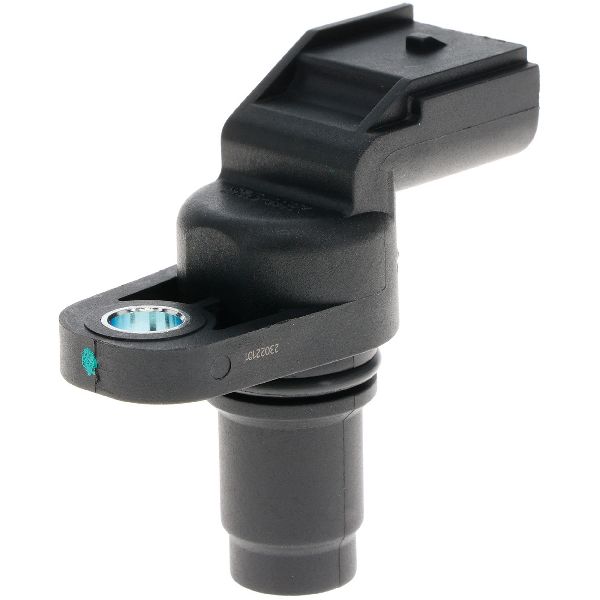
- Do not replace the camshaft position sensor; it is almost certainly not the cause of the problem.
- Referencing Ford TSB SSM 50067, debris in the oil is a known cause for sticking solenoids, reinforcing the importance of regular maintenance.
What's Unique About the 2015-2021 Ford Mustang
The 3.7L V6 (Cyclone) and 5.0L V8 (Coyote) engines in the S550 Mustang use Ford's Twin Independent Variable Camshaft Timing (Ti-VCT) system. This system is highly dependent on clean oil of the correct viscosity (typically 5W-20 for the 5.0L and 5W-30 for the 3.7L) and stable oil pressure to function. Ford has issued Technical Service Bulletins, like SSM 50067, specifically noting that small debris in the oil can cause the VCT solenoids to stick, leading to codes like P0025. This makes regular, high-quality oil changes particularly critical on these engines to prevent this common failure mode. Manually actuating the solenoid with a scan tool or jumper wires can sometimes clear debris as a temporary fix.
Symptoms You May Notice
- Check Engine Light is on
- Rough or unstable idle, sometimes shaking the whole car
- Reduced engine power and poor acceleration
- Engine stalling, especially when coming to a stop
- Decreased fuel economy
- Rattling, ticking, or diesel-like clatter from the engine, especially on startup or at idle
- Hard starting
- Replacing the camshaft position sensor. The sensor is usually working correctly by reporting the timing discrepancy; it is not the cause of it.
- Replacing the camshaft phaser when only the much cheaper and easier-to-replace VCT solenoid was at fault.
- Assuming a major timing chain issue before checking oil and VCT solenoids, which are far more common failure points.
Most Likely Causes
- Low or Dirty Engine Oil 🔴 High Probability The Ti-VCT system is hydraulic and extremely sensitive to oil volume and quality. Sludge, debris, or incorrect oil viscosity can clog the small passages in the VCT solenoids or phasers, as noted in Ford's TSB SSM 50067.
How to confirm: Check the oil level on the dipstick and inspect its color and consistency. If the level is low or the oil is dark, gritty, or sludgy, this is a likely contributor. This should always be the first check.
Typical fix: Change the engine oil and filter using the manufacturer-specified grade (e.g., Motorcraft 5W-20 for the 5.0L V8). Clear the code and test drive.
Est. part cost: $50-$100 - Failed VCT Solenoid (Bank 2, Exhaust) 🔴 High Probability The solenoids can fail mechanically (sticking) or electrically. TSB SSM 50067 points to them sticking due to debris. Forum posts from Mustang and F-150 owners frequently cite this as the fix. One F-150 owner with a 5.0L engine demonstrated a temporary fix by manually cycling the solenoid with jumper wires to un-stick it.
How to confirm: Swap the Bank 2 exhaust solenoid with the Bank 2 intake solenoid (they are often interchangeable on 2015-2017 models). Clear the codes and drive the vehicle. If the code changes from P0025 (Exhaust, Over-Retarded) to P0021 (Intake, Over-Advanced), the solenoid is confirmed faulty. The Bank 2 solenoids are on the driver's side valve cover.
Typical fix: Replace the Bank 2 exhaust VCT solenoid. It is located on the driver's side valve cover, typically the rearmost of the two solenoids on that side for 2015-2017 models. This is a common DIY repair.
Est. part cost: $40-$80 - Failed Camshaft Phaser 🟡 Medium Probability The phaser is the mechanical gear that actually adjusts the camshaft's position. It is oil-pressure activated and can fail internally from wear or sludge, getting stuck in one position. This is a more significant repair than the solenoid.
How to confirm: This is a more advanced diagnosis. If the oil and solenoid are confirmed good, but the timing angle (viewable on a scan tool) doesn't change when commanded, the phaser is suspect. This often presents with a more persistent rattling or knocking noise.
Typical fix: Replace the Bank 2 exhaust camshaft phaser. This is a labor-intensive job that involves removing the valve cover and timing components, often requiring special tools.
Est. part cost: $100-$250
Rare But Worth Checking
- Timing Chain or Tensioner Issue: A stretched timing chain or a failed tensioner can cause the overall timing to be off. This is less common than VCT component failure and usually presents with significant chain rattle noise, especially on startup.
- Wiring Harness Damage: Damage to the wires leading to the VCT solenoid can cause it to malfunction. Check for frayed wires, corrosion in the connector, or a loose connection near the driver's side valve cover.
- Clogged Oil Passages: In high-mileage engines or those with poor maintenance history, sludge can block the oil passages leading to the cylinder head or VCT components, starving them of oil pressure and preventing proper operation.
Diagnosis Steps
- Check Engine Oil Level and Condition: This is the first and most important step. If low, top it off. If dirty or overdue for a change, replace the oil and filter with the correct type (e.g., 5W-20 for 5.0L).
- Scan for Codes: Use an OBD-II scanner to confirm P0025 and look for any other related codes like P0019 or misfire codes. Note the freeze-frame data.
- Inspect VCT Solenoid Wiring: Visually inspect the connector and wiring for the Bank 2 (driver's side) exhaust VCT solenoid for any damage, corrosion, or loose connections.
- Test the Solenoid (Swap Method): The easiest way to test the solenoid is to swap it with another one. The Bank 2 exhaust and intake solenoids are interchangeable on 2015-2017 models. Swap them, clear the codes, and see if the trouble code moves to the intake cam (e.g., P0021). If it does, the solenoid is bad.
- Test with a Scan Tool: A more advanced scan tool can command the VCT solenoid to actuate while monitoring the camshaft position PID (e.g., VCT_EXH_ACT2). TSB 50067 suggests cycling the solenoid 10 times to clear debris. If the solenoid is commanded but the cam angle doesn't change, it points to a bad solenoid, clogged passage, or failed phaser.
- Test Solenoid Electrically: With the solenoid disconnected, measure its resistance with a multimeter. A typical reading is between 5-15 ohms. A reading outside this range indicates an electrical failure.
- Check Oil Pressure: If other steps fail, a mechanical oil pressure gauge should be used to verify proper oil pressure at the cylinder head. Low pressure (below 15 PSI at a hot idle) can prevent the VCT system from working correctly.
- Inspect Mechanical Timing: If oil pressure is good and the VCT components seem to test fine, the final step is a more invasive inspection of the a timing chain, guides, tensioners, and phaser for wear or damage.
Parts You'll Likely Need
- Variable Camshaft Timing (VCT) Solenoid
(OEM #AT4Z-6M280-A (Intake/Exhaust for 3.7L V6), BR3Z-6M280-E (Exhaust for 5.0L V8, superseded by BR3Z-6M280-F))— This is the most frequent point of failure for code P0025, often due to sticking from oil debris or electrical failure. It is relatively inexpensive and easy to replace.
Trusted brands: Motorcraft, Dorman
OEM price range: $60-$90
Aftermarket price range: $40-$70 - Engine Oil and Filter — Clean, correct-viscosity oil is essential for the VCT system's operation. An oil change is a critical first step and may resolve the issue on its own.
Trusted brands: Motorcraft, Mobil 1, Pennzoil
OEM price range: $50-$100
Aftermarket price range: $40-$80 - Camshaft Phaser
(OEM #FR3Z-6C525-A (Exhaust, 5.0L V8))— If the solenoid replacement and oil change do not fix the issue, and especially if rattling noises persist, the mechanical phaser may have failed. This is a much more involved and expensive repair.
Trusted brands: Motorcraft
OEM price range: $100-$250
Aftermarket price range: $80-$180
Related Codes That Often Appear With This One
- P0019 — Crankshaft Position - Camshaft Position Correlation (Bank 2 Sensor B). This code often appears with P0025 because it indicates a general mismatch between where the crank and the Bank 2 exhaust cam are positioned.
- P0300 — Random/Multiple Cylinder Misfire Detected. Incorrect cam timing can lead to poor combustion across multiple cylinders, causing a general misfire code.
- P0305, P0306, P0307, P0308 — Cylinder-specific misfire codes for Bank 2. Since the cam timing is off for the entire bank, any or all of these cylinders may misfire.
Technical Service Bulletins (TSBs) & Recalls
- SSM 50067 - VCT solenoid may stick due to debris.
- SSM 54366 - Updated diagnostic procedures for VCT codes.
Platform-Specific Known Issues
- TSB SSM 50067: Ford notes that an illuminated MIL with DTC P0025 (and others) may be due to small debris causing the VCT solenoid to stick. The bulletin advises against immediate component replacement, instead recommending the use of a scan tool to cycle the affected VCT solenoid 10 times to attempt to clear the debris before further diagnosis.
- TSB SSM 54366: This bulletin indicates that the diagnostic pinpoint tests (specifically Pinpoint Test HK) for a group of VCT-related codes, including P0025, have been updated in the official workshop manual, suggesting diagnosis procedures have been refined over time.
Mechanic-Grade Diagnostic Values
- VCT Solenoid Electrical Resistance — expected: 5 to 15 Ohms across the two pins.. Failure: A reading of 0 Ohms (short circuit) or infinite/OL (open circuit) indicates a failed solenoid coil.
- VCT Solenoid Connector Voltage — expected: Battery voltage (~12V) on one pin with key on, engine off.. Failure: No voltage suggests a wiring or fuse issue upstream of the solenoid.
- Scan Tool PID: VCT Error (VCTADVERR or CAMERRR) — expected: Should be close to 0 degrees at stable RPM.. Failure: A consistent deviation greater than +/- 5 degrees indicates the phaser is not achieving the commanded position, pointing to a solenoid, phaser, or oil pressure problem.
- Engine Oil Pressure (at hot idle) — expected: Minimum of 15 PSI.. Failure: Pressure below 15 PSI at idle can cause the VCT system to malfunction and set codes.
Hidden / Shadow Codes Worth Checking
- Mode 6, Test ID for VCT: Mode 6 data provides statistical, non-DTC results from the PCM's last self-test cycle for various components. For VCT, it can show raw data on cam position variance that may be out of spec but not yet bad enough to consistently trigger a Check Engine Light. (see via Requires an advanced scan tool (like Ford IDS) that can access OBD-II Mode 6 test results.)
Scan Tool Commands That Help
- Ford IDS (or advanced bidirectional scanner): VCT Solenoid Actuator Test / Output State Control — This command manually cycles the VCT solenoid on and off. It's used to confirm if the solenoid is mechanically stuck or electrically responsive. Per TSB SSM 50067, cycling it multiple times can sometimes dislodge debris and temporarily fix the code, confirming a sticking solenoid. If the engine idle becomes rough or stalls when the solenoid is commanded on, it confirms the solenoid is working mechanically.
Wiring & Ground Locations
- Main Engine-to-Chassis Ground — A primary ground strap often runs from the back of the driver's side cylinder head to the firewall. Another key ground connects the engine block to the chassis near the passenger side motor mount.. A poor engine ground can cause unstable voltage references for sensors and the PCM, potentially leading to incorrect readings and phantom codes. Ensuring these grounds are clean and tight is a crucial step in diagnosing any electronic engine issue.
- VCT Solenoid Connector — Two-pin connector directly on the VCT solenoid, located on the front of the valve covers (2015-2017) or in modified positions on the valve cover (2018+).. This is the direct connection point for testing. Pin 1 should have 12V+ with key-on, and Pin 2 is the ground-side control wire that is pulsed by the PCM. Damage here is a direct cause of failure.
Real Owner Repair Stories
- YouTube user '85 Factor' (2018 Ford F-150 5.0L V8) — Very rough running, stalling at lights, no power, backfiring. Codes P0025, P0019, and multiple Bank 2 misfire codes.
❌ Tried (didn't work) The issue was recurring.
✅ What actually fixed it A temporary but effective fix was disconnecting the Bank 2 exhaust VCT solenoid and manually pulsing it with jumper wires from the battery. The solenoid was mechanically stuck, and after a few pulses, it freed up with an audible click. Reconnecting it cleared the symptoms, confirming the solenoid was the faulty component. - Ford Truck Enthusiasts forum user (Ford with 5.4L 3V (similar VCT design principles)) — Rough idle problem.
❌ Tried (didn't work) Having a mix of Dorman and original Ford VCT solenoids.
✅ What actually fixed it The user had a Dorman VCT on the driver's side and an original Ford VCT on the passenger's side, causing a rough idle. Replacing BOTH with new Motorcraft VCT solenoids resolved the issue completely, suggesting that mismatched or lower-quality aftermarket solenoids can cause performance problems.
When the Usual Fixes Don't Work
- While replacing the VCT solenoid is the most common fix, simply using any aftermarket solenoid may not solve the problem. Multiple owner accounts on forums for Ford V8 engines indicate that non-OEM solenoids, particularly from the brand Dorman, have a high rate of premature failure or can cause new, different codes to appear shortly after installation. The consistent advice from experienced owners is to use only genuine Motorcraft solenoids for this repair to avoid having to do the job twice.
OEM Part Supersession History
BR3Z-6M280-D, BR3Z-6M280-E→BR3Z-6M280-F— Progressive design updates to improve reliability and performance of the VCT solenoid for the 5.0L V8.
Heads up: The newest part number (BR3Z-6M280-F) is the correct service replacement for the earlier versions.Stock VCT Solenoids→Ford Performance M-6297-M50A— An optional upgrade for high-horsepower or racing applications. These solenoids feature stronger mounting points and more robust internals to prevent failure under high stress.
Heads up: This is a direct-fit upgrade for 2013-2017 Mustang GT 5.0L and 2015-2018 Shelby GT350 5.2L.
Model Year Variations Within This Range
- 2018-2021 (5.0L V8): The 2018 model year introduced the Gen 3 Coyote V8, which included a dual-fuel (direct and port) injection system and changes to the VCT system. The physical location and part numbers of the VCT solenoids differ from the 2015-2017 models. For example, instead of four similar solenoids on the front of the valve covers, one solenoid on each side was moved to a different location on the cover, making access and replacement procedures different.
Diagnostic Flowchart
Other Known Issues on This Vehicle
Issues unrelated to this code that are worth knowing about as an owner of this generation:
- 5.0L Coyote 'BBQ Tick' or 'Typewriter Tick' 🟡 Low — Very common across 2011-2020+ 5.0L engines, often noticeable at warm idle. (Ref: TSB 19-2144 (and subsequent updates) state this is a normal operating characteristic and no repairs should be attempted.)
- A/C Evaporator Core Leak 🟠 Medium — Common, especially on 2015-2017 models. Symptoms include A/C blowing warm air or having different temperatures across vents. (Ref: TSB 18-2166 provides a service procedure to replace only the evaporator core instead of the entire climate control housing.)
- Aluminum Hood/Trunk Corrosion 🟡 Low — A well-documented issue where paint bubbles along the leading edge of the hood or trunk seams due to contamination during manufacturing. (Ref: Various older TSBs exist for previous generations; for the S550, it's typically handled under the 5-year corrosion warranty on a case-by-case basis.)
- IMRC (Intake Manifold Runner Control) Failure 🟠 Medium — More common on 2015-2017 GT models. The plastic actuator arm on the back of the intake manifold can break, causing rough running and error codes. (Ref: No specific TSB, but the 2018+ intake manifold is a common upgrade/replacement as it has a revised design.)
Used vs. New Parts: Buying Guide for This Vehicle
When a used part is the smart pick: For major, expensive hard parts like a cylinder head or engine block ONLY if they were damaged as a result of a catastrophic timing failure. For the failure components themselves (solenoids, phasers, sensors), new is always the correct choice.
Donor-vehicle mileage cap: roughly under 75000 miles for the part to have meaningful remaining life.
What to inspect on the donor part:
- For a major engine component, look for a donor vehicle with a documented service history.
- Inspect the oil filler cap and look inside the valve cover for signs of heavy sludge or varnish, which indicates poor maintenance.
- Avoid parts from engines that show obvious signs of overheating or external damage.
OEM-only on this vehicle (don't cheap out):
- Variable Camshaft Timing (VCT) Solenoids
- Camshaft Phasers
Aftermarket brands forum-validated for this vehicle:
- For VCT system components, forums and specialists strongly recommend sticking with OEM Ford/Motorcraft parts. No aftermarket brand has a consistently positive reputation for these specific parts on this platform.
Brands owners have reported issues with on this vehicle:
- Dorman is frequently mentioned in forum discussions as having a high failure rate or causing persistent issues when used for VCT solenoids on Ford V8 engines.
Real Owner Stories
Aggregated from forums and TSBs cited above. Mileages and costs reflect what owners reported in those sources.
2015 Ford F-150 5.0L V8
Symptoms: The vehicle was idling rough and stalling, throwing codes P0022 and P0025.
What fixed it: The owner noted that even after replacing phasers, chains, and solenoids, the issue persisted, highlighting that the root cause can be clogged VCT screens or oil flow restrictions.
Source hint: F150Forum.com thread titled 'Idling Rough and Stalling - P0022 & P0025'
2018 Ford F-150 5.0L V8
Symptoms: The engine was running rough with codes P0025, P0019, P0300, and P0316.
What fixed it: The owner used jumper wires to manually cycle the disconnected solenoid, which successfully unstuck the valve and cleared the rough running condition.
Source hint: YouTube.com video titled '2018 F-150 5.0L VCT Issue: P0025, P0019, P0300, P0316'
Related OBD-II Codes
Frequently Asked Questions
My 2015 Mustang 5.0L is throwing P0025; does Ford have a TSB for this?
Can I swap the solenoids on my 2016 Mustang to see if the sensor is bad?
What oil should I use for my 5.0L V8 to prevent VCT issues like P0025?
Is the 'BBQ Tick' at idle on my 5.0L Coyote engine related to the P0025 code?
Where is the Bank 2 exhaust VCT solenoid located on my Mustang?
My Mustang is stalling at stops and has a rough idle; could this be P0025?
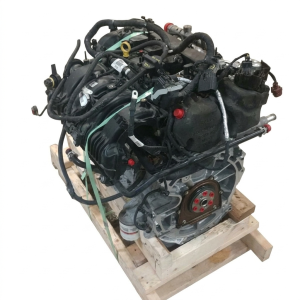
Used OEM Parts in Stock
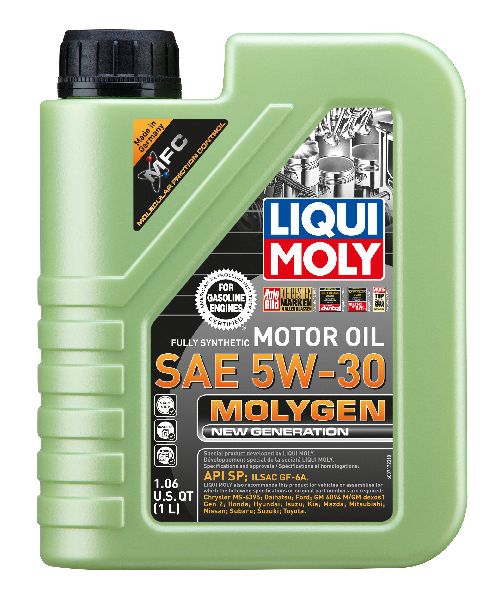
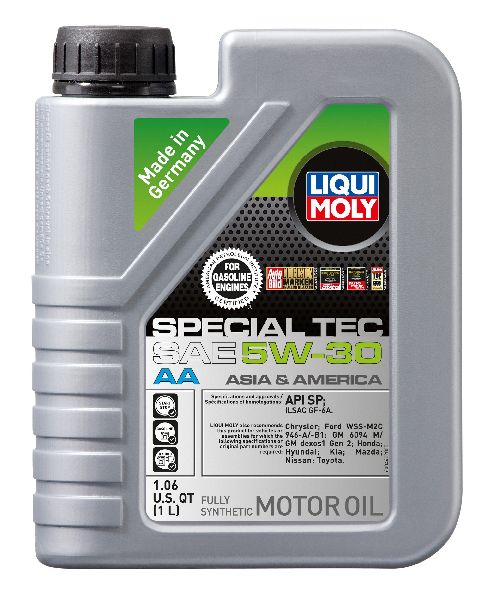
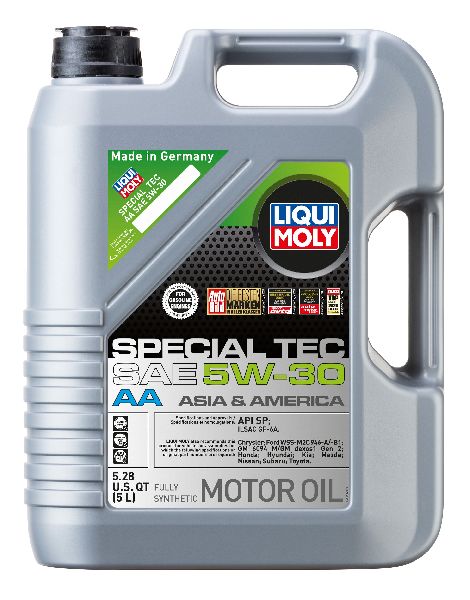
New Aftermarket Parts Available


The information in this article is provided for general reference and educational purposes only. Vehicle specifications, procedures, and part compatibility can vary by production date, trim level, and region. Always consult your vehicle's factory service manual and verify part numbers before purchasing or performing repairs. Safety-critical components such as airbags, seat belts, and braking systems should be installed by a qualified professional.
- Ford Mustang:
- 🛍️ Shop This Part
- What's Unique About the 2015-2021 Ford Mustang
- Symptoms You May Notice
- Most Likely Causes
- Rare But Worth Checking
- Diagnosis Steps
- Parts You'll Likely Need
- Related Codes That Often Appear With This One
- Technical Service Bulletins (TSBs) & Recalls
- Platform-Specific Known Issues
- Mechanic-Grade Diagnostic Values
- Hidden / Shadow Codes Worth Checking
- Scan Tool Commands That Help
- Wiring & Ground Locations
- Real Owner Repair Stories
- When the Usual Fixes Don't Work
- OEM Part Supersession History
- Model Year Variations Within This Range
- Diagnostic Flowchart
- Other Known Issues on This Vehicle
- Used vs. New Parts: Buying Guide for This Vehicle
- Real Owner Stories
- 2015 Ford F-150 5.0L V8
- 2018 Ford F-150 5.0L V8
- Related OBD-II Codes
- Frequently Asked Questions
- 🎟️ Get 5% Off