

P0024 Hyundai Palisade 2020-2024: Exhaust Cam Timing Over-Advanced Causes and Fixes
On a 2020-2024 Hyundai Palisade, code P0024 is most often caused by low or dirty engine oil, or a failing Bank 2 exhaust Oil Control Valve (OCV) solenoid. Bank 2 is the cylinder bank closer to the radiator. Start by checking your oil level and condition. Replacing the OCV is a common DIY fix costing around $50-$120 for the part, which is Hyundai/Kia part number 24360-3CAA2.
- P0024 on your Palisade means the exhaust camshaft timing on Bank 2 is too far advanced.
- Before buying any parts, check your engine oil. Low, old, or dirty oil is the number one cause of this code.
- The most common failed part is the Bank 2 exhaust Oil Control Valve (OCV), also called a VVT solenoid. It's relatively inexpensive and accessible for DIY replacement.
- If codes P0024 and P0014 appear together, it is almost certainly an oil level, quality, or pressure issue.
- Do not ignore this code. Continued driving can lead to poor performance, stalling, and potential engine damage.
What's Unique About the 2020-2024 Hyundai Palisade
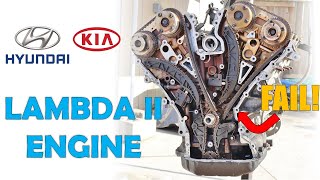
While P0024 is a generic code, the Hyundai Lambda II GDi 3.8L V6 engine, shared with the Kia Telluride, is particularly sensitive to oil level and quality. A teardown of a failed 3.8L V6 from a 2020 Palisade pointed directly to oil starvation issues. 🎬 Watch this full teardown of the Hyundai Lambda 2 V6 engine Owner complaints on similar Hyundai engines frequently report P0024 appearing together with P0014 (for Bank 1), which strongly suggests a systemic oiling problem rather than two independent component failures. [ODI #11597363, ODI #11589365, ODI #11063653] Additionally, some 2024 models were recalled for internal engine valve springs that could fracture, highlighting the importance of addressing any engine-related codes promptly on this platform.
Symptoms You May Notice
- Check Engine Light is on
- Rough engine idle
- Engine hesitation or stalling, especially during acceleration
- Reduced engine power and sluggish acceleration
- Decreased fuel economy
- Rattling or knocking noises from the engine
- Replacing the Camshaft Position Sensor (CMP) without proper diagnosis. A bad CMP sensor will typically generate its own specific trouble codes (e.g., P0365-P0369) and is not a common cause for P0024, which is a mechanical timing correlation code.
Most Likely Causes
- Low, Dirty, or Incorrect Engine Oil 🔴 High Probability The CVVT system is entirely dependent on hydraulic oil pressure to adjust cam timing. Low levels, sludge from infrequent changes, or the wrong viscosity directly impacts its function. A teardown of a failed Palisade 3.8L V6 showed significant issues related to oil starvation. Some owners of the 3.8L GDI engine have reported increased oil consumption at higher mileage, making it crucial to check oil levels regularly.
How to confirm: Check the oil dipstick for level. Inspect the oil's color and consistency on the dipstick or a paper towel. It should be amber/brown, not black, thick, or gritty. Ensure the level is between the 'L' and 'F' marks.
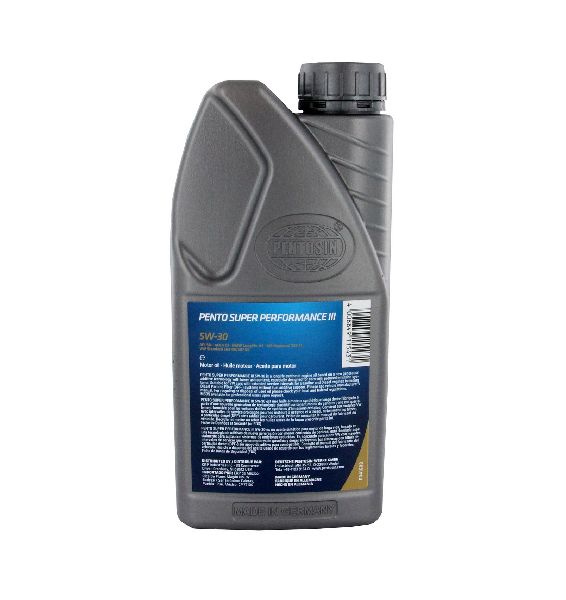
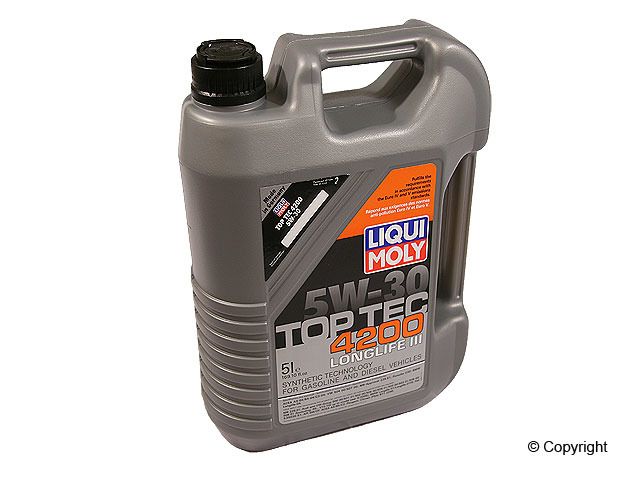
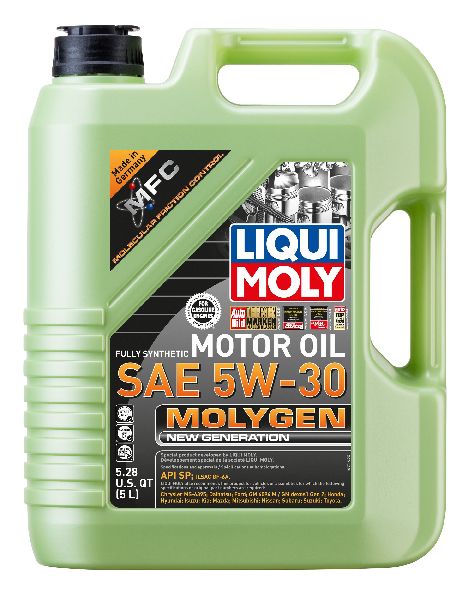
Typical fix: Perform an oil and filter change using a full synthetic 5W-30 oil that meets Hyundai's specifications (check your owner's manual). Clear codes and re-test.
Est. part cost: $40-$80 - Faulty Bank 2 Exhaust Oil Control Valve (OCV) Solenoid 🔴 High Probability This solenoid is a small electro-mechanical valve that can easily become clogged with oil sludge or fail electrically, causing it to stick in one position. It's a very common failure point in modern CVVT systems across all manufacturers.
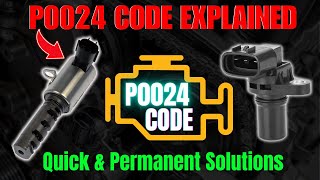
How to confirm: The Bank 2 OCVs are on the front of the engine (near the radiator). The exhaust OCV is for the left-hand camshaft on that bank. You can test the solenoid's resistance with a multimeter (typically 6.9-7.9 ohms at 68°F/20°C). A simpler method is to swap the Bank 2 exhaust OCV with the Bank 1 exhaust OCV (located on the rear bank, near the firewall). If the code changes to P0014 (for Bank 1), the solenoid is confirmed bad. 🎬 Watch how to test and fix a Bank 2 P0024 exhaust solenoid issue
Typical fix: Replace the Bank 2 exhaust Oil Control Valve solenoid. The OEM part number is 24360-3CAA2.
Est. part cost: $50-$120 - Failed Camshaft Phaser (CVVT Assembly) 🟡 Medium Probability The phaser is the mechanical gear on the end of the camshaft. Internal oil passages can clog with sludge, or the internal locking pin can fail, causing it to get stuck in the advanced position. This is less common than an OCV failure but is the next logical mechanical point of failure.
How to confirm: This is an advanced diagnosis requiring removal of the valve cover to inspect the phaser. A professional mechanic would use a scan tool to command phaser movement and observe the actual position, or listen for characteristic startup rattle.
Typical fix: Replace the Bank 2 exhaust camshaft phaser assembly. This is a labor-intensive job that also requires replacing the timing chain components as a best practice.
Est. part cost: $200-$400
Rare But Worth Checking
- Stretched Timing Chain or Failed Tensioner: While timing chains are designed to last the life of the engine, they can stretch over time, especially with poor maintenance or oil starvation issues. This would affect the base timing and could trigger this code, usually after 100,000 miles. A failing tensioner, starved of oil, could also cause slack.
- Clogged CVVT Oil Filter Screen: Many Hyundai/Kia engines have small, mesh filter screens in the oil passages leading to the OCVs to protect them from debris. These can become clogged with sludge, starving the OCV and phaser of oil pressure. Cleaning or replacing these small filters can sometimes resolve the issue without replacing more expensive components. They are typically located in the cylinder head, near or under the OCV itself.
Diagnosis Steps
- Read all codes with an OBD-II scanner. Note if any other codes, especially P0014, are present.
- Check engine oil level and condition. If it is low, dirty, or the wrong viscosity, perform a full oil and filter change with OEM-spec 5W-30 full synthetic oil. Clear the codes and drive to see if P0024 returns.
- Locate the Bank 2 (front bank, near radiator) exhaust Oil Control Valve (OCV) solenoid. Inspect the wiring connector for damage or corrosion.
- If the oil is clean, the next step is to test the OCV. The easiest way for a DIYer is to swap the Bank 2 exhaust OCV with the Bank 1 exhaust OCV (located on the rear bank, near the firewall). They are identical parts. Clear the codes and drive. If the code returns as P0014, the OCV you moved is faulty and needs to be replaced.
- If the code remains P0024 after the swap, the problem is likely more complex. At this point, you may be dealing with a clogged oil passage (check for CVVT filter screens), a faulty camshaft phaser, or a timing chain issue, which typically requires professional diagnosis with advanced scan tools and mechanical inspection.
Parts You'll Likely Need
- Engine Oil Control Valve (VVT Solenoid)
(OEM #24360-3CAA2)— This solenoid is the most common component to fail or become clogged, preventing proper control of the camshaft timing. It is used for both exhaust solenoids on this engine.
Trusted brands: Hyundai OE, Kia OE, Dorman
OEM price range: $80-$120
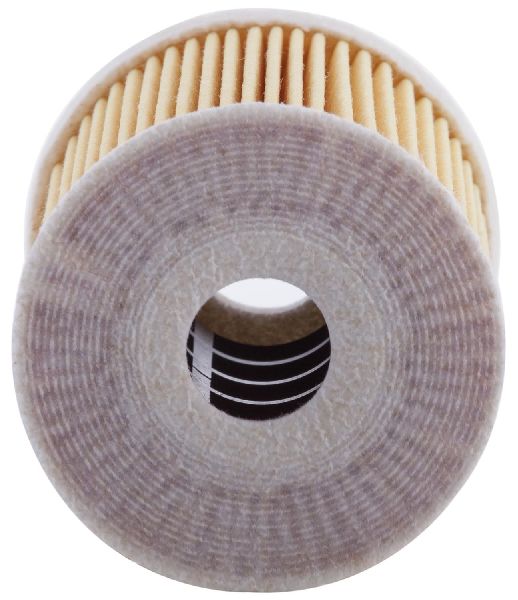
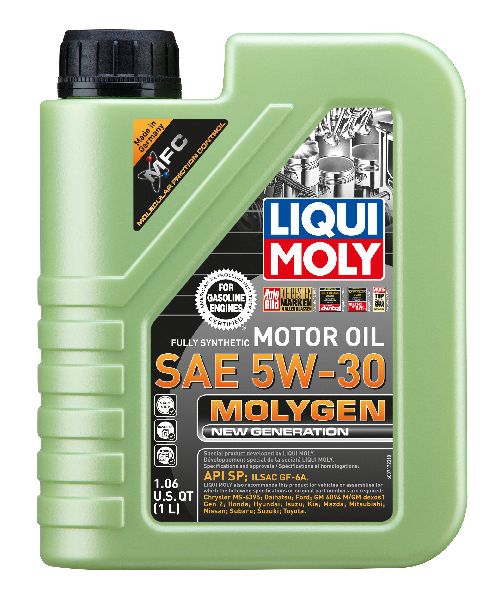
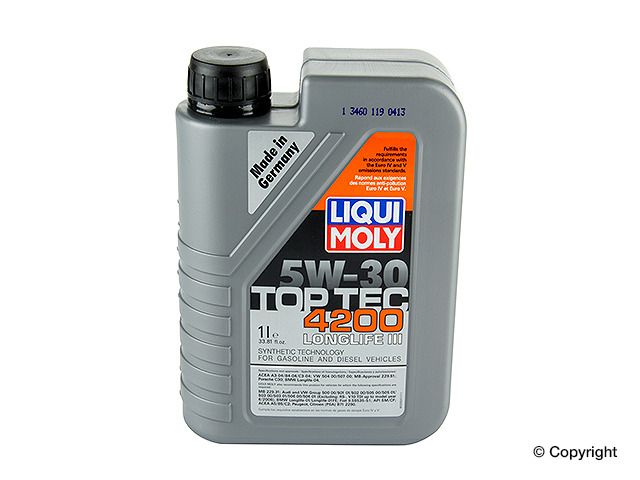
Aftermarket price range: $50-$90 - Engine Oil and Filter — Correct oil level and cleanliness are critical for the CVVT system to function. This should always be the first step before replacing parts. Use full synthetic 5W-30 oil.
Trusted brands: Pennzoil, Mobil 1, Castrol
OEM price range: $60-$100
Aftermarket price range: $40-$80
Related Codes That Often Appear With This One
- P0014 — P0014 is the equivalent code for the Bank 1 exhaust camshaft. Seeing both P0014 and P0024 together strongly points to a systemic issue affecting the entire engine, such as low/dirty oil or low oil pressure from a failing oil pump. [ODI #11597363, ODI #11589365, 31]
Technical Service Bulletins (TSBs) & Recalls
- TSB 24-01-039H-1: Outlines the procedure for replacing the engine sub-assembly for the valve spring recall (Recall 255) on affected 2024 Palisade vehicles.
- TSB 21-AT-008H-1: Describes a software update for the Shift Control Unit (SCU) on 2020-2021 Palisades to address certain transmission-related DTCs, unrelated to P0024 but relevant to platform software updates.
Platform-Specific Known Issues
- NHTSA owner complaints for other Hyundai models with V6 engines show a pattern of codes P0014 and P0024 appearing together, often leading to diagnoses of failed timing solenoids or, in severe cases, recommendations for engine replacement due to sludge or oil pressure problems. [ODI #11597363, ODI #11589365, ODI #11063653]
- Recall 255 (NHTSA #24V239000): Certain 2024 Palisade models were recalled for engine valve springs that could fracture, leading to a loss of power and potential engine damage. While not a direct cause of P0024, it underscores the importance of addressing engine health issues on this vehicle.
- Recall 246: Certain 2023-2024 Palisade models were recalled for an issue with the Idle Stop & Go (ISG) system's electric oil pump, which could impact transmission pressure control. Any issue with oil circulation could have wider implications for engine health.
Mechanic-Grade Diagnostic Values
- Oil Control Valve (OCV) / VVT Solenoid internal resistance — expected: 6.9 - 7.9 Ohms at 68°F (20°C). Failure: A reading outside this range, or an open circuit (infinite resistance), indicates a failed solenoid coil.
- OCV Power Supply Voltage — expected: Battery voltage (~12V) with ignition on, engine off. Failure: No voltage at the power supply pin of the OCV connector points to a wiring or relay issue, not a bad solenoid.
- Scan Tool CVVT Commanded vs. Actual Position — expected: The 'Actual' position should closely track the 'Commanded' position during an actuation test.. Failure: A difference of more than 20 degrees between the commanded and actual position will set the fault code. If the value does not change when commanded, it indicates a stuck phaser or a clogged oil passage.
Scan Tool Commands That Help
- Hyundai GDS (Global Diagnostic System): Actuation Test for CVVT Solenoid — This bidirectional command allows a technician to manually activate the Bank 2 exhaust OCV while monitoring the engine's RPM and camshaft position data. If activating the solenoid causes the engine to hesitate or stall, it confirms the solenoid and phaser are mechanically capable of moving. If there is no change, it points to a stuck solenoid, clogged passage, or failed phaser.
Wiring & Ground Locations
- Bank 2 OCV Connector — On the front of the engine (closer to the radiator), connected to the exhaust CVVT solenoid for that bank.. This connector and its wiring are the primary electrical interface for the component that controls cam timing. Corrosion or damage here will prevent the ECM's signal from reaching the solenoid, causing a timing fault.
- Engine Ground Strap — Typically a thick, braided copper wire connecting the engine block or transmission housing directly to the vehicle's chassis/frame.. A poor engine ground can cause a host of floating voltages and erratic sensor readings. While not a direct cause, it can create unpredictable electrical behavior for all engine sensors and actuators, including the OCVs and Camshaft Position Sensors, potentially contributing to timing correlation codes.
Real Owner Repair Stories
- Reddit user in r/genesiscoupe (2015 Hyundai Genesis Coupe 3.8L with 62k miles (same Lambda II GDI engine family)) — Check engine light with code P0024.
❌ Tried (didn't work) The user was advised by one person to change oil viscosity, which is not the standard diagnostic path.
✅ What actually fixed it The issue was resolved by replacing the Oil Control Valve (OCV). The user also noted their mechanic found the camshaft phaser was bad and recommended inspecting timing components. They stressed the importance of using an OEM part for the OCV.
Model Year Variations Within This Range
- 2020-2022 vs 2023-2024: The Hyundai Palisade received a significant facelift for the 2023 model year, which included revised exterior and interior styling, and new technology features. However, the core powertrain, the 291-hp 3.8L Lambda II V6 engine and 8-speed automatic transmission, remained the same across the 2020-2024 model years. Therefore, the causes and repair procedures for code P0024 are identical for all years in this range.
Diagnostic Flowchart
Other Known Issues on This Vehicle
Issues unrelated to this code that are worth knowing about as an owner of this generation:
- Spontaneous/Fragile Windshield Cracking 🟠 Medium — Common complaint since the 2020 model year. Owners report cracks appearing with no obvious impact or from very minor pebble strikes. Has resulted in class-action lawsuits.
- Foul Interior Odor 🟡 Low — Widespread reports, particularly on 2020-2021 Limited and Calligraphy trims with Nappa leather. The smell is often described as garlic or rotten produce and was traced by Hyundai to the headrest materials. (Ref: Hyundai issued a TSB and a dealer-applied fix involving neutralizing sprays and/or headrest replacement.)
- Tow Hitch Wiring Harness Fire Risk 🔴 High — Affects 2020-2022 models with an accessory tow hitch harness. Moisture and debris can cause an electrical short in the harness module, increasing fire risk even when parked. (Ref: NHTSA Recall #22V633000. The remedy involves installing a new wire extension kit and fuse, and dealers may have initially removed the fuse as an interim repair.)
- GDI Engine Carbon Buildup 🟠 Medium — An inherent issue with all Gasoline Direct Injection (GDI) engines, including the Lambda II. Over time (typically 80,000-100,000 miles), carbon can build up on intake valves, leading to rough idle, misfires, and reduced power.
- High Oil Consumption 🟠 Medium — Some owners report increased oil consumption as the vehicle ages, particularly past 80,000 miles. This requires more frequent oil level checks to prevent oil starvation, which can cause codes like P0024. (Ref: Hyundai has internal service bulletins for dealers regarding oil consumption tests, but no public recall for the V6.)
Used vs. New Parts: Buying Guide for This Vehicle
When a used part is the smart pick: For this repair, sourcing a used Oil Control Valve (OCV) from a reputable salvage yard can be a cost-effective option, as it is an external bolt-on component that is easy to replace if the used part is faulty.
Donor-vehicle mileage cap: roughly under 60000 miles for the part to have meaningful remaining life.
What to inspect on the donor part:
- Ask for the VIN of the donor vehicle to verify it's from a low-mileage Palisade, Telluride, or Genesis with the 3.8L engine.
- Visually inspect the electrical connector pins for any signs of corrosion or damage.
- Check the small filter screens on the solenoid body; they should be clean and free of metallic debris or thick sludge.
- If possible, test the resistance with a multimeter before purchase; it should be within the 6.9-7.9 Ohm range.
OEM-only on this vehicle (don't cheap out):
- Camshaft Phaser (CVVT Assembly)
- Timing Chain and Tensioners
Aftermarket brands forum-validated for this vehicle:
- Dorman (for Oil Control Valve)
Brands owners have reported issues with on this vehicle:
- No-name, unbranded solenoids from online marketplaces have a high failure rate and are best avoided, as noted by forum users who have had to redo the repair.
Real Owner Stories
Aggregated from forums and TSBs cited above. Mileages and costs reflect what owners reported in those sources.
2024 Hyundai Palisade 3.8L V6 — 93000 miles
Symptoms: High oil consumption requiring frequent top-offs between oil changes.
What fixed it: The owner reported this as a precursor to CVVT-related issues, emphasizing the need for regular oil level monitoring to prevent starvation.
Source hint: r/HyundaiPalisade on Reddit
Hyundai V6 (General Platform)
Symptoms: Codes P0014 and P0024 appearing together, often accompanied by oil pressure problems or sludge.
What fixed it: Diagnosis of failed timing solenoids; in severe cases of sludge, engine replacement was recommended.
Source hint: NHTSA owner complaints [ODI #11597363, ODI #11589365, ODI #11063653]
Related OBD-II Codes
Frequently Asked Questions
Does the valve spring recall (Recall 255) on my 2024 Palisade cause the P0024 code?
Can I swap parts to test if my Bank 2 exhaust Oil Control Valve is bad?
What specific oil should I use in my Palisade to prevent CVVT issues like P0024?
Is there a specific part number for the Bank 2 exhaust OCV on the 3.8L V6?
Could the Idle Stop & Go (ISG) recall on my 2023 Palisade be related to my engine codes?
I have a 2020 Palisade with a foul smell and P0024; are they related?
Helpful Videos

Used OEM Parts in Stock

New Aftermarket Parts Available

The information in this article is provided for general reference and educational purposes only. Vehicle specifications, procedures, and part compatibility can vary by production date, trim level, and region. Always consult your vehicle's factory service manual and verify part numbers before purchasing or performing repairs. Safety-critical components such as airbags, seat belts, and braking systems should be installed by a qualified professional.
- Hyundai Palisade:
- 🎬 Helpful Videos
- 🛍️ Shop This Part
- What's Unique About the 2020-2024 Hyundai Palisade
- Symptoms You May Notice
- Most Likely Causes
- Rare But Worth Checking
- Diagnosis Steps
- Parts You'll Likely Need
- Related Codes That Often Appear With This One
- Technical Service Bulletins (TSBs) & Recalls
- Platform-Specific Known Issues
- Mechanic-Grade Diagnostic Values
- Scan Tool Commands That Help
- Wiring & Ground Locations
- Real Owner Repair Stories
- Model Year Variations Within This Range
- Diagnostic Flowchart
- Other Known Issues on This Vehicle
- Used vs. New Parts: Buying Guide for This Vehicle
- Real Owner Stories
- 2024 Hyundai Palisade 3.8L V6 — 93000 miles
- Hyundai V6 (General Platform)
- Related OBD-II Codes
- Frequently Asked Questions
- 🎟️ Get 5% Off