

P0021 on 2006-2009 Mercedes-Benz E-Class 3.5L: Camshaft Timing Causes and Fixes
P0021 on a Mercedes M272 engine is most often caused by a faulty camshaft adjuster magnet (solenoid) on the driver's side intake camshaft, a simple and inexpensive fix. However, it can also be an early warning for a much more serious and expensive failure of the balance shaft sprocket, a notorious issue on engines built before serial number 2729..30 468993.
- P0021 means the driver's side intake camshaft timing is too far advanced.
- First, check your oil. Then, inspect the camshaft adjuster magnet (solenoid) for oil leaks and test it by swapping it with the exhaust magnet.
- A faulty magnet is the most likely cause and is a cheap, easy fix.
- Be aware that this code is also an early symptom of a catastrophic balance shaft failure, a known defect on 2006-2008 M272 engines. The presence of codes P0016/P0017 is a major red flag for this issue.
- Do not ignore this code. If the cause is mechanical, continued driving can destroy the engine.
What's Unique About the 2006-2009 Mercedes-Benz E-Class
The M272 engine has two very well-known issues that directly cause this code. The most common and easiest to fix is a failing camshaft adjuster magnet (solenoid), which is a frequent failure item. More critically, M272 engines with a serial number up to 2729..30 468993 were built with a balance shaft sprocket made of a softer metal that wears out prematurely. This wear causes the timing chain to slacken and camshaft timing to shift, leading to a severe mechanical flaw that requires a very expensive, engine-out repair. Therefore, P0021 on this engine must be diagnosed carefully to distinguish between a simple solenoid issue and a potential catastrophic balance shaft failure.
Symptoms You May Notice
- Check Engine Light is on
- Rough or unstable idle
- Poor acceleration and loss of power
- Decreased fuel economy
- Engine stalling
- Rattling or ticking noise from the front of the engine, especially on startup
- Replacing the camshaft position sensor when the actual fault is with the camshaft adjuster magnet (solenoid). The magnet is a more frequent failure point and the swap test is a more reliable diagnostic method.
- Replacing only the magnets and sensors when the underlying cause is a worn balance shaft sprocket. This leads to the codes returning quickly, often with P0016/P0017.
- Assuming any rattling noise is a catastrophic failure without first checking the simple and common failure points like the magnets.
Most Likely Causes
- Failed Camshaft Adjuster Magnet (Solenoid) 🔴 High Probability These solenoids are a very common failure point on the M272 engine. They get stuck or leak oil internally into the wiring harness, causing incorrect operation. Mercedes-Benz released an updated part (A2720510177) to address this. The oil leak can travel through the harness and damage the ECU if not addressed.
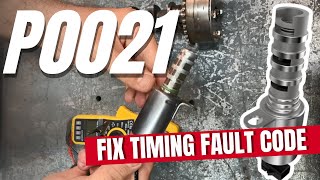
How to confirm: Inspect the electrical connector for the Bank 2 (driver's side) intake camshaft magnet for oil. A simpler test is to swap the intake magnet with the exhaust magnet on the same bank. If the code changes from P0021 to P0024, the magnet is confirmed faulty. A bench test can be performed by applying 12V to the magnet 🎬 See how to test and fix the P0021 fault code.; a healthy magnet will produce an audible click.
Typical fix: Replace the faulty camshaft adjuster magnet. If oil has leaked into the connector, the pigtail harness (Part No. 2711500156) should also be replaced to prevent oil from wicking into the main engine harness.
Est. part cost: $30-$80 for the magnet, $20-$30 for the pigtail harness. - Worn Balance Shaft Sprocket 🟡 Medium Probability A well-documented factory defect on M272 engines built before serial number 2729..30 468993 used a sprocket made from a softer metal that wears prematurely. This causes timing chain slack and throws off camshaft timing, often triggering P0016/P0017 codes first.
How to confirm: This requires advanced diagnosis. A mechanic will use a scan tool to check for high camshaft deviation values. The presence of codes P0016 or P0017 alongside P0021 is a strong indicator. Physical confirmation involves rotating the engine to 305 degrees and checking the alignment marks through the camshaft sensor holes. A visual inspection for worn sprocket teeth by removing the timing case cover is definitive. Checking the oil filter for metallic particles is also a key indicator.
Typical fix: This is a major, engine-out repair requiring replacement of the balance shaft, timing chain, guides, and oil pump with updated parts.
Est. part cost: $800-$1500 for a full kit - Low, Dirty, or Incorrect Engine Oil 🟡 Medium Probability The VVT system is operated by oil pressure. If the oil is low, old, sludged, or the wrong viscosity, the camshaft adjusters cannot function correctly. This engine requires oil meeting MB 229.5 specification.
How to confirm: Check the oil level and condition on the dipstick. Verify the service history to ensure the correct oil specification (MB 229.5) and filter were used. Low oil pressure is a direct cause.
Typical fix: Perform an oil and filter change using manufacturer-specified oil (e.g., Mobil 1 0W-40 European Formula) and a quality fleece filter.
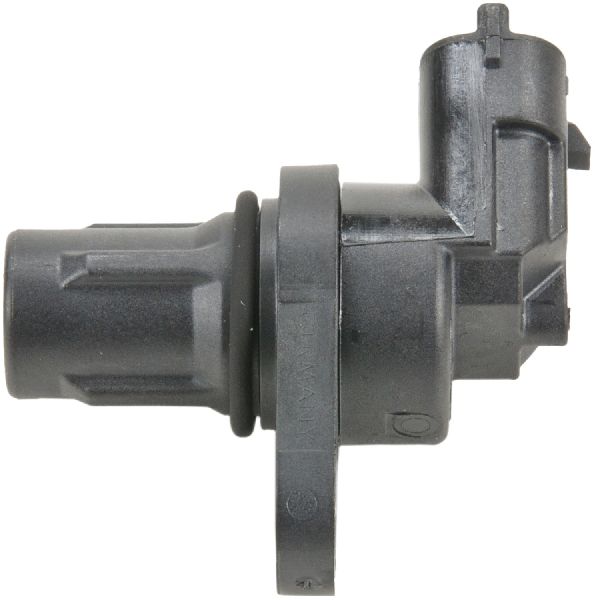
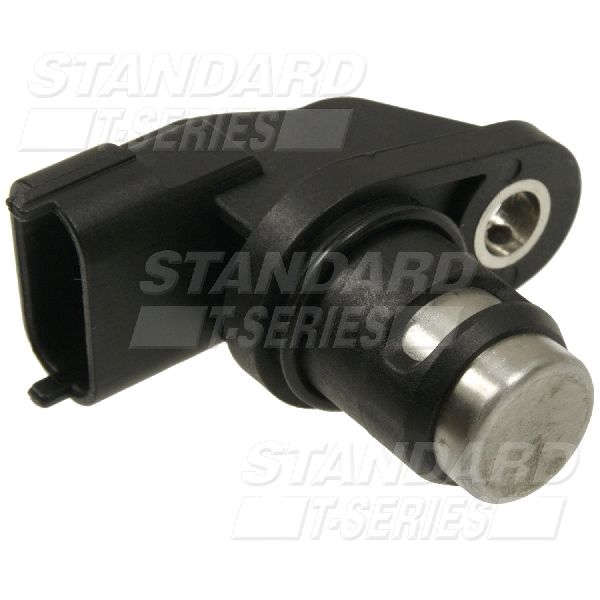
Est. part cost: $80-$150 - Faulty Camshaft Position Sensor ⚪ Low Probability While less common than magnet failure, the sensor that reads the camshaft's position can fail and send incorrect data to the ECM. These sensors can also become contaminated by oil from leaking cam magnets.
How to confirm: Swap the Bank 2 intake camshaft position sensor with the sensor from another position (e.g., Bank 1 intake). If the code moves or changes, the sensor is faulty. This is a common diagnostic step seen in forums.
Typical fix: Replace the faulty camshaft position sensor. 🎬 Watch: A walkthrough for replacing both sensors and magnetic adjusters.
Est. part cost: $50-$120
Rare But Worth Checking
- Stretched Timing Chain: While the balance shaft sprocket is the more common cause of slack, a high-mileage engine can simply have a stretched timing chain, which produces similar symptoms and requires a similar level of repair.
- Failed Camshaft Adjuster (Phaser): The mechanical gear (phaser) at the end of the camshaft can fail internally, getting stuck in an advanced position. This is less common than magnet or sprocket failure and is often accompanied by a rattling noise. This is a more expensive repair than the magnet but less than the balance shaft.
Diagnosis Steps
- Check the engine oil level and condition. Ensure it is full, clean, and of the correct specification (MB 229.5).
- Scan the ECM for any other stored trouble codes. Pay close attention to codes like P0016, P0017, or misfire codes for Bank 2.
- Inspect the electrical connector for the Bank 2 (driver's side) intake camshaft adjuster magnet. If oil is present in the connector, the magnet has failed and is leaking.
- Perform a swap test. Exchange the Bank 2 intake magnet with the Bank 2 exhaust magnet. Clear the codes and run the engine. If the code changes to P0024, the magnet is confirmed to be the fault.
- If the magnet is not the issue, test the camshaft position sensor by swapping it with one from another bank and seeing if the code follows.
- If magnets and sensors test good, check the engine serial number. If it is below M2729..30 468993, suspect a balance shaft issue.
- A professional technician should use a diagnostic scanner (like Mercedes STAR/XENTRY) to read live data for camshaft deviation. High deviation values point to a balance shaft or timing chain issue.
- The final step is a physical inspection of the timing components, which is an invasive and labor-intensive job. This may involve checking timing marks at 305 degrees of crank rotation or removing the front engine cover.
Parts You'll Likely Need
- Camshaft Adjuster Magnet (Solenoid)
(OEM #A2720510177)— This is the most common failure part for P0021 on the M272 engine. It's an electro-magnet that controls oil flow and frequently gets stuck or leaks oil. This is an updated part from Mercedes.
Trusted brands: Bosch, Pierburg, Genuine Mercedes-Benz
OEM price range: $50-$90
Aftermarket price range: $30-$60 - Camshaft Adjuster Magnet Pigtail Harness
(OEM #2711500156)— If the old magnet leaked oil into the connector, this short harness must be replaced to prevent oil from migrating further into the main engine harness and potentially damaging the ECU.
Trusted brands: Genuine Mercedes-Benz
OEM price range: $20-$30
Aftermarket price range: N/A - Balance Shaft Repair Kit
(OEM #2720302872KT)— For engines with the known factory defect, the original balance shaft sprocket wears out. This kit contains the updated, more durable balance shaft and other required components for the extensive repair.
Trusted brands: Mercedes-Benz (Genuine)
OEM price range: $800-$1500
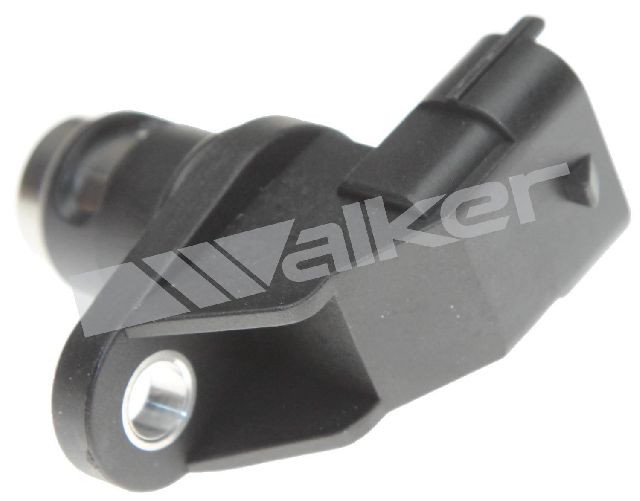
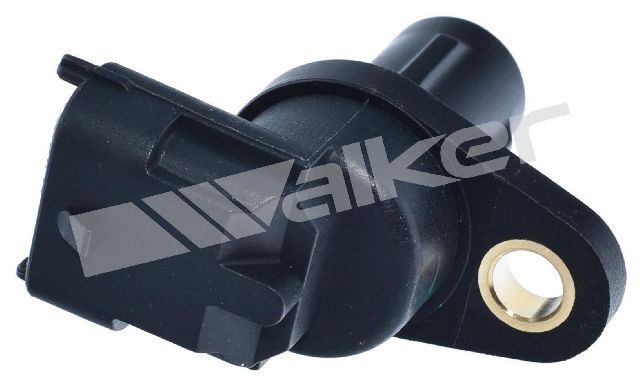
Aftermarket price range: N/A - Camshaft Position Sensor
(OEM #A0041539628)— Though less common, a faulty sensor can cause this code. It's often replaced as a precaution or after a swap test confirms its failure.
Trusted brands: Bosch, Continental/VDO, Genuine Mercedes-Benz
OEM price range: $50-$120
Aftermarket price range: $40-$80
Related Codes That Often Appear With This One
- P0024 — 'B' Camshaft Position Timing Over-Advanced (Bank 2). This code for the exhaust cam can appear if a technician swaps the intake and exhaust magnets during diagnosis.
- P0016 / P0017 — Crankshaft Position - Camshaft Position Correlation codes. When seen with P0021, these codes are a very strong indicator of a mechanical timing issue like a worn balance shaft sprocket or stretched timing chain.
- P0304, P0305, P0306 — Misfire codes for Bank 2 (Cylinders 4, 5, 6). Incorrect camshaft timing on Bank 2 can lead to misfires across all cylinders on that bank.
Technical Service Bulletins (TSBs) & Recalls
- Mercedes-Benz TSB S-B-03.30/08i: This service bulletin details the diagnosis for worn balance shaft sprockets on M272 engines (and idler gears on M273s). It specifies the affected engine serial number range (up to 2729..30 468993), shows images of worn vs. new sprockets, and outlines the repair procedure. It also covers fault scenarios for failing camshaft adjuster solenoids.
- Mercedes-Benz TSB LI03.30-P-050027: An updated version of the balance shaft TSB, providing comprehensive diagnostic and repair information.
Platform-Specific Known Issues
- M272 Balance Shaft Sprocket Failure: Engines manufactured before serial number 2729xx 30 468993 are at high risk for premature wear of the balance shaft sprocket. This was the subject of a class-action lawsuit. The repair is extremely labor-intensive, requiring engine removal.
Mechanic-Grade Diagnostic Values
- Camshaft Adjuster Magnet (Solenoid) Resistance — expected: Approximately 6.9 to 7.9 ohms at 68°F (20°C).. Failure: A reading of infinity or significantly outside the specified range indicates a faulty solenoid.
- Camshaft Adjuster Magnet (Solenoid) Current Draw — expected: Up to 550-600 milliamps when cold.. Failure: No current draw or excessively high draw when 12V is applied.
- Live Data Camshaft Angle Deviation (via XENTRY/DAS) — expected: Close to 0 degrees at idle.. Failure: A deviation of more than 2-3 degrees between the commanded and actual camshaft angle can trigger the fault. High, persistent deviation values strongly suggest a mechanical timing issue (balance shaft/chain).
Hidden / Shadow Codes Worth Checking
- P002177: 'The position of the intake camshaft (Bank 2) deviates from the specified value. The commanded position cannot be reached.' This Mercedes-specific sub-code often points more directly to a mechanical failure of the camshaft adjuster (phaser) itself, rather than just a magnet or sensor issue. (see via Mercedes-specific diagnostic tools like XENTRY/DAS or high-end professional scan tools.)
- 1200 / 1208: These are older Mercedes-specific codes for 'Constant adjustment of camshaft of right cylinder bank in direction 'Advanced' (P1200)' and '...in direction 'Retarded' (P1208)'. While not direct equivalents, they are often logged in the ECU's event memory and point to the same balance shaft/timing issues on the M272. (see via Mercedes-specific diagnostic tools like XENTRY/DAS.)
Scan Tool Commands That Help
- XENTRY / DAS: Camshaft Adjuster Actuation Test — This bidirectional test allows a technician to command the Bank 2 intake solenoid to activate while the engine is running. By monitoring live data for camshaft position, you can confirm if the solenoid is receiving the command and if the mechanical phaser is attempting to move. A lack of change in cam angle during activation points to a failed solenoid, a wiring issue, or a seized phaser.
Wiring & Ground Locations
- W11/1 — This is the main combustion engine ground point (ground strap), typically running from the engine block/bell housing area to the chassis. On a W211, one is located on the driver's side, just under and to the rear of the steering box.. A poor engine ground can cause erratic voltage signals and unpredictable behavior from sensors and solenoids, including the camshaft position sensors and adjuster magnets, leading to false timing codes.
- Camshaft Adjuster Magnet Connector — Front of the engine, on the Bank 2 (driver's side) cylinder head, for the intake camshaft (upper position).. This connector is the primary point of failure due to oil wicking from a leaking magnet. The pins can become contaminated, causing poor connection and incorrect solenoid operation. The wiring harness itself can become saturated with oil, requiring replacement of the pigtail.
Real Owner Repair Stories
- Classic Jalopy forum user (2007 Mercedes-Benz E350 Wagon (S211) with M272 engine, ~170,000km) — Check engine light, engine bogging down, not as lively.
❌ Tried (didn't work) Replacing the camshaft adjuster magnets., Replacing the camshaft position sensors., Repairing the broken intake manifold flaps.
✅ What actually fixed it The vehicle, despite being outside the 'official' engine serial number range for the defect, was diagnosed with a worn balance shaft. The final fix was a complete balance shaft replacement, an engine-out job costing approximately $6,000 AUD at an independent shop.
OEM Part Supersession History
A2720510077→A2720510177— The original camshaft adjuster magnets were prone to internal and external oil leaks. The updated part has improved seals to prevent oil from leaking into the electrical connector and wiring harness.
Model Year Variations Within This Range
- 2006 - early 2007: Vehicles with M272 engines with a serial number up to 2729..30 468993 were manufactured with a balance shaft sprocket made of a softer metal that is prone to premature wear. Vehicles produced after this serial number have an updated, more durable sprocket, making the balance shaft failure a much less likely cause for P0021.
Diagnostic Flowchart
Other Known Issues on This Vehicle
Issues unrelated to this code that are worth knowing about as an owner of this generation:
- Intake Manifold Tumble Flap Failure 🟠 Medium — Very common on M272/M273 engines, often occurring after 60,000-80,000 miles. The plastic lever that actuates the flaps breaks.
- 7G-Tronic (722.9) Transmission Conductor Plate Failure 🔴 High — Common failure item, especially on earlier 722.9 transmissions. Can occur anywhere from 70,000 to 150,000 miles.
- Oil Leaks from Camshaft Housing Plugs and Oil Cooler Gaskets 🟡 Low — Extremely common. Gaskets and seals harden over time and with heat cycles, leading to leaks.
Used vs. New Parts: Buying Guide for This Vehicle
When a used part is the smart pick: For camshaft adjuster magnets and camshaft position sensors, a used part from a low-mileage donor vehicle can be a cost-effective option. These are external, easily accessible parts that do not require engine disassembly to replace.
Donor-vehicle mileage cap: roughly under 80000 miles for the part to have meaningful remaining life.
What to inspect on the donor part:
- For camshaft magnets, inspect the electrical connector port for any signs of oil residue. A perfectly dry connector is a good sign.
- Check the date codes on the parts if visible. Newer parts are preferable.
- Ensure there is no physical damage, cracking on the plastic, or heavy corrosion on the metal components.
OEM-only on this vehicle (don't cheap out):
- Balance Shaft Repair Kit: This is a critical, internal engine component with a known defect. Only the updated, genuine Mercedes-Benz kit should be used to ensure the repair is permanent.
- Timing Chain: Due to the critical nature of this part, and the labor involved in replacement, using a new, high-quality OEM or OEM-supplier (e.g., IWIS) chain is essential.
Aftermarket brands forum-validated for this vehicle:
- Camshaft Adjuster Magnets: Bosch, Pierburg (often the OEM supplier).
- Camshaft Position Sensors: Bosch, Continental/VDO.
Brands owners have reported issues with on this vehicle:
- Unbranded, 'white-box' sensors and solenoids from online marketplaces. While tempting due to low cost, they have a high failure rate and can cause diagnostic confusion. One forum user's review of an Aliexpress magnet was positive after 3 months, but this is generally considered a gamble.
Real Owner Stories
Aggregated from forums and TSBs cited above. Mileages and costs reflect what owners reported in those sources.
2010 Mercedes-Benz C250 M272
Symptoms: Intake camshaft position timing over advanced bank 2; triggered code P0021.
What fixed it: The owner sought advice on the prevalence of the issue across the M272 platform, specifically regarding the intake camshaft magnet.
Source hint: MBWorld.org - 'code P0021: intake camshaft position timing over advanced bing 2.'
2006 Mercedes-Benz E350 M272
Symptoms: Rough running and misfires on Bank 2.
What fixed it: Diagnosis led to a discussion of balance shaft failure versus other potential causes like magnets or sensors.
Source hint: MBWorld.org - 'Rough running 2006 E350 M272 Engine'
2006 Mercedes-Benz E350 4matic M272
Symptoms: Discussion of long-term reliability concerns regarding major repairs.
What fixed it: Identification of the balance shaft issue as a common major repair for pre-2007 models.
Source hint: Reddit r/W211 - 'E350 4matic reliability'
Related OBD-II Codes
Frequently Asked Questions
My 2006 E350 is running rough; does TSB S-B-03.30/08i apply to my engine?
What is the updated part number for the camshaft adjuster magnets on my M272 engine?
Can I prevent oil from damaging my engine harness if the magnets start leaking?
Is there a specific oil I should be using in my E-Class to avoid P0021 codes?
How can I tell if my P0021 code is a simple magnet failure or the expensive balance shaft issue?
Was there any legal action regarding the balance shaft sprocket failure on these models?
Helpful Videos
We Have This Part in Stock


The information in this article is provided for general reference and educational purposes only. Vehicle specifications, procedures, and part compatibility can vary by production date, trim level, and region. Always consult your vehicle's factory service manual and verify part numbers before purchasing or performing repairs. Safety-critical components such as airbags, seat belts, and braking systems should be installed by a qualified professional.
- Mercedes-Benz E-Class:
- 🎬 Helpful Videos
- 🛍️ Shop This Part
- What's Unique About the 2006-2009 Mercedes-Benz E-Class
- Symptoms You May Notice
- Most Likely Causes
- Rare But Worth Checking
- Diagnosis Steps
- Parts You'll Likely Need
- Related Codes That Often Appear With This One
- Technical Service Bulletins (TSBs) & Recalls
- Platform-Specific Known Issues
- Mechanic-Grade Diagnostic Values
- Hidden / Shadow Codes Worth Checking
- Scan Tool Commands That Help
- Wiring & Ground Locations
- Real Owner Repair Stories
- OEM Part Supersession History
- Model Year Variations Within This Range
- Diagnostic Flowchart
- Other Known Issues on This Vehicle
- Used vs. New Parts: Buying Guide for This Vehicle
- Real Owner Stories
- 2010 Mercedes-Benz C250 M272
- 2006 Mercedes-Benz E350 M272
- 2006 Mercedes-Benz E350 4matic M272
- Related OBD-II Codes
- Frequently Asked Questions
- 🎟️ Get 5% Off