

P0019 on 2011-2024 Subaru Forester: Crank/Cam Correlation Causes and Fixes
For a Subaru Forester, P0019 is most often caused by low or dirty engine oil. Always check and correct your oil level first. If the oil is fine, the next most likely cause is a faulty Bank 2 (driver's side) exhaust Oil Control Valve (OCV), a ~$120 part (OEM P/N: 10921AA231). On 2017-2023 models, a simple dealer software update per TSB 09-120-24R may be the required fix, so this should be investigated before replacing parts on newer vehicles.
- Action #1: Immediately check your engine oil level and condition. An oil change is the most likely and cheapest fix.
- For 2018 or newer models, your second step should be calling a Subaru dealer with your VIN to check if TSB 09-120-24R (an ECM software update) applies to your vehicle.
- If oil and software are good, the most likely failed part is the driver's side (Bank 2) exhaust Oil Control Valve (OCV).
- Do not immediately replace the camshaft or crankshaft sensors; they are rarely the root cause of this specific correlation code on a Subaru.
What's Unique About the 2011-2024 Subaru Forester
Subaru's AVCS (variable valve timing) is extremely sensitive to engine oil level and condition, making oil-related issues the number one cause of P0019. Furthermore, on many newer Foresters (approx. 2017-2023), Subaru's ECM software was overly sensitive and could trigger this code falsely. A Technical Service Bulletin (TSB 09-120-24R) was issued to fix this with a software update, making a trip to the dealer for a potential reprogram a critical and unique first step before attempting mechanical repairs on these later models.
Generation note: This range covers the Forester's third (SH, through 2013), fourth (SJ, 2014-2018), and fifth (SK, 2019-2024) generations. The primary engine is the FB25. The issue of overly sensitive ECM logic requiring a software update (TSB 09-120-24R) is most prominent on 2017-2023 models, covering the late SJ and early SK generations. Earlier generations (like the 2011 SH) are more likely to have purely mechanical or oil-related causes.
Symptoms You May Notice
- Check Engine Light is on
- Rough or unstable engine idle
- Poor acceleration or engine hesitation
- Reduced fuel economy
- Engine may stall at low speeds
- EyeSight, cruise control, and other driver aids may be disabled
- Replacing the camshaft or crankshaft position sensors. The code P0019 indicates a *correlation* issue between the two, not necessarily a failure of either sensor itself. The sensors are usually working correctly to report the timing mismatch. An owner on Reddit confirmed swapping sensors did not resolve the issue.
Most Likely Causes
- Low or Dirty Engine Oil 🔴 High Probability The Subaru AVCS system is hydraulic and highly sensitive to oil pressure and cleanliness. Low or sludgy oil is the most common trigger for all VVT-related fault codes on these engines, as it can clog the small passages in the OCVs and cam phasers.
How to confirm: Check the engine oil dipstick for level and inspect the oil for darkness or a sludgy consistency. This should always be the first check. 🎬 Watch: A quick overview of P0019 causes and permanent solutions.
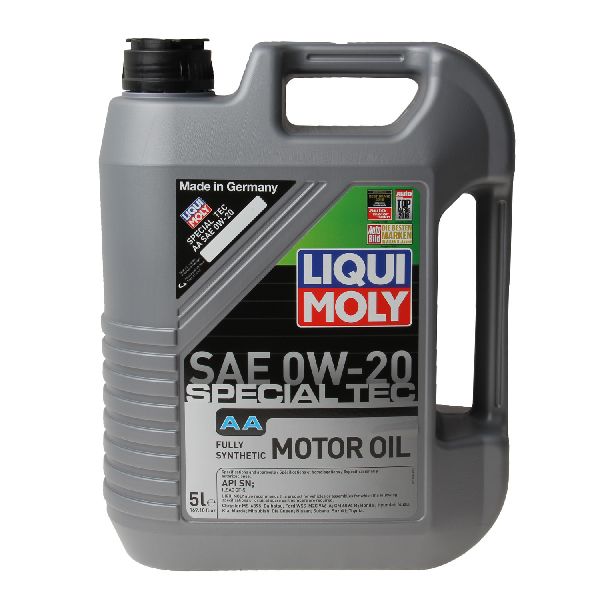
Typical fix: Perform an engine oil and filter change using the correct viscosity full synthetic oil (typically 0W-20). Clear the code and see if it returns. Many owners report this alone solves the problem.
Est. part cost: $40-$80 - Faulty Oil Control Valve (OCV) / VVT Solenoid 🟡 Medium Probability The OCV can become clogged with oil sludge or fail electrically, preventing it from directing oil to the cam phaser correctly. It's the most common hardware failure for this code.
How to confirm: After confirming oil is good, the OCV can be tested for resistance with a multimeter (should be 6.9-7.9 ohms). A common DIY method is to swap the suspect OCV with an identical one from another position (e.g., the intake side on the same bank) and see if the fault code changes to P0018 (intake correlation) to follow the valve. 🎬 See how to test and fix the Bank 2 exhaust sensor.
Typical fix: Replace the Bank 2 (driver's side) exhaust OCV. After replacement, it may be necessary to perform a VVT System Learning Value Clear/Reset with an advanced scan tool.
Est. part cost: $90-$150 - Outdated Engine Control Module (ECM) Software 🟡 Medium Probability On 2017-2023 Foresters, Crosstreks, and Imprezas, Subaru issued TSB #09-120-24R because the original ECM logic was too sensitive and could falsely trigger P0016, P0017, P0018, and P0019.
How to confirm: Contact a Subaru dealership with your vehicle's VIN. They can verify if TSB 09-120-24R is open and applicable to your car. This should be done before replacing any parts on a newer model Forester. One user on Reddit noted the dealer charged one hour of labor for this fix after they declined other unnecessary repairs.
Typical fix: A Subaru dealer must reprogram the ECM with updated software. This is typically a one-hour labor charge.
Est. part cost: $0 (if under warranty) - $200 - Stretched Timing Chain ⚪ Low Probability While the FB25 uses a 'lifetime' timing chain, it can stretch over high mileage (typically well over 100k miles), causing the cam/crank correlation to fall out of the expected range. This is a more serious mechanical failure.
How to confirm: This is a complex diagnosis. A specific test involves unplugging the OCV and reading the 'VVT Adv. Ang. Amount' on a scan tool; a value of +/- 10 degrees or more suggests a slipped tooth. Otherwise, it requires checking cam/crank signals with an oscilloscope or physically inspecting the timing components, which is labor-intensive.
Typical fix: Replace the timing chain, tensioners, and guides. This is a significant repair, often costing over $2,000.
Est. part cost: $400-$800
Rare But Worth Checking
- Damaged Camshaft Sprocket / VVT Phaser: The VVT phaser (actuator) itself can fail mechanically or get stuck, but this is less common than the OCV solenoid that controls it. This is usually diagnosed after all other more common causes are ruled out.
- Clogged Oil Passages or OCV Filter Screens: Severe oil sludging from poor maintenance can block the small oil galleries that feed the VVT system. The OCVs also have small filter screens that can get clogged with debris, starving the solenoid of oil. These can sometimes be removed and cleaned, though replacement is often necessary if debris is found.
Diagnosis Steps
- Check Engine Oil: Verify the oil level is full and the oil is clean. If it is low, dirty, or past its service interval, perform an oil and filter change with 0W-20 synthetic oil. Clear the codes and test drive. This is the most common fix. 🎬 Watch this walkthrough on diagnosing and replacing the oil control valve.
- Check for TSBs (2017-2023 models): Call a Subaru dealer with your VIN and ask if TSB #09-120-24R (for an ECM reprogram) is applicable and has been performed. This is a very common fix for newer models and should be done before replacing parts.
- Inspect OCV Wiring: Check the wiring and connector for the Bank 2 exhaust Oil Control Valve (driver's side, lower position) for any damage, corrosion, or oil saturation. Test for battery voltage at the connector with the key on.
- Test the OCV: Test the solenoid's resistance with a multimeter (expect 6.9-7.9 ohms). A common DIY test is to swap the Bank 2 exhaust OCV with the Bank 2 intake OCV. Clear codes and drive. If the code changes to P0018, the OCV is faulty and needs replacement.
- Advanced Scan Tool Diagnostics: Use a bidirectional scanner to perform an 'Active Test' on the Bank 2 exhaust OCV; the engine should stumble or stall. Also, check Mode $06 data; a value of 1000 or greater for the AVCS monitor indicates a confirmed fault.
- Reset Learned Values: If parts are replaced, a 'VVT Learned Value Reset' or 'Test Mode Clear' may be required using an advanced aftermarket scan tool to make the ECM recognize the new part and clear the code permanently.
- Mechanical Timing Inspection: If all else fails, the issue is likely mechanical. The timing cover must be removed to inspect the timing chain, guides, and phasers for wear, stretch, or damage. This is a job best left to a professional.
Parts You'll Likely Need
- Oil Control Valve (OCV) / VVT Solenoid (Bank 2 Exhaust)
(OEM #10921AA231 (replaces 10921AA230, 10921AA220))— This solenoid controls oil flow to the cam phaser and is the most common hardware component to fail or clog, causing the P0019 code.
Trusted brands: Subaru (Genuine), Denso (OEM supplier)
OEM price range: $110-$150
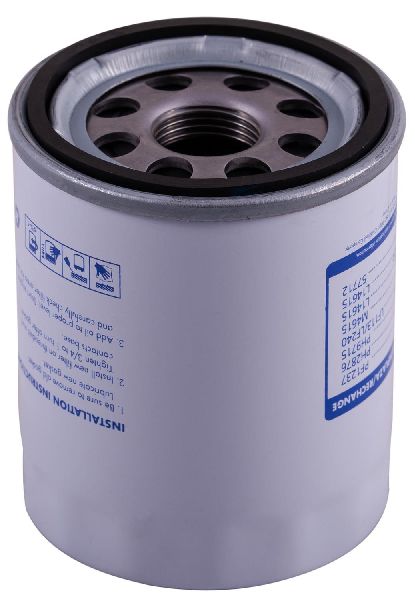
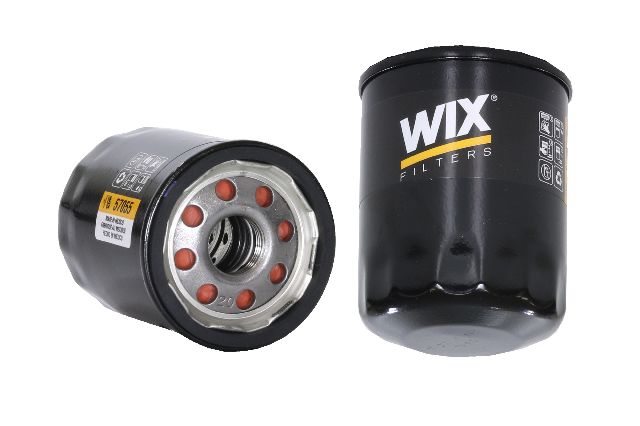
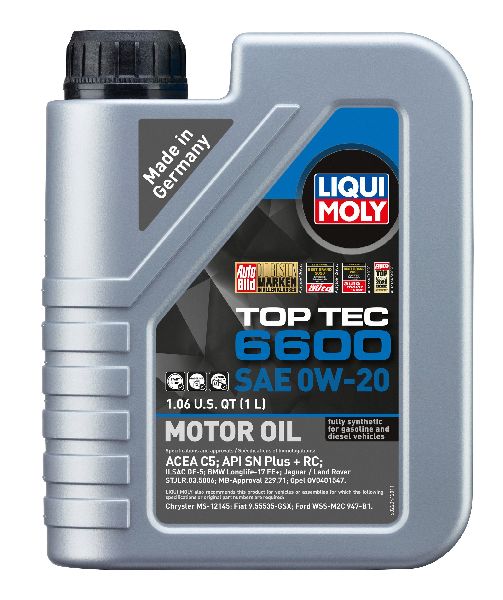
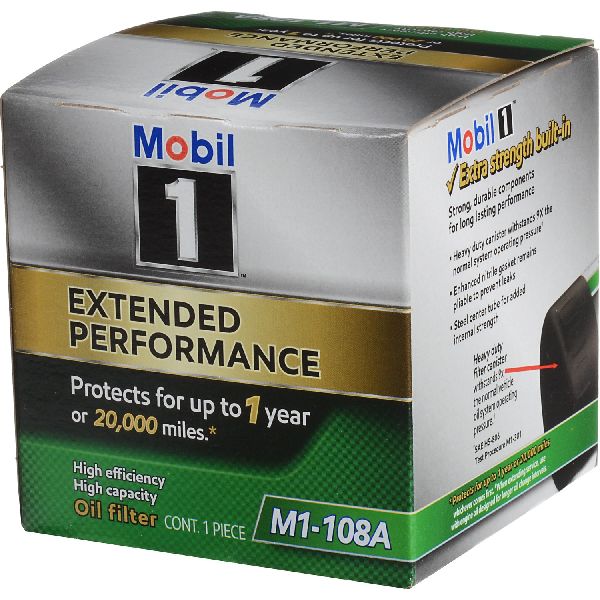
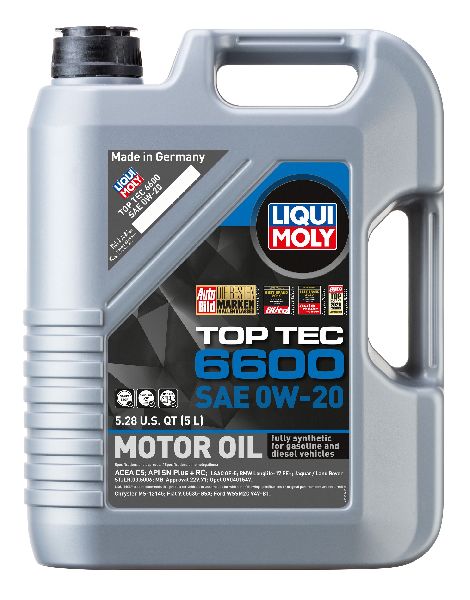
Aftermarket price range: $50-$90 - Engine Oil and Filter — Low or dirty oil is the number one cause of this code. An oil change is the cheapest and most important first step in diagnosis.
Trusted brands: Subaru Genuine 0W-20, Idemitsu, Mobil 1
OEM price range: $50-$80
Aftermarket price range: $40-$60 - Camshaft Position Sensor
(OEM #22053AA053)— While often misdiagnosed, a faulty sensor can be the cause. This part number is commonly used across many Subaru models for both cam and crank sensors.
Trusted brands: Subaru (Genuine), Denso, NTK
OEM price range: $70-$100
Aftermarket price range: $30-$60
Related Codes That Often Appear With This One
- P0018 — This is the correlation code for the intake camshaft on the same bank (Bank 2). If P0018 and P0019 appear together, it strongly points to a problem affecting the entire driver's side bank, like an oil supply issue or timing chain problem on that side.
- P0017 — This is the same exhaust cam correlation code but for Bank 1 (passenger side). Seeing both P0017 and P0019 can indicate a problem affecting the whole engine, like severe oil contamination, low oil pressure, or a stretched timing chain.
Technical Service Bulletins (TSBs) & Recalls
- TSB 09-120-24R: Addresses false P0016, P0017, P0018, and P0019 codes with an ECM software update for 2017-2023 models.
- TSB 02-163-16R: Details specific inspection procedures for AVCS-related DTCs, including how to check mechanical timing by disabling the OCV.
Platform-Specific Known Issues
- ECM Software Sensitivity (2017-2023): Models in this range are highly susceptible to false P0019 codes due to overly sensitive ECM logic. TSB 09-120-24R was issued to correct this, making a dealer visit for a potential software update a primary diagnostic step.
- Oil Consumption on Early FB25 (2011-2014): The first few years of the FB25 engine were known for excessive oil consumption due to piston ring design. Chronically low oil levels from this issue are a primary trigger for oil-starvation codes like P0019 on these specific model years.
Mechanic-Grade Diagnostic Values
- Oil Control Valve (OCV) Solenoid Resistance — expected: 6.9 - 7.9 Ohms at 68°F (20°C). Failure: A reading outside this range, or an open/infinite reading, indicates a failed coil.
- OCV Harness Connector Voltage (Key On, Engine Off) — expected: Battery Voltage (10V+). Failure: No voltage indicates a break in the wiring harness or a fuse/relay issue.
- Engine Oil Pressure (Warm Engine) — expected: >10 PSI at idle, >30 PSI at 3000 RPM. Failure: Pressure below these specifications indicates a problem with the oil pump, pickup tube, or excessive internal wear.
- Live Data: VVT Advance Angle (OCV unplugged, warm idle) — expected: Close to 0°. Failure: A value of +/- 10° (or multiples of 10) suggests the timing chain has jumped one or more teeth.
Hidden / Shadow Codes Worth Checking
- Mode $06, MID $36, TID $8D/$8E: This is not a shadow code, but a deeper diagnostic monitor for the AVCS system. MID $36 corresponds to Bank 2. A 'Val.' (Value) of 1000 or greater indicates a confirmed failure of the self-test for the exhaust AVCS system. (see via A professional scan tool or one with Mode $06 capabilities, such as the Subaru Select Monitor (SSM).)
Scan Tool Commands That Help
- Subaru Select Monitor (SSM) or Pro-level Bidirectional Scanner (Autel, Topdon, etc.): Active Test: Actuate Bank 2 Exhaust OCV — With the engine at a warm idle, this command manually cycles the OCV. A functional solenoid and clear oil passages will cause the engine to stumble or stall. If there is no change in engine operation, it points to a bad OCV, a clogged oil passage, or a wiring issue.
- Advanced Aftermarket Scan Tool (e.g., Autel, Thinkdiag2): Special Function: Test Mode Clear / Clear Memory / VVT Learned Value Reset — This is critical after replacing an OCV or performing other mechanical repairs. The ECM can retain old fault data and may not clear the P0019 code with a standard 'Clear Codes' command. This function forces the ECM to relearn the AVCS parameters. Some procedures require placing a fuse in a specific slot in the under-hood fuse box to enter 'Test Mode'.
Wiring & Ground Locations
- Bank 2 Exhaust OCV Connector — On the front of the driver's side (Bank 2) cylinder head. It is the lower of the two VVT solenoid connectors.. This connector and its wiring are the final link to the solenoid. It should be inspected for physical damage, corrosion, and especially oil saturation, which can indicate a failed internal seal on the OCV and cause a poor connection. Resistance between the ECU and this connector's pins should be less than 1Ω.
Real Owner Repair Stories
- Reddit user in r/AskMechanics (2018 Subaru Crosstrek) — P0019 code
❌ Tried (didn't work) Replacing the bottom (exhaust) VVT solenoid on Bank 2., Swapping camshaft position sensors to see if the code moved.
✅ What actually fixed it After replacing the VVT solenoids, the code remained until a 'test mode clear' was performed using a Thinkdiag2 scan tool. This specific reset was necessary to clear the persistent fault from the ECM. - Reddit user comment in the same thread (Subaru (model year not specified, but TSB applies)) — P0019 code
❌ Tried (didn't work) Declined dealer recommendations for more expensive fixes (likely OCV replacement).
✅ What actually fixed it The dealer performed an ECM update per a TSB. This software reflash was the only fix required and was billed as one hour of labor.
"I Checked Everything" — The Actual Cause
- A common scenario for P0019 on this platform is that the code persists even after the mechanical fault (like a bad OCV) is corrected. The root cause of the *persistent code* is not a physical leak or component failure, but rather a 'learned bad value' stored in the Engine Control Module (ECM). The ECM adapted to the faulty part and will not recognize the new, functional part without a specific reset. The actual fix in these cases is to use an advanced scan tool to perform a 'VVT Learned Value Reset' or 'Test Mode Clear', which forces the system to relearn. According to some technicians, Subaru's own dealer tool (SSM) may not have this function readily available, making an aftermarket tool or a full ECM replacement the only options at some dealerships.
OEM Part Supersession History
10921AA220, 10921AA230→10921AA231— Internal design revisions to improve reliability and prevent failure.
Heads up: When replacing OCV P/N 10921AA231, a new one-time-use O-ring (P/N 806944060) and potentially a spacer (P/N 16677AA040) are also required for proper installation.
Model Year Variations Within This Range
- 2017-2023: These models are subject to TSB 09-120-24R, which corrects overly sensitive ECM logic that can falsely trigger P0019. A software update should be the first diagnostic consideration before replacing hardware.
- 2011-2014: These early FB25 engines were part of a class-action lawsuit regarding excessive oil consumption. For these specific years, P0019 is very frequently a direct result of the engine running low on oil, even if no external leaks are visible.
Diagnostic Flowchart
Other Known Issues on This Vehicle
Issues unrelated to this code that are worth knowing about as an owner of this generation:
- Excessive Oil Consumption (Early FB25) 🔴 High — Common on 2011-2014 models. Caused by issues with piston rings and cylinder bore machining. Can be as high as 1 quart per 1,000-1,200 miles. A class-action lawsuit was settled for this issue. (Ref: Subaru issued TSBs and a warranty extension, but many vehicles are now outside the coverage period.)
- Thermo Control Valve (TCV) Failure 🔴 High — Affects 2019-2021 Foresters. The valve can crack or fail electronically, causing coolant leaks, engine overheating, or failure to reach operating temperature. Disables safety systems like EyeSight when it fails. (Ref: TSB 09-119-24 / WMM-23. Subaru extended the warranty for this part to 15 years / 150,000 miles.)
- CVT Transmission Shudder and Hesitation 🟠 Medium — Reported across various model years, particularly the 4th generation (2014-2018). Owners describe shuttering, jerking, or delayed acceleration from a stop. Less severe on later models, but still a common complaint. (Ref: Subaru has issued warranty extensions for the CVT on some model years and software updates to improve behavior, but some owners still experience issues.)
- Starlink Infotainment System Failures 🟡 Low — Widespread on 2019-2023 models. Symptoms include the screen freezing, ghost touches, random reboots, and loss of audio. A class-action lawsuit was filed over these issues. (Ref: Multiple software updates have been released, but some head units require replacement.)
- Prematurely Cracked Windshields 🟡 Low — A common complaint on 5th generation Foresters (2019+). Owners report windshields cracking easily from minor impacts.
- Rapid Battery Drain 🟡 Low — Common on 2019+ models. The battery can drain unexpectedly, sometimes linked to the Data Communication Module (DCM) remaining active. (Ref: Multiple TSBs exist related to battery testing and charging procedures.)
Used vs. New Parts: Buying Guide for This Vehicle
When a used part is the smart pick: For non-wear electronic items like the Camshaft Position Sensor. If a used sensor is tested and confirmed functional, it can be a cost-effective alternative as they do not have a defined service life.
Donor-vehicle mileage cap: roughly under 100000 miles for the part to have meaningful remaining life.
What to inspect on the donor part:
- Inspect the part for any physical cracks or damage.
- Check electrical connector pins for corrosion, bending, or signs of oil contamination.
- If possible, test the resistance of the part with a multimeter before purchase.
OEM-only on this vehicle (don't cheap out):
- Oil Control Valve (OCV) / VVT Solenoid: Forum and owner experiences suggest aftermarket OCVs can be unreliable or have a short service life, leading to the code returning.
- Timing Chain & Tensioners: Given the critical nature of these parts and the high labor cost to access them, using anything other than OEM is a significant risk.
Aftermarket brands forum-validated for this vehicle:
- Denso: Denso is a known OEM supplier for Subaru's electronics. A Denso-branded part is often identical to the Genuine Subaru part.
- Idemitsu: Idemitsu is the manufacturer of Subaru's Genuine engine oil.
Brands owners have reported issues with on this vehicle:
- Generic/unbranded OCVs/VVT Solenoids: While no specific brand is universally cited as 'bad', the general consensus is to avoid inexpensive, no-name solenoids from online marketplaces, as their quality control and longevity are questionable.
Real Owner Stories
Aggregated from forums and TSBs cited above. Mileages and costs reflect what owners reported in those sources.
2018 Subaru Crosstrek FB20
Symptoms: Check engine light for P0019. The dealer initially recommended expensive repairs.
What fixed it: The owner replaced the VVT solenoids and used a Thinkdiag2 scan tool to clear the VVT learned values.
Source hint: https://www.reddit.com/r/AskMechanics/comments/1bntp6l/2018_subaru_crosstrek_p0019/
2017-2023 Subaru Forester FB25
Symptoms: False P0019 trigger due to overly sensitive ECM logic.
What fixed it: Dealer reprogrammed the ECM with updated software per TSB 09-120-24R.
Cost: $0-$200
Source hint: TSB 09-120-24R
High-mileage Subaru Forester FB25 — ~150000 miles
Symptoms: Significant oil consumption leading to VVT-related fault codes.
What fixed it: Switched from 0W-20 to 5W-30 oil and used a fuel system cleaner to manage consumption.
Source hint: https://www.reddit.com/r/subaru/comments/1dczg9g/fb25_oil_consumption_experiment/
Related OBD-II Codes
Frequently Asked Questions
Does TSB #09-120-24R apply to my 2019 Subaru Forester?
Why is my EyeSight and cruise control disabled when the P0019 code appears?
Can I use 5W-30 oil in my FB25 engine to help with oil consumption and P0019 codes?
How can I tell if my P0019 is a hardware failure or just a software glitch?
Is my 2012 Forester more prone to P0019 than newer models?
What should the resistance be when testing the Oil Control Valve on my Forester?
Helpful Videos
Used OEM Parts in Stock

New Aftermarket Parts Available

The information in this article is provided for general reference and educational purposes only. Vehicle specifications, procedures, and part compatibility can vary by production date, trim level, and region. Always consult your vehicle's factory service manual and verify part numbers before purchasing or performing repairs. Safety-critical components such as airbags, seat belts, and braking systems should be installed by a qualified professional.
- Subaru Forester:
- 🎬 Helpful Videos
- 🛍️ Shop This Part
- What's Unique About the 2011-2024 Subaru Forester
- Symptoms You May Notice
- Most Likely Causes
- Rare But Worth Checking
- Diagnosis Steps
- Parts You'll Likely Need
- Related Codes That Often Appear With This One
- Technical Service Bulletins (TSBs) & Recalls
- Platform-Specific Known Issues
- Mechanic-Grade Diagnostic Values
- Hidden / Shadow Codes Worth Checking
- Scan Tool Commands That Help
- Wiring & Ground Locations
- Real Owner Repair Stories
- "I Checked Everything" — The Actual Cause
- OEM Part Supersession History
- Model Year Variations Within This Range
- Diagnostic Flowchart
- Other Known Issues on This Vehicle
- Used vs. New Parts: Buying Guide for This Vehicle
- Real Owner Stories
- 2018 Subaru Crosstrek FB20
- 2017-2023 Subaru Forester FB25
- High-mileage Subaru Forester FB25 — ~150000 miles
- Related OBD-II Codes
- Frequently Asked Questions
- 🎟️ Get 5% Off