

P0019 on 2006-2011 Mercedes-Benz ML-Class: Balance Shaft, Sensor, and Magnet Causes
P0019 on an M272 engine is a serious code indicating a timing correlation error. While it could be a simple camshaft sensor or magnet, it is very frequently a symptom of a worn balance shaft sprocket, especially on 2006-2008 models with engines built before serial number 2729..30 468993. This is a major, engine-out repair costing thousands. Ignoring the code can lead to catastrophic engine failure from metal debris circulating in the oil.
- P0019 on a 2006-2011 ML350 is a very serious code and should be diagnosed immediately.
- The most likely cause, especially on 2006-2008 models, is a worn balance shaft sprocket, a repair that costs several thousand dollars.
- Before assuming the worst, perform simple diagnostic swaps of the camshaft position sensor and adjuster magnet to rule out these cheaper, common failures.
- Check your engine serial number. If it is lower than 2729..30 468993, you are in the range for the defective balance shaft gear.
- Do not continue to drive the vehicle, as a failing balance shaft can cause total engine failure.
What's Unique About the 2006-2011 Mercedes-Benz ML-Class
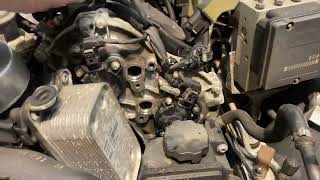
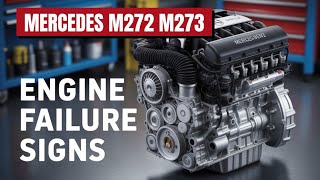
The M272 engine, particularly in models with an engine serial number before 2729..30 468993 (roughly 2006-2008), is infamous for a specific, catastrophic failure that directly causes this code: premature wear of the balance shaft sprocket. The material used for the sprocket was too soft and would be eroded by the timing chain, leading to incorrect timing. This issue was so widespread it resulted in a class-action lawsuit. 🎬 Watch: Why this engine failure is so common and serious. While simpler issues like sensors or magnets can cause P0019, the high probability of this major mechanical fault makes this code especially serious on this platform compared to others.
Symptoms You May Notice
- Check Engine Light is on
- Rough or unstable idle
- Poor acceleration and reduced engine power
- Engine hesitation or misfires
- Rattling or ticking noise from the front of the engine, especially on a cold start, as the chain tensioner struggles to take up slack.
- Stalling or difficulty starting
- Engine may get stuck in 'limp mode'.
- Replacing only the camshaft position sensor without testing it. While it's a possible cause, it's less likely than the balance shaft or magnet issue. Swapping sensors is a crucial diagnostic step to avoid replacing good parts.
- Attributing the code to a sensor or magnet on an early M272 engine without first checking for the balance shaft issue, leading to wasted time and money on incorrect repairs.
Most Likely Causes
- Worn Balance Shaft Sprocket 🔴 High Probability Early M272 engines (up to serial number 2729..30 468993) were manufactured with a balance shaft sprocket made of a softer sintered metal that wears out prematurely. The timing chain erodes the sprocket teeth, causing timing to become retarded and slack to develop in the chain.
How to confirm: A definitive diagnosis requires removing the camshaft position sensors and rotating the crankshaft to 305 degrees. The timing marks etched on the impulse wheels, visible through the sensor holes, will be misaligned. 🎬 See how to perform this basic cam timing check yourself. This is a job for a professional. Checking the engine serial number against the known affected range is the first step.
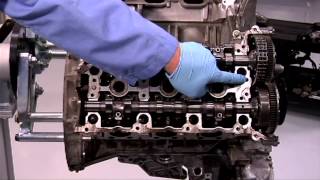
Typical fix: This is a major, engine-out service to replace the balance shaft, timing chain, tensioners, and guides with updated parts made from a harder metal. The repair can take over 20 hours of labor. 🎬 Watch: A professional walkthrough of the balance shaft installation.
Est. part cost: $800-$1500 for a full kit - Faulty Camshaft Adjuster Magnet (Solenoid) 🟡 Medium Probability These magnets are a known failure point. They can fail electronically or, more commonly, leak oil internally. This oil then wicks down the wiring harness via capillary action and can contaminate the engine control module (ECU), causing a range of electrical issues.
How to confirm: Inspect the electrical connector on the magnet for any signs of engine oil. A quick diagnostic test is to swap the suspect magnet (Bank 2 exhaust) with another one (e.g., Bank 2 intake) and see if the fault code changes to follow the magnet (e.g., to P0018). The magnet's resistance can also be tested and should be 8-10 Ohms. A simple bench test is to apply 12V to the magnet; a healthy one will produce an audible click.
Typical fix: Replace the faulty magnet (Part No. A2720510177). If oil has contaminated the harness, Mercedes issued a TSB recommending the installation of a short adapter harness or 'pigtail' (Part No. A2711502733) that acts as an oil-stop barrier.
Est. part cost: $30-$60 for the magnet, $25-$40 for the pigtail harness. - Failed Camshaft Position Sensor ⚪ Low Probability
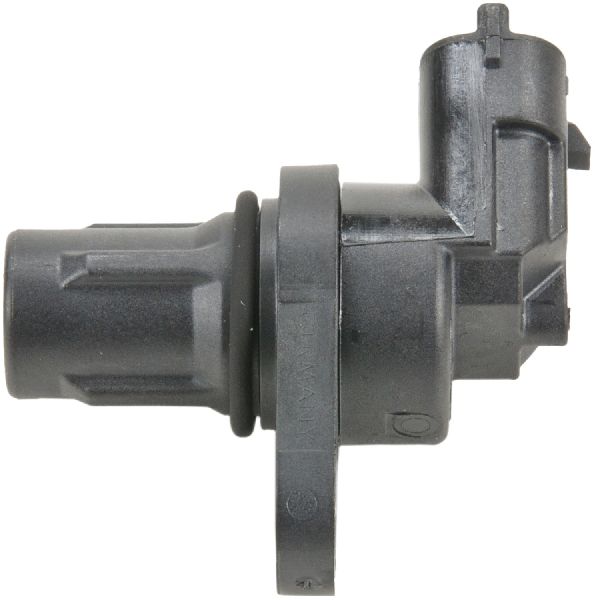
How to confirm: Swap the Bank 2 exhaust camshaft position sensor with the intake sensor on the same bank. Clear the codes and drive the vehicle. If the code changes to P0018 (Bank 2 Intake), the sensor is faulty. The Bank 2 exhaust sensor is located behind the power steering reservoir, making it more difficult to access than the others.
Typical fix: Replace the failed sensor.
Est. part cost: $40-$100 - Low or Dirty Engine Oil ⚪ Low Probability
How to confirm: Check the engine oil level and service history. The variable valve timing system relies on clean oil and correct pressure to function. Old or sludgy oil can clog the small passages in the camshaft adjusters and magnets, causing them to respond slowly or get stuck.
Typical fix: Perform an engine oil and filter change using a Mercedes-Benz approved oil (MB 229.5 specification). This is often recommended as the very first step before replacing any parts.
Est. part cost: $80-$150
Rare But Worth Checking
- Stretched Timing Chain: While the balance shaft sprocket is the more common failure point on the M272, a stretched timing chain can also cause this code, sometimes independently of the sprocket issue, especially on higher mileage engines outside the affected serial number range.
- Failed Camshaft Adjuster (Phaser): The mechanical adjuster itself at the end of the camshaft can fail, getting stuck in one position. This is less common than magnet failure but is a possible cause, sometimes indicated by a rattling noise from the front of the engine.
Diagnosis Steps
- Check the engine oil level and condition. If low or dirty, perform an oil change with MB 229.5 spec oil, clear codes, and see if the fault returns.
- Scan for all stored fault codes to see if P0019 is accompanied by other timing codes (P0016, P0017, P0018, 1200, 1208), which would increase the suspicion of a major mechanical failure.
- Check the engine serial number using a VIN decoder to see if it falls within the affected range for balance shaft failure (before engine no. 2729..30 468993).
- Inspect the electrical connector for the Bank 2 (driver's side) exhaust camshaft adjuster magnet. Look for any oil inside the connector.
- Swap the Bank 2 exhaust magnet with the Bank 2 intake magnet. Clear codes and see if the fault moves to the intake cam (P0018). If it does, the magnet is bad.
- If the magnet is good, swap the Bank 2 exhaust camshaft position sensor with the intake sensor. Clear codes and see if the fault moves (P0018). If it does, the sensor is bad.
- If none of the above steps identify the issue, the next step is to check the engine's mechanical timing. This involves setting the engine to 305 degrees at the crankshaft pulley and inspecting the alignment marks through the camshaft sensor holes. This step should be performed by a qualified technician.
- If the timing marks are misaligned, the engine has a failed balance shaft sprocket and/or a stretched timing chain, requiring an engine-out repair.
Parts You'll Likely Need
- Balance Shaft Replacement Kit
(OEM #2720300613)— This is the most probable cause for P0019 on M272 engines within the affected serial number range. The original part was defective. The kit should include the updated balance shaft, timing chain, guides, and tensioner.
Trusted brands: INA, Febi Bilstein, Genuine Mercedes-Benz
OEM price range: $1200-$1800
Aftermarket price range: $800-$1500 - Camshaft Adjuster Magnet (Solenoid)
(OEM #A2720510177)— A common failure item that can cause timing correlation codes and is a simple part to replace as a diagnostic step.
Trusted brands: Bosch, Pierburg, Genuine Mercedes-Benz
OEM price range: $50-$80
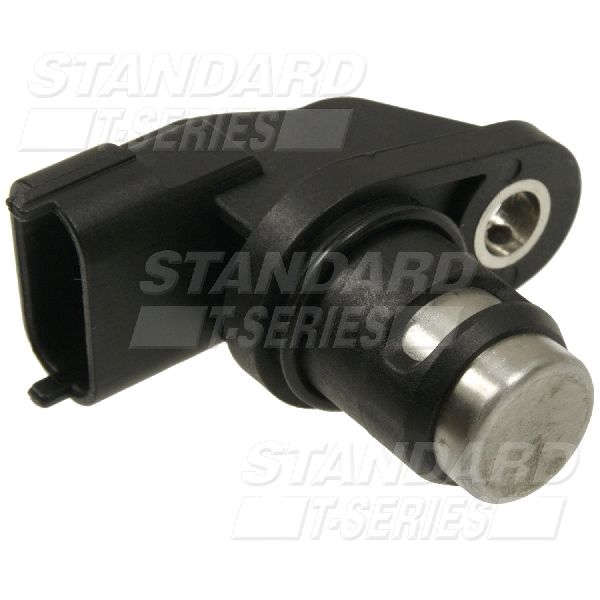
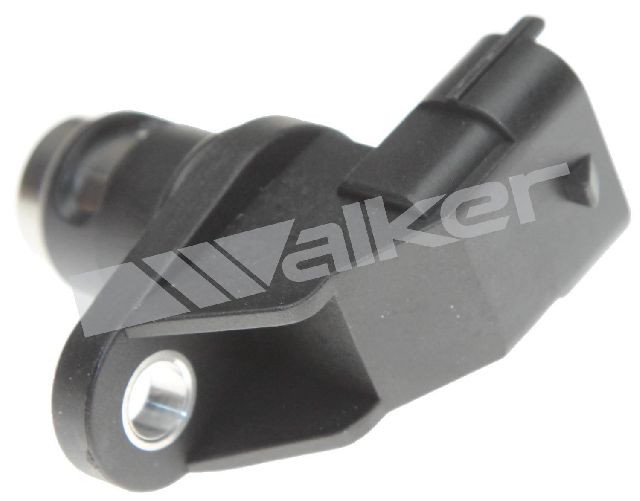
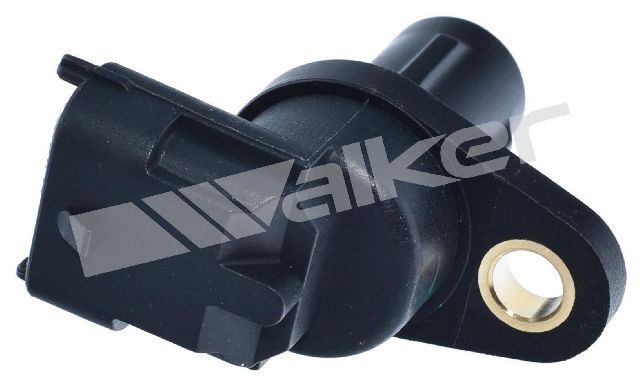
Aftermarket price range: $30-$60 - Camshaft Position Sensor
(OEM #A0041539628)— A less common but possible electrical failure. It's a relatively inexpensive part to rule out.
Trusted brands: Bosch, Vemo, Genuine Mercedes-Benz
OEM price range: $80-$120
Aftermarket price range: $40-$100
Related Codes That Often Appear With This One
- P0016 — Crank/Cam Correlation Bank 1 Sensor A. If the timing chain has stretched or the balance shaft has failed, it often affects the timing on both banks, triggering multiple correlation codes.
- P0017 — Crank/Cam Correlation Bank 1 Sensor B. Similar to P0016, indicates a widespread timing issue affecting the other bank's exhaust cam.
- P0018 — Crank/Cam Correlation Bank 2 Sensor A. This code for the intake cam on the same bank as P0019 strongly suggests a major timing component failure like the balance shaft or chain.
- 1200 / 1208 (Mercedes-specific codes) — These are manufacturer-specific codes that often accompany P0016/P0017, indicating that a camshaft is constantly in a 'retarded' position, pointing directly to a timing problem. A Mercedes-specific scanner is needed to read these.
Technical Service Bulletins (TSBs) & Recalls
- S-B-03.30/08i: This Mercedes-Benz Service Bulletin details the diagnosis and repair procedure for the balance shaft/idler gear issue on M272 and M273 engines, including the affected engine serial number ranges.
- LI05.10-P-047464: A TSB that addresses the issue of oil leaking from the camshaft adjuster magnets and recommends the installation of adapter harnesses (pigtails) to prevent oil from contaminating the main engine harness and ECU.
Platform-Specific Known Issues
- A class-action lawsuit was filed against Mercedes-Benz for the balance shaft issue in M272 engines. Engines manufactured after engine serial number 2729..30 468993 are said to have the updated, more durable parts.
- Some owners on forums like MBWorld have reported balance shaft failures even on vehicles with serial numbers outside the officially recognized range, though this is less common.
Mechanic-Grade Diagnostic Values
- Camshaft Position Sensor (Hall Effect) Signal Voltage — expected: Cycling between 0.5V and 4.5V with engine running.. Failure: A constant 0V or 5V, or no signal, points to a failed sensor or wiring problem.
- Camshaft Adjuster Magnet (Solenoid) Resistance — expected: 8-10 Ohms. Failure: An open circuit (infinite resistance) or a reading significantly outside the expected range.
Hidden / Shadow Codes Worth Checking
- 1200 / 1208: These are Mercedes-specific codes for 'Constant adjustment of camshaft in direction 'Retarded''. 1208 corresponds to Bank 1 Intake (P0016) and 1200 to Bank 1 Exhaust (P0017), but they are often found alongside P0019 when the balance shaft is the cause, indicating a global timing issue. (see via Mercedes-Benz Star Diagnosis (SDS) or Xentry diagnostic tool.)
- 1201 / 1202 / 1203 / 1204: These are Mercedes-specific DTCs that directly translate to the generic P0019 code, indicating a constant adjustment issue with the exhaust camshaft on the left cylinder bank. (see via Mercedes-Benz Star Diagnosis (SDS) or Xentry diagnostic tool.)
Scan Tool Commands That Help
- Xentry / High-End Scan Tool: VVT Solenoid (OCV) Actuator Test — With the engine running at idle, this command attempts to activate the Bank 2 exhaust solenoid. If the engine hesitates or stalls, the solenoid is functioning mechanically. If there is no change in engine operation, the solenoid is likely stuck or has failed.
- Xentry / Oscilloscope: Camshaft vs. Crankshaft Waveform Analysis — This is an advanced step to definitively confirm a mechanical timing issue. By comparing the square wave from the camshaft sensor to the signal from the crankshaft sensor, a technician can see if they are out of phase, which confirms a stretched chain or worn sprocket without major disassembly.
Wiring & Ground Locations
- Main Engine Ground Strap — A bare, braided ground strap running from a lower bell housing bolt on the driver's side to a mounting point on the vehicle body, located just under and to the rear of the steering box.. A poor engine ground can cause erratic behavior in various sensors, including the camshaft and crankshaft position sensors, leading to false correlation codes. Ensuring this connection is clean and tight is a crucial electrical baseline check.
- Engine Bay Ground Point (W164) — On the driver's side, just forward of the firewall, there is a chassis nut with multiple brown (ground) wires connected to it.. This is a primary grounding point for various engine bay components. Corrosion or looseness here can cause intermittent sensor signal issues that could potentially trigger a P0019 code.
Real Owner Repair Stories
- MBWorld.org Forums user 'Al Golzari' (2010 Mercedes-Benz C300 (M272 engine, but outside the balance shaft failure range)) — Persistent P0019 code that would return shortly after being cleared.
❌ Tried (didn't work) Swapping camshaft adjuster magnets, Checking timing marks at 305 degrees (which appeared only slightly off), Replacing camshaft position sensors
✅ What actually fixed it The user removed the camshaft adjuster magnet and then removed the central valve (oil control valve) located *behind* the magnet. The valve was found to be clogged with debris. Cleaning the valve and reinstalling it permanently resolved the P0019 code. - YouTube user comment on 'Mercedes Benz E350 Check Engine Light CEL Code P0019 Fix' (2008 ML350) — P0019 code present.
❌ Tried (didn't work) Replacing camshaft position sensor, Replacing camshaft adjuster magnet (solenoid)
✅ What actually fixed it The problem was a stuck central valve spool inside the camshaft adjuster (phaser) itself. The user pushed on the valve with a finger (after removing the magnet) and noted it felt jammed compared to the one on the good bank. Replacing the entire camshaft adjuster assembly fixed the issue.
When the Usual Fixes Don't Work
- In some documented cases, even after a full balance shaft and timing chain replacement, the P0019 code has returned. This points to one of two possibilities that can frustrate a diagnosis: 1) A faulty or improperly installed component during the extensive repair, such as a new sensor that was bad out of the box, or 2) The root cause was never the balance shaft to begin with, but rather a less common issue like a clogged oil control valve or a failing camshaft adjuster that was not replaced during the service.
OEM Part Supersession History
2720510077→A2720510177— Updated design for the camshaft adjuster magnet (solenoid) to improve reliability and prevent internal oil leaks.N/A→A2711502733 (or A271150273364)— This is the part number for the 'oil-stop' adapter harness (pigtail). It was created as a field-fix to prevent oil from wicking down the main engine harness if the original camshaft magnet (A2720510177) starts leaking oil through its connector.
Heads up: This is an add-on part, not a direct replacement. It plugs in between the original harness and the camshaft magnet.
Model Year Variations Within This Range
- 2006-2008 (Engines before serial no. 2729..30 468993): These engines are at high risk for the primary, catastrophic cause of P0019: balance shaft sprocket failure due to the use of softer metal in the sprocket. Diagnosis on these vehicles should always treat balance shaft failure as the primary suspect.
- 2009-2011 (Engines after serial no. 2729..30 468993): These engines have the updated, hardened balance shaft sprocket and are not prone to that specific failure. For these later models, P0019 is almost always caused by a faulty camshaft adjuster magnet, a failed sensor, a stretched timing chain, or a stuck camshaft adjuster (phaser).
Diagnostic Flowchart
Other Known Issues on This Vehicle
Issues unrelated to this code that are worth knowing about as an owner of this generation:
- Intake Manifold Runner Flap Failure 🔴 High — Very common. The plastic lever controlling the tumble flaps breaks, causing fault codes (P2004, P2006), loss of power, and a Check Engine Light. Internal flaps can also break and fall into the engine.
- 7G-Tronic (722.9) Transmission Conductor Plate Failure 🔴 High — Common failure item. The conductor plate, which houses speed sensors and the TCU, fails electronically. This causes harsh shifting, getting stuck in gear, or the transmission entering limp mode. Requires replacement and SCN coding by a dealer or specialist.
- Oil Cooler Gasket Leak 🟠 Medium — A very frequent leak point, typically noticed after 60,000 miles. The gaskets between the oil filter housing, oil cooler, and engine block degrade, causing a significant oil leak on the front-left side of the engine.
- Rear Tailgate Latch Failure 🟡 Low — Common on the W164 ML. The rear tailgate latch can fail to engage properly or may malfunction electrically, causing a parasitic battery drain as the vehicle's computer tries to repeatedly latch it.
- Airmatic Suspension Failure 🟠 Medium — On models equipped with air suspension, the airbags (especially front) are a common failure point, typically lasting 120,000-140,000 km. They develop leaks, causing the corner to sag and the compressor to run excessively.
Used vs. New Parts: Buying Guide for This Vehicle
When a used part is the smart pick: Used parts are generally not recommended for this repair, with one exception: testing. A known-good used camshaft magnet or sensor from a junkyard can be a cheap way to confirm a diagnosis by swapping parts before buying a new one. However, due to the high failure rate of magnets and the critical nature of sensors, installing a used part for a permanent repair is risky.
Donor-vehicle mileage cap: roughly under 80000 miles for the part to have meaningful remaining life.
What to inspect on the donor part:
- For a camshaft magnet, inspect the electrical connector for any signs of oil. If oil is present, the part is already failing.
- Check the vehicle's VIN to ensure the donor engine is NOT from the range affected by the balance shaft issue (i.e., look for donors from 2009+ models).
- Ask for service history if possible; a part from a well-maintained vehicle is preferable.
OEM-only on this vehicle (don't cheap out):
- Balance Shaft Kit: Absolutely do not use a used balance shaft. The entire point of the repair is to install the updated part with harder metal. An aftermarket kit from a reputable OE supplier is acceptable, but a used OEM part will have the original defect.
- Timing Chain: A timing chain is a wear item and should always be replaced with a new one during this service.
Aftermarket brands forum-validated for this vehicle:
- Balance Shaft Kit: INA, Febi Bilstein
- Camshaft Magnets: Pierburg, Bosch
- Camshaft Sensors: Bosch, Vemo
Brands owners have reported issues with on this vehicle:
- Unbranded, 'white-box' sensors and magnets from online marketplaces. These have a very high failure rate and can cause significant diagnostic confusion.
Real Owner Stories
Aggregated from forums and TSBs cited above. Mileages and costs reflect what owners reported in those sources.
2007 Mercedes-Benz E350 M272 V6
Symptoms: The owner purchased the vehicle specifically to avoid the balance shaft issue based on the serial number range, but eventually discovered the timing was off.
What fixed it: The issue required a major repair involving the balance shaft, despite being outside the official serial number range.
Cost: $6,000-$6,000
Source hint: Classic Jalopy - 'M272 Balance Shaft issues exist outside the published range'
Mercedes-Benz M272 V6 (Post-cutoff serial number)
Symptoms: Persistent P0019 code; owner performed diagnostics by checking timing marks at 305 degrees to determine if the cause was a stretched chain.
What fixed it: Discussion of diagnostics including checking timing marks and potential chain stretch.
Source hint: MBWorld.org Forums - 'persistent P0019'
Mercedes-Benz M272 V6 (Later engine number)
Symptoms: The vehicle suffered from the common camshaft magnet failure despite having an engine serial number produced after the balance shaft sprocket material update.
What fixed it: Replacement of the camshaft magnets.
Source hint: PeachParts Mercedes-Benz Forum - 'balance shaft'
Related OBD-II Codes
Frequently Asked Questions
My ML-Class has a serial number after 2729..30 468993; am I safe from the balance shaft issue?
Is there a specific Mercedes-Benz TSB for the P0019 code and balance shaft failure?
I see oil in my camshaft adjuster magnet connector; is there a fix other than replacing the whole harness?
How can a technician definitively confirm if my ML350 has a worn balance shaft sprocket?
What specific engine oil should I use to prevent VVT issues on my M272 V6?
Which camshaft magnet is associated with the P0019 code on the ML-Class?
Helpful Videos
We Have This Part in Stock


The information in this article is provided for general reference and educational purposes only. Vehicle specifications, procedures, and part compatibility can vary by production date, trim level, and region. Always consult your vehicle's factory service manual and verify part numbers before purchasing or performing repairs. Safety-critical components such as airbags, seat belts, and braking systems should be installed by a qualified professional.
- Mercedes-Benz ML-Class:
- 🎬 Helpful Videos
- 🛍️ Shop This Part
- What's Unique About the 2006-2011 Mercedes-Benz ML-Class
- Symptoms You May Notice
- Most Likely Causes
- Rare But Worth Checking
- Diagnosis Steps
- Parts You'll Likely Need
- Related Codes That Often Appear With This One
- Technical Service Bulletins (TSBs) & Recalls
- Platform-Specific Known Issues
- Mechanic-Grade Diagnostic Values
- Hidden / Shadow Codes Worth Checking
- Scan Tool Commands That Help
- Wiring & Ground Locations
- Real Owner Repair Stories
- When the Usual Fixes Don't Work
- OEM Part Supersession History
- Model Year Variations Within This Range
- Diagnostic Flowchart
- Other Known Issues on This Vehicle
- Used vs. New Parts: Buying Guide for This Vehicle
- Real Owner Stories
- 2007 Mercedes-Benz E350 M272 V6
- Mercedes-Benz M272 V6 (Post-cutoff serial number)
- Mercedes-Benz M272 V6 (Later engine number)
- Related OBD-II Codes
- Frequently Asked Questions
- 🎟️ Get 5% Off