

P0018 on 2015-2021 Ford Transit Connect: An Unlikely Code and Its Real Causes
P0018 is extremely unlikely on a Transit Connect as it's a 'Bank 2' code and this vehicle only has one engine bank. You likely have a related code like P0016 or P0017, pointing to a sticking VCT solenoid due to dirty oil. An oil change and replacing the VCT solenoids (~$40-$120 in parts) is the most common fix.
- The code P0018 is for 'Bank 2' and should not appear on an inline-4 engine like the one in your Transit Connect. You most likely have a P0016 or P0017 code.
- The most common cause for this type of timing fault is a sticking VCT solenoid, which is often caused by dirty or low engine oil.
- Start your diagnosis with the cheapest and easiest fix: an oil and filter change with the correct Ford-specified oil.
- If an oil change doesn't work, replacing the VCT solenoids is the next most likely solution and is a manageable DIY job.
- A rattling noise from the engine on startup is a serious warning sign of a stretched timing chain, which requires immediate professional attention to avoid severe engine damage.
What's Unique About the 2015-2021 Ford TRANSIT CONNECT
The main peculiarity for the Transit Connect is the code itself. Since its 2.5L and 2.0L engines are inline-four (I4), they don't have a 'Bank 2'. The provided NHTSA Technical Service Bulletins (TSBs) that list P0018 are general documents covering a wide range of Ford vehicles, including V6 and V8 models that do have a Bank 2. For a Transit Connect owner, the important takeaway from these TSBs is the root cause they identify: a timing correlation fault, often due to debris causing a Variable Camshaft Timing (VCT) solenoid to stick.
Diagnostic Flowchart
Tap your situation to follow the diagnostic path that matches what you're seeing on this vehicle.
Symptoms You May Notice
- Check Engine Light is on
- Rough or erratic idle, sometimes described as 'lumpy'
- Reduced engine power and poor acceleration
- Decreased fuel economy
- Engine may hesitate or stall, especially when coming to a stop
- A brief metallic rattling noise from the engine on cold startups, particularly if the timing chain is stretched
- Replacing the camshaft or crankshaft position sensors when the actual fault lies with a sticking VCT solenoid or a stretched timing chain.
- Replacing timing chain phasers (cam gears) when only the VCT solenoids are at fault.
- Assuming a major engine failure when an oil change or VCT solenoid cleaning/replacement would solve the problem.
Most Likely Causes
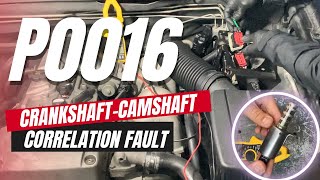
- Dirty, Low, or Incorrect Viscosity Engine Oil 🔴 High Probability The VCT system is hydraulically operated by engine oil. The TSBs mention 'small debris' as a primary cause, which is often circulated by old or contaminated oil. This is the first and cheapest thing to check. 🎬 Watch this breakdown of P0016 causes and common fixes
How to confirm: Check the oil level on the dipstick and inspect its color and consistency. Check service records for the last oil change date and the type of oil used.
Typical fix: Perform an engine oil and filter change using the Ford-specified grade and viscosity (e.g., 5W-20 for the 2.5L).
Est. part cost: $40-$80 - Failing Variable Camshaft Timing (VCT) Solenoid 🔴 High Probability This is the most common component failure for this issue, as highlighted in multiple Ford TSBs (SSM 47170, SSM 50067, SSM 48423). The solenoids get clogged with debris and stick, preventing proper cam phasing. Owners on forums for the Transit Connect and platform mates frequently solve rough idle and codes P0016/P0017 by replacing these.
How to confirm: After an oil change, if the code returns, this is the next logical step. You can test the solenoid's resistance with a multimeter (typically 5-14 ohms). Swapping the intake and exhaust solenoids (if identical) to see if the code changes (e.g., from P0016 to P0017) is also a valid diagnostic step.
Typical fix: Replace the faulty VCT solenoid(s). They are located on top of the valve cover and are generally accessible. It's often recommended to replace them in pairs (intake and exhaust).
Est. part cost: $40-$120 for a pair - Stretched Timing Chain or Worn Timing Components 🟡 Medium Probability Over time, especially with extended oil change intervals or high mileage (often over 100,000-150,000 miles), the timing chain can stretch and the plastic guides or hydraulic tensioner can wear out. This is a known issue on the shared 2.5L engine family.
How to confirm: A persistent rattling noise on startup is a strong indicator. If VCT solenoids and sensors have been replaced without fixing the code, the chain is the next suspect. Confirmation requires significant disassembly to physically inspect the chain for slack and check timing marks, which is typically a job for a professional.
Typical fix: Replace the timing chain, tensioner, guides, and phasers as a complete kit. This is a labor-intensive job, often costing between $1200-$2000 at a repair shop.
Est. part cost: $250-$500 for a kit - Faulty Camshaft or Crankshaft Position Sensor ⚪ Low Probability
How to confirm: A failing sensor will often throw its own specific circuit code in addition to the correlation code. The sensor's signal can be checked with an oscilloscope. Visually inspect the sensor and its wiring for damage.
Typical fix: Replace the corresponding sensor (crankshaft or the specific camshaft sensor). This is often misdiagnosed as the primary cause when the issue is mechanical or oil-related.
Est. part cost: $30-$70 per sensor
Diagnosis Steps
- Verify the code with a reliable OBD-II scanner. Confirm if it is truly P0018 or a more likely code like P0016 or P0017.
- Check the engine oil level and condition. If it is low, dirty, or overdue for a change, service it immediately with the manufacturer-specified oil and a new filter. This is the simplest and most common starting point. Clear the codes and test drive.
- If the code returns, listen carefully for any rattling noises during a cold start. A brief rattle points towards a potential timing chain issue.
- Inspect the wiring and connectors for the VCT solenoids and the camshaft/crankshaft position sensors for any visible damage or corrosion.
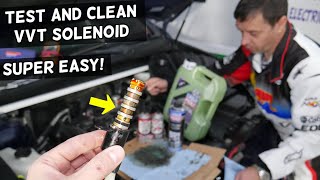
- Locate the VCT solenoids on the top of the engine's valve cover. Test the resistance of the solenoids (a good solenoid typically reads between 5-14 ohms). Per TSB SSM 50067, a scan tool can be used to cycle the solenoid to try and dislodge debris. 🎬 Watch: How to test and clean your VVT solenoid
- A common DIY diagnostic is to swap the intake and exhaust VCT solenoids. If the code changes from P0016 (intake) to P0017 (exhaust), you have confirmed a bad solenoid.
- If the solenoids seem to be the issue, replace them. They are generally accessible and affordable.
- If all the above steps do not resolve the issue, the problem is likely mechanical with the timing chain, phasers, or tensioners. This level of diagnosis requires engine disassembly and should be performed by a qualified mechanic.
Parts You'll Likely Need
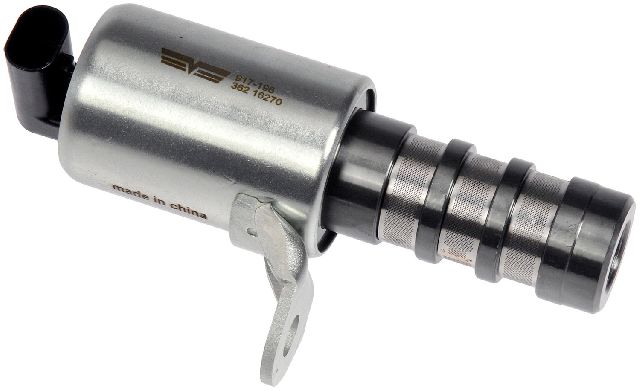
- Engine Variable Valve Timing (VVT) Solenoid
(OEM #CJ5Z-6M280-A (for 2.5L), CM5Z-6M280-D (for 2.0L GDI))— This is the most frequent point of failure, as identified in Ford TSBs. They become clogged with debris from engine oil and fail to operate correctly. Part number CJ5Z-6M280-A is confirmed for the 2.5L engine. Part number CM5Z-6M280-D is the correct equivalent for the 2.0L GDI engine.
Trusted brands: Motorcraft, Dorman, Standard Motor Products (SMP), NGK
OEM price range: $30-$90 each
Aftermarket price range: $20-$60 each - Timing Chain Kit — If the chain has stretched or the tensioner/guides have failed, a complete kit is needed to restore proper engine timing. This is a more severe and less common cause, typically seen at higher mileage.
Trusted brands: Motorcraft, Cloyes, Melling
OEM price range: $300-$500
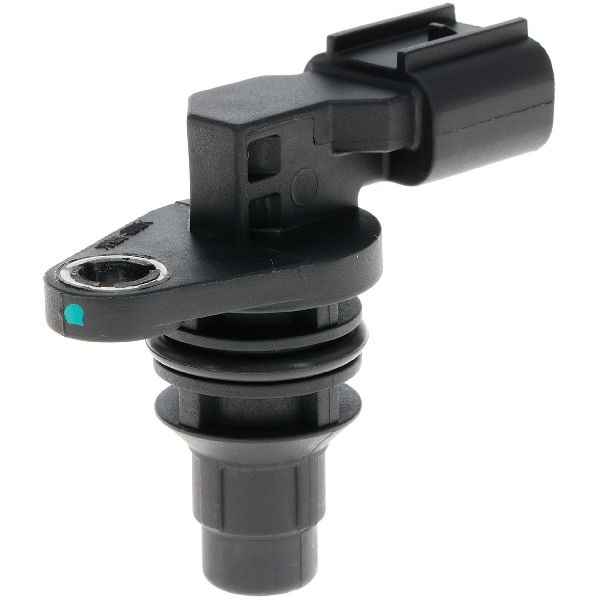
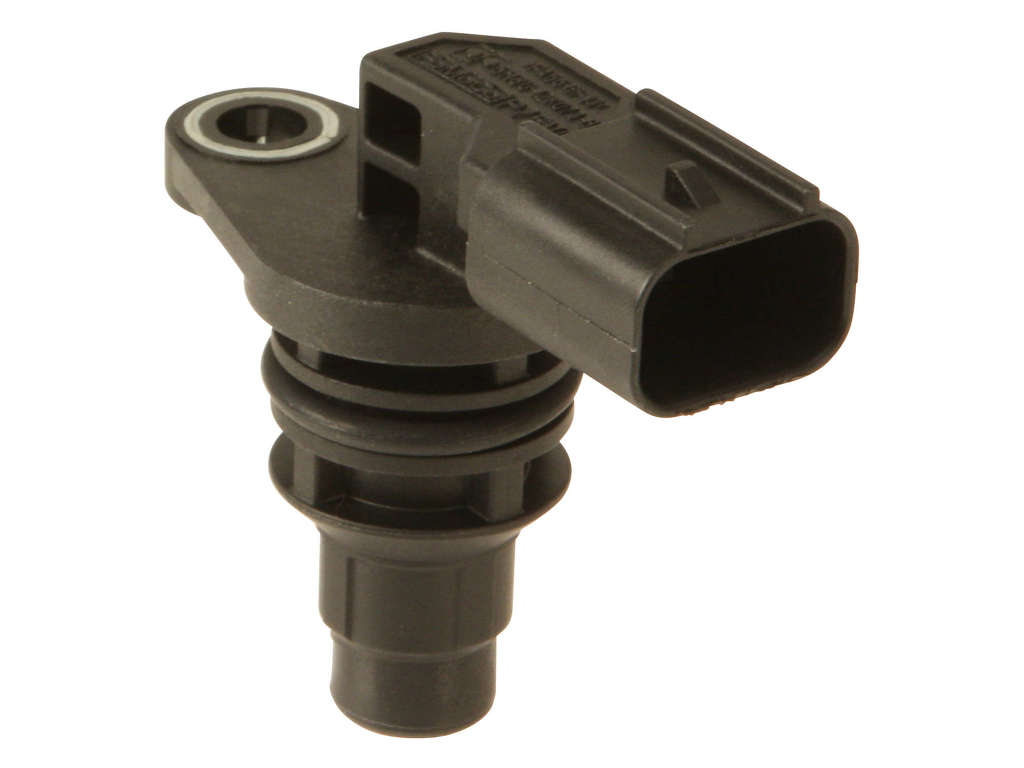
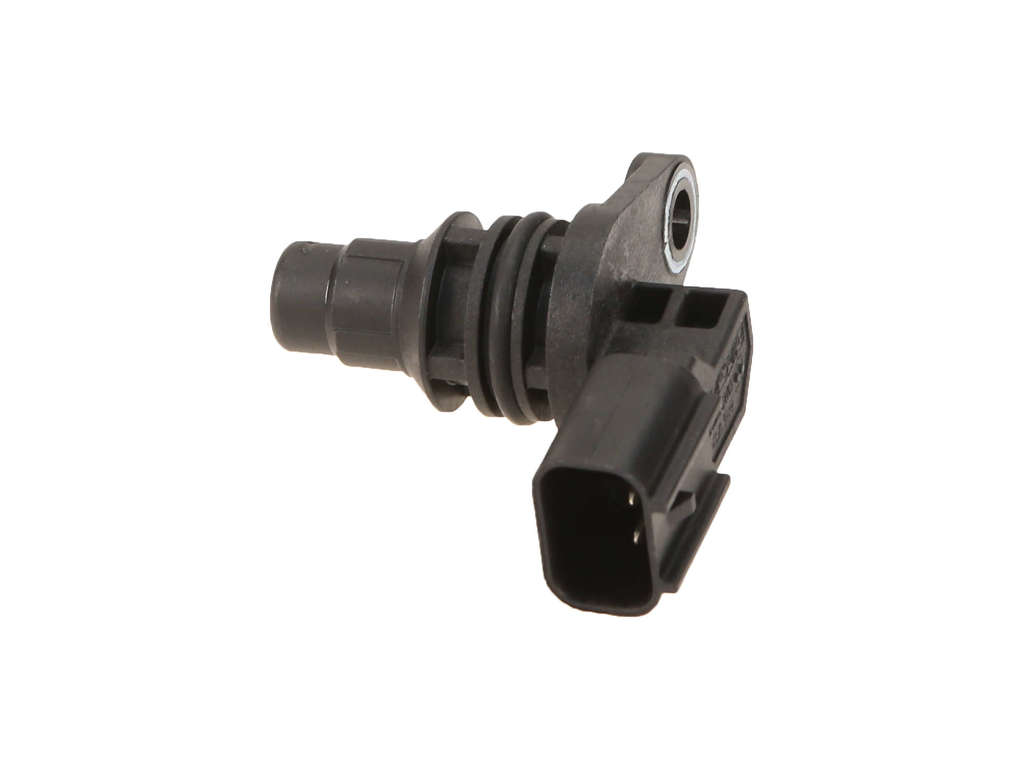
Aftermarket price range: $150-$300 - Camshaft Position Sensor — A less common cause, this sensor can fail and send incorrect data to the ECM, causing a correlation code. It is often replaced unnecessarily when the fault is elsewhere.
Trusted brands: Motorcraft, Bosch, Delphi
OEM price range: $40-$70
Aftermarket price range: $25-$50
Related Codes That Often Appear With This One
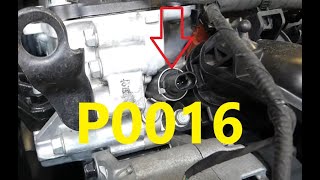
- P0016 — This is the correct code for a Crank/Cam correlation error on Bank 1, Intake side. This is the code you would most likely see instead of P0018.
- P0017 — This is the correct code for a Crank/Cam correlation error on Bank 1, Exhaust side. It points to the same family of problems.
- P0011 / P0012 — These codes indicate a timing over-advanced or over-retarded condition on the Bank 1 intake camshaft, often caused by the same failing VCT solenoid.
- P0014 / P0015 — These codes indicate a timing over-advanced or over-retarded condition on the Bank 1 exhaust camshaft, pointing to VCT system issues.
Technical Service Bulletins (TSBs) & Recalls
- SSM 50067: General TSB for 2015-2021 Ford/Lincoln vehicles with various P00XX timing codes, pointing to sticking VCT solenoids from oil debris as a likely cause.
Platform-Specific Known Issues
- Multiple Technical Service Bulletins (TSBs) have been issued by Ford for a wide range of vehicles, including those sharing engines with the Transit Connect, for codes P0011, P0012, P0014, P0015, P0016, P0017, P0018, P0019, etc. The consistent theme is that 'small debris causing the VCT solenoid to stick' may be the cause, and diagnosis should not begin before considering this.
- TSB SSM 50067 specifically advises technicians to use a scan tool to cycle the affected VCT solenoid 10 times to attempt to clear debris before replacing the component.
Mechanic-Grade Diagnostic Values
- VCT Solenoid Internal Resistance — expected: 5 to 14 Ohms. Failure: A reading outside this range (open circuit or short) indicates a failed solenoid.
- VCT Solenoid Power Supply — expected: Battery voltage (approx. 12V) at one pin of the connector with key on, engine off.. Failure: No voltage suggests a wiring or fuse issue upstream from the solenoid.
- FORScan Live Data: VCT Cam Error (PIDs: VCT_ERR1, VCT_ERR2) — expected: Should be close to 0 degrees at hot idle.. Failure: Large, erratic fluctuations or a consistent deviation from zero indicates the camshaft is not tracking the PCM's requested position, pointing to a sticking solenoid or mechanical timing issue.
- FORScan Live Data: VCT Solenoid Duty Cycle (PIDs: VCT_DC1, VCT_DC2) — expected: The PCM will vary the duty cycle to command cam phaser movement. The value will change with RPM and load.. Failure: A high duty cycle command with no corresponding change in cam angle (RCAM) or a large cam error (VCT_ERR) suggests the solenoid is stuck or oil pressure is insufficient.
Hidden / Shadow Codes Worth Checking
- Mode $06, TID $53: On some Ford vehicles, this Test ID within Mode $06 tracks misfire counts per cylinder before they are high enough to set a standard P030x code. While not directly a timing code, it can help identify if a single cylinder is being affected by poor timing control, which might not be obvious from the P0016/P0017 codes alone. (see via A scan tool capable of displaying Mode $06 data, such as FORScan or some professional-grade scanners.)
- Mode $06, VCT Monitor TIDs: Mode $06 contains specific test results for the Variable Cam Timing monitor. These tests check if the cam phaser's response time and final position are within their expected windows. A failure here can precede a full-blown P0016/P0017 code and can point to a sluggish VCT solenoid. (see via A scan tool with Mode $06 capability. The specific Test ID (TID) and Component ID (CID) for VCT monitors must be looked up in service information for the specific year and engine.)
Scan Tool Commands That Help
- Ford IDS / FORScan: VCT Solenoid On/Off State or Duty Cycle Control — This bidirectional command allows the technician to manually activate a VCT solenoid while the engine is running at idle. A functional solenoid, when commanded on, should cause a noticeable change in engine operation (rough idle or stall). If there's no change, the solenoid is likely stuck, clogged, or has failed electrically. This directly tests the solenoid's mechanical function.
- Ford IDS: Retrieve CMDTCs (Continuous Memory Diagnostic Trouble Codes) — This function is more thorough than a standard code read and can reveal intermittent or pending codes that haven't yet illuminated the check engine light. It's a critical first step in the official Ford diagnostic process.
Wiring & Ground Locations
- Engine Block to Firewall Ground Strap — A braided ground strap typically connects from the cylinder head or engine block to a stud on the vehicle's firewall.. A poor or broken ground connection here can cause a host of electrical issues and erratic sensor readings for the PCM, potentially leading to false correlation codes. While not a primary cause, it's a crucial check for any electrical gremlin, especially on older, higher-mileage vehicles or those from corrosive environments.
- Camshaft Position Sensor Connector — On the top/front of the valve cover, near the VCT solenoids.. The connector has two pins. One is a control line providing a ground signal from the ECM, and the other is a 12V power supply from the fuse box. Checking for 12V power at the connector is a key step in diagnosing a no-signal situation from the sensor or solenoid.
Real Owner Repair Stories
- CobaltSS.net forum user (2009 Cobalt SS 2.0L LNF (similar VVT system principles)) — Extremely rough running, stall, blown ECM fuse, codes P0016 and P0017.
❌ Tried (didn't work) Replaced blown ECM fuse., Checked all engine compartment grounds., Replaced timing chain and guides.
✅ What actually fixed it A shop diagnosed that the ECM was sending a bad signal, forcing the cam actuators (solenoids) wide open. One of the actuators had shorted internally, which in turn damaged the driver circuit in the ECM. Replacing the ECM and both VCT solenoids resolved the issue. - MBWorld.org Forums user (2006 Mercedes C230 M272 (V6 with similar cam/crank correlation codes)) — Repeated P0016 and P0017 codes, reduced torque, engine grumble between 3k-5.5k RPM.
❌ Tried (didn't work) Replacing Bank 1 cam sensors., Replacing Bank 1 cam magnets (solenoids).
✅ What actually fixed it The thread documents the diagnosis process where the next steps considered are the crankshaft position sensor and, more seriously, a known issue with balance shaft sprocket failure on that specific engine, which is a major mechanical repair. The story highlights that when sensors and solenoids don't fix the issue, the root cause is often mechanical (timing chain, phasers, or related gears).
OEM Part Supersession History
CM5Z-6M280-D→CM5Z-6M280-G— Part revision by the manufacturer, likely for improved durability or internal design.
Model Year Variations Within This Range
- 2015-2018: These models primarily used the 2.5L Duratec I4 engine, which is equipped with a timing chain. This chain is designed to last the life of the engine but can stretch or have tensioner issues at high mileage, especially with poor oil maintenance.
- 2019-2021: The 2.0L GDI engine became the standard powertrain. A key difference is that this engine uses a timing belt, not a chain. While not a direct cause of a P0018-family code unless it has jumped a tooth, it represents a significant maintenance difference, requiring periodic replacement (typically around 100k-150k miles).
Helpful Videos
Used OEM Parts in Stock

New Aftermarket Parts Available


The information in this article is provided for general reference and educational purposes only. Vehicle specifications, procedures, and part compatibility can vary by production date, trim level, and region. Always consult your vehicle's factory service manual and verify part numbers before purchasing or performing repairs. Safety-critical components such as airbags, seat belts, and braking systems should be installed by a qualified professional.
- Ford TRANSIT CONNECT:
- 🎬 Helpful Videos
- 🛍️ Shop This Part
- What's Unique About the 2015-2021 Ford TRANSIT CONNECT
- Diagnostic Flowchart
- Symptoms You May Notice
- Most Likely Causes
- Diagnosis Steps
- Parts You'll Likely Need
- Related Codes That Often Appear With This One
- Technical Service Bulletins (TSBs) & Recalls
- Platform-Specific Known Issues
- Mechanic-Grade Diagnostic Values
- Hidden / Shadow Codes Worth Checking
- Scan Tool Commands That Help
- Wiring & Ground Locations
- Real Owner Repair Stories
- OEM Part Supersession History
- Model Year Variations Within This Range
- 🎟️ Get 5% Off