

P0018 on 2015-2020 Ford Fusion: Crankshaft Camshaft Correlation Causes and Fixes
On a Ford Fusion with a V6 engine, code P0018 is most often caused by low or dirty engine oil, or a sticking Variable Camshaft Timing (VCT) solenoid due to debris, as noted in multiple Ford Technical Service Bulletins. An oil change or a new VCT solenoid (around $30-$80) is the most common fix. Bank 2 is the side of the engine closest to the radiator.
- P0018 on a V6 Ford Fusion indicates a timing correlation error on Bank 2, the side of the engine without cylinder #1.
- Always check the engine oil level and condition first. Low or dirty oil is a primary cause of this code.
- Ford has issued multiple TSBs indicating that the most common fix is addressing a VCT solenoid that is sticking due to oil debris.
- Do not immediately assume a major mechanical failure like a stretched timing chain. Diagnose the simpler, more common issues (oil, VCT solenoid, cam sensor) first.
- This code only applies to V-type engines, such as the 2.7L EcoBoost or 3.0L V6 found in some Fusion models, as inline-4 engines do not have a 'Bank 2'.
What's Unique About the 2015-2020 Ford FUSION
The Ford Fusion V6 models from this era, particularly those with EcoBoost engines, are subject to multiple Technical Service Bulletins (TSBs) that directly address the family of codes including P0018. 🎬 Watch: A quick breakdown of P0018 causes and common fixes. These TSBs, such as SSM 47170, point specifically to VCT solenoids sticking due to small debris in the engine oil. This indicates a high sensitivity in the VCT system to oil quality and level. The official Ford diagnostic procedure (Pinpoint Test HK) even advises technicians to electronically cycle the solenoid 10 times to try and clear debris before replacing any parts. This highlights the importance of regular, high-quality oil changes using the manufacturer-specified oil to prevent this common issue.
Diagnostic Flowchart
Tap your situation to follow the diagnostic path that matches what you're seeing on this vehicle.
Symptoms You May Notice
- Check Engine Light is on
- Rough or uneven idle
- Reduced engine power and poor acceleration
- Engine may hesitate or stall, especially when coming to a stop
- Decreased fuel economy
- Rattling or unusual noises from the engine, sometimes described as a diesel-like clatter on startup
- Replacing the camshaft position sensor when the root cause is a sticking VCT solenoid or dirty engine oil.
- Immediately assuming a stretched timing chain without first diagnosing the simpler and more common causes like oil condition and VCT solenoids.
- Replacing timing components without addressing the root cause of oil contamination, leading to a repeat failure of the new VCT solenoids.
Most Likely Causes
- Low or Dirty Engine Oil 🔴 High Probability The VCT system is hydraulic and highly dependent on oil pressure and cleanliness. Ford TSBs suggest debris in oil is a primary cause of related faults. Sludge and contaminants can clog the fine mesh screens on the VCT solenoids, impeding their function.
How to confirm: Check the engine oil dipstick for level and inspect the oil's color and consistency. If it's low, black, or gritty, it needs changing. This should always be the first step.
Typical fix: Perform an engine oil and filter change using the manufacturer-recommended oil viscosity (e.g., SAE 5W-30 for the 2.7L EcoBoost).
Est. part cost: $40-$80 - Sticking/Failing VCT Oil Control Solenoid 🔴 High Probability Ford TSBs #SSM 47170, #SSM 54366, #SSM 50067, and #SSM 48423 all state that small debris can cause the VCT solenoid to stick, triggering this code. The official repair procedure even includes a step to cycle the solenoid with a scan tool to attempt to dislodge debris before replacement.
How to confirm: Use a capable scan tool to command the Bank 2 intake VCT solenoid on and off while monitoring camshaft position data (PID). You can also remove the solenoid (located on the valve cover) and inspect it for debris or test its resistance with a multimeter (typically 7-14 ohms).
Typical fix: Replace the Bank 2 intake VCT solenoid. The Motorcraft part number is often shared across several Ford engines.
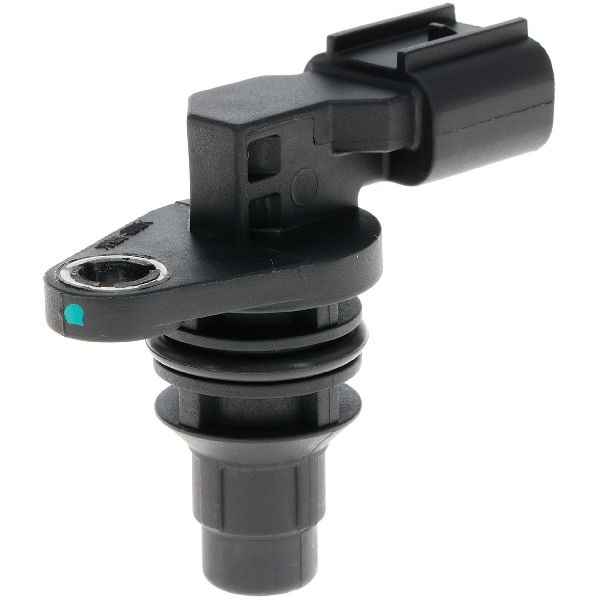
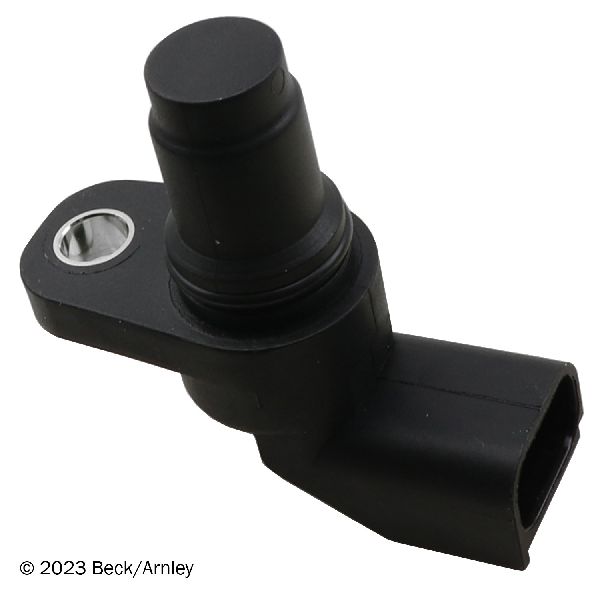
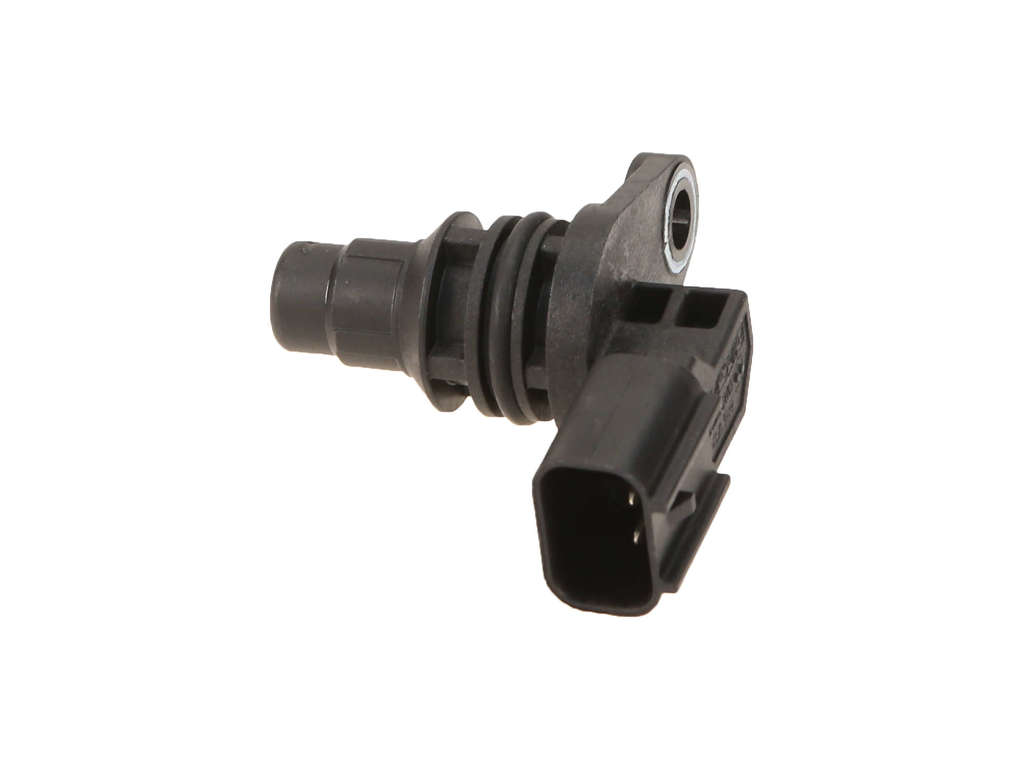
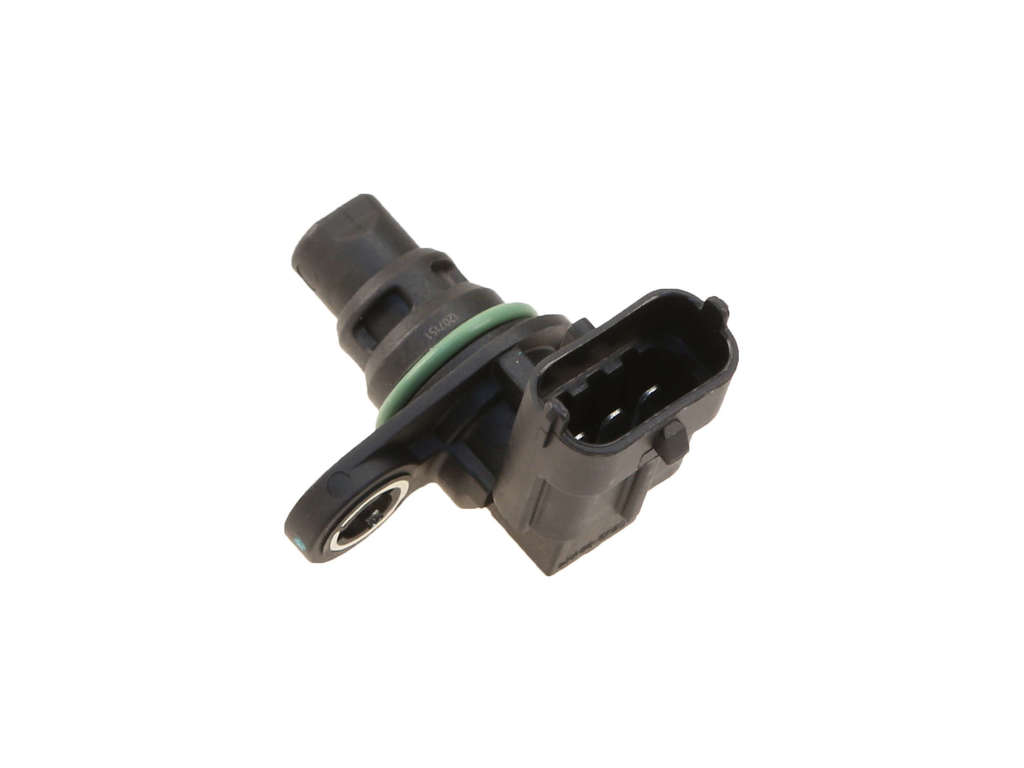
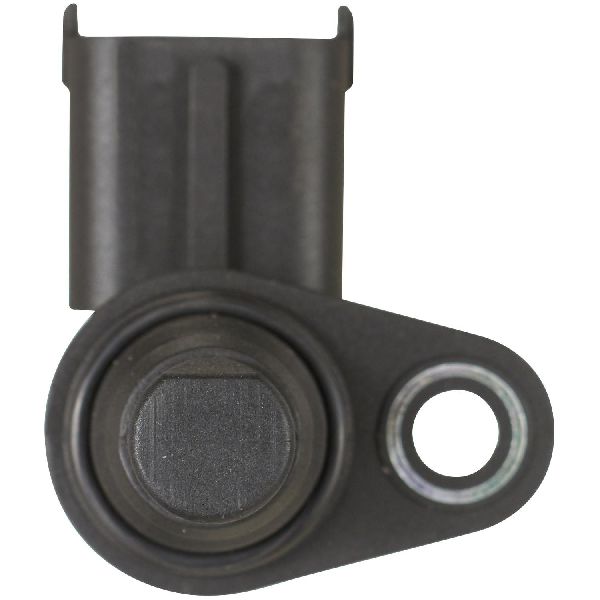
Est. part cost: $30-$80 - Failed Camshaft Position Sensor (Bank 2, Sensor A) 🟡 Medium Probability
How to confirm: Swap the Bank 2 intake camshaft sensor with the identical sensor from Bank 1. Clear the codes and drive the vehicle. If the code changes to P0016 (Bank 1), the sensor is faulty. The sensor for the 2.7L/3.0L engines is often Motorcraft part number DU-102.
Typical fix: Replace the faulty camshaft position sensor.
Est. part cost: $25-$70 - Stretched Timing Chain or Failed Timing Components ⚪ Low Probability While less common than oil/solenoid issues, timing chains on EcoBoost engines can stretch over time, especially with extended oil change intervals or high mileage. This is a known issue across the EcoBoost family.
How to confirm: This is a complex diagnosis that requires partial engine disassembly to physically inspect the timing chain, guides, and tensioners for slack or damage. An oscilloscope can also be used to compare camshaft and crankshaft sensor waveforms to a known-good pattern to spot timing deviations without disassembly.
Typical fix: Replace the timing chain, tensioners, and guides. This is a labor-intensive job often costing several thousand dollars.
Est. part cost: $400-$800
Rare But Worth Checking
- Damaged Camshaft Phaser: The phaser, which is responsible for physically adjusting the cam timing, can fail mechanically or become clogged with sludge, preventing it from rotating correctly. This is often replaced during a timing chain job.
- Wiring or Connector Issue: Damage or corrosion to the wiring or connectors for the camshaft sensor or VCT solenoid can cause a loss of signal, triggering the code. A visual inspection and testing for continuity is required.
- Failed Crankshaft Position Sensor: While possible, a failing crankshaft position sensor will typically cause more severe running issues or a no-start condition and may be accompanied by other codes like P0335.
- Damaged Reluctor Wheel: The tone ring (reluctor wheel) on the camshaft or crankshaft that the sensor reads can become damaged or shift, leading to incorrect signals. This is a rare and difficult-to-diagnose failure.
Diagnosis Steps
- Verify Engine Oil: Check the oil level and condition. If it is low, dirty, or the wrong viscosity, perform an oil and filter change, clear the code, and re-test. This is the most critical first step.
- Scan for Other Codes: Use an OBD-II scanner to check for any other related trouble codes that could provide more diagnostic clues.
- Inspect Wiring: Visually inspect the wiring harnesses and connectors for the Bank 2 intake camshaft position sensor and the VCT solenoid. Look for any signs of damage, corrosion, or loose connections.
- Test the VCT Solenoid: Use a scan tool to command the Bank 2 intake VCT solenoid on and off (Ford's pinpoint test HK11 suggests cycling it 10 times). Monitor the camshaft angle to see if it responds. If it doesn't, the solenoid is likely stuck or has failed.
- Test the Camshaft Sensor: Swap the Bank 2 intake cam sensor with the Bank 1 intake cam sensor. If the trouble code moves to Bank 1 (P0016), the sensor you moved is faulty and needs replacement.
- Check Mechanical Timing: If all other tests pass, the issue may be mechanical. This requires a more in-depth inspection of the timing chain, phasers, and tensioners for wear or damage. This step is often best left to a professional. An oscilloscope test comparing cam and crank signals can be a non-invasive way to check for a jumped tooth or stretched chain.
Parts You'll Likely Need
- Variable Camshaft Timing (VCT) Solenoid
(OEM #CM5Z-6M280-C (Check VIN for exact fitment))— This is the most likely component to fail due to sticking from oil debris, as documented in multiple Ford TSBs.
Trusted brands: Motorcraft, Dorman
OEM price range: $40-$90
Aftermarket price range: $25-$70 - Camshaft Position Sensor
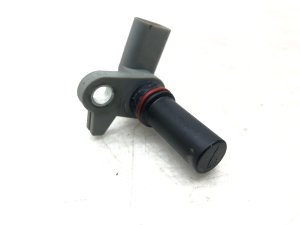
(OEM #DU-102)— The sensor provides the position data to the PCM. If it fails, it can send incorrect signals, causing this code.
Trusted brands: Motorcraft, Bosch, NGK/NTK
OEM price range: $40-$80
Aftermarket price range: $25-$70 - Engine Oil and Filter
(OEM #Motorcraft FL-2062-A (Filter for 2.7L))— Clean oil at the correct level is essential for the VCT system to function. This is the first and most important step in troubleshooting.
Trusted brands: Motorcraft, Mobil 1, Valvoline
OEM price range: $50-$90
Aftermarket price range: $40-$80
Related Codes That Often Appear With This One
- P0016 — This is the equivalent correlation code for Bank 1. If both are present, it could point to a systemic issue like low oil pressure, a problem with the crankshaft sensor/reluctor wheel, or a stretched primary timing chain.
- P0017, P0019 — These are correlation codes for the exhaust camshafts ('B' sensors). Seeing them with P0018 can indicate a more widespread timing issue on Bank 2 or the entire engine, potentially pointing towards a stretched chain or phaser issue.
- P0011, P0012, P0021, P0022 — These codes indicate camshaft timing is over-advanced or over-retarded. They are often caused by the same VCT solenoid and oil-related issues as P0018, and are listed together in the Ford TSBs.
Technical Service Bulletins (TSBs) & Recalls
- SSM 47170: Notes that DTCs including P0018 may be due to small debris causing the VCT solenoid to stick. Recommends running pinpoint test HK11 to cycle the solenoid before replacement.
- SSM 54366: Mentions P0018 and directs technicians to a specific pinpoint test in the service manual.
- SSM 50067: Repeats the warning about debris causing VCT solenoids to stick and advises against immediate component diagnosis.
- SSM 48423: Another bulletin covering 2015-2020 vehicles that points to sticking VCT solenoids from debris as the likely cause for a range of timing codes including P0018.
- SSM 49821: A later TSB that continues to group P0018 with other VCT codes, indicating the persistence of this issue across multiple model years and platforms.
Platform-Specific Known Issues
- Multiple Ford Technical Service Bulletins (SSM 47170, SSM 54366, SSM 50067, SSM 48423) have been issued for 2015-2021 Ford vehicles, including the Fusion. They all note that various VCT-related DTCs, including P0018, may be caused by small debris causing the VCT solenoid to stick.
Mechanic-Grade Diagnostic Values
- VCT Solenoid Internal Resistance — expected: 7 to 14 Ohms. Failure: A reading outside this range (e.g., open circuit or short) indicates a failed solenoid coil.
- VCT Solenoid Power Supply Voltage — expected: Battery Voltage (~12.6V) with ignition on. Failure: Low or no voltage indicates a wiring or fuse issue upstream of the solenoid.
- Scan Tool VCT Advance Error PID (VCT_ADV_ERR) — expected: Approximately 0° (+/- 5°). Failure: Excessive variation or a consistent offset while the engine is in closed loop suggests a timing correlation problem.
- Camshaft/Crankshaft Position Sensor Resistance (General Guide) — expected: 200 to 1000 Ohms. Failure: A reading outside this range may indicate a faulty sensor, though checking against the specific workshop manual is best.
Hidden / Shadow Codes Worth Checking
- Mode 6 Data: Mode 6 provides the results of on-board diagnostic tests for non-continuously monitored systems. For a P0018 code, a technician can look at the test results for the VVT monitor (often labeled by a Test ID or TID) to see if the cam/crank correlation value is approaching its failure threshold, even before a DTC is set. This can provide an early warning of a developing issue. (see via A professional-level scan tool with Mode 6 capability is required.)
Scan Tool Commands That Help
- Ford IDS (or equivalent professional scanner): VCT Solenoid Actuator Test / Output State Control — This bidirectional command is used to manually activate the Bank 2 intake VCT solenoid while the engine is idling. If the solenoid is working, activating it should cause a noticeable change in engine operation, such as a rough idle or stalling. If there is no change, the solenoid is likely stuck, clogged, or has failed electrically.
- Ford IDS (or equivalent professional scanner): Data Logger for VCT PIDs — Monitor PIDs like VCT_ADV_ERR (VVT Error) and RCAM (Requested Cam Angle) vs. RCAM_ACT (Actual Cam Angle) for Bank 2. This allows a technician to see in real-time if the camshaft is responding correctly to the PCM's commands, which is crucial for diagnosing intermittent issues or differentiating between a slow-to-respond phaser and a stuck solenoid.
Wiring & Ground Locations
- VCT Solenoid Connector — On the top of the valve cover for Bank 2 (the bank closer to the radiator), connected to the VCT solenoid.. The VCT solenoid has a two-wire connector. One wire receives power (battery voltage) from a fuse/relay when the ignition is on. The other wire is the control circuit, which the PCM pulses to ground to activate the solenoid. Checking for power at this connector is a key step in diagnosing a non-responsive solenoid.
- PCM Connector — The Powertrain Control Module's location varies, but it's typically in the engine bay or behind the passenger-side kick panel. A vehicle-specific wiring diagram is needed for pinout testing.. If the VCT solenoid and its local wiring are good, a technician may need to check for continuity on the control wire from the solenoid connector back to the PCM connector to rule out a break in the harness.
Real Owner Repair Stories
- YouTube Commenter (Ford King Ranch (engine not specified, but VVT system is similar)) — P0018 code present.
❌ Tried (didn't work) Was preparing for an expensive repair.
✅ What actually fixed it The owner's mechanic recommended trying a switch to full synthetic oil first, which resolved the code and the truck has been running well for over 100k miles since. - Ford F150 Forum user (2004 Ford F-150 5.4L 3v (different vehicle, but demonstrates a common VVT failure pattern)) — P0018 code and very rough idle immediately after an oil change at a dealership.
❌ Tried (didn't work) Visual inspection of the VCT solenoid, which looked perfect.
✅ What actually fixed it The thread did not have a final confirmed fix from the original poster, but the consensus from other experienced users was that either the new oil was the wrong viscosity (too thin) or debris was dislodged during the oil change and clogged the VCT solenoid screen. The recommended diagnostic step was to unplug the VCT solenoid; if the idle smoothed out, it would confirm the solenoid was stuck.
When the Usual Fixes Don't Work
- While the most common causes for P0018 are oil-related or a faulty VCT solenoid, there are documented cases where these fixes do not resolve the issue. In these instances, the root cause is often a more serious mechanical problem. For example, if the code appears immediately after a timing chain service, it strongly suggests the mechanical timing was set incorrectly. In other cases with high mileage, even with clean oil and functional solenoids, the code may persist due to a stretched timing chain or worn cam phasers, requiring a costly and labor-intensive timing job to resolve. This indicates that while starting with oil and solenoids is correct, a persistent P0018 code should lead to an investigation of the base mechanical timing.
OEM Part Supersession History
CM5Z-6M280-A→CM5Z-6M280-C— Part revision by the manufacturer, likely for improved durability or performance.
Heads up: The newer part number (ending in C) is the correct service replacement for the original (ending in A).
Model Year Variations Within This Range
- 2017-2019: The 2.7L EcoBoost V6 engine was only offered in the Fusion Sport trim during these years. The broader 2015-2020 range in the vehicle title applies to the Fusion model, but this specific engine and its related P0018 issues are limited to this timeframe.
- 2018-2019: For the 2018 model year, the 2.7L EcoBoost engine was redesigned, gaining dual (port and direct) fuel injection. While the core VCT system is similar, the PCM and its software are different, which could affect diagnostic strategies or PID availability compared to the 2017 model.
Helpful Videos
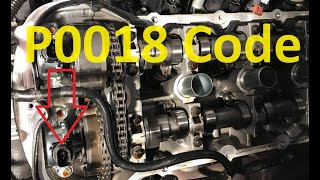
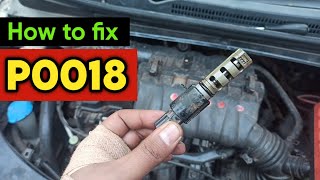
![How to Fix P0018 Engine Code in 6 Minutes [4 DIY Methods / Only $6.99]](https://img.youtube.com/vi/Q5hH0fs65Y8/mqdefault.jpg)


Used OEM Parts in Stock


New Aftermarket Parts Available


The information in this article is provided for general reference and educational purposes only. Vehicle specifications, procedures, and part compatibility can vary by production date, trim level, and region. Always consult your vehicle's factory service manual and verify part numbers before purchasing or performing repairs. Safety-critical components such as airbags, seat belts, and braking systems should be installed by a qualified professional.
- Ford FUSION:
- 🎬 Helpful Videos
- 🛍️ Shop This Part
- What's Unique About the 2015-2020 Ford FUSION
- Diagnostic Flowchart
- Symptoms You May Notice
- Most Likely Causes
- Rare But Worth Checking
- Diagnosis Steps
- Parts You'll Likely Need
- Related Codes That Often Appear With This One
- Technical Service Bulletins (TSBs) & Recalls
- Platform-Specific Known Issues
- Mechanic-Grade Diagnostic Values
- Hidden / Shadow Codes Worth Checking
- Scan Tool Commands That Help
- Wiring & Ground Locations
- Real Owner Repair Stories
- When the Usual Fixes Don't Work
- OEM Part Supersession History
- Model Year Variations Within This Range
- 🎟️ Get 5% Off