

P0016 on 2015-2019 Ford Fusion Energi: Crank/Cam Correlation Causes and Fixes
On the 2015-2019 Ford Fusion Energi, code P0016 is most often caused by low/dirty engine oil or a failing Variable Camshaft Timing (VCT) solenoid. Start by checking your oil; if the level and quality are good, the VCT solenoid is the next likely culprit, a repair that costs approximately $150-$300. This is a known issue highlighted in Ford TSBs.
- Always check your engine oil level and condition first; it's the easiest and cheapest potential fix.
- A sticking intake VCT solenoid is a very common cause for P0016 on this engine, as noted by Ford's own service bulletin.
- Do not immediately replace the cam or crank sensors without further diagnosis, as they are less likely to be the root cause than oil issues or a faulty VCT solenoid.
- Ignoring this code can lead to serious drivability problems and potential engine damage, so it should be addressed promptly.
- If the issue isn't resolved by an oil change or VCT solenoid replacement, the next step is likely a more complex and expensive timing chain service.
What's Unique About the 2015-2019 Ford FUSION ENERGI
The 2.0L Atkinson cycle engine in the Fusion Energi is a reliable powerplant derived from the Mazda L engine family. For this specific P0016 code, Ford has issued a Technical Service Bulletin (TSB #SSM 50067) that points to sticking VCT solenoids due to small debris as a primary cause. This makes oil quality and the VCT solenoids themselves primary points of interest. The TSB even advises technicians to use a scan tool to cycle the affected VCT solenoid 10 times to attempt to clear the debris before replacing any parts. Unlike some of the non-hybrid EcoBoost engines, widespread premature timing chain stretch is less commonly reported on this specific hybrid powertrain.
Diagnostic Flowchart
Tap your situation to follow the diagnostic path that matches what you're seeing on this vehicle.
Symptoms You May Notice
- Check Engine Light is on
- Engine runs rough or has a rough idle
- Poor acceleration and reduced engine performance
- Engine may be hard to start or have extended crank times
- Decreased fuel economy
- Engine may stall unexpectedly, especially when coming to a stop
- Rattling noise from the engine on cold starts (more indicative of a timing chain issue)
- Replacing the camshaft or crankshaft position sensors immediately without first checking the engine oil level and condition. The VCT system is highly dependent on oil, which is the most common and easiest fix.
- Assuming a stretched timing chain without first diagnosing the much more common and cheaper VCT solenoid failure.
Most Likely Causes
- Low, Degraded, or Incorrect Viscosity Engine Oil 🔴 High Probability The Variable Camshaft Timing (VCT) system is hydraulically operated by engine oil. If the oil level is low, dirty, or the wrong type, it can't properly pressurize the VCT phasers, leading to a correlation error. Sludge can also clog the fine mesh screens on the VCT solenoids.
How to confirm: Check the oil level on the dipstick and inspect its color and consistency. Verify the oil viscosity used against the manufacturer's recommendation (SAE 0W-20 is specified for 2015+ models).
Typical fix: Perform an oil and filter change with the correct grade of high-quality full synthetic oil and a new filter. Clear codes and see if P0016 returns.
Est. part cost: $40-$80 - Failing Variable Camshaft Timing (VCT) Solenoid 🔴 High Probability Ford TSB #SSM 50067 specifically mentions that debris can cause the VCT solenoid to stick, which is a common issue on this engine family. The solenoid controls oil flow to the cam phaser and is the most cited failure part for this code.
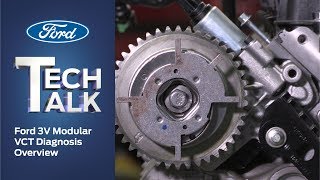
How to confirm: A mechanic can use a scan tool to command the solenoid on and off to check for response (Pinpoint Test HK12). It can also be removed 🎬 See this Ford tech talk on VCT system diagnosis and tested for resistance with a multimeter or inspected for sludge and debris. On the 2.0L engine, the two VCT solenoids are located on the top of the valve cover, toward the passenger side of the vehicle.
Typical fix: Replace the intake VCT solenoid (Sensor 'A'). It is often recommended to replace both intake and exhaust solenoids at the same time.
Est. part cost: $30-$60 - Stretched Timing Chain or Worn Timing Components 🟡 Medium Probability Over time, especially on higher mileage vehicles (typically over 100,000 miles), the timing chain can stretch. This creates slack that the hydraulic tensioner cannot compensate for, altering the mechanical timing between the crank and cams, which the sensors will detect.
How to confirm: This is an involved diagnosis. A mechanic may listen for chain rattle on startup or use an oscilloscope to analyze the cam and crank sensor patterns. Physical inspection requires removing the valve cover and possibly the timing cover to check the tensioner extension and timing marks.
Typical fix: Replace the timing chain, tensioners, and guides. This is a labor-intensive job often costing over $1,500.
Est. part cost: $200-$400 - Faulty Camshaft Position Sensor ⚪ Low Probability
How to confirm: The sensor's output can be monitored with a scan tool or oscilloscope. It can also be tested with a multimeter for correct resistance. A user on a forum noted that after replacing a sensor for P0016, other sensor codes (P0340, P0344) appeared, suggesting potential wiring or compatibility issues.
Typical fix: Replace the Bank 1 intake camshaft position sensor.
Est. part cost: $25-$50
Rare But Worth Checking
- Faulty Crankshaft Position Sensor: While less likely to fail than the camshaft sensor for this specific code, a faulty crankshaft sensor can provide incorrect data to the PCM, leading to a correlation error.
- Damaged Camshaft Phaser/Actuator: The phaser is the mechanical gear that actually adjusts the camshaft timing. It can become clogged with sludge or fail internally, preventing it from moving as commanded by the VCT solenoid. This is a more significant mechanical repair.
- Clogged Oil Passages: Severe sludge from infrequent oil changes can block the small oil passages leading to the VCT solenoid and cam phaser, starving them of the oil pressure needed to operate.
- Wiring Issue: Damaged wiring or a loose connector at the VCT solenoid, camshaft sensor, or crankshaft sensor can cause an intermittent signal and trigger the code.
Diagnosis Steps
- Verify the Check Engine Light is on and scan for codes. Confirm P0016 is present, and note any other codes (like P0011, P0017, or P0340) as they can help pinpoint the cause.
- Check the engine oil level and condition. If it is low, dark/sludgy, or overdue for a change, perform a full synthetic oil and filter change using the correct viscosity (SAE 0W-20 for 2015+ models). This is the cheapest and most common fix. Clear the codes and drive to see if the problem returns.
- Using a capable scan tool, monitor the live data for the commanded vs. actual camshaft position for Bank 1 Intake. A significant deviation confirms the correlation error.
- Inspect the wiring and connectors for the intake camshaft position sensor and the VCT solenoid for any visible damage, corrosion, or loose connections.
- As per TSB SSM 50067, use a scan tool's bidirectional controls to command the intake VCT solenoid on and off 10 times to try and dislodge debris. Listen for a click and watch for a change in engine idle. If there is no response 🎬 Watch: How to diagnose a sticking VCT solenoid, the solenoid is a likely culprit.
- If the solenoid appears to work but the code persists, remove and inspect the VCT solenoid for sludge on its screens. Test its internal resistance with a multimeter. A common specification for similar Ford solenoids is 4.8 to 5.4 Ohms.
- If the VCT system seems okay, test the camshaft and crankshaft position sensors. This is best done with an oscilloscope to compare their waveform patterns against a known good pattern.
- If all electronic and hydraulic systems check out, the final step is a mechanical inspection. Listen for a timing chain rattle on cold starts. If suspected, remove the valve cover to inspect the timing chain for slack and check the tensioner's position.
Parts You'll Likely Need
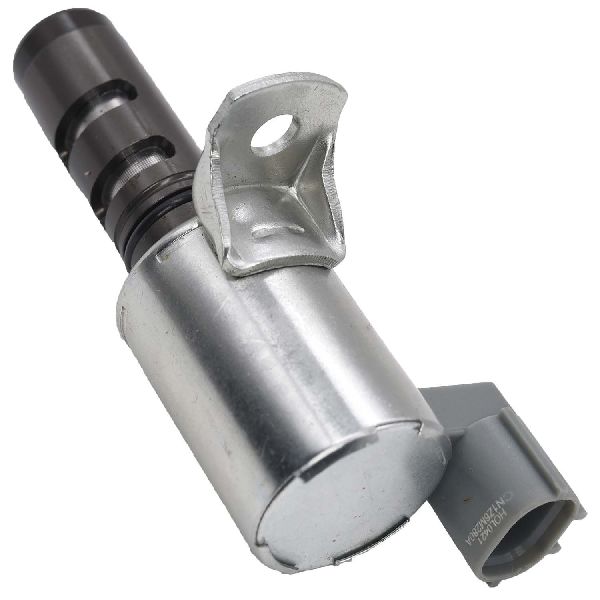
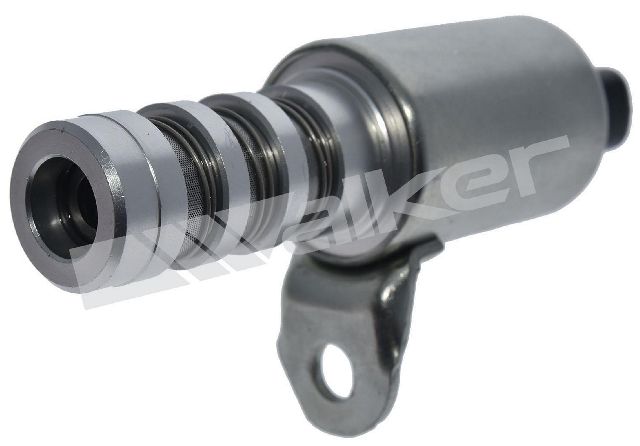
- Engine Variable Valve Timing (VVT) Solenoid
(OEM #7T4Z-6M280-C)— This solenoid is the most common failure point, as identified in Ford TSBs. It controls the oil flow that adjusts cam timing and can get stuck from debris. The part number 7T4Z-6M280-C is a widely used Ford solenoid that supersedes previous versions, though it is primarily listed for 3.5L/3.7L engines, it is often cross-referenced.
Related Codes That Often Appear With This One
- P0017 — This code is for the exhaust camshaft (Sensor 'B') on the same bank. If both P0016 and P0017 appear, it could point more strongly to a base timing issue like a stretched chain, a failing crankshaft sensor, or a systemic oil pressure problem affecting both VCT systems.
- P0011 — This code indicates 'Camshaft Position 'A' - Timing Over-Advanced or System Performance (Bank 1)'. It often accompanies P0016 as it points to a problem with the same intake camshaft's timing control system. TSB SSM 50067 lists both codes as having the same potential cause.
- P0340 — This code indicates a fault in the Camshaft Position Sensor 'A' Circuit. If you see this with P0016, it could point more directly to a bad sensor or a wiring problem, as opposed to a purely mechanical/hydraulic timing issue.
Technical Service Bulletins (TSBs) & Recalls
- SSM 50067: Addresses multiple VCT-related DTCs, including P0016, and suggests a sticking VCT solenoid due to debris as a possible cause. It applies to a wide range of 2015-2021 Ford and Lincoln vehicles.
Platform-Specific Known Issues
- A Technical Service Bulletin (TSB #SSM 50067) was issued for 2015-2021 Ford and Lincoln vehicles, including those with the 2.0L engine, for a list of VCT-related codes including P0016. The bulletin states the cause may be small debris causing the VCT solenoid to stick and recommends cycling the solenoid with a scan tool before replacement.
- The 2.0L Atkinson cycle hybrid engine has only one VCT solenoid that is active (intake), while the exhaust cam is fixed. This simplifies diagnosis compared to Ti-VCT EcoBoost engines.
Mechanic-Grade Diagnostic Values
- VCT Solenoid Internal Resistance — expected: 4.8 - 5.4 Ohms. Failure: A reading outside this range indicates a faulty solenoid coil.
- Camshaft Position Sensor (Hall-Effect) Signal Voltage — expected: Switches between ~0V and ~5V (or battery voltage) as a metal object passes by it.. Failure: Voltage does not switch, or is stuck at 0V or 5V, indicating a failed sensor.
- Camshaft Position Sensor Connector - Power Supply Pin — expected: ~5 Volts with key on, engine off.. Failure: No voltage or significantly lower voltage points to a wiring or PCM issue, not a sensor failure.
- Camshaft Position Sensor Connector - Ground Pin — expected: Should have continuity to a known good ground (e.g., battery negative terminal). A multimeter should read battery voltage (~12.6V) when probing between the ground pin and the battery positive terminal.. Failure: No continuity or high resistance indicates a bad ground connection, which will cause the sensor to malfunction.
Scan Tool Commands That Help
- Ford IDS / FORScan: VCT Solenoid Actuator Test (On/Off) — As recommended by TSB SSM 50067, this bidirectional command is used to cycle the VCT solenoid to check for response (audible click, change in idle) and potentially dislodge small debris causing it to stick.
- Ford IDS / FORScan: PCM Reset / Keep Alive Memory (KAM) Reset — After replacing timing components like VCT solenoids, phasers, or the timing chain, a KAM reset is recommended to clear the PCM's learned adaptive values. This forces the module to relearn the timing positions and solenoid response characteristics of the new parts.
Wiring & Ground Locations
- G101 — Left front of the engine compartment.. This is a primary engine bay ground point. A corroded or loose connection at G101 can affect various engine sensors and modules, potentially causing erratic signals that could contribute to a P0016 code.
- G106 — Right front of the engine compartment.. Similar to G101, this ground serves components on the right side of the engine bay. Ensuring it is clean and tight is a crucial step in diagnosing any electrical fault.
- Camshaft Position Sensor Connector — On the top of the valve cover, connected to the camshaft position sensor.. This 3-wire connector provides power, ground, and signal return for the CMP sensor. The wires are typically for signal, power (5V), and ground. Damage, corrosion, or oil contamination in this connector or its pigtail is a common point of failure.
Real Owner Repair Stories
- YouTube video on a Ford C-MAX with a similar powertrain (Ford C-MAX, engine not specified but behavior suggests a similar timing belt/chain setup.) — Check engine light with code P0016 for cam/crank desynchronization.
❌ Tried (didn't work) The owner had recently purchased the car and was told the timing belt had been changed.
✅ What actually fixed it Upon inspection, the mechanic found the timing was off by a very small amount, likely due to an incorrect replacement belt or improper installation. The video concludes that the belt needed to be replaced with the correct part and the timing reset properly. This highlights the sensitivity of the system to minor mechanical misalignment.
OEM Part Supersession History
7T4Z-6M280-A, 7T4Z-6M280-AA, 7T4Z-6M280-B→7T4Z-6M280-C— Part revision and improvement by the manufacturer.
Heads up: While 7T4Z-6M280-C is the current part, it is primarily listed for Ford's 3.5L and 3.7L V6 engines. It is often cross-referenced for 4-cylinder applications, but it is critical to verify the correct part number for the 2.0L hybrid engine via VIN, as using the wrong solenoid can cause performance issues even if it fits physically.
Model Year Variations Within This Range
- 2015-2019: Starting with the 2015 model year, Ford changed the specified engine oil from 5W-20 to a lower viscosity 0W-20 to reduce internal friction and improve efficiency. Using the correct oil is critical for proper VCT system operation.
- 2017-2019: The 2017 model year refresh included powertrain software and regenerative braking algorithm changes to improve fuel economy. These recalibrations could potentially alter how the PCM monitors and flags timing correlation faults compared to earlier 2015-2016 models.
Helpful Videos
Used OEM Parts in Stock


New Aftermarket Parts Available


The information in this article is provided for general reference and educational purposes only. Vehicle specifications, procedures, and part compatibility can vary by production date, trim level, and region. Always consult your vehicle's factory service manual and verify part numbers before purchasing or performing repairs. Safety-critical components such as airbags, seat belts, and braking systems should be installed by a qualified professional.
- Ford FUSION ENERGI:
- 🎬 Helpful Videos
- 🛍️ Shop This Part
- What's Unique About the 2015-2019 Ford FUSION ENERGI
- Diagnostic Flowchart
- Symptoms You May Notice
- Most Likely Causes
- Rare But Worth Checking
- Diagnosis Steps
- Parts You'll Likely Need
- Related Codes That Often Appear With This One
- Technical Service Bulletins (TSBs) & Recalls
- Platform-Specific Known Issues
- Mechanic-Grade Diagnostic Values
- Scan Tool Commands That Help
- Wiring & Ground Locations
- Real Owner Repair Stories
- OEM Part Supersession History
- Model Year Variations Within This Range
- 🎟️ Get 5% Off