

P0015 on 2007-2015 Lexus RX350: Exhaust Camshaft Timing Causes & Fixes
For the 2007-2015 Lexus RX350, code P0015 is most often caused by a faulty Bank 1 exhaust Oil Control Valve (OCV), also called a VVT solenoid. After verifying the engine oil is clean and full, this is the primary suspect. Expect to pay $50-$100 for an aftermarket OCV and $150-$250 for an OEM part; it's a DIY-possible job, but access is difficult. The code is frequently accompanied by VSC and AWD warning lights.
- First, check your engine oil. Low or dirty oil is a common cause and the easiest thing to fix.
- P0015 specifically points to the exhaust camshaft on the rear cylinder bank (Bank 1), which is difficult to access.
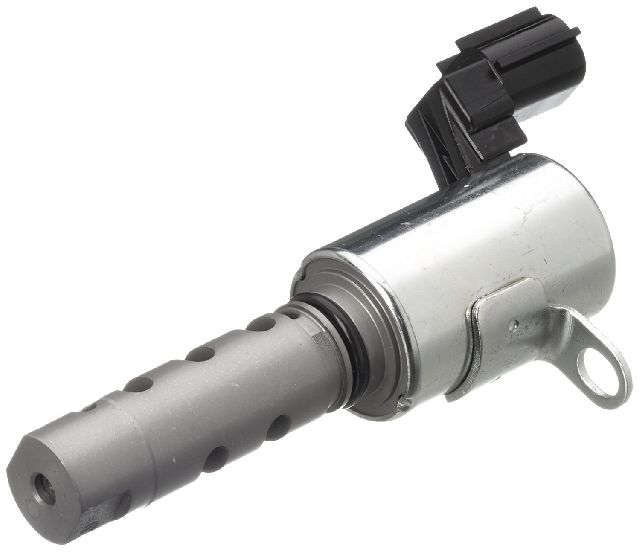
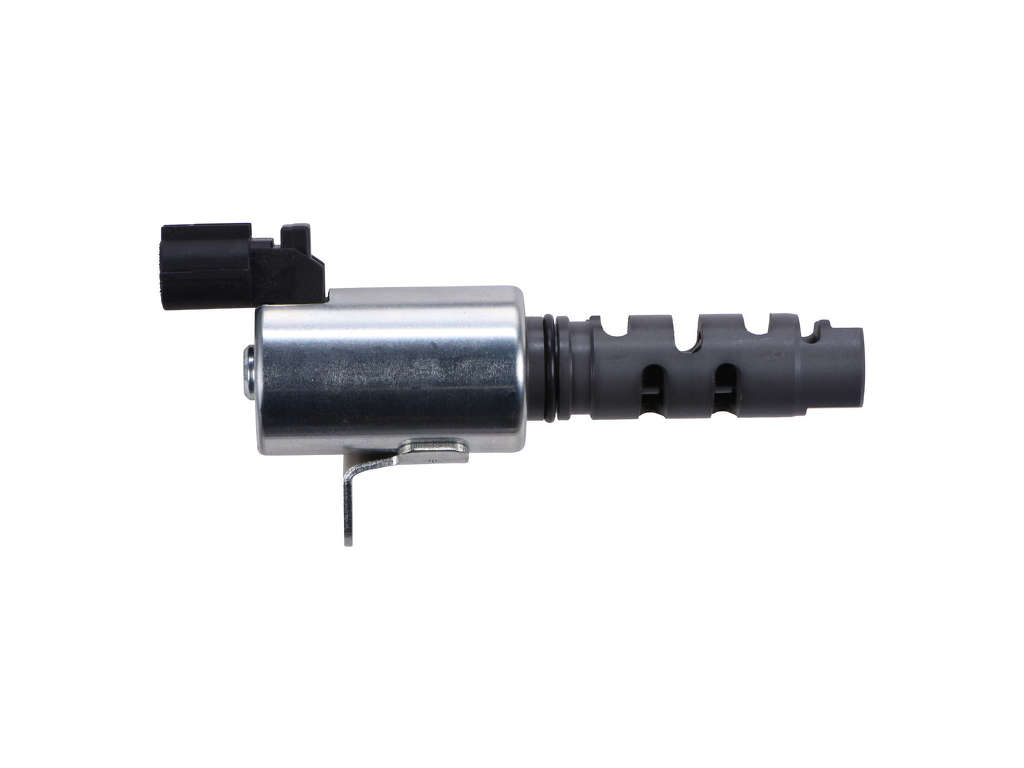
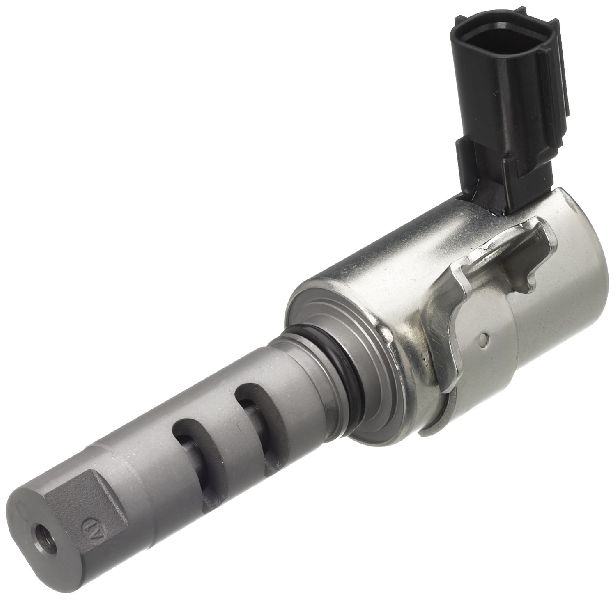
- The most likely failed part is the Oil Control Valve (OCV), also known as a VVT solenoid.
- A cost-effective diagnostic step is to swap the suspected rear OCV with the identical front one (Bank 2) and see if the code follows (changing to P0025).
- Due to the difficult access, replacing the Bank 1 OCV is a challenging DIY job that may be best left to a professional if you are not experienced.
What's Unique About the 2007-2015 Lexus RX350

The 2GR-FE engine is widely used across Toyota and Lexus and is known for its reliability, but its VVT-i (Variable Valve Timing with intelligence) system is highly dependent on clean engine oil and proper oil pressure. The most significant platform-specific challenge for this code on the RX350 is the location of the Bank 1 components. Because the engine is mounted transversely, Bank 1 is pressed against the firewall, making the exhaust OCV and its filter extremely difficult to access compared to the easily reachable Bank 2 components at the front of the vehicle. Many owners report this code appearing after a long highway trip.
Generation note: This range covers two generations of the RX350: the second generation (2007-2009) and the third generation (2010-2015). Both use the 2GR-FE 3.5L V6 engine, and the causes, symptoms, and diagnostic procedures for P0015 are virtually identical between them. Part numbers for the OCV may differ slightly, so always verify by VIN. The earlier 2007-2009 models were also part of a service campaign for a rubber VVT-i oil line that could rupture, a separate but related VVT system issue.
🎬 Watch: How to replace the rubber VVT-i oil line.Symptoms You May Notice
- Check Engine Light is on
- Traction control (VSC) and/or AWD warning lights may also illuminate
- Rough or unstable idle
- Hesitation or stumbling on acceleration
- Reduced engine power
- Decreased fuel economy
- Difficulty starting
- Replacing the camshaft position sensor. The sensor is usually not the cause for a P0015 code; it is simply reporting the timing deviation that is caused by another component like the OCV or low oil pressure. The code indicates a performance problem, not a sensor circuit failure.
Most Likely Causes

- Low or Dirty Engine Oil 🔴 High Probability The VVT-i system uses oil pressure to actuate the camshaft phasers. Insufficient or contaminated oil can't operate the system correctly, leading to timing deviations. Sludge can clog the small passages in the OCVs and their filters.
How to confirm: Check the oil level on the dipstick and inspect the oil's color and consistency. If the level is low or the oil is dark, gritty, or sludgy, this is your first step. A ClubLexus user with a 2013 RX350 confirmed their P0015 was resolved by topping off a low oil level and changing the air filter.
Typical fix: Top up the oil to the correct level or perform a complete oil and filter change using the manufacturer-recommended oil viscosity (typically 5W-30 or 0W-20 depending on the model year, check your owner's manual).
Est. part cost: $40-$80 - Faulty Bank 1 Exhaust Oil Control Valve (OCV) / VVT Solenoid 🔴 High Probability These solenoids are a common failure point. They can get clogged with debris from the oil or fail electrically, causing them to stick, especially when hot.
How to confirm: You can test the solenoid's resistance with a multimeter (should be 6.9-7.9 ohms at 68°F). A more advanced test shown in a detailed repair video involves energizing the solenoid and watching the resistance value; 🎬 Watch: This detailed video shows how to test the solenoid. if it climbs significantly as it heats up, the winding is failing. The most definitive DIY test is to swap the suspect Bank 1 exhaust OCV with the easily accessible Bank 2 exhaust OCV (at the front of the engine). If the code changes to P0025 (Bank 2), you've confirmed the OCV is bad.
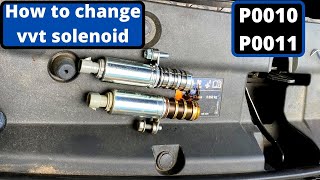
Typical fix: Replace the Bank 1 exhaust Oil Control Valve. Due to its location at the rear of the engine, this is a labor-intensive job often quoted at over $1000 by dealers. However, some skilled DIYers have managed to replace it without removing the upper intake manifold, using thin extensions and having patience. 🎬 See this walkthrough for replacing the Bank 1 VVT solenoid.
Est. part cost: $50-$250 - Clogged Oil Control Valve Filter Screen 🟡 Medium Probability A small mesh filter protects each OCV from debris. If oil changes are neglected, this screen can become clogged with sludge, restricting oil flow to the solenoid and cam phaser.
How to confirm: The filter is located in the oil passage leading to the OCV. It must be visually inspected for blockage. On the 2GR-FE, these filters are often located under a banjo bolt near the OCV housing and can be removed for cleaning or replacement.
Typical fix: Remove and clean the filter screen. If it's damaged or cannot be cleaned, it should be replaced. This is often done at the same time as an OCV replacement.
Est. part cost: $5-$20
Rare But Worth Checking
- Stretched Timing Chain: While the 2GR-FE uses a durable timing chain, on very high-mileage engines (well over 200,000 miles) it can stretch, causing timing to be consistently retarded. This is a much more involved and expensive repair.
- Failed VVT-i Cam Gear (Phaser): The actuator on the end of the camshaft can fail internally, getting stuck in one position. This usually requires replacement of the cam gear itself, which is a significant job. Toyota issued TSB T-SB-0094-09 for some 2GR-FE engines for a ticking noise that could be related to this component.
- Faulty Engine Control Module (ECM): This is extremely rare. The ECM should only be considered as the cause after all other possibilities have been exhaustively ruled out by a professional.
Diagnosis Steps

- Verify engine oil level and condition. Top up or change oil if necessary. This is the first and most important step.
- Scan for any other trouble codes to see if there are related electrical circuit codes (like P0013).
- Using a capable scan tool like Toyota Techstream, observe the live data for commanded vs. actual camshaft angle for Bank 1 Exhaust. A significant and persistent lag confirms the issue. Some scan tools also allow for active control of the OCV to see if the timing angle changes.
- Inspect the Bank 1 exhaust OCV connector and wiring for any visible damage.
- Test the OCV. You can apply 12V power to see if it clicks, or measure its internal resistance (approx. 7-8 ohms). For a more thorough test, energize the solenoid for a minute and check if the resistance increases significantly, indicating an internal fault when hot.
- For a definitive diagnosis, swap the Bank 1 exhaust OCV with the Bank 2 exhaust OCV. Clear the codes and drive the vehicle. If the code returns as P0025 (Bank 2), the OCV is faulty and needs replacement.
- If the OCV is not the issue, inspect the OCV filter screen for blockage. This may require removing a banjo bolt or a dedicated plug near the OCV.
- If all of the above check out, the issue may be more severe, such as a stretched timing chain or a faulty cam phaser, which requires more advanced mechanical inspection.
Parts You'll Likely Need

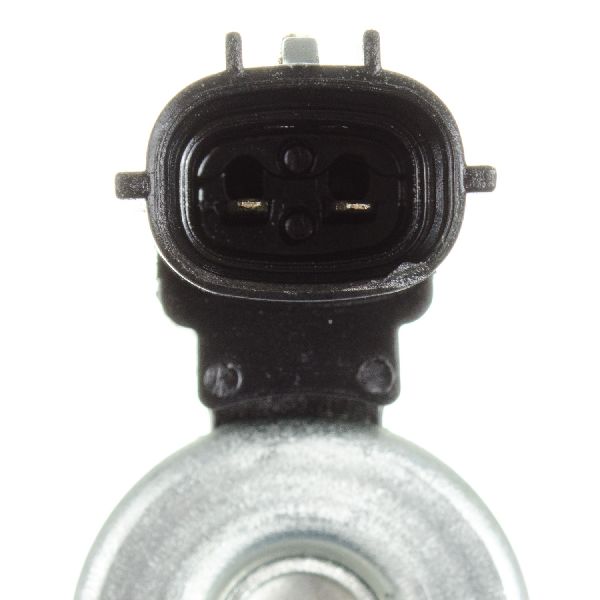
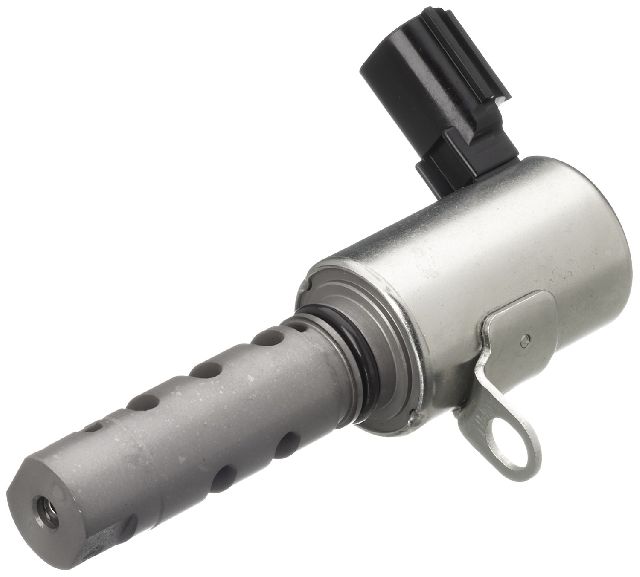
- Engine Variable Valve Timing (VVT) Solenoid / Oil Control Valve (Bank 1 Exhaust)
(OEM #15370-0P010, 15370-31020 (Verify with VIN))— This is the most common component to fail or clog, directly causing the over-retarded timing condition reported by P0015.
Trusted brands: Denso (OEM supplier), Aisin
OEM price range: $150-$250
Aftermarket price range: $50-$100 - Oil Control Valve Filter
(OEM #15678-31010 (Verify with VIN))— This small screen can get clogged with sludge, starving the OCV of oil pressure. It's inexpensive and should be cleaned or replaced whenever servicing the OCVs.
Trusted brands: Toyota/Lexus OEM
OEM price range: $5-$20
Aftermarket price range: $3-$10
Related Codes That Often Appear With This One
- P0013 — P0013 is for the '"B" Camshaft Position Actuator Circuit (Bank 1)'. It indicates an electrical problem (open or short) in the OCV circuit, while P0015 indicates a mechanical/performance issue (timing is wrong). They can appear together if the OCV has failed electrically.
- P0014 — P0014 is for '"B" Camshaft Position - Timing Over-Advanced (Bank 1)'. It's the opposite of P0015 but points to the same system (Bank 1 exhaust VVT). Seeing both or alternating between them could indicate an erratic OCV or oil flow issue.
- P0012 — P0012 is for '"A" Camshaft Position - Timing Over-Retarded (Bank 1)', which refers to the intake camshaft on the same bank. Seeing both P0012 and P0015 could point to a more systemic issue on Bank 1, like a clogged oil passage feeding both VVT actuators.
Technical Service Bulletins (TSBs) & Recalls
- T-SB-0094-09: Addresses a ticking noise and/or MIL ON with VVT codes (including P0015) for some 2GR-FE engines, pointing towards potential inspection of the VVT-i gear actuator.
Platform-Specific Known Issues
- The primary issue is the difficult access to the Bank 1 (rear) exhaust OCV, which is located on the firewall side of the engine under the intake plenum and other components.
- Early 2GR-FE engines (2007-2009 models) were subject to Limited Service Campaign (LSC) 9LH for a rubber VVT-i oil line that could rupture, causing catastrophic oil loss. This was later updated to an all-metal line. While this failure causes more severe symptoms than just a P0015 code, it is a critical VVT system issue on this engine family.
Mechanic-Grade Diagnostic Values
- VVT Oil Control Valve (OCV) Solenoid Resistance — expected: 6.9 to 7.9 Ohms at 68°F (20°C).. Failure: Resistance is outside the specified range, or resistance climbs significantly when the solenoid is energized and heats up, indicating a failing coil winding.
- VVT Oil Control Valve (OCV) Solenoid Current Draw — expected: Approximately 1.47 Amps at 12V.. Failure: Current draw drops as the solenoid heats up (indicating rising resistance), which is a sign of an internal fault.
Scan Tool Commands That Help
- Toyota Techstream: Active Test: Control the VVT Exhaust Linear (Bank 1) — This command allows the technician to manually operate the Bank 1 exhaust OCV. While monitoring engine speed, activating the solenoid should cause a noticeable change (e.g., rough idle or stall). If there's no change, it points to a problem with the OCV, its filter, or the cam phaser.
- Toyota Techstream: Utility: All Readiness — After a repair, this function can be used to check the status of the VVT system monitor to confirm if the fault has been successfully rectified without having to complete a full, lengthy drive cycle.
Wiring & Ground Locations
- E7 (Connector) — On the Engine Control Module (ECM). The ECM location can vary; on earlier models it may be in the glovebox area, while later models have it in the engine bay.. This connector contains the pins for the Bank 1 Exhaust OCV. Specifically, pin E7-9 (OE1+) and E7-10 (OE1-) are the positive and negative terminals for the Bank 1 Exhaust Oil Control Valve. These are the pins to test for voltage and continuity when diagnosing a circuit fault (like P0013) alongside P0015.
- E01, E02, E03, E04 (Grounds) — These are the main ECM ground points. Their physical location is on the engine block/cylinder head.. A poor ECM ground can cause a wide range of erratic issues, including incorrect sensor readings and faulty actuator control. While not a common cause for an isolated P0015, verifying these grounds are clean and tight is a crucial step in advanced electrical diagnosis after checking the specific component circuit.
Real Owner Repair Stories
- YouTube channel 'Pine Hollow Auto Diagnostics' (Lexus with 2GR-FE engine (specific model not stated, but engine is the same)) — Intermittent P0015 code that has been occurring for years.
❌ Tried (didn't work) The owner had been living with the intermittent code for a long time.
✅ What actually fixed it The technician diagnosed a faulty Bank 1 exhaust OCV. The definitive test was energizing the solenoid for one minute and observing its resistance climb from a normal 8.3 ohms to nearly 10 ohms as it heated up, while other solenoids remained stable. This confirmed an internal winding failure that only occurred when hot, explaining the intermittent nature of the fault. - ClubLexus Forum user 'andbel' (2013 RX 350) — Check Engine light, VSC light, and code P0015.
❌ Tried (didn't work) Owner almost scheduled a shop appointment assuming a complex repair was needed.
✅ What actually fixed it The owner checked the engine oil and found it was on the lower end of the dipstick. After topping off the oil and changing the engine air filter, the warning lights and the code cleared.
OEM Part Supersession History
Unknown→15678-31010— This is the current, widely available part number for the VVT oil control valve filter.
Heads up: This part fits a wide range of Toyota/Lexus vehicles with the 2GR-FE and other engines. Always verify with VIN, but it is the standard service part.VVT oil line with rubber section→15772-31030 (all-metal line)— The original rubber section of the VVT oil supply line on early 2GR-FE engines was prone to rupturing, causing rapid and catastrophic oil loss.
Heads up: This is a critical upgrade for any 2007-2009 model that still has the original rubber-section hose.
Model Year Variations Within This Range
- 2007-2009: These early models were equipped with a VVT-i oil line that contained a rubber section, which was a known failure point leading to oil leaks. Models from 2010 onward came from the factory with an improved all-metal line.
- Early vs. Late Production: The location of the Engine Control Unit (ECU) was moved over the production life of the 2GR-FE. Early models often had the ECU located inside the cabin (e.g., glovebox area), while later versions had the ECU moved into the engine bay. This is relevant for any advanced electrical diagnosis.
Diagnostic Flowchart
Other Known Issues on This Vehicle
Issues unrelated to this code that are worth knowing about as an owner of this generation:
- Rupturing VVT-i Oil Line 🔴 High — Common on 2007-2009 models with the original rubber/metal hybrid oil line. Less common on later models which received an all-metal line from the factory. (Ref: Lexus LSC 9LH (Limited Service Campaign) extended the warranty for replacement.)
- Melting or Cracked Dashboard 🟡 Low — Extremely common on 2007-2009 models, especially in hot, humid climates. The dashboard surface becomes sticky, shiny, and may crack. (Ref: Lexus Warranty Enhancement Programs (ZLD, ZLZ, ZE6) were issued to cover replacement, though many have expired.)
- Power Steering Rack Leak 🟠 Medium — Commonly reported on 2007-2009 models. Leaks typically originate from the passenger side of the steering rack assembly. (Ref: L-SB-0016-14 and L-SB-0107-12 were issued to provide an overhaul procedure or replacement for leaking racks.)
- Timing Cover Oil Leak 🟠 Medium — Can occur on higher-mileage 2GR-FE engines. The sealant on the front timing cover degrades, causing a persistent oil seep or leak. Repair is labor-intensive.
- Water Pump Failure 🟠 Medium — Considered a wear item, but some earlier 2GR-FE engines experienced premature water pump failures. Failure can lead to coolant loss and overheating.
Used vs. New Parts: Buying Guide for This Vehicle
When a used part is the smart pick: For this repair, using used parts is generally not recommended. The primary failure parts (OCV solenoid, filters) are relatively inexpensive new, and the labor to access the Bank 1 components is significant. Using a used OCV is a gamble that could lead to repeating the difficult repair. A complete used engine from a low-mileage JDM source can be a viable option if the original engine has suffered catastrophic failure.
Donor-vehicle mileage cap: roughly under 60000 miles for the part to have meaningful remaining life.
What to inspect on the donor part:
- For a complete JDM engine, look for sellers who provide compression test numbers.
- Inspect for external signs of oil leaks, particularly around the timing cover and valve covers.
- If possible, inspect inside the oil fill cap for signs of heavy sludge, which indicates poor maintenance.
OEM-only on this vehicle (don't cheap out):
- VVT-i Cam Gear (Phaser): Aftermarket phasers have a poor reputation for reliability. If this part needs replacement, OEM is the safest choice to ensure longevity.
- Engine Control Module (ECM): Due to programming and security requirements, a new or professionally refurbished and programmed OEM unit is necessary if the ECM is confirmed faulty.
Aftermarket brands forum-validated for this vehicle:
- Denso: Denso is the original equipment manufacturer (OEM) for the VVT solenoids. Buying a Denso-branded part is equivalent to getting the dealer part without the Lexus/Toyota box.
- Aisin: Aisin is another major OEM supplier for Toyota and is a trusted brand for engine components like oil pumps and water pumps, and their solenoids are also considered high quality.
Brands owners have reported issues with on this vehicle:
- Generic/No-Name eBay/Amazon parts: While tempting due to low cost, unbranded electronic components like VVT solenoids have a very high failure rate. Given the labor cost to replace the Bank 1 solenoid, using a cheap part is a significant risk.
Real Owner Stories
Aggregated from forums and TSBs cited above. Mileages and costs reflect what owners reported in those sources.
2013 Lexus RX350 2GR-FE
Symptoms: Check Engine Light with code P0015 was present, found to be related to a low oil level.
What fixed it: The issue was resolved by topping off the low engine oil and changing the air filter.
Source hint: ClubLexus user with a 2013 RX350 cited in 'common_causes'
2009 Lexus RX350 2GR-FE
Symptoms: Vehicle presented with a P0015 trouble code.
What fixed it: The cause was proven to be a faulty Bank 1 exhaust Oil Control Valve (OCV), which was replaced. The repair was accomplished without removing the intake manifold.
Source hint: YouTube.com: 'Father's Day Special: Lexus VVT P0015' by Pine Hollow Auto Diagnostics
Related OBD-II Codes
Frequently Asked Questions
Why is the repair for P0015 on my RX350 so expensive? I was quoted over $1000.
I have a 2008 RX350. Is there a known VVT-i oil line issue I should be aware of?
How can I be sure the Bank 1 exhaust OCV is bad before attempting the difficult replacement?
My Check Engine Light just came on with code P0015. What is the absolute first thing I should check?
Does TSB T-SB-0094-09 apply to the P0015 code on my RX350?
I replaced the OCV but still have the P0015 code. What else could be clogged?
Helpful Videos

We Have This Part in Stock


The information in this article is provided for general reference and educational purposes only. Vehicle specifications, procedures, and part compatibility can vary by production date, trim level, and region. Always consult your vehicle's factory service manual and verify part numbers before purchasing or performing repairs. Safety-critical components such as airbags, seat belts, and braking systems should be installed by a qualified professional.
- Lexus RX350:
- 🎬 Helpful Videos
- 🛍️ Shop This Part
- What's Unique About the 2007-2015 Lexus RX350
- Symptoms You May Notice
- Most Likely Causes
- Rare But Worth Checking
- Diagnosis Steps
- Parts You'll Likely Need
- Related Codes That Often Appear With This One
- Technical Service Bulletins (TSBs) & Recalls
- Platform-Specific Known Issues
- Mechanic-Grade Diagnostic Values
- Scan Tool Commands That Help
- Wiring & Ground Locations
- Real Owner Repair Stories
- OEM Part Supersession History
- Model Year Variations Within This Range
- Diagnostic Flowchart
- Other Known Issues on This Vehicle
- Used vs. New Parts: Buying Guide for This Vehicle
- Real Owner Stories
- 2013 Lexus RX350 2GR-FE
- 2009 Lexus RX350 2GR-FE
- Related OBD-II Codes
- Frequently Asked Questions
- 🎟️ Get 5% Off