

P0015 on 2015-2019 Ford Transit: Exhaust Cam Timing Causes and Fixes
On a 2015-2019 Ford Transit with a gasoline engine, code P0015 is most often caused by low or dirty engine oil, or a failing exhaust VCT solenoid on Bank 1. An oil change using the correct viscosity oil is the first step. If that fails, a new Motorcraft VCT solenoid costs around $50-$150 for the part and is a common DIY fix. On the 3.5L EcoBoost, this code can also be an early warning for a more serious timing chain and phaser job.
- Always check your engine oil level and condition first when you see code P0015; it's the simplest and most common fix.
- The most likely faulty part is the Bank 1 exhaust VCT solenoid, which is a manageable DIY replacement for many.
- If you hear any rattling, ticking, or chain-slapping noises from the engine, stop driving and consult a professional. This indicates a probable timing chain or phaser issue, which is a much more serious and expensive repair.
- This code applies to the gasoline V6 engines (3.5L EcoBoost and 3.7L Ti-VCT), not the 3.2L Power Stroke diesel.
What's Unique About the 2015-2019 Ford TRANSIT
For Ford's 3.5L and 3.7L engines, the Variable Camshaft Timing (VCT) system is highly dependent on oil pressure and cleanliness. Ford has issued multiple Technical Service Bulletins (TSBs) acknowledging that small debris in the engine oil can cause the VCT solenoids to stick, directly leading to codes like P0015. While the underlying cause is often simple (oil or a solenoid), on the 3.5L EcoBoost in particular, this code, especially when paired with a startup rattle, can be an early warning of a more serious timing chain or cam phaser issue, which is a known and expensive wear item on that platform.
Diagnostic Flowchart
Tap your situation to follow the diagnostic path that matches what you're seeing on this vehicle.
Symptoms You May Notice
- Check Engine Light is on
- Rough or unstable idle
- Engine may hesitate or stumble on acceleration
- Reduced fuel economy
- Engine may be hard to start
- Rattling or tapping noise from the engine, especially on a cold startup (a strong indicator of a more serious timing chain/phaser issue)
- Engine may stall, especially at idle or low speeds
- Replacing the camshaft position sensor first. While possible, it's much less likely to be the cause than oil issues or a faulty VCT solenoid.
- Immediately assuming a timing chain job is needed without first ruling out the much cheaper and easier oil change and VCT solenoid replacement, especially if there is no startup rattle.
Most Likely Causes
- Low or Dirty Engine Oil 🔴 High Probability The VCT system is hydraulic and highly sensitive to oil volume, viscosity, and cleanliness. Contaminated or incorrect viscosity oil can clog the small passages in the VCT solenoids and phasers, preventing them from operating correctly.
How to confirm: Check the engine oil level on the dipstick and inspect its color and consistency. If it's low or dark and gritty, it needs to be changed. Ensure the correct oil viscosity (e.g., 5W-20 or 5W-30 synthetic blend as per owner's manual) is being used.
Typical fix: Perform an engine oil and filter change using the correct grade of oil specified by Ford. This is the first and most important diagnostic step.
Est. part cost: $40-$80 - Failing VCT Oil Control Solenoid 🔴 High Probability Ford TSBs SSM 48423 and SSM 47170 specifically state that small debris can cause the VCT solenoid to stick, which is a direct cause for this code. TSB 16-0038 also calls for replacing the solenoid on low-mileage 2016 Transits with this code.
How to confirm: After an oil change, if the code persists, the solenoid can be tested. A common DIY method is to swap the Bank 1 exhaust solenoid with the Bank 1 intake solenoid. Clear codes and drive. If the code changes to P0011 or P0012 (intake timing codes), the solenoid you moved is confirmed to be faulty. A scan tool can also command the solenoid to cycle, and TSB SSM 48423 suggests cycling it 10 times to try and clear debris before replacement.
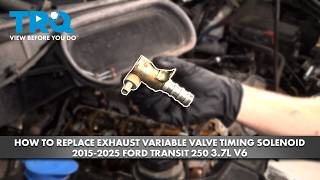
Typical fix: Replace the Bank 1 exhaust VCT solenoid. On the Transit, this is the solenoid on the passenger side valve cover, typically with a grey connector. 🎬 Watch: How to replace the exhaust VCT solenoid on a 3.7L Transit.
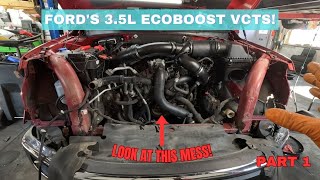
Est. part cost: $40-$150 - Worn Timing Chain or Cam Phasers 🟡 Medium Probability The 1st generation 3.5L EcoBoost engine, in particular, is known for timing chain stretch and cam phaser failure. The phasers can lose oil pressure and fail to lock, causing a distinct 'cold start rattle' and throwing timing codes like P0015. This is a well-documented issue on the F-150s with the same engine.
How to confirm: This is a complex diagnosis. It almost always starts with hearing a distinct rattling noise from the front of the engine for 2-5 seconds on a cold start. 🎬 See this video to hear the distinct 3.5L EcoBoost startup rattle. A mechanic would use an oscilloscope to compare camshaft and crankshaft sensor signals to confirm a timing correlation issue. Visual inspection requires removing the valve cover and front timing cover.
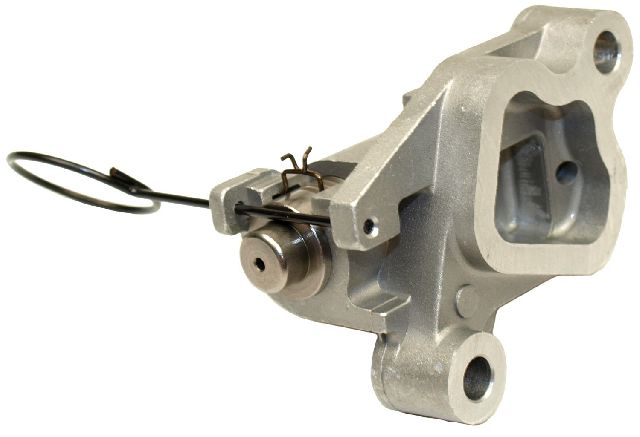
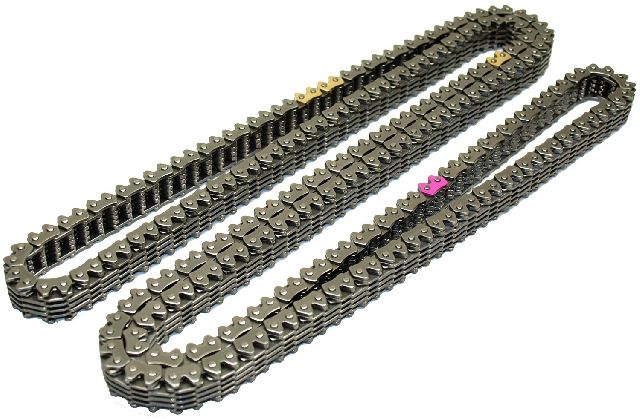
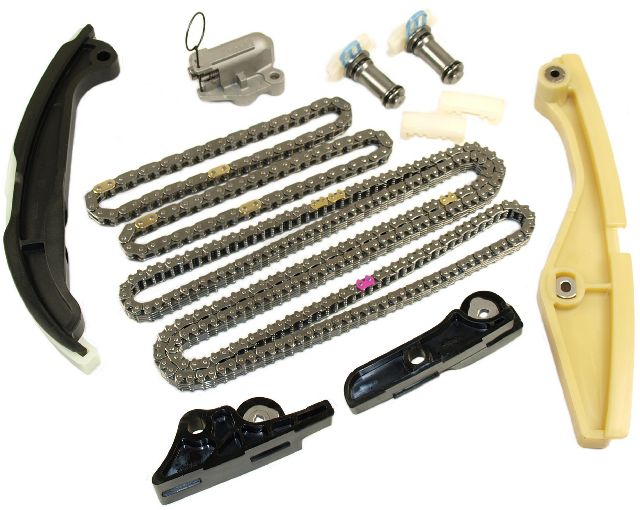
Typical fix: This is a major repair involving the replacement of the primary timing chain, tensioners, guides, and all four cam phasers. The water pump is also typically replaced at the same time due to its location behind the timing components.
Est. part cost: $500-$1200
Rare But Worth Checking
- Faulty Camshaft Position Sensor: This is rare because a failing sensor usually triggers a specific sensor circuit code (e.g., P0345/P0349). However, it can occasionally send incorrect data that leads to a timing correlation code like P0015. It is much less likely to be the cause than oil issues or a VCT solenoid.
- Clogged VCT Solenoid Filter Screens: The small filter screens that protect the VCT solenoids within the valve cover can become clogged with sludge, restricting oil flow even if the solenoid itself is functional. These are typically replaced during a valve cover gasket job.
- Wiring/Connector Issue to VCT Solenoid: A damaged wire or corroded connector can prevent the PCM from controlling the VCT solenoid, leading to a default, retarded timing position.
Diagnosis Steps
- Check Engine Oil: Verify the oil level is correct and the oil is clean and of the proper Ford-specified viscosity. If low, dirty, or incorrect, perform an oil and filter change, clear the code, and drive the vehicle to see if the code returns. This is the most critical first step.
- Scan for Other Codes: Use an OBD-II scanner to check for any other pending or active codes. A code like P0017 strongly corroborates the P0015 issue.
- Listen for Engine Noises: Pay close attention to any rattling or chain-slap noises, especially during a cold start. A 2-5 second rattle strongly suggests a more serious mechanical timing issue (phasers/chain).
- Inspect VCT Solenoid Wiring: Check the electrical connector and wiring going to the Bank 1 (passenger side) exhaust VCT solenoid for any damage, corrosion, or loose connections.
- Diagnose the VCT Solenoid: The most effective DIY test is to swap the exhaust solenoid with the nearby intake solenoid on the same bank. They are identical parts. Clear the codes and run the engine. If the code changes to P0011 or P0012 (intake timing codes), the solenoid you moved is confirmed to be faulty and needs replacement.
- Professional Diagnosis: If the above steps do not resolve the issue, or if a persistent startup rattle is present, seek professional help. A mechanic will need to perform advanced diagnostics, likely involving checking cam/crank correlation with an oscilloscope or removing the valve cover and timing cover for inspection.
Parts You'll Likely Need
- Engine Variable Valve Timing (VVT) Solenoid
(OEM #AT4Z-6M280-B (or -A, -C depending on position; check specific application))— This solenoid controls oil flow to the cam phaser. It is a very common failure point, often due to becoming clogged or stuck, as noted in multiple Ford TSBs. The Bank 1 exhaust solenoid is often specified as AT4Z-6M280-C in TSBs. However, AT4Z-6M280-B is also listed for this application. It is critical to verify the correct part for the specific position.
Trusted brands: Motorcraft, Gates, NTK, Dorman, Cloyes
OEM price range: $80-$150
Aftermarket price range: $40-$90 - Timing Chain Kit
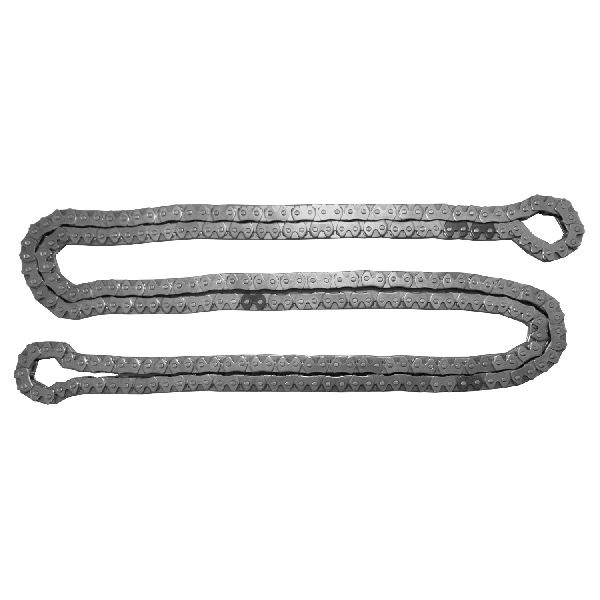
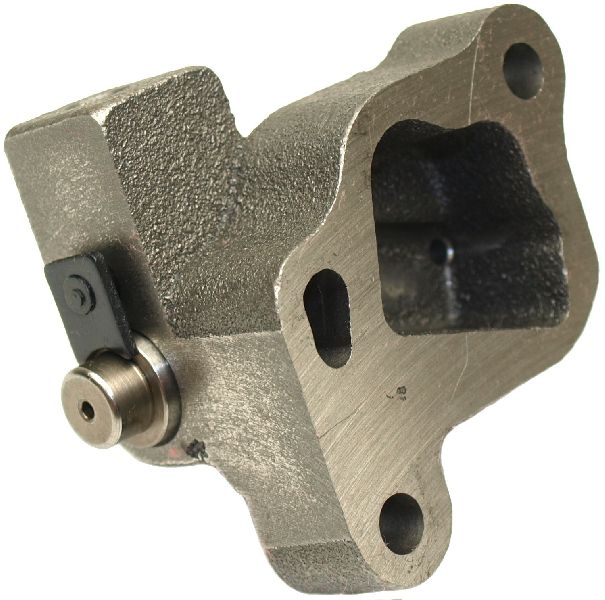
(OEM #BL3Z-6D256-C (Common TSB kit for 3.5L EcoBoost))— If the code is accompanied by a rattling noise, it often indicates a stretched timing chain and/or failed cam phasers, a known issue on the 3.5L EcoBoost engine. The kit includes the primary chain, guides, tensioner, and phasers.
Trusted brands: Motorcraft, Cloyes
OEM price range: $400-$700
Aftermarket price range: $250-$450 - Valve Cover Gasket
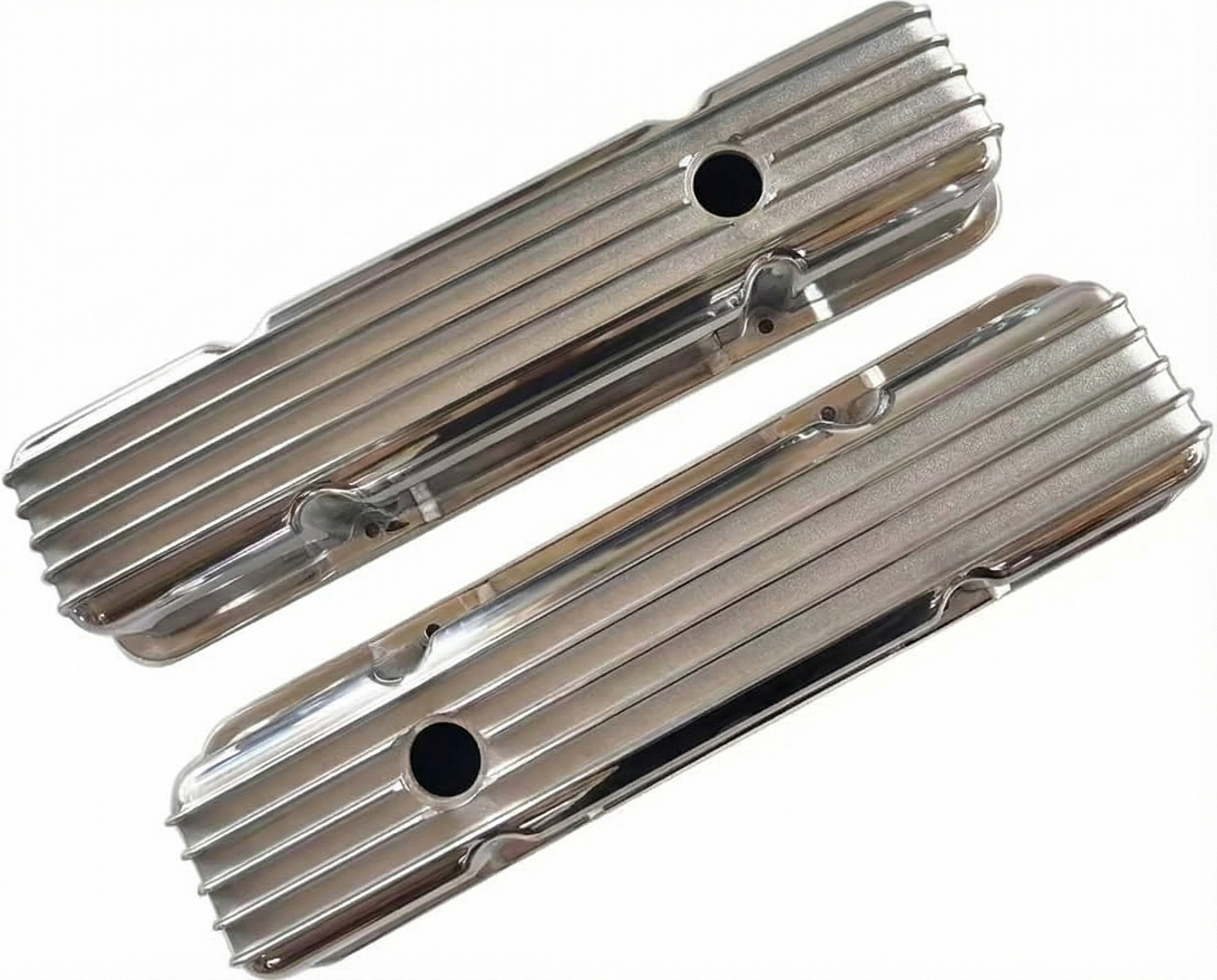
(OEM #DL3Z-6584-C (Right/Passenger side for 3.5L))— The valve cover must be removed 🎬 Watch: A detailed walkthrough of replacing the VCT units and phasers. to replace the VCT solenoids. The gasket is a single-use item and must be replaced to prevent oil leaks.
Trusted brands: Motorcraft, Fel-Pro
OEM price range: $30-$50
Aftermarket price range: $15-$30
Related Codes That Often Appear With This One
- P0017 — "Crankshaft Position - Camshaft Position Correlation (Bank 1, Sensor B)". This code often appears with P0015 because if the exhaust cam is out of position, it will also be out of sync with the crankshaft. TSB 16-0038 specifically pairs P0015 and P0017 as indicating a bad Bank 1 exhaust VCT solenoid.
- P0014 — 'B' Camshaft Position - Timing Over-Advanced (Bank 1). This code is the opposite of P0015 and can appear if the VCT solenoid is sticking intermittently or if there are severe timing mechanism issues.
- P0345 or P0349 — These codes relate to the Camshaft Position Sensor 'A' Circuit (Bank 2). Problems in the VCT system can sometimes cause erratic readings across multiple sensors, though this is less common.
Technical Service Bulletins (TSBs) & Recalls
- SSM 54366
- SSM 48423
- TSB-16-0093
- 16-0038
- SSM 47170
Platform-Specific Known Issues
- TSB SSM 48423 and SSM 47170 note that for many 2015-2020 Ford vehicles, codes like P0015 may be caused by small debris causing the VCT solenoid to stick. The TSB recommends attempting to clear the debris by cycling the solenoid with a scan tool 10 times before replacement.
- TSB 16-0038 (superseded by 16-0093) specifically calls out the 2016 Transit with the 3.5L GTDI engine for exhibiting P0015 (and other VCT codes) at very low mileage (under 2000 miles) and advises replacing the affected VCT solenoid.
- On the 3.5L EcoBoost engine, a rattling noise on cold starts that lasts for 2-5 seconds is a classic symptom of failing cam phasers, which will eventually lead to timing codes like P0015. This is a very common and well-documented problem.
Mechanic-Grade Diagnostic Values
- VCT Solenoid Internal Resistance — expected: 6.9 to 7.9 Ohms at 68°F (20°C).. Failure: A reading of 0 ohms indicates a short, while an infinite reading (OL) indicates an open circuit. Either requires replacement.
- VCT Solenoid Power Supply Voltage — expected: Battery voltage (approx. 12.6V with engine off, 14V+ with engine running) at the power supply pin of the connector with key on.. Failure: Low or no voltage indicates a problem with the wiring or the PCM power relay/fuse, not the solenoid itself.
- Scan Tool PID: VCT_EXH_ERR1 (Bank 1 Exhaust Cam Error) — expected: Should be close to 0 degrees at idle and under steady-state driving.. Failure: A consistent reading of more than +/- 5 degrees for several seconds will trigger the P0015 code. This PID shows the difference between the PCM's commanded cam angle and the actual angle reported by the sensor.
Hidden / Shadow Codes Worth Checking
- Mode $06, TID $81, CID $12: This refers to the On-Board Diagnostic test for the Bank 1 Exhaust VCT system performance. It monitors the camshaft's response time to PCM commands. A failing value in Mode $06 can indicate a borderline component that is about to set a P0015 code, even before the Check Engine Light comes on. (see via A professional scan tool or a consumer tool with Mode $06 capabilities is required. The values are typically shown in hexadecimal and must be converted.)
Scan Tool Commands That Help
- Ford IDS (Integrated Diagnostic System): VCT System Test / Power Balance Test — This is a comprehensive, automated test that commands the VCT solenoids through their full range of motion while monitoring engine RPM and cam sensor feedback. It can definitively identify a failing phaser or sticking solenoid that may not be obvious with manual testing.
- Ford IDS or advanced bidirectional scanner: VCT Solenoid Duty Cycle Command — This allows a technician to manually command a specific duty cycle (e.g., 25%, 50%) to the VCT solenoid while the engine is running. By monitoring the cam angle error PID (VCT_EXH_ERR1), the technician can see if the phaser is responding correctly to the commanded oil flow, helping to isolate a sticky solenoid from a mechanically failed phaser.
Wiring & Ground Locations
- Bank 1 VCT Solenoid Connectors — On the front of the passenger-side valve cover. The intake and exhaust solenoids are next to each other. The exhaust solenoid is typically the one with the grey electrical connector.. This is the primary electrical connection point for the component that most commonly fails. The connector and its locking tab can become brittle and break, leading to a poor connection that mimics a failed solenoid.
- C139 (Harness Bulkhead Connector) — On the back of the passenger-side valve cover, there is a grey bulkhead connector where the VCT solenoid harness joins the main engine harness.. This connector is a potential point of failure for the entire VCT circuit on Bank 1. It is difficult to access and can be a source of intermittent connection issues if not fully seated.
- G104 (Ground) — On the passenger side inner fender, near the battery junction box.. This is a major engine and chassis ground point. While not specific to the VCT circuit (which is PCM-grounded), a poor main ground can cause widespread electrical issues and erratic behavior in various sensors and actuators, including the VCT system.
Real Owner Repair Stories
- Reddit user in r/MechanicAdvice (Jeep Wrangler 3.6L (similar VVT system)) — P0015 code persisted after multiple repairs.
❌ Tried (didn't work) Replacing the VVT solenoid., Performing a timing chain service.
✅ What actually fixed it The issue was traced to using the wrong viscosity engine oil. The owner had used a 30-weight oil when the system was specified for a 20-weight oil. The thicker oil could not flow through the VVT system's small passages quickly enough, causing the over-retarded timing code. Switching back to the correct viscosity oil resolved the issue permanently.
OEM Part Supersession History
AT4Z-6M280-A / AT4Z-6M280-C→AT4Z-6M280-B— Ford has updated the VCT solenoids multiple times to improve durability and resistance to contamination. Earlier versions were more prone to internal screens breaking or becoming clogged. The 'B' revision is the most current and robust design recommended for service.
Heads up: While older revisions may physically fit, it is highly recommended to use only the latest available part number (AT4Z-6M280-B) for all four positions (Bank 1/2, Intake/Exhaust) to ensure proper function and longevity. The solenoids are physically identical but may have different colored connectors for identification.
Model Year Variations Within This Range
- 2015-2019: The 2015-2019 Ford Transit with the 3.5L EcoBoost used the first-generation version of this engine. A significantly updated second-generation 3.5L EcoBoost was introduced in the 2017 F-150, but the Transit did not receive this updated engine during this period. Therefore, Transits in this year range are prone to the well-documented first-generation EcoBoost issues, such as timing chain stretch, which are a direct cause of codes like P0015.
Helpful Videos
Used OEM Parts in Stock
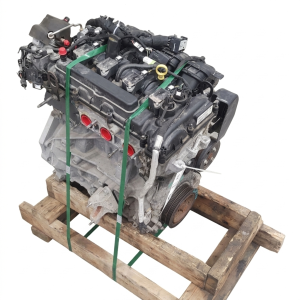

New Aftermarket Parts Available


The information in this article is provided for general reference and educational purposes only. Vehicle specifications, procedures, and part compatibility can vary by production date, trim level, and region. Always consult your vehicle's factory service manual and verify part numbers before purchasing or performing repairs. Safety-critical components such as airbags, seat belts, and braking systems should be installed by a qualified professional.
- Ford TRANSIT:
- 🎬 Helpful Videos
- 🛍️ Shop This Part
- What's Unique About the 2015-2019 Ford TRANSIT
- Diagnostic Flowchart
- Symptoms You May Notice
- Most Likely Causes
- Rare But Worth Checking
- Diagnosis Steps
- Parts You'll Likely Need
- Related Codes That Often Appear With This One
- Technical Service Bulletins (TSBs) & Recalls
- Platform-Specific Known Issues
- Mechanic-Grade Diagnostic Values
- Hidden / Shadow Codes Worth Checking
- Scan Tool Commands That Help
- Wiring & Ground Locations
- Real Owner Repair Stories
- OEM Part Supersession History
- Model Year Variations Within This Range
- 🎟️ Get 5% Off