

P0014 on 2006-2010 Pontiac G6 2.4L: Exhaust Cam Timing Causes and Fixes
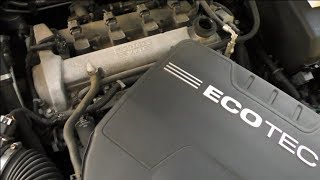
On a 2006-2010 Pontiac G6 with the 2.4L engine, code P0014 is most often caused by low/dirty engine oil or a faulty exhaust camshaft actuator solenoid. An oil change is the first step; if that doesn't work, replacing the solenoid is a simple DIY fix with the part costing between $25 and $60. Always check the oil level before replacing any parts, as the 2.4L Ecotec is known for oil consumption.
- Always check your engine oil level and condition first. An oil change is the cheapest and most common fix for P0014 on this car.
- If oil isn't the issue, the exhaust VVT solenoid is the next likely culprit. You can confirm this by swapping it with the intake solenoid.
- When replacing the VVT solenoid, it's best practice to replace both the intake and exhaust solenoids at the same time.
- If you hear a rattling noise from the engine on startup, the problem is likely a more serious timing chain issue that requires professional attention.
What's Unique About the 2006-2010 Pontiac G6
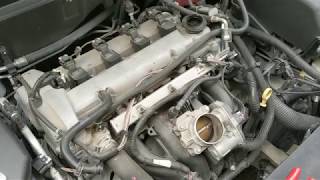
The 2.4L Ecotec engine in this generation of Pontiac G6 is well-known for its sensitivity to oil level and quality. Many VVT-related codes, including P0014, are triggered simply by low oil levels, which can be exacerbated by the engine's tendency to consume oil as it ages. A common and helpful design feature on this specific engine is that the intake and exhaust VVT solenoids are identical and interchangeable, allowing for a simple swap to diagnose a faulty solenoid. The solenoids are located on the top of the valve cover, held in by a single 10mm bolt each, making them very accessible.
🎬 Watch: Step-by-step guide to replacing the VVT solenoids.Symptoms You May Notice
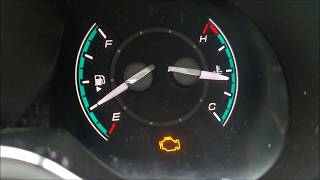
- Check Engine Light is on.
- Engine runs rough, especially at idle.
- Engine may stall unexpectedly, particularly when coming to a stop.
- Difficulty starting the engine (hard starting).
- Reduced fuel economy.
- Rattling or knocking noises from the engine, particularly on startup, which can indicate a timing chain issue.
- Hesitation or lack of power during acceleration.
- Replacing the camshaft position *sensor* instead of the camshaft position *actuator solenoid*. The sensor reads the cam's position, while the actuator (solenoid) adjusts it. P0014 is almost always caused by the actuator solenoid or oil issues, not the sensor.
- Swapping the VVT solenoid electrical connectors. The intake and exhaust solenoid connectors are different colors (typically gray and black) and must be connected to the correct solenoid. Swapping them will cause incorrect operation and new codes.
- Using a cheap aftermarket solenoid that is faulty out of the box. Some owner experiences show that a brand new aftermarket part was also bad, and the issue was only resolved by using a genuine OEM part.
Most Likely Causes
- Low or Dirty Engine Oil 🔴 High Probability The VVT system is operated by oil pressure, and the 2.4L Ecotec engine can consume oil over time, with some owners reporting consumption of a quart every 1,000-1,500 miles. Low levels or sludge from infrequent oil changes directly impairs the VVT system's function by clogging the fine mesh screens on the solenoids.
How to confirm: Check the engine oil level with the dipstick and examine the oil's condition. If the level is low or the oil is dark and sludgy, this is the first item to address.
Typical fix: Perform an engine oil and filter change using the manufacturer-recommended 5W-30 viscosity oil. Many owners report the code resolves after this step alone. Clearing the code with a scanner may be necessary, but sometimes the light will turn off on its own after a few drive cycles.
Est. part cost: $30-$70 - Faulty Exhaust Camshaft Position Actuator Solenoid (VVT Solenoid) 🔴 High Probability These solenoids control oil flow to the cam phasers and can become clogged with debris from dirty oil or fail electrically over time. It is a very common failure point on this engine and its platform mates.
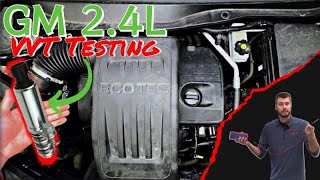
How to confirm: Swap the exhaust solenoid (typically with a black electrical connector) with the identical intake solenoid (typically gray connector). Clear the codes and drive the vehicle. If the trouble code changes to P0011 (Intake Camshaft Position), the solenoid is confirmed to be faulty. Alternatively, you can test the resistance of the solenoid with a multimeter; a healthy solenoid should read between 8 and 13 ohms. 🎬 See how to test your solenoid using a multimeter.
Typical fix: Replace the faulty solenoid. It is highly recommended to replace both the intake and exhaust solenoids as a pair, as they have experienced the same wear and tear.
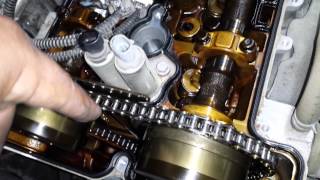
Est. part cost: $25-$60 per solenoid (aftermarket), $70-$90 per solenoid (OEM) - Stretched Timing Chain or Faulty Tensioner ⚪ Low Probability While less common than oil or solenoid issues, the timing chains on these engines can stretch over time, especially with high mileage or poor maintenance. The original plastic guides can also become brittle and break. GM issued TSB #PIP4716F related to this issue. 🎬 Watch: Identifying a defective timing chain on the 2.4L.
How to confirm: This is often accompanied by a distinct rattling or grinding noise from the side of the engine on a cold startup. Codes P0016 or P0017 are strong indicators of a timing chain problem. Confirmation requires partial engine disassembly to measure chain slack or inspect for broken guides.
Typical fix: Replace the timing chain, guides, and tensioner. This is a complex and expensive repair, often costing over $1,000 at a shop.
Est. part cost: $200-$400 for a kit
Rare But Worth Checking
- Failed Camshaft Phaser: The mechanical gear (actuator) that the solenoid controls can fail internally or become stuck due to sludge. This is more difficult to diagnose and usually checked after solenoids and timing chain have been ruled out.
- Spun Camshaft Reluctor Ring: As noted in GM TSB PIP4548E (and its successor PIP4548F), the reluctor ring that the camshaft position sensor reads can spin on the camshaft, typically after an overheat event, causing timing correlation codes. This requires camshaft replacement.
- Clogged Oil Passages or Faulty ECM: In rare cases, sludge can block the oil passages in the cylinder head leading to the VVT system, starving it of oil. Even more rarely, the driver circuit within the Engine Control Module (ECM) that controls the solenoid can fail, which can sometimes be preceded by codes like P0606.
Diagnosis Steps
- Check Engine Oil: Verify the oil level is full and the oil is clean. If low or dirty, perform an oil and filter change with 5W-30 synthetic blend or full synthetic oil, clear the codes, and re-test. This is the most common and cheapest fix.
- Scan for Other Codes: Check for related codes like P0013, P0011, P0016, or P0017 to help narrow down the cause. P0016/P0017 suggests a more serious mechanical timing issue.
- Inspect Solenoid Wiring: Check the electrical connectors and wiring to both VVT solenoids for any signs of damage, corrosion, or oil contamination. Ensure the black connector is on the exhaust (rear) solenoid and the gray is on the intake (front).
- Swap VVT Solenoids: Remove the 10mm bolts holding the intake and exhaust VVT solenoids on the top of the valve cover. Mark them, then swap their positions. Lightly oil the o-rings before reinsertion.
- Analyze Results: If the code changes to P0011, the solenoid you moved to the intake side is bad and must be replaced. If the P0014 code returns, the problem is not the solenoid.
- Test Solenoid Electrically: If a swap isn't performed, test the exhaust solenoid's resistance with a multimeter. It should be between 8 and 13 ohms. If it's an open circuit or the reading is out of spec, replace it.
- Listen for Noise: If the solenoid is not the cause, listen carefully for a rattling or grinding sound from the engine during a cold start, which would indicate a likely timing chain issue.
- Advanced Mechanical Check: If all else fails, the issue may be with the camshaft phaser or a stretched timing chain. This requires professional diagnosis and is not a simple DIY task.
Parts You'll Likely Need
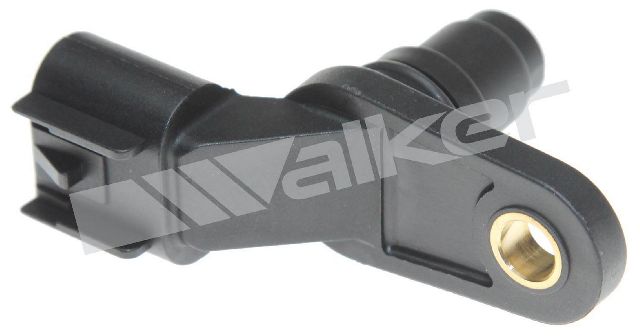
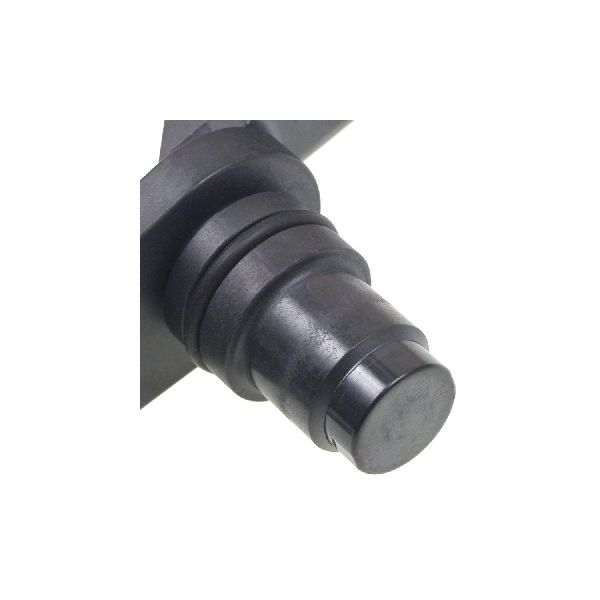
- Engine Camshaft Position Actuator Solenoid (VVT Solenoid)
(OEM #12679100 (supersedes 12655421, 12646784, 12628348, 12578518))— This is the most common mechanical part to fail, causing P0014. It gets clogged with oil sludge or fails electrically. The intake and exhaust solenoids are identical parts on the 2.4L engine, though sold for specific positions.
Trusted brands: ACDelco (OEM), Delphi, Dorman, Standard Motor Products (SMP)
OEM price range: $70-$90
Aftermarket price range: $25-$60
Related Codes That Often Appear With This One
- P0013 — This code indicates an electrical circuit fault (e.g., open or short) with the same exhaust camshaft actuator solenoid, often appearing with P0014 when the solenoid fails electrically.
- P0011 — This is the corresponding code for the intake camshaft. It can appear if both solenoids are failing due to a common cause like dirty oil, or it will appear after swapping a faulty exhaust solenoid to the intake position during diagnosis.
- P0016 / P0017 — These codes indicate a correlation issue between the crankshaft and a camshaft. They often point towards a more serious mechanical problem like a stretched timing chain or a spun reluctor ring and are a strong signal to stop driving the vehicle.
Technical Service Bulletins (TSBs) & Recalls
- PIP4716F: Notes that a short, sharp rattle noise at startup as well as Diagnostic Trouble Codes P0011, P0014, P0016, or P0017 may be found by a technician. The bulletin suggests inspecting the engine belt and hydraulic power steering components if equipped.
Platform-Specific Known Issues
- A startup rattle combined with timing codes (P0011, P0014, P0016, P0017) often points to a stretched timing chain or a faulty tensioner, an issue documented in GM Technical Service Bulletin #PIP4716F.
- The 2.4L Ecotec is known for oil consumption which can lead to low oil levels, the number one trigger for VVT codes like P0014. It is critical to check oil levels regularly, not just rely on the oil life monitor.
Mechanic-Grade Diagnostic Values
- VVT Solenoid (Camshaft Position Actuator) Resistance — expected: 8 to 13 Ohms. Failure: An open circuit (infinite resistance), a reading outside the specified range, or a reading that fluctuates wildly when wiggling the connector indicates a faulty solenoid.
- Engine Oil Pressure at Hot Idle — expected: At least 18.85 PSI. Failure: Pressure significantly below this value indicates a systemic oil pressure problem (e.g., worn oil pump, clogged pickup tube) that will starve the VVT system and cause codes like P0014.
- VVT Solenoid Control Circuit Voltage (Key On, Engine Off) — expected: Approximately 12V (Battery Voltage) on the power feed wire and 0V on the control wire.. Failure: No voltage on the power feed wire indicates a fuse or wiring issue. Voltage on the control wire with the key on and engine off could indicate a short to power or an internal ECM fault.
Scan Tool Commands That Help
- GM Tech2 / GDS2 or equivalent professional scan tool: Camshaft Position Actuator Solenoid Test (Bidirectional Control) — This command allows a technician to manually command the VVT solenoid on and off while the engine is idling. If commanding the solenoid causes a noticeable change in idle quality or RPM, it confirms the solenoid is mechanically responding to commands, suggesting the wiring and solenoid itself are likely functional. If there is no change, it points to a stuck solenoid, clogged oil passage, or wiring issue.
Wiring & Ground Locations
- G105 — On the left rear side of the engine compartment, on an engine or transmission stud, often below the upper coolant hose.. This is a critical ground point shared by the Engine Control Module (ECM) and Transmission Control Module (TCM). A loose or corroded G105 ground can cause erratic voltage, leading to incorrect sensor readings and faulty command signals to actuators like the VVT solenoids, potentially triggering P0014.
- G106 — On the 2.4L engine, this is located on the left rear of the engine.. This ground is also tied into the ECM and other critical engine components. Like G105, a poor connection here can cause a wide range of difficult-to-diagnose electrical issues, including VVT system faults.
- VVT Solenoid Connectors — On top of the valve cover, easily accessible after removing the plastic engine cover.. The intake solenoid has a gray connector and the exhaust solenoid has a black connector. They are physically interchangeable but must be connected to the correct solenoid. Swapping them during a repair is a common mistake that will cause the wrong cam to be adjusted, leading to immediate rough running and setting codes P0011 and P0014.
Real Owner Repair Stories
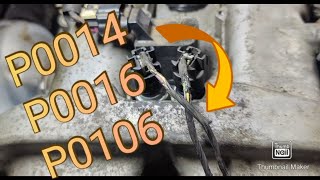
- YouTube video by 'Rainman's Auto' (2007 Pontiac G6 2.4L Ecotec) — Check Engine Light with codes P0014, P0016, and P0106.
❌ Tried (didn't work) A previous shop had replaced both camshaft position sensors and both VVT actuator solenoids without resolving the codes.
✅ What actually fixed it The electrical connectors for the intake and exhaust VVT solenoids had been swapped. The intake solenoid (purple wires in diagram) was connected to the exhaust cam, and the exhaust solenoid (green/tan wires) was connected to the intake cam. Swapping the connectors back to their correct positions fixed the issue and cleared the codes.
OEM Part Supersession History
12578518→12628348, then 12646784, then 12655421, and finally 12679100— GM has updated the design of these solenoids multiple times to improve reliability and performance.
Heads up: All superseded part numbers are interchangeable with the latest version (12679100 for exhaust, 12679099 for intake). Using an older, original part number is not recommended as the newer designs are considered more robust.
Model Year Variations Within This Range
- 2006-2010: The 2.4L Ecotec engine used in the Pontiac G6 during this period was primarily the LE5 variant, a naturally aspirated engine with VVT. Some very late models or hybrid variants used different RPO codes (like LAT) but the fundamental VVT system and P0014 diagnosis remains the same. There were no major changes to the VVT solenoids or their diagnosis within this specific model year range for the G6.
Diagnostic Flowchart
Real Owner Stories
Aggregated from forums and TSBs cited above. Mileages and costs reflect what owners reported in those sources.
2008 Pontiac G6 2.4L
Symptoms: Experienced an intermittent P0014 code.
What fixed it: Advised to perform an oil change as old/bad oil is a very common cause, and to test the solenoid with a multimeter to ensure it reads between 8-13 ohms.
Source hint: Reddit r/MechanicAdvice - '08 Pontiac G6 2.4 - intermittent P0014'
2006 Pontiac G6 2.4L
Symptoms: Received both P0011 and P0014 codes, which was followed by a no-start condition.
What fixed it: Discovered slack in the timing chain, indicating a timing chain/tensioner failure rather than just a solenoid issue.
Source hint: Reddit r/MechanicAdvice - '2006 Pontiac G6 2.4L VVT - Not Firing'
2012 Buick Verano 2.4L
Symptoms: Triggered a P0014 code.
What fixed it: Confirmed the engine oil was nearly empty, which triggered the code.
Source hint: Reddit r/Buick - '[Help] Error P0014 Buick Verano 2012'
Saturn Aura 2.4L
Symptoms: The P0014 code would appear whenever the engine oil was low.
What fixed it: The code would disappear after topping off the oil, but the issue was eventually permanently fixed by replacing the gunked-up VVT solenoids.
Source hint: Reddit r/Buick - '[Help] Error P0014 Buick Verano 2012'
Related OBD-II Codes
Frequently Asked Questions
Does TSB #PIP4716F apply to my 2.4L Ecotec engine?
Why does my Pontiac G6 keep getting the P0014 code even after I clear it?
How can I test if the exhaust VVT solenoid is bad on my 2006-2010 G6?
Is it expensive to fix a P0014 code on the 2.4L Pontiac G6?
Can I drive my G6 with a P0014 code?
Helpful Videos
We Have This Part in Stock


The information in this article is provided for general reference and educational purposes only. Vehicle specifications, procedures, and part compatibility can vary by production date, trim level, and region. Always consult your vehicle's factory service manual and verify part numbers before purchasing or performing repairs. Safety-critical components such as airbags, seat belts, and braking systems should be installed by a qualified professional.
- Pontiac G6:
- 🎬 Helpful Videos
- 🛍️ Shop This Part
- What's Unique About the 2006-2010 Pontiac G6
- Symptoms You May Notice
- Most Likely Causes
- Rare But Worth Checking
- Diagnosis Steps
- Parts You'll Likely Need
- Related Codes That Often Appear With This One
- Technical Service Bulletins (TSBs) & Recalls
- Platform-Specific Known Issues
- Mechanic-Grade Diagnostic Values
- Scan Tool Commands That Help
- Wiring & Ground Locations
- Real Owner Repair Stories
- OEM Part Supersession History
- Model Year Variations Within This Range
- Diagnostic Flowchart
- Real Owner Stories
- 2008 Pontiac G6 2.4L
- 2006 Pontiac G6 2.4L
- 2012 Buick Verano 2.4L
- Saturn Aura 2.4L
- Related OBD-II Codes
- Frequently Asked Questions
- 🎟️ Get 5% Off