

P0014 on 2012-2024 Mazda 3 SKYACTIV: Exhaust Cam Timing Over-Advanced Causes and Fixes
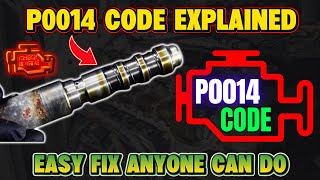
On a Mazda 3 with a SKYACTIV-G engine, code P0014 is most often caused by low or dirty engine oil, or a failing exhaust Oil Control Valve (OCV). Start by checking your oil; if it's clean and full, the next step is usually replacing the exhaust OCV, which costs about $100-$150 for an OEM part and is a straightforward DIY job.
- P0014 on a SKYACTIV Mazda 3 points to the exhaust camshaft timing being too far advanced.
- Before buying any parts, check your engine oil. A simple oil and filter change is the most common and cheapest fix.
- If an oil change doesn't solve it, the next most likely culprit is the exhaust Oil Control Valve (OCV), part number PE01-14-420A.
- Replacing the OCV is a DIY-friendly task that requires basic tools and about 30 minutes.
- Ignoring this code can lead to poor engine performance, reduced fuel economy, and potentially more severe engine damage over time.
What's Unique About the 2012-2024 Mazda 3
The SKYACTIV-G engine relies heavily on precise oil pressure to operate its Variable Valve Timing (VVT) system. While P0014 is a generic code, Mazda's official diagnostic procedures point directly to oil quality, oil pressure, and the Oil Control Valve (OCV) as primary culprits. A related Technical Service Bulletin (TSB 01-009/16) for early SKYACTIV engines highlights sensitivity to oil contamination, which can cause foreign objects to get stuck in the OCV or oil pump relief valve, leading to timing-related codes and reinforcing that proper oil maintenance is critical for these engines.
Generation note: This guide covers the SKYACTIV-G equipped 2nd generation (2012-2013), 3rd generation (2014-2018), and 4th generation (2019-2024) Mazda 3. The fundamental causes and fixes for P0014 are consistent across these generations as the core VVT system design and the primary replacement part (OCV) are shared.
Symptoms You May Notice
- Check Engine Light illuminated
- Rough or unstable idle
- Engine hesitation or stumbling on acceleration
- Reduced fuel economy
- Engine stalling at low speeds
- Rattling noise from the engine on startup (in cases of timing chain issues)
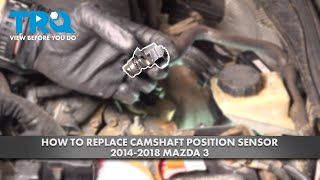
- Replacing the Camshaft Position Sensor. While a sensor can fail, it's more likely to trigger a specific sensor circuit code 🎬 Watch: How to replace the camshaft position sensor (like P0365). P0014 is a mechanical timing/system performance code, usually caused by oil flow issues, not a faulty sensor reading.
Most Likely Causes
- Low, Dirty, or Incorrect Viscosity Engine Oil 🔴 High Probability The SKYACTIV VVT system is hydraulic and highly sensitive to oil pressure and cleanliness. Old oil can turn to sludge or lose its viscosity, clogging the small passages of the VVT system or failing to provide adequate pressure.
How to confirm: Check the engine oil dipstick for level and inspect the oil's color and consistency. If it's low, dark black, or thick, it needs changing. Ensure the oil meets Mazda's specification (typically 0W-20 full synthetic).
Typical fix: Perform a complete engine oil and filter change using the manufacturer-specified oil. This is the simplest and most important first step.
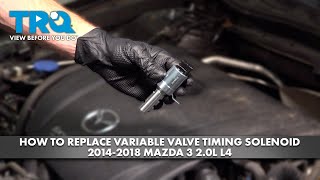
Est. part cost: $40-$80 - Faulty Exhaust Oil Control Valve (OCV) / VVT Solenoid 🔴 High Probability This solenoid controls oil flow to the cam phaser. It can become clogged with sludge or debris, or fail electrically, causing it to stick in the advanced position. Forum users often recommend using OEM (Mazda or Denso) replacement parts, as some have reported premature failure with cheaper aftermarket solenoids.
How to confirm: After an oil change, if the code returns, the OCV is the next suspect. It can be removed and inspected for sludge. A multimeter can check for resistance (typically 5-15 ohms). You can also apply 12V to see if the internal spool valve clicks.
Typical fix: Replace the exhaust Oil Control Valve. While cleaning is sometimes attempted, replacement is the reliable fix.
Est. part cost: $80-$150 - Stretched Timing Chain or Failing Tensioner ⚪ Low Probability While generally reliable, high-mileage SKYACTIV engines (typically over 150,000 miles) can experience timing chain stretch, which throws off the physical camshaft timing relative to the crankshaft, causing the computer to flag a performance deviation.
How to confirm: This is a complex diagnosis. It often presents with a rattling noise on startup that lasts for a few seconds. A mechanic would need to measure timing chain deflection or remove the valve cover for visual inspection.
Typical fix: Replace the timing chain, guides, and tensioner. This is a labor-intensive job best left to a professional.
Est. part cost: $400-$800
Rare But Worth Checking
- Failed VVT Actuator (Cam Phaser): This is the mechanical gear on the camshaft itself. It can fail internally, but it's much less common than an OCV failure. Diagnosis usually involves ruling out all other possibilities first.
- Clogged Engine Oil Passages: In cases of severe engine sludge due to poor maintenance, the oil passages leading to the VVT system can become blocked. This requires significant engine cleaning or repair.
Diagnosis Steps
- Read the code with an OBD-II scanner to confirm P0014 is present.
- Check the engine oil level and condition. If the oil is low, dirty, or overdue for a change, perform an oil and filter change with the correct Mazda-specified oil. Clear the code and drive to see if it returns.
- If the code returns, locate the exhaust Oil Control Valve (OCV) on the valve cover. It's the one closer to the exhaust manifold (the rear of the engine bay).
- Disconnect the electrical connector and remove the single bolt holding the OCV. Gently twist and pull it out. Inspect its screen for sludge and debris.
- You can test the OCV with a multimeter (check for resistance between 5-15 ohms) or by applying a 12V power source to its terminals to listen for a 'click'. Lack of a click or incorrect resistance means it has failed.
- The most reliable fix is to replace the exhaust OCV with a new OEM part. Install the new OCV, reconnect the connector, and clear the code.
- If the code still persists after these steps, the issue may be more serious, such as a stretched timing chain or faulty cam phaser, and requires professional diagnosis.
Parts You'll Likely Need
- Engine Oil Control Valve (VVT Solenoid)
(OEM #PE01-14-420A)— This is the most common mechanical failure for code P0014 after oil-related issues are ruled out. It gets clogged or fails electrically, preventing proper control of the exhaust cam timing. This part is used on both the 2.0L and 2.5L SKYACTIV-G engines.
Trusted brands: Mazda (OEM), Denso, Dorman
OEM price range: $100-$150
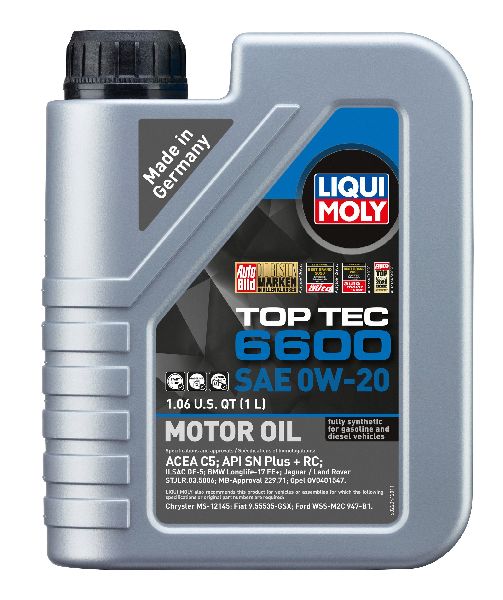
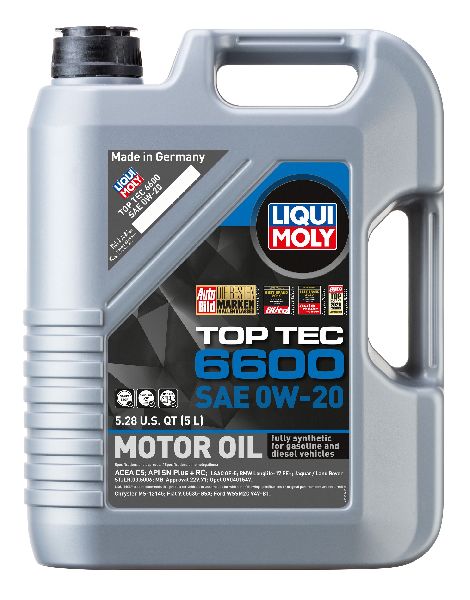
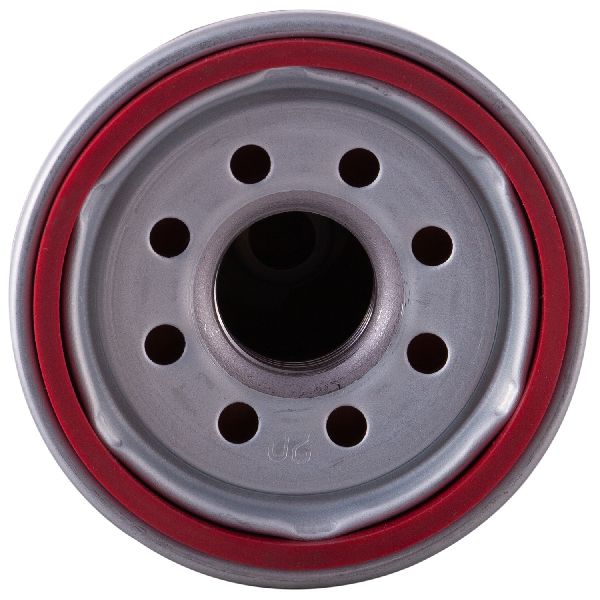
Aftermarket price range: $40-$90 - Engine Oil and Filter — The VVT system is hydraulic. Low, old, or incorrect viscosity oil is the number one cause of VVT-related trouble codes.
Trusted brands: Mazda Genuine Oil, Mobil 1, Castrol EDGE
OEM price range: $50-$90
Aftermarket price range: $40-$70
Related Codes That Often Appear With This One
- P0011 — This is the equivalent code for the Intake ('A') camshaft. If both appear, it might point to a more systemic issue like severe low oil pressure or a timing chain problem affecting both cams.
- P0524 — This code indicates 'Engine Oil Pressure Too Low'. It strongly suggests the root cause of P0014 is an oil-related issue, as mentioned in Mazda TSB 01-009/16, which links low oil pressure to VVT problems.
Technical Service Bulletins (TSBs) & Recalls
- 01-009/16 (and superseding TSBs like 01-008/17) - For various SKYACTIV models including Mazda3, CX-5, and Mazda6. This TSB addresses rough idle and codes P0015/P0524. It is highly relevant to P0014 because it identifies the root cause as a drop in oil pressure from foreign objects getting stuck in the oil pump pressure relief valve or the Oil Control Valve (OCV). This validates that oil contamination is a known issue that directly impacts the OCV's function and can cause timing codes.
Platform-Specific Known Issues
- Owner Experience: 2021 CX-5 with P0014: A user on the r/CX5 subreddit reported a P0014 code on their 2021 Grand Touring model at 40.5k miles. This occurred shortly after a dealer oil change where the technician had double-sealed the oil filter, causing a major oil leak. Even after the leak was fixed, the P0014 code appeared, leading the owner to have the vehicle towed back to the dealer, suspecting a more serious issue than just a sensor due to the recent oiling trauma. This highlights the extreme sensitivity of the VVT system to oil pressure and flow issues.
Mechanic-Grade Diagnostic Values
- Oil Control Valve (OCV) Resistance — expected: 6.9 - 7.9 Ohms at 68°F (20°C). Failure: A reading outside this range, or an open/short circuit, indicates a failed solenoid coil.
- Mazda Diagnostic System (M-MDS) Live Data PIDs — expected: Monitor 'VT_EX_ACT' (Actual Exhaust VVT Angle) and 'VT EX_DES' (Desired Exhaust VVT Angle). The values should closely track each other during engine operation.. Failure: A significant and persistent deviation between the actual and desired angles, especially a difference greater than 20 degrees for more than 5 seconds, will trigger the P0014 code.
Scan Tool Commands That Help
- Mazda M-MDS / FORScan / Advanced Scan Tools: Actuator Test for Exhaust OCV (VVT Solenoid) — This command allows a technician to manually activate the exhaust OCV while the engine is running. A functioning solenoid will cause a noticeable change in engine idle (stumble or stall) as it forces the cam timing to change. If there is no change in engine operation, it confirms a problem with the OCV, its oil supply, or the phaser itself.
Wiring & Ground Locations
- OCV Connector Pin 2E — At the Powertrain Control Module (PCM) connector.. This is the specific pin on the PCM that controls the exhaust Oil Control Valve. A technician can perform a continuity test from this pin to the OCV connector to rule out a wiring harness break, which is a rare but possible cause of the code.
Real Owner Repair Stories
- Reddit user on r/MechanicAdvice (Vehicle make/model not specified, but demonstrates a universal diagnostic path for P0014.) — P0014 code present.
❌ Tried (didn't work) Topping up extremely low engine oil (4 quarts added)., Cleaning and testing the exhaust VVT solenoid (it tested good)., Replacing the camshaft position sensor.
✅ What actually fixed it The user's post was a request for help after initial steps failed. The critical takeaway for a mechanic is that even after addressing a severe oil level issue, the code can persist. This points towards either mechanical damage caused by the low oil (e.g., sludge clogging a passage, damaged phaser) or a separate, underlying timing chain issue that was masked. The story highlights that low oil is the trigger, but not always the complete fix.
OEM Part Supersession History
pe0114420→PE01-14-420A— Standard part revision and improvement over the production life of the vehicle.
Heads up: None. The new part number is a direct replacement for the old one.
Model Year Variations Within This Range
- 2019-2024 (Gen 4): Later SKYACTIV-G engines (often designated e-Skyactiv-G) may include a mild-hybrid system and cylinder deactivation. While the core VVT system and P0014 causes remain the same, the engine has a slightly lower compression ratio (13:1 vs 14:1 in earlier gens) and different software mapping. This does not fundamentally change the diagnosis for P0014.
Diagnostic Flowchart
Other Known Issues on This Vehicle
Issues unrelated to this code that are worth knowing about as an owner of this generation:
- Infotainment 'Ghost Touch' and Failures 🟠 Medium — Very common on 2014-2018 models. The screen may register phantom touches, crack, or delaminate. Less common on 2019+ models which removed the touchscreen functionality for a rotary controller. (Ref: Mazda issued a warranty extension program (SSPB6 for 2014-2016 models) for this issue, not a formal recall.)
- Intake Valve Carbon Buildup 🟡 Low — A long-term consequence of all direct-injection (GDI) engines. Noticeable symptoms like rough idle or reduced power may appear after 60,000-80,000 miles, especially with frequent short trips.
- Automatic Emergency Braking (AEB) Phantom Activation 🟠 Medium — Reported on 4th generation (2019+) models, where the system may brake suddenly for non-existent obstacles like shadows or bridges. (Ref: Mazda has issued software updates via TSBs to improve sensor calibration.)
- Premature Rear Brake Wear 🟡 Low — Some owners of 3rd generation (2014-2018) models report needing to replace rear pads and rotors more frequently than expected.
- Accessory Belt Tensioner Failure 🟡 Low — The hydraulic tensioner for the serpentine belt on 3rd generation (2014-2018) models is known to leak and fail, causing a rattling or grinding noise.
Used vs. New Parts: Buying Guide for This Vehicle
When a used part is the smart pick: A used Oil Control Valve (OCV) from a low-mileage, verified-running donor vehicle can be a cost-effective option, as it is an external bolt-on part that does not require invasive engine work to replace. However, given the relatively low cost of a new aftermarket part, it's often not worth the risk.
Donor-vehicle mileage cap: roughly under 60000 miles for the part to have meaningful remaining life.
What to inspect on the donor part:
- Ensure the donor vehicle was not in a severe front-end collision.
- Ask for the VIN to check the donor's service history for regular oil changes, if possible.
- Inspect the solenoid's screen filter upon removal; it should be free of thick sludge or metallic debris.
- Test the resistance of the used part with a multimeter before purchase to ensure it's within the 6.9-7.9 ohm spec.
OEM-only on this vehicle (don't cheap out):
- Timing Chain
- Cam Phaser (VVT Actuator)
Aftermarket brands forum-validated for this vehicle:
- Denso (often the OEM supplier)
- A-Premium
Brands owners have reported issues with on this vehicle:
- Generic, unbranded 'white box' parts have a higher reported failure rate. While Dorman is a major aftermarket brand, some forum users and mechanics express a preference for OEM/Denso for VVT components due to observed differences in material and build quality.
Real Owner Stories
Aggregated from forums and TSBs cited above. Mileages and costs reflect what owners reported in those sources.
2021 Mazda CX-5 Grand Touring (2.5L SKYACTIV-G) — 40500 miles
Symptoms: Check engine light appeared shortly after a dealer oil change where the technician double-sealed the oil filter, causing a major oil leak.
What fixed it: The vehicle required towing back to the dealer for inspection of the VVT system and sensor due to oiling trauma.
Source hint: Reddit r/CX5 thread titled '2021 CX-5 Grand Touring engine code P0014'
2012 Mazda 3 SKYACTIV-G
Symptoms: P0014 code present on the 2012 Skyactiv model.
What fixed it: Diagnosis typically involves checking oil condition or replacing the exhaust Oil Control Valve (OCV).
Source hint: Reddit r/mazda3 thread titled 'P0014 Mazda 3 2012 Skyactiv'
Related OBD-II Codes
Frequently Asked Questions
Does TSB 01-009/16 apply to my Mazda 3 if I have a P0014 code?
What specific oil should I use in my SKYACTIV-G engine to prevent VVT codes?
Can I use an aftermarket Oil Control Valve for my Mazda 3?
Where is the exhaust Oil Control Valve located on the Mazda 3 SKYACTIV engine?
Is the P0014 code common on high-mileage Mazda 3s?
Will a double-sealed oil filter cause a P0014 code on my Mazda?
Helpful Videos

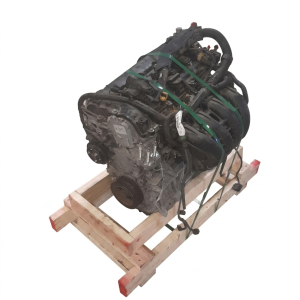
Used OEM Parts in Stock



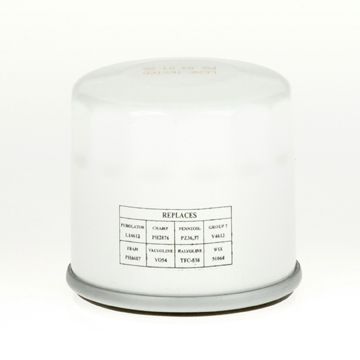
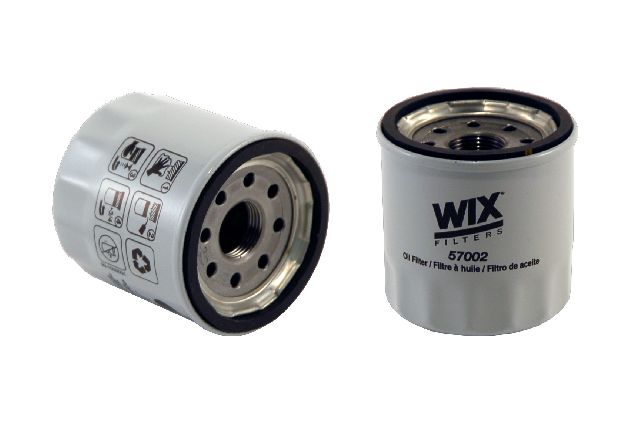
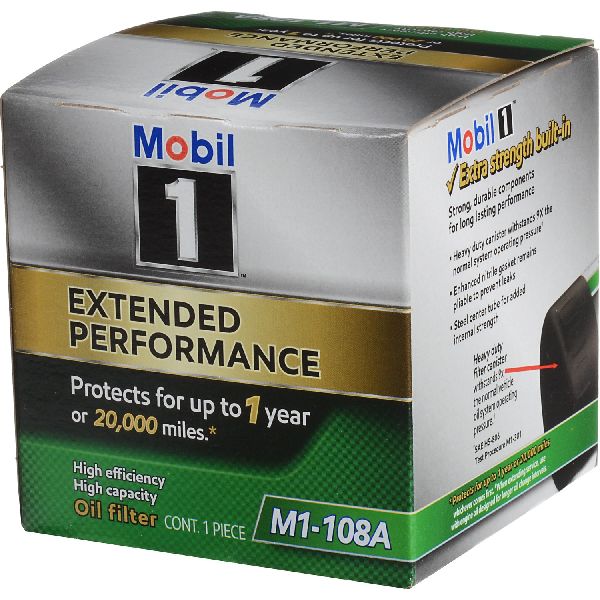
New Aftermarket Parts Available

The information in this article is provided for general reference and educational purposes only. Vehicle specifications, procedures, and part compatibility can vary by production date, trim level, and region. Always consult your vehicle's factory service manual and verify part numbers before purchasing or performing repairs. Safety-critical components such as airbags, seat belts, and braking systems should be installed by a qualified professional.
- Mazda 3:
- 🎬 Helpful Videos
- 🛍️ Shop This Part
- What's Unique About the 2012-2024 Mazda 3
- Symptoms You May Notice
- Most Likely Causes
- Rare But Worth Checking
- Diagnosis Steps
- Parts You'll Likely Need
- Related Codes That Often Appear With This One
- Technical Service Bulletins (TSBs) & Recalls
- Platform-Specific Known Issues
- Mechanic-Grade Diagnostic Values
- Scan Tool Commands That Help
- Wiring & Ground Locations
- Real Owner Repair Stories
- OEM Part Supersession History
- Model Year Variations Within This Range
- Diagnostic Flowchart
- Other Known Issues on This Vehicle
- Used vs. New Parts: Buying Guide for This Vehicle
- Real Owner Stories
- 2021 Mazda CX-5 Grand Touring (2.5L SKYACTIV-G) — 40500 miles
- 2012 Mazda 3 SKYACTIV-G
- Related OBD-II Codes
- Frequently Asked Questions
- 🎟️ Get 5% Off