

P0014 on 2020-2025 Kia Telluride: Exhaust Cam Timing Over-Advanced Causes and Fixes
For the Kia Telluride, code P0014 is most often caused by low or dirty engine oil, or a failing exhaust Oil Control Valve (OCV) on Bank 1. An oil change is the first step; if that doesn't work, replacing the OCV (approx. $50-$120 for the part) is the next most likely fix. Bank 1 is the cylinder bank closer to the firewall.
- P0014 on a Telluride means the exhaust camshaft on Bank 1 (firewall side) is timed too far advanced.
- First, check your engine oil. Low or dirty oil is the #1 cause. An oil change may fix it.
- The second most likely cause is a faulty exhaust Oil Control Valve (OCV) on Bank 1. Swapping it with the Bank 2 valve is a good diagnostic test.
- The Hyundai Palisade shares the same engine and platform and experiences the same P0014 issues.
What's Unique About the 2020-2025 Kia Telluride
The Kia Telluride's Lambda II 3.8L V6 is a modern Gasoline Direct Injection (GDI) engine that utilizes an Atkinson cycle for efficiency. Like many GDI engines with CVVT, it is particularly sensitive to engine oil level and quality. Oil acts as the hydraulic fluid for the cam phasers, so any sludge, low level, or incorrect viscosity can quickly lead to timing-related codes like P0014. While the engine is generally reliable, this code almost always points back to the oil or the oil control system.
Symptoms You May Notice
- Check Engine Light is on
- Rough or unstable idle
- Engine hesitates or stumbles during acceleration
- Reduced fuel economy
- Engine stalling in severe cases
- Rattling or ticking noise from the top of the engine
- Engine will not rev past a certain RPM (limp mode)
- Replacing the camshaft position sensor before checking the oil or the Oil Control Valve. The OCV is a more common failure point for this specific code.
- Assuming a major timing chain issue before ruling out the simple, inexpensive oil-related causes.
- Replacing the incorrect OCV. P0014 refers to the 'B' (Exhaust) camshaft on Bank 1 (firewall side). Ensure you are diagnosing the correct valve.
Most Likely Causes

- Low or Dirty Engine Oil 🔴 High Probability The CVVT system uses engine oil as hydraulic fluid to change cam timing. If the oil is low, dirty, or the wrong type, it cannot supply the correct pressure to the cam phasers. This is the most common cause for P0014 across all Kia/Hyundai vehicles with this system.
How to confirm: Check the oil level on the dipstick. Note the color and consistency of the oil. A Reddit user with a P0014 code on their Kia found the oil level didn't even register on the dipstick, and adding oil was the first step in their diagnosis. If it is very dark, gritty, or below the 'low' mark, this is the likely cause. A manufacturer report for a similar Kia model, NHTSA ODI #11289713, notes that if oil passages become clogged, the exhaust camshaft can advance too much, triggering the P0014 code.
Typical fix: Perform a complete engine oil and filter change using the manufacturer-specified oil type (full synthetic is recommended). Clear the code and drive to see if it returns.
Est. part cost: $60-$100 - Failing Oil Control Valve (OCV) / VVT Solenoid 🔴 High Probability This solenoid controls the flow of oil to the camshaft phaser. It can become clogged with sludge or fail electrically, causing it to get stuck and command an incorrect cam position.
How to confirm: After ruling out oil issues, locate the Bank 1 exhaust OCV. You can test its resistance with a multimeter (typically 6.9-7.9 ohms at 68°F). A common and effective DIY method is to swap the Bank 1 and Bank 2 exhaust OCVs; if the code changes to P0024 (for Bank 2), the OCV is confirmed faulty.
Typical fix: Replace the Bank 1 exhaust Oil Control Valve. It is recommended to replace it rather than just cleaning it, as cleaning may not resolve an electrical failure.
Est. part cost: $50-$120 - Faulty Camshaft Position Sensor (CMP) ⚪ Low Probability The CMP sensor reports the camshaft's speed and position to the ECM. While it can fail, it's less likely to cause P0014 than the OCV. A failing sensor often triggers a separate, sensor-specific fault code, though it can sometimes be a contributing factor.
How to confirm: Test the sensor's output with a multimeter or oscilloscope. Swapping the sensor with the one from Bank 2 (if identical) can also help diagnose, but this is often more difficult than swapping the OCVs.
Typical fix: Replace the Bank 1 exhaust camshaft position sensor.
Est. part cost: $40-$90
Rare But Worth Checking
- Stretched Timing Chain or Failing Cam Phaser: This is a more serious mechanical issue. If an oil change and OCV replacement do not fix the code, and especially if you hear a persistent rattling from the engine, this should be investigated by a professional. While not a chronic issue on the 3.8L Lambda II, timing system wear is possible at higher mileage. This repair is significantly more complex and expensive.
Diagnosis Steps

- Check Engine Oil: Verify the oil level is full and the oil is clean. This is the number one cause. If it's low or past its service interval, perform an oil and filter change with the correct viscosity oil, clear the code, and drive to see if it returns.
- Scan for Other Codes: Check if any other codes are present that might point to a specific component, like a sensor circuit failure or a correlation code like P0017.
- Inspect OCV Wiring: Visually inspect the wiring and connector for the Bank 1 exhaust Oil Control Valve for any damage, corrosion, or loose connections.
- Test the OCV (Solenoid Swap): The easiest and most definitive test is to swap the exhaust OCV from Bank 1 with the identical exhaust OCV from Bank 2. They are typically accessible on the top of the valve covers. Clear the codes and drive. If the code returns as P0024 (the same fault but for Bank 2), the OCV is confirmed bad and needs to be replaced.
- Replace the OCV: If the OCV is confirmed to be the issue, replace it with a new part. Ensure you are replacing the correct one (Bank 1, Exhaust).
- Test Camshaft Position Sensor: If the OCV is not the cause, the next step is to test the Bank 1 exhaust camshaft position sensor and its wiring.
- Seek Professional Help: If all the above steps do not resolve the issue, the problem is likely a deeper mechanical issue, such as a faulty cam phaser (actuator) or stretched timing chain, which requires professional diagnosis.
Parts You'll Likely Need
- Engine Oil Control Valve (VVT Solenoid), Exhaust, Bank 1
(OEM #24360-3CGA2 (Exhaust))— This is the most common component to fail or clog, directly causing the over-advanced timing condition reported by P0014. Note: The intake OCV is a different part number (24355-3CAB2).
Trusted brands: Kia (OEM), Hyundai (OEM), Denso
OEM price range: $80-$140
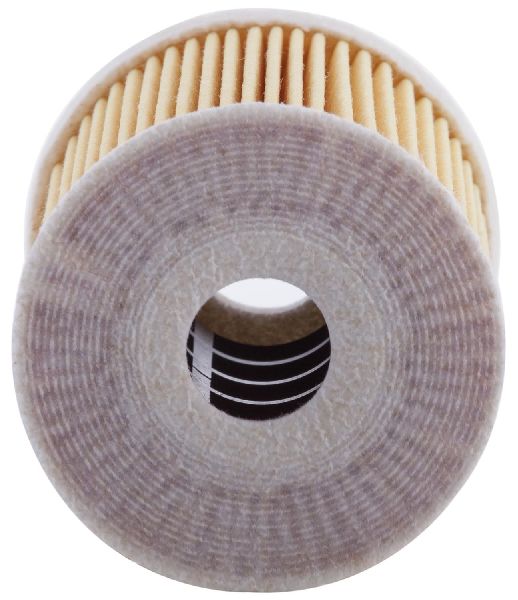
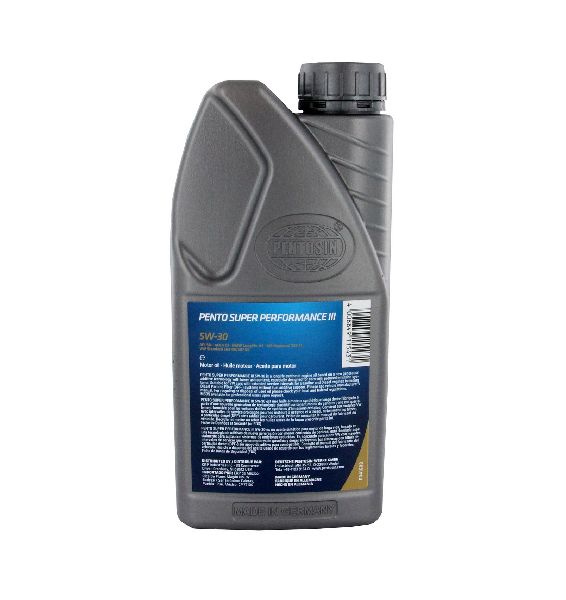
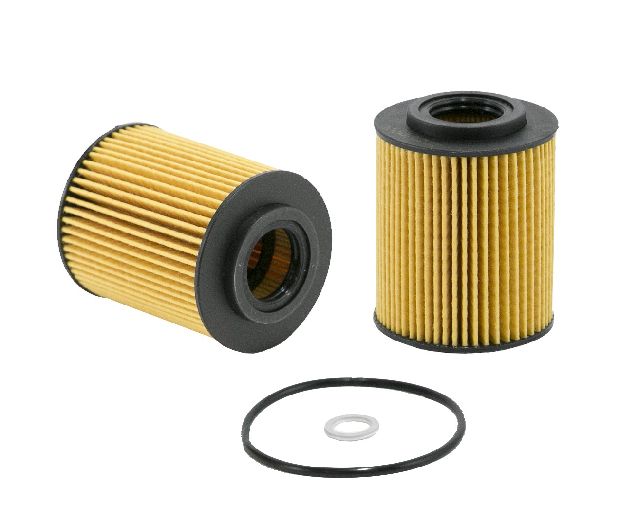
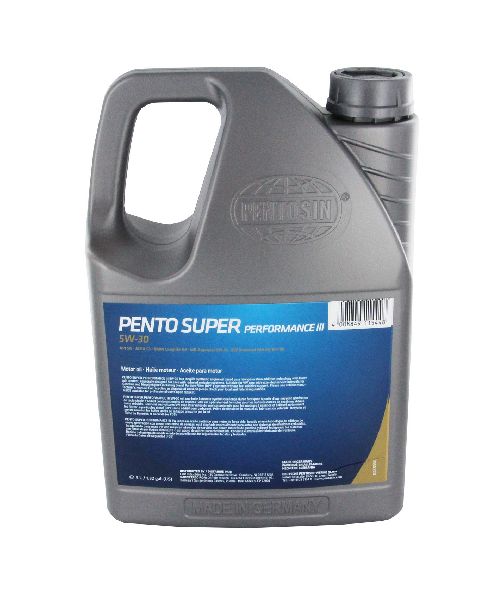
Aftermarket price range: $50-$90 - Full Synthetic Engine Oil and Filter — Low or dirty oil is the leading cause of all VVT system faults. An oil change is the first and most critical step in resolving and preventing this code.
Trusted brands: Pennzoil, Mobil 1, Castrol
OEM price range: $70-$100
Aftermarket price range: $60-$80
Related Codes That Often Appear With This One
- P0011 — This code is for 'Intake Camshaft Position Timing - Over-Advanced (Bank 1)'. Seeing both P0011 and P0014 together could point to a more significant oil pressure or supply issue affecting the entire Bank 1 CVVT system, or a problem with the timing chain on that bank.
- P0017 — Crankshaft Position - Camshaft Position Correlation (Bank 1 Sensor B). This code often appears with P0014 and indicates a direct conflict between what the crank sensor is reporting and what the Bank 1 exhaust cam sensor is reporting, reinforcing a timing or component failure on that bank.
- P0300, P0301, P0303, P0305 — These are random or specific misfire codes for Bank 1 cylinders. Incorrect cam timing can disrupt the combustion process, leading to misfires on the affected bank.
Technical Service Bulletins (TSBs) & Recalls
- TSB TRA099: Addresses vibration at highway speeds (60-75MPH) on 2020-2021 AWD models, outlining inspection of tires, propeller shaft, and AWD coupling.
- NHTSA Recall 24V-148: Recall for 2020 Telluride models where heat from halogen headlights can damage the high-beam mechanism, causing it to fail.
- NHTSA Recall SC316: A 'park outside' recall for 2020-2024 models due to a fire risk from an overheating power seat motor.
- Service Action SA428: Pertains to a small batch of 2020 Tellurides (19 VINs) that required transmission replacement for noise/vibration below 1,500 RPM.
Platform-Specific Known Issues
- Owners on forums like tellurideforum.org and Reddit frequently advise anyone with a P0014 code to first verify the oil level and the type of oil used during the last oil change, as incorrect viscosity from quick-lube shops is a suspected trigger.
- The Lambda II 3.8L GDI engine is known for carbon buildup on the intake valves over time, which can cause performance issues, but is not a direct cause of P0014.
Mechanic-Grade Diagnostic Values
- Oil Control Valve (VVT Solenoid) Resistance — expected: 6.9 - 7.9 Ohms at 68°F (20°C). Failure: A reading of zero indicates a short, an infinite reading (OL) indicates an open circuit. Any reading outside the specified range suggests the solenoid is faulty.
- Camshaft Position Sensor (3-wire Hall Effect) Signal Voltage — expected: The signal wire should show approximately 5V with Key On, Engine Off. The voltage should toggle or fluctuate between 0V and 5V as the engine is running or cranked.. Failure: No voltage, or a static voltage that does not change while the engine rotates, indicates a failed sensor.
- Scan Tool Live Data: Camshaft Position vs. Setpoint — expected: When graphing 'Current Position of Exhaust Camshaft – Bank1' and 'Control Camshaft Position Setpoint Exhaust – Bank1', the two graphs should closely track each other as the engine is revved from idle to ~4000 RPM.. Failure: A significant lag or deviation between the 'Current Position' and the 'Setpoint' indicates a problem with the OCV, phaser, or oil pressure.
Scan Tool Commands That Help
- Kia GDS (Global Diagnostic System) or equivalent professional scanner: Data Analysis / Graphing — This is a critical diagnostic step after checking oil and wiring. Use it to compare the ECM's commanded exhaust camshaft position with the actual position reported by the CMP sensor in real-time. This test can definitively show if the cam timing is not responding correctly to commands, helping to differentiate between a lazy OCV, a sticking phaser, or an oil flow problem.
- Kia GDS (Global Diagnostic System) or equivalent professional scanner: Actuation Test (VVT Solenoid) — To manually command the Bank 1 exhaust OCV on and off while the engine is idling. A noticeable change in engine idle quality or a clicking sound from the solenoid indicates it is responding electrically. Lack of response points to a failed solenoid or wiring issue. This can be used to verify OCV functionality without physically removing it.
Wiring & Ground Locations
- 91861-S9010 — This is the part number for the main engine ground cable, which typically connects the engine block to the chassis on the right (passenger) side of the engine bay.. A poor engine ground can cause erratic behavior in sensors and solenoids, including the Camshaft Position Sensor and the Oil Control Valve. While not a common cause for P0014 specifically, verifying the main engine ground is tight and corrosion-free is a fundamental step in any electrical diagnosis.
Real Owner Repair Stories
- Carly Forum User 'johnsteel62' (2020 Kia Telluride with 227,407 km) — Oil pressure warning light illuminated, warning light in the speedometer.
✅ What actually fixed it The user observed that the engine oil was sludgy and much darker than expected shortly after an oil change. The community diagnosis pointed to oil sludge formation, likely accelerated by exceeding maintenance intervals or a failing PCV valve. The recommended fix was an immediate, thorough workshop inspection, including dropping the oil pan to check for and clean sludge from the oil pump and pickup tube to prevent catastrophic engine damage from oil starvation. - Reddit r/MechanicAdvice User (Kia Sportage (similar CVVT system logic)) — Check Engine Light with code P0014.
❌ Tried (didn't work) Initially tested and cleaned the VVT solenoid and replaced the camshaft position sensor without success.
✅ What actually fixed it The root cause was an extremely low oil level. The oil level did not register on the dipstick at all. Adding almost 4 quarts of oil to reach the minimum level was the first step that led to resolution. This highlights the extreme sensitivity of the CVVT system to oil level and consumption.
Documented NHTSA Reports

- An owner of a similar Kia model reported in NHTSA ODI #11666469 that their vehicle stalled while driving at speed on busy roads, and the check engine light for code P0014 did not illuminate until after the first stall occurred.
- According to NHTSA ODI #11722774, a Kia owner experienced hard idling and stalling when the engine exceeded 3000 RPMs, with a code reader identifying both P0014 and P0017 (crankshaft/camshaft position) codes.
- In NHTSA ODI #11711598, a driver reported that timing correlation codes P0014 and P0017 returned after a prior event involving loss of power and stalling, leading them to stop driving for safety.
- NHTSA ODI #11723229 describes a situation where P0014 appeared alongside several other codes, including P0017, P000B, and P0068, indicating a complex engine management issue.
Model Year Variations Within This Range
- 2020-2025: While the Telluride received a cosmetic and interior technology refresh for the 2023 model year, the 3.8L Lambda II V6 engine and its CVVT system components remained unchanged. Therefore, the causes and repair procedures for code P0014 are identical across the entire 2020-2025 range.
Diagnostic Flowchart
Other Known Issues on This Vehicle
Issues unrelated to this code that are worth knowing about as an owner of this generation:
- Spontaneously Cracking Windshields 🟠 Medium — Commonly reported on 2020-2023 models. Numerous owner complaints and a class-action lawsuit allege the windshields are prone to cracking from minor impacts or spontaneously. (Ref: Kia issued a 'goodwill' customer satisfaction initiative in November 2019 to cover some replacements, but it is not a formal recall.)
- Headlight Failure (Moisture Intrusion / High-Beam Failure) 🟠 Medium — Affects 2020+ models. A class-action lawsuit alleges defective seals allow moisture into the headlight assembly, causing dimming or failure. Separately, 2020 models with halogen bulbs were recalled for high-beam failure due to heat damage. (Ref: NHTSA Recall 24V-148 for 2020 models' high beams. No recall for moisture, but subject of a lawsuit.)
- AWD Vibration at Highway Speeds 🟡 Low — Reported on 2020-2021 AWD models, typically a rhythmic vibration felt between 60-75 MPH. (Ref: TSB TRA099 provides a diagnostic flowchart, starting with tire road-force balancing and potentially leading to propeller shaft or AWD coupling replacement.)
- Blank Instrument Cluster Screen 🔴 High — Affects certain 2022 and 2023 models, where the digital display goes blank, hiding critical information like speed. (Ref: Subject to multiple recalls (NHTSA 22V344, 21V577) requiring either software updates or full cluster replacement depending on the cause.)
- Power Seat Motor Fire Risk 🔴 High — Affects a large number of 2020-2024 models. A stuck power seat slide knob can cause the motor to overheat, posing a fire risk while parked or driving. (Ref: NHTSA Recall SC316. This is a "park outside" recall until the repair is performed.)
Used vs. New Parts: Buying Guide for This Vehicle
When a used part is the smart pick: For this repair, sourcing a used Oil Control Valve (OCV) or Camshaft Position Sensor (CMP) from a reputable salvage yard can be a cost-effective option. These are not typically high-wear parts, but rather fail due to electrical issues or sludge, which can be visually inspected.
Donor-vehicle mileage cap: roughly under 60000 miles for the part to have meaningful remaining life.
What to inspect on the donor part:
- Visually inspect the part for any signs of thick, baked-on oil (varnish) or gritty sludge, especially on the OCV screens.
- Check that electrical connector pins are straight, clean, and free of corrosion.
- Ask for the donor vehicle's mileage and, if possible, service history to avoid parts from a poorly maintained engine.
OEM-only on this vehicle (don't cheap out):
- Timing Chain
- Timing Chain Tensioners
- Camshaft Phasers (Actuators)
Aftermarket brands forum-validated for this vehicle:
- Denso (often an OEM supplier)
- Aisin
Brands owners have reported issues with on this vehicle:
- Unbranded or 'white-box' solenoids and sensors from online marketplaces. While cheaper, mechanics widely report a high failure rate for these critical electronic parts, often causing the code to return shortly after repair.
Real Owner Stories
Aggregated from forums and TSBs cited above. Mileages and costs reflect what owners reported in those sources.
2016 Kia Sportage 2.4L
Symptoms: The owner found the P0014 code was triggered and upon inspection discovered the oil level was so low it did not even register on the dipstick.
What fixed it: Adding engine oil to reach the proper level was the first step in the diagnosis and resolution.
Source hint: Reddit r/kia - 'Fault Code P0014 - Exhaust Camshaft Position Timing'
Kia Forte
Symptoms: Code P0014 appeared immediately after the owner replaced multiple sensors and solenoids as part of preventative maintenance.
What fixed it: The story highlights the potential for faulty new parts or installation issues during sensor/solenoid replacement.
Source hint: Reddit r/MechanicAdvice - 'Need some help with p0014'
Related OBD-II Codes
Frequently Asked Questions
Does TSB TRA099 apply to my 2020 Kia Telluride if I have a P0014 code?
I heard there is a recall for 2020 Tellurides; could this be causing my P0014 code?
Can I swap parts between banks to diagnose P0014 on my 3.8L V6?
Is the P0014 code caused by carbon buildup on my Telluride's intake valves?
What is the most common reason a Kia Telluride triggers P0014?
Will a faulty camshaft position sensor always cause P0014?
Helpful Videos
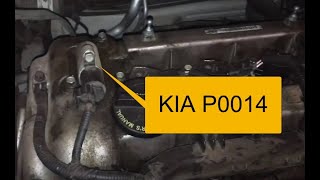
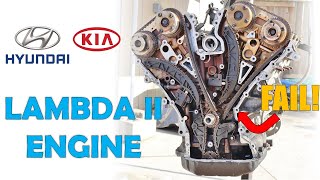
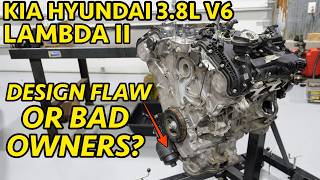
![How to Fix KIA P0014 Engine Code in 4 Minutes [1 DIY Method / Only $19.45]](https://img.youtube.com/vi/jvnWIsewzes/mqdefault.jpg)
Used OEM Parts in Stock

New Aftermarket Parts Available

The information in this article is provided for general reference and educational purposes only. Vehicle specifications, procedures, and part compatibility can vary by production date, trim level, and region. Always consult your vehicle's factory service manual and verify part numbers before purchasing or performing repairs. Safety-critical components such as airbags, seat belts, and braking systems should be installed by a qualified professional.
- Kia Telluride:
- 🎬 Helpful Videos
- 🛍️ Shop This Part
- What's Unique About the 2020-2025 Kia Telluride
- Symptoms You May Notice
- Most Likely Causes
- Rare But Worth Checking
- Diagnosis Steps
- Parts You'll Likely Need
- Related Codes That Often Appear With This One
- Technical Service Bulletins (TSBs) & Recalls
- Platform-Specific Known Issues
- Mechanic-Grade Diagnostic Values
- Scan Tool Commands That Help
- Wiring & Ground Locations
- Real Owner Repair Stories
- Documented NHTSA Reports
- Model Year Variations Within This Range
- Diagnostic Flowchart
- Other Known Issues on This Vehicle
- Used vs. New Parts: Buying Guide for This Vehicle
- Real Owner Stories
- 2016 Kia Sportage 2.4L
- Kia Forte
- Related OBD-II Codes
- Frequently Asked Questions
- 🎟️ Get 5% Off