

P0014 on 2015-2020 Ford Explorer: Exhaust Cam Timing Over-Advanced Causes & Fixes
On a 2015-2020 Ford Explorer, code P0014 is most often caused by a sticking exhaust VCT solenoid on Bank 1, frequently due to dirty, low, or incorrect viscosity engine oil. An oil change and replacing the VCT solenoid (around $40-$100 for the part) is the most common fix. In some cases, the solenoid can be cleaned or cycled with a scan tool to clear debris before replacement is necessary.
- P0014 on a 2015-2020 Explorer points to the exhaust camshaft on the passenger side (Bank 1) being too far advanced.
- The first and easiest step is to check your engine oil. Low, old, or dirty oil is a primary cause.
- The most common failed part is the VCT solenoid. Swapping the exhaust solenoids between Bank 1 and Bank 2 is a great way to confirm the failure.
- Ignoring this code can lead to poor performance, bad fuel economy, and potentially more severe engine damage to timing components over time.
- Multiple Ford TSBs acknowledge that debris in the oil can cause this exact issue by making the VCT solenoid stick. [SSM 47170, SSM 48423]
What's Unique About the 2015-2020 Ford EXPLORER

For this generation of Ford Explorer and its common engines (like the 3.5L V6 and 2.3L EcoBoost), the VCT system is known to be sensitive to oil quality and condition. Ford has issued multiple Technical Service Bulletins (TSBs) for a wide range of 2015-2021 vehicles, including the Explorer, that specifically mention P0014. These TSBs state that small debris in the engine oil can cause the VCT solenoids to stick, leading to this code. This makes regular, high-quality oil changes especially critical for preventing this issue. The 3.5L EcoBoost, in particular, is noted for being heavily oil-dependent for timing functions, and infrequent oil changes can lead to sludge that accelerates wear on timing components.
Diagnostic Flowchart

Tap your situation to follow the diagnostic path that matches what you're seeing on this vehicle.
Generation note: This range covers the end of the 5th generation (2015-2019) and the first year of the 6th generation (2020). The 5th gen commonly used the 3.5L V6 and 2.3L EcoBoost engines. The 6th gen (2020) introduced new powertrains like the 3.0L EcoBoost and 3.3L Hybrid. While the TSBs cover the entire date range, be aware that part numbers and locations for VCT components may differ between these generations and their respective engines. For example, on the 3.5L V6, replacing the solenoids requires removing the valve cover, whereas on other engines they may be more accessible.
Symptoms You May Notice
- Check Engine Light is on
- Rough or shaky idle
- Poor acceleration or sluggish performance
- Reduced fuel economy
- Engine may be hard to start
- Rattling or ticking noise from the engine, especially on startup
- Replacing the camshaft position sensor. The sensor is usually doing its job correctly by reporting the over-advanced timing; it is not the cause of the timing issue itself. While a faulty sensor *can* cause this code, it is much less common than a solenoid or oil issue.
Most Likely Causes

- Dirty, Low, or Incorrect Viscosity Engine Oil 🔴 High Probability The VCT system is hydraulically operated by engine oil. Ford TSBs confirm that debris in the oil is a primary cause of VCT solenoid failure. Owners on forums for platform-mates like the F-150 have reported that oil sludging clogged VCT screens, and an engine flush or more frequent oil changes resolved the codes.
How to confirm: Check the oil dipstick for low level and inspect the oil's color and consistency. If it's dark, gritty, or past its service interval, it needs to be changed. Look for sludge on the oil cap as an indicator of a larger problem.
Typical fix: Perform a complete engine oil and filter change using the manufacturer-specified grade (e.g., SAE 5W-30 for many Explorer engines) and a quality filter. In cases of heavy sludge, a professional engine flush may be recommended.
Est. part cost: $40-$80 - Failed VCT Oil Control Solenoid 🔴 High Probability This is the most common mechanical failure for this code, as highlighted by multiple Ford TSBs. The solenoid gets clogged with debris or fails electrically, causing it to stick in the open/advanced position. The fine mesh screens on the solenoid can become clogged with sludge, restricting oil flow.
How to confirm: A good diagnostic step is to swap the Bank 1 exhaust VCT solenoid with the Bank 2 exhaust solenoid (on V6 engines). Clear the codes and drive the vehicle. If the code changes to P0024 (Bank 2), the solenoid is confirmed faulty. You can also test the solenoid's resistance with a multimeter (should be 5-15 Ω) or by applying 12V to see if it clicks open and closed.
Typical fix: Replace the Bank 1 exhaust VCT solenoid. It is often recommended to replace them in pairs (intake and exhaust) on the affected bank, as they are exposed to the same conditions.
Est. part cost: $40-$120 - Worn or Sticking Camshaft Phaser 🟡 Medium Probability The cam phaser is the mechanical gear that the VCT solenoid sends oil to. It can fail internally or get stuck in the advanced position, especially if the engine has a history of infrequent oil changes. This is a known issue on the 3.5L EcoBoost platform, often accompanied by a startup rattle.
How to confirm: This is more difficult to diagnose. It often requires an advanced scan tool to monitor desired vs. actual cam angle data (PIDs). If the solenoid is known to be good but the timing angle is still incorrect, the phaser is the likely culprit. A persistent rattling noise after startup is also a strong indicator.
Typical fix: Replace the camshaft phaser. This is a labor-intensive job as it requires accessing the timing components and is often done as part of a full timing chain service.
Est. part cost: $100-$300 - Stretched Timing Chain or Failed Tensioner ⚪ Low Probability While less common for just a single timing code, a stretched timing chain can cause the overall camshaft timing to be off, triggering this code. This is a known potential issue on higher-mileage 3.5L EcoBoost engines, often requiring replacement of the chain, phasers, and guides together.
How to confirm: Diagnosis usually involves listening for a characteristic rattling noise on startup and during idle. Confirming requires physically inspecting the timing chain and tensioners, which is a significant job.
Typical fix: Replace the timing chain, guides, and tensioners.
Est. part cost: $250-$600
Rare But Worth Checking
- Wiring Harness Damage: The wiring or connector to the VCT solenoid could be damaged or have a poor connection, preventing the PCM from controlling it properly. This can be checked by inspecting the harness and testing for voltage at the connector.
- PCM Failure: It is extremely rare, but the Powertrain Control Module itself could be faulty and incorrectly reporting the code. This should only be considered after all other possibilities have been exhausted.
Diagnosis Steps
- Check Engine Oil: Verify the oil level is correct and the oil is clean. If it's low, dirty, or past its change interval, perform an oil and filter change with the correct viscosity oil (e.g., 5W-30). This simple step resolves the issue in many cases.
- Scan for Other Codes: Use an OBD-II scanner to see if any other codes are present, which can help narrow down the diagnosis.
- Inspect VCT Solenoid Wiring: Check the electrical connector and wiring going to the Bank 1 exhaust VCT solenoid for any visible damage or loose connections. Ensure the connector is fully seated.
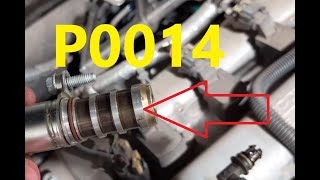
- Ford's Debris Clearing Procedure (Pinpoint Test HK): Per TSBs like SSM 47170 and SSM 48423, a technician can use a high-end scan tool to run a specific diagnostic routine (often labeled HK11 or HK12) that cycles the solenoid 10 times to dislodge small debris before 🎬 Watch this if cleaning and basic fixes haven't solved it. replacing it.
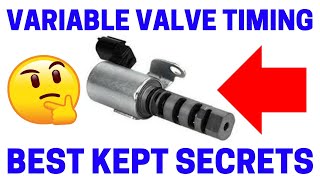
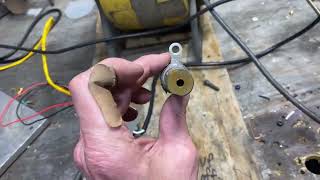
- Test the VCT Solenoid: The most effective DIY test is to swap the Bank 1 exhaust VCT solenoid with the one from Bank 2 (on V6 engines). Clear the codes and drive. If the code returns as P0024, the solenoid is faulty and needs replacement. Alternatively, remove the solenoid, clean it with mass air flow sensor cleaner, and test its resistance and function. 🎬 See how to test if your VVT solenoid is bad.
- Advanced Diagnostics: If the solenoid is not the issue, further diagnosis is needed. This involves using a professional scan tool to monitor the desired versus actual camshaft position angles (PIDs) and command the solenoid on and off to check for a response.
- Inspect Mechanical Components: If scan tool data points to a mechanical issue, the next step is to inspect the cam phaser and timing chain, which requires significant engine disassembly.
Parts You'll Likely Need

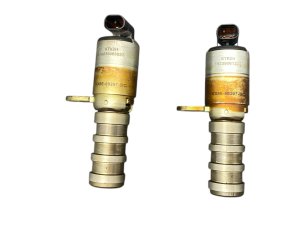
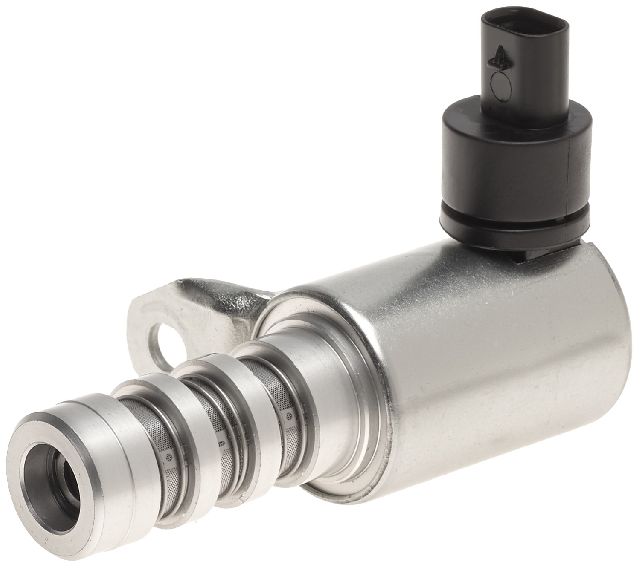
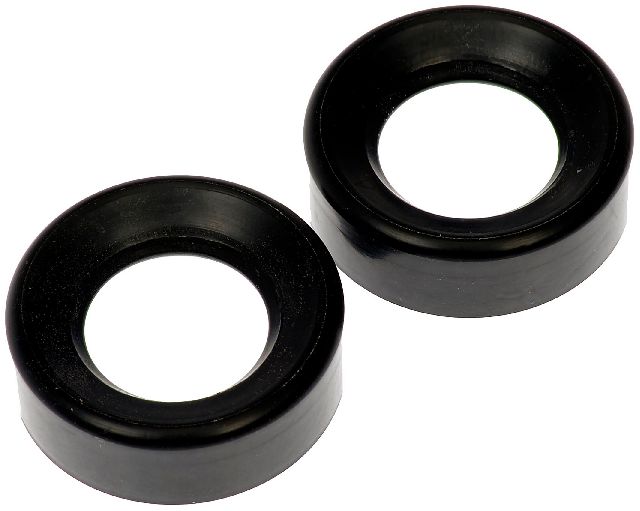
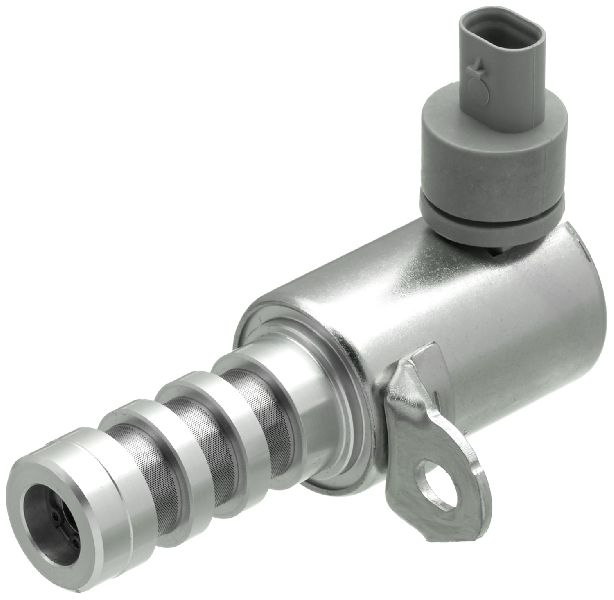
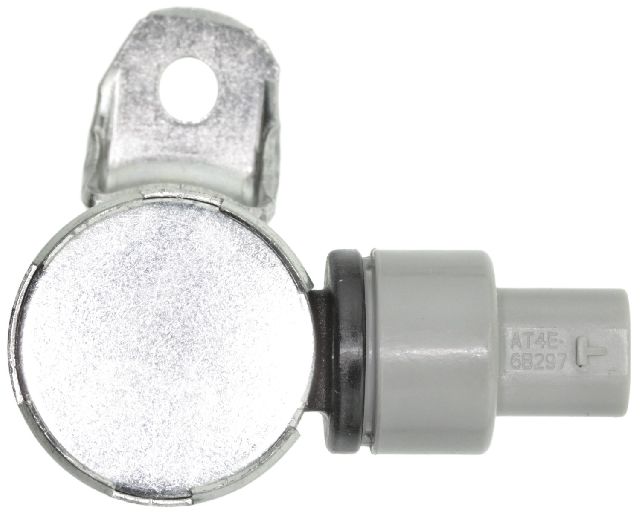
- Engine Variable Valve Timing (VVT) Solenoid (Bank 1 Exhaust)
(OEM #3.5L V6: AT4Z-6M280-C (or newer revisions like BL3Z-6M280-B). 2.3L I4: CJ5Z-6M280-A.)🎬 Watch: 2.3L EcoBoost solenoid replacement and code fix walkthrough. — This is the most common point of failure. It gets clogged with debris from engine oil and sticks, causing the timing to be over-advanced.
Trusted brands: Motorcraft, Dorman, NTK
OEM price range: $70-$100
Aftermarket price range: $35-$75
Related Codes That Often Appear With This One
- P0011 — Intake camshaft timing over-advanced on the same bank. If both appear, it could point to a more significant oil pressure or base timing issue on Bank 1.
- P0024 — Exhaust camshaft timing over-advanced on the opposite bank (Bank 2). If both P0014 and P0024 are present, it may suggest a systemic issue like low oil pressure or dirty oil affecting both banks.
- P054A — Cold Start 'B' Camshaft Position Timing Over-Advanced (Bank 1). This is a more specific version of P0014 that points to the problem occurring during engine startup, often seen on the 3.5L EcoBoost with timing chain issues.
Technical Service Bulletins (TSBs) & Recalls
- SSM 47170: Notes that various VCT DTCs, including P0014, may be due to small debris causing the VCT solenoid to stick.
- SSM 54366: Mentions P0014 and other VCT codes, referring to a specific pinpoint test in the diagnostic manual.
- SSM 48423: Similar to SSM 47170, points to debris in the oil causing a sticky VCT solenoid as a potential cause for P0014.
Platform-Specific Known Issues
- Ford has issued multiple Technical Service Bulletins (TSBs) regarding this and re
Mechanic-Grade Diagnostic Values
- VCT Solenoid Internal Resistance — expected: 7 to 14 Ohms. A specific test on a Ford solenoid measured 7.8 Ohms.. Failure: A reading outside the specified range, or an open/infinite reading, indicates a faulty solenoid coil.
- VCT Solenoid Connector Voltage (Key On, Engine Off) — expected: One pin should show battery voltage (approx. 12V).. Failure: No voltage suggests a problem with the power supply circuit, fuse, or wiring from the fuse box.
- Scan Tool PID: VCT_ADV_ERR (VCT Advance Error) — expected: Should be close to 0 degrees (+/- 5 degrees) at idle in closed loop.. Failure: A consistent, large non-zero value indicates the PCM cannot achieve the desired timing, pointing to a stuck solenoid or phaser.
Scan Tool Commands That Help
- Ford IDS (Integrated Diagnostic System) or equivalent professional scan tool: VCT Solenoid Actuator Test / Bidirectional Control — Use this at idle to command the solenoid on and off. If the solenoid is working, the engine should hesitate, run rough, or stall when the solenoid is activated. This confirms the solenoid is mechanically capable of moving and that the oil passages to the phaser are not completely blocked.
- Ford IDS (Integrated Diagnostic System): Pinpoint Test HK — Referenced in Ford TSBs SSM 47170 and SSM 48423, this is a specific diagnostic routine that cycles the VCT solenoid multiple times to attempt to dislodge small debris that may be causing it to stick. This should be performed before deciding to replace the solenoid.
Wiring & Ground Locations
- VCT Solenoid Connector — On the valve cover, near the respective camshaft (Bank 1 is the passenger side on V6 engines).. The connector has two pins: one is a power supply (battery voltage with key on) from a fuse, and the other is a control line that the PCM provides a ground to activate the solenoid. Testing for power here is a key first step in diagnosing an electrical fault.
- Engine Block Ground Strap — Typically a braided metal strap connecting the engine block to the vehicle's chassis/firewall. On the 3.5L, ground points are visible near the top of the engine bay.. A poor main engine ground can cause erratic behavior in sensors and actuators, including the VCT solenoids and camshaft position sensors, leading to incorrect readings and fault codes. Resistance should be less than one ohm between the block and chassis.
Real Owner Repair Stories
- YouTube channel 'Ford Tech Makuloco' (2017 Ford Explorer 2.3L EcoBoost) — Check engine light with codes P0012 and P0014.
❌ Tried (didn't work) The video directly diagnoses the issue without mentioning prior failed attempts.
✅ What actually fixed it The engine had severe oil sludge buildup which clogged the screens on both the intake and exhaust VCT solenoids. The definitive fix was to remove the valve cover and replace both solenoids.
OEM Part Supersession History
AT4Z-6M280-A / AT4Z-6M280-B→AT4Z-6M280-C— Part revision and improvement by the manufacturer.
Heads up: AT4Z-6M280-C is specified for the 3.5L V6 engine and often has a blue connector. It should not be confused with part number BL3Z-6M280-B, which is for the older 4.6L/5.4L 3-Valve V8 engines and is not correct for the 3.5L or 2.3L engines in this Explorer generation.
Model Year Variations Within This Range
- 2015-2019 (5th Generation) vs. 2020 (6th Generation): The 2020 model year was a complete redesign based on a new rear-wheel-drive platform. The standard V6 engine from 2019 was replaced with a 2.3L EcoBoost I4 as the base engine for 2020. The 3.5L V6 was discontinued for the Explorer in 2020, replaced by a new 3.0L EcoBoost V6 and a 3.3L Hybrid option. These changes mean engine-specific component locations, part numbers, and repair procedures can be significantly different between a 2019 and 2020 model.
Helpful Videos

Used OEM Parts in Stock


New Aftermarket Parts Available


The information in this article is provided for general reference and educational purposes only. Vehicle specifications, procedures, and part compatibility can vary by production date, trim level, and region. Always consult your vehicle's factory service manual and verify part numbers before purchasing or performing repairs. Safety-critical components such as airbags, seat belts, and braking systems should be installed by a qualified professional.
- Ford EXPLORER:
- 🎬 Helpful Videos
- 🛍️ Shop This Part
- What's Unique About the 2015-2020 Ford EXPLORER
- Diagnostic Flowchart
- Symptoms You May Notice
- Most Likely Causes
- Rare But Worth Checking
- Diagnosis Steps
- Parts You'll Likely Need
- Related Codes That Often Appear With This One
- Technical Service Bulletins (TSBs) & Recalls
- Platform-Specific Known Issues
- Mechanic-Grade Diagnostic Values
- Scan Tool Commands That Help
- Wiring & Ground Locations
- Real Owner Repair Stories
- OEM Part Supersession History
- Model Year Variations Within This Range
- 🎟️ Get 5% Off