

P0014 on 2008-2014 Dodge Avenger 2.4L: Exhaust Cam Timing Causes and Fixes
On the 2.4L Dodge Avenger, P0014 is most often caused by low or dirty engine oil, or a failing exhaust VVT solenoid. Start by checking your oil. If the oil is clean and full, the next most likely fix is replacing the exhaust VVT solenoid, which costs about $30-$80 for an aftermarket part. This is a common and relatively simple DIY repair.
- First, check your engine oil. Low or dirty oil is the #1 cause of P0014 on this engine.
- If the oil is fine, the exhaust VVT solenoid is the next most likely culprit and is an affordable, accessible part to replace for a DIYer.
- The exhaust VVT solenoid is located on the rear of the engine, near the firewall.
- Do not immediately assume the timing chain has failed. While possible, it is a less common and much more expensive repair that should only be considered after ruling out oil and solenoid issues.
What's Unique About the 2008-2014 Dodge Avenger
The 2.4L World Engine in this generation of Dodge Avenger is known to be particularly sensitive to oil level and quality. The Variable Valve Timing (VVT) system, which this code relates to, is hydraulically operated by oil pressure. Neglected oil changes can lead to significant engine sludge, which clogs the small passages and filter screens in the VVT solenoids (also called oil control valves) and cam phasers, making this code a common issue. While the root cause is often simple (oil or a solenoid), ignoring it can mask or lead to more severe timing chain problems.
Symptoms You May Notice
- Check Engine Light is on
- Rough or rattling engine idle
- Engine hesitation or stumbling during acceleration
- Reduced engine power
- Poor fuel economy
- Engine stalling in severe cases
- Hard starting
- Knocking or rattling noise from the engine
- Replacing the camshaft position sensor first. While related, the sensor's job is to report the camshaft's position. P0014 usually indicates a mechanical problem with the timing control system (oil pressure, solenoid, phaser), not a faulty sensor reading.
- Assuming a stretched timing chain without first checking the oil and VVT solenoid. The solenoid and oil are far more common, cheaper, and easier to fix.
Most Likely Causes
- Low or Dirty Engine Oil 🔴 High Probability The 2.4L World Engine's VVT system is hydraulic and highly dependent on oil pressure and cleanliness. Sludge from infrequent oil changes is a very common cause of VVT-related codes, as it can clog passages and the solenoid screens.
How to confirm: Check the engine oil dipstick. Note the level and the color/condition of the oil. If it is low, black, or appears thick and sludgy, this is the likely cause. One owner on a forum reported the code appeared when the oil level didn't even register on the dipstick.
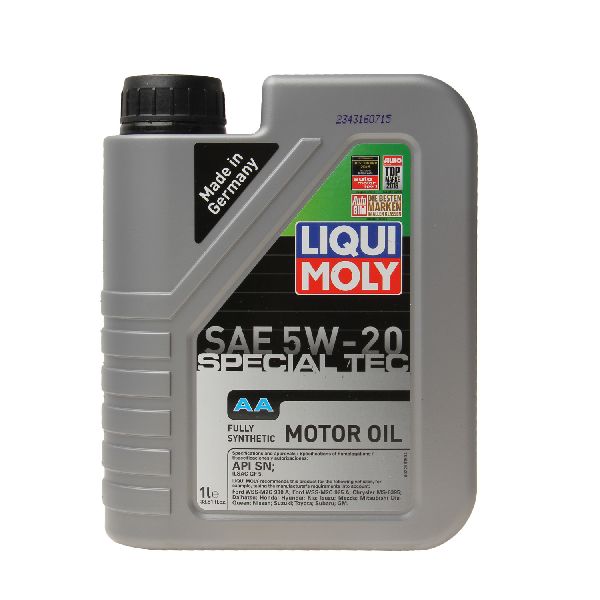
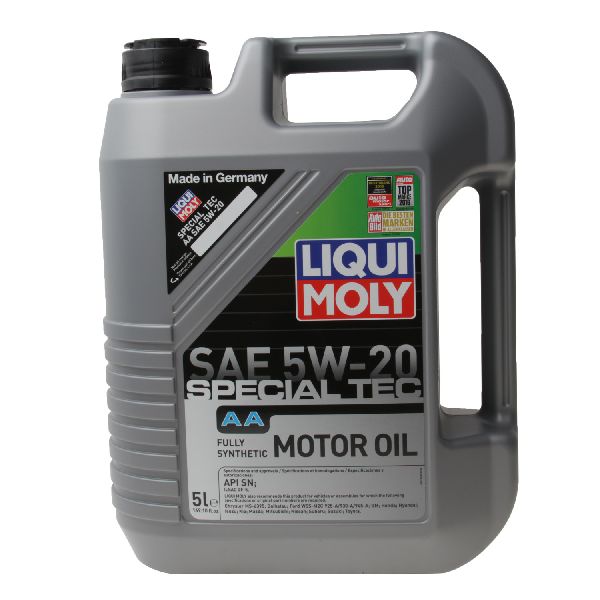
Typical fix: Perform a complete engine oil and filter change using the manufacturer-specified oil weight (typically 5W-20). In many cases, simply correcting the oil level and quality will resolve the code.
Est. part cost: $30-$60 - Faulty Exhaust VVT Solenoid (Oil Control Valve) 🔴 High Probability The solenoid is the actuator that directs oil flow to the cam phaser. It can become clogged with debris from dirty oil or fail electrically, causing it to stick in the open (advanced) position. This is a very common failure point on these engines.
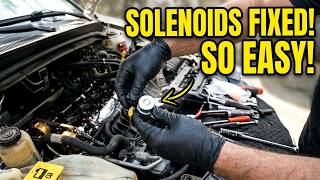
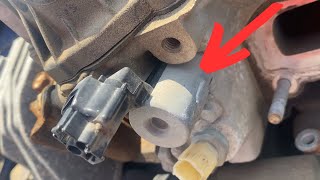
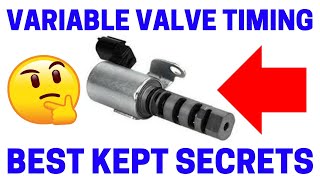
How to confirm: After confirming the oil is clean and full, the solenoid is the next part to inspect. It can be removed and tested by applying 12V power to see if the internal plunger actuates. You can also check its resistance with a multimeter against factory specs. 🎬 See how to test if your VVT solenoid is bad The exhaust solenoid is located on the rear of the cylinder head, near the firewall. 🎬 Watch: How to locate and replace both VVT solenoids
Typical fix: Replace the exhaust VVT solenoid. Many owners and mechanics recommend replacing both the intake and exhaust solenoids at the same time as a preventative measure, as they are identical parts and subject to the same wear and conditions.
Est. part cost: $30-$80 - Stretched Timing Chain or Worn Guide/Tensioner ⚪ Low Probability Over time, especially if run with low or dirty oil which reduces hydraulic tensioner performance, the timing chain can stretch. This creates slack and causes the physical cam timing to be out of sync with the crankshaft, which can trigger correlation codes alongside P0014.
How to confirm: This is a complex diagnosis that requires removing the valve cover and possibly the timing cover to physically inspect the chain for slack and check timing marks. This is typically done after ruling out oil and solenoid issues. A persistent code after fixing the other two common causes points towards this mechanical issue.
Typical fix: Replace the timing chain, guides, and tensioners. This is a labor-intensive job.
Est. part cost: $150-$300
Rare But Worth Checking
- Failing Camshaft Phaser: The phaser is the gear on the end of the camshaft that actually adjusts the timing. It can fail internally from sludge or wear and get stuck in an advanced position. This is a more involved and expensive repair than the solenoid.
- Faulty Camshaft Position Sensor: While a bad sensor can cause timing codes, it's less common for P0014 specifically. A failing sensor would more likely trigger its own specific codes (like P0340 or P0344). However, it's a possibility if other causes are ruled out.
- Clogged Oil Passages: In cases of severe engine sludge, the oil passages within the cylinder head or engine block that feed the VVT system can become restricted. This requires significant engine disassembly to clean and is a direct result of poor maintenance.
Diagnosis Steps
- Check Engine Oil Level and Condition: Pull the dipstick. If the oil is low, top it off, clear the code, and see if it returns. If the oil is dark, sludgy, or past its change interval, perform a full oil and filter change with 5W-20 oil. This is the most common fix.
- Inspect the Exhaust VVT Solenoid: The exhaust solenoid is on the rear (firewall side) of the cylinder head. Disconnect the electrical connector and inspect for damage or oil contamination.
- Test or Replace the Solenoid: Remove the single 10mm bolt holding the solenoid in place and pull it out. Inspect the screens for metal shavings or sludge. You can try cleaning it with brake or MAF sensor cleaner, but replacement is often the best long-term solution given the low cost of the part. A good diagnostic step is to swap the exhaust solenoid with the identical intake solenoid on the front of the head. If the code changes to P0011 (for the intake cam), you have confirmed the solenoid is faulty.
- Inspect Wiring: Check the wiring harness leading to the solenoid for any breaks, frays, or loose connections at the plug.
- Check Base Timing: If the code persists after replacing the oil and solenoid, the issue may be mechanical. This requires a more in-depth diagnosis to check for a stretched timing chain or a faulty cam phaser, which is best left to a professional unless you are an experienced DIYer. 🎬 Watch: Valve cover removal and VVT solenoid replacement walkthrough
Parts You'll Likely Need
- Exhaust Variable Valve Timing (VVT) Solenoid
(OEM #04884483AC)— This is the most common part to fail after low/dirty oil has been ruled out. It gets clogged or fails electrically, causing incorrect cam timing. The OEM part number 04884483AC replaces previous versions 4884483AA and 4884483AB.
Trusted brands: Mopar, Dorman, SKP, Walker Products
OEM price range: $60-$100
Aftermarket price range: $30-$80 - Engine Oil and Filter — The VVT system is hydraulic. Clean oil of the correct viscosity (5W-20) is critical for its operation and is the first and easiest fix to attempt.
Trusted brands: Pennzoil, Mobil 1, Valvoline
OEM price range: $50-$80
Aftermarket price range: $30-$60
Related Codes That Often Appear With This One
- P0013 — P0013 indicates an electrical circuit problem with the same exhaust VVT solenoid. Seeing them together strongly points to a faulty solenoid or its wiring connector.
- P0011 — This is the equivalent code for the intake camshaft ('A' Camshaft). If both appear, it could indicate a more widespread oil pressure or sludge problem affecting both VVT solenoids, or a base timing issue.
- P0016 / P0017 — These codes indicate a correlation issue between the crankshaft and a camshaft. If P0014 is present with these, it significantly increases the likelihood of a base timing issue, such as a stretched timing chain.
Technical Service Bulletins (TSBs) & Recalls
- TSB 18-018-07 REV. A: While for other 2.4L platforms, it notes that timing codes (P0016/P0017) can be caused by software issues, requiring a PCM flash and replacement of the oil control valves (VVT solenoids), indicating a known pattern of issues with this system.
Platform-Specific Known Issues
- A recall for 2013 models (14V-391) addresses potential loss of engine oil pressure from balance shaft bearings, which can starve the VVT system and cause related codes.
- A recall for 2011-2014 models (U67) for catalytic converter efficiency includes a mandatory PCM software update. While not directly for P0014, updated software can sometimes resolve logic errors related to engine management.
- The 2.4L World Engine is prone to developing significant engine sludge if oil changes are neglected, which is a primary cause of VVT system failures.
Mechanic-Grade Diagnostic Values
- VVT Solenoid (Oil Control Valve) Resistance — expected: 6.9 to 7.9 Ohms at 68°F (20°C). Failure: A reading outside this range, or an open circuit (no reading), indicates a faulty solenoid.
- VVT Solenoid Control Circuit Voltage (via test light) — expected: With the ignition on and solenoid disconnected, the test light should be off. When the solenoid is commanded ON with a scan tool, the test light connected to the control circuit and ground should illuminate brightly.. Failure: Test light is on with the solenoid disconnected (short to voltage) or does not light up when commanded (open circuit, bad PCM driver).
Scan Tool Commands That Help
- Chrysler wiTECH or equivalent professional scan tool: VVT Solenoid Actuator Test / VCT Solenoid Actuation — This bidirectional command allows a technician to manually turn the VVT solenoid on and off. It is used to verify if the solenoid is mechanically sticking or if the control circuit from the PCM is working correctly. When actuated at idle, a working system should cause a noticeable change in engine sound or a drop in RPM.
Wiring & Ground Locations
- VVT Solenoid Connector — A 2-wire connector plugging directly into the VVT solenoid. The exhaust solenoid is on the rear of the cylinder head, firewall side. The intake is on the front.. This connector and its pigtail can become brittle from heat, causing poor connections. Inspect for oil contamination, spread terminals, or frayed wires. Aftermarket replacement connectors are available.
- Engine Harness Splice S181 — Located at the rear of the engine, within the engine harness for the 2.4L model.. This is a factory splice point in the wiring. While not a common failure, a corroded or failed splice here could interrupt signals to or from VVT components, causing intermittent issues that are hard to trace.
- Engine to Chassis Ground Strap — There are multiple ground straps. A primary one connects the engine block to the vehicle's chassis/body to complete electrical circuits.. A corroded or loose main engine ground can cause a host of bizarre electrical issues, including erratic sensor readings and module behavior. While it wouldn't typically cause P0014 alone, it can contribute to unstable voltage that affects sensor and actuator performance.
Real Owner Repair Stories
- YouTube channel "Kevin's Mobile Automotive Repair" (2012 Dodge Avenger 2.4L World Engine) — General performance issues, likely including a check engine light for VVT problems.
✅ What actually fixed it The video documents the replacement of the valve cover gasket along with both the intake and exhaust VVT solenoids. A key finding was severe engine sludge buildup visible under the valve cover, indicating poor maintenance. The mechanic warned that even with new solenoids, the sludge could cause the problem to persist, highlighting the critical importance of regular oil changes.
OEM Part Supersession History
4884483AA, 4884483AB→04884483AC— Standard part revision and improvement by the manufacturer over the production life of the vehicle.
Heads up: The parts are interchangeable. 04884483AC is the correct service part to use when replacing older versions.
Model Year Variations Within This Range
- 2011-2014: A significant refresh occurred for the 2011 model year, which included a heavily revised interior, new suspension tuning, and different trim level names. However, the 2.4L World Engine and its VVT system components, including the solenoids (PN 04884483AC), remained consistent across the entire 2008-2014 range.
Diagnostic Flowchart
Other Known Issues on This Vehicle
Issues unrelated to this code that are worth knowing about as an owner of this generation:
- Premature Alternator Failure 🔴 High — Very common, especially on the 2008 model year. Can occur at various mileages. Symptoms include a battery light, whining/grinding noises, and dimming lights.
- Electronic Throttle Body (ETB) Failure 🔴 High — Common issue where internal plastic gears strip, causing the vehicle to enter 'limp mode' (won't accelerate over ~15 mph) and display a red lightning bolt warning light.
- Faulty Totally Integrated Power Module (TIPM) 🟠 Medium — Can cause a wide range of bizarre electrical issues, including no-start conditions, fuel pump problems, and random accessory activation. Less frequent than alternator or throttle body issues but difficult to diagnose.
- Suspension Component Wear 🟠 Medium — Owners report premature wear of components like tie rods, ball joints, and control arm bushings, leading to clunking noises and poor alignment.
- HVAC Blend Door Actuator Failure 🟡 Low — A very common annoyance where the actuators for the heating and cooling system fail, producing a loud, repetitive clicking or knocking sound from behind the dashboard.
Used vs. New Parts: Buying Guide for This Vehicle
When a used part is the smart pick: Given the low cost of new aftermarket VVT solenoids ($30-$80) and the fact that they are a high-failure item due to internal sludge and electrical failure, buying a used solenoid is generally not recommended. The risk of getting a part that is already clogged or near the end of its life is high. A used part only makes sense if it's from a very low-mileage, verified running donor vehicle and is significantly cheaper than a new aftermarket part.
Donor-vehicle mileage cap: roughly under 50000 miles for the part to have meaningful remaining life.
What to inspect on the donor part:
- Ask for the VIN of the donor car to check its history for regular maintenance.
- Visually inspect the solenoid's screens for any metallic debris or thick, black sludge. Clean screens are a good sign, but don't guarantee internal function.
- If possible, test the resistance with a multimeter before purchase; it should be between 6.9-7.9 Ohms.
OEM-only on this vehicle (don't cheap out):
- While not strictly 'OEM-only', using a Mopar (OEM) VVT solenoid is often preferred for best reliability, though reputable aftermarket brands are widely used successfully.
Aftermarket brands forum-validated for this vehicle:
- Dorman (specifically part number 917-290) is a widely available and commonly used aftermarket replacement.
- Standard Motor Products (SMP)
Brands owners have reported issues with on this vehicle:
- Avoid unbranded, no-name parts from online marketplaces, as quality control can be highly inconsistent.
Real Owner Stories
Aggregated from forums and TSBs cited above. Mileages and costs reflect what owners reported in those sources.
2012 Dodge Avenger 2.4L
Symptoms: The owner reported the P0014 code appeared specifically when the engine oil level was so low it did not register on the dipstick.
What fixed it: Correcting the oil level and ensuring the oil was clean.
Source hint: avengerforumz.com
Related OBD-II Codes
Frequently Asked Questions
Is there a recall for my 2013 Dodge Avenger 2.4L that could cause VVT issues?
Does the catalytic converter recall (U67) affect my P0014 code?
Where is the exhaust VVT solenoid located on the 2.4L World Engine?
Can I use any oil weight in my Avenger to clear this code?
Is it true that I should replace both solenoids even if only P0014 is present?
Could a software update fix my timing codes according to Chrysler TSBs?
Helpful Videos
![How to Fix P0014 Engine Code in 4 Minutes [2 DIY Methods / Only $6.74]](https://img.youtube.com/vi/olrC8UYw9cQ/mqdefault.jpg)
We Have This Part in Stock


The information in this article is provided for general reference and educational purposes only. Vehicle specifications, procedures, and part compatibility can vary by production date, trim level, and region. Always consult your vehicle's factory service manual and verify part numbers before purchasing or performing repairs. Safety-critical components such as airbags, seat belts, and braking systems should be installed by a qualified professional.
- Dodge Avenger:
- 🎬 Helpful Videos
- 🛍️ Shop This Part
- What's Unique About the 2008-2014 Dodge Avenger
- Symptoms You May Notice
- Most Likely Causes
- Rare But Worth Checking
- Diagnosis Steps
- Parts You'll Likely Need
- Related Codes That Often Appear With This One
- Technical Service Bulletins (TSBs) & Recalls
- Platform-Specific Known Issues
- Mechanic-Grade Diagnostic Values
- Scan Tool Commands That Help
- Wiring & Ground Locations
- Real Owner Repair Stories
- OEM Part Supersession History
- Model Year Variations Within This Range
- Diagnostic Flowchart
- Other Known Issues on This Vehicle
- Used vs. New Parts: Buying Guide for This Vehicle
- Real Owner Stories
- 2012 Dodge Avenger 2.4L
- Related OBD-II Codes
- Frequently Asked Questions
- 🎟️ Get 5% Off