

P0014 on 2011-2016 Chevrolet Cruze 1.8L: Exhaust Cam Timing Causes and Fixes
On a 2011-2016 Cruze with the 1.8L engine, code P0014 is almost always caused by low/dirty engine oil or a faulty exhaust camshaft actuator solenoid. First, check your oil level and condition. A Reddit user confirmed their P0014 light went out immediately after topping up the oil. If the oil is fine, replacing the exhaust solenoid is the most likely fix, costing about $25-$70 for the part and being a very simple DIY job.
- Before buying any parts for a P0014 code, check your oil. A simple oil change with full synthetic 5W-30 oil is the cheapest and easiest first step.
- The most likely part to have failed is the exhaust camshaft actuator solenoid, a low-cost part that is very easy to replace with basic tools.
- It is highly recommended to replace both the intake and exhaust solenoids at the same time as a preventative measure.
- If you recently had engine work done, be aware of TSB PIP4543D regarding a small, missing oil sleeve that can cause this code on the 1.8L engine.
What's Unique About the 2011-2016 Chevrolet Cruze

The first-generation Cruze's 1.8L Ecotec engine (RPOs LUW and LWE) is known to be particularly sensitive to engine oil level and cleanliness. The VVT system, which triggers this code, operates on oil pressure, so infrequent oil changes or using non-synthetic oil can quickly lead to clogged solenoid screens and passages, causing P0014. Additionally, this specific 1.8L engine is subject to a Technical Service Bulletin (TSB #PIP4543D) regarding a small, easily lost black plastic oil sleeve on the camshaft actuator that can cause this code if it's not reinstalled after certain engine repairs. This issue is shared with other GM vehicles using the same engine, like the Chevrolet Sonic and Saturn Astra.
Symptoms You May Notice
- Check Engine Light is on
- Rough or unstable idle
- Engine stalling, especially when coming to a stop
- Reduced engine power and poor acceleration
- Decreased fuel economy
- Hard starting
- Rattling, knocking, or ticking noises from the engine
- Replacing the camshaft position sensor. While possible, the sensor is much less likely to fail than the actuator solenoid. A bad sensor usually throws its own specific codes.
- Assuming a major timing issue before checking the oil and replacing the inexpensive solenoid first.
- Swapping the intake and exhaust solenoids for diagnosis. This works on the 1.4L Cruze, but the 1.8L engine uses different part numbers for the intake and exhaust solenoids.
Most Likely Causes

- Low or Dirty Engine Oil 🔴 High Probability The Ecotec engine's VVT system uses oil as hydraulic fluid and has small passages that are easily clogged by sludge or debris from old or incorrect oil. Owners on forums report this code appearing when using extended oil change intervals or when the oil level is even slightly low.
How to confirm: Check the engine oil dipstick. If the oil level is low or the oil appears dark, thick, or sludgy, this is the likely cause. A Reddit user with a 2012 Cruze 1.8L reported the P0014 light turned off immediately after topping up the oil by just 150-200ml.
Typical fix: Perform an engine oil and filter change using a quality full synthetic 5W-30 oil that meets Dexos specifications. Reset the code and see if it returns. 🎬 See this breakdown of P0014 causes and common fixes
Est. part cost: $30-$60 - Faulty Exhaust Camshaft Position Actuator Solenoid 🔴 High Probability These solenoids are a very common failure point on Ecotec engines. The internal valve can stick, or the fine mesh screens can become clogged or damaged by oil debris, preventing proper oil flow to the cam phaser.
How to confirm: After verifying the oil is clean and full, inspect the solenoid's wiring connector for damage. The most definitive test is to replace the solenoid, as it is the most common failed part. For the 1.8L engine, the intake and exhaust solenoids are different parts and cannot be swapped for diagnosis, unlike on the 1.4L engine. The exhaust solenoid is located at the front of the engine (left side when facing it).
Typical fix: Replace the exhaust camshaft position actuator solenoid. It is located on top of the valve cover and held by a single 10mm or 7mm bolt. 🎬 Watch: 1.8L VVT solenoid location and replacement guide It is often recommended to replace the intake solenoid at the same time as a preventative measure.
Est. part cost: $25-$70
Rare But Worth Checking
- Missing Camshaft Actuator Oil Sleeve: Per TSB #PIP4543D, if the code appears immediately after a repair involving camshaft or actuator removal (like a timing belt job), a small black plastic oil sleeve may have been lost or forgotten. This sleeve is critical for directing oil to the actuator. It is not sold separately and comes with a new camshaft actuator (phaser) assembly. A technician on a forum noted this is a potential cause if the code appears after such a repair.
- Stretched or Jumped Timing Belt or Failed Tensioner: While less common than a solenoid failure, the 1.8L engine uses a timing belt that can stretch or jump a tooth, causing a correlation issue that triggers P0014. The recommended replacement interval is typically around 100,000 miles. This is a more serious issue that requires professional diagnosis. 🎬 Watch: Troubleshooting VVT sprockets, solenoids, and sensors
- Failed Camshaft Actuator (Phaser): The actuator itself, which is the gear at the end of the camshaft, can fail mechanically (e.g., a broken locking pin) or become clogged internally. This is a much more involved and expensive repair than replacing the solenoid and may require special tools.
Diagnosis Steps

- Check the engine oil level and condition. If low or dirty, perform an oil and filter change with full synthetic 5W-30 oil meeting Dexos specs, clear the code, and drive to see if it returns.
- If the oil is fine, locate the two camshaft actuator solenoids on top of the engine. The exhaust solenoid is the one closer to the front of the vehicle (left side when facing the engine).
- Inspect the electrical connector and wiring going to the exhaust solenoid for any signs of damage, corrosion, or loose connections.
- Replace the exhaust camshaft actuator solenoid. This is the most common fix and is a simple, low-cost procedure requiring only basic tools.
- If the code returns after replacing the solenoid, the issue may be more complex. At this point, professional diagnosis is recommended to check for mechanical timing issues (timing belt, tensioner) or a failed camshaft phaser.
- If the code appeared immediately after an engine repair (e.g., timing belt change, head gasket), specifically mention TSB PIP4543D to your mechanic and ask them to check for the missing camshaft actuator oil sleeve.
Parts You'll Likely Need
- Exhaust Camshaft Position Actuator Solenoid
(OEM #55567050, 12655421, 12679100)— This solenoid is the most common part to fail, usually due to internal clogging or electrical failure, directly causing the P0014 code. Part number 12655421 has been superseded by 12679100.
Trusted brands: ACDelco (GM Genuine), Delphi, Dorman
OEM price range: $40-$70
Aftermarket price range: $25-$50 - Intake Camshaft Position Actuator Solenoid
(OEM #12655420)— Since both solenoids operate under the same conditions and have a similar lifespan, it is highly recommended to replace them as a pair to prevent future issues with the intake side (P0011).
Trusted brands: ACDelco (GM Genuine), Delphi, Dorman
OEM price range: $40-$70
Aftermarket price range: $25-$50
Related Codes That Often Appear With This One
- P0011 — This is the corresponding code for the intake camshaft. If both P0011 and P0014 are present, it strongly points to a systemic issue affecting both cams, such as low/dirty oil or a base timing problem.
- P0013 — This code indicates an electrical circuit problem (e.g., an open or short) with the same exhaust camshaft actuator solenoid. Seeing them together points directly to a wiring or solenoid electrical failure.
- P0017 — This code indicates a correlation problem between the crankshaft and the exhaust camshaft. It often appears with P0014 and suggests the timing is off enough to be considered a mechanical sync issue, pointing towards a bad solenoid, stretched/jumped timing belt, or the missing oil sleeve mentioned in TSB PIP4543D.
Technical Service Bulletins (TSBs) & Recalls

- PIP4543D: DTCs P0011, P0014, P0016, Or P0017 After Cylinder Head Or Cam Actuator Removal. Warns of a missing oil sleeve on 1.8L engines used in the Cruze, Sonic, Aveo, and Astra.
Platform-Specific Known Issues
- TSB #PIP4543D: A known issue on the 1.8L engine where a small black plastic oil sleeve between the camshaft and the actuator can be lost during repairs, preventing proper oil flow and causing timing codes like P0014, P0011, P0016, or P0017.
Mechanic-Grade Diagnostic Values
- VVT Solenoid Internal Resistance — expected: 6 to 12 Ohms. Failure: A reading outside this range (open or shorted) indicates a failed solenoid coil.
- Exhaust Camshaft Position Variance (Scan Tool Live Data) — expected: Less than 2°. Failure: A variance greater than 2° between the commanded and actual cam position while using a scan tool to command the actuator indicates a mechanical issue with the phaser, low oil pressure, or a blockage.
- VVT Solenoid Control Circuit Voltage — expected: Transitions from ~12V (B+) when OFF to <10V when commanded ON. Failure: Voltage that does not change when commanded by a scan tool suggests an open circuit, a short to voltage, or a faulty ECM driver.
Scan Tool Commands That Help
- GDS2 / Professional Scan Tool: Command Exhaust Camshaft Position Actuator — This bidirectional control is used to actively test the VVT system. A technician commands the phaser to a specific degree (e.g., 15°) and watches the 'actual' position on live data. If the actual position doesn't match the command within a few degrees, it confirms a functional problem with the solenoid, oil pressure, or the phaser itself, ruling out the position sensor or base timing.
Wiring & Ground Locations
- ECM Connector Pin 14 — At the Engine Control Module (ECM), which is located on the left side of the engine compartment. The wire is typically Gray/Dark Blue.. This is the control circuit pin for the exhaust camshaft phaser solenoid. Testing for continuity and voltage here can confirm the integrity of the wiring between the ECM and the solenoid.
- ECM Connector Pin 15 — At the Engine Control Module (ECM). The wire is typically Black/Brown.. This is the low reference (ground return) circuit for the exhaust camshaft phaser solenoid. A poor connection here can cause faulty solenoid operation.
- G107 — On the lower left rear of the engine block.. This is a key engine block and ECM ground. A loose or corroded connection at G107 can create an unstable ground reference for the entire engine management system, leading to erratic behavior from sensors and actuators, including the VVT solenoids.
- G105 — On the frame rail, typically located under the battery tray.. This is a primary engine compartment ground. While less direct than G107, a poor connection here can cause various electrical faults that could indirectly contribute to VVT system problems.
Real Owner Repair Stories
- Reddit user in r/mechanic (2016 Chevrolet Cruze LS 1.8L, ~88,000 miles) — Persistent P0011 (intake side), then new P0014 (exhaust side) and knock sensor codes appeared. Symptoms included fast oil leaks from valve cover and oil pan, ticking/knocking noises, poor acceleration, and bouncing RPMs.
❌ Tried (didn't work) The dealership had previously cleared the P0011 code before selling. They later performed a repair to fix the P0011 by replacing the cam phaser and timing belt.
✅ What actually fixed it The issue was not resolved in the post, but the user identified the likely cause of the new, severe problems: the dealership reused old gaskets during the phaser/timing belt job, leading to major oil leaks, subsequent low oil pressure, and likely catastrophic engine damage. This story serves as a cautionary tale about ensuring proper repair procedures are followed, especially gasket replacement. - YouTube channel 'Fixing With Passion' (2006 GMC Envoy 4.2L (different vehicle, but demonstrates common GM VVT solenoid failure pattern)) — Check engine light with code P0014 that would return 80-100 miles after being cleared.
❌ Tried (didn't work) The user did not report trying other fixes before replacing the solenoid.
✅ What actually fixed it Replacing the exhaust VVT solenoid with a new aftermarket part fixed the issue. The user confirmed the check engine light had not returned after driving over 240 miles, validating the repair.
"I Checked Everything" — The Actual Cause
- A 'smoke test clean' scenario for P0014 would be when the oil is clean, the solenoid tests good (e.g., clicks with 12V, resistance is in spec), and the wiring is intact, yet the code persists. The most likely cause in this situation on the 1.8L Cruze is the missing black plastic oil sleeve described in TSB #PIP4543D. This part is essential for directing oil pressure to the phaser. If it was lost during a previous repair (like a timing belt or cylinder head job), the phaser will not get enough oil pressure to operate correctly, causing the over-advanced code, even though all electrical components and the main mechanical parts appear fine.
When the Usual Fixes Don't Work
- While the vast majority of P0014 cases on the 1.8L Cruze are fixed with an oil change or a new solenoid, there are documented cases where the problem is more severe. If both P0011 and P0014 appear after a major engine repair, the cause is very likely the missing oil sleeve from TSB PIP4543D. If the code is accompanied by a startup rattle, the mechanical cam phaser is the more likely culprit. A user on a forum had a persistent P0011/P0014 issue after a shop replaced the phaser and timing belt; the problem was made worse because the shop reused old gaskets, causing a massive oil leak that starved the engine of oil, leading to further damage. This underscores that while the solenoid is the common fix, context like recent repairs and other symptoms are critical.
OEM Part Supersession History
12655421→12679100— Standard part revision by GM. The new part is a direct replacement.12992408→55567050— Standard part revision by GM for the exhaust VVT solenoid.
Model Year Variations Within This Range
- 2011-2016: No significant variations affecting the diagnosis or repair of code P0014 have been identified for the 1.8L Ecotec engine within this model year range. The VVT system components and common failure points are consistent across these years.
Diagnostic Flowchart
Other Known Issues on This Vehicle
Issues unrelated to this code that are worth knowing about as an owner of this generation:
- Cracked Plastic Thermostat Housing / Water Outlet 🔴 High — Very common failure. The plastic becomes brittle with heat cycles and can crack, causing major coolant leaks and overheating. Often fails after 60,000 miles.
- Leaking Valve Cover Gasket / Failed PCV Diaphragm 🟠 Medium — Common issue where the valve cover gasket leaks oil onto the exhaust or into spark plug wells. The PCV diaphragm, integrated into the valve cover, can also tear, causing vacuum leaks, rough idle, and oil consumption. The entire valve cover must be replaced.
- Oil Cooler Gasket Leaks 🟠 Medium — The seals and gaskets for the oil cooler assembly are known to degrade and cause significant oil and/or coolant leaks. This is a more labor-intensive repair than the valve cover.
- Timing Belt and Component Failure 🔴 High — The 1.8L is an interference engine with a timing belt that requires replacement at a prescribed interval (approx. 100k miles). Failure of the belt or tensioner will cause catastrophic engine damage.
- Transmission Problems (6T30 Automatic) 🟠 Medium — Some owners report issues with the 6T30 automatic transmission, including shifting problems and premature failure, though it is generally considered more reliable than the transmission paired with the 1.4L turbo engine.
Used vs. New Parts: Buying Guide for This Vehicle
When a used part is the smart pick: For this specific repair, sourcing used parts from a junkyard is NOT recommended for the VVT solenoids. They are sensitive to oil sludge and wear, and the low cost of a new aftermarket part makes the risk of a used part failing shortly after installation not worthwhile.
Donor-vehicle mileage cap: roughly under 60000 miles for the part to have meaningful remaining life.
What to inspect on the donor part:
- If considering a used cam phaser (actuator gear), look for a donor vehicle with documented low mileage and proof of regular oil changes.
- Inspect the screens on a used solenoid; if they are torn, brittle, or clogged with thick sludge, do not buy it.
- Avoid parts from engines that show signs of heavy oil sludge under the oil cap, as the internal passages of the VVT components will be compromised.
OEM-only on this vehicle (don't cheap out):
- Camshaft Actuator (Phaser): While aftermarket phasers exist, OEM (ACDelco) is strongly recommended for fitment and longevity, as this is a critical timing component and a labor-intensive job to replace.
Aftermarket brands forum-validated for this vehicle:
- ACDelco (GM Genuine/Original Equipment)
- Delphi (Often an OEM supplier)
- Hitachi (Also a known OEM supplier for many brands)
Brands owners have reported issues with on this vehicle:
- Dorman: While Dorman makes a wide range of parts, forum users often report a higher failure rate for their electronic components and solenoids compared to OEM or brands like Delphi. It's often considered a 'last resort' or temporary fix.
- No-name/unbranded parts from Amazon/eBay: Many owner stories begin with 'I bought a cheap solenoid online and it didn't fix it'. The quality control is often poor, and it's better to spend slightly more on a reputable brand to avoid doing the job twice.
Real Owner Stories
Aggregated from forums and TSBs cited above. Mileages and costs reflect what owners reported in those sources.
2011 Chevrolet Cruze 1.8L
Symptoms: Car started lurching forward at a stop light, check engine light came on. Lurching stopped after restarting the car, but CEL remained. Codes P0014, P0017, P057C found.
What fixed it: The owner retrieved codes using an OBD2 reader; however, the context does not provide the final repair for this specific lurching incident.
Source hint: Reddit r/MechanicAdvice
2012 Chevrolet Cruze 1.8L
Symptoms: Check engine light was on; oil level was found to be at the mid-level on the dipstick.
What fixed it: Topped up the engine oil with approximately 150-200 ml of oil. The light disappeared immediately upon restarting.
Source hint: Reddit (r/MechanicAdvice, r/cruze)
Related OBD-II Codes
Frequently Asked Questions
I just did a timing belt change on my 1.8L Cruze and now I have a P0014 code. What could be wrong?
Can I swap the intake and exhaust solenoids on my 1.8L Ecotec to see if the code moves?
Where is the exhaust camshaft position actuator solenoid located on the 2011-2016 Cruze 1.8L?
My oil is only slightly low; could that really cause a P0014 code on this car?
What type of oil should I use to prevent VVT issues like P0014 in my Cruze?
Is the P0014 code related to the common cooling system failures on the Cruze 1.8L?
Helpful Videos
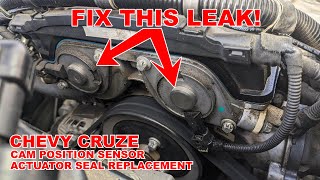
We Have This Part in Stock

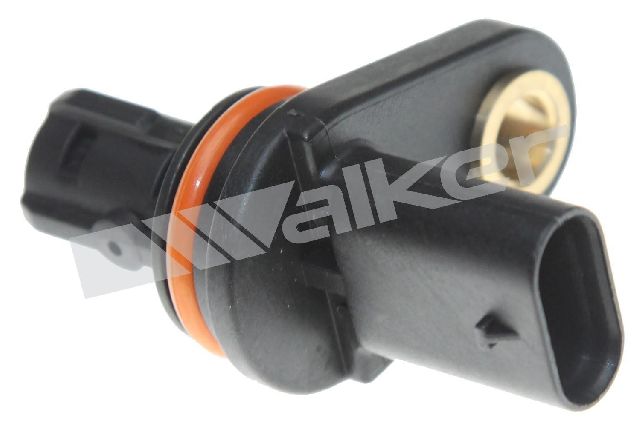
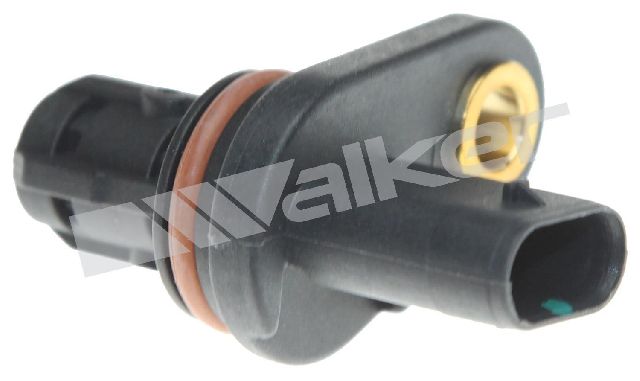
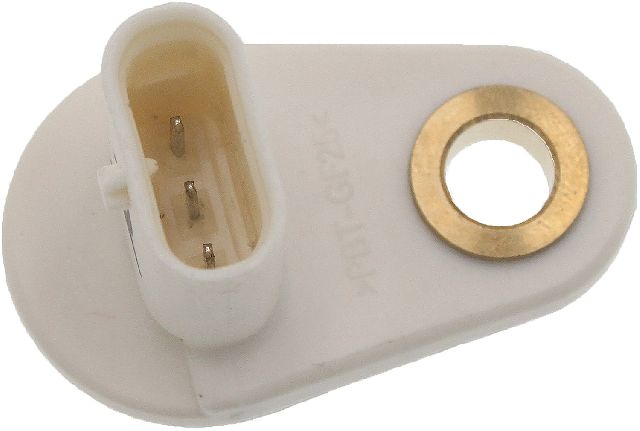

The information in this article is provided for general reference and educational purposes only. Vehicle specifications, procedures, and part compatibility can vary by production date, trim level, and region. Always consult your vehicle's factory service manual and verify part numbers before purchasing or performing repairs. Safety-critical components such as airbags, seat belts, and braking systems should be installed by a qualified professional.
- Chevrolet Cruze:
- 🎬 Helpful Videos
- 🛍️ Shop This Part
- What's Unique About the 2011-2016 Chevrolet Cruze
- Symptoms You May Notice
- Most Likely Causes
- Rare But Worth Checking
- Diagnosis Steps
- Parts You'll Likely Need
- Related Codes That Often Appear With This One
- Technical Service Bulletins (TSBs) & Recalls
- Platform-Specific Known Issues
- Mechanic-Grade Diagnostic Values
- Scan Tool Commands That Help
- Wiring & Ground Locations
- Real Owner Repair Stories
- "I Checked Everything" — The Actual Cause
- When the Usual Fixes Don't Work
- OEM Part Supersession History
- Model Year Variations Within This Range
- Diagnostic Flowchart
- Other Known Issues on This Vehicle
- Used vs. New Parts: Buying Guide for This Vehicle
- Real Owner Stories
- 2011 Chevrolet Cruze 1.8L
- 2012 Chevrolet Cruze 1.8L
- Related OBD-II Codes
- Frequently Asked Questions
- 🎟️ Get 5% Off