

P0013 on 2011-2014 Ford Mustang 5.0: 'B' Camshaft Position Actuator Circuit Fixes
On a 2011-2014 Mustang 5.0L, code P0013 almost always points to a faulty Bank 1 (passenger side) exhaust VCT solenoid or its wiring. The solenoid is under the valve cover, making replacement a 2-4 hour job. Expect to pay $40-$80 for a single Motorcraft solenoid.
- P0013 on a 5.0L Mustang points to an electrical fault with the passenger side exhaust VCT solenoid or its wiring.
- Before major work, always check your engine oil level and condition, as low or dirty oil can cause VCT problems.
- The most likely fix is replacing the VCT solenoid, but this requires removing the valve cover.
- Do not confuse the VCT solenoid (actuator) with the camshaft position sensor; they are different parts.
- While the valve cover is off, it is wise to replace both the intake and exhaust solenoids on that bank to save on future labor.
What's Unique About the 2011-2014 Ford Mustang
The 5.0L Coyote V8 uses a sophisticated Twin Independent Variable Camshaft Timing (Ti-VCT) system with four VCT solenoids. While robust, these solenoids are a common failure point, often leading to codes like P0013. Unlike many other engines where VCT solenoids are easily accessible on the outside of the engine, on the Coyote V8 they are located underneath the valve covers. This makes diagnosis and replacement a more involved job that requires removing the valve cover.
🎬 See this walkthrough on removing the Coyote valve cover.Symptoms You May Notice
- Check Engine Light is on
- Rough, unstable, or lumpy idle
- Engine hesitates or loses power during acceleration
- Engine stalling when coming to a stop
- Decreased fuel economy
- Rattling noise from the engine
- Replacing the camshaft position sensor. P0013 is a code for the actuator (solenoid) circuit, not the position sensor. While they work together, this code points specifically to an electrical fault 🎬 Watch: Diagnosing and fixing the P0013 actuator circuit code. with the solenoid or its wiring.
Most Likely Causes
- Failed Bank 1 Exhaust VCT Solenoid 🔴 High Probability The VCT solenoids on the 5.0L Coyote are a known common failure item. They can fail electrically or become clogged with oil sludge, especially with extended oil change intervals.
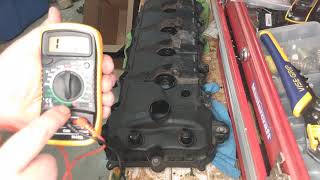
How to confirm: After removing the valve cover, test the resistance of the solenoid with a multimeter set to Ohms. A good solenoid should read between 5 and 15 Ohms; a common reading for a functional one is around 8.3 Ohms. 🎬 Watch: How to test VCT solenoid resistance with a multimeter. An open circuit (infinite resistance) or a reading far outside this range confirms failure. A common diagnostic trick is to swap the suspect solenoid with the intake solenoid on the same bank and see if the code changes to P0010.
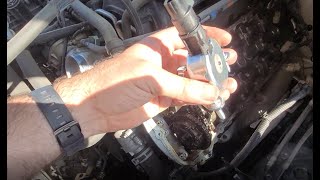
Typical fix: Replace the faulty VCT solenoid. Since the valve cover must be removed, many owners choose to replace both the intake and exhaust solenoids on that bank at the same time.
Est. part cost: $40-$80 - Wiring or Connector Issue 🟡 Medium Probability The wiring harness connector for the VCT solenoid can become brittle from heat cycles, causing loose pins or broken wires inside the connector housing. This is especially common on vehicles used for track days. Ford offers serviceable replacement connectors (pigtails) that can be spliced into the harness.
How to confirm: Visually inspect the main VCT connector at the front of the valve cover for damage or corrosion. If accessible, check the individual solenoid connector under the valve cover. A user on TrackMustangsOnline.com found the green wire had broken off inside the connector. Perform a continuity test on the wires running from the PCM to the solenoid connector to check for breaks or shorts.
Typical fix: Repair the damaged section of wiring or replace the solenoid pigtail connector.
Est. part cost: $15-$30 - Low or Dirty Engine Oil ⚪ Low Probability The VCT system is hydraulic and relies on clean oil at the correct pressure to function. Using the wrong viscosity oil or having a very low oil level can starve the solenoids or clog their internal screens, causing them to set circuit codes, although performance codes (like P0014/P0015) are more common.
How to confirm: Check the oil level on the dipstick and inspect the oil's condition. If it is very low, dark, or sludgy, this could be a contributing factor.
Typical fix: Perform an oil and filter change using the manufacturer-specified grade of oil (5W-20 for this engine).
Est. part cost: $50-$100
Rare But Worth Checking
- Faulty Powertrain Control Module (PCM): This is very rare. The PCM should only be considered after all other possibilities, including the solenoid and wiring, have been thoroughly tested and ruled out. One owner on a forum suspected a bad PCM after confirming all four VCT solenoids were good and the connector voltage was low.
Diagnosis Steps
- Read the code with an OBD-II scanner to confirm P0013 is present.
- Check the engine oil level and condition. If low or dirty, correct this first as it can impact the entire VCT system.
- Disconnect the main engine harness where it connects to the Bank 1 VCT solenoids (at the front of the passenger side valve cover). Inspect the connectors for any signs of damage, corrosion, or oil intrusion.
- If the connector looks good, you must remove the passenger side valve cover to access the solenoids.
- Once the valve cover is off, locate the exhaust VCT solenoid (it's one of the two solenoids at the front of the cylinder head).
- Disconnect the solenoid and use a multimeter to measure its resistance. A healthy solenoid should read between 5-15 Ohms. An open circuit (infinite resistance) or a reading outside this range indicates a bad solenoid.
- If the solenoid resistance tests okay, the problem is likely in the wiring. Check for continuity and for shorts to power or ground in the harness between the PCM and the solenoid connector. Pay close attention to the connector pigtail itself for broken wires.
- If the solenoid is confirmed bad, replace it. It is recommended to replace both solenoids on that bank while the valve cover is off.
- Reassemble the engine, clear the codes, and perform a test drive to ensure the problem is resolved.
Parts You'll Likely Need
- Variable Camshaft Timing (VCT) Solenoid
(OEM #BR3Z-6M280-F (supersedes BR3Z-6M280-E, BR3Z-6M280-D))— This is the most common failure point for code P0013. It is an electro-hydraulic valve that controls oil flow to the cam phaser and is prone to electrical failure or clogging.
Trusted brands: Motorcraft, Dorman
OEM price range: $40-$80
Aftermarket price range: $25-$60 - Valve Cover Gasket Kit — The valve cover must be removed to access the VCT solenoids on the 5.0L Coyote engine. The gasket should always be replaced to prevent oil leaks.
Trusted brands: Motorcraft, Fel-Pro
OEM price range: $50-$90
Aftermarket price range: $30-$60 - VCT Solenoid Pigtail Connector
(OEM #AU2Z-14S411-DB)— The wiring connector is a frequent point of failure, with wires breaking internally. A replacement pigtail can be spliced in without replacing the entire engine harness.
Trusted brands: Standard Motor Products (e.g., S2860), Dorman, Ford
OEM price range: $20-$40
Aftermarket price range: $15-$30 - Upgraded VCT Solenoid Kit (Ford Performance)
(OEM #M-6297-M50A)— For high-performance or track applications, Ford Performance offers a more robust set of four VCT solenoids with stronger mounting provisions to better withstand vibration and heat.
Trusted brands: Ford Performance
OEM price range: $85-$115 (for a set of 4)
Aftermarket price range: N/A
Related Codes That Often Appear With This One
- P0014 — If the solenoid is stuck, it can cause the exhaust cam timing to be over-advanced, triggering a P0014 in addition to the P0013 circuit code.
- P0010 — This is the circuit code for the intake ('A') solenoid on the same bank. If there is a wiring harness issue affecting Bank 1, both codes may appear together.
- P0015 — If the solenoid fails in a way that causes the exhaust cam timing to be over-retarded, a P0015 may accompany the P0013 circuit code.
Technical Service Bulletins (TSBs) & Recalls
- SSM 49761 (supersedes 47787): While not for P0013, this Ford Special Service Message is crucial for owners. It documents the common 'Typewriter Tick' noise on 5.0L engines, stating it is a normal characteristic and not detrimental to the engine, advising against repair attempts. This helps differentiate a benign noise from a symptom of VCT failure.
Platform-Specific Known Issues
- The VCT solenoids are located under the valve covers on the 5.0L Coyote engine, making replacement more labor-intensive than on many other engines.
- Wiring harness connectors for the VCT system can become brittle and fail, especially on cars that see high-heat conditions like track use. This can cause intermittent electrical faults that are hard to trace without inspecting the wiring under the valve cover.
Mechanic-Grade Diagnostic Values
- VCT Solenoid Coil Resistance — expected: 5.0 to 15.0 Ohms. A common reading on a good solenoid is ~8.3 Ohms.. Failure: An open circuit (infinite resistance) or a reading significantly outside the 5-15 Ohm range indicates a failed solenoid coil.
- Voltage at VCT Solenoid Connector (Key On, Engine Off) — expected: One pin should have battery voltage (~12V). The other is the control wire, which is ground-side switched by the PCM.. Failure: No voltage on the power supply pin points to a wiring or fuse issue upstream. No ground signal during active command points to a PCM or wiring issue.
Scan Tool Commands That Help
- Ford IDS (Integrated Diagnostic System) or equivalent high-end scanner: VCT Solenoid Output State Control — This bidirectional command allows a technician to manually command the VCT solenoid on and off while monitoring the engine's response. When activating the Bank 1 exhaust solenoid at idle, the engine should run rough or stall. If there is no change in idle quality, it confirms a problem with the solenoid, wiring, or oil passages, even if resistance tests passed.
Wiring & Ground Locations
- PCM Connector C1381E, Pin 4 — The Powertrain Control Module (PCM) is located in the passenger side of the engine bay, next to the fuse box. C1381E is the middle connector of the three main PCM connectors.. This is the specific pin on the PCM that provides the switched ground signal for the Bank 1 Exhaust VCT Solenoid (VCT12). The wire color is White/Orange (WH-OG). Testing for continuity from this pin to the solenoid connector is the definitive way to check the control wire.
- G104 (Ground) — Located on the top right (passenger side) of the cowl/firewall in the engine bay.. This is a primary ground point for the Powertrain Control Module (PCM). A loose or corroded G104 can cause erratic behavior and various fault codes, including VCT circuit codes, due to an unstable PCM ground reference.
- G106 (Ground) — On the 5.0L engine, this ground is located on the right (passenger) side of the engine block.. This is a main engine block ground. While not directly tied to the VCT control circuit, a poor engine ground can create electrical noise and voltage differentials that may interfere with sensor and actuator operation.
OEM Part Supersession History
BR3Z-6M280-D→BR3Z-6M280-E, then BR3Z-6M280-F— Incremental design revisions for improved durability and performance. The solenoids are physically and electrically interchangeable for this application.
Heads up: While the solenoids are interchangeable, some owners report that the electrical connector design was updated on later solenoids, requiring the purchase of a new pigtail connector (AU2Z-14S411-DB) as the original harness plug may not fit securely on the newest part revision.
Model Year Variations Within This Range
- 2011 vs 2012-2014: In mid-2012, Ford changed the cylinder head bolts from 12mm to a shorter 11mm design. While this does not directly affect the VCT solenoids or the P0013 code, it is a notable internal engine change within this generation that mechanics should be aware of during more extensive repairs.
Diagnostic Flowchart
Other Known Issues on This Vehicle
Issues unrelated to this code that are worth knowing about as an owner of this generation:
- MT-82 Manual Transmission Problems 🔴 High — Common complaint across the 2011-2014 generation, leading to a class-action lawsuit. Issues include high-RPM lockout (especially shifting into 3rd), grinding gears, and premature synchronizer wear. (Ref: Multiple TSBs were issued to address fluid changes and shifting issues, but no full recall was issued by the NHTSA.)
- Benign 'Typewriter Tick' Engine Noise 🟡 Low — A very common, irregular ticking noise heard at idle once the engine is warm (~150°F). Often noticed after an oil change and best heard from the wheel well or bell housing area. (Ref: Ford Special Service Message (SSM) 49761 (previously 47787) states this is a normal operating characteristic of the 5.0L engine and does not affect durability. No repairs should be attempted.)
- Premature Water Pump Failure 🟠 Medium — Failures can occur as early as 40,000-70,000 miles. Symptoms often start with an intermittent squeal or chirp from the front of the engine, followed by a sudden catastrophic failure of the bearing, leading to rapid coolant loss.
- Sunken Intake Valves 🔴 High — A known defect affecting 2011-2013 and some early 2014 models where soft intake valve material caused the valve to recede into the cylinder head, leading to compression loss and persistent, difficult-to-diagnose misfires at idle.
- Excessive Oil Consumption 🟠 Medium — Some early (2011-2012) Coyote engines were prone to consuming oil, sometimes attributed to sticky oil control piston rings. Ford's guideline before considering it an issue is 1 quart per 1,000 miles. (Ref: TSB 11-7-7 was issued regarding potential powertrain damage from unauthorized modifications, which can be related to consumption issues.)
Used vs. New Parts: Buying Guide for This Vehicle
When a used part is the smart pick: Given the relatively low cost of new aftermarket or OEM VCT solenoids and the labor required to access them, using a part from a junkyard is generally not recommended. The risk of installing a used solenoid that fails shortly after is high. A used wiring pigtail connector, if in good condition, could be a viable option if a new one is not readily available.
Donor-vehicle mileage cap: roughly under 60000 miles for the part to have meaningful remaining life.
What to inspect on the donor part:
- For a wiring pigtail, ensure the plastic is not brittle or cracked.
- Check for any signs of corrosion on the electrical pins.
- Ensure the locking tab is intact and functional.
- Verify there is enough wire length for splicing.
OEM-only on this vehicle (don't cheap out):
- Powertrain Control Module (PCM)
Aftermarket brands forum-validated for this vehicle:
- Dorman (often includes new hardware)
- Standard Motor Products (SMP)
Brands owners have reported issues with on this vehicle:
- No-name, unbranded solenoids from online marketplaces have a high reported failure rate.
Real Owner Stories
Aggregated from forums and TSBs cited above. Mileages and costs reflect what owners reported in those sources.
2011-2014 Ford Mustang 5.0L
Symptoms: Check Engine Light (CEL) and Cam Position (bank 1) fault.
What fixed it: The dealer found a green wire had broken off inside the VCT connector pigtail and fixed it by splicing in a new serviceable connector.
Source hint: TrackMustangsOnline.com thread: 'P0013 CEL and Cam Position (bank1) fault'
Ford Mustang Boss 302
Symptoms: P0013 code appearing after track use.
What fixed it: Repairing the VCT harness/connectors which failed due to heat and vibration.
Source hint: TrackMustangsOnline.com thread: 'P0013'
2011-2014 Ford Mustang 5.0L
Symptoms: OBD II DTC P0013 Bank 1 Exhaust VCT Solenoid; measured low voltage at the connector despite solenoids testing within resistance specs.
What fixed it: Suspected deeper wiring or PCM issue after confirming all four solenoids were within Ohms specification.
Source hint: Mustang6G.com thread: 'OBD II DTC P0013 Bank 1 Exhuast VCT Solenoid'
Related OBD-II Codes
Frequently Asked Questions
Is the 'Typewriter Tick' noise on my 2011-2014 Mustang 5.0L a sign that my VCT solenoids are failing?
Can I test if the Bank 1 Exhaust VCT solenoid is actually bad before removing the valve cover?
Is there a specific diagnostic trick for the 5.0L Coyote to confirm the solenoid is the problem?
Why is my Mustang throwing P0013 after a track day?
Does the Ford F-150 with the 5.0L engine suffer from the same P0013 issues as the Mustang?
What oil should I use to prevent VCT-related circuit codes on my 2012 Mustang GT?
Helpful Videos
Used OEM Parts in Stock
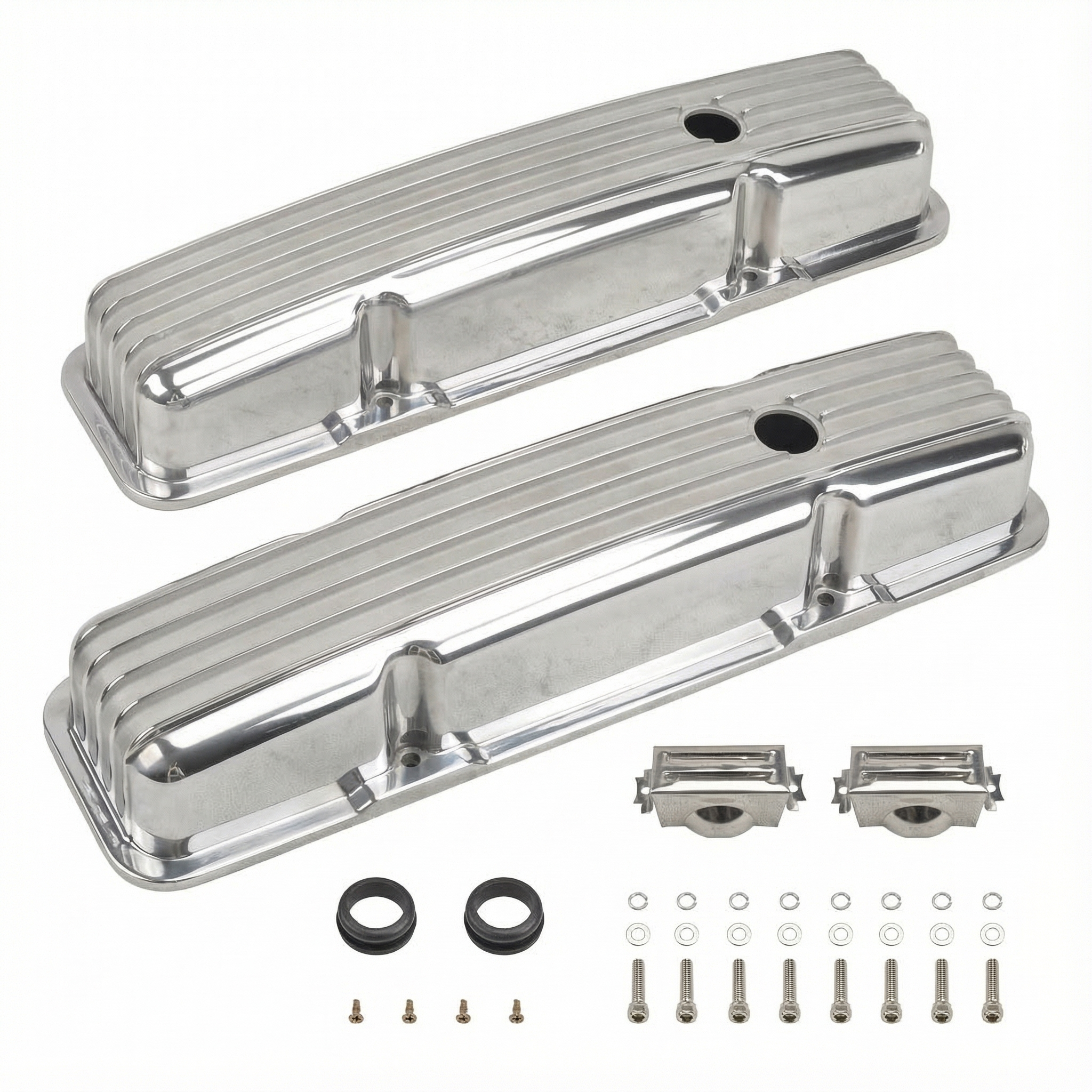
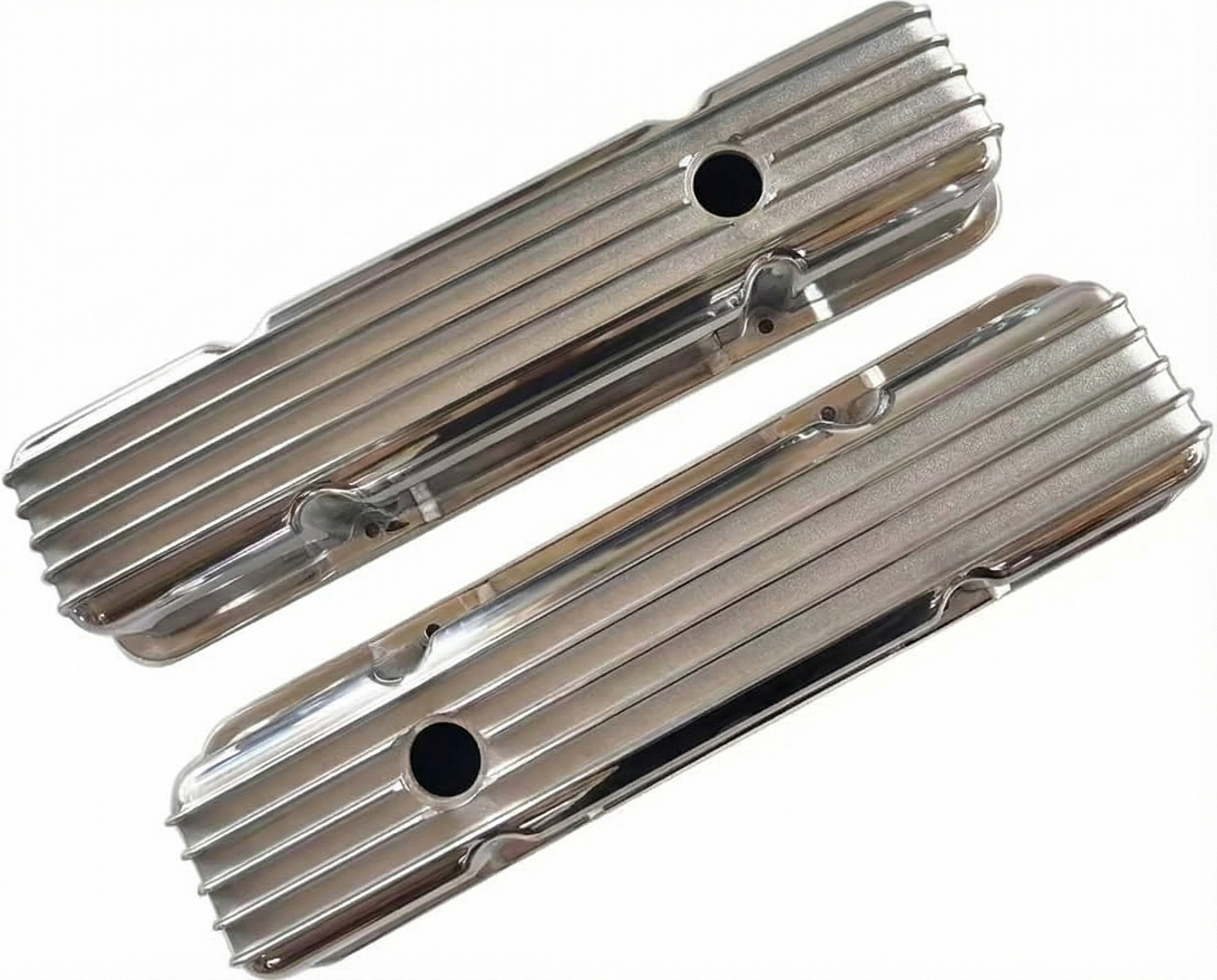
New Aftermarket Parts Available
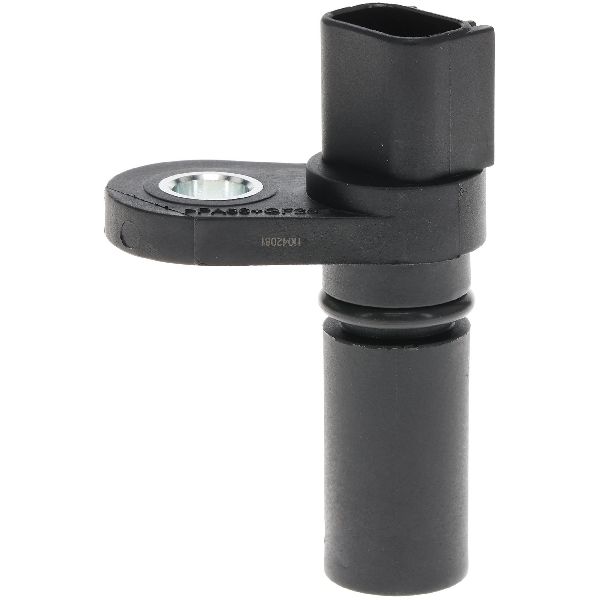
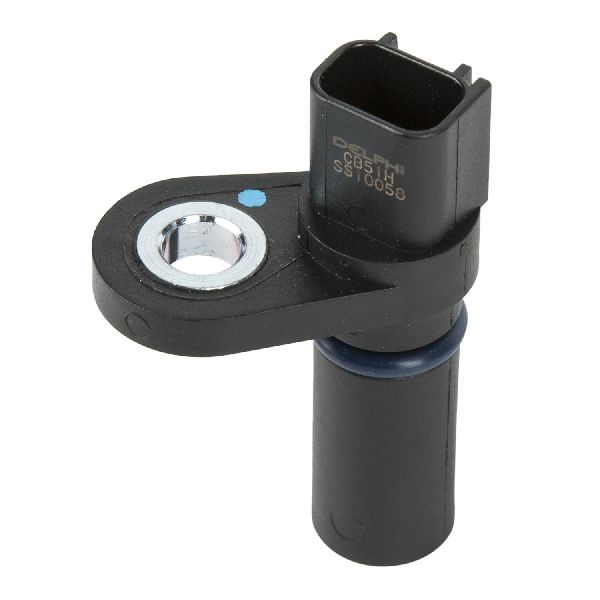

The information in this article is provided for general reference and educational purposes only. Vehicle specifications, procedures, and part compatibility can vary by production date, trim level, and region. Always consult your vehicle's factory service manual and verify part numbers before purchasing or performing repairs. Safety-critical components such as airbags, seat belts, and braking systems should be installed by a qualified professional.
- Ford Mustang:
- 🎬 Helpful Videos
- 🛍️ Shop This Part
- What's Unique About the 2011-2014 Ford Mustang
- Symptoms You May Notice
- Most Likely Causes
- Rare But Worth Checking
- Diagnosis Steps
- Parts You'll Likely Need
- Related Codes That Often Appear With This One
- Technical Service Bulletins (TSBs) & Recalls
- Platform-Specific Known Issues
- Mechanic-Grade Diagnostic Values
- Scan Tool Commands That Help
- Wiring & Ground Locations
- OEM Part Supersession History
- Model Year Variations Within This Range
- Diagnostic Flowchart
- Other Known Issues on This Vehicle
- Used vs. New Parts: Buying Guide for This Vehicle
- Real Owner Stories
- 2011-2014 Ford Mustang 5.0L
- Ford Mustang Boss 302
- 2011-2014 Ford Mustang 5.0L
- Related OBD-II Codes
- Frequently Asked Questions
- 🎟️ Get 5% Off