

P0012 on 2018-2023 Kia Stinger 3.3T: Causes and Fixes for Camshaft Timing
On the Kia Stinger 3.3T, code P0012 is most often caused by low or dirty engine oil, or a failing Bank 1 (passenger side) intake Oil Control Valve (OCV). An oil change is the first step; if that fails, replacing the OCV is the next likely fix, costing around $50-$150 for the part. This issue is common on the platform-mate Genesis G70 3.3T as well.
- P0012 on your Stinger means the passenger-side intake camshaft timing is lagging.
- First, check your oil. Low or dirty oil is the #1 cause. An oil change with the correct 5W-30 synthetic oil might fix it.
- If an oil change doesn't work, the next most likely culprit is the Bank 1 intake Oil Control Valve (OCV), which is a DIY-friendly replacement.
- Do not immediately replace the camshaft position sensor; it is rarely the cause of this specific code.
- If you hear a rattling noise on startup, the issue could be a more serious timing chain problem requiring professional diagnosis.
What's Unique About the 2018-2023 Kia Stinger
The Kia Stinger's Lambda II 3.3T engine uses a sophisticated Dual-CVVT system that relies entirely on clean engine oil at the correct pressure to function. While the engine is generally robust, the CVVT system's oil control valves (solenoids) can become clogged or fail, which is a common trigger for timing codes like P0012. This issue is shared with its platform-mate, the Genesis G70 3.3T. A notable issue for this engine family is a recall (NHTSA ID: 23V427000, Kia SC275) for a deteriorating left-hand (Bank 2) turbocharger oil feed pipe, which can cause oil leaks and low oil levels, indirectly leading to oil pressure-related codes like P0012.
Symptoms You May Notice
- Check Engine Light is on
- Rough or unstable idle
- Engine hesitates or stumbles on acceleration
- Reduced engine power
- Decreased fuel economy
- Engine may be difficult to start
- Rattling or knocking sounds from the engine bay
- Replacing the camshaft position sensor. While possible, a faulty sensor itself will typically throw a different code related to the sensor circuit (e.g., P0340, P0341). P0012 is a mechanical timing correlation error, not an electrical sensor error.
Most Likely Causes
- Low or Dirty Engine Oil 🔴 High Probability The CVVT system uses oil pressure to adjust cam timing. Small oil passages can easily get restricted by sludge or debris from old oil or low levels. The related recall for the turbo oil feed line highlights a potential source for oil loss that can trigger this code.
How to confirm: Check the oil level on the dipstick and inspect the oil's color and consistency. If it's low, black, or sludgy, it needs to be changed. Ensure the correct oil viscosity is used, as a misprinted oil cap was subject to a service campaign (SC169).
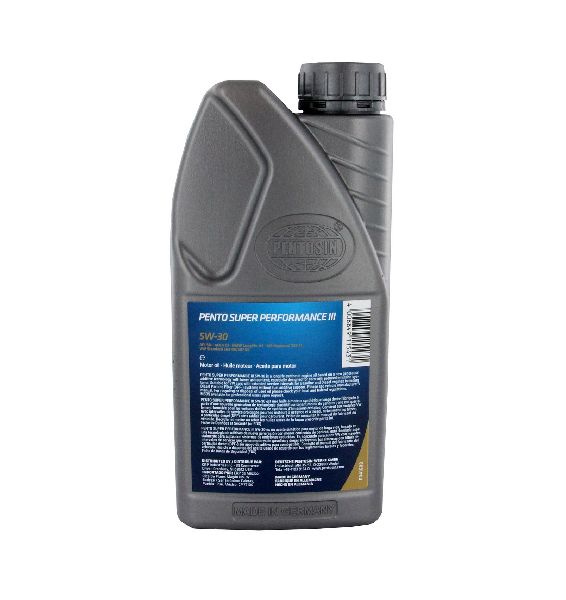
Typical fix: Perform an oil and filter change using a high-quality full synthetic oil that meets Kia's specifications (typically 5W-30).
Est. part cost: $50-$100 - Faulty Intake Oil Control Valve (OCV) / VVT Solenoid 🟡 Medium Probability These solenoids control oil flow to the cam phasers. They can become clogged with sludge or fail electrically over time, preventing proper cam adjustment. This is a widely reported failure point on both the Stinger and Genesis G70 forums.
How to confirm: Locate the Bank 1 (passenger side) intake OCV. You can test its resistance with a multimeter (a common spec for Kia/Hyundai is 6.9-7.9 ohms, but verify for your specific part). You can also temporarily swap the intake and exhaust OCVs on Bank 1 (if they are identical parts) or swap the Bank 1 intake OCV with the Bank 2 intake OCV. If the code changes to P0015 (exhaust) or P0022 (Bank 2) respectively, the OCV is faulty.
Typical fix: Replace the Bank 1 intake Oil Control Valve. It is a relatively accessible part on the front of the cylinder head, held by a single 10mm bolt.
Est. part cost: $70-$150 - Stretched Timing Chain or Worn Guide/Tensioner ⚪ Low Probability While less common on the Lambda II engine than other platforms, high mileage or poor maintenance can lead to timing chain stretch. This causes the base cam timing to be off, and the CVVT system can only compensate so much before throwing a code.
How to confirm: Listen for a distinct rattling noise from the front of the engine, especially on cold starts, that lasts for a few seconds. Confirming requires significant disassembly to inspect the timing marks and chain tension.
Typical fix: This is a major repair that involves replacing the timing chains, guides, and tensioners.
Est. part cost: $400-$800
Rare But Worth Checking
- Failing Camshaft Phaser (CVVT Actuator): This is the gear on the end of the camshaft. It can fail mechanically, getting stuck in one position. It's less common than an OCV failure and much more expensive to fix, as it requires timing chain removal.
- Clogged Oil Passages or VVT Filter Screen: Severe engine sludge can block the small oil passages leading to the cam phaser or within the cylinder head. Some engines also have small, serviceable filter screens in the oil passages that can become clogged and are sometimes overlooked. This usually indicates a history of severely neglected oil changes and may require extensive engine cleaning or repair.
Diagnosis Steps
- Verify the code with an OBD-II scanner.
- Check the engine oil level and condition. If low or dirty, perform an oil and filter change with the manufacturer-specified oil type (5W-30). Clear the code and see if it returns.
- If the oil is clean and full, inspect the wiring and connector for the Bank 1 (passenger side) intake Oil Control Valve (OCV) for any damage or corrosion.
- Using a capable scanner, monitor the desired vs. actual camshaft angle for Bank 1. If there is a significant lag, the problem is likely mechanical/hydraulic.
- Test the OCV. You can apply 12V power to see if it clicks, or measure its internal resistance with a multimeter (target 6.9-7.9 ohms).
- A highly effective diagnostic step is to swap the Bank 1 intake OCV with the Bank 2 intake OCV. They are located on the front of each cylinder head and held by a single 10mm bolt. Clear codes and drive the vehicle. If the code changes to P0022 (Bank 2 Over-Retarded), the OCV is confirmed to be faulty.
- If the OCV tests good and the swap doesn't move the code, the issue is more advanced. Suspect a clogged oil passage, a failing cam phaser, or a timing chain issue. Professional diagnosis is recommended at this point.
Parts You'll Likely Need
- Intake Oil Control Valve (OCV) / VVT Solenoid
(OEM #24360-3CGA1)— This solenoid is the most common component to fail or clog, leading directly to the P0012 code. Forum consensus strongly favors using the OEM part over aftermarket alternatives for reliability.
Trusted brands: Hyundai/Kia Genuine
OEM price range: $70-$150
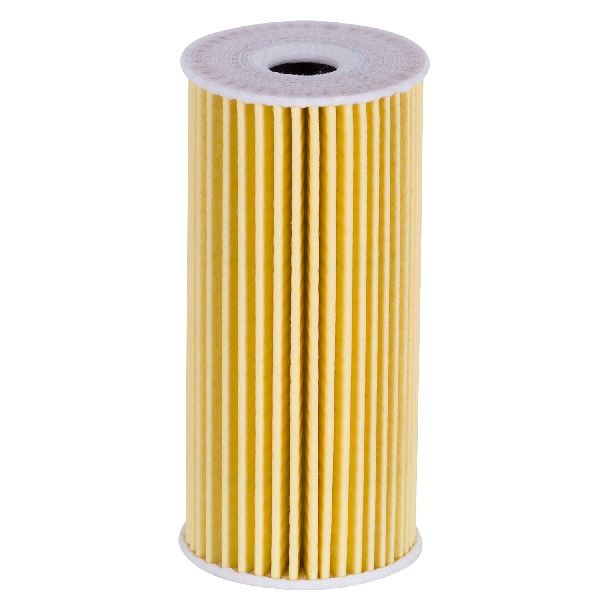
Aftermarket price range: $50-$90 - Engine Oil and Filter — Incorrect or degraded oil is the leading cause of CVVT system problems and should always be the first step in resolving this code.
Trusted brands: Pennzoil, Mobil 1, Castrol
OEM price range: $70-$120
Aftermarket price range: $50-$80
Related Codes That Often Appear With This One
- P0011 — Intake Camshaft Position Timing - Over-Advanced (Bank 1). This code is the opposite of P0012 and can indicate a stuck OCV or other oil pressure issues.
- P0022 — Intake Camshaft Position Timing - Over-Retarded (Bank 2). This is the same fault as P0012 but on the driver's side bank, suggesting a systemic issue like low/dirty oil or a pending failure of the other OCV.
- P0021 — Intake Camshaft Position Timing - Over-Advanced (Bank 2). The equivalent of P0011 for the driver's side bank.
Technical Service Bulletins (TSBs) & Recalls
- SC275 / NHTSA 23V427000: Recall for deteriorating left-hand turbocharger oil feed pipe which can cause oil leaks.
- SC169: Service campaign to inspect and replace misprinted engine oil filler caps on some 2018 models.
- SA341: Service action for a TCU logic update on early 2018 models to improve shifting, unrelated to P0012 but relevant to platform updates.
Platform-Specific Known Issues
- The recall for the left-hand (Bank 2) turbocharger oil feed pipe (Kia recall SC275 / NHTSA 23V427000) is a critical point of context. A leak here can cause system-wide low oil levels, starving the Bank 1 CVVT system and triggering P0012 even though the leak is on the other side of the engine.
- A service campaign (SC169) was issued for misprinted oil filler caps on some 2018 models, which could lead to the wrong viscosity oil being used. Using oil other than the specified 5W-30 can affect CVVT performance.
Mechanic-Grade Diagnostic Values
- Bank 1 Intake Oil Control Valve (OCV) Coil Resistance — expected: 6.9 - 7.9 Ohms at 68°F (20°C). Failure: A reading of infinity (open circuit) or near-zero (short circuit) indicates a failed solenoid coil.
- OCV Connector Voltage (Key On, Engine Off) — expected: ~12V (Battery Voltage) on the power supply pin.. Failure: No voltage suggests a problem in the wiring, a blown fuse, or an issue with the power supply from the engine main relay, not the OCV itself.
- Scan Tool Live Data: CVVT Actual vs. Desired Angle (Bank 1 Intake) — expected: The 'Actual Position' PID should closely track the 'Desired Position' PID within a few degrees as engine RPM and load change.. Failure: A large, persistent gap where the 'Actual' value is stuck or lags significantly behind the 'Desired' value points to a mechanical/hydraulic fault in the CVVT system.
- Oil Filter Housing Cap Torque Spec — expected: 24-28 Nm (approx. 18-21 ft-lbs). Failure: Over-tightening the plastic housing can cause it to crack, leading to oil leaks. Under-tightening can also cause leaks.
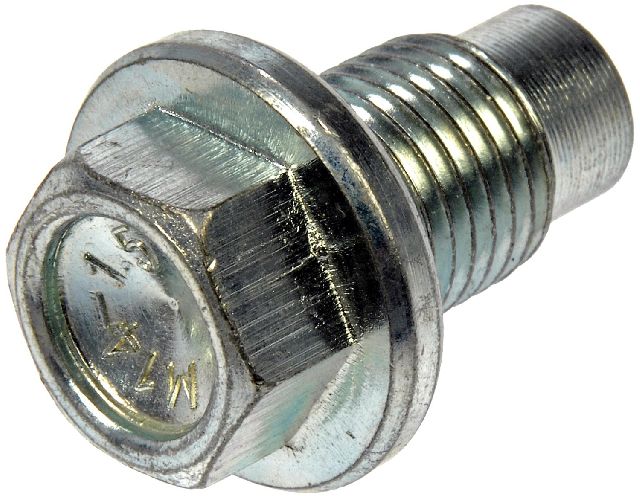
- Oil Drain Plug Torque Spec — expected: 25-32 ft-lbs. Failure: N/A
Scan Tool Commands That Help
- Hyundai GDS (Global Diagnostic System): Active Test for CVVT System — This bidirectional command allows a technician to manually command the OCV to operate while monitoring the camshaft position sensor data. This can confirm if the OCV is physically responding to electrical commands from the ECM, helping to isolate a faulty OCV from a wiring or oil pressure problem.
Wiring & Ground Locations
- 91860-J5010 — This is the part number for the main engine ground wiring assembly for the 3.3L Stinger.. A poor engine ground can cause a variety of electrical issues, including erratic sensor readings and incorrect solenoid operation. While not a primary cause for P0012, verifying the integrity of main engine grounds is a good practice if electrical issues are suspected.
Real Owner Repair Stories
- Go-Parts / stingerforum.org (2018-2023 Kia Stinger GT (3.3T)) — P0012 code triggered.
❌ Tried (didn't work) Not specified, but the diagnostic path implies an oil change was likely performed first.
✅ What actually fixed it A diagnostic swap of the Bank 1 and Bank 2 Oil Control Valves (OCVs) was performed. The fault code moved to the other bank (P0022), confirming the original Bank 1 OCV was faulty. Replacing the bad OCV (part #24355-3L100 was cited for the G70, which is interchangeable) resolved the issue.
OEM Part Supersession History
24360-3CGA1→N/A - This appears to be the current part number for the Bank 1 Intake OCV.— N/A
Heads up: The part number 24360-3CAB1 is for the EXHAUST OCV on some Kia 3.5L engines and should not be used. The part number for the 2.0T engine is also different (e.g., 24360-2GGD0) and is not compatible. Always verify the part number with the vehicle's VIN.24350-3CGA1→N/A— N/A
Heads up: This is the part number for the intake CVVT actuator (phaser) itself, not the solenoid. It is listed for various 3.3L/3.8L Lambda engines from 2014-2018 and may fit the Stinger, but should be verified with VIN.
Model Year Variations Within This Range
- 2022-2023: For the 2022 model year refresh, the 3.3T V6 engine received a new variable exhaust system which resulted in a slight power increase from 365 hp to 368 hp. While this change does not directly affect the cause or diagnosis of P0012, it is a notable variation in the engine's specification within the generation.
Diagnostic Flowchart
Other Known Issues on This Vehicle
Issues unrelated to this code that are worth knowing about as an owner of this generation:
- Turbocharger Oil Feed Pipe Leak (Bank 2) 🔴 High — Common enough to trigger a safety recall across all model years. (Ref: Kia Recall SC275 / NHTSA 23V427000)
- Hatch / Trunk Rattle 🟡 Low — A very common complaint across many model years, often appearing early in the vehicle's life. Usually fixed by adjusting bump stops or adding foam/washers.
- High-Pressure Fuel Pump (HPFP) Failure 🟠 Medium — Noted on both 2.0T and 3.3T engines, can cause stalling or loss of power. A recall was issued for the 2.0T, and the issue is documented for the 3.3T in related TSBs for the Genesis G70. (Ref: Recall SC281 (for 2.0T), TSB 25-FL-002G (for Genesis G70 3.3T))
- Intake Valve Carbon Buildup 🟠 Medium — A common long-term issue for all Gasoline Direct Injection (GDI) engines, including the Lambda II. Can cause rough idle, misfires, and performance loss over 60,000+ miles.
- Electronic Wastegate Actuator Rattle/Failure 🟡 Low — The electronic wastegate actuator rod can loosen over time, causing a rattling noise and potentially leading to boost control fault codes (like P2562). It is often resolved by a simple adjustment rather than replacement.
Used vs. New Parts: Buying Guide for This Vehicle
When a used part is the smart pick: For this specific repair, buying a used Oil Control Valve (OCV) is generally not recommended. The part is a common failure item and is relatively inexpensive to buy new from the OEM. The labor to replace it is low, but having to do the job twice because of a faulty used part negates any savings. A used part would only make sense in an emergency situation where a new part is unavailable.
Donor-vehicle mileage cap: roughly under 30000 miles for the part to have meaningful remaining life.
What to inspect on the donor part:
- If considering a used OCV, inspect the mesh screens for any tears, debris, or heavy sludge.
- Test the resistance with a multimeter before purchase; it should be within the 6.9-7.9 ohm specification.
- Ensure the electrical connector is free of corrosion or damage.
OEM-only on this vehicle (don't cheap out):
- Oil Control Valve (OCV) / VVT Solenoid
- Engine Oil Filter
Brands owners have reported issues with on this vehicle:
- Forum discussions and general mechanic advice for Hyundai/Kia CVVT systems strongly recommend avoiding unbranded, white-box aftermarket OCVs due to high rates of premature failure or out-of-spec performance, which can cause the code to return quickly.
Real Owner Stories
Aggregated from forums and TSBs cited above. Mileages and costs reflect what owners reported in those sources.
2018 Genesis G70 3.3T — 65000 miles
Symptoms: Owner reported issues with oil-related sensors on the Lambda II platform.
What fixed it: Replacement of the oil pressure sensor.
Source hint: reddit.com/r/StingerGT thread titled 'Any reported Kia Stinger Engine Issues?'
2018-2023 Kia Stinger 3.3T
Symptoms: Code P0012 or P0022 triggered; diagnostic involved swapping components between banks.
What fixed it: Replacing the relevant Oil Control Valve (OCV).
Source hint: genesisg70forum.com & stingerforum.org threads regarding P0012/P0022 OCV failures
Related OBD-II Codes
Frequently Asked Questions
Could the recent turbo oil feed line recall on my Stinger be related to the P0012 code?
I have a 2018 Stinger and my oil cap says a different viscosity than the manual. Which should I use to avoid VVT issues?
Is there a simple way to tell if my Bank 1 Intake Oil Control Valve is actually bad before buying a new one?
What is the correct electrical resistance for the OCV on the 3.3T GDi engine?
Does the Stinger's platform mate, the Genesis G70, suffer from this same P0012 issue?
Could a rattling sound from my engine bay be related to this timing code?
Helpful Videos
![How to Fix KIA P0012 Engine Code in 4 Minutes [2 DIY Methods / Only $6.86]](https://img.youtube.com/vi/yd2mhCc16c0/mqdefault.jpg)
Used OEM Parts in Stock

New Aftermarket Parts Available


The information in this article is provided for general reference and educational purposes only. Vehicle specifications, procedures, and part compatibility can vary by production date, trim level, and region. Always consult your vehicle's factory service manual and verify part numbers before purchasing or performing repairs. Safety-critical components such as airbags, seat belts, and braking systems should be installed by a qualified professional.
- Kia Stinger:
- 🎬 Helpful Videos
- 🛍️ Shop This Part
- What's Unique About the 2018-2023 Kia Stinger
- Symptoms You May Notice
- Most Likely Causes
- Rare But Worth Checking
- Diagnosis Steps
- Parts You'll Likely Need
- Related Codes That Often Appear With This One
- Technical Service Bulletins (TSBs) & Recalls
- Platform-Specific Known Issues
- Mechanic-Grade Diagnostic Values
- Scan Tool Commands That Help
- Wiring & Ground Locations
- Real Owner Repair Stories
- OEM Part Supersession History
- Model Year Variations Within This Range
- Diagnostic Flowchart
- Other Known Issues on This Vehicle
- Used vs. New Parts: Buying Guide for This Vehicle
- Real Owner Stories
- 2018 Genesis G70 3.3T — 65000 miles
- 2018-2023 Kia Stinger 3.3T
- Related OBD-II Codes
- Frequently Asked Questions
- 🎟️ Get 5% Off