

P0012 on 2012-2017 Kia Rio 1.6L: Causes and Fixes for Over-Retarded Camshaft Timing
On a 2012-2017 Kia Rio, code P0012 is most often caused by low or dirty engine oil. If the oil is clean and full, the next most likely culprit is a faulty intake Oil Control Valve (OCV), which is a relatively inexpensive part (around $40-$80 aftermarket) and is simple to replace. Always check oil first before replacing parts.
- First, check your engine oil. This code is very often caused by a low oil level or oil that is old and dirty.
- If the oil is fine, the next most likely cause is a faulty intake Oil Control Valve (OCV), part number 24355-2B700.
- Replacing the OCV is a DIY-friendly job that requires basic tools and can be done in under 30 minutes.
- Do not immediately assume the timing chain has failed; this is a less common and much more expensive repair. Rule out oil and the OCV first.
- Your vehicle has a serious, unrelated safety recall for a fire risk (SC284). Ensure this recall has been performed by a Kia dealer.
What's Unique About the 2012-2017 Kia Rio
The 1.6L Gamma GDI engine in the third-generation Kia Rio is generally reliable but highly sensitive to oil quality and maintenance intervals. Many drivability issues, including the P0012 code, trace back to oil-related problems like sludge buildup from infrequent oil changes or using the incorrect oil viscosity. While the code can point to a mechanical failure, the first and most critical diagnostic step for any Rio owner seeing P0012 should be a thorough check of the engine oil. This engine family was also part of a major class-action lawsuit for engine failures, making proper maintenance and documentation even more critical.
Symptoms You May Notice
- Check Engine Light is on
- Rough or unstable idle
- Engine stalling, especially at low speeds or when coming to a stop
- Poor acceleration and reduced engine power
- Decreased fuel economy
- Hard starting
- Rattling noise from the engine on startup
- Replacing the camshaft position sensor. While a sensor can fail, it is much more likely to trigger a specific sensor circuit code (e.g., P0340). P0012 is a mechanical timing correlation fault, not typically an electrical sensor fault.
Most Likely Causes
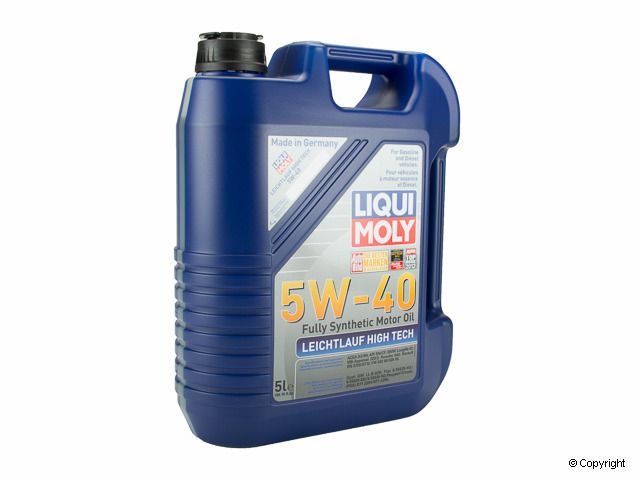
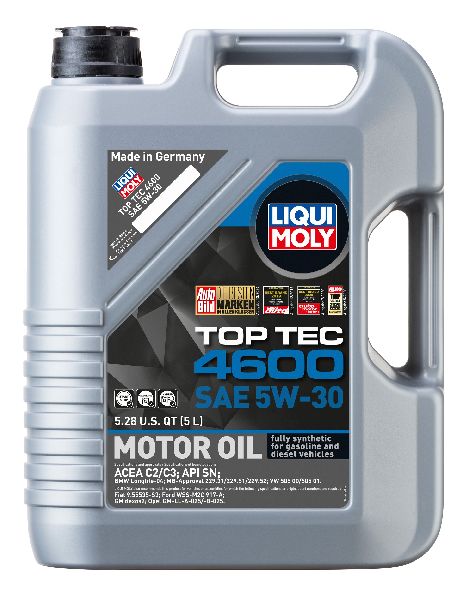
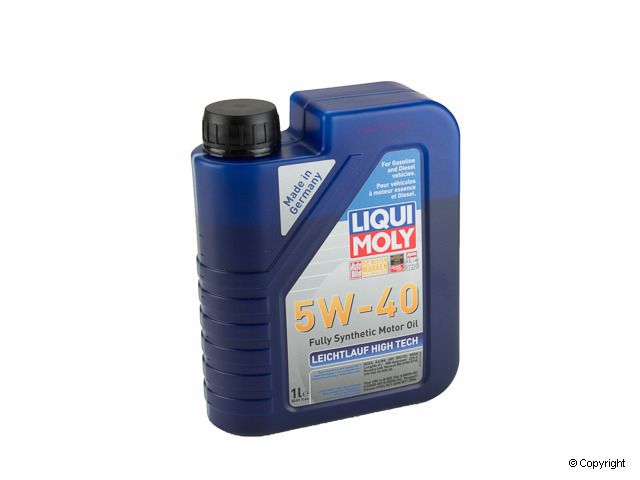
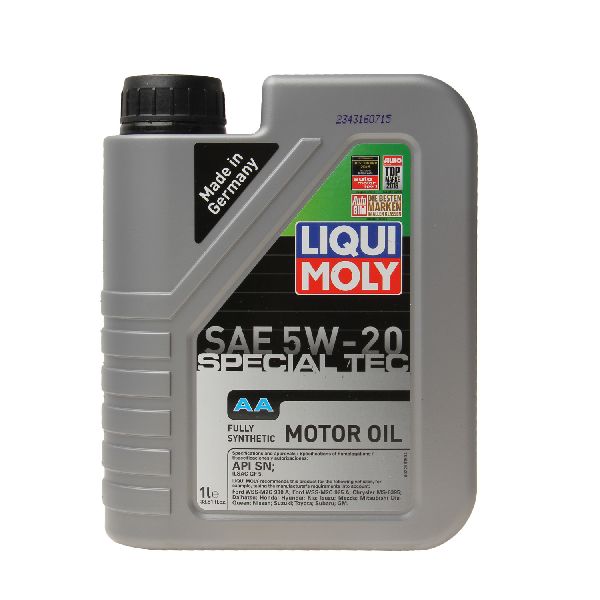
- Low, Dirty, or Incorrect Viscosity Engine Oil 🔴 High Probability The CVVT system is entirely dependent on oil pressure and cleanliness. GDI engines can be prone to oil contamination and consumption, making regular oil checks and changes using full synthetic 5W-20 oil critical.
How to confirm: Check the oil level on the dipstick. Observe the oil's color and consistency. If it is low, excessively black, or feels gritty/sludgy, this is the likely cause.
Typical fix: Top up the oil to the correct level or perform a complete oil and filter change using a full synthetic oil of the manufacturer-recommended viscosity (typically 5W-20).
Est. part cost: $30-$60 - Failing Intake Oil Control Valve (OCV) / VVT Solenoid 🟡 Medium Probability The OCV is a small solenoid that can become clogged with sludge from dirty oil or can fail electrically over time. It's a very common failure point for this code across many vehicles using this engine family.
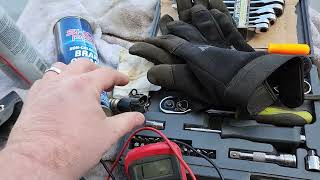
How to confirm: Remove the OCV (typically held by one 10mm bolt on the valve cover). Inspect its filter screens for sludge or debris. You can test its function by applying 12V power to its terminals; a healthy solenoid will make an audible click. Resistance can be checked with a multimeter and should be between 6.9 and 7.9 ohms. 🎬 Watch: A step-by-step guide to testing your VVT solenoid.
Typical fix: Replace the intake Oil Control Valve. It is recommended to use an OEM part (Kia P/N: 24355-2B700).
Est. part cost: $40-$120 - Stretched Timing Chain or Faulty Tensioner ⚪ Low Probability While not as common as oil issues or a bad OCV, timing chains can stretch over high mileage (typically over 80,000-100,000 miles), especially if oil changes have been neglected.
How to confirm: Listen for a distinct rattling noise from the engine for a few seconds during a cold start. Confirmation requires significant disassembly to visually inspect the chain for slack and check timing marks.
Typical fix: Replace the timing chain, guides, and tensioner. This is a complex and labor-intensive job.
Est. part cost: $150-$300
Rare But Worth Checking
- Clogged OCV Filter Screen: Some Hyundai/Kia engines have a small, separate filter screen in the cylinder head oil passage leading to the OCV. This can get clogged with sludge, starving the OCV of oil pressure even if the OCV itself is good. It's often overlooked and difficult to access.
- Failed CVVT Cam Phaser: The mechanical gear on the end of the camshaft can fail internally and get stuck, often making a rattling noise. This is less common and more expensive to fix than an OCV solenoid.
- Worn Camshaft or Journals: In severe cases of oil starvation or contamination, the camshaft itself or its journals in the cylinder head can be damaged. One owner reported chasing a P0012 code, and after replacing the OCV, discovered the true cause was a worn-out camshaft creating metal debris in the engine, necessitating a full engine replacement.
Diagnosis Steps
- Check the engine oil level and condition. If it is low, dirty, or the wrong viscosity, perform an oil and filter change with full synthetic 5W-20 oil. Clear the code and see if it returns. This is the most common fix. 🎬 Watch: Two quick DIY methods to fix the P0012 code.
- Use an OBD-II scanner to check for any other pending or active trouble codes.
- Locate the intake Oil Control Valve (OCV) on the top of the engine's valve cover (it will be the one closer to the intake manifold).
- Disconnect the electrical connector and remove the single 10mm bolt holding it in place.
- Carefully pull the OCV out. Inspect the small filter screens on the valve for metal shavings or sludge. Clean it with brake cleaner if it's dirty and re-test.
- Test the OCV's coil resistance with a multimeter. It should measure between 6.9 and 7.9 ohms. If it's outside this range, it's faulty.
- Test the OCV's mechanical function by applying 12V from the battery to its two pins. You should hear a distinct click as the internal plunger moves.
- If the OCV passes all tests, listen carefully for a rattling sound from the engine during a cold start, which could indicate a stretched timing chain or faulty CVVT phaser.
- If the problem persists after addressing oil and the OCV, the issue may be a stretched timing chain, a faulty tensioner, or a failed cam phaser, which typically requires professional diagnosis.
Parts You'll Likely Need
- Intake Oil Control Valve (VVT Solenoid)
(OEM #24355-2B700)— This solenoid is the most common mechanical part to fail or clog, directly causing the over-retarded timing condition. It is used across many Kia/Hyundai 1.6L engines.
Trusted brands: Kia (Genuine OEM), Hyundai (Genuine OEM), Dorman (918-024), Delphi
OEM price range: $80-$120
Aftermarket price range: $40-$80 - Engine Oil and Filter — Low, dirty, or incorrect oil is the number one cause of this code, as the entire CVVT system is dependent on oil pressure.
Trusted brands: Kia (Genuine OEM Filter), Mobil 1, Castrol, Pennzoil
OEM price range: $40-$70
Aftermarket price range: $30-$60
Related Codes That Often Appear With This One
- P0011 — This is the code for 'Timing Over-Advanced'. Seeing both codes intermittently could point to a very erratic OCV solenoid or severe oil sludge issues causing unpredictable cam phaser movement.
- P0016 — This code indicates a 'Crankshaft Position - Camshaft Position Correlation' error. If the timing chain has stretched or jumped, it can throw off the base timing enough to trigger both the correlation code and the over-retarded code.
Technical Service Bulletins (TSBs) & Recalls
- SC284UB: This bulletin details the procedure for the HECU fire risk recall, which involves replacing the HECU fuses with lower amperage ones (40A to 30A for ABS1, 40A to 20A for ABS2).
- Kia CVVT Oil Control Valve Inspection Guide: A technical document outlining test procedures for CVVT-related DTCs including P0012, P0011, and P0016, confirming the commonality of these related codes.
Platform-Specific Known Issues
- CRITICAL SAFETY RECALL: HECU Fire Risk: The 2012-2017 Kia Rio is under a recall (NHTSA Campaign Number: 23V652000, Kia recall SC284) for a Hydraulic Electronic Control Unit (HECU) that may short circuit, potentially causing an engine compartment fire while parked or driving. The fix involves dealers replacing fuses in the junction box. Owners are advised to park outdoors and away from structures until the recall repair is performed.
- IMPORTANT WARRANTY EXTENSION: Engine Failure Lawsuit: Due to a class-action settlement regarding engine failures on Gamma GDI engines, Kia has extended the engine warranty to 15 years or 150,000 miles for certain connecting rod bearing failures. The settlement also provides for the installation of a Knock Sensor Detection System (KSDS) software update to monitor for signs of impending failure. Owners should contact a Kia dealer to ensure their vehicle has this update and to understand their warranty coverage.
Mechanic-Grade Diagnostic Values
- Intake Oil Control Valve (OCV) Coil Resistance — expected: 6.9 - 7.9 Ohms at 68°F (20°C). Failure: A reading outside this range, or an open/short circuit (0 or infinite ohms), indicates a failed solenoid coil.
- Scan Tool Live Data: Desired vs. Actual Camshaft Angle — expected: At idle, the 'Actual Intake Cam Angle' should closely match the 'Desired Intake Cam Angle'.. Failure: A consistent lag where the actual angle is more than 5-10 degrees retarded from the desired angle. The ECM typically sets DTC P0012 when this deviation exceeds a threshold for more than a few seconds.
- CVVT Oil Control Valve (OCV) Control Output at ECM — expected: Varies with engine speed and load (Pulse Width Modulated signal).. Failure: No signal or a constant voltage may indicate a wiring issue or a failed ECM driver.
Scan Tool Commands That Help
- Kia GDS (Global Diagnostic System) or equivalent professional scanner: CVVT Actuator Test — This bidirectional command allows the technician to manually activate the OCV solenoid to verify its mechanical operation and observe the resulting change in camshaft angle on live data. It's used to confirm if the OCV is responding to commands from the ECM, helping to isolate a faulty OCV from a wiring or mechanical issue.
Wiring & Ground Locations
- Engine Ground Wiring Assembly — A black cable connecting the negative battery terminal to the vehicle's chassis and then to the engine block.. A poor or corroded engine ground can cause erratic sensor readings and incorrect solenoid operation. While not a primary cause, it's a foundational check for any electrical diagnosis. The OEM part number for the assembly is 91861-1W210.
- Transmission Ground Wiring Assembly — Connects the transmission case to the chassis.. This ground is also critical for the overall powertrain electrical system. A fault here can cause similar issues to a bad engine ground. The OEM part number is 91861-1W150.
- ECM Pin 15 (Connector EGGM-AG) — On the main Engine Control Module (ECM), typically located in the engine bay.. This specific pin is the control output for the *exhaust* CVVT Oil Control Valve on some diagrams. The intake OCV pin may be nearby. Verifying the signal at the ECM pin helps diagnose wiring breaks between the ECM and the OCV.
- CVVT Oil Control Valve Connector — On top of the valve cover, connected to the OCV solenoid.. This is the primary connection point for testing voltage and resistance of the OCV. It is a 2-pin connector. One pin receives the control signal from the ECM, and the other is the power supply.
Real Owner Repair Stories
- YouTube user 'Sergio Cruz' (2012 Kia Rio) — Check Engine Light with code P0012 for retarded timing.
❌ Tried (didn't work) Replaced the intake OCV (timing solenoid)., Attempted to replace the camshaft actuator (phaser).
✅ What actually fixed it During disassembly to replace the cam phaser, it was discovered that the intake camshaft itself was severely worn, creating metal debris. The ultimate fix was a complete engine replacement.
When the Usual Fixes Don't Work
- While the vast majority of P0012 codes on the Kia Rio are fixed with an oil change or a new OCV solenoid, there are documented cases where the problem is much more severe. In one instance, a 2012 Rio owner replaced the OCV, but the code remained. Further investigation revealed the camshaft itself was worn out, generating metal debris and requiring a full engine replacement. This serves as a critical reminder that if the common, simple fixes do not resolve the issue, a deeper mechanical problem like a worn camshaft, failed phaser, or clogged oil passages could be the root cause.
OEM Part Supersession History
24355-2B600→24355-2B700— Likely an internal revision for improved durability or performance. The 2B700 part is the current replacement for most 1.6L Gamma GDI applications.
Heads up: While they may look similar, it is critical to use the part number specified for the vehicle's VIN. Using the older -2B600 part in a vehicle that requires the -2B700 could lead to incorrect operation.
Diagnostic Flowchart
Other Known Issues on This Vehicle
Issues unrelated to this code that are worth knowing about as an owner of this generation:
- Engine Bearing Failure & Seizure 🔴 High — Widespread enough to trigger multiple class-action lawsuits. Can occur at various mileages, often without warning. (Ref: Resulted in a settlement providing a 15-year/150,000-mile extended warranty and a Knock Sensor Detection System (KSDS) software update for affected vehicles.)
- HECU Electrical Short Fire Risk 🔴 High — Affects over 1.7 million Kia vehicles, including the 2012-2017 Rio. The defect can cause a fire while parked or driving. (Ref: NHTSA Campaign #23V652000 / Kia Recall #SC284.)
- Intake Valve Carbon Buildup 🟠 Medium — A common characteristic of GDI engines. Becomes noticeable after 40,000-60,000 miles, especially with short-trip driving. Can lead to misfires, rough idle, and power loss if not addressed.
Used vs. New Parts: Buying Guide for This Vehicle
When a used part is the smart pick: For this repair, sourcing a used Oil Control Valve (OCV) from a reputable salvage yard can be a cost-effective option, especially if it's from a low-mileage, rear-ended donor vehicle. Given the simplicity and low cost of the part, many owners opt for a new aftermarket part instead.
Donor-vehicle mileage cap: roughly under 60000 miles for the part to have meaningful remaining life.
What to inspect on the donor part:
- Check the filter screens on the used OCV for any signs of metal shavings or heavy sludge; clean screens are a good sign.
- Ask for the VIN of the donor car to verify low mileage and ensure it wasn't from a vehicle with known engine failure.
- Test the resistance with a multimeter before purchase if possible; it should be between 6.9 and 7.9 ohms.
OEM-only on this vehicle (don't cheap out):
- Timing Chain
- Timing Chain Tensioner
- CVVT Cam Phaser
Aftermarket brands forum-validated for this vehicle:
- Dorman (specifically part 918-024 is listed for this application and generally has positive reviews)
- Delphi
Brands owners have reported issues with on this vehicle:
- Unbranded, no-name solenoids from online marketplaces are frequently cited in forums as being unreliable or failing shortly after installation. While tempting due to low cost, they often do not solve the problem long-term.
Real Owner Stories
Aggregated from forums and TSBs cited above. Mileages and costs reflect what owners reported in those sources.
2012 Kia Rio 1.6L Gamma GDI
Symptoms: Check engine light for code P0012 (retarded timing). The owner initially replaced the timing solenoid (OCV) and the camshaft actuator.
What fixed it: Upon further inspection of the engine internals, it was discovered that a worn-out camshaft was the root cause, requiring a full engine replacement.
Source hint: YouTube - '2012 Kia Rio p0012' by Sergio Cruz
Related OBD-II Codes
Frequently Asked Questions
Is there a specific oil I should use in my 2012-2017 Kia Rio to prevent P0012?
My 2012 Rio has a P0012 code and a rattling noise on startup; is this related to a recall?
What is the specific part number for the Intake Oil Control Valve if I need to replace it?
Can I test the OCV on my Kia Rio myself before buying a new one?
Does the P0012 code mean my engine is about to fail like the ones in the lawsuit?
Are there any other Kia or Hyundai models that have this same P0012 issue?
Helpful Videos
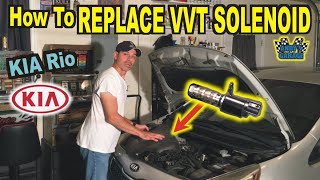

![How to Fix P0012 Engine Code in 4 Minutes [2 DIY Methods / Only $6.86]](https://img.youtube.com/vi/Pu-PR3uhV5Q/mqdefault.jpg)
![How to Fix KIA P0012 Engine Code in 4 Minutes [2 DIY Methods / Only $6.86]](https://img.youtube.com/vi/yd2mhCc16c0/mqdefault.jpg)
We Have This Part in Stock

The information in this article is provided for general reference and educational purposes only. Vehicle specifications, procedures, and part compatibility can vary by production date, trim level, and region. Always consult your vehicle's factory service manual and verify part numbers before purchasing or performing repairs. Safety-critical components such as airbags, seat belts, and braking systems should be installed by a qualified professional.
- Kia Rio:
- 🎬 Helpful Videos
- 🛍️ Shop This Part
- What's Unique About the 2012-2017 Kia Rio
- Symptoms You May Notice
- Most Likely Causes
- Rare But Worth Checking
- Diagnosis Steps
- Parts You'll Likely Need
- Related Codes That Often Appear With This One
- Technical Service Bulletins (TSBs) & Recalls
- Platform-Specific Known Issues
- Mechanic-Grade Diagnostic Values
- Scan Tool Commands That Help
- Wiring & Ground Locations
- Real Owner Repair Stories
- When the Usual Fixes Don't Work
- OEM Part Supersession History
- Diagnostic Flowchart
- Other Known Issues on This Vehicle
- Used vs. New Parts: Buying Guide for This Vehicle
- Real Owner Stories
- 2012 Kia Rio 1.6L Gamma GDI
- Related OBD-II Codes
- Frequently Asked Questions
- 🎟️ Get 5% Off