

P0012 on 2008-2017 GMC Acadia 3.6L: Over-Retarded Timing Causes and Fixes
On a 3.6L V6 Acadia, code P0012 often points to a faulty intake camshaft actuator solenoid or, more seriously, a stretched timing chain. First, check your engine oil. If the oil is clean and full, replacing the Bank 1 intake solenoid (~$40-$80) is a good next step. If that doesn't work, expect a costly timing chain replacement ($2,500+).
- P0012 on a 3.6L Acadia is a serious code that should not be ignored.
- Always check the engine oil level and condition first. An oil change is a cheap and easy first step.
- If oil is not the issue, replacing the Bank 1 intake VVT solenoid is a logical next step before assuming the worst.
- A rattling noise on startup is a strong sign of stretched timing chains, a common and expensive repair for this engine.
- Due to the high probability of timing chain failure, if the simple fixes don't work, prepare for a significant repair bill. This is not a typical DIY job.
What's Unique About the 2008-2017 GMC Acadia
The 3.6L V6 engines in this generation of Acadia (LLT and LFX) are notoriously prone to premature timing chain stretching. This issue was especially common in earlier models (2007-2012) and was often linked to the original oil life monitoring system, which allowed for excessively long oil change intervals. This led to oil degradation, sludge, and increased wear on the chains and tensioners. While a P0012 code can have several causes, on this specific platform, it is frequently a precursor or direct indicator of this significant and expensive timing chain problem, a fact acknowledged by GM through multiple Special Coverage Adjustments.
Generation note: The specified 2008-2017 range covers the first generation (2007-2016) and the first year of the second generation (2017). A first-generation model called the 'Acadia Limited' was also sold in 2017. The LLT and LFX engines are associated with the first generation. The timing chain issues are most prevalent in the first-generation models, particularly the 2007-2012 model years with the LLT engine, which was the subject of GM Special Coverage Adjustment #11340C.
Symptoms You May Notice
- Check Engine Light is on
- Rough or unstable idle
- Engine stalling, especially when stopping or at low speeds
- Reduced engine power and sluggish acceleration
- Decreased fuel economy
- Difficulty starting the engine
- Rattling or clattering noise from the engine, especially on a cold startup, which can last for a few seconds
- Replacing the camshaft position sensor first. The sensor is usually reporting the mechanical fault correctly, so replacing it rarely solves the problem.
- Replacing only one component of the timing system. If the chains are stretched, replacing only a tensioner or a single chain will not resolve the issue long-term.
- Ignoring a cold-start rattle. This noise is a classic symptom of chain slack and should be investigated immediately, not dismissed as a normal engine sound. 🎬 See how to diagnose misfires and timing chain rattle
Most Likely Causes
- Low or Degraded Engine Oil 🔴 High Probability The VVT system and timing chain tensioners are hydraulic and highly sensitive to oil pressure and cleanliness. The original Oil Life Monitor (OLM) calibration encouraged long intervals, leading to oil breakdown and sludge formation.
How to confirm: Check the oil level on the dipstick and inspect its condition. If the oil is low, black, or sludgy, this is a likely contributor. This should always be the first check.
Typical fix: Change the engine oil and filter using a full synthetic oil that meets GM's Dexos specification. This is the cheapest and easiest first step.
Est. part cost: $40-$80 - Faulty Camshaft Position Actuator Solenoid (VVT Solenoid) 🟡 Medium Probability Oil sludge and debris from infrequent oil changes can clog the fine mesh screens on the solenoids or cause the internal valve to stick, preventing proper oil flow to the phaser.
How to confirm: Remove the Bank 1 intake solenoid (on the firewall-side cylinder head) and inspect for clogged screens or debris. You can also test its resistance with a multimeter (typically 5-15 ohms). A common diagnostic trick is to swap it with the exhaust solenoid on the same bank; if the code changes to P0015, the solenoid is confirmed faulty.
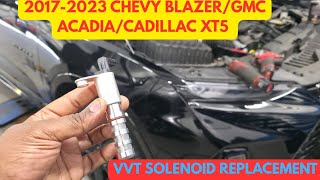
Typical fix: Clean or, more commonly, replace the solenoid. It is a relatively inexpensive part and is much easier to replace than the timing chains. 🎬 Watch: Step-by-step VVT solenoid replacement for 2010-2016 models
Est. part cost: $30-$80 - Stretched Timing Chains 🔴 High Probability This is a well-documented, widespread issue on the 3.6L LLT and LFX engines due to the original chain design and long oil change intervals. The chains physically elongate, causing slack and altering the cam timing beyond the ECM's ability to compensate.
How to confirm: A definitive diagnosis often requires an advanced scan tool to check camshaft deviation angles or physical inspection, which is labor-intensive. A persistent rattling noise on cold starts is a strong indicator. If an oil change and solenoid replacement do not fix the code, stretched chains are the most likely culprit.
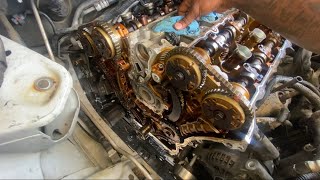
Typical fix: Complete replacement of all three timing chains, the tensioners, and guides. This is a very labor-intensive job (12-15+ hours) that requires dropping the engine subframe. It is highly recommended to use an updated timing chain kit.
Est. part cost: $350-$600 for a full kit
Rare But Worth Checking
- Failed Camshaft Phaser / Actuator: This is the gear at the end of the camshaft that the solenoid controls. It can fail mechanically by getting stuck or having its internal oil passages clogged. It is typically replaced during a timing chain job as a preventative measure.
- Faulty Camshaft Position Sensor: While the sensor provides the reading, it is not a common failure point for this code. The issue is usually with the mechanical components the sensor is monitoring. Do not replace this sensor before checking oil and the VVT solenoid.
- Clogged Oil Passages: In severe cases of oil sludging, the small oil passages leading to the VVT solenoids and cam phasers can become blocked, starving the system of the oil pressure it needs to function. This typically requires a major engine teardown to clean.
Diagnosis Steps
- Check the engine oil level and condition. If it is low or dirty, perform an oil and filter change with the correct viscosity full synthetic oil (Dexos-spec). Clear the code and see if it returns.
- If the oil is fine, listen for a rattling noise from the engine on a cold start. A 2-3 second rattle strongly suggests timing chain wear.
- Locate the Bank 1 (firewall side) intake camshaft position actuator solenoid. Disconnect and inspect the wiring and connector for damage or oil contamination.
- Remove the solenoid (typically held by one bolt). Inspect the screens for metal shavings or sludge. You can attempt to clean it with brake cleaner, but replacement is often more reliable.
- As a diagnostic test, you can swap the intake solenoid with the exhaust solenoid on the same bank and clear the codes. If the code changes to P0015 (Exhaust Camshaft Position Timing Over-Retarded), it confirms the solenoid is faulty.
- If the code P0012 returns after replacing the solenoid and changing the oil, use a scan tool to monitor camshaft angle deviation. Significant deviation points towards a mechanical timing issue.
- If all other steps fail, the problem is almost certainly a stretched timing chain and/or a failed phaser, which requires professional service for replacement. 🎬 Watch: Deciding between DIY or hiring a mechanic for timing chains
Parts You'll Likely Need
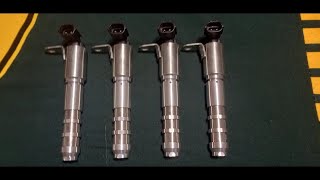
- Camshaft Position Actuator Solenoid (VVT Solenoid)
(OEM #12636175 (Superseded by 12655420))— This is a common failure point due to oil contamination and is a relatively simple and inexpensive part to replace as a primary diagnostic step.
Trusted brands: ACDelco, Dorman, Standard Motor Products (SMP)
OEM price range: $50-$90
Aftermarket price range: $30-$60 - Engine Timing Chain Kit
(OEM #12651450 (LLT Engine Kit Example))— This is the definitive fix for the very common stretched timing chain issue on this engine. A complete kit should include all three chains, tensioners, guides, and sometimes sprockets.
Trusted brands: Cloyes (e.g., 9-0753S), ACDelco
OEM price range: $450-$650
Aftermarket price range: $300-$500
Related Codes That Often Appear With This One
- P0008 — Indicates a general engine position system performance error on Bank 1. It is a very common companion code when the timing chains have stretched, often appearing before more specific codes like P0012.
- P0011 — This is the opposite code, 'Timing Over-Advanced'. It can sometimes appear if the VVT solenoid is sticking or functioning erratically.
- P0016, P0017, P0018, P0019 — These are all correlation codes between the crankshaft and camshafts on both banks. They are strong indicators of a stretched timing chain affecting the entire engine.
- P0300-P0306 — These are random or specific cylinder misfire codes. Incorrect valve timing can lead to poor combustion and cause the engine to misfire.
Technical Service Bulletins (TSBs) & Recalls
- 11340C: Special Coverage Adjustment for premature timing chain wear on certain 2007-2009 models.
- 21-NA-278: Diagnostic strategy for engine noises and timing-related DTCs.
- 12-06-01-009F: References updated camshaft phaser designs and procedures.
Platform-Specific Known Issues
- Premature timing chain stretching is the most significant known issue for the 3.6L V6 in this vehicle, particularly in 2007-2012 models. GM issued Special Coverage Adjustment #11340C for some early models, extending the warranty for this specific failure to 10 years or 120,000 miles.
- The original Oil Life Monitor (OLM) software allowed for oil change intervals that were too long, contributing to oil sludge and accelerated wear on timing components. Owners now recommend 3,000-5,000 mile intervals with full synthetic oil.
- The repair is extremely labor-intensive, requiring the engine and transmission to be dropped from the vehicle on a subframe to access the timing cover.
Mechanic-Grade Diagnostic Values
- Camshaft Position Actuator Solenoid (VVT Solenoid) Resistance (LLT/LFX Engine) — expected: 8 to 13 Ohms at 68°F (20°C).. Failure: A reading outside this range, or an open/short circuit, indicates a failed solenoid coil.
- Scan Tool 'Camshaft Position Variance' PID — expected: Near 0 degrees at idle and steady RPM. Should be less than 2 degrees when commanding the actuator.. Failure: A consistent variance greater than 4-5 degrees at idle strongly suggests a mechanical timing issue like a stretched chain.
- VVT Solenoid Connector Voltage (Key On, Engine Off) — expected: Battery voltage (approx. 12V) on the ignition circuit terminal (Pin 1).. Failure: Voltage less than B+ indicates a problem in the power supply circuit, such as a blown fuse or high resistance.
Scan Tool Commands That Help
- GDS2 / Tech2 or equivalent professional scan tool: Camshaft Position Actuator Control — While monitoring the 'Desired vs. Actual' camshaft angle PIDs, a technician can command the solenoid to advance or retard the timing (e.g., from 0 to 40 degrees). This directly tests the solenoid's response and the hydraulic function of the phaser. If the actual angle doesn't follow the commanded angle, it points to a faulty solenoid, clogged oil passage, or a stuck phaser.
- GDS2 / Tech2: Camshaft Position Relearn — A relearn is not typically required after replacing a VVT solenoid or sensor on this platform. The ECU is designed to adapt automatically. A drive cycle consisting of varied speeds and loads is usually sufficient for the system to self-calibrate. A relearn function is more critical for the crankshaft position sensor after major timing work.
Wiring & Ground Locations
- G110 — Right front of the engine, mounted to the cylinder head.. This is a primary engine ground. A corroded or loose connection here can cause erratic behavior and fault codes for various engine sensors and actuators, including the VVT system.
- G113 — Left side of the engine, at an engine-to-transmission stud.. Another critical engine block ground. Poor contact can lead to intermittent and hard-to-diagnose electrical issues across the powertrain control system.
- ECM (Engine Control Module) — In the engine compartment, on the front left of the engine, near the underhood fuse block.. All sensor signals and actuator commands route through the ECM. Knowing its location is essential for any circuit testing at the connector pins.
- Engine Wiring Harness Chafe Points — Commonly rubs against the intake plenum, valve cover bolts, and the main fuel line, particularly on the firewall side (Bank 1).. While more commonly associated with injector fault codes (per TSB PIP4924D), a chafed harness could potentially short or break the wiring for the Bank 1 VVT solenoid, causing a P0012. This should be inspected if direct tests on the solenoid fail.
Real Owner Repair Stories
- Chevrolet Forum user (2009 Chevrolet Equinox 3.6L (mechanically similar to Acadia)) — Persistent camshaft correlation codes on Bank 2 after multiple timing chain replacements.
❌ Tried (didn't work) Replaced timing chains (multiple times), Replaced timing chain tensioners with new GM parts, Replaced VVT solenoids
✅ What actually fixed it The user discovered the aftermarket intake camshaft phaser they had installed had excessive rotational play even when torqued down. Replacing the aftermarket phaser with a new GM OEM phaser resolved the slight movement and finally cleared the codes.
OEM Part Supersession History
12628347→12655420, and subsequently 12679099— Likely improvements to the internal valve mechanism or filter screen design to increase resistance to oil sludge and debris.
Heads up: The older part numbers (e.g., 12628347, 12646783) are all superseded by 12655420. While they may fit, using the latest part number (12679099) is recommended to get the most current design revisions.Various early timing chain designs→Updated timing chain kits (e.g. from Cloyes or ACDelco)— The original timing chains were prone to premature stretching. Newer designs use different link styles (e.g., inverted tooth) and materials to improve durability and reduce wear.
Heads up: While kits for LLT and LFX may seem similar, there are differences. It is critical to buy the correct kit specified for the vehicle's exact year and engine code.
Model Year Variations Within This Range
- 2008 (LY7) vs. 2009-2017 (LLT/LFX): The earliest 2008 models may have the port-injected LY7 engine, which has different VVT solenoid resistance specs (4.6-7.5 Ohms) compared to the direct-injected LLT/LFX engines (8-13 Ohms). Using the wrong solenoid can cause issues even if it fits physically.
- 2009-2012 (LLT) vs. 2012-2017 (LFX): The LFX engine, introduced around 2012, featured several updates intended to mitigate the timing chain problems of the earlier LLT. These included redesigned cylinder heads with integrated exhaust manifolds, a composite intake manifold, and potentially revised timing chain components from the factory. While LFX engines can still suffer from chain stretch, it is considered less prevalent than on the LLT.
- 2013 Facelift: The 2013 model year brought a significant facelift with new front and rear styling, but the core 3.6L LFX powertrain remained the same. The causes and fixes for P0012 are identical between a 2012 and a 2013 model.
Diagnostic Flowchart
Other Known Issues on This Vehicle
Issues unrelated to this code that are worth knowing about as an owner of this generation:
- 6T70/6T75 Transmission Wave Plate Failure 🔴 High — Common in 2007-2009 models, typically occurring under 100,000 miles. Results in loss of 3rd, 5th, and Reverse gears. (Ref: Special Coverage 14404B; TSB 09-07-30-012F)
- Power Steering Pump Failure / Leaks 🟠 Medium — Common across early model years (2007-2012), leading to whining noises and loss of power assist, especially at low speeds. (Ref: Special Coverage 14329; TSB SB-10056459-3388)
- Engine Water Pump Failure 🟠 Medium — The main engine water pump is prone to leaking coolant from its weep hole or bearing failure, often requiring replacement. Can cause overheating if not addressed.
- Stretched Timing Chains 🔴 High — Extremely common on 2007-2012 models with the LY7 and LLT engines, often presenting before 100,000 miles. (Ref: Special Coverage 11340C)
- Auxiliary Water Pump Failure (Heater) 🟡 Low — On later models (2017+), the electric auxiliary pump for the cabin heater can fail, causing no heat at idle. Does not cause engine overheating.
Used vs. New Parts: Buying Guide for This Vehicle
When a used part is the smart pick: For a VVT solenoid, a used part from a low-mileage, documented wreck can be a cost-effective diagnostic tool. If swapping the used part resolves the code, you've confirmed the diagnosis for a low cost. However, due to the high failure rate from oil contamination, installing a new part for the final repair is strongly recommended.
Donor-vehicle mileage cap: roughly under 60000 miles for the part to have meaningful remaining life.
What to inspect on the donor part:
- Verify the donor vehicle's mileage.
- Inspect the solenoid's screens for any visible sludge, debris, or tearing.
- Check the electrical connector for corrosion or damage.
- If possible, test the resistance with a multimeter before purchase; it should be within 8-13 ohms.
OEM-only on this vehicle (don't cheap out):
- Timing Chain Kit: NEVER use a used timing chain. For new kits, while some aftermarket brands are reputable, many owners strongly recommend using a genuine ACDelco/GM kit to get the latest revised chain design and avoid quality control issues seen in cheaper kits.
- Camshaft Phasers: As evidenced by forum repair stories, aftermarket phasers can have tolerance issues that cause persistent codes. Using OEM phasers is a safer bet, especially given the high labor cost of a timing job.
Aftermarket brands forum-validated for this vehicle:
- Cloyes: For timing chain kits, Cloyes is a widely respected brand and is considered by many to be an OEM supplier or of equivalent quality. Their kits often include all necessary components.
Brands owners have reported issues with on this vehicle:
- Unbranded / 'White Box' eBay Kits: Many forum threads and videos document failures of cheap, unbranded timing chain kits and VVT solenoids. The initial savings are not worth the risk of a catastrophic failure or having to redo a 15+ hour labor job.
Real Owner Stories
Aggregated from forums and TSBs cited above. Mileages and costs reflect what owners reported in those sources.
2009 GMC Acadia 3.6L
Symptoms: Check engine light with codes P0011 and P0012; engine running roughly.
What fixed it: The owner's father was advised that the issue likely required a timing chain replacement, a common failure for this model year.
Source hint: Reddit r/MechanicAdvice thread discussing 2012 GMC Acadia P0011 P0012
2012 GMC Acadia 3.6L
Symptoms: Erratic solenoid behavior and multiple timing-related codes including P0011 and P0012.
What fixed it: Diagnostic progression starting with oil changes and solenoid inspection, often leading to timing chain replacement if codes persist.
Source hint: https://www.reddit.com/r/MechanicAdvice/comments/b8i60j/2012_gmc_acadia_p0011_p0012/
Related OBD-II Codes
Frequently Asked Questions
Is there a warranty extension for the timing chain issue on my 2009 GMC Acadia?
Why does my 3.6L V6 rattle for a few seconds when I first start it in the morning?
Can I just clean the VVT solenoids instead of replacing them to fix P0012?
How often should I change the oil on my 2012 Acadia to avoid P0012 and timing issues?
Does the P0012 code on my Acadia mean I definitely need a new timing chain?
Is the P0012 issue common to other vehicles besides the Acadia?
Helpful Videos

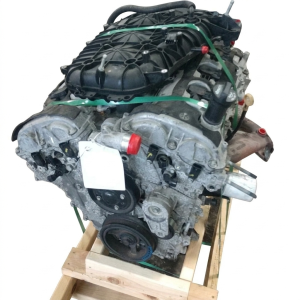
Used OEM Parts in Stock


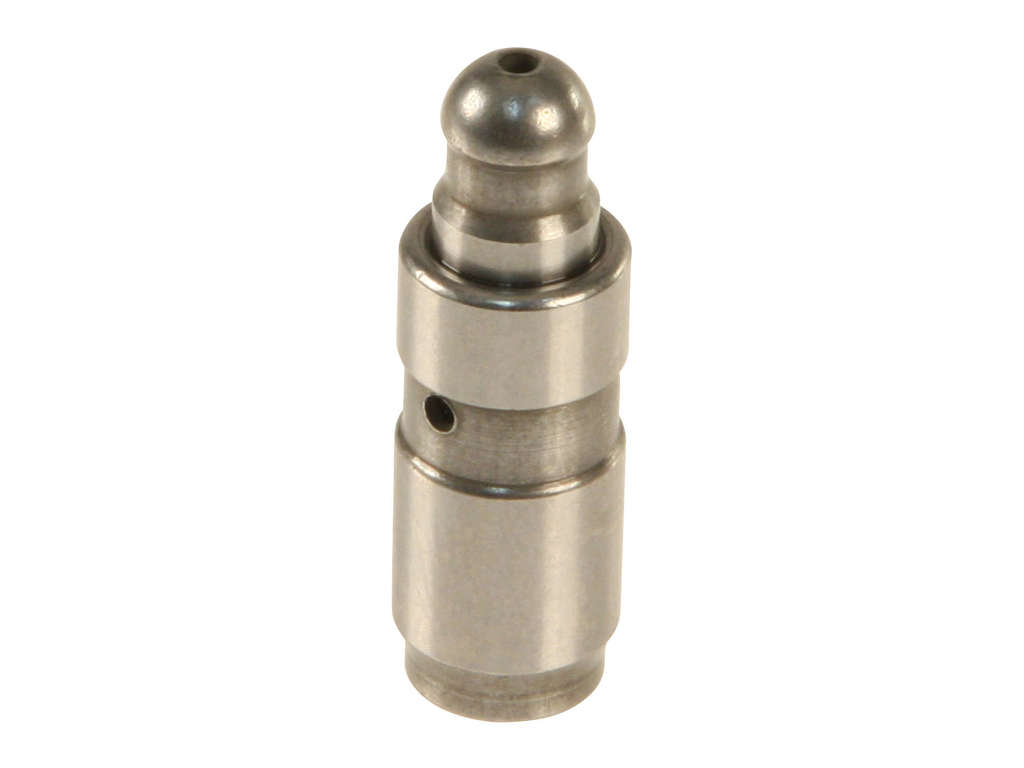
New Aftermarket Parts Available


The information in this article is provided for general reference and educational purposes only. Vehicle specifications, procedures, and part compatibility can vary by production date, trim level, and region. Always consult your vehicle's factory service manual and verify part numbers before purchasing or performing repairs. Safety-critical components such as airbags, seat belts, and braking systems should be installed by a qualified professional.
- GMC Acadia:
- 🎬 Helpful Videos
- 🛍️ Shop This Part
- What's Unique About the 2008-2017 GMC Acadia
- Symptoms You May Notice
- Most Likely Causes
- Rare But Worth Checking
- Diagnosis Steps
- Parts You'll Likely Need
- Related Codes That Often Appear With This One
- Technical Service Bulletins (TSBs) & Recalls
- Platform-Specific Known Issues
- Mechanic-Grade Diagnostic Values
- Scan Tool Commands That Help
- Wiring & Ground Locations
- Real Owner Repair Stories
- OEM Part Supersession History
- Model Year Variations Within This Range
- Diagnostic Flowchart
- Other Known Issues on This Vehicle
- Used vs. New Parts: Buying Guide for This Vehicle
- Real Owner Stories
- 2009 GMC Acadia 3.6L
- 2012 GMC Acadia 3.6L
- Related OBD-II Codes
- Frequently Asked Questions
- 🎟️ Get 5% Off