

P0011 on 2006-2011 Mercedes-Benz E-Class: Causes and Fixes for Camshaft Timing Over-Advanced
On the M272 V6 engine, code P0011 is most often caused by a failing camshaft adjuster magnet (solenoid). This is a relatively inexpensive part (~$40-$100) and is easy to replace. However, this code can also be an early symptom of a much more serious balance shaft failure, a known issue on pre-2009 engines, specifically those with an engine serial number before 2729..30 468993.
- First, check your oil level and condition. Low or dirty oil can cause this code.
- The most likely and cheapest fix is a faulty camshaft adjuster magnet (solenoid). A simple swap test can confirm this.
- Always use the updated OEM part number (A2720510177) when replacing the magnets.
- Be aware that P0011 can be the first sign of the very serious and expensive balance shaft failure, especially on 2006-2008 models.
- If you also have codes P0016 or P0017, the balance shaft issue is highly probable and requires immediate professional inspection.
What's Unique About the 2006-2011 Mercedes-Benz E-Class

The M272 engine in this E-Class is known for two specific issues that directly cause the P0011 code. The most common and least severe is the failure of the camshaft adjuster magnets (solenoids), which get stuck or leak oil. A far more serious, well-documented issue is the premature wear of the balance shaft sprocket, particularly on engines made before mid-2008 (engine serial number < 2729..30 46899 🎬 Watch: How to check your VIN for balance shaft failure.3). This wear causes incorrect timing that can lead to catastrophic engine failure if not addressed. A class-action lawsuit was filed regarding this issue, though the extended warranty period has since expired.
Generation note: This range covers the late W211 generation (2006-2009) and the early W212 generation (2010-2011). Both generations used the M272 3.5L V6 engine, and the common causes for P0011, particularly the camshaft magnets and balance shaft issues, are applicable to both.
Symptoms You May Notice
- Check Engine Light is on
- Rough or unstable idle
- Reduced engine power and sluggish acceleration
- Engine stalling
- Rattling noise from the front of the engine, especially on a cold start
- Replacing the camshaft position sensor when the actual fault is with the camshaft adjuster magnet (solenoid). The diagnostic step of swapping magnets can prevent this unnecessary expense.
Most Likely Causes

- Failed Camshaft Adjuster Magnet (Solenoid) 🔴 High Probability The original magnets are known to fail by getting stuck or leaking oil internally into the electrical connector. Mercedes documented this issue, stating that M272 engines up to serial number 2729..30 759427 may be affected and should be updated to the improved part.
How to confirm: Swap the Bank 1 intake magnet with the Bank 1 exhaust magnet. Clear the codes and run the engine. If the code changes to P0014 (Exhaust Camshaft Position Timing Over-Advanced), the magnet is faulty. Also, visually inspect the magnet's electrical connector for any signs of engine oil.
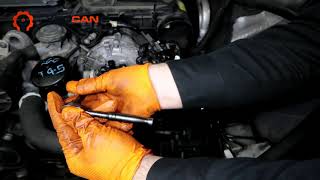
Typical fix: Replace the faulty camshaft adjuster magnet. 🎬 Watch this step-by-step guide to replacing your camshaft magnets. It is highly recommended to replace all four magnets at the same time with the updated part number (A2720510177) as a preventative measure.
Est. part cost: $40-$100 per magnet - Worn Balance Shaft Sprocket 🟡 Medium Probability M272 engines manufactured before engine serial number 2729..30 468993 (roughly pre-2009 models) used a softer metal for the balance shaft sprocket, which wears prematurely. This was the subject of a class-action lawsuit.
How to confirm: This is a complex diagnosis. A key indicator is the presence of codes P0016/P0017 or the Mercedes-specific codes 1200/1208 alongside P0011. A definitive check involves removing the camshaft position sensors and visually inspecting the timing marks on the pulse wheels through the sensor holes while the crankshaft is set to 305 degrees. The marks should be centered in the holes. This is best left to a professional.
Typical fix: This is a major engine-out repair that involves replacing the balance shaft, timing chain, guides, and tensioner. The cost is very high, often making the repair uneconomical on older vehicles.
Est. part cost: $4000-$7000 (including labor) - Low or Dirty Engine Oil ⚪ Low Probability
How to confirm: Check the engine oil level and its condition. The variable valve timing system is hydraulic and relies on clean oil at the correct pressure to function. Dirty or low oil can cause the adjuster mechanisms to stick.
Typical fix: Perform an oil and filter change using a Mercedes-Benz approved synthetic oil (e.g., Mobil 1 0W-40 meeting MB 229.5 spec) and a quality fleece filter.
Est. part cost: $80-$150 - Stretched Timing Chain ⚪ Low Probability While less common than the balance shaft sprocket wear, a timing chain can stretch over high mileage, causing similar correlation codes.
How to confirm: Requires checking the physical timing marks on the camshafts and crankshaft, which is an advanced procedure. This is often suspected if balance shaft sprocket wear is ruled out on a high-mileage engine.
Typical fix: Replace the timing chain, tensioner, and guides. This is often done at the same time as the balance shaft repair.
Est. part cost: $1000-$2000 (if done separately from balance shaft)
Rare But Worth Checking
- Faulty Camshaft Position Sensor: This is less common. The sensor itself can fail, but it's more likely the magnet is the culprit. A failing sensor usually throws its own specific circuit codes, but not always. Swapping sensors between cams can be a diagnostic step.
- Failed Camshaft Adjuster (Phaser): The mechanical gear (phaser) that the solenoid controls can fail internally, but this is much less frequent than solenoid failure. This is a more involved and expensive repair, often accompanied by a distinct rattling noise.
Diagnosis Steps

- Check Engine Oil: Verify the oil level is correct and the oil is clean and of the proper specification (MB 229.5). If low or dirty, perform an oil and filter change before proceeding.
- Scan for Codes: Read all fault codes with a Mercedes-compatible scanner. Note any other codes that appear alongside P0011, especially P0016, P0017, 1200, or 1208.
- Inspect Magnet Connectors: Unplug the Bank 1 intake camshaft magnet and inspect for oil inside the electrical connector. Oil wicking from a failing magnet into the harness is a common issue.
- Test the Camshaft Magnets: Swap the Bank 1 intake magnet with the Bank 1 exhaust magnet. They are identical parts. Clear the codes and start the engine. If the code returns as P0014, the magnet you moved is bad and needs replacement.
- Test Camshaft Position Sensors: If the magnet swap doesn't isolate the problem, you can swap the camshaft position sensors between intake and exhaust to see if the fault follows the sensor.
- Advanced Mechanical Checks: If the above steps do not resolve the issue, the problem is likely mechanical (balance shaft, timing chain, or phaser). This requires professional diagnosis, which may include checking the engine serial number and visually inspecting timing marks through the cam sensor holes.
Parts You'll Likely Need

- Camshaft Adjuster Magnet (Solenoid)
(OEM #A2720510177)— This is the most common failure point for code P0011 on the M272 engine. The original parts were prone to failure and were superseded by this improved version.
Trusted brands: Mercedes-Benz (OEM), Bosch, Pierburg
OEM price range: $60-$100
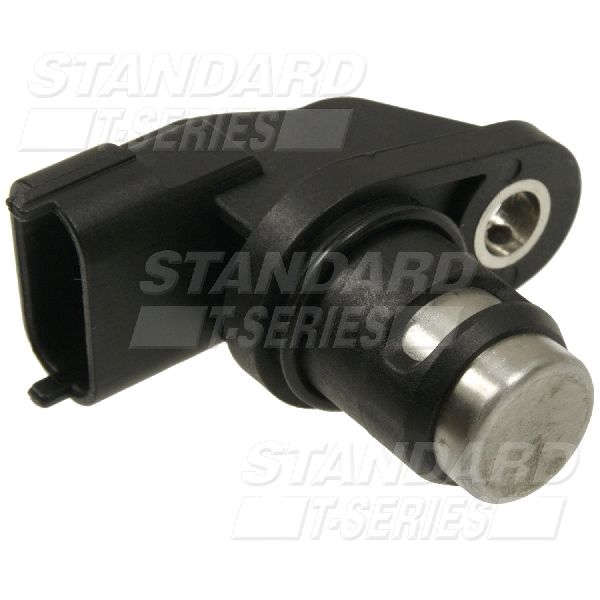
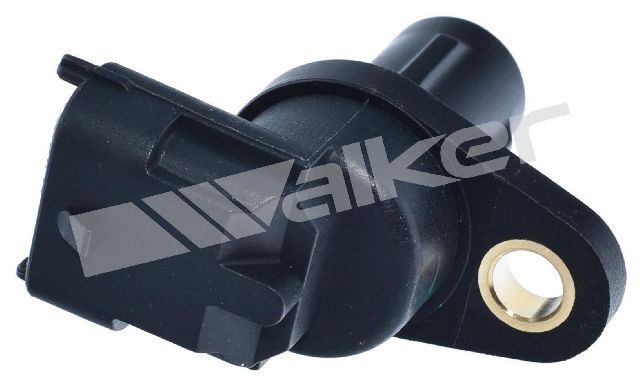
Aftermarket price range: $40-$70 - Camshaft Position Sensor
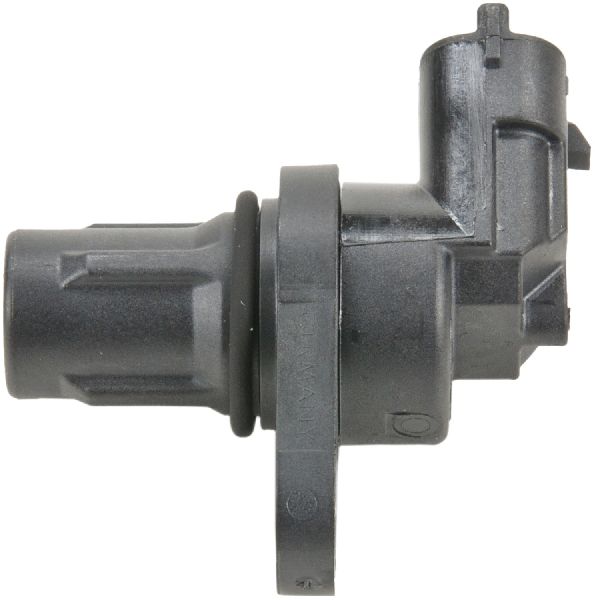
(OEM #A2729050043 (or similar, check VIN))— Replaced if it is proven to be faulty through diagnostic testing, but it is a much less common cause than the adjuster magnet.
Trusted brands: Mercedes-Benz (OEM), Bosch, Continental
OEM price range: $50-$80
Aftermarket price range: $30-$60 - Camshaft Magnet Pigtail Harness
(OEM #A2711500156 (check application))— If oil has wicked from the magnet, this short harness is installed between the main engine harness and the new magnet to prevent future contamination from reaching the ECU.
Trusted brands: Mercedes-Benz (OEM)
OEM price range: $25-$40
Aftermarket price range: $15-$25
Related Codes That Often Appear With This One
- P0012 — 'A' Camshaft Position - Timing Over-Retarded (Bank 1). This can occur if the adjuster magnet is sticking intermittently or if oil pressure is low.
- P0014 — 'B' Camshaft Position - Timing Over-Advanced (Bank 1). This points to the exhaust camshaft on the same bank. It often appears during diagnosis when swapping a faulty intake magnet to the exhaust side.
- P0016 / P0017 — Crankshaft Position - Camshaft Position Correlation. These codes are strong indicators of a stretched timing chain or, more likely on this engine, a failing balance shaft sprocket. Mercedes-specific codes 1200 and 1208 are equivalents.
- P2004 / P2006 — Intake Manifold Runner Control Stuck. These codes are unrelated to the timing issue but point to another extremely common M272 failure: the intake manifold swirl flaps. It's not unusual to see these codes appear around the same time.
Technical Service Bulletins (TSBs) & Recalls
- Mercedes-Benz document S-B-03.30/08i (and earlier versions) details the diagnosis for camshaft timing codes. It specifies that codes like 0271 (P0011) on M272 engines up to serial number 2729..30 759427 are likely caused by a malfunctioning camshaft adjustment solenoid and to replace with the improved part A2720510177.
- The same document also details the balance shaft issue, affecting M272 engines up to serial number 2729..30 468993, linking it to codes 1200 and 1208.
Platform-Specific Known Issues
- Balance Shaft Sprocket Wear: Engines in the affected range (pre-engine number ~468993, check by VIN) are at high risk for this catastrophic failure. The repair is extremely expensive, often costing $4,000-$7,000.
- Oil Wicking from Cam Magnets: Failing magnets can leak oil through their electrical pins, contaminating the engine wiring harness. If not caught early, this can require replacement of the engine harness and even damage the ECM. Mercedes released pigtail adapter harnesses to install as a preventative measure to stop the oil from traveling.
Mechanic-Grade Diagnostic Values
- Camshaft Adjuster Magnet (Solenoid) Resistance — expected: 8-15 Ohms. Failure: A reading of infinity (open circuit) or near-zero (short circuit) indicates a failed solenoid.
- Camshaft Position Sensor Supply Voltage — expected: 12V with key on, engine off.. Failure: Significantly lower or no voltage suggests a wiring or ECU power supply issue.
- Voltage Drop on Engine Ground Strap — expected: Less than 0.5V. Failure: A voltage reading higher than 0.5V while cranking the engine indicates a poor ground connection between the engine and chassis, which can cause erratic sensor readings.
Hidden / Shadow Codes Worth Checking
- 1208: Constant adjustment of intake camshaft of right cylinder bank in direction 'Retarded' or 'Advanced'. This is a Mercedes-specific code that points directly to a major timing deviation and is a very strong indicator of balance shaft sprocket wear. It is the manufacturer equivalent of P0016/P0017. (see via Mercedes-Benz STAR/XENTRY diagnostic software.)
- 1200: Constant adjustment of intake camshaft of left cylinder bank. Often appears with 1208 when the balance shaft issue is present, indicating timing is off across the engine. (see via Mercedes-Benz STAR/XENTRY diagnostic software.)
Scan Tool Commands That Help
- Mercedes STAR/XENTRY: Camshaft Adjuster Actuation/Test — This function allows a technician to command the camshaft adjuster magnets to operate while monitoring the camshaft position sensor values. If the command is sent but the camshaft angle does not change, it confirms a fault with the magnet, phaser, or oil pressure, helping to distinguish between electrical and mechanical issues.
- Mercedes STAR/XENTRY: Adaptation of camshaft position — After replacing timing components, this function may be needed to reset the learned values for camshaft positions. If the adaptation times out or fails, it indicates a persistent mechanical or sensor issue.
Wiring & Ground Locations
- W15/2 — Engine ground point, located on the right side of the engine compartment (passenger side US) near the shock tower.. This is a primary ground point for the engine harness on the W211 chassis. A corroded or loose connection here can cause erratic signals from the camshaft position sensors and other engine sensors.
- Z6/27 Sensor Ground Connector Sleeve — Located in the engine compartment wiring harness, typically near the firewall.. This is a splice pack where multiple sensor grounds, including potentially the camshaft position sensors, are joined. A fault within this internal connection can cause intermittent issues that are difficult to trace.
- ME 9.7 ECU Connector A, Pin 81 — On the main engine control unit (ECU/ME) located in the engine bay.. This is a specific pin for the crankshaft position sensor signal. While not the camshaft sensor, an oscilloscope can be connected here and compared with the camshaft sensor signal to definitively diagnose timing correlation issues without major disassembly.
Real Owner Repair Stories
- MBWorld Forum User (2007 S550 (M273 V8, similar system)) — Check Engine Light with codes 0271 (P0011 equivalent) and 0063 (P0024).
❌ Tried (didn't work) Replaced the camshaft adjuster magnet (solenoid) with the updated part number., Mechanic checked mechanical timing and confirmed it was correct.
✅ What actually fixed it The user's thread went unresolved after initial fixes failed, strongly suggesting the problem was deeper than just the common magnet failure. This highlights cases where P0011 persists, pointing towards a stretched chain or failing phaser even if initial timing checks seem okay. - Classic Jalopy Blog (2007 E350 Wagon (M272)) — Check Engine Light, engine bogging down, code P0016 present.
❌ Tried (didn't work) Initially ignored the light.
✅ What actually fixed it The owner replaced all four camshaft adjuster magnets as a set. This resolved the sluggish performance and the code. The owner noted that using an E8 Torx spanner (not a socket) allowed replacement of the driver's side magnets without removing the oil cooler, simplifying the job.
OEM Part Supersession History
A2720510077→A2720510177— The original camshaft adjuster magnets were prone to internal failure and leaking oil through the electrical connector. The updated part has improved seals and construction.N/A→A2711500156 (Pigtail Harness)— This part was created as a service solution. It is an isolation harness installed between a new magnet and the engine harness to 'trap' any residual oil still wicking from the old harness, preventing it from reaching and damaging the ECU. It is recommended if oil is found in the original connector.
Model Year Variations Within This Range
- 2006-2008: Engines manufactured before serial number 2729..30 468993 are equipped with the soft balance shaft sprocket, making them highly susceptible to premature wear that causes P0011 and related timing codes.
- 2008-2011: In 2008, the M272 engine was updated with improved balance shaft material and a revised timing chain tensioner design, significantly reducing the likelihood of catastrophic timing failures. While camshaft magnets can still fail, the most severe cause of P0011 is largely eliminated in these later models.
Diagnostic Flowchart
Other Known Issues on This Vehicle
Issues unrelated to this code that are worth knowing about as an owner of this generation:
- Intake Manifold Tumble/Swirl Flap Failure 🔴 High — Very common. The plastic lever that actuates the flaps breaks, causing performance issues. Typically occurs after 60,000-80,000 miles. Triggers codes like P2004, P2005, P2006.
- 722.9 (7G-Tronic) Transmission Conductor Plate Failure 🔴 High — A well-documented failure on the 7-speed automatic transmission used in these models. Internal speed sensors on the conductor plate fail, causing harsh shifting, getting stuck in gear, or limp mode. (Ref: No recall, but it is a widely known issue. Repair often involves replacing or rebuilding the conductor plate.)
- Thermostat Failure 🟠 Medium — The electronically controlled thermostat is a very common failure item, often failing around 60,000 miles. It can get stuck open, leading to a slow-to-warm engine and a check engine light.
- Oil Cooler Gasket Leaks 🟠 Medium — The seals for the engine oil cooler, located in the 'V' of the engine, can degrade and leak oil. This is a moderately intensive repair as the intake manifold must be removed for access.
Used vs. New Parts: Buying Guide for This Vehicle
When a used part is the smart pick: Given the low cost and high failure rate of electronic components, buying used parts for this repair is generally not recommended. The only exception might be a major structural component like a cylinder head from a verified low-mileage, late-model (2009+) donor vehicle if the original is damaged.
Donor-vehicle mileage cap: roughly under 60000 miles for the part to have meaningful remaining life.
What to inspect on the donor part:
- For any part, verify the donor vehicle's VIN to ensure it's from a post-facelift (2009+) model to avoid balance shaft-era components.
- Inspect electrical connectors for any signs of oil contamination, corrosion, or brittleness.
- Check for documentation of the donor vehicle's maintenance history if possible.
OEM-only on this vehicle (don't cheap out):
- Camshaft Adjuster (Phaser): Aftermarket phasers have a poor reputation for quality and longevity. This is a labor-intensive job, and using an OEM part is critical to avoid repeat failure.
- Balance Shaft / Timing Kit: If undertaking this major repair, only OEM or OEM-supplier (e.g., IWIS for the chain) parts should be used due to the catastrophic consequences of failure.
Aftermarket brands forum-validated for this vehicle:
- Bosch (for sensors and magnets)
- Pierburg (for magnets/solenoids)
- Continental (for sensors)
Brands owners have reported issues with on this vehicle:
- Unnamed, no-brand 'white box' sensors and solenoids from online marketplaces are a significant gamble and frequently fail shortly after installation.
Real Owner Stories
Aggregated from forums and TSBs cited above. Mileages and costs reflect what owners reported in those sources.
2006-2011 Mercedes-Benz E-Class M272
Symptoms: The user experienced a P0011 code indicating an incorrect position of the intake camshaft. The discussion centered on official Mercedes documentation regarding engine serial numbers and adjuster solenoids.
What fixed it: Replacing the camshaft adjuster solenoids (magnets) as per the official Mercedes document.
Source hint: MBWorld.org thread titled 'P0011-Incorrect position of the intake camshaft'
2006-2011 Mercedes-Benz E-Class M272
Symptoms: The vehicle triggered both P0011 and P2006 codes simultaneously.
What fixed it: The P0011 was identified as the adjuster solenoid, while the P2006 required addressing a classic intake manifold failure.
Source hint: MBWorld.org thread titled 'CEL help needed P0011 and P2006'
2006-2011 Mercedes-Benz E-Class M272
Symptoms: Check engine light with timing codes; owner sought a way to replace parts without extensive disassembly of the power steering system.
What fixed it: Replacing all four camshaft magnets resolved the codes.
Source hint: MBWorld.org thread titled 'Cam magnets replacement made easy'
Related OBD-II Codes
Frequently Asked Questions
Does Mercedes-Benz document S-B-03.30/08i apply to my E-Class?
What is the specific part number for the improved camshaft magnets?
Can I replace the magnets myself without removing the power steering reservoir?
How can I tell if my P0011 code is the expensive balance shaft issue or just a magnet?
Is there a way to prevent oil from leaking into my engine wiring harness?
Was there any legal action regarding the timing issues on these engines?
Helpful Videos

We Have This Part in Stock


The information in this article is provided for general reference and educational purposes only. Vehicle specifications, procedures, and part compatibility can vary by production date, trim level, and region. Always consult your vehicle's factory service manual and verify part numbers before purchasing or performing repairs. Safety-critical components such as airbags, seat belts, and braking systems should be installed by a qualified professional.
- Mercedes-Benz E-Class:
- 🎬 Helpful Videos
- 🛍️ Shop This Part
- What's Unique About the 2006-2011 Mercedes-Benz E-Class
- Symptoms You May Notice
- Most Likely Causes
- Rare But Worth Checking
- Diagnosis Steps
- Parts You'll Likely Need
- Related Codes That Often Appear With This One
- Technical Service Bulletins (TSBs) & Recalls
- Platform-Specific Known Issues
- Mechanic-Grade Diagnostic Values
- Hidden / Shadow Codes Worth Checking
- Scan Tool Commands That Help
- Wiring & Ground Locations
- Real Owner Repair Stories
- OEM Part Supersession History
- Model Year Variations Within This Range
- Diagnostic Flowchart
- Other Known Issues on This Vehicle
- Used vs. New Parts: Buying Guide for This Vehicle
- Real Owner Stories
- 2006-2011 Mercedes-Benz E-Class M272
- 2006-2011 Mercedes-Benz E-Class M272
- 2006-2011 Mercedes-Benz E-Class M272
- Related OBD-II Codes
- Frequently Asked Questions
- 🎟️ Get 5% Off