

P0011 on 2019-2021 Lincoln Nautilus: Causes and Fixes for Camshaft Timing Issues
On a 2019-2021 Lincoln Nautilus, code P0011 is most often caused by low/dirty engine oil or a failing Variable Camshaft Timing (VCT) solenoid. An oil change with the correct viscosity oil is the first and most critical step. If that doesn't work, replacing the Bank 1 intake VCT solenoid is the next likely fix, costing around $50-$150 for the part. This is a known issue across many Ford/Lincoln EcoBoost engines.
- Code P0011 on your Lincoln Nautilus indicates the intake camshaft on Bank 1 is timed too far advanced.
- The most likely cause is low or dirty engine oil. Always start by checking your oil and performing an oil change if needed.
- If an oil change doesn't fix it, the next most common culprit is a faulty VCT solenoid, which is a relatively inexpensive and accessible part to replace.
- Ignoring this code can lead to poor performance, reduced fuel economy, and potential engine stalling.
- A Ford/Lincoln Technical Service Bulletin (SSM 54366) exists for this issue, suggesting it's a recognized problem with the VCT system.
What's Unique About the 2019-2021 Lincoln NAUTILUS
For the 2019-2021 Lincoln Nautilus, which uses Ford's EcoBoost engine technology (either the 2.0L I4 or 2.7L V6), the Variable Camshaft Timing (VCT) system is exceptionally sensitive to oil quality, level, and viscosity. Ford has issued multiple Technical Service Bulletins (TSBs), including SSM 54366 and its predecessors (SSM 50071, SSM 49821), for a wide range of vehicles including the Nautilus and its platform-mate, the Ford Edge. These bulletins explicitly state that small debris in the oil can cause the VCT solenoids to stick, leading to codes like P0011. The official diagnostic procedure, Pinpoint Test HK, even includes a step (HK12) to cycle the solenoid up to 10 times with a scan tool to attempt to clear the debris before recommending replacement.
Diagnostic Flowchart
Tap your situation to follow the diagnostic path that matches what you're seeing on this vehicle.
Symptoms You May Notice
- Check Engine Light is on
- Rough or erratic engine idle
- Reduced engine power and sluggish acceleration
- Engine is hard to start
- Decreased fuel economy
- Engine stalling, especially at low speeds or when stopping
- Rattling or ticking noises from the engine, particularly on startup
- Visible engine sludge when looking in the oil filler cap, indicating poor maintenance.
- Replacing the camshaft position sensor when the actual problem is the VCT solenoid or an oil-related issue. The sensor is reporting the problem correctly; it is not the cause of it.
- Immediately replacing the VCT solenoid without first performing a thorough oil and filter change with the correct viscosity oil. 🎬 Watch: Why you shouldn't replace parts before checking your oil.
Most Likely Causes
- Low, Dirty, or Incorrect Viscosity Engine Oil 🔴 High Probability The VCT system is hydraulic and extremely sensitive to oil condition. Using oil that does not meet the manufacturer's specified viscosity (e.g., using 5W-30 instead of the required 5W-20, or vice-versa) can trigger a P0011 code even shortly after an oil change. Sludge from infrequent oil changes is a major contributor, clogging the fine mesh screens on the VCT solenoids.
How to confirm: Check the oil level on the dipstick and inspect its color and consistency. If the level is low or the oil is dark and sludgy, it needs to be changed. Verify the oil viscosity used against the owner's manual specification.
Typical fix: Perform an engine oil and filter change using the correct, full synthetic oil specified by Lincoln for your engine. Clear the codes and re-evaluate.
Est. part cost: $50-$100 - Faulty VCT Solenoid (Oil Control Valve) 🔴 High Probability These solenoids are a known weak point. They can become clogged with debris from the oil or fail electronically, causing them to get stuck. Multiple Ford TSBs (SSM 54366, 50071, etc.) point to this as the primary cause after ruling out oil issues.
How to confirm: A mechanic can use a scan tool to command the solenoid to cycle (per Pinpoint Test HK) and observe its response in live data. You can also test the solenoid's resistance with a multimeter (typically 6-14 ohms is good) or remove it to inspect the screens for sludge.
Typical fix: Replace the Bank 1 intake VCT solenoid. It is often recommended to replace both intake and exhaust solenoids for that bank at the same time.
Est. part cost: $40-$150 - Failing Camshaft Phaser 🟡 Medium Probability The cam phaser is the mechanical gear that the VCT solenoid controls. It can fail internally, getting stuck in an advanced position. This is a more complex and expensive repair, often associated with a distinct rattling noise on startup.
How to confirm: This usually requires more in-depth diagnosis, often after ruling out the oil and VCT solenoid. A mechanic may listen for specific rattling noises on startup that indicate phaser failure.
Typical fix: Replace the camshaft phaser assembly, which often involves removing the timing cover.
Est. part cost: $200-$500
Rare But Worth Checking
- Stretched Timing Chain or Worn Guides: While less common on vehicles in this year range, a stretched timing chain can throw off the base timing enough to cause this code. This is a significant repair and is usually accompanied by rattling noises.
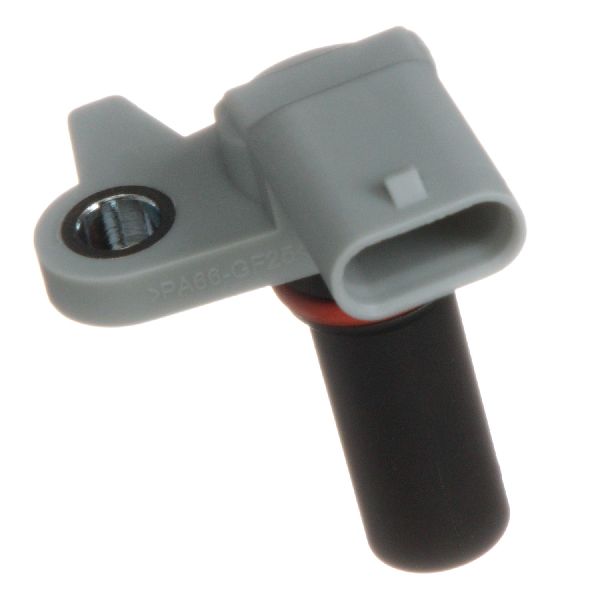
- Faulty Camshaft Position Sensor: It's possible for the sensor itself to fail and send incorrect data to the PCM, but it's more common for the mechanical components (solenoid, phaser) to be the root cause. This is often misdiagnosed as the primary failure.
- Wiring or Connector Issue: Damage to the wiring harness or a loose/corroded connection at the VCT solenoid or camshaft position sensor can interrupt the signal and trigger the code. Pinpoint Test HK includes steps to check for opens or shorts in the harness.
Diagnosis Steps
- Check Engine Oil: Verify the oil level is correct and the oil is clean. Crucially, confirm the viscosity of the oil used matches the specification in the owner's manual. If in doubt, perform an oil and filter change with the correct, manufacturer-specified oil. Clear the code and drive to see if it returns.
- Scan for Other Codes: Use an OBD-II scanner to check for any other pending or active codes that could provide more clues.
- Inspect Wiring: Visually inspect the wiring and connector for the Bank 1 intake VCT solenoid and the camshaft position sensor for any signs of damage, corrosion, or looseness.
- Test the VCT Solenoid (Scan Tool): Using a capable bidirectional scan tool like Ford IDS or FORScan, access Pinpoint Test HK and command the VCT solenoid to cycle multiple times (up to 10) to dislodge potential debris. Watch live data PIDs (VCT_INT_ACT1 vs VCT_INT_CMD1) to see if the camshaft angle changes. If it doesn't respond, the solenoid is likely faulty.
- Test the VCT Solenoid (Manual): Remove the solenoid. Inspect the small oil screens for sludge or debris. You can test its resistance with a multimeter (look for 6-14 ohms). Carefully apply 12V to its terminals to see if the internal plunger actuates (it should make an audible click).
- Swap Solenoids (2.7L V6 only): If your Nautilus has the V6, you can swap the Bank 1 intake solenoid with the Bank 2 intake solenoid. 🎬 See how to swap VVT solenoids on the 2.7L engine. Clear the codes and drive. If the code changes to P0021 (Bank 2), the solenoid is confirmed to be the problem.
- Check for Sludge: If replacing the solenoid doesn't work, remove the valve cover to inspect for engine sludge, which could be blocking oil passages and preventing the new solenoid from working correctly.
- Advanced Mechanical Checks: If all else fails, the issue may be with the cam phaser or the timing chain itself. This level of diagnosis is best left to a professional mechanic.
Parts You'll Likely Need
- Variable Camshaft Timing (VCT) Solenoid
(OEM #For 2.0L EcoBoost: CJ5Z-6M280-A. For 2.7L EcoBoost: 7T4Z-6M280-C (replaces 7T4Z-6M280-B). Always verify with VIN.)— This is the most common part to fail for this code, as documented in numerous Ford TSBs. It gets clogged with debris or fails electronically, preventing proper control of camshaft timing.
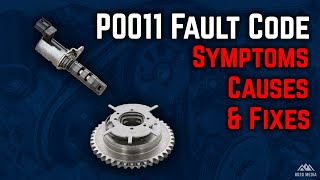
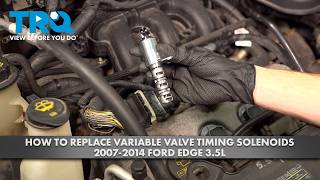
Trusted brands: Motorcraft, Dorman, Standard Motor Products (SMP) 🎬 Watch this walkthrough on how to replace the solenoids.
OEM price range: $80-$150
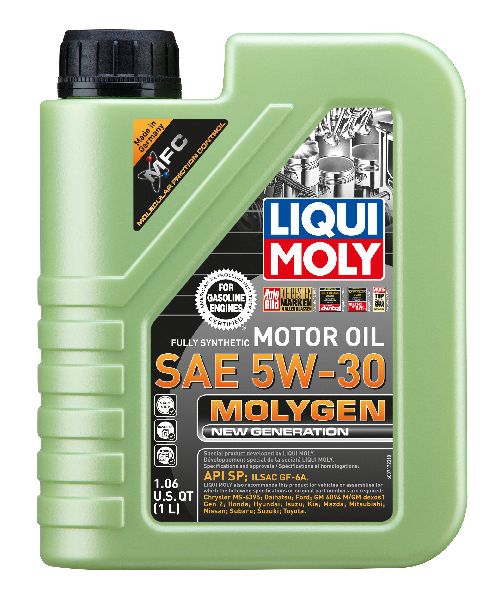
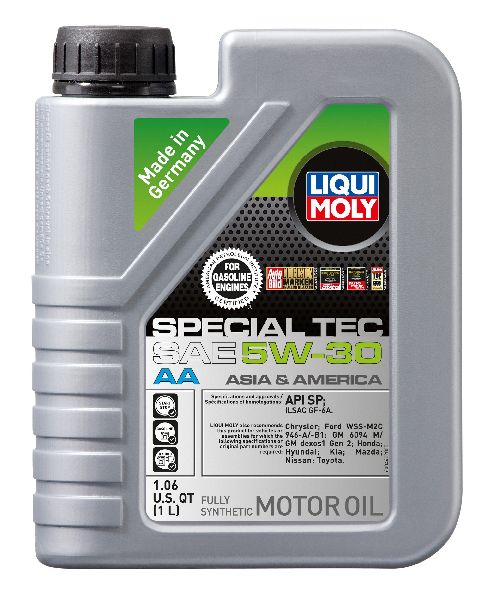
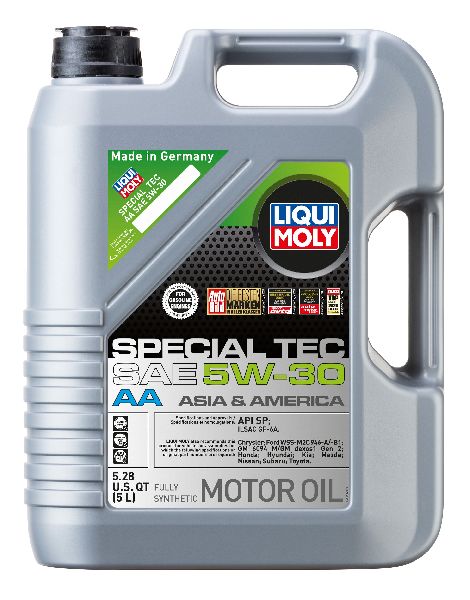
Aftermarket price range: $40-$90 - Engine Oil and Filter — Incorrect oil level, quality, or viscosity is a primary cause of VCT system faults. Using the correct OEM-specified full synthetic oil and a quality filter is a critical first step and may resolve the code on its own.
Trusted brands: Motorcraft
OEM price range: $70-$120
Aftermarket price range: $50-$90
Related Codes That Often Appear With This One
- P0012 — P0012 is for 'A' Camshaft Position Timing Over-Retarded (Bank 1). It can appear if the VCT system is malfunctioning erratically, sometimes advancing too much and sometimes not enough, pointing to a sticking solenoid or oil pressure problem.
- P0021 — P0021 is the same 'over-advanced' fault but for Bank 2 (only on the 2.7L V6 engine). Seeing both codes together could point to a systemic issue like low/dirty oil affecting the entire engine.
- P0014 — P0014 is for the 'B' (exhaust) camshaft on Bank 1 being over-advanced. Seeing it with P0011 suggests a problem affecting the entire timing system on Bank 1, such as an oil supply issue to that bank or both solenoids on Bank 1 are failing.
Technical Service Bulletins (TSBs) & Recalls
- SSM 54366: Mentions that 2015-2021 Ford and Lincoln vehicles may exhibit an illuminated MIL with diagnostic trouble codes (DTCs) P0011, P0012, P0014, P0015, P0016, P0017, P0018, P0019, P0021, P0022, P0024 and/or P0025. Pinpoint test HK in the Powertrain Control and Emissions Diagnosi…
Platform-Specific Known Issues
- Ford and Lincoln vehicles from this era are covered by TSB SSM 54366 (and its predecessors like SSM 50071 and SSM 48423), which addresses a range of camshaft timing codes including P0011. The bulletin points technicians toward a specific diagnostic test (Pinpoint Test HK) to check for debris in the VCT system by cycling the solenoid with a scan tool before replacing parts.
Mechanic-Grade Diagnostic Values
- VCT Solenoid Internal Resistance — expected: 6.0 - 14.0 Ohms. Failure: A reading outside this range, or an open circuit (infinite resistance), indicates a failed solenoid coil.
- VCT Solenoid Connector Voltage (Key On, Engine Off) — expected: Battery Voltage (approx. 12V) on the power supply pin.. Failure: No voltage or significantly low voltage points to a wiring issue, blown fuse, or PCM fault.
- Engine Oil Pressure at Idle (Warm Engine) — expected: Minimum 15 PSI. Failure: Pressure below 15 PSI at idle can cause the VCT system to malfunction, even if all components are good.
- Scan Tool Live Data PIDs (Bank 1 Intake) — expected: VCT_INT_CMD1 (Commanded Angle) should closely match VCT_INT_ACT1 (Actual Angle). VCT_INT_DIF1 (Difference/Error) should be close to 0 degrees at steady RPM.. Failure: A large and persistent value for VCT_INT_DIF1 indicates the phaser is not reaching its commanded position, pointing to a sticking solenoid or phaser.
Hidden / Shadow Codes Worth Checking
- Mode $06, Test ID $53: This is not a typical DTC but a result from the onboard, non-continuous VCT system monitor. It can show raw data on how far the camshaft timing deviated during its last self-test, providing clues even before a persistent code is set. (see via An advanced scan tool capable of displaying Mode $06 data, such as Ford IDS, FORScan, or other professional-grade scanners.)
Scan Tool Commands That Help
- Ford IDS, FORScan: Pinpoint Test HK / VCT Solenoid Cycle Test — This is a primary diagnostic step recommended in Ford TSBs. It rapidly cycles the solenoid (e.g., 10 times) to dislodge small debris. If the code clears and performance returns to normal after running this test, it confirms a sticking solenoid was the cause and may prevent unnecessary part replacement.
- Ford IDS, FORScan: Output State Control / Actuator Test for VCT Solenoids — This allows manual activation of the solenoid at idle. Commanding the intake solenoid 'On' should cause the engine to run rough or stall. If there is no change in idle quality, it confirms the solenoid is not actuating mechanically, pointing to a failed solenoid or a complete blockage.
Wiring & Ground Locations
- VCT Solenoid Connector — Plugged directly into the top of the VCT solenoid, which is mounted on the engine's valve cover. Bank 1 is the firewall side on the 2.7L V6 and the only bank on the 2.0L I4.. This connector and its wiring are exposed to engine heat and vibration. A poor connection, oil contamination, or damaged wire can cause an electrical fault for the solenoid, triggering P0011 or P0010.
- Engine Ground Points (e.g., G104, G105) — Typically located on the engine block, cylinder head, or chassis near the engine. Specific locations for the VCT circuit on the Nautilus are not detailed in publicly available diagrams but are critical for the PCM and sensors to have a stable reference.. A loose or corroded engine ground can cause erratic behavior in sensors and actuators, including the VCT system, leading to intermittent and hard-to-diagnose timing codes.
OEM Part Supersession History
CJ5Z-6M280-A→N/A— This is the current and widely used part number for the VCT solenoid on the 2.0L EcoBoost engine and many other Ford applications.
Heads up: No known supersession issues or incompatibilities have been widely reported for this part number. It is crucial to always verify fitment with the vehicle's VIN.
Model Year Variations Within This Range
- 2019-2021: No significant variations in the VCT system, engine options (2.0L I4, 2.7L V6), or the diagnostic procedure for code P0011 have been identified within this specific model year range for the Lincoln Nautilus.
Helpful Videos

Used OEM Parts in Stock


New Aftermarket Parts Available


The information in this article is provided for general reference and educational purposes only. Vehicle specifications, procedures, and part compatibility can vary by production date, trim level, and region. Always consult your vehicle's factory service manual and verify part numbers before purchasing or performing repairs. Safety-critical components such as airbags, seat belts, and braking systems should be installed by a qualified professional.
- Lincoln NAUTILUS:
- 🎬 Helpful Videos
- 🛍️ Shop This Part
- What's Unique About the 2019-2021 Lincoln NAUTILUS
- Diagnostic Flowchart
- Symptoms You May Notice
- Most Likely Causes
- Rare But Worth Checking
- Diagnosis Steps
- Parts You'll Likely Need
- Related Codes That Often Appear With This One
- Technical Service Bulletins (TSBs) & Recalls
- Platform-Specific Known Issues
- Mechanic-Grade Diagnostic Values
- Hidden / Shadow Codes Worth Checking
- Scan Tool Commands That Help
- Wiring & Ground Locations
- OEM Part Supersession History
- Model Year Variations Within This Range
- 🎟️ Get 5% Off