

P0011 on 2011-2019 Ford Explorer 3.5L: Causes and Fixes for Over-Advanced Camshaft Timing
On a 2011-2019 Ford Explorer with a 3.5L V6, code P0011 is most often caused by low or dirty engine oil, or a faulty Variable Camshaft Timing (VCT) solenoid on Bank 1. The first step is always to check the oil. If the oil is fine, the VCT solenoid is the next likely culprit, costing between $40 and $120 for the part. On EcoBoost models, a rattling noise on startup with this code can signal a more serious cam phaser or timing chain issue.
- Always check your engine oil level and condition first. A simple oil change can often fix code P0011.
- The most common failed part is the Bank 1 (rear/firewall side) intake VCT solenoid. Swapping it with the Bank 2 solenoid is a definitive, no-cost diagnostic step.
- If you have the 3.5L EcoBoost engine and hear a rattling noise when starting the engine cold, the problem may be more serious, involving the cam phasers or timing chain.
- Use the correct Ford-specified engine oil viscosity to ensure proper operation of the Ti-VCT system.
What's Unique About the 2011-2019 Ford Explorer
The Ford 3.5L V6 engine family (both Cyclone and EcoBoost) uses a Twin Independent Variable Camshaft Timing (Ti-VCT) system that is highly dependent on clean oil and correct oil pressure. Ford has issued several service bulletins (SSMs) acknowledging that this system is sensitive to small debris in the oil, which can cause the VCT solenoids to stick and trigger codes like P0011. For the 3.5L EcoBoost specifically, a P0011 code accompanied by a cold start rattle can be an early warning of more serious timing chain and cam phaser issues, a known concern on this engine platform that can be a very expensive repair.
Symptoms You May Notice
- Check Engine Light is on
- Rough idle or stalling
- Poor acceleration and loss of power
- Decreased fuel economy
- Engine noise, such as a rattling or ticking sound, especially on startup (more common with EcoBoost)
- Hesitation during acceleration.
- Replacing the camshaft position sensor first. While possible, the VCT solenoid is a much more common point of failure for this specific code.
- Assuming a major timing job is needed without first checking the oil and testing the VCT solenoid. These simple, inexpensive steps resolve the issue in a majority of cases.
Most Likely Causes
- Low or Dirty Engine Oil 🔴 High Probability The Ford Ti-VCT system uses oil pressure to adjust cam timing. Low levels, incorrect viscosity, or oil that is dirty or sludgy can clog the small passages in the VCT solenoids and phasers, preventing proper operation. This is the most cited cause in both TSBs and owner forums.
How to confirm: Check the engine oil level and condition using the dipstick. If the oil is low, very dark, or past its recommended change interval, this is the most likely cause and should be addressed first.
Typical fix: Change the engine oil and filter using the Ford-specified oil viscosity (typically 5W-20 for Cyclone or 5W-30 for EcoBoost, check your owner's manual). Clear the codes and drive the vehicle to see if P0011 returns.
Est. part cost: $50-$90 - Failing Variable Camshaft Timing (VCT) Solenoid 🔴 High Probability These solenoids (also called oil control valves) can get clogged with debris from the oil or fail electronically. It's a very common failure point on the 3.5L engine, as noted in multiple Ford service bulletins like SSM 47170 and TSB 16-0093.
How to confirm: After confirming the oil is good, the easiest diagnostic is to swap the Bank 1 intake VCT solenoid with the Bank 2 intake VCT solenoid. Clear the codes. If the trouble code changes to P0021 (the equivalent code for Bank 2), the solenoid is confirmed to be faulty. On the 3.5L, intake solenoids are often a different color (white/grey) than exhaust solenoids (black).
Typical fix: Replace the Bank 1 intake VCT solenoid. It is located on the valve cover for the rear cylinder bank (Bank 1). It's often recommended to replace both the intake and exhaust solenoids on that bank at the same time, along with the solenoid seals or the entire valve cover gasket to prevent leaks.
Est. part cost: $40-$120 - Worn Camshaft Phaser 🟡 Medium Probability On higher-mileage engines, especially the 3.5L EcoBoost, the internal locking pins and vanes of the cam phasers can wear out. This often causes a loud rattling or ticking noise for a few seconds on a cold startup, sometimes described as a 'diesel-like' sound.
How to confirm: This is a more difficult diagnosis. If a new VCT solenoid and fresh oil do not fix the code, and a startup rattle is present, a worn phaser is the likely cause. A mechanic can confirm this with advanced scan tool data and by inspecting the timing system. A user on f150forum.com reported having phasers replaced at 30k miles and then getting P0011 again at 69k miles, highlighting it can be a recurring issue.
Typical fix: Replace the Bank 1 intake camshaft phaser. This is a labor-intensive job that also requires replacing the timing chain, tensioners, and guides as a set. This is considered a major engine repair.
Est. part cost: $150-$400 for a phaser kit, but labor is significant.
Rare But Worth Checking
- Stretched Timing Chain: While more commonly associated with codes like P0016, a significantly stretched timing chain can cause general timing performance issues like P0011, especially on the 3.5L EcoBoost engine. A very loose chain was shown in a YouTube video to cause P0011 and other codes on a 3.5L engine. This is a major repair.
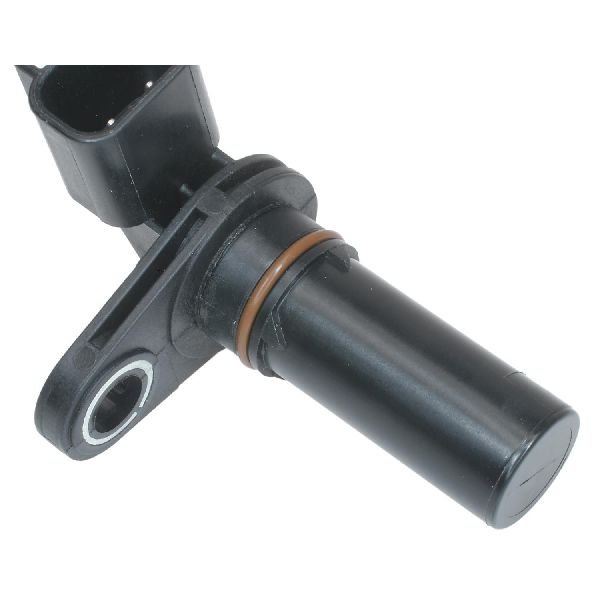
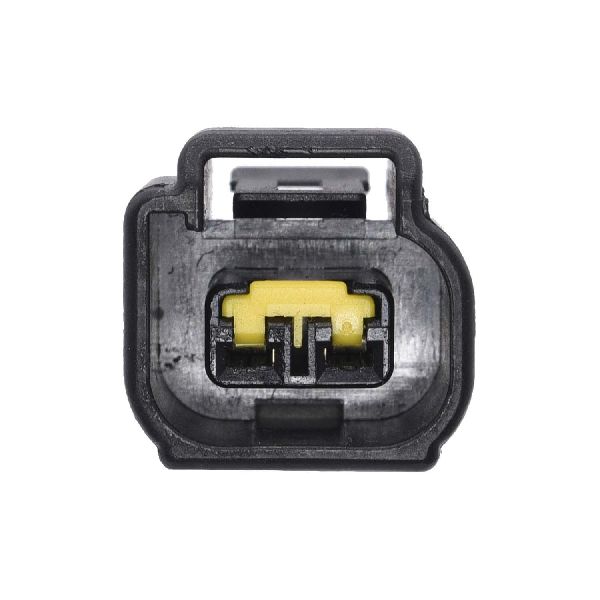
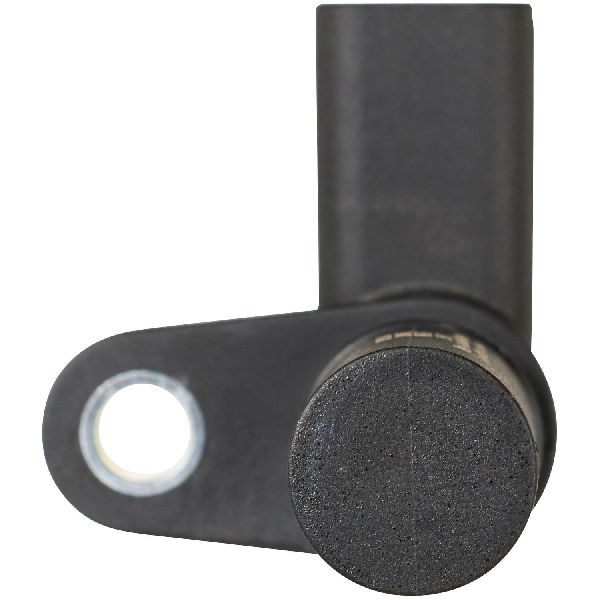
- Faulty Camshaft Position Sensor: It is less common for a sensor to cause a performance code like P0011 (versus a circuit code), but a sensor providing erratic readings could lead the PCM to misinterpret the camshaft's position.
- High-Pressure Fuel Pump (HPFP) Issue (EcoBoost): On some 3.5L EcoBoost engines, an issue with the high-pressure fuel pump or its installation can reportedly lead to timing-related codes like P0011 and P0016. A forum user described a scenario where an improperly installed HPFP caused play that led to these codes.
Diagnosis Steps

- Check the engine oil level and condition. Top off or perform an oil and filter change if needed. This is the most common and cheapest fix.
- Use an OBD-II scanner to check for any other pending or active trouble codes.
- Clear the codes and test drive the vehicle to see if P0011 returns. If it does not, the issue was likely the oil.
- If the code returns, perform a VCT solenoid swap. Locate the intake VCT solenoids on Bank 1 (rear, by firewall) and Bank 2 (front, by radiator). Swap them.
- Clear the codes again and drive. If the code changes to P0021, the solenoid you moved to Bank 2 is bad and must be replaced.
- If the code remains P0011 after the swap, the problem is not the solenoid. Inspect the wiring and connector to the Bank 1 solenoid for damage or corrosion.
- If wiring is good, consider using a scan tool to command the solenoid on and off to check for response, as recommended in Ford SSMs.
- If the solenoid tests okay, the issue is likely mechanical. Listen for a cold-start rattle which would indicate worn cam phasers or a stretched timing chain. At this point, professional diagnosis is recommended as timing component replacement is complex.
Parts You'll Likely Need
- Variable Camshaft Timing (VCT) Solenoid / Oil Control Valve (Bank 1 Intake)
(OEM #For 3.5L NA V6: 7T4Z-6M280-C; For 3.5L EcoBoost: HL3Z-6M280-A or BL3Z-6M280-D (Verify with VIN).)— This solenoid is the most common part to fail, usually by sticking or getting clogged with oil debris, directly causing the over-advanced timing condition.
Trusted brands: Motorcraft, Dorman, Standard Motor Products (SMP)
OEM price range: $60-$120
Aftermarket price range: $40-$80 - Engine Oil & Filter — Incorrect oil viscosity, low oil level, or dirty oil is a primary cause of VCT system faults.
Trusted brands: Motorcraft Synthetic Blend, Pennzoil, Mobil 1
OEM price range: $50-$90
Aftermarket price range: $40-$70
Related Codes That Often Appear With This One
- P0021 — This is the same over-advanced timing code but for Bank 2. If P0011 and P0021 appear together, it strongly points to a global issue like low/dirty engine oil or low oil pressure affecting both banks.
- P0016 — This code indicates a correlation error between the crankshaft and the Bank 1 camshaft. If seen with P0011, it increases the likelihood of a mechanical timing issue like a stretched chain or jumped tooth. TSB 16-0038 specifically notes this code pairing on low-mileage engines as an indicator for VCT solenoid replacement.
Technical Service Bulletins (TSBs) & Recalls
- SSM 47170 / SSM 48423: Advise that P0011 may be caused by debris in the VCT solenoid and recommend
Platform-Specific Known Issues

- The 3.5L EcoBoost engine, in particular, has a known history of timing chain stretch and cam phaser failure, which can manifest as a P0011 code, often accompanied by a distinct 'cold start rattle'.
- Ford has issued multiple Special Service Messages (e.g., SSM 47170, SSM 48423) advising technicians that debris can cause VCT solenoids to stick, recommending cycling the solenoid with a scan tool to dislodge debris before outright replacement.
- For 2016 models specifically, TSB 16-0093 addresses P0011 on low-mileage (under 2000 miles) 3.5L engines and advises replacing the affected solenoid, suggesting a known issue with early part failure.
Mechanic-Grade Diagnostic Values
- VCT Solenoid Internal Resistance — expected: 5 to 15 Ohms. A more precise range is 6.9 - 7.9 Ohms at 68°F (20°C).. Failure: A reading of 0 Ohms (short circuit) or infinite/OL (open circuit) indicates a failed solenoid coil.
- VCT Solenoid Connector Voltage (Key On, Engine Off) — expected: Battery voltage (approximately 12.0-12.6V) on the power supply pin.. Failure: No voltage suggests a problem with the power supply wire (VPWR circuit) or a related fuse.
- Engine Oil Pressure at Hot Idle — expected: Minimum of 15 PSI, with 25 PSI or higher being ideal.. Failure: Sustained pressure below 15 PSI at hot idle can cause erratic VCT operation and trigger various timing codes.
- Scan Tool PID: VCT_ADV_ERR (VCT Advance Error) — expected: Should remain close to 0 degrees at idle and under steady load.. Failure: A consistent, non-zero value indicates the PCM cannot achieve the desired cam angle, confirming a VCT system fault.
- Scan Tool PID: VCT_INT_ADV_ACT1 (Actual Cam Angle Bank 1) — expected: Should closely match the desired angle PID (VCT_INT_ADV_DES1).. Failure: Per Ford diagnostics, a reading of +6 degrees or greater than the desired angle at idle can indicate a stretched timing chain.
Hidden / Shadow Codes Worth Checking
- Mode 6, TID $81: This test ID within Mode 6 data relates to non-continuous monitor tests for the VCT system. It tracks statistical data on timing deviation and solenoid response. (see via A professional scan tool with Mode 6 capabilities, such as the Ford IDS or FORScan. A failing test under this ID can indicate a borderline component before a persistent DTC like P0011 is set.)
Scan Tool Commands That Help
- Ford IDS (or FORScan): Pinpoint Test HK / VCT Solenoid Bi-Directional Control — This is a key diagnostic step mentioned in Ford SSMs (47170, 48423, 50067). The command cycles the VCT solenoid on and off up to 10 times to dislodge small debris. If running this test resolves the code or changes engine behavior, it confirms a sticking solenoid was the cause and may avoid an unnecessary replacement.
- Ford IDS (or FORScan): Reset All Adaptations / Camshaft Profile Correction Reset — This function should be performed after replacing any timing components, including VCT solenoids or phasers. It clears the PCM's learned timing tables, forcing it to relearn the new components' characteristics.
Wiring & Ground Locations
- VCT11 (Bank 1 Intake) PCM Connector Pin — On the 3.5L engine, the control wire for the Bank 1 Intake VCT solenoid (VCT11) is located at Pin 68 of the C175E connector at the Powertrain Control Module (PCM).. If the solenoid itself tests good, a diagnostic next step is to check for continuity and voltage on this specific wire between the PCM and the solenoid connector to rule out a wiring harness issue.
- Main Engine Ground Strap — On the 3.5L transverse platform, a critical ground strap is often located on the transmission case, below the brake booster, connecting to the chassis.. A loose or corroded main engine ground can cause electrical noise and voltage drops across all engine sensors. While not a direct cause of P0011, it can create erratic sensor readings and phantom electrical issues that complicate diagnosis.
Real Owner Repair Stories
- Reddit user on r/f150 (2018 F-150 Limited 3.5L EcoBoost, ~70,000 miles) — Intermittent hesitation and rough idle, with a P0011 code.
❌ Tried (didn't work) The owner was concerned it was a recurring cam phaser issue, as they had been replaced under warranty at 40k miles.
✅ What actually fixed it The owner replaced the two VVT solenoids on the passenger side bank (Bank 1) along with the valve cover. This resolved the hesitation and the P0011 code. - YouTube channel Truck Lab (2019 F-150 3.5L EcoBoost) — Check Engine Light with codes P0018 and P0021, occasional power loss, and a cold start rattle.
❌ Tried (didn't work) Initial assumption was failing cam phasers due to the cold start rattle.
✅ What actually fixed it Diagnosis found a VCT solenoid had internally broken apart, with a piece lodging in the spool valve. Replacing all four VCT solenoids as a preventative measure fixed all symptoms, including the cold start rattle, proving the rattle is not always a phaser failure.
OEM Part Supersession History
BL3Z-6M280-B / BL3Z-6M280-A→HL3Z-6M280-A / HL3Z-6M280-B— Updated design to improve durability and resistance to debris and sticking, common failure points in the original design.
Heads up: The newer HL3Z solenoids are generally backward compatible with engines that used the BL3Z parts, and are the recommended replacement.
Model Year Variations Within This Range
- 2011-2019 (All): The 3.5L Cyclone (NA) and 3.5L EcoBoost (Turbo) engines use different VCT solenoid part numbers. While functionally identical, their specific calibration and design may differ slightly. Always verify the part number with the vehicle's VIN.
- 2011-2019 (All): A major design flaw in the 3.5L Cyclone V6 is the internal, timing-chain-driven water pump. When its seal fails, it leaks coolant directly into the engine oil, destroying the oil's lubricating properties. This accelerates wear on all timing components, including chains, guides, and VCT phasers/solenoids, and can be a root cause for codes like P0011.
Diagnostic Flowchart
Real Owner Stories
Aggregated from forums and TSBs cited above. Mileages and costs reflect what owners reported in those sources.
2011 Ford Explorer 3.5L
Symptoms: Vehicle was throwing variable valve timing codes.
What fixed it: Replaced the variable valve timing (VVT) solenoid hidden underneath the valve cover.
Source hint: YouTube comment 'VVT Solenoid Replacement'
2018 Ford F-150 3.5L EcoBoost — 70000 miles
Symptoms: Experienced an intermittent P0011 code accompanied by a rough idle and hesitation during acceleration.
What fixed it: Replaced the passenger side VVT solenoids (part #HL3Z6M280A) and the valve cover, successfully avoiding a costly cam phaser replacement.
Source hint: reddit.com/r/f150 - Thread 'Resolved P0011 Code by Replacing VVT Solenoid'
2019 Ford F-150 3.5L EcoBoost — 69000 miles
Symptoms: Experienced intermittent power loss and triggered both P0011 and P0016 codes. The vehicle had previously suffered a similar issue at 30k miles.
What fixed it: For the initial failure at 30k miles, the cam phasers were replaced under warranty. For the recurrence at 69k, mechanics suspected the phasers again, while others pointed to a sticking VCT control solenoid.
Source hint: f150forum.com - Thread 'P0011 and P0016 codes on 2019 F150 XLT Screw with 3.5 Ecoboost'
Related OBD-II Codes
Frequently Asked Questions
Does TSB 16-0093 apply to my Ford Explorer?
What do Ford SSM 47170 and SSM 48423 recommend for fixing P0011?
How can I test if the VCT solenoid is bad on my 3.5L engine?
Why does my 3.5L EcoBoost make a loud rattling noise on cold startup?
What type of oil should I use to prevent VCT solenoid issues?
Where is the Bank 1 intake VCT solenoid located on the Explorer 3.5L?
Helpful Videos
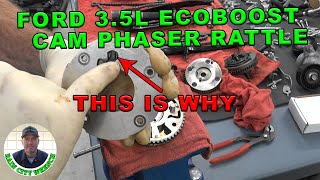
We Have This Part in Stock

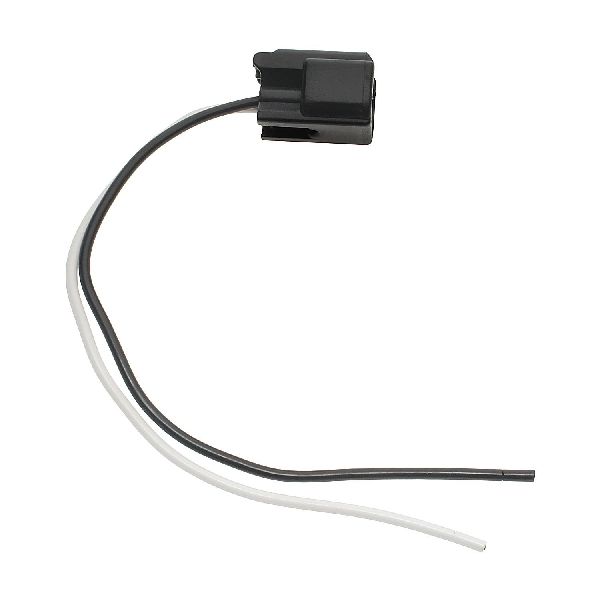

The information in this article is provided for general reference and educational purposes only. Vehicle specifications, procedures, and part compatibility can vary by production date, trim level, and region. Always consult your vehicle's factory service manual and verify part numbers before purchasing or performing repairs. Safety-critical components such as airbags, seat belts, and braking systems should be installed by a qualified professional.
- Ford Explorer:
- 🎬 Helpful Videos
- 🛍️ Shop This Part
- What's Unique About the 2011-2019 Ford Explorer
- Symptoms You May Notice
- Most Likely Causes
- Rare But Worth Checking
- Diagnosis Steps
- Parts You'll Likely Need
- Related Codes That Often Appear With This One
- Technical Service Bulletins (TSBs) & Recalls
- Platform-Specific Known Issues
- Mechanic-Grade Diagnostic Values
- Hidden / Shadow Codes Worth Checking
- Scan Tool Commands That Help
- Wiring & Ground Locations
- Real Owner Repair Stories
- OEM Part Supersession History
- Model Year Variations Within This Range
- Diagnostic Flowchart
- Real Owner Stories
- 2011 Ford Explorer 3.5L
- 2018 Ford F-150 3.5L EcoBoost — 70000 miles
- 2019 Ford F-150 3.5L EcoBoost — 69000 miles
- Related OBD-II Codes
- Frequently Asked Questions
- 🎟️ Get 5% Off