

P0010 on 2006-2011 Hyundai Azera: 'A' Camshaft Position Actuator Circuit Causes and Fixes
On the 2006-2011 Azera, code P0010 almost always points to a faulty Oil Control Valve (OCV) for the Bank 1 intake camshaft. This is often caused by dirty oil or simple solenoid failure. Replacing the OCV is a common, relatively inexpensive DIY fix. Bank 1 is the cylinder bank closer to the firewall.
- P0010 on a 2006-2011 Azera is an electrical circuit code for the Bank 1 (firewall side) intake Oil Control Valve (OCV).
- The most common cause is a failed OCV solenoid. A simple swap with the Bank 2 solenoid can confirm the diagnosis.
- Low or dirty oil is a frequent contributing factor; always check oil level and condition first.
- The issue is almost never the timing chain or the camshaft position sensor itself.
- The correct replacement part is OCV part number 24355-3C200 or its predecessor, 24355-3C100.
What's Unique About the 2006-2011 Hyundai Azera
The Lambda V6 engine in the 2006-2011 Azera (Generation TG) is generally robust, but like many VVT systems of its era, it is sensitive to oil quality and level. The most frequent cause of P0010 is a failure of the Oil Control Valve (OCV) solenoid itself, which is a common maintenance item. While later Hyundai GDI engines (like those in the 2015+ Sonata) had specific TSBs related to internal oil seal plugs in the electronic cam phaser causing this code, this particular issue is not documented for the Azera's port-injected Lambda V6. For this platform, the focus is almost always on the OCV and its related electrical circuit.
Symptoms You May Notice
- Check Engine Light is on
- Rough or unstable engine idle
- Reduced engine power and poor acceleration
- Hesitation when accelerating
- Decreased fuel economy
- Engine may stall at low speeds or when stopping
- Rattling noise from the engine, particularly on startup.
- Replacing the Camshaft Position Sensor (CPS). P0010 is a circuit code for the actuator (the OCV solenoid), not the sensor. While a bad sensor can cause performance issues, it typically sets different codes (like P0340).
- Replacing timing components. While timing chain issues can cause performance problems (like P0011), P0010 specifically points to an electrical circuit fault, which is almost always external to the timing cover.
Most Likely Causes
- Failed Bank 1 Intake Oil Control Valve (OCV) 🔴 High Probability The OCV is an electromechanical solenoid that operates in hot engine oil and is a common failure point over time. Sludge from infrequent oil changes can cause it to stick or fail electrically. The internal coil winding can also break, creating an open circuit detected by the ECM.
How to confirm: Check the resistance of the solenoid with a multimeter; a typical reading should be between 6.7-7.7 Ohms for the Delphi-made part used in this engine. An open circuit (infinite resistance) or a short (near zero resistance) confirms failure. The easiest test is to swap the Bank 1 and Bank 2 intake OCVs; if the code changes to P0020 (for Bank 2), the OCV is bad.
Typical fix: Replace the Bank 1 intake Oil Control Valve. Bank 1 is located on the firewall side of the engine.
Est. part cost: $40-$100 - Low or Dirty Engine Oil 🟡 Medium Probability The VVT system is entirely dependent on oil pressure to function. If the oil is low, thick, or sludgy, it can clog the small passages and filter screens in the OCV, preventing it from working correctly and potentially leading to an electrical fault code.
How to confirm: Check the engine oil level and condition on the dipstick. If it's low or looks very dark/sludgy, this is a likely contributor. An oil change is the first step before replacing parts.
Typical fix: Perform an engine oil and filter change using the manufacturer-specified oil viscosity (e.g., 5W-20). Clear the code and see if it returns.
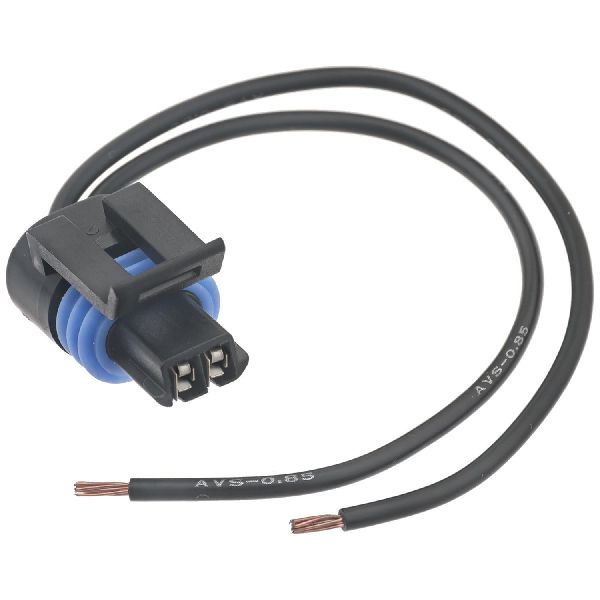
Est. part cost: $30-$70 - Damaged Wiring or Connector for the OCV ⚪ Low Probability Engine bay heat and vibrations can cause wiring to become brittle and crack or connectors to become loose or corroded over time. The connector itself can also fill with oil if the OCV's internal seal fails.
How to confirm: Visually inspect the wiring harness and connector going to the Bank 1 intake OCV. Check for breaks, corrosion, oil contamination, or loose pins. Use a multimeter to check for continuity and proper voltage (should see battery voltage with key on, engine off) at the connector.
Typical fix: Repair the damaged wiring or replace the connector pigtail. If the connector is full of oil, the OCV must be replaced as well.
Est. part cost: $10-$30
Rare But Worth Checking
- Failing Powertrain Control Module (PCM): This is very rare. The PCM should only be considered after all other possibilities (solenoid, wiring, oil) have been exhaustively ruled out. A failed driver circuit in the PCM can cause this code, but it is not a common failure.
Diagnosis Steps
- Check Engine Oil: Verify the oil level is correct and the oil is clean. If low or dirty, perform an oil change with the correct viscosity oil, clear the code, and re-test.
- Inspect Wiring: Visually inspect the electrical connector and wiring for the Bank 1 intake OCV. Bank 1 is the cylinder bank closer to the firewall on the Azera's transverse V6. Look for any signs of damage, corrosion, oil saturation, or loose connections.
- Swap Solenoids (Easiest Test): The simplest functional test is to swap the intake OCV from Bank 1 (firewall side) with the intake OCV from Bank 2 (radiator side). They are identical parts. Clear the codes and drive the vehicle. If the code returns as P0020 (the equivalent code for Bank 2), the OCV you moved is faulty and needs to be replaced. If P0010 returns, the problem is in the wiring or PCM for Bank 1.
- Test Resistance: With the engine off, unplug the suspect OCV and measure its internal resistance with a multimeter. It should measure between 6.7 and 7.7 ohms at 68°F (20°C) for the Delphi-supplied part. An open circuit (OL) or short (0 ohms) indicates a failed solenoid.
- Check for Power: If the solenoid tests good, use a multimeter to confirm there is battery voltage at one pin of the OCV connector with the ignition on. The other pin is the control wire that the PCM grounds to activate the solenoid.
- If all of the above check out, the problem may be a more complex wiring issue between the OCV and the ECM, or a very rare failure of the ECM itself.
Parts You'll Likely Need
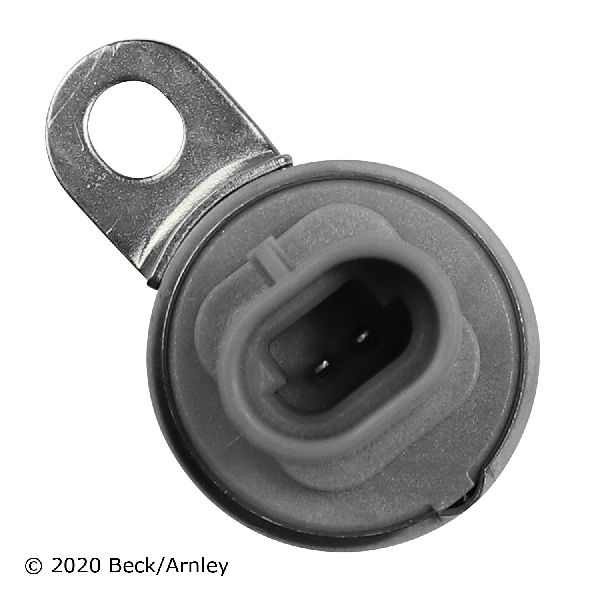
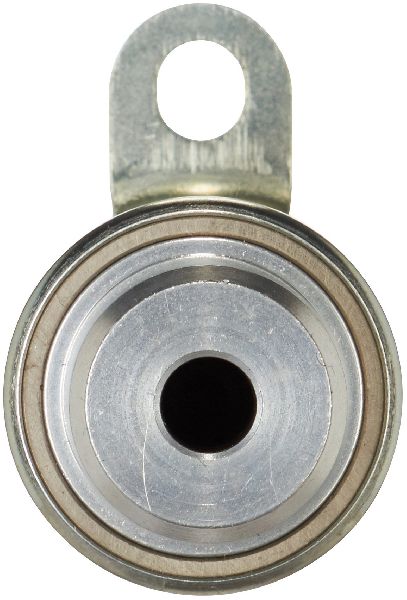
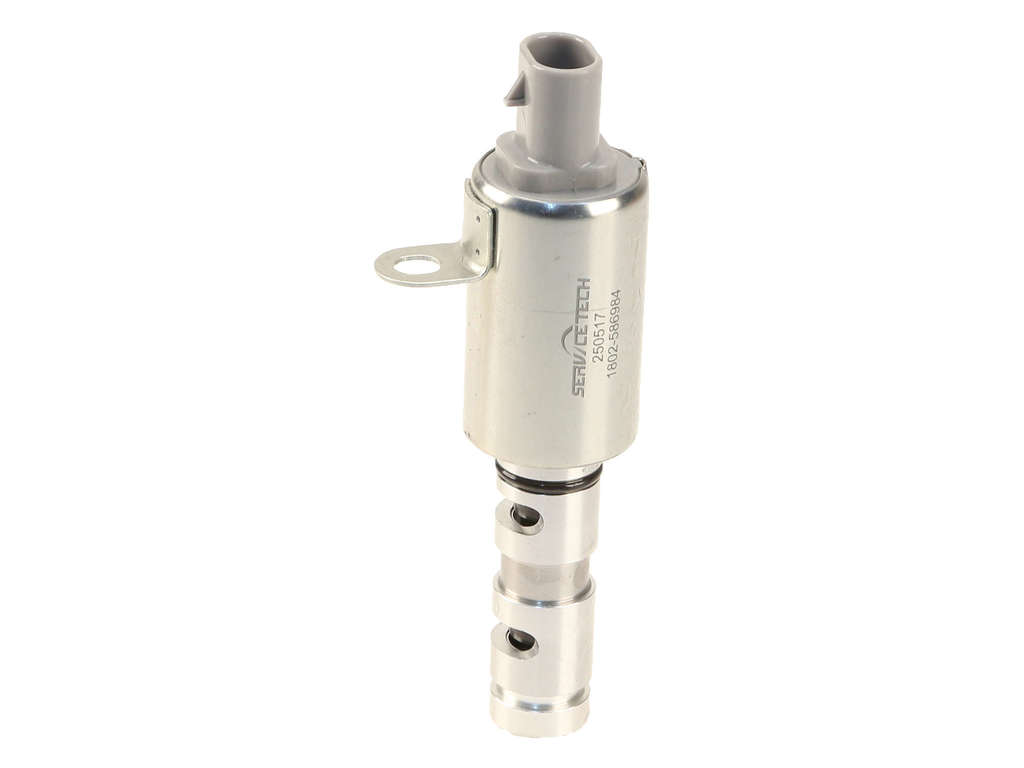
- Engine Variable Valve Timing (VVT) Solenoid / Oil Control Valve (OCV)
(OEM #24355-3C200 (supersedes 24355-3C100))— This solenoid is the most common part to fail, causing the P0010 circuit code. Part numbers 24355-3C100 and 24355-3C200 are often listed as interchangeable for this application.
Trusted brands: Genuine Hyundai/Kia, AISIN, Dorman, Standard Motor Products
OEM price range: $80-$120
Aftermarket price range: $40-$80
Related Codes That Often Appear With This One
- P0011 — P0011 indicates 'Camshaft Position 'A' - Timing Over-Advanced or System Performance (Bank 1)'. It often appears with P0010 because a faulty OCV circuit (P0010) prevents the camshaft from reaching its target position, causing a mechanical performance/timing error (P0011).
Technical Service Bulletins (TSBs) & Recalls
- TSB-15-01-022-1: While this TSB exists for P0010, it applies to 2015 Sonatas with 2.0T/2.4L GDI engines and addresses an E-CVVT internal oil seal plug. It is not directly applicable to the 2006-2011 Azera's Lambda V6 but is noted for context.
- NHTSA Recall 14V433000: Addresses severe corrosion of the rear crossmember in salt-belt states, a critical safety issue for this platform.
Platform-Specific Known Issues
- While not specific to the Azera, a Technical Service Bulletin (TSB-15-01-022-1) for the 2015 Sonata with a GDI engine mentions P0010 being caused by an improperly seated internal oil seal plug in the E-CVVT. This is a different engine family but shows a history of Hyundai having specific mechanical issues that can trigger this electrical code. However, for the 2006-2011 Azera, the issue is more commonly a direct failure of the OCV solenoid itself.
- On the Lambda V6, the Bank 1 OCVs (both intake and exhaust) are located on the rear cylinder head (firewall side) and can be slightly more difficult to access than the Bank 2 OCVs on the front (radiator side).
Mechanic-Grade Diagnostic Values
- Oil Control Valve (OCV) Coil Resistance — expected: 6.7 - 7.7 Ohms at 68°F (20°C). Failure: A reading of infinite resistance (Open Loop) or near-zero resistance (short) indicates a failed solenoid.
- OCV Harness Connector Voltage — expected: Battery voltage (~12V) on one terminal with ignition on, engine off.. Failure: No voltage suggests a problem with the power supply circuit, such as a blown fuse or a break in the wire from the main relay.
Scan Tool Commands That Help
- Hyundai GDS (Global Diagnostic System): Actuation Test: CAM PHASER INTAKE BANK 1 / OIL CONTROL VALVE — This bidirectional command allows a technician to manually activate the OCV solenoid. It is used to verify if the solenoid clicks and if the engine's idle changes or stumbles, which confirms the solenoid is mechanically responding to the command and that oil pressure is being applied. This helps isolate a bad solenoid from a wiring or PCM driver issue.
Wiring & Ground Locations
- Engine Block to Chassis Ground Strap — Typically a braided metal strap connecting the engine block or cylinder head directly to the vehicle's firewall or chassis frame rail.. While not a direct cause of P0010, a poor or corroded main engine ground can create electrical noise and unstable voltage throughout the engine management system. This can lead to erratic sensor readings and intermittent faults in various circuits, including the OCV. Ensuring this ground is clean and secure is a foundational step in diagnosing any electrical issue.
- Bank 1 Intake OCV Connector — On the rear cylinder head (firewall side), connected to the top of the Oil Control Valve for the intake camshaft.. This is the direct connection point for the component in question. Diagnostics require testing for voltage and resistance at its pins. A visual inspection for oil contamination, corrosion, or pushed-out pins is critical.
OEM Part Supersession History
24355-3C100→24355-3C200— Standard part revision or change in manufacturer. Both parts are generally considered interchangeable for the 2006-2011 Azera.
Heads up: No known incompatibilities. The OEM part is supplied by Delphi Powertrain Systems. Both part numbers fit a wide range of Hyundai/Kia vehicles with the 3.3L and 3.8L Lambda V6.
Model Year Variations Within This Range
- 2011: For the 2011 model year, the Azera's Lambda engines (both 3.3L and 3.8L) were upgraded with Dual Continuously Variable Valve Timing (D-CVVT), meaning both the intake and exhaust camshafts became variable. This added exhaust OCVs and cam sensors. While P0010 still refers to the Bank 1 intake circuit, the wiring harness and number of VVT components on the engine increased. The 2006-2010 models had CVVT on the intake cams only.
- 2007-2010: A 3.3L V6 engine option was added for the 2007 model year. Both the 3.3L and 3.8L Lambda engines use the same OCV part number and diagnostic procedure for P0010.
Diagnostic Flowchart
Other Known Issues on This Vehicle
Issues unrelated to this code that are worth knowing about as an owner of this generation:
- Cracked Dashboard 🟠 Medium — Widespread issue, especially on vehicles exposed to heat/sun. Cracks often appear over the passenger airbag area, raising safety concerns for owners.
- Rear Subframe/Crossmember Corrosion 🔴 High — Common in regions that use road salt. Corrosion can become severe enough to cause detachment of rear suspension components. (Ref: NHTSA Recall 14V433000)
- Defective Stop Lamp Switch 🟡 Low — Very common issue across many Hyundai models of this era. Can prevent shifting out of Park, cause ESC light to illuminate, and disable cruise control. (Ref: NHTSA Recall 09V122000)
- Timing Chain Cover Oil Leak 🟠 Medium — A known issue where oil can leak from the front valve cover gasket onto the alternator, potentially causing alternator failure. (Ref: Hyundai TSB 23-01-076H-2 (for Santa Fe, but relevant to engine design))
- Power Seat Malfunction 🟡 Low — Affects 2007-2008 models where the driver's power seat may move unexpectedly. (Ref: NHTSA Recall 08V452000)
Used vs. New Parts: Buying Guide for This Vehicle
When a used part is the smart pick: A used Oil Control Valve (OCV) is generally not recommended. It is an electro-mechanical part that operates in hot oil and is a known wear item. The cost savings of a used part are minimal compared to the labor involved and the risk of the used part failing shortly after installation.
Donor-vehicle mileage cap: roughly under 50000 miles for the part to have meaningful remaining life.
What to inspect on the donor part:
- If considering a used part, ensure the donor vehicle has low mileage.
- Inspect the electrical connector for any cracks or damage.
- Check the small filter screens on the valve for any metallic debris or heavy sludge, which would indicate poor engine health of the donor vehicle.
OEM-only on this vehicle (don't cheap out):
- Powertrain Control Module (PCM) - Must be programmed to the specific vehicle VIN and options.
Aftermarket brands forum-validated for this vehicle:
- Genuine Hyundai/Kia (often manufactured by Delphi)
- Dorman
- Standard Motor Products (SMP)
- AISIN
Brands owners have reported issues with on this vehicle:
- No-name, unbranded parts from online marketplaces should be avoided due to inconsistent quality control and high failure rates.
Real Owner Stories
Aggregated from forums and TSBs cited above. Mileages and costs reflect what owners reported in those sources.
2008 Hyundai Azera 3.3L/3.8L V6
Symptoms: The owner experienced issues related to the VVT system, specifically triggering a code for the Oil Control Valve.
What fixed it: Replacing the Oil Control Valve (OCV) as the recommended part.
Source hint: reddit.com/r/MechanicAdvice thread about an '08 Azera
2015 Hyundai Sonata 2.0T/2.4L GDI
Symptoms: The vehicle triggered codes P0010 and P0011.
What fixed it: The issue was caused by an unseated internal oil seal plug in the E-CVVT.
Source hint: reddit.com/r/Hyundai
Related OBD-II Codes
Frequently Asked Questions
Does TSB-15-01-022-1 regarding the E-CVVT oil seal plug apply to my 2006-2011 Hyundai Azera?
I have a P0010 on my Azera; is there a simple way to test if the solenoid is actually bad before buying a new one?
Where is Bank 1 located on the Azera's 3.3L/3.8L V6 engine?
Could my Azera's P0010 code be related to the NHTSA recall 14V433000?
Can using the wrong oil viscosity trigger this code on my Lambda V6?
What should I do if I find oil inside the electrical connector of the OCV?
We Have This Part in Stock



The information in this article is provided for general reference and educational purposes only. Vehicle specifications, procedures, and part compatibility can vary by production date, trim level, and region. Always consult your vehicle's factory service manual and verify part numbers before purchasing or performing repairs. Safety-critical components such as airbags, seat belts, and braking systems should be installed by a qualified professional.
- Hyundai Azera:
- 🛍️ Shop This Part
- What's Unique About the 2006-2011 Hyundai Azera
- Symptoms You May Notice
- Most Likely Causes
- Rare But Worth Checking
- Diagnosis Steps
- Parts You'll Likely Need
- Related Codes That Often Appear With This One
- Technical Service Bulletins (TSBs) & Recalls
- Platform-Specific Known Issues
- Mechanic-Grade Diagnostic Values
- Scan Tool Commands That Help
- Wiring & Ground Locations
- OEM Part Supersession History
- Model Year Variations Within This Range
- Diagnostic Flowchart
- Other Known Issues on This Vehicle
- Used vs. New Parts: Buying Guide for This Vehicle
- Real Owner Stories
- 2008 Hyundai Azera 3.3L/3.8L V6
- 2015 Hyundai Sonata 2.0T/2.4L GDI
- Related OBD-II Codes
- Frequently Asked Questions
- 🎟️ Get 5% Off