

P0010 on 2010-2017 GMC Terrain 2.4L: Intake Cam Actuator Circuit Causes and Fixes
On a 2010-2017 GMC Terrain with the 2.4L engine, code P0010 is most often caused by a faulty Intake Camshaft Position Actuator Solenoid, frequently triggered by low or dirty engine oil. These engines are known for severe oil consumption, which starves and clogs the solenoids. Replacing the solenoid is a common, affordable DIY fix, with the part costing between $25 and $60.
- Before any other step, check your engine oil level. Low oil is the #1 cause of VVT-related codes like P0010 on this specific engine.
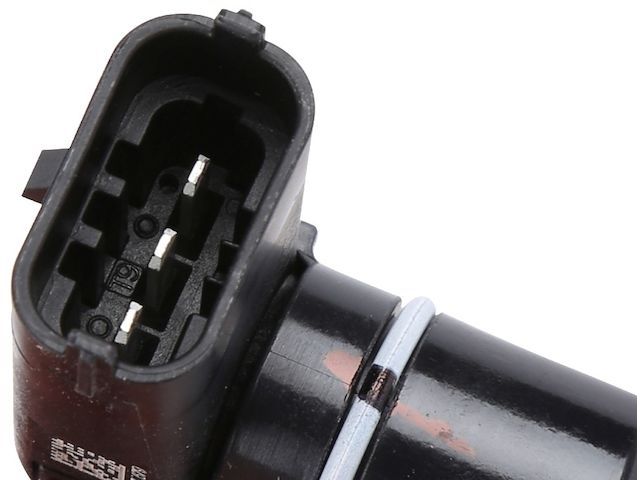
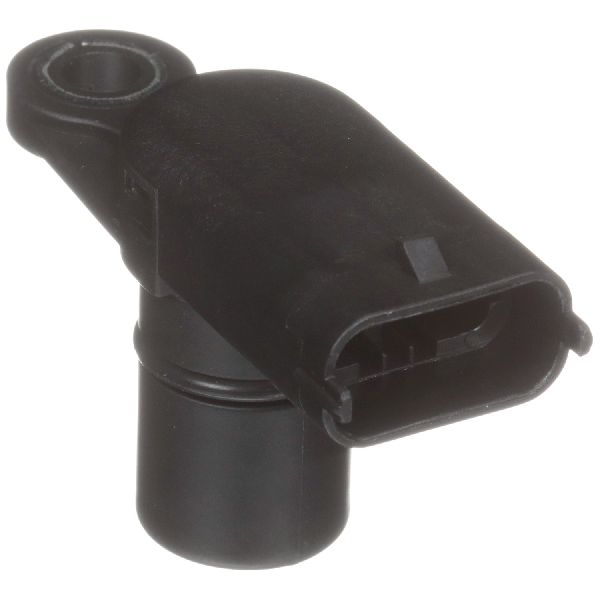
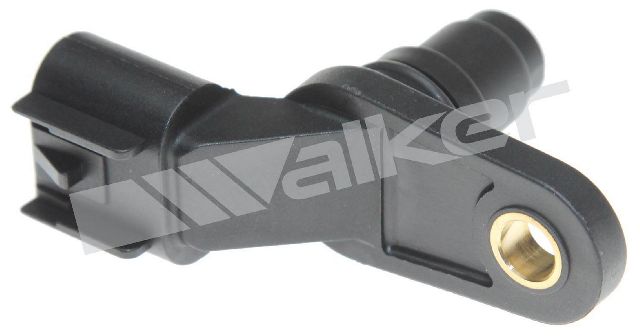
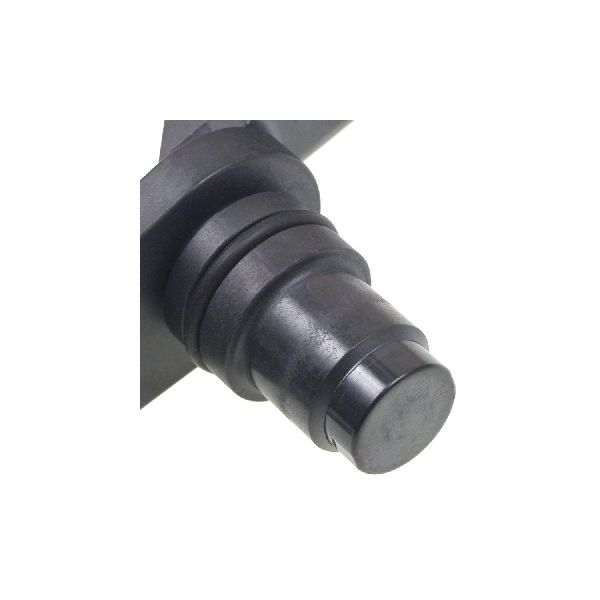
- The most likely part to have failed is the Intake Camshaft Position Actuator Solenoid (OEM part #12655420).
- A simple and definitive diagnostic is to swap the intake (front) and exhaust (rear) solenoids. If the code changes to P0013, you have confirmed the solenoid is bad.
- Replacing the solenoid is a beginner-friendly DIY job that takes less than an hour and requires only basic hand tools.
- Due to the known oil consumption issues, be diligent about checking your oil level between changes, even after the repair.
What's Unique About the 2010-2017 GMC Terrain

The 2.4L Ecotec engine in this generation of GMC Terrain is notorious for excessive oil consumption due to a piston ring design flaw, which was the subject of multiple class-action lawsuits and GM Special Coverage programs. This is critical for code P0010 because the VVT system is hydraulic and relies on a steady supply of clean oil at the correct pressure. Chronically low oil levels or oil sludge from infrequent changes starves the actuator solenoids, causing their internal screens to clog, the internal mechanism to fail electronically, and trigger this circuit code.
Symptoms You May Notice
- Check Engine Light is on
- Rough or unstable idle
- Engine stalling, especially when coming to a stop or putting the vehicle in gear
- Reduced engine power and poor acceleration
- Decreased fuel economy
- Engine rattling noise, especially on startup
- Replacing the camshaft position *sensor* instead of the camshaft position actuator *solenoid*. The sensor reads the camshaft's position, while the solenoid (actuator) is an oil control valve that physically moves it. P0010 specifically points to the actuator solenoid circuit.
Most Likely Causes

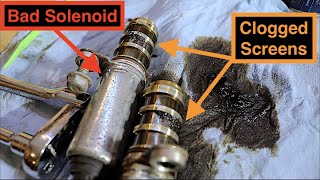
- Faulty Intake Camshaft Position Actuator Solenoid 🔴 High Probability These solenoids are highly sensitive to oil contamination. The 2.4L Ecotec's tendency to consume and degrade oil causes the fine mesh screens on the solenoids to clog with sludge and metal particles, leading to internal electronic failure (open circuit).
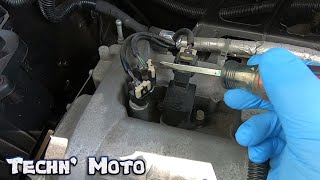
How to confirm: Swap the intake solenoid (gray connector, front of engine) with the exhaust solenoid (black connector, rear of engine). If the code changes to P0013 (Exhaust Camshaft Position Actuator Circuit), the solenoid is bad. You can also test the solenoid's resistance with a multimeter; a good one should read between 8 and 13 ohms. A reading of infinity (OL), very high resistance (kilo-ohms or mega-ohms), or a wildly fluctuating reading indicates an open circuit and a failed solenoid. 🎬 Watch: How to test and replace the intake solenoid
Typical fix: Replace the Intake Camshaft Position Actuator Solenoid. It is strongly recommended to replace both the intake and exhaust solenoids at the same time and to perform an oil and filter change simultaneously. Using a genuine ACDelco part is often advised, as some aftermarket solenoids have been reported to fail quickly or not resolve the issue.
Est. part cost: $25-$60 - Low or Dirty Engine Oil 🔴 High Probability These engines are known for a piston ring defect that leads to excessive oil consumption (burning more than 1 quart per 2,000 miles), which was addressed by GM Special Coverage Adjustments #14159, #15285C, #16118, and N192291100. Low oil pressure or sludgy oil directly impacts the VVT system's ability to function, causing codes like P0010.
How to confirm: Check the engine oil level on the dipstick immediately. Inspect the oil's condition. If the level is low or the oil is dark, thick, or smells of fuel, this is a primary contributing factor. A fuel smell can indicate a failing high-pressure fuel pump diluting the oil.
Typical fix: Top up the engine oil to the correct level and perform an oil and filter change using a full synthetic 5W-30 oil. Monitor oil levels at every fuel fill-up. If oil consumption is severe, an engine repair (pistons and rings) under the special coverage may be required if the vehicle is eligible.
Est. part cost: $30-$70 - Damaged Wiring or Connector ⚪ Low Probability
How to confirm: Visually inspect the wiring harness and connector going to the intake VVT solenoid. Look for frayed wires, loose pins, corrosion, or oil contamination inside the connector. Use a multimeter to check for 12V power at the connector with the ignition on.
Typical fix: Repair the damaged section of wiring or clean/replace the connector pigtail. Sometimes the pins inside the connector become loose and fail to make good contact.
Est. part cost: $10-$30
Rare But Worth Checking
- Stretched Timing Chain: While a stretched timing chain more commonly sets correlation codes like P0016/P0017, the resulting erratic camshaft movement can sometimes contribute to VVT circuit or performance codes. It's usually a result of prolonged operation with low or contaminated oil.
- Faulty Engine Control Module (ECM): This is very rare. The ECM should only be considered after all other possibilities, including wiring and the solenoids themselves, have been exhaustively tested and ruled out.
Diagnosis Steps

- Check the engine oil level and condition. This is the most critical first step. If it is low, top it off, clear the code, and drive to see if it returns. If the oil is old, dirty, or smells of fuel, perform an oil and filter change immediately.
- Inspect the electrical connector and wiring for the intake VVT solenoid (front of the engine, gray connector) for any signs of damage, corrosion, or loose connections.
- Perform a solenoid swap test. The intake and exhaust solenoids are interchangeable for diagnosis. Swap the intake (front, gray connector) and exhaust (rear, black connector) solenoids. Clear the codes and run the engine. If the code changes to P0013, the solenoid you moved to the exhaust position is faulty and needs to be replaced.
- If the code does not change after the swap, test the suspect solenoid with a multimeter. Set the meter to Ohms (Ω). A good solenoid should have a resistance between 8 and 13 ohms. An open circuit (OL) or extremely high resistance confirms the solenoid has failed internally.
- If the solenoid tests good, verify the circuit. Use a multimeter to check for 12V at the solenoid connector with the key on, engine off. If power is present, the issue may be in the control wire to the ECM or the ECM itself (which is rare).
- Before replacing parts, use compressed air to blow out any debris from the solenoid mounting area 🎬 Watch this step-by-step solenoid replacement walkthrough on the valve cover to prevent dirt from falling into the engine.
Parts You'll Likely Need
- Intake Camshaft Position Actuator Solenoid
(OEM #12655420 (Superseded by 12679099))— This component is the most common point of failure for the P0010 code on this engine, often due to clogging from dirty oil or simple electronic failure.
Trusted brands: ACDelco (OEM), Delphi, Dorman
OEM price range: $40-$60
Aftermarket price range: $25-$45 - Exhaust Camshaft Position Actuator Solenoid
(OEM #12655421 (Superseded by 12679100))— Often replaced as a pair with the intake solenoid, as they are subjected to the same conditions and have a similar lifespan.
Trusted brands: ACDelco (OEM), Delphi, Dorman
OEM price range: $40-$60
Aftermarket price range: $25-$45
Related Codes That Often Appear With This One
- P0011 — 'Intake (A) Camshaft Position Timing - Over-Advanced'. This performance code often accompanies P0010. The P0010 circuit code indicates an electrical failure, which prevents the solenoid from working, causing the cam timing to become incorrect and setting P0011.
- P0013 — 'Exhaust (B) Camshaft Position Actuator Circuit'. It's common for both the intake and exhaust solenoids to fail around the same time due to being subjected to the same oil conditions. This code will also appear if you swap a bad intake solenoid to the exhaust side for diagnosis.
- P0014 — 'Exhaust (B) Camshaft Position Timing - Over-Advanced'. The exhaust-side equivalent of P0011. Seeing both P0011 and P0014 together strongly suggests a systemic oil pressure or quality issue.
Technical Service Bulletins (TSBs) & Recalls
- 15285C: Special Coverage for excessive engine oil consumption on 2011 models due to piston ring wear.
- 14159: Special Coverage for excessive engine oil consumption on 2010 models.
- 16118: Special Coverage for excessive engine oil consumption on 2012 models.
- N192291100: Special Coverage for excessive engine oil consumption on 2013 models.
- 43180: Voluntary Emission Recall for High Pressure Fuel Pump on 2010-2011 models.
- 14882: Customer Satisfaction Program for PCV system freezing.
Platform-Specific Known Issues
- Excessive Oil Consumption: Models from 2010-2013 are particularly known for high oil consumption due to faulty piston rings. GM issued several Special Coverage Adjustments (e.g., 14159 for 2010, 15285C for 2011, 16118 for 2012, N192291100 for 2013) to address this by replacing pistons and rings for eligible vehicles. This underlying issue is a primary cause of VVT system problems and must be monitored by all owners.
- PCV System Freezing: In cold climates, moisture can freeze within the PCV orifice in the intake manifold, blocking the system. This causes crankcase pressure to build and can blow out the rear main seal, leading to a catastrophic oil leak. GM issued bulletin #14882 to address this.
Mechanic-Grade Diagnostic Values

- Camshaft Position Actuator Solenoid Resistance — expected: 8 to 13 Ohms. Failure: A reading of OL (Open Loop/infinite), mega-ohms (MΩ), or a reading that fluctuates wildly when wiggling the connector indicates an internal failure of the solenoid.
- Scan Tool Live Data: Desired vs. Actual Intake Camshaft Position — expected: The 'Actual' and 'Desired' angle values should closely track each other during engine operation and when commanded with a scan tool.. Failure: If the ECM commands a change but the 'Actual' position does not change (or changes sluggishly), it points to a problem with the solenoid, oil pressure, or the phaser itself. For P0010, the 'Actual' position will often be stuck at 0 while 'Desired' changes, indicating the solenoid is not responding to the electrical command.
- VVT Solenoid Connector Voltage (Control Circuit) — expected: With the ignition on and engine off, the control circuit pin (typically Pink/Black wire) may show a low voltage (e.g., 1.3V). This is a 'pulled-up' low-current voltage from the ECM and is normal.. Failure: Absence of this voltage could indicate a wiring issue, but the primary test is resistance and bidirectional control.
Scan Tool Commands That Help
- GDS2 (GM Dealer/Professional Scan Tool): Intake Camshaft Position Actuator Solenoid Control — This bidirectional command allows a technician to manually turn the solenoid on and off while the engine is running. When commanding the solenoid 'On', the engine should stumble or stall, confirming the solenoid is mechanically working and oil passages are clear. If the engine sound does not change, the solenoid is either electrically dead (confirming P0010) or mechanically stuck.
Wiring & Ground Locations
- G112 (or similar engine block ground) — There are multiple critical grounds on the 2.4L Ecotec engine block. One key ground stud is located under the alternator, just above the A/C compressor. Another is on the rear of the cylinder head, near the cam position sensor. A third is on the side of the block near the starter.. The ECM and its various circuits, including the drivers for the VVT solenoids, rely on clean, secure ground connections. A corroded or loose engine ground can introduce electrical noise and voltage drops, potentially causing the ECM to misinterpret the state of the VVT solenoid circuit and set a P0010, even if the solenoid itself is good.
- Intake VVT Solenoid Connector — Located on the front of the engine valve cover, typically with a gray or white connector body.. The two pins inside are for the 12V supply and the ECM control circuit. The Pink/Black wire is often the control wire from the ECM. Oil leaking from a faulty valve cover gasket can saturate this connector, causing poor contact or short circuits. A well-known issue is oil wicking from a leaking solenoid up the harness, potentially damaging the ECM connectors over time.
Real Owner Repair Stories
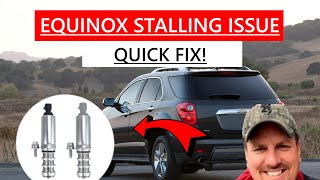
- YouTube channel 'cooper automotive' (2012 GMC Terrain 2.4L) — Stalling issue, P0010 code present.
❌ Tried (didn't work) The customer had been sold a camshaft position *sensor* by a parts store, which did not fix the issue.
✅ What actually fixed it The technician used a scan tool to confirm the fault, then replaced the faulty Intake Camshaft Position Actuator Solenoid. The repair resolved the stalling and cleared the code. - YouTube channel 'Vlogs and How To's' (2011 GMC Terrain 2.4L) — Car would start but die every time it was put into gear. P0010 code and scan tool showed intake camshaft position at 0 while desired was 16.
❌ Tried (didn't work) Initial testing of the solenoid showed resistance within spec (4.8 ohms, with spec being max 5 ohms in this source), which could be misleading.
✅ What actually fixed it Despite the initial resistance test passing, further diagnosis pointed to the solenoid. The video details the full diagnostic procedure, confirming the solenoid as the ultimate point of failure that needed replacement.
OEM Part Supersession History
12655420→12679099— Standard part evolution for improved durability, materials, or manufacturing process. The new part often features coatings to better resist corrosion.
Heads up: The new part number (12679099) is a direct replacement for the old one and is fully compatible. It also replaces several other older part numbers including 12578517, 12628347, and 12646783.
Model Year Variations Within This Range
- 2010-2011 vs 2012-2017: The 2010-2011 models used the LAF engine, while 2012-2017 models used the LEA engine. While both are 2.4L Ecotec engines with the same core issues, the LEA version is FlexFuel (E85) capable. For the purposes of diagnosing P0010, the VVT system components and testing procedures are identical. Both engines use the same VVT solenoids.
Diagnostic Flowchart
Other Known Issues on This Vehicle
Issues unrelated to this code that are worth knowing about as an owner of this generation:
- Excessive Oil Consumption 🔴 High — Extremely common, especially in 2010-2013 models. Can start as early as 60,000-80,000 miles. Often exceeds 1 quart per 2,000 miles. (Ref: Special Coverage Adjustments #14159, #15285C, #16118, N192291100)
- Stretched or Broken Timing Chain 🔴 High — Common, typically between 80,000 and 120,000 miles. Often accelerated by low oil levels from excessive consumption.
- High-Pressure Fuel Pump (HPFP) Failure 🟠 Medium — Common failure item. The internal seal can fail, leaking fuel into the crankcase, diluting the engine oil and accelerating wear on other components like the timing chain. (Ref: Voluntary Emission Recall #43180)
- Frozen PCV System & Rear Main Seal Failure 🔴 High — A design flaw allows moisture to collect in the PCV system, which can freeze in cold climates. This blocks crankcase ventilation, building pressure that blows out the rear main seal, causing a massive oil leak. (Ref: GM Bulletin #14882 (PCV system update))
- Catalytic Converter Failure 🟠 Medium — Often a secondary failure caused by the excessive oil consumption, which contaminates and clogs the catalytic converter.
Used vs. New Parts: Buying Guide for This Vehicle
When a used part is the smart pick: Never. Given the low cost of a new, quality aftermarket or OEM part (under $60) and the high failure rate of this specific component due to internal wear and oil contamination, installing a used solenoid is a poor investment. The labor to replace it again will quickly negate any initial savings.
What to inspect on the donor part:
- Not applicable as used parts are not recommended.
OEM-only on this vehicle (don't cheap out):
- While not strictly 'OEM-only', many professional technicians and forum users strongly recommend using genuine ACDelco solenoids for this repair. Some aftermarket brands have a reputation for premature failure or being out-of-spec from the factory, leading to the code returning.
Aftermarket brands forum-validated for this vehicle:
- Delphi (Often an OEM supplier to GM)
- ACDelco (The official GM OEM part)
Brands owners have reported issues with on this vehicle:
- Unnamed, low-cost online marketplace kits (e.g., eBay/Amazon generic brands). These are frequently cited as failing within a short period.
Real Owner Stories
Aggregated from forums and TSBs cited above. Mileages and costs reflect what owners reported in those sources.
2011 GMC Terrain 2.4L — 80000 miles
Symptoms: Sudden onset of heavy oil consumption.
What fixed it: The owner attempted to slow consumption using Lucas oil stabilizer, though it did not stop the underlying issue.
Source hint: Reddit r/gmc - 'The dreaded oil burning issue on 2011 Terrain'
2010-2017 Chevrolet Equinox 2.4L — ~100000 miles
Symptoms: P0010 code, resistance test showed the intake solenoid in the mega-ohm range (open circuit).
What fixed it: Replacement of the intake VVT solenoid; the good exhaust solenoid was verified at 12.4 ohms.
Source hint: YouTube - South Main Auto Repair
2010-2017 GMC Terrain 2.4L
Symptoms: P0010 and P0011 codes; replacing solenoids only fixed the issue temporarily before the codes returned.
What fixed it: An oil change and addressing the root cause of oil contamination/low oil levels.
Source hint: terrainforum.net / equinoxforum.net
Related OBD-II Codes
Frequently Asked Questions
My 2011 GMC Terrain is burning a lot of oil; is there a specific TSB or coverage for this?
I have a 2013 Terrain with the 2.4L Ecotec. Is my oil consumption issue recognized by GM?
Which VVT solenoid should I replace for a P0010 code on my 2.4L Ecotec?
Can a failing high-pressure fuel pump cause my P0010 code?
Is there a risk of engine damage in cold climates for the GMC Terrain?
What is the recommended resistance for a new intake solenoid?
Helpful Videos

We Have This Part in Stock


The information in this article is provided for general reference and educational purposes only. Vehicle specifications, procedures, and part compatibility can vary by production date, trim level, and region. Always consult your vehicle's factory service manual and verify part numbers before purchasing or performing repairs. Safety-critical components such as airbags, seat belts, and braking systems should be installed by a qualified professional.
- GMC Terrain:
- 🎬 Helpful Videos
- 🛍️ Shop This Part
- What's Unique About the 2010-2017 GMC Terrain
- Symptoms You May Notice
- Most Likely Causes
- Rare But Worth Checking
- Diagnosis Steps
- Parts You'll Likely Need
- Related Codes That Often Appear With This One
- Technical Service Bulletins (TSBs) & Recalls
- Platform-Specific Known Issues
- Mechanic-Grade Diagnostic Values
- Scan Tool Commands That Help
- Wiring & Ground Locations
- Real Owner Repair Stories
- OEM Part Supersession History
- Model Year Variations Within This Range
- Diagnostic Flowchart
- Other Known Issues on This Vehicle
- Used vs. New Parts: Buying Guide for This Vehicle
- Real Owner Stories
- 2011 GMC Terrain 2.4L — 80000 miles
- 2010-2017 Chevrolet Equinox 2.4L — ~100000 miles
- 2010-2017 GMC Terrain 2.4L
- Related OBD-II Codes
- Frequently Asked Questions
- 🎟️ Get 5% Off