

P0010 on 2006-2011 Chevrolet HHR: Intake Camshaft Actuator Circuit Causes and Fixes
On a 2006-2011 HHR, code P0010 almost always means the intake camshaft position actuator solenoid has failed. It's an easy, 20-minute DIY fix with a part costing between $25 and $60. Always check your engine oil level and condition first, as low or dirty oil is a primary cause of this failure and can clog the solenoid's small internal screens.
- P0010 points to an electrical problem with the INTAKE camshaft actuator SOLENOID, not the sensor.
- Before buying parts, check your engine oil. Low or dirty oil is a primary cause of this code.
- The most likely fix is replacing the intake solenoid, a cheap part that is very easy to access on top of the HHR's engine.
- A simple way to confirm a bad solenoid is to swap it with the exhaust solenoid and see if the code changes to P0013.
- This is a highly DIY-friendly repair that can be done in under 30 minutes with basic tools.
What's Unique About the 2006-2011 Chevrolet HHR
The 2.2L and 2.4L Ecotec engines used across the GM lineup, including the HHR, are well-known for issues with the camshaft position actuator solenoids. The problem is so common that most owners will experience it. These components are a frequent failure point due to clogging from oil debris or simple electrical failure over time. Fortunately, GM placed these solenoids in a very accessible location right on top of the valve cover, held in by a single 10mm bolt, making diagnosis and replacement a very common and straightforward DIY repair for HHR owners.
Symptoms You May Notice
- Check Engine Light is on
- Rough, unstable, or surging idle, sometimes causing the engine to stumble.
- Engine stalling, particularly when coming to a stop or at low speeds.
- Hesitation or lack of power during acceleration.
- Reduced fuel economy.
- Traction Control or ESC warning light may illuminate.
- Harsh or violent automatic transmission shifting.
- Replacing the Camshaft Position SENSOR. P0010 refers to the actuator SOLENOID, which is a completely different part that controls oil flow. This is a very common and costly mistake often made by parts store employees reading the code.
Most Likely Causes
- Failed Intake Camshaft Position Actuator Solenoid 🔴 High Probability These solenoids on Ecotec engines are a frequent failure item, often getting clogged by oil sludge or failing electrically due to an internal open or short in the coil.
How to confirm: Swap the intake solenoid (front) with the exhaust solenoid (rear). They are identical parts. Clear the codes. If the code changes to P0013 (Exhaust Actuator Circuit), the solenoid is bad. You can also test the solenoid's resistance with a multimeter; it should be between 8-13 Ohms. A reading of infinity (OL) or zero indicates a bad solenoid.
Typical fix: Replace the intake camshaft position actuator solenoid. It is held in by a single 10mm bolt and is located on top of the valve cover. Many owners and mechanics recommend replacing both intake and exhaust solenoids at the same time since they are the same age and subjected to the same conditions.
Est. part cost: $25-$60 - Low or Dirty Engine Oil 🔴 High Probability The VVT system is hydraulic and highly sensitive to oil pressure and cleanliness. Ecotec engines can consume oil, and if the level drops too low, the solenoids can't function. Old or sludgy oil, especially non-synthetic, can clog the fine mesh screens on the solenoids, restricting oil flow and causing failure.
How to confirm: Check the oil dipstick for level and examine the oil's color and consistency. If it's low, black, or sludgy, it needs changing. Ensure the correct viscosity (5W-30) is being used.
Typical fix: Perform an engine oil and filter change using the manufacturer-recommended full synthetic 5W-30 oil.
Est. part cost: $30-$70 - Damaged Wiring or Electrical Connector ⚪ Low Probability Engine vibration and heat can cause the plastic wiring loom to become brittle and wires to fray or corrode over time. The connector pins can also become bent or contaminated.
How to confirm: Visually inspect the wiring harness leading to the intake solenoid for any signs of fraying, melting, or corrosion. Check that the connector is securely plugged in and the pins are clean. Wiggle the harness while the engine is running to see if it affects the idle. A multimeter can be used to check for 12V at the connector with the key on.
Typical fix: Repair the damaged section of wire or replace the connector pigtail.
Est. part cost: $10-$30
Rare But Worth Checking
- Faulty Engine Control Module (ECM): This is very rare. All other possibilities, especially the solenoid and wiring, should be exhaustively ruled out before considering the ECM as the cause. A bad driver circuit in the ECM can fail to send the correct signal.
- Stretched Timing Chain: While P0010 is an electrical code, a severely stretched timing chain can cause erratic camshaft performance that may, in some edge cases, contribute to VVT system faults. This would typically be accompanied by other timing-related codes (like P0011, P0014, P0016) and a distinct rattling noise from the engine on cold starts.
Diagnosis Steps
- Check Engine Oil: Before any other step, verify the oil level is full and the oil is clean. If it's low or past its service interval, perform an oil change with 5W-30 full synthetic oil and a new filter. Clear the codes and test drive.
- Inspect the Connector: Check the electrical connector on the intake solenoid (the one toward the front bumper) for damage, corrosion, or loose pins. Ensure it's seated properly and the locking tab is engaged.
- Diagnostic Swap: The easiest test is to swap the intake and exhaust solenoids. They are located next to each other on top of the valve cover and are identical. Use a 10mm socket to remove the single bolt on each. Mark them so you know which was which. Clear the codes and drive the car. If the code changes to P0013, the solenoid you moved to the exhaust position is faulty and needs to be replaced.
- Test Resistance: If you have a multimeter, unplug the solenoid and measure the resistance across its two pins. A good solenoid should read between 8 and 13 ohms. A reading of infinity (OL) indicates an open circuit, while a very low reading indicates a short. Either means the solenoid is bad.
- Test Actuation (Advanced): You can command the solenoid using a capable scan tool to see if the camshaft angle changes. Alternatively, you can carefully apply 12V from the battery to the solenoid pins to see if you can hear it click or see the internal spool valve move.
- Inspect Wiring: If the solenoid tests good, carefully inspect the wiring harness going to it for any breaks, chafing, or shorts. Pay attention to the area where the harness might rub against the engine.
- Consider ECM: If all of the above checks out, the issue may be with the ECM's driver circuit, but this is extremely unlikely and should be the last consideration.
Parts You'll Likely Need
- Intake Camshaft Position Actuator Solenoid
(OEM #12655420 (Superseded by 12679099))— This is the most common failure point for code P0010 on the Ecotec engine. It either fails electrically or becomes clogged with oil debris.
Trusted brands: ACDelco (OEM), Delphi, Dorman, Duralast (TS1014)
OEM price range: $45-$60
Aftermarket price range: $25-$45
Related Codes That Often Appear With This One
- P0011 — P0011 indicates the intake camshaft timing is over-advanced. A failing solenoid circuit (P0010) can cause the mechanical timing to be incorrect, triggering this performance code. Seeing both together strongly points to the solenoid.
- P0013 — This is the circuit code for the exhaust solenoid ('B' Camshaft). It commonly appears if you swap a bad intake solenoid to the exhaust position as a diagnostic test. If both P0010 and P0013 appear together, it may indicate a systemic issue like very low/dirty oil or that both solenoids have failed.
- P0014 — This is the performance code for the exhaust camshaft (over-advanced). It can appear alongside P0010 if both solenoids are failing or if there is a widespread oil pressure/quality issue affecting the entire VVT system.
Technical Service Bulletins (TSBs) & Recalls
- Bulletin #PIP5553A: While for a different model, this TSB notes that P0010 can be caused by a chafed wiring harness, highlighting the importance of checking the wiring as part of the diagnosis.
- GM Special Coverage 14119: While not for P0010, this is a critical lifetime warranty extension for the electric power steering motor on 2006-2009 HHRs, a very common and unrelated issue owners should be aware of.
Platform-Specific Known Issues
- The camshaft actuator solenoids are a known weak point on the 2.2L and 2.4L Ecotec engines. Many owners on ChevyHHR.net choose to replace both the intake and exhaust solenoids at the same time as preventative maintenance, since they are the same age and subject to the same conditions.
- A forum member on ChevyHHR.net reported being charged $160 in labor for this repair, highlighting the significant savings of doing this simple 20-minute job yourself.
Mechanic-Grade Diagnostic Values
- VVT Solenoid Coil Resistance — expected: 8 to 13 Ohms. Failure: A reading of infinity (Open Loop) or near zero ohms (short circuit) indicates a failed solenoid.
- VVT Solenoid Connector Voltage — expected: 12V (battery voltage) on one pin with key on, engine off.. Failure: No voltage suggests a wiring issue upstream, such as a broken wire or blown fuse.
Scan Tool Commands That Help
- GDS2 / Tech2 / Professional Scan Tool: Camshaft Position Actuator Test (Bidirectional Control) — This command allows the technician to manually activate the VVT solenoid while the engine is running to see if it causes a change in engine RPM or camshaft angle data. If commanding the solenoid on/off does not change engine behavior or if the test aborts, it strongly suggests a faulty solenoid or a clogged oil passage.
Wiring & Ground Locations
- G107 — On the engine block/transmission stud, near the oil filter housing.. This is a primary ground point for the engine harness, which includes grounds for the ECM and various sensors. A corroded or loose G107 ground can cause erratic sensor readings and trigger various engine codes, including P0010, even if the components themselves are good.
- Intake VVT Solenoid Connector — Top of the valve cover, solenoid closer to the front of the vehicle.. This is the direct electrical connection to the part in question. The two pins are for the 12V power supply and the control signal from the ECM. P0010 specifically refers to a fault in this circuit, so checking for voltage, ground, and pin integrity here is a primary diagnostic step.
Real Owner Repair Stories
- YouTube user 'Fonzie Auto Diagnostics' (2006 Chevrolet HHR) — Check engine light with a code for exhaust camshaft position sensor performance.
❌ Tried (didn't work) Initial diagnosis pointed towards the common VVT solenoid or sensor failure.
✅ What actually fixed it The root cause was a bad ground at G107. The ground wire terminal was heavily corroded, causing a poor connection for the ECM and sensors. After cleaning the corrosion and repairing the ground connection, the issue was resolved. This highlights the importance of checking grounds before replacing parts. - YouTube user 'Falcons Garage' (2006 Chevrolet HHR 2.4L) — Check Engine Light with code P0016 (Crank/Cam Correlation).
❌ Tried (didn't work) Ohm tested the VVT solenoids., Manually actuated the solenoids with 12V power., Checked the wiring harness for continuity.
✅ What actually fixed it The timing chain had jumped by half a tooth on the intake camshaft sprocket. Although P0010 is an electrical code, this story shows that if all electrical tests pass, a mechanical timing issue could be an underlying, albeit rare, contributor to VVT system faults.
OEM Part Supersession History
12655420→12679099— Standard part revision and improvement by the manufacturer.
Heads up: The new part number (12679099) is a direct replacement for the old one (12655420) and is fully compatible.12655421→12679100— Standard part revision and improvement by the manufacturer.
Heads up: This is for the exhaust solenoid. The new part number (12679100) is a direct replacement for the old one (12655421) and is fully compatible.
Model Year Variations Within This Range
- 2006-2008: The base 2.2L L61 engine did not have Variable Valve Timing (VVT). Therefore, it does not have VVT solenoids and cannot generate code P0010. This code only applies to the 2.4L LE5 engine in these years.
- 2009-2011: For the 2009 model year, the base 2.2L engine was updated with VVT. Therefore, from 2009-2011, both the 2.2L and 2.4L engines have VVT solenoids and are susceptible to P0010.
- 2006: A very early 2006 2.2L engine is a 'wasted spark' system where camshaft position is calculated by the Ignition Control Module (ICM) from spark plug resistance, and it has no camshaft sensors at all. A P0340 code on this specific engine points to an ICM or wiring issue, not a sensor.
Diagnostic Flowchart
Other Known Issues on This Vehicle
Issues unrelated to this code that are worth knowing about as an owner of this generation:
- Electric Power Steering (EPS) Motor Failure 🔴 High — Very common across all model years. Can cause a sudden loss of power steering assist while driving. (Ref: Recall 14115 / Special Coverage 14119 provides lifetime coverage for this part, regardless of mileage or ownership.)
- Worn Front Lower Control Arm Bushings 🟠 Medium — Commonly fails between 60,000 and 100,000 miles, causing clunking noises, poor handling, and uneven tire wear.
- Timing Chain Tensioner Failure / Stretched Chain 🔴 High — Can occur around 100,000 miles. Symptoms include a distinct rattling noise from the engine on cold starts. If ignored, can lead to catastrophic engine failure. (Ref: GM released an updated tensioner design to address the issue.)
- Faulty Ignition Lock Cylinder / Key Stuck in Ignition 🟡 Low — A number of owners report the key getting stuck in the ignition or being unable to turn the key. (Ref: Related to GM ignition switch recalls, though the HHR was often cited for the lock cylinder itself.)
- Check Engine Light from Loose Gas Cap 🟡 Low — Extremely common. The seal on the gas cap fails, causing an EVAP system leak code.
Used vs. New Parts: Buying Guide for This Vehicle
When a used part is the smart pick: A used OEM (ACDelco) solenoid from a low-mileage donor vehicle can be a cost-effective option, as OEM quality is often superior to cheap aftermarket alternatives. Given the low cost of new aftermarket parts, a used part is only a smart choice if it's significantly cheaper and comes with a short warranty from the seller (e.g., a junkyard).
Donor-vehicle mileage cap: roughly under 80000 miles for the part to have meaningful remaining life.
What to inspect on the donor part:
- Check the mesh screens on the solenoid; they should be perfectly clean and free of any metallic debris or thick sludge.
- Inspect the plastic connector for any cracks or brittleness.
- Ask for the VIN or mileage of the donor car to gauge its age and use.
- If possible, test the resistance with a multimeter before purchase; it should be between 8-13 ohms.
OEM-only on this vehicle (don't cheap out):
- While not strictly 'OEM-only', many technicians strongly advise against using the cheapest, no-name aftermarket solenoids from online marketplaces, as they have a high rate of out-of-the-box failure or short service life.
Aftermarket brands forum-validated for this vehicle:
- ACDelco (OEM)
- Delphi (Often an OEM supplier)
- Dorman (A widely available and generally trusted aftermarket brand)
Brands owners have reported issues with on this vehicle:
- Unbranded, 'white-box' parts from online marketplaces like Amazon or eBay are frequently cited by mechanics as being problematic and unreliable for this specific component.
Real Owner Stories
Aggregated from forums and TSBs cited above. Mileages and costs reflect what owners reported in those sources.
Chevrolet HHR 2.2L/2.4L Ecotec
Symptoms: The owner experienced a P0010 code and sought professional repair, but later realized the simplicity of the fix.
What fixed it: Replacement of the Camshaft Position Actuator Solenoid.
Cost: $219-$219
Source hint: chevyhhr.net: In a thread titled "P0010 Code...", a user details their experience paying a mechanic $219 for a repair they later realized they could have done for about $35 in parts
Chevrolet HHR 2.2L/2.4L Ecotec
Symptoms: Check engine light with codes P0010/11 or P0013/14.
What fixed it: DIY replacement of the intake and exhaust actuator solenoids using a 10mm socket.
Cost: $25-$60
Source hint: chevyhhr.net: A thread titled "Camshaft Position Actuator Solenoid Valve Replacement (w. pics) - P0010/11 P0013/14"
Chevrolet HHR 2.2L/2.4L Ecotec
Symptoms: P0010 code caused by electrical circuit issues rather than the solenoid itself.
What fixed it: Repairing a chafed wiring harness.
Source hint: Bulletin #PIP5553A: While for a different model, this TSB notes that P0010 can be caused by a chafed wiring harness
Related OBD-II Codes
Frequently Asked Questions
Is there a recall or special coverage for the P0010 code on my 2006-2011 Chevrolet HHR?
Can I use standard 5W-30 oil in my Ecotec engine to prevent P0010?
Which solenoid do I replace for code P0010 on the 2.2L/2.4L engine?
Should I replace both solenoids even if I only have a P0010 code?
What is the correct torque specification for the solenoid bolt on the HHR?
How can I verify if the solenoid itself is the problem without buying parts?
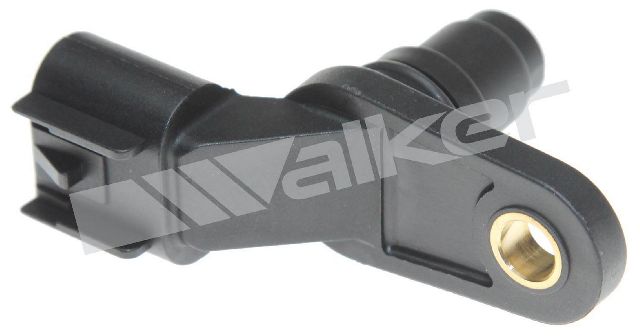
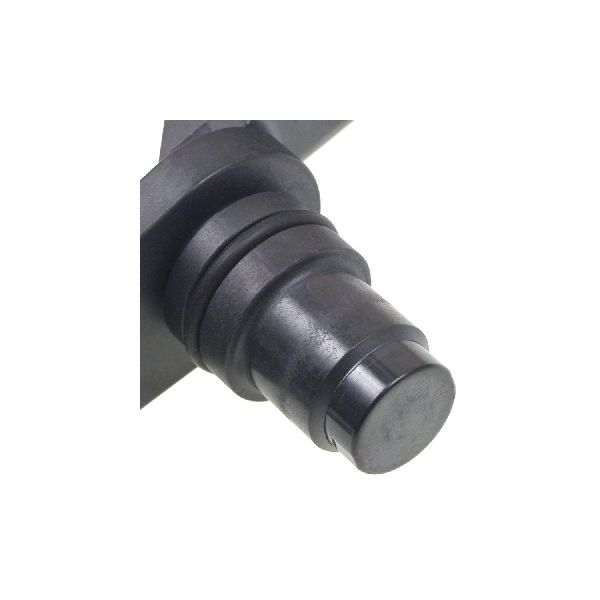
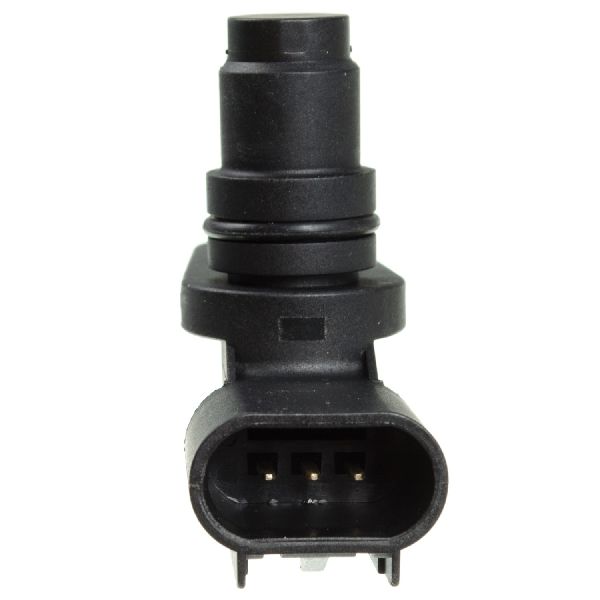
We Have This Part in Stock



The information in this article is provided for general reference and educational purposes only. Vehicle specifications, procedures, and part compatibility can vary by production date, trim level, and region. Always consult your vehicle's factory service manual and verify part numbers before purchasing or performing repairs. Safety-critical components such as airbags, seat belts, and braking systems should be installed by a qualified professional.
- Chevrolet HHR:
- 🛍️ Shop This Part
- What's Unique About the 2006-2011 Chevrolet HHR
- Symptoms You May Notice
- Most Likely Causes
- Rare But Worth Checking
- Diagnosis Steps
- Parts You'll Likely Need
- Related Codes That Often Appear With This One
- Technical Service Bulletins (TSBs) & Recalls
- Platform-Specific Known Issues
- Mechanic-Grade Diagnostic Values
- Scan Tool Commands That Help
- Wiring & Ground Locations
- Real Owner Repair Stories
- OEM Part Supersession History
- Model Year Variations Within This Range
- Diagnostic Flowchart
- Other Known Issues on This Vehicle
- Used vs. New Parts: Buying Guide for This Vehicle
- Real Owner Stories
- Chevrolet HHR 2.2L/2.4L Ecotec
- Chevrolet HHR 2.2L/2.4L Ecotec
- Chevrolet HHR 2.2L/2.4L Ecotec
- Related OBD-II Codes
- Frequently Asked Questions
- 🎟️ Get 5% Off