

2013 Nissan Frontier 4.0L 4x4 RE5R05A Transmission: Problems, Identification, and Used Replacement
Identify the correct Jatco 5-speed automatic for your 4WD Frontier, understand common TCM and valve body failures, and learn when a used OEM replacement is the smartest fix.
- You must verify the exact transmission model using the ID tag (e.g., JR507E, JR509E), as units from other Nissan models like the Xterra or Pathfinder are not interchangeable.
- When installing any replacement unit, it is mandatory to flush or replace the radiator and cooler lines to prevent contamination and to use a scan tool to perform a TCM adaptive relearn.
- The most common failure is the internal Transmission Control Module (TCM), often due to cracked solder joints (TSB NTB10-003a), which typically requires replacing the entire valve body assembly.
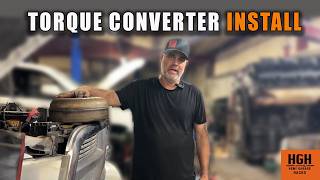
- Ensure the torque converter is fully seated (three distinct drops) before bolting the transmission to the engine to avoid instantly destroying the replacement unit's internal oil pump.
- For high-mileage vehicles (over 100,000 miles), consider replacing the valve body/TCM and torque converter along with the used transmission to prevent near-future failures.
Identifying the Correct 2013 Frontier 4x4 Transmission

The 2013 Nissan Frontier equipped with the 4.0L V6 engine and four-wheel drive (4WD) uses a 5-speed automatic transmission from the Jatco RE5R05A family. This specific variant is designed for a longitudinal (front-to-back) engine layout. Correctly identifying this unit is critical before purchasing a replacement, as several versions exist that are not interchangeable.
Vehicle and VIN Confirmation
First, confirm your truck's specifications. This transmission is only for the 2013 Frontier with the 4.0L V6 and a 4x4 drivetrain (without the off-road package). You can verify key details using your Vehicle Identification Number (VIN). The 4th digit should be 'A' for Frontier, and the 5th and 6th digits will indicate it is a Crew Cab 4x4 model.
Transmission ID Tag
For absolute certainty, locate the metal identification tag on the transmission itself. This tag is typically found bolted to the right rear side of the transmission case, just above the oil pan rail. This tag contains the specific model and calibration code (look for identifying codes like JR507E or JR509E), which is the most reliable way to ensure you are sourcing the correct part.
Critical Interchange Mismatches
While Nissan used the RE5R05A transmission family in many vehicles like the Xterra, Pathfinder, Titan, and Armada between 2002 and 2019, these units are NOT interchangeable with the one in your Frontier. Differences in bellhousing bolt patterns, internal gear ratios, tailhousings for 2WD vs. 4WD, and internal computer programming prevent a direct swap. Attempting to install a transmission from a different model will lead to communication errors, fault codes, and improper shifting.
Warning: Do not purchase a transmission from a 2WD Frontier or another Nissan model like an Xterra or Pathfinder assuming you can swap parts to make it fit. The internal differences are significant and will result in failure.
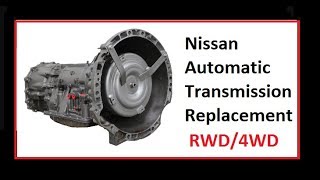
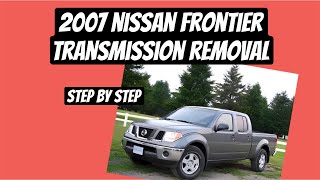
🎬 See this step-by-step transmission removal guideCommon Failure Symptoms
When the RE5R05A transmission begins to fail, you may experience one or more of the following symptoms:
- Harsh, erratic, or delayed shifting
- Slipping between gears, where the engine RPMs flare up without an increase in speed
- Loss of certain gears or being stuck in one gear (limp mode)
- Vehicle overheating
- Illumination of the "Check Engine" or "A/T Check" light on the dashboard
Diagnostic Flowchart

Known Issues, Service Bulletins, and Recalls

The RE5R05A has several well-documented issues. While some were resolved by the 2013 model year, they are important to understand.
Internal Transmission Control Module (TCM) Failures (TSB NTB10-003a)
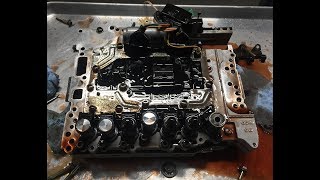
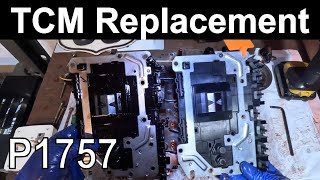
A common and severe issue across all years of the RE5R05A is the failure of the Transmission Control Module (TCM), which is integrated into the valve body inside the oil pan. Nissan Technical Service Bulletin (TSB) NTB10-003a addresses this problem, which is often caused by cracked solder joints on the TCM's internal lead frame. This can generate a host of diagnostic trouble codes (DTCs), including P1701, P1702, P1754, P1759, P1764, P1769, and P1774, and typically requires replacing the entire valve body/TCM assembly.
Radiator and Cooler Contamination ("SMOD")
The most notorious issue with this transmission family is the "Strawberry Milkshake of Death" (SMOD). This occurs when the internal wall of the radiator's built-in transmission cooler fails, allowing engine coolant and automatic transmission fluid (ATF) to mix. The resulting contaminated fluid quickly destroys the transmission's internal components. This issue primarily affected 2005-2010 model year Nissan trucks and SUVs. By 2011, Nissan had implemented a revised radiator design that resolved the problem, so the 2013 Frontier is not typically affected by SMOD.
Warning: Even though the SMOD issue was resolved by 2013, if the original transmission failed, metal debris can still contaminate the external cooler lines and the radiator. It is absolutely essential to thoroughly flush or replace the radiator and cooler lines when installing a replacement transmission to prevent immediate damage.
Other Documented Issues
| TSB Number | Issue Addressed | Related DTCs |
|---|---|---|
| NTB12-059 | Addresses gear ratio error codes that can occur if a transmission with mismatched internal planetary gear sets or an incompatible TCM calibration is installed. | P0734, P0735 |
| N/A | Valve Body & Solenoid Wear: Over time, especially after 75,000 to 100,000 miles, the hydraulic valve body and its solenoids can wear out, leading to harsh shifts, slipping, or loss of gears. This is a common wear-and-tear item. | N/A |
What Fails at Every Mileage Band
Pro Tip: The mileage bands below describe what to expect from USED replacement units of that mileage. The checklists provided are critical steps to perform WHILE INSTALLING the purchased transmission, not general maintenance for your current vehicle.
Under 60,000 Miles
While major failures are uncommon at this mileage, the primary concern is residual risk from the original radiator design (even though it was largely fixed by 2011). A premature radiator failure could cause coolant to mix with the transmission fluid, leading to catastrophic failure. Some owner complaints also mention sudden acceleration or engine stalling, which could be related to electronic control systems that interact with the transmission.
- ✓Do during install (required): Completely flush the transmission cooler and lines or replace the radiator to prevent contamination. Reset TCM adaptive learning values with a capable scan tool.
- ✓Do during install (recommended): Perform a full fluid exchange with Nissan Matic S ATF.
- ✓Cheap insurance while the engine is out: Replace external seals like the front pump seal and rear output shaft seal as a low-cost preventative measure.
60,000 - 100,000 Miles
This is the typical mileage where valve body and solenoid issues may begin to appear, causing harsh or erratic shifts, slipping, or hesitation. Torque converter shudder can become noticeable. Sometimes this is an electronic issue that can be resolved by resetting the TCM's adaptive learning, but it can also indicate mechanical wear. Failures of the internal Transmission Control Module (TCM), often due to cracked solder joints on the lead frame, can occur, triggering various fault codes.
- ✓Do during install (required): All items from the 'Under 60K' band.
- ✓Do during install (recommended): Strongly consider replacing the internal filter and 22-bolt pan gasket, as significant services are often due in this mileage range.
- ✓Cheap insurance while the engine is out: If purchasing a used unit in this range, it is wise to consider it may need a new valve body or solenoids soon. If the budget allows, installing a remanufactured valve body with the used transmission can prevent future issues.
100,000 - 150,000 Miles
The risk of valve body and solenoid failure increases significantly. Wear on internal mechanical parts, such as the direct clutch drum and brake band, becomes more common, especially on vehicles used for towing. Complete transmission failure due to accumulated wear and tear is more likely. Symptoms often include burnt fluid and slipping in multiple gears. Internal TCM failure remains a common issue.
- ✓Do during install (required): All items from previous bands.
- ✓Do during install (recommended): Given the mileage, installing a remanufactured valve body with an integrated TCM is a prudent investment to address the two most common failure points (solenoids and electronics) at once.
- ✓Cheap insurance while the engine is out: Assume the torque converter has significant wear. Replacing it during the transmission swap is highly recommended to prevent shudder and future failure.
Over 150,000 Miles
At this mileage, failure is often due to the cumulative effect of internal wear. Major hard parts like clutch packs, drums, and brake bands are likely at the end of their service life. Torque converter failure is highly probable if not already replaced. Valve body and TCM failures are very common.
- ✓Do during install (required): A used transmission in this mileage band should be considered a core for a full rebuild rather than a direct install.
- ✓Do during install (recommended): A full rebuild including new friction clutches, steel plates, seals, and inspection of all hard parts is the most reliable approach for a high-mileage unit.
- ✓Cheap insurance while the engine is out: If installing, at a minimum, replace the torque converter, valve body/TCM assembly, all seals, and internal filter.
Real Owner Experiences
The following table highlights real-world experiences and repair costs reported by Nissan Frontier owners and transmission specialists dealing with the RE5R05A.
| Source | Mileage | What Happened | Cost |
|---|---|---|---|
| CarComplaints.com | Under 10,000 miles | For earlier models (2005-2008), radiators were reported to rupture, causing coolant to leak into the transmission and destroy it. | $4,000 - $7,000 |
| Gears Magazine | N/A (typical range) | A rebuilt transmission exhibited a harsh 1-2 shift after installation, which was eventually traced to worn dynamic sealing ring lands in the direct clutch support, a wear pattern emerging as these units age. | N/A |
| ATRA Technical Bulletin | 75,000-100,000 | The TCM's adaptive strategy can reach its limits of compensation for internal wear, leading to noticeable shift quality issues. | Varies (from TCM reset to overhaul) |
| Tri-City Transmission Case Study | 116,742 | A well-maintained 2006 Frontier experienced a sudden transmission failure, which was attributed to the common radiator cooler leak causing fluid contamination. | Over $4,000 |
| CarKiller Forum | 147,000 | Owner reported truck shaking at idle and in park, suspecting a torque converter issue. Also experienced occasional jolts during shifting. | N/A (pending diagnosis) |
| CoPilot Auto | 190,000 | An owner of a 2008 Frontier reported high mileage with good reliability, emphasizing the importance of regular maintenance. | N/A |
| In The Garage with CarParts.com | 260,000 | A 2006 Frontier reached 260,000 miles and performed flawlessly with regular replacement of worn-out parts. | N/A |
| ~175,000 | Considering replacement vs. getting a new truck. Received advice that replacement is worthwhile if the truck is in good shape. | $3,000 - $5,000+ | |
| Quora | N/A | Owner was quoted approximately $5,000 by a Nissan dealer for a remanufactured transmission. | ~$5,000 |
| YouTube | N/A | A commenter on a TCM repair video stated they replaced the whole unit for around $1,600 because they were not comfortable performing the soldering repair themselves. The video creator was attempting the repair to save the owner an estimated $1,700 total dealer replacement cost. | ~$1,600 |
Repair or Replace?
Deciding whether to repair your existing transmission or replace it entirely depends on the specific failure mode and the overall condition of the unit.
When Repair Makes Sense
If the issue is isolated to specific components and there is no evidence of widespread mechanical damage, a targeted repair can be cost-effective.
| Repair Type | Typical Cost (Parts & Labor) | Description |
|---|---|---|
| TCM / Valve Body Failure | $750 - $1,200 | Replacing the valve body with an integrated, pre-programmed TCM is highly cost-effective. A remanufactured part costs around $300-$800. |
| Solenoid Failure | $400 - $800 | If codes point to specific solenoids, they can be replaced individually. This is only viable if the TCM and valve body are confirmed to be good. |
| Minor Leaks / Gasket and Seal Replacement | $300 - $700 | For external leaks from the pan gasket or seals, repair is the correct choice as long as the unit was not run low on fluid. |
When Replacement is the Smarter Option
Full replacement is the smarter option when there is evidence of catastrophic internal failure, such as widespread metal debris in the transmission pan, indicating damage beyond the valve body. It is also the best choice when the cost of diagnostics and individual component repairs approaches or exceeds the price of a low-mileage used assembly. Opting for a remanufactured unit is recommended for owners who plan to keep the truck long-term and want the assurance of a longer warranty and corrected factory flaws. New OEM units are the most expensive. Installation labor generally adds $800 to $1,600 to the total cost.
| Unit Type | Typical Cost (Part Only) |
|---|---|
| Used OEM | $670 - $1,700 |
| Remanufactured | $2,695 - $3,700 |
| New OEM | $5,000 - $7,800+ |
What's Included in a Used Assembly?

When purchasing a used OEM transmission, it's important to know what parts are included. Based on common auto recycling industry standards, here is what you should expect:
| What It Includes | What It Does Not Include |
|---|---|
|
|
Pro Tip: The Transmission Control Module (TCM) is physically located inside the oil pan, attached to the valve body. A used assembly should always include this critical electronic component.
Installation and Programming Essentials
Replacing this transmission is an advanced DIY job requiring 5.5 to 9.0 hours of labor. You will need special tools, including a heavy-duty transmission jack, long socket extensions (24-36 inches) with swivels/u-joints to reach the top bellhousing bolts, a fluid pump, a torque wrench, and an OBD2 scan tool capable of reading transmission fluid temperature and clearing TCM adaptive learning values.
Critical Installation Steps
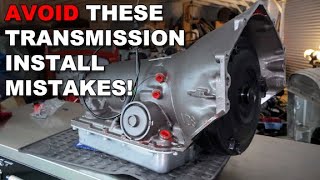
Proper installation is crucial to the longevity of a replacement transmission. Failure to follow these steps can cause instant, catastrophic failure.
Warning: The torque converter must be fully seated into the transmission's input shaft and front pump gears. You should feel it drop into place three distinct times, and it should be recessed at least 1 inch. If it is not fully seated, tightening the bellhousing bolts to the engine will crush the internal oil pump gear, destroying the transmission instantly.
- Torque Converter Seating: The torque converter must be fully seated into the transmission's input shaft and front pump gears. You should feel it drop into place three distinct times, and it should be recessed at least 1 inch. If it is not fully seated, tightening the bellhousing bolts to the engine will crush the internal oil pump gear, destroying the transmission instantly.
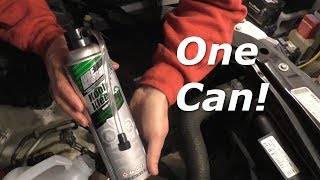
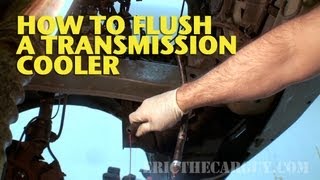
- Cooler Line Flushing: Debris from the previous failed unit will be in the radiator and cooler lines. These MUST be flushed with a dedicated flushing agent (like Lubegard Kooler Kleen) or replaced entirely. Reusing contaminated lines will ruin the replacement transmission.
- Bellhousing Dowel Pins: Ensure the two alignment dowel pins are present and correctly installed in the engine block. Missing or doubled-up pins will cause misalignment and destroy the front pump.
- Electrical Connectors: Be extremely careful when connecting the main wiring harness. The pins on the main electrical connector are fragile and can bend easily, causing communication errors, limp mode, or a no-start condition.
Required Consumables
Do not reuse old fluids or seals. You will need:
- Nissan Matic S ATF (Part #999MP-MTS00P)
- Transmission oil pan filter
- 22-bolt pan gasket
- Front pump / torque converter input seal
- Rear output shaft seal
- Dedicated transmission cooler flush aerosol
Required Programming
Programming requirements for a used RE5R05A can vary. Because the TCM is included with the used unit, you may not need a full dealer-level VIN flash if the part numbers are a close match. However, at a minimum, a professional-grade scan tool is required to perform an "adaptive relearn" procedure. This allows the TCM to learn the specific hydraulic characteristics of its new environment. It is also necessary to clear any old fault codes. Some sources (like TSB NTB14-033B) indicate that if calibration IDs between the old and new unit are different, a full programming by a dealer or qualified specialist may be necessary to prevent shifting problems.
Questions to Ask Your Installer
If you are hiring a shop to install your replacement transmission, ask these questions to ensure they follow best practices:
- Have you confirmed the torque converter is fully seated? It should drop three distinct times. What is your process for verifying this?
- How will you be flushing the transmission cooler and lines? Are you using a dedicated flushing machine or an aerosol flush kit?
- Will you be replacing the radiator? (Crucial for 2005-2010 models, but good practice to inspect on all years for any contamination).
- Have you verified the engine block has both bellhousing alignment dowel pins in place and that they are not damaged?
- What scan tool will you be using to perform the mandatory TCM adaptive relearn procedure after installation?
- If I source a used transmission, will you inspect the main electrical connector pins for damage before attempting to install it?
- Does your quote include the cost of new fluid (Nissan Matic S), a new filter, pan gasket, and front/rear seals?
Freight and Delivery Reality

If you purchase a used transmission online, it will not arrive in a standard cardboard box via regular mail. A 2013 Frontier 4WD transmission assembly weighs approximately 185 lbs and measures roughly 32" x 24" x 24" before crating. Because of this size and weight, it must ship as Less-Than-Truckload (LTL) freight on a wooden pallet.
Pro Tip: If you are having the transmission delivered to a residential address, you must request a truck with a liftgate. Always inspect the transmission thoroughly for damage to the oil pan, broken electrical connectors, or cracked bellhousings before signing the delivery receipt. Once you sign the paperwork, you are accepting the part in its current condition.
If you are having the transmission delivered to a residential address, you must request a truck with a liftgate to lower the heavy pallet to the ground. Always inspect the transmission thoroughly before signing the delivery receipt. Check for any damage to the oil pan, broken electrical connectors, or cracked bellhousings that may have occurred during transit. Once you sign the paperwork, you are accepting the part in its current condition.
Frequently Asked Questions (FAQ)
Do I need to program a used transmission for my 2013 Frontier?
Most likely, yes. While you might not need a full VIN flash from the dealer if the part numbers match, you will at least need to perform an adaptive memory relearn with a capable OBD2 scan tool. This step is critical for proper shift quality.
Can I use a transmission from a Nissan Xterra or Pathfinder?
No. Transmissions from other Nissan models, even if they are also designated RE5R05A, are not interchangeable due to differences in bellhousings, gear ratios, and electronic programming. You must use a transmission specifically from a 2013 4.0L 4x4 Frontier.
What is the "Strawberry Milkshake of Death" and does it affect my 2013 truck?
This is a slang term for when the radiator's internal transmission cooler fails, mixing coolant with transmission fluid. This issue primarily affected 2005-2010 Nissan models. Your 2013 Frontier has an updated radiator design and should not be susceptible to this specific failure, but you must still flush the cooler lines during installation.
How long should the RE5R05A transmission last?
With proper maintenance, the Jatco RE5R05A transmission can reliably last between 200,000 and 300,000 miles. However, industry data suggests an average lifespan closer to 158,000 miles. The key to longevity is preventing fluid contamination and performing regular fluid changes every 30,000 to 40,000 miles.
What fluid does the 2013 Frontier transmission take?
You must use Nissan Matic S Automatic Transmission Fluid (Part #999MP-MTS00P). Using the wrong fluid can cause poor shifting and premature internal wear.
Why is my truck stuck in one gear (limp mode)?
Being stuck in one gear, often called "limp mode," is a protective measure triggered by the transmission's computer. In the RE5R05A, this is frequently caused by a failure of the internal Transmission Control Module (TCM) due to cracked solder joints (TSB NTB10-003a), or by bent pins on the main electrical connector.
Helpful Videos

Technical Specifications
Family: Jatco RE5R05A; Type: 5-speed automatic; Application: 2013 Nissan Frontier 4.0L V6 4x4 (w/o off-road package); Engine Layout: Longitudinal; Identifying Codes: JR507E, JR509E; Weight: ~185 lbs; Dimensions: ~32" x 24" x 24"; Required Fluid: Nissan Matic S ATF (Part #999MP-MTS00P)
We Have This Part in Stock


The information in this article is provided for general reference and educational purposes only. Vehicle specifications, procedures, and part compatibility can vary by production date, trim level, and region. Always consult your vehicle's factory service manual and verify part numbers before purchasing or performing repairs. Safety-critical components such as airbags, seat belts, and braking systems should be installed by a qualified professional.
- Nissan Frontier:
- 🎬 Helpful Videos
- 🛍️ Shop This Part
- Identifying the Correct 2013 Frontier 4x4 Transmission
- Vehicle and VIN Confirmation
- Transmission ID Tag
- Critical Interchange Mismatches
- Common Failure Symptoms
- Diagnostic Flowchart
- Known Issues, Service Bulletins, and Recalls
- Internal Transmission Control Module (TCM) Failures (TSB NTB10-003a)
- Radiator and Cooler Contamination ("SMOD")
- Other Documented Issues
- What Fails at Every Mileage Band
- Under 60,000 Miles
- 60,000 - 100,000 Miles
- 100,000 - 150,000 Miles
- Over 150,000 Miles
- Real Owner Experiences
- Repair or Replace?
- When Repair Makes Sense
- When Replacement is the Smarter Option
- What's Included in a Used Assembly?
- Installation and Programming Essentials
- Critical Installation Steps
- Required Consumables
- Required Programming
- Questions to Ask Your Installer
- Freight and Delivery Reality
- Frequently Asked Questions (FAQ)
- 🎟️ Get 5% Off