

2012-2018 Jeep Wrangler W5A580 Transmission: Problems, Identification, and Used Replacement
Identify the W5A580 (NAG1) 5-speed automatic, learn what causes limp mode and shudder, and know exactly what to look for when buying a used replacement unit.
- Failure to fully seat the torque converter with three distinct 'clicks' before bolting the transmission to the engine will instantly destroy the internal oil pump.
- You must use licensed Mopar ATF+4 fluid (MS-9602); using any other type of fluid will cause severe damage to the torque converter and clutches.
- After installation, a TCM Adaptive Relearn or 'Quick Learn' procedure is mandatory to clear old shift data and prevent harsh shifting or damage to the new unit.
- When installing a used transmission, it is critical to replace the 13-pin connector sleeve, filter, pan gasket, and front pump seal to prevent leaks.
- Transmissions from other Chrysler, Dodge, or Mercedes vehicles are not interchangeable with the 4WD Jeep Wrangler version due to differences in bellhousings and output shafts.
Part Identification: Is Your Wrangler's Transmission a W5A580?

The 2012–2018 Jeep Wrangler (JK) equipped with the 3.6L Pentastar V6 engine and an automatic transmission uses a 5-speed unit known as the W5A580. This transmission is a durable, electronically controlled gearbox derived from a Mercedes-Benz design. It is also commonly referred to by its other names: NAG1 (New Automatic Gearbox, Generation 1), 722.6, or 5G-Tronic. If you have a 2012–2018 Wrangler with an automatic, it is a W5A580.
To confirm this on your vehicle before buying parts, check the following:
| Vehicle Year | 2012 through 2018. |
| Engine | 3.6L Pentastar V6 (naturally aspirated, port injection). |
| VIN | The 6th digit of your 17-digit Vehicle Identification Number should be 'W', which identifies the JK body style. |
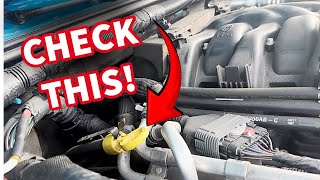
| Fill Tube | Look for a capped transmission fill tube on the passenger side of the engine bay. This transmission does not have a traditional dipstick from the factory. | 🎬 Watch: How to check your transmission fluid level
| Physical ID | A stamped identification pad is located on the driver's side of the transmission case, directly above the oil pan rail. |
Warning: While Chrysler, Dodge, and Mercedes-Benz used the W5A580/NAG1 transmission family in many other vehicles, those units are not interchangeable with the one in the 4WD Jeep Wrangler. Differences in the bellhousing (the part that bolts to the engine), tailhousings, output shafts, and internal electronic calibrations prevent a direct swap. You must use a transmission specifically from a 2012–2018 3.6L 4WD Wrangler.
Common Failure Symptoms

When a W5A580 transmission begins to fail, it can show several distinct symptoms:
- "Rumble Strip" Shudder: A vibration or shudder felt throughout the vehicle, especially during light acceleration or when the transmission shifts into 3rd or 4th gear (often between 35-50 mph). This is a sign of a failing torque converter clutch.
- Limp Mode: The transmission gets stuck in a single gear (usually second) and will not shift up or down. The check engine light will be on. This is a protective mode triggered by a serious fault.
- Harsh or Delayed Shifting: Shifts may feel jerky, or there might be a long pause before the transmission engages a gear.
- Fluid Leaks: A common failure point is the 13-pin electrical connector sleeve on the passenger side, which can leak transmission fluid.
- Check Engine Light: A Malfunction Indicator Lamp (MIL) with diagnostic trouble codes like P0730 (Incorrect Gear Ratio), P0717, or P0720 is a strong indicator of an internal transmission problem.
Diagnostic Flowchart
Known Issues, Recalls, and Service Bulletins

Several known issues affect this transmission. Always check if a recall or TSB applies to your specific vehicle year.
Torque Converter Clutch (TCC) Shudder
This feels like driving over a rumble strip and is one of the most common complaints. It's caused by a problem with the torque converter clutch, which is designed to lock the engine and transmission together at cruising speeds. The issue can stem from worn internal valve body components, a failing TCC solenoid, or contaminated fluid. An early TSB from Chrysler, 21-011-05, identified fluid contamination as a cause for shudder on NAG1 transmissions. The typical fix involves replacing the torque converter and thoroughly flushing the fluid.
Conductor Plate Failure (Limp Mode)
The conductor plate is a plastic part inside the transmission that houses speed sensors and provides electrical pathways for the solenoids. When the speed sensors (N2 and N3) on this plate fail, the Transmission Control Module (TCM) loses critical information, triggering limp mode and setting speed sensor correlation codes. This is a very common failure requiring the replacement of the internal conductor plate.
13-Pin Connector Sleeve Leak
The O-rings on the plastic electrical connector plug on the passenger side of the transmission often fail, causing a persistent fluid leak. If not fixed, the fluid can travel up the wiring harness (a process called wicking) and damage the external Transmission Control Module (TCM). This is a simple and inexpensive part to replace whenever the transmission is serviced.
Official Safety Recalls
NHTSA Recall U43 / 18V280000: Incorrect Transmission Park Lock Rod
| Affected Vehicles | Certain 2018 Jeep Wranglers. |
| Problem | Some transmissions were built with an incorrect park lock rod, which can prevent the vehicle from properly engaging the 'PARK' position. This could allow the vehicle to roll away unexpectedly. |
| Remedy | Dealers will inspect and install the correct park lock rod free of charge. |
NHTSA Recall N28 / 13V234000: Power Steering Line Rubbing Cooler Line
| Affected Vehicles | 2012–2013 Jeep Wranglers with automatic transmissions. |
| Problem | The power steering return line could rub against the transmission oil cooler line, eventually wearing a hole and causing a transmission fluid leak. A significant fluid loss can lead to transmission failure. |
| Remedy | Dealers will replace the power steering return tube assembly and inspect the transmission cooler line, adding a protective sleeve or replacing the line as needed. |
Technical Service Bulletins (TSBs) for Shift Quality
Chrysler released several software updates to improve transmission performance. These are not recalls but address specific complaints.
- TSB 21-033-14: For 2012–2014 models, this addresses issues like the transmission hanging in gear in hot weather, inconsistent shifting, and erroneously setting a P0730 (Incorrect Gear Ratio) code. The fix is a software update for the TCM.
- TSB 21-005-13: Specifically for 2012 models, this addresses a false MIL illumination with DTC P0730 by updating the TCM software.
- TSB 18-021-16 Rev. B: For 2016 models experiencing poor shift quality or elevated temperatures, the remedy is to reprogram the PCM / TCM.
What's Included in a Used Assembly?
When purchasing a used W5A580 transmission, it's important to know what parts are typically included and what you'll need to transfer from your old unit or buy new.
What It Usually Includes:
- The complete transmission case with all internally lubricated parts.
- The torque converter.
- The internal electrohydraulic control unit (conductor plate/lead frame with speed sensors N2 and N3 and solenoids).
- The 4WD extension/tail housing (transfer case adapter).
- The transmission oil pan.
What It Does Not Include:
- The transfer case itself.
- External electronic sensors (such as wheel speed or transfer case position sensors).
- The external wiring harness.
- The external Transmission Control Module (TCM).
- The shifter assembly and shift linkage/cables.
- The engine flexplate/flywheel.
- External transmission fluid cooler lines.
What Fails at Every Mileage Band
Pro Tip: The mileage bands below describe used replacement units of that mileage. The checklists are things to do WHILE INSTALLING the purchased transmission, not maintenance for your current transmission.
Under 60,000 Miles
While less common, some of the typical W5A580 issues can appear early. These include torque converter shudder, issues with the conductor plate leading to limp mode, and leaks from the 13-pin connector sleeve. Recalls for the 2012-2013 models concerning power steering lines rubbing against transmission cooler lines (NHTSA Recall N28 / 13V234000) and an incorrect park lock rod on some 2018 models (NHTSA Recall U43 / 18V280000) are key concerns for this mileage band.
- ✓Do during install (required): Replace the 13-pin connector sleeve (Mopar P/N 68021352AA), transmission filter, pan gasket, and torque converter (front pump) seal. Use only licensed Mopar ATF+4 fluid.
- ✓Do during install (recommended): Flush the transmission cooler and lines to remove any debris from the previous unit.
- ✓Cheap insurance while the engine is out: Inspect and replace the power steering return tube on 2012-2013 models if the recall work has not been performed.
60,000 - 100,000 Miles
This is the mileage range where the most common failures begin to surface more frequently. A vibration or "rumble strip" feeling between 35-50 mph is a classic sign of a failing torque converter clutch. The internal speed sensors (N2/N3) on the conductor plate can fail, causing the transmission to enter limp mode. The O-rings on the 13-pin connector sleeve degrade, allowing fluid to leak and potentially wick up the wiring harness to the TCM.
- ✓Do during install (required): All items from the 'Under 60K' band apply. Given the mileage, replacing the torque converter is no longer optional; it should be considered a required part of the job to prevent near-term failure and shudder issues.
- ✓Do during install (recommended): Replace the entire valve body conductor plate (which includes the speed sensors and TCC solenoid) as a preventative measure against limp mode and TCC circuit faults.
- ✓Cheap insurance while the engine is out: Replace the engine rear main seal while the transmission is removed to prevent future leaks.
100,000 - 150,000 Miles
The likelihood of all known issues increases significantly in this range. Failures are often due to accumulated wear and fluid breakdown. Torque converter failure is very common, with some transmission shops advising customers to expect replacement around 100k-120k miles. Valve body wear becomes more prominent, leading to erratic shifting and TCC control problems. Internal clutch packs can wear out, especially if fluid changes have been neglected, resulting in slipping, burnt fluid, and debris in the pan.
- ✓Do during install (required): At this mileage, a used transmission should be installed with a new torque converter, new conductor plate, new 13-pin connector sleeve, new filter, new pan gasket, and a complete fluid flush of the cooler lines.
- ✓Do during install (recommended): Consider having the valve body inspected for wear on the TCC control valves. Aftermarket kits are available to repair worn valve bores.
- ✓Cheap insurance while the engine is out: Replace the exhaust crossover pipe hardware, as it must be unbolted to clear the transmission during installation.
Over 150,000 Miles
Units in this mileage range are living on borrowed time if they haven't been meticulously maintained. Complete failure is common. Internal hard parts, such as clutch packs, bushings, and seals, are likely at the end of their service life. A simple component swap is less likely to be a permanent solution. A unit that has never been serviced is highly likely to fail.
- ✓Do during install (required): Any used transmission in this mileage band is a high-risk purchase. A professional rebuild or a lower-mileage used unit is a much safer investment. If installing a high-mileage unit, all mandatory replacements from the 100-150K band are critical.
- ✓Do during install (recommended): At this stage, it is more cost-effective to replace the entire assembly with a remanufactured unit that includes a new torque converter, valve body, and updated internal components, and comes with a warranty.
- ✓Cheap insurance while the engine is out: Thoroughly inspect the engine alignment dowel pins for wear to prevent misalignment of the new unit.
Real Owner Experiences
| Source | Mileage | What Happened | Cost |
|---|---|---|---|
| JLwranglerforums.com | Just over 30,000 | An oil cooler housing leak was mistaken for a transmission or rear main seal leak. While not a transmission part, its failure can cause oil to coat the transmission, leading to misdiagnosis. | Quoted around $1,200 for repair at a dealer. |
| 26,000 | A user reported that their manual transmission (not the W5A580) had failing 5th and 6th gear synchros, noting it was 'not all uncommon'. | Not specified, but the vehicle was in the shop for two weeks. | |
| Approaching 90,000 | Owner performed a preventative fluid and filter change and noted the fluid was already dirty after just 30,000 miles of 'severe' stop-and-go driving. | DIY kit cost around $140. | |
| Jeep Wrangler JK Forum | 137,000 km (approx. 85,000 miles) | Transmission would not shift from 2nd to 3rd and lurched into gear. The fluid was burnt, and the pan magnet was heavily coated. The owner first replaced the TCC solenoid, but the issue persisted, pointing towards a more severe internal failure like the valve body, clutches, or torque converter. | DIY repair attempted; full cost not specified. |
| YouTube | 104,000 | A 2017 Wrangler showed a check engine light and had burnt, brown transmission fluid. The technician noted the transmission was supposed to be serviced every 60,000 miles and this one had never been, likely leading to its failure. | Diagnosed as needing a full replacement. |
| 107,000 | Owner reported a feeling of the transmission slipping, with engine RPMs revving high from a stop and falling MPG. The vehicle also had a known issue of stalling when shifted into Drive on cold starts, which is often linked to a defective torque converter. | Not specified. | |
| YouTube | Over 200,000 | A NAG1 transmission that had never been serviced failed completely. The video highlights that lack of maintenance is a primary cause of death for these units. | Required complete replacement. |
| JK-Forum.com | 58,000 (2011 model) | Dealer recommended full replacement due to internal torque converter failure (P0740) and burnt fluid. A second shop concurred. | Quoted $8,000+ |
| JK-Forum.com | Not specified (42RLE trans) | Owner was considering buying a salvaged unit with 50k miles for $1,250 and having a mechanic swap it for $600. | Quoted $3,000 - $3,500 for a rebuild. |
| Not specified (2016 Grand Cherokee) | Owner received a quote for $7,200 + tax for a rebuild, and a second quote for $5,500 from a transmission specialist. Ultimately opted for a used transmission with a warranty. | Paid $4,400 installed. | |
| Not specified (2014 model) | Vehicle purchased with a bad transmission. The dealership offered to replace it with a used unit with a 1-year guarantee at their cost ($3,000 value). | $0 (covered by dealer). |
Repair or Replace?
When facing transmission issues, deciding whether to repair your current unit or replace it entirely depends on the specific failure and the condition of the fluid.
- Conductor Plate / Speed Sensor Failure: This is a very common and relatively inexpensive repair. The part itself can be found for $125-$250, and total repair costs range from $600 to $1,500. The repair involves dropping the pan and valve body, but not removing the entire transmission. If the vehicle is only in limp mode with speed sensor codes and the fluid is clean, this is the most economical fix.
- 13-Pin Connector Sleeve Leak: This is a preventative or minor leak repair costing $100 to $300. The part is very cheap, but labor to access it can bring the cost up slightly. It should be done whenever the pan is dropped for any other service. If caught before fluid wicks into the main harness and damages the external TCM, this is a very smart and affordable repair.
- Torque Converter Clutch (TCC) Shudder: If the shudder is the only symptom and the transmission fluid is not full of metal debris, replacing only the torque converter can be a viable option, typically costing $800 to $2,000. A new converter can cost $150-$500, with the bulk of the cost being the 4-10 hours of labor to remove and reinstall the transmission. However, this is a gamble; if debris from a failing converter has already circulated, the new converter could be damaged, leading to a full replacement anyway.
Pro Tip: Replacement with a used or remanufactured unit is the smarter choice when there is evidence of major internal mechanical failure. This includes finding significant metal shavings in the transmission pan, burnt and discolored fluid, or multiple diagnostic trouble codes pointing to both electrical and mechanical faults (e.g., P0740 TCC failure combined with gear ratio errors). If a torque converter has failed catastrophically, it is often recommended to replace the entire unit and the transmission cooler, as flushing all debris from the system is nearly impossible.
Given that a quality remanufactured unit can be purchased for $3,000 to $5,100, and a low-mileage used unit typically runs $1,700 to $2,400, replacement often provides better value and peace of mind than a costly rebuild quoted at $3,500 to $7,000+.
Questions to Ask Your Installer
- Will you be replacing the 13-pin connector sleeve and front pump seal as part of the installation?
- Does your quote include a full flush of the transmission cooler and lines?
- How will you verify the correct fluid level, given there is no factory dipstick?
- Will you perform a TCM adaptive values reset or 'Quick Learn' procedure after installation?
- What is the source and mileage of the used transmission, and what is the warranty coverage for both parts and labor?
- For a remanufactured unit, what specific internal components and updates are included?
- Can you confirm the torque converter will be properly seated with three clicks before the bellhousing is bolted down?
Freight and Delivery Reality

If you are ordering a used W5A580 transmission online, be prepared for how it ships. This is a heavy industrial part, not a parcel. A complete assembly weighs approximately 200 lbs and measures roughly 43" x 24" x 25" before crating. It will ship as LTL (Less-Than-Truckload) freight on a wooden pallet.
Because of its size and weight, delivery to a residential address will require a truck equipped with a liftgate to lower the pallet to the ground. Always inspect the transmission thoroughly before signing the delivery receipt. Look for any damage to the oil pan, bellhousing, or electrical connectors that may have occurred during transit. Before purchasing, expect a reputable seller to conduct a pre-purchase verification interview to confirm your Wrangler is a 4WD 3.6L model with a "W" as the 6th VIN digit.
Installation and Programming Essentials

The cost to replace a W5A580 transmission can vary significantly based on the part type and local labor rates. Shop labor for this job is estimated to take between 5 and 11 hours, costing roughly $750 to $1,800. For the advanced DIYer, this is a challenging job that requires specific tools.
Special Tools Required
- Heavy-duty transmission jack with safety chains/straps.
- Torx T30 socket.
- Specialized Mercedes/Chrysler transmission dipstick tool.
- OBD2 scan tool capable of reading real-time transmission fluid temperature.
- OBD2 scan tool/app capable of performing a TCM adaptive reset.
- Torque wrench.
- Fluid pump or fill adapter.
Programming and Calibration
While this transmission does not require a full security/immobilizer re-marriage or VIN-specific programming, a crucial step after installation is performing a TCM Adaptive Relearn (also called a "Quick Learn"). This procedure clears the stored shift adaptation values from the old, worn transmission. Skipping this step can cause harsh shifting, delayed engagement, or even force the new unit into limp mode. This can be done with a high-quality bidirectional scan tool or a DIY app like OBD JScan.
Required Parts and Fluids for Installation
To ensure a successful installation, always use new consumables. Reusing old gaskets or seals can lead to immediate problems.
- Transmission Fluid: Only use licensed Mopar ATF+4 (meeting specification MS-9602). Using other fluid types like Dexron/Mercon will cause severe damage. A dry transmission requires approximately 8.1 to 9.0 quarts.
- Transmission Filter and Pan Gasket: Always install a new filter (OEM Mopar 52108325AA or Wix 58845) and pan gasket (Mopar 52108332AA).
- 13-Pin Connector Sleeve: Replace this part (Mopar 68021352AA) to prevent future leaks. Ensure the 13-pin round connector is clean, dry, and fully seated.
- Torque Converter Seal: Also known as the front pump input seal, this should be replaced to prevent leaks at the bellhousing.
- Fluid Cooler Flush: The external transmission cooler and lines must be flushed to remove any metal debris from the previously failed unit.
Installation Gotchas and Common Mistakes
Warning: Failure to fully seat the torque converter before bolting the transmission to the engine will instantly destroy the new transmission's internal oil pump. The converter must be pushed and rotated until it engages the splines with three distinct clicks or drops. Using bellhousing bolts to draw the transmission flush to the engine when the converter is unseated is a fatal mistake.
- Exhaust Crossover Pipe Interference: The crossover pipe runs directly beneath the transmission oil pan and must be unbolted/lowered to clear the transmission during removal and installation.
- Engine Alignment Dowel Pins: Ensure both alignment dowel pins are present in the engine block to prevent misalignment and rapid wear of the converter hub, pump bushing, or flexplate.
- Incorrect Fluid Level Checks: Checking fluid level with the engine off, or cold without a scan tool temperature reading, leads to overfilling or underfilling.
- Skipping the Cooler Flush: Failing to flush the cooler lines introduces debris from the previous failed unit into the replacement transmission.
Pro Tip: This transmission has no factory dipstick. To check the fluid level correctly, you need an aftermarket dipstick tool and a scan tool to read the transmission fluid temperature. The fluid level in millimeters is then cross-referenced against the factory temperature-to-fill chart with the engine running in Park.
Frequently Asked Questions (FAQ)
Do I need to program a used W5A580 transmission?
No, you do not need to program the VIN or perform an immobilizer remarriage. However, you MUST perform a TCM adaptive values reset or "Quick Learn" to ensure proper shifting. Failure to do so will cause poor performance and can damage the replacement unit.
What transmission fluid should I use in my 2012-2018 Wrangler?
You must use a fluid that is licensed to meet the Mopar ATF+4 (MS-9602) specification. Using universal or incorrect fluid types like Dexron or Mercon will cause severe torque converter shudder and clutch damage.
Will a NAG1 transmission from a Dodge Charger or Mercedes work in my Wrangler?
No. While they belong to the same transmission family (722.6), the versions used in other vehicles have different bellhousings, output shafts for 2WD vs 4WD, and electronic programming that make them incompatible with the Jeep Wrangler.
Is the torque converter included with a used transmission?
Yes, a used or remanufactured W5A580 assembly typically includes the torque converter. However, it is highly recommended to replace it with a new one if the used unit has over 60,000 miles.
How do I check the fluid level if there is no dipstick?
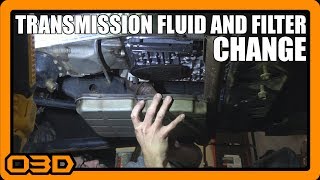
You must purchase a specialized aftermarket Mercedes/Chrysler transmission dipstick tool. With the engine running in Park, use an OBD2 scan tool to read the real-time transmission fluid temperature. Insert the dipstick until it bottoms out, read the fluid height in millimeters, and compare that measurement to the factory temperature-to-fill chart.
Helpful Videos

Technical Specifications
OEM Part Numbers: 68021352AA 52108325AA 52108332AA
Type: 5-speed automatic; Common Names: W5A580, NAG1, 722.6, 5G-Tronic; Application: 2012–2018 Jeep Wrangler (JK); Engine: 3.6L Pentastar V6; Drivetrain: 4WD; Fluid Type: Mopar ATF+4 (MS-9602); Dry Fill Capacity: 8.1 to 9.0 quarts; Weight: Approx. 200 lbs
We Have This Part in Stock


The information in this article is provided for general reference and educational purposes only. Vehicle specifications, procedures, and part compatibility can vary by production date, trim level, and region. Always consult your vehicle's factory service manual and verify part numbers before purchasing or performing repairs. Safety-critical components such as airbags, seat belts, and braking systems should be installed by a qualified professional.
- Jeep Wrangler:
- 🎬 Helpful Videos
- 🛍️ Shop This Part
- Part Identification: Is Your Wrangler's Transmission a W5A580?
- Common Failure Symptoms
- Diagnostic Flowchart
- Known Issues, Recalls, and Service Bulletins
- Torque Converter Clutch (TCC) Shudder
- Conductor Plate Failure (Limp Mode)
- 13-Pin Connector Sleeve Leak
- NHTSA Recall U43 / 18V280000: Incorrect Transmission Park Lock Rod
- NHTSA Recall N28 / 13V234000: Power Steering Line Rubbing Cooler Line
- Technical Service Bulletins (TSBs) for Shift Quality
- What's Included in a Used Assembly?
- What Fails at Every Mileage Band
- Under 60,000 Miles
- 60,000 - 100,000 Miles
- 100,000 - 150,000 Miles
- Over 150,000 Miles
- Real Owner Experiences
- Repair or Replace?
- Questions to Ask Your Installer
- Freight and Delivery Reality
- Installation and Programming Essentials
- Special Tools Required
- Programming and Calibration
- Required Parts and Fluids for Installation
- Installation Gotchas and Common Mistakes
- Frequently Asked Questions (FAQ)
- 🎟️ Get 5% Off