

2019 Jeep Cherokee 2.0L Turbo: ZF 9HP48 Transmission Problems, Identification, and Used Replacement
Identify the correct 948TE transmission for your 2.0L AWD Cherokee, understand common PTU and shifting failures, and learn what to check before installing a used replacement unit.
- Before installation, you must inspect the Power Transfer Unit (PTU) splines for wear and replace the PTU if necessary to prevent immediate damage to the new transmission.
- After installation, a scan-tool-based "Quick Learn" and adaptive relearn procedure is mandatory to prevent severe shifting problems and potential damage.
- Verify you have the correct transmission by matching the VIN (8th digit 'N'), AWD system (single-speed PTU), and the ID tag part number (68241675BA).
- Use only the specified Mopar ZF 8&9 Speed ATF or ZF Lifeguard 9 fluid; using incorrect fluid like ATF+4 will cause severe damage.
Identifying the Correct 2019 Cherokee 2.0L Turbo Transmission

The 2019 Jeep Cherokee with the 2.0L Turbo engine uses a specific version of the ZF 9HP48 nine-speed automatic transmission, also known by its Chrysler designation, 948TE. This unit is designed for a transverse engine layout (where the engine is mounted sideways) and is paired with an All-Wheel Drive (AWD) system that uses a single-speed Power Transfer Unit (PTU).
How to Confirm Your Vehicle's Transmission
Before purchasing a replacement, you must verify that your vehicle is a match. Mismatched parts are a common and costly mistake.
| Verification Method | Requirement |
|---|---|
| Check the VIN | The 8th digit of your Vehicle Identification Number (VIN) must be 'N', which signifies the 2.0L Turbo engine. |
| Confirm Drivetrain | Your vehicle must be an All-Wheel Drive (AWD) model with a single-speed transfer case. |
| Locate the ID Tag | Confirm the transmission identification tag has the part number 68241675BA, the sales code DFH, and a serial format like TPKTKxxxx. |
Pro Tip: The transmission ID tag is on the top right side of the transmission case. To see it, you will likely need to remove the Powertrain Control Module (PCM) and the two bolts holding the shifter cable bracket in place.
What Will NOT Fit
Warning: Transmissions from a 2019 Jeep Cherokee with a 2.4L or 3.2L V6 engine will not work. These units have different bellhousings (the part that bolts to the engine), internal gear ratios, and software calibrations. Likewise, a transmission from a Front-Wheel Drive (FWD) model or a model with the more complex Active Drive II (two-speed PTU) system is not compatible.
Common Failure Symptoms
A failing 948TE transmission can present several symptoms. If you experience any of the following, a professional diagnosis is recommended to confirm the transmission is the root cause.
- Harsh or Erratic Shifting: The vehicle may jerk, clunk, or hesitate between gears, especially when cold.
- Limp Mode: The vehicle may get stuck in a single gear and display a transmission warning light on the dashboard.
- Delayed Acceleration: A noticeable lag between pressing the gas pedal and the vehicle moving can indicate a problem.
- Warning Lights: A "Service Transmission" or Check Engine light can be triggered by transmission faults.
- Leaking Fluid: Red or dark brown fluid puddles under the front of the vehicle point to a potential leak from the case or seals.
- Unusual Noises: Grinding, whining, or clunking sounds during operation are signs of internal mechanical wear.
Diagnostic Flowchart
Known Issues, Recalls, and Bulletins

This specific transmission and drivetrain combination has several documented issues that owners and technicians should be aware of during diagnosis and repair.
Power Transfer Unit (PTU) Spline Failure
Document: NHTSA Recall 26V-290 / FCA Campaign 40D (also referenced as W47 for earlier models).
Severity: Severe
Affected Years: 2019-2023
Issue: While this recall specifically targets the two-speed PTU, the underlying issue of spline wear is critical for all 2019 AWD models. The splines connecting the PTU to the transmission's differential can wear out or rust. A worn PTU can quickly strip the splines on a new or replacement transmission, leading to a sudden loss of power. Drivers might notice a "Service 4WD" message, noise, or vibration before a total failure.
Remedy: It is absolutely critical to inspect the splines on your existing PTU. If they show any signs of wear or corrosion, the PTU must be replaced to prevent immediate damage to the replacement transmission.
Transmission Case Oil Leak
Document: Technical Service Bulletin (TSB) 21-041-20.
Severity: Moderate
Affected Years: 2019
Issue: Some vehicles may develop a transmission fluid leak from the split line of the transmission case.
Remedy: The bulletin advises technicians to tighten the lower transmission case bolts to an updated torque specification to resolve the leak.
Erratic Shift Quality
Document: TSB 21-013-16 / TSB 21-014-16 REV. A.
Severity: Moderate
Affected Years: 2019 (and others)
Issue: Many shift quality complaints, like harshness or hesitation, are not caused by mechanical failure but by software and learned values within the Transmission Control Module (TCM).
Remedy: The official fix involves updating the TCM software to the latest version and performing a scan-tool-based "Quick Learn" procedure. This resets the transmission's adaptive learning and is mandatory for any transmission replacement.
What Fails at Every Mileage Band
Pro Tip: The mileage bands below describe the condition and expected wear of USED replacement units at that mileage. The checklists provided are critical steps you must take WHILE INSTALLING the purchased transmission, not general maintenance advice for your current vehicle.
Under 60,000 Miles
Transmissions in this range often fail due to software and calibration issues causing harsh shifting, hesitation, and lurching. Power Transfer Unit (PTU) failures are also common, sometimes leading to long repair delays due to backordered parts. Some units suffer early total transmission failure or wiring harness issues that cause the transmission to shift into neutral unexpectedly.
- ✓Do during install (required): Ensure all TCM software updates and recalls have been performed.
- ✓Do during install (required): Perform a scan-tool-based 'Quick Learn' and adaptive drive cycle.
- ✓Do during install (required): Thoroughly inspect the existing PTU for any spline wear or leaks, as this is a known failure point.
- ✓Do during install (required): Perform a professional flush of the transmission cooler and lines to remove any potential debris.
- ✓Cheap insurance while the engine is out: Replace all external seals (axle seals, torque converter seal) and O-rings.
60,000 - 100,000 Miles
In this band, you will see continued complaints of erratic shifting and gear hunting that persist despite software updates. Failures often involve internal debris destroying the transmission and transfer case, shift solenoid failures causing poor shift quality, and fluid leaks from worn seals or gaskets.
- ✓Do during install (required): Mandatory 'Quick Learn' procedure and adaptive relearn to sync the TCM with the replacement unit.
- ✓Do during install (required): Critically inspect, or preemptively replace, the PTU to prevent damage to the replacement transmission.
- ✓Do during install (required): Flush the transmission cooler and lines.
- ✓Do during install (recommended): Strongly recommend a transmission fluid and filter change if not already performed. Many specialists recommend a service every 60,000 miles.
- ✓Cheap insurance while the engine is out: Replace all external seals and gaskets as cheap insurance while the unit is out.
100,000 - 150,000 Miles
At this stage, there is an increased likelihood of internal mechanical wear on clutches and bearings. Failures are frequently related to deferred maintenance, such as running on old, degraded fluid. Leaks from aging seals and gaskets become much more common.
- ✓Do during install (required): Assume the unit needs a fluid and filter service immediately upon install.
- ✓Do during install (required): Perform the mandatory TCM 'Quick Learn' and adaptive drive cycle.
- ✓Do during install (required): A thorough inspection and likely replacement of the PTU is critical at this mileage.
- ✓Do during install (required): Flush the cooler and lines to ensure no contaminants from the previous failed unit are introduced.
- ✓Cheap insurance while the engine is out: Replace all external seals, gaskets, and any accessible wear items like the torque converter seal.
Over 150,000 Miles
Failures at this high mileage are typically due to accumulated wear and tear on internal hard parts like clutches, bearings, and gears. Complete transmission failure is more likely than specific, isolated component issues.
- ✓Do during install (required): A full fluid and filter service is non-negotiable.
- ✓Do during install (required): Mandatory 'Quick Learn' and adaptive relearn procedures.
- ✓Do during install (required): Replace the PTU unless its history is known and impeccable.
- ✓Do during install (required): Thoroughly flush the entire cooler system.
- ✓Do during install (recommended): A unit with this mileage is a high risk; a lower-mileage alternative is strongly advised.
- ✓Cheap insurance while the engine is out: Replace all external seals, gaskets, and O-rings.
Real Owner Experiences
| Source | Mileage | What Happened | Cost |
|---|---|---|---|
| ~35,000 | Owner experienced a complete transmission replacement, along with a cracked radiator and wiring replacement. | Not specified, likely warranty. | |
| ~48,000 | PTU failed and was replaced under warranty, but the part was backordered for 2-3 months. | Not specified, warranty. | |
| CarComplaints.com | Various under 60k | Multiple owners reported hard/rough shifting, hesitation from a stop, and jerky acceleration. | Not specified. |
| CarComplaints.com | 68,000 | Owner reported defective PTU design. Required a $1,400 deposit to order the replacement unit with a 3-month wait. | $2,500+ |
| ~80,000 | Transmission was making noise and hesitating. The dealer found debris in both the transmission and transfer case, recommending replacement of both units. | ~$13,000 (dealership) | |
| ~80,000 | Owner reports no issues, only a battery replacement. | N/A | |
| 120,000+ | A user with a different engine (3.2L) but the same transmission family noted issues with roller rockers and a leaking oil filter housing around this mileage, highlighting general vehicle age-related issues. | Not specified. | |
| ~200,000 | In a discussion about the ZF 9HP in a different vehicle, a user reported reaching nearly 200k miles with no issues, attributing longevity to regular fluid changes. | N/A | |
| Almost 227,000 | Owner of a 2015 Cherokee (earlier model year but same transmission family) reached high mileage before trading it in, indicating long life is possible. | Not specified. | |
| Unknown | Replaced PTU at a local transmission shop due to leaking fluid and metal shavings. | $3,384.40 ($2,410.45 for the part, $973.95 for labor) | |
| Unknown | Dealer quoted for repair before owner discovered their VIN was part of a recall. | Pending recall service (quoted $4,400) |
Repair or Replace?
When facing transmission issues, deciding between a targeted repair, a full rebuild, or a replacement unit comes down to the specific failure and economics.
When Repair Makes Sense
- Software-related issues (harsh shifting, hesitation): Typical repair cost is $100 - $250. This is the first step for any shifting complaints, as many issues with the 948TE are software-based. A dealer performs a TCM software update and a 'Quick Learn' procedure.
- Faulty Solenoid or Valve Body: Typical repair cost is $400 - $1,800. If software updates do not resolve specific gear engagement issues or pressure-related fault codes, a remanufactured valve body (costing around $375-$510 for the part alone) is viable when the rest of the transmission's mechanical parts are in good condition.
- Power Transfer Unit (PTU) Failure: Typical repair cost is $2,500 - $4,400+. When the 'Service 4WD' light is on and diagnosis confirms PTU failure (leaking, metal shavings, spline wear), the repair involves replacing the PTU unit. It makes sense to do this if the main transmission is healthy, but it is critical to check for recalls first, as many PTU issues are covered.
When Replacement is Smarter
Replacement with a used or remanufactured unit is the smarter economic choice when there is significant internal mechanical damage, such as clutch pack failure or catastrophic gearset damage. A full rebuild can range from $2,500 to $4,500. In contrast, a used replacement unit typically runs $250 to $1,200+ (part only), while a remanufactured unit installed is between $4,000 and $7,000. Given the complexity and specific tools required for the 9HP48, a replacement unit from a reputable source is often a more reliable long-term solution than a rebuild from a non-specialist shop.
Questions to Ask Your Installer
- Have you worked on the ZF 9HP48 / Chrysler 948TE transmission before?
- Do you have the wiTECH scan tool (or an equivalent) to perform the mandatory TCM 'Quick Learn' and adaptive relearn procedures after installation?
- Will you be inspecting the splines on my existing Power Transfer Unit (PTU) for wear before installing the replacement transmission?
- Does your quote include flushing the transmission fluid cooler and lines to remove debris from the old unit?
- What specific brand and type of fluid will you be using? (It must be Mopar ZF 8&9 Speed ATF or ZF Lifeguard 9).
- How will you verify the torque converter is fully seated before mating the transmission to the engine?
- Does the quoted price include the necessary new seals, O-rings, and one-time-use bolts?
- What warranty do you offer on your labor and the supplied transmission unit?
Replacement Cost Estimates
The cost to replace a 948TE transmission can vary significantly based on the type of replacement unit and local labor rates. The provided labor estimate for this job is between 8.0 and 11.0 hours.
| Component | Estimated Cost (USD) |
|---|---|
| New OEM Transmission | $4,700+ (Part Only) / $6,400 - $7,000+ with Core Charge |
| Remanufactured Transmission | $4,000 - $7,000 (Installed) |
| Used OEM Transmission | $250 - $1,200+ |
| Installation Labor | $1,116 - $1,800+ |
Installation and Programming: Critical Steps

Professional Installation Recommended
Replacing this transmission is an expert-level task. It requires removing the front subframe and needs several special tools, including an engine support fixture, a subframe/transmission jack, and the Mopar Dipstick Tool 10323A. Due to the complexity, DIY installation is not recommended for most individuals.
Mandatory Programming
Warning: After the used transmission is installed, a scan-tool-based Quick Learn and an Adaptive Learn drive cycle are mandatory. This process allows the vehicle's TCM to learn the specific characteristics of the replacement unit's valve body and clutches. Skipping this step will result in severe shift problems, potential clutch damage, or the transmission entering limp mode.
Required Parts and Fluids
Always use new seals and the correct fluid during installation to ensure a long service life. The following parts should be replaced:
| Part | Mopar Part Number | Notes |
|---|---|---|
| Torque converter input seal | N/A | Must be replaced |
| CV axle seals | N/A | Left and right must be replaced |
| PTU/Transfer Case seals | N/A | O-ring and seal must be replaced |
| Bracket-to-case bolts | 06511385AA | One-time use bolts |
- A professional flush of the transmission fluid cooler and lines is required to remove debris from the previously failed unit.
Warning: This transmission requires a specific low-viscosity fluid: Mopar ZF 8&9 Speed ATF (P/N 68218925AA) or an approved equivalent like ZF Lifeguardfluid 9. You will need approximately 5.0 to 6.9 quarts depending on whether it is a service or dry fill. Using common fluids like ATF+4 or generic multi-vehicle ATF will cause severe damage.
Installation "Gotchas" to Avoid
-
Warning: Torque Converter Seating: The torque converter must be carefully and fully seated into the transmission's fluid pump in multiple steps before the transmission is bolted to the engine. Failure to do this will crack the fragile fluid pump housing, destroying the replacement transmission.
- PTU Spline Inspection: As mentioned in the recalls, a worn PTU will destroy the new transmission's internal differential splines. Meticulously clean and inspect the splines. If they are worn, replace the PTU.
- Subframe Alignment: Use alignment dowels when reinstalling the lowered front subframe to prevent steering and suspension geometry issues.
- Fluid Level Check: This transmission has no dipstick. The fluid level must be checked through a plug on the side of the case while the vehicle is level and the transmission fluid is at a specific temperature (30°C-50°C).
- Wiring Harness: Ensure all ground straps are clean and securely reattached. Verify wiring harness integrity.
Freight and Delivery Reality

When ordering a used 948TE transmission, it will not arrive in a standard cardboard box. This assembly weighs approximately 189 lbs and measures roughly 14" x 16" x 18" before crating. It ships as Less-Than-Truckload (LTL) freight strapped to a wooden pallet.
Because of its size and weight, delivery requires a freight truck. If you are having it delivered to a residential address or a shop without a loading dock, you must request liftgate service so the driver can lower the pallet to the ground. Always perform a pre-purchase verification interview with the seller to confirm the exact VIN and part numbers. When the transmission arrives, inspect the unit for physical damage (like a cracked case or broken sensors) before signing the delivery receipt.
Arrival Inspection: Checking Your Used Transmission
When your used replacement transmission arrives, you must inspect it before you start the installation. Finding a problem now saves you hours of wasted labor.
Fluid Color and Smell
Remove the drain plug and catch a small amount of fluid. The 948TE transmission uses a special fluid that is naturally green or amber, not red. Look closely at the fluid and smell it.
- Good Condition: Fluid is clear, green, or amber with a mild chemical smell.
- Bad Condition: Fluid is thick, dark black, or smells like burnt toast. This means the internal clutches are burned up.
Pan and Magnet Inspection
This transmission uses a side cover instead of a traditional bottom pan. Because you cannot easily remove a bottom pan, you must check the magnetic drain plug.
- Wipe the inside of the drain plug with a clean white paper towel.
- A small amount of fine, gray paste is normal. This is just everyday wear.
- If you find sharp metal shavings, chunks, or silver flakes, the internal gears are broken. Do not install the unit.
Torque Converter Hub and Input Splines
The torque converter is the large, heavy metal bowl attached to the front of the transmission. It connects the engine to the transmission.
- Check the Hub: The hub is the smooth metal tube sticking out of the back of the torque converter. Run your fingernail across it. It must be perfectly smooth. If you feel deep grooves or scratches, it will tear the front pump seal and cause a massive fluid leak.
- Check the Input Splines: Look at the metal teeth (splines) on the shaft inside the transmission. These teeth lock into the torque converter. They must be straight and evenly spaced. If the teeth are twisted, chipped, or worn flat, the transmission will slip and fail to move the vehicle.
Frequently Asked Questions (FAQ)
What is included with a used 948TE transmission assembly?
A standard used assembly includes the transmission case, all internally lubricated parts, the valve body and solenoid assembly, the oil pan, and the torque converter. It does not typically include the external transmission control module (TCM), external sensors, the Power Transfer Unit (PTU), shifter cables and brackets, the transmission fluid cooler, or the external wiring harness.
Can I reuse my old Power Transfer Unit (PTU)?
Only if it is in perfect condition. The splines that connect the PTU to the transmission are a known weak point. A worn PTU will rapidly strip the new transmission's internal differential splines. It is critical to inspect the splines for any wear or rust and replace the PTU if it is not in excellent shape.
Does this transmission need to be programmed after installation?
Yes. A "Quick Learn" procedure using a compatible bi-directional scan tool (like wiTECH) is mandatory. This step calibrates the vehicle's computer to the solenoids in the replacement transmission. Skipping this will lead to poor shifting, limp mode, and potential damage.
What happens if I use the wrong transmission fluid?
Using anything other than the specified Mopar ZF 8&9 Speed ATF or ZF Lifeguard 9 fluid will cause serious damage. Incorrect fluid like ATF+4 or generic red fluid can lead to overheating, harsh shifting, and premature failure of clutches and other internal components.
How long does the 948TE transmission last?
The service life varies significantly based on maintenance and driving conditions. While some units fail under 60,000 miles, others have lasted well beyond 150,000 to 200,000 miles. The average lifespan appears to be in the 150,000 to 200,000-mile range with proper care. However, the complex design and history of software and mechanical issues mean that without diligent maintenance, a shorter lifespan can be expected.
What maintenance changes the outcome for this transmission?
The single most critical factor for longevity is regular transmission fluid changes. While FCA may market the fluid as 'lifetime,' ZF (the manufacturer) recommends a fluid change at approximately 93,000 miles (150,000 km) under normal conditions. For severe use (towing, high temperatures, city driving), many specialists recommend a much shorter interval, often between 40,000 and 60,000 miles. Keeping the TCM software updated is also crucial for resolving known shift quality problems.
Helpful Videos
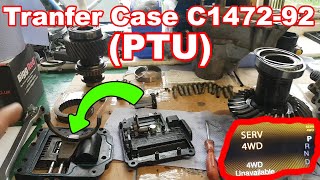
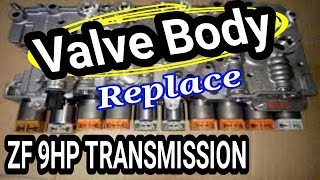

Technical Specifications
OEM Part Numbers: 68241675BA
Chrysler Designation: 948TE; Manufacturer: ZF; Model: 9HP48; Speeds: 9; Engine Application: 2.0L Turbo (VIN 8th digit 'N'); Drivetrain: All-Wheel Drive (AWD); Power Transfer Unit: Single-speed; Sales Code: DFH; Weight: ~189 lbs
We Have This Part in Stock


The information in this article is provided for general reference and educational purposes only. Vehicle specifications, procedures, and part compatibility can vary by production date, trim level, and region. Always consult your vehicle's factory service manual and verify part numbers before purchasing or performing repairs. Safety-critical components such as airbags, seat belts, and braking systems should be installed by a qualified professional.
- Jeep Cherokee:
- 🎬 Helpful Videos
- 🛍️ Shop This Part
- Identifying the Correct 2019 Cherokee 2.0L Turbo Transmission
- How to Confirm Your Vehicle's Transmission
- What Will NOT Fit
- Common Failure Symptoms
- Diagnostic Flowchart
- Known Issues, Recalls, and Bulletins
- Power Transfer Unit (PTU) Spline Failure
- Transmission Case Oil Leak
- Erratic Shift Quality
- What Fails at Every Mileage Band
- Under 60,000 Miles
- 60,000 - 100,000 Miles
- 100,000 - 150,000 Miles
- Over 150,000 Miles
- Real Owner Experiences
- Repair or Replace?
- When Repair Makes Sense
- When Replacement is Smarter
- Questions to Ask Your Installer
- Replacement Cost Estimates
- Installation and Programming: Critical Steps
- Professional Installation Recommended
- Mandatory Programming
- Required Parts and Fluids
- Installation "Gotchas" to Avoid
- Freight and Delivery Reality
- Arrival Inspection: Checking Your Used Transmission
- Fluid Color and Smell
- Pan and Magnet Inspection
- Torque Converter Hub and Input Splines
- Frequently Asked Questions (FAQ)
- 🎟️ Get 5% Off